Hand Tools
Suizan Japanese Pull Saw Review: A Small Saw That Cuts Like It Has Been Pre-Sanded
A thin-bladed Japanese pull saw made in Japan that excels at small, precise cuts in hardwood and softwood, as long as you learn the pull-stroke technique.
Introduction
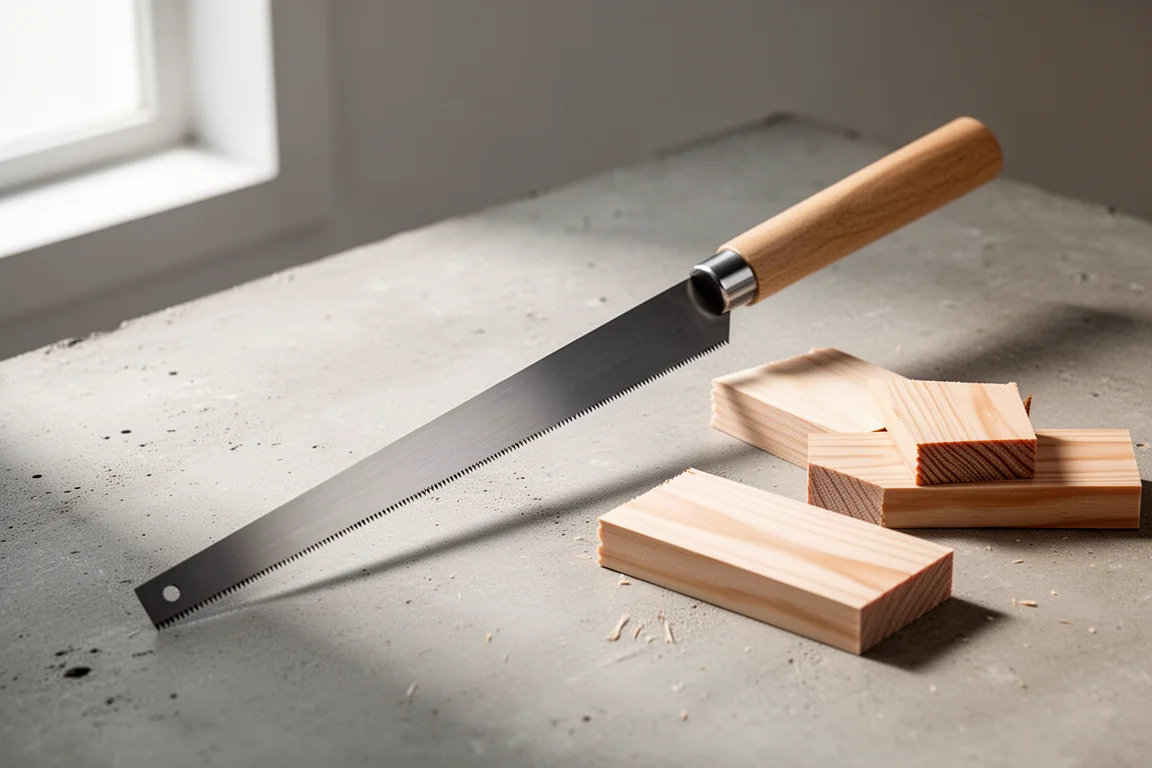
Japanese hand tools have a devoted following for good reason, and pull saws are one of the most approachable entry points into that world. The Suizan Japanese pull saw is a small, inexpensive saw made in Japan that has become a fixture in many workshops for one simple job: making small, clean, precise cuts in wood that larger saws and multi-tools struggle to match. After spending time with it on softwood and hardwood offcuts, it is easy to see why.
What Makes a Pull Saw Different
If you have only ever used Western saws, a pull saw takes a bit of retraining. Instead of cutting on the push stroke, this saw cuts on the pull stroke. That design choice is what allows the blade to be so thin. Because the blade is under tension while you pull, it does not need to be thick to stay straight, which means a narrower kerf and less wood removed with every cut.
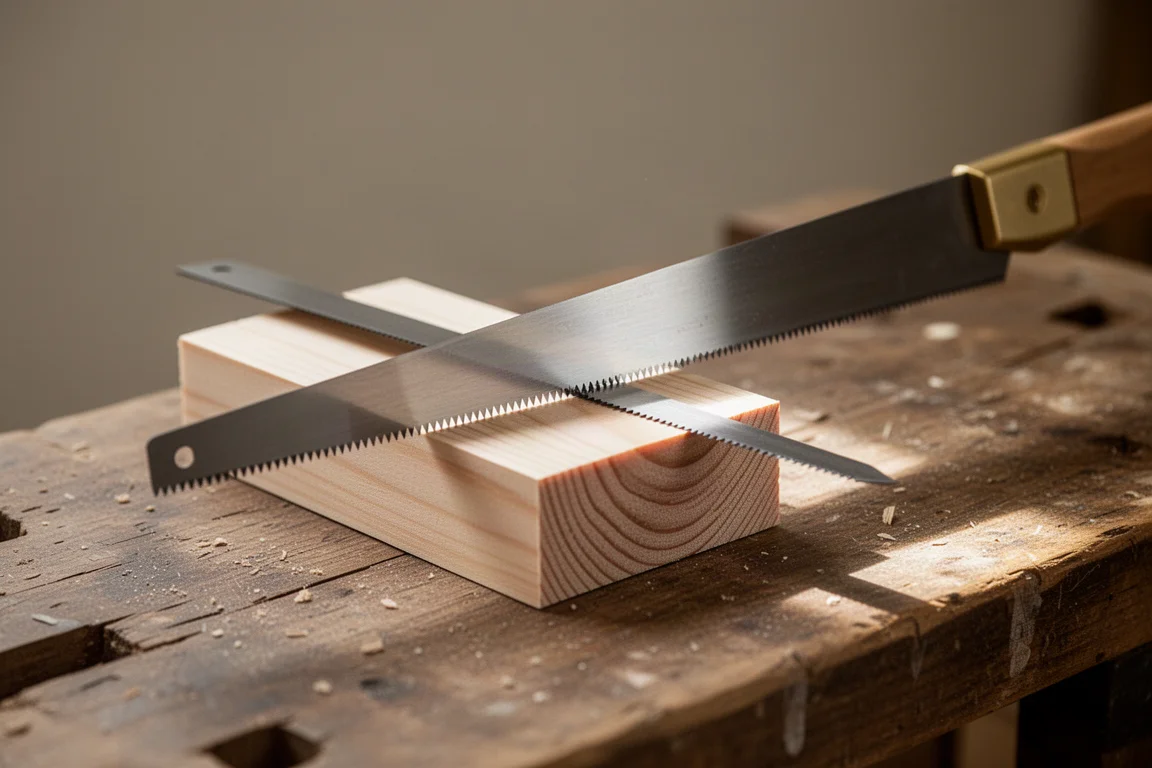
The trade-off is durability. The blade is thin enough that it would be fair to call it on the easier side to break. It is not fragile, but it rewards careful handling and punishes twisting or forcing. Treat it like a precision instrument rather than a demolition tool and it performs beautifully.
Dual-Sided Teeth for Hardwood and Softwood
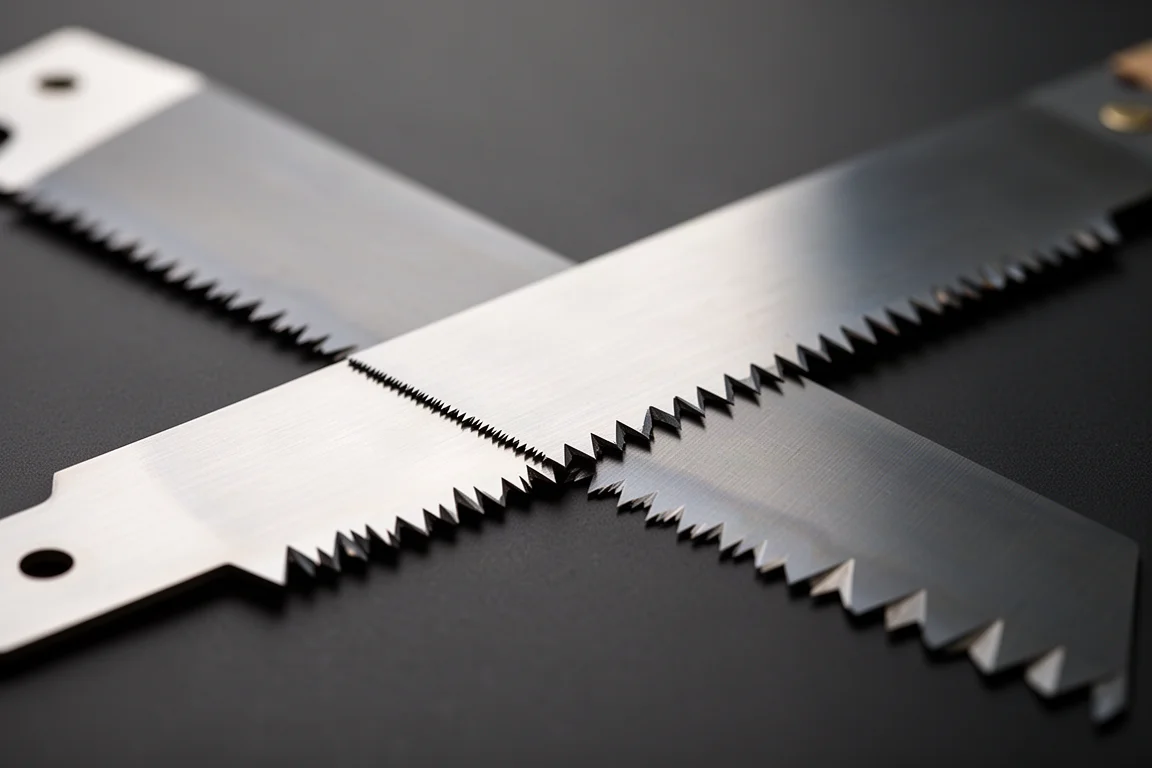
The saw comes ready for both hardwood and softwood. One edge carries finer teeth suited to softwoods like pine, while the other end has coarser, more aggressive teeth for hardwood. Having both in one small tool keeps it handy for the mixed scrap-bin cutting that most small projects involve.
Getting Started: Technique Matters
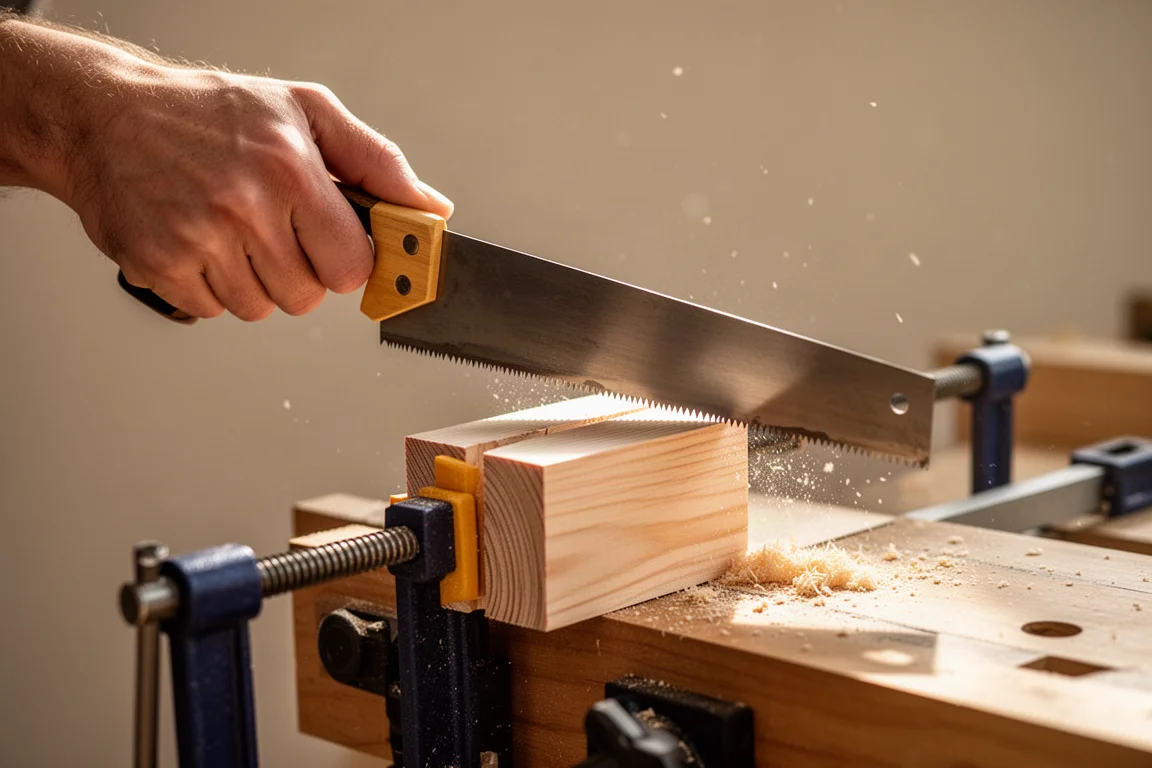
This is the part worth reading twice. A pull saw is trickier to use than most saws most people grew up with, and the first few cuts will feel awkward. The technique that works well is to start on the hardwood side for something like pine, gently create a small crease or kerf in the wood, and deliberately avoid pushing down. Let the pull stroke do the work.
Once the crease is established, you can add a bit more pressure and simply keep making that smooth pulling motion, letting the saw cut at its own pace. The single most important habit is keeping the blade as straight as possible in the cut. Let it drift side to side even slightly and the thin blade will bind up right away.
Using It on Small, Precise Cuts
Where this saw genuinely shines is small work. Think model building, trim pieces, dowels, and small parts where a multi-tool cannot cut precisely enough and a larger circular saw cannot leave a smooth enough edge to fine-tune. For those in-between cuts where nothing else in the shop quite fits, a small pull saw like this is exactly the right tool.
Cut Quality and Everyday Use
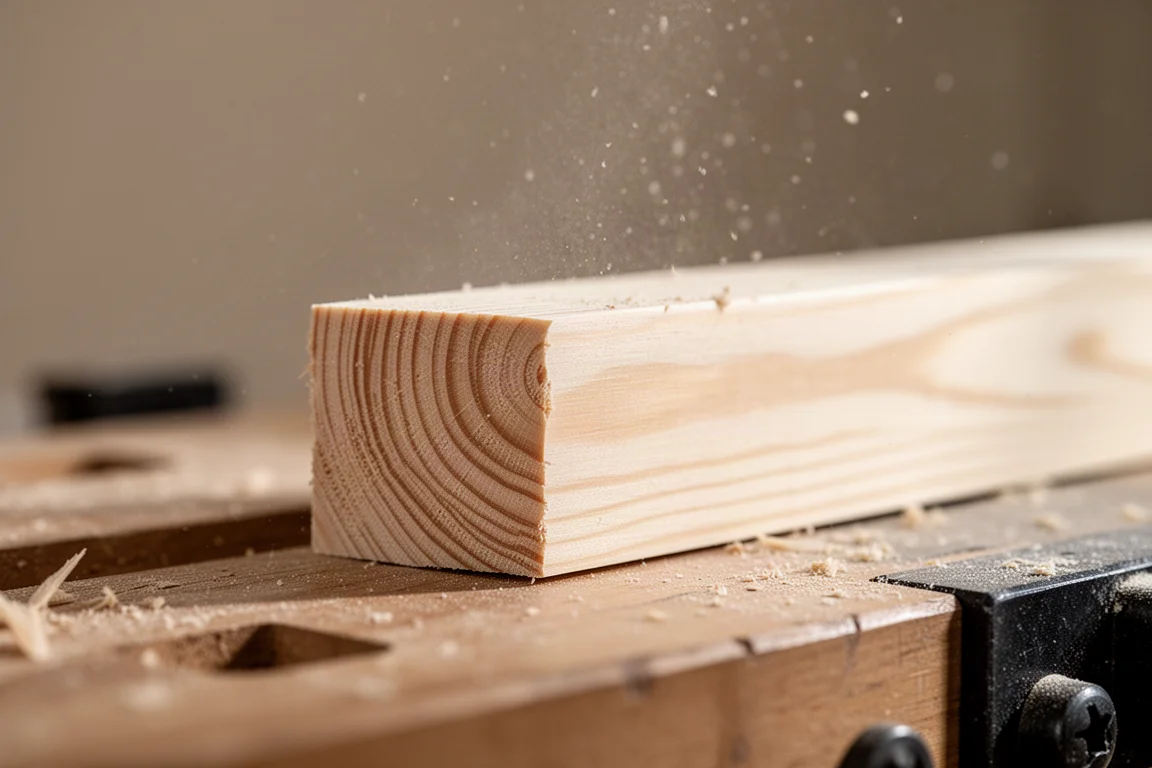
The standout result is the finish. Even taking off just a small sliver of wood, the cut comes out so clean it looks almost pre-sanded. That alone saves time, because pieces come off the saw ready for glue-up or light touch-up rather than needing a full sanding session first.
For a saw actually made in Japan, the price is genuinely modest, which makes it an easy recommendation as a shop staple. It is not a replacement for your primary saw, and it does take practice, but as a small-precision cutting tool it is hard to beat at this level.
Buying Advice
Buy this saw if you regularly make small, precise cuts and want a clean finish straight off the blade. Skip it if you need aggressive, fast crosscutting in thick stock, or if you are not willing to learn the pull-stroke technique, because the thin blade will frustrate anyone who treats it like a Western push saw. For everyone else, it is one of those inexpensive tools that quietly earns its place on the bench.
Conclusion
The Suizan Japanese pull saw is a well-priced, made-in-Japan hand saw that rewards a little patience with exceptionally clean, precise cuts in both hardwood and softwood. Learn the pull stroke, keep the blade straight, and it becomes one of the most useful small tools in a workshop.
Product link
View more details for Suizan Japanese Pull Saw
This product is mentioned in the review. Check the specifications, options, and compatibility before buying.
View more details for Suizan Japanese Pull SawFurther reading
Related Reviews
Hand Tools
Best Diagonal Cutters 2026: 16 Pliers Tested for Cutting Power and Durability
We put 16 diagonal cutters through nail, screw, drill bit, and hex key tests to find the best value picks for your toolbox.
Hand Tools
Best Hex L Key Sets 2026: Nine Sets Tested for Real-World Torque
Nine hex L key sets from budget to premium, tested for torque, fit, and durability. See which sets deliver real performance and which ones to skip.
Hand Tools
Best Locking Pliers 2026: Top Picks Tested for Grip and Durability
We tested 18 brands of 10-inch locking pliers for grip strength, jaw bite, build quality, and ease of release to find the best options for tough jobs.