Flashlights
Streamlight MicroStream USB Review: Why Its Time May Be Over
A long-popular rechargeable EDC flashlight with strong ratings, but modern competitors now beat it on waterproofing, charging, and output. Here's what to know before buying.
Introduction
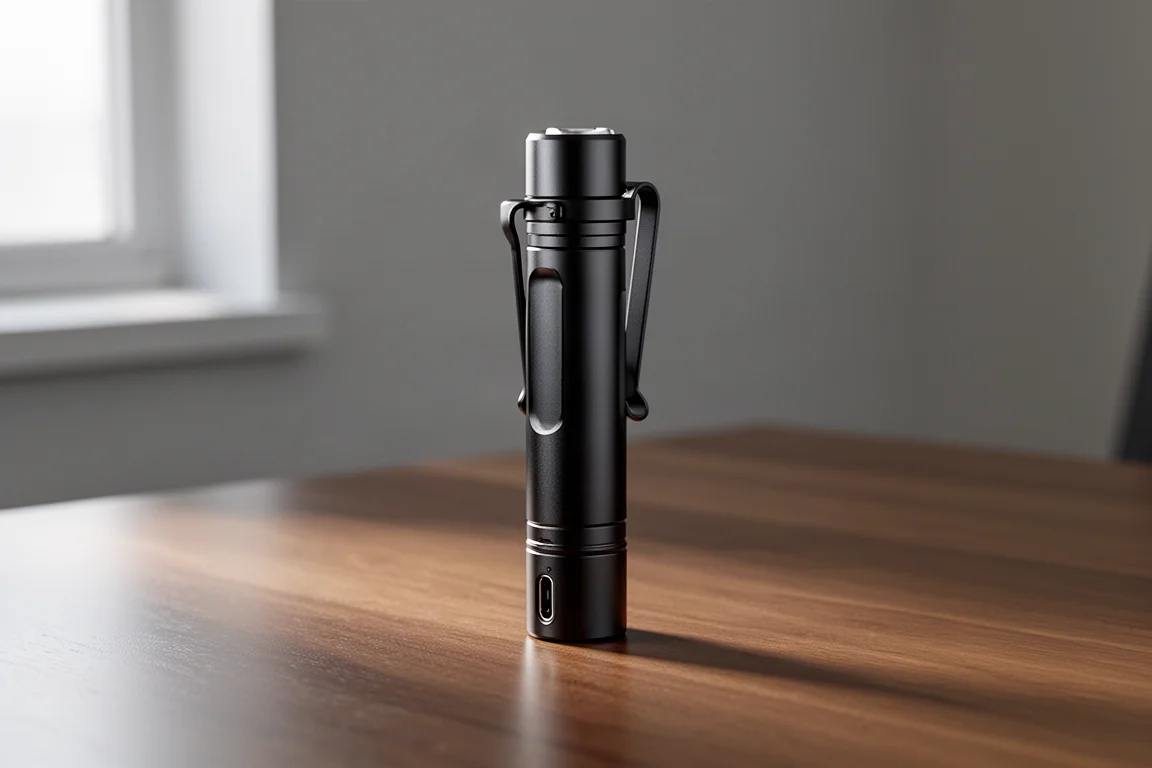
Few everyday-carry flashlights have a track record like the Streamlight MicroStream USB. It holds an average rating of 4.7 out of 5 stars with over 30,000 ratings on Amazon, which on paper suggests something close to a category leader. And to be fair, when it launched it genuinely was one of the few small flashlights offering a reversible pocket clip and built-in USB recharging.
The issue is not that the MicroStream USB is a bad flashlight. It is that the compact light market has moved on, and several current models now outclass it in almost every capacity: waterproofing, charging standard, battery flexibility, and maximum output. This review looks honestly at what the MicroStream USB still does well, where it falls short today, and which alternatives make more sense in 2024 and beyond.
Who This Product Is For
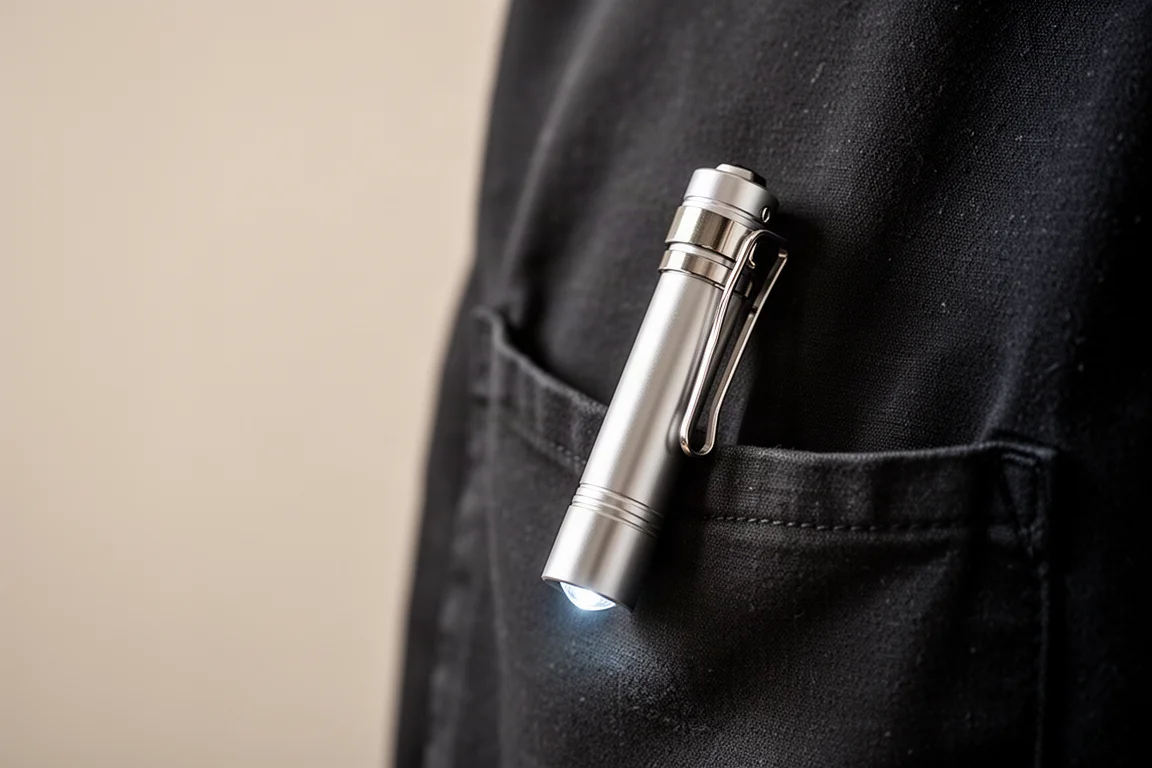
The MicroStream USB is aimed at everyday-carry users who want a slim, lightweight pocket light with a rechargeable battery and a simple two-mode interface. It ships with a neck lanyard featuring a quick tear-away release, which is a genuinely thoughtful touch that more brands should copy, and a pocket clip that can be reversed for hat or cap use.
If you want a no-frills light for casual tasks, finding things in a bag, or short walks at night, it covers the basics. The high mode is rated at 250 lumens with a 50-lumen low mode, and the runtime and output behavior are perfectly acceptable for this class.
Main Strengths
There is real substance behind the popularity. The two-mode layout is sensible: a single click starts on the 250-lumen high mode, a second click drops to the 50-lumen low mode. There is nothing complicated to learn, and the output distribution works well for everyday tasks.
The included neck lanyard with the quick tear-away design is a standout detail, and the reversible clip remains a useful feature even if the clip itself feels a bit flimsier than what competitors now offer. The battery is replaceable, which keeps the light serviceable over time rather than disposable.
Things to Consider Before Buying
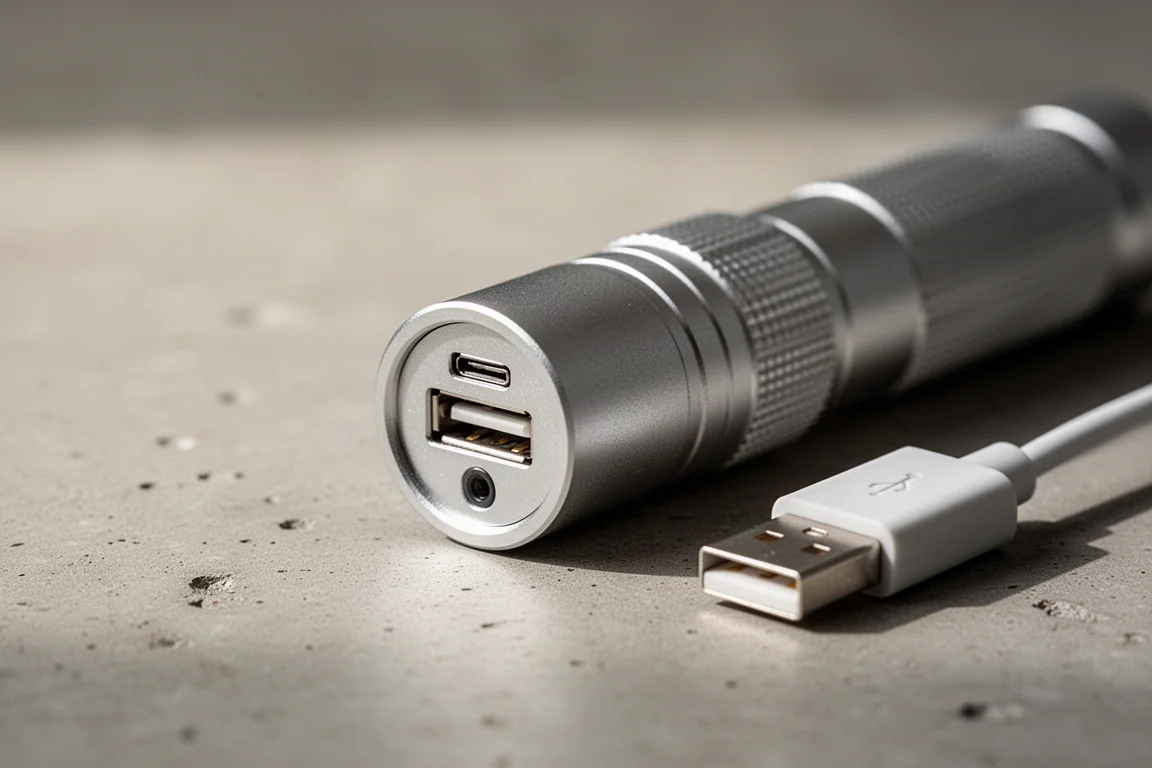
The most significant drawback is the charging port. The MicroStream USB charges over micro USB, which it does not advertise clearly and which is effectively outdated in 2024. Almost no modern devices use it, and finding a compatible cable often means digging through old drawers. In practice, it behaves like a proprietary connector.
The exposed port also limits the waterproofing. With an IPX4 rating, the light can handle a little rain and splashing and not much more. For a tool you may depend on in an emergency, that is a real concern: a light that fails when wet is worse than no light at all, because you might rely on it. An IPX7 rating, meaning survival at 1 meter for 30 minutes, is achievable even with an exposed port thanks to modern waterproof connector designs, so this is a fixable shortcoming.
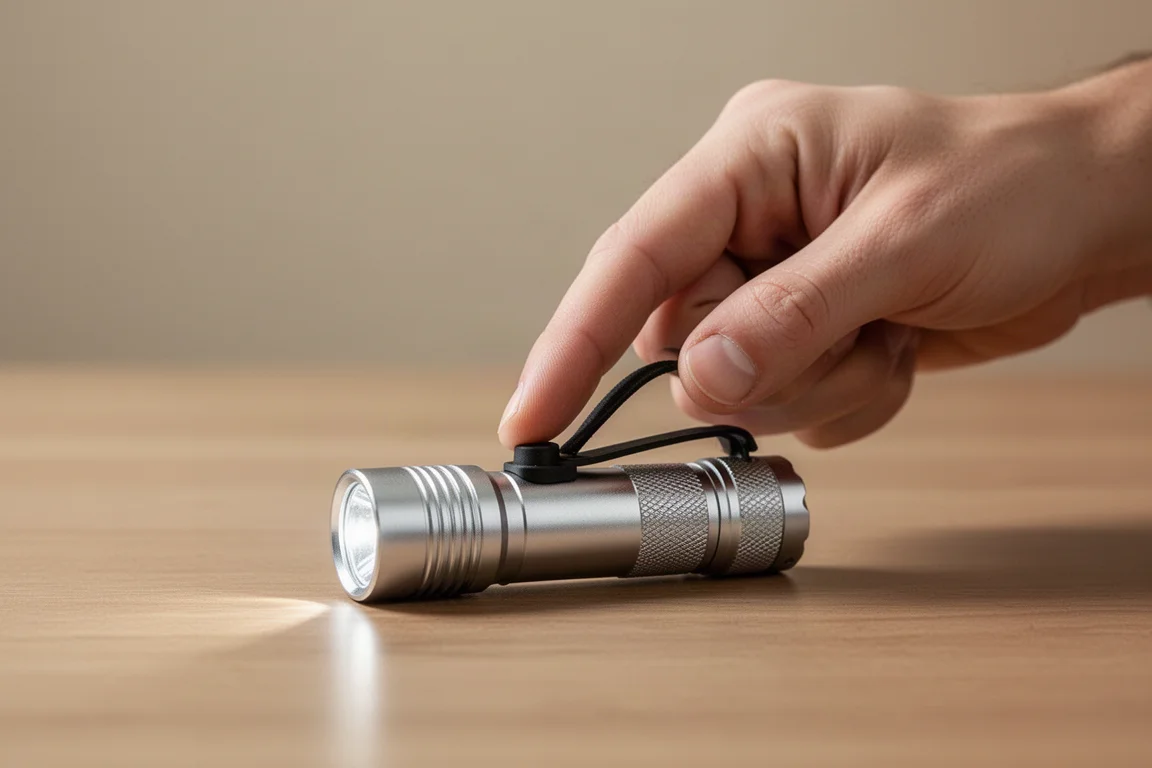
The tail button is another genuine problem. It is one of the most difficult buttons to press of any flashlight tested, requiring surprising force to activate. In informal testing with several family members, two people needed two hands to get it to register, and one could not activate it at all. A common workaround is unscrewing the cap and placing a thin shim underneath, but out of the box you should expect real resistance.
Finally, the proprietary battery. The included pack is essentially a modified 10440 with low-voltage protection built into the cell itself, because the flashlight lacks the internal circuit to protect a bare 10440. That means replacements must be bought directly from Streamlight, adding long-term cost and dependency.
Better Alternatives Right Now
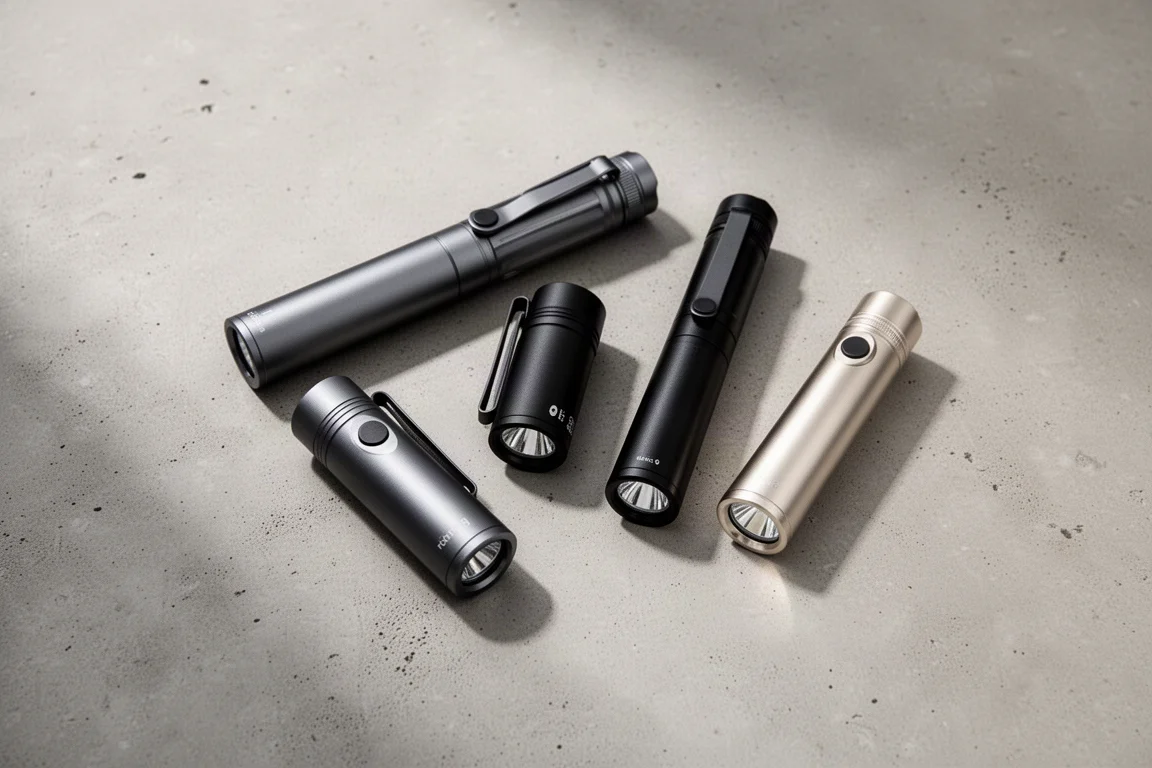
The competition has simply caught up and passed this light. The updated Olight i3T is the most direct comparison: a more robust clip housed within the threading, IPX8 waterproofing, standard AAA compatibility, roughly 200 lumens, and the ability to run a 3.7V 10440 with built-in low-voltage protection for around 300 lumens, about 50 percent more output than the MicroStream USB. It typically sells for around $20, and less during sales, while the Streamlight runs roughly $30 to $35 depending on where you buy it.
If recharging matters most, the RovyVon Aurora A3 Pro offers USB-C charging, a built-in lithium polymer battery, up to 650 lumens, a magnetic clip option, strobe access, and an IP66 rating at a very comparable price. The Manker E02 accepts either AAA or 10440 and reaches over 400 lumens with the latter while keeping an IPX8 rating. The original Olight i3T, still available, can hit roughly 550 lumens with a 10440 if you manage the battery carefully, and the aluminum Raylight Mini Pineapple brings around 2040-lumen-class output figures with a high CRI emitter and a programmable interface.
For those who want to stay with Streamlight, the ProTac 1L-1AA is arguably the best all-around package the company makes: IPX7 waterproof, 350 lumens on a CR123 battery with very high candela for long reach, and the ultimate in battery versatility since it also runs AA and even AAA with a spacer. And if you can carry something slightly larger, the Fenix LD12R adds USB-C charging under a sliding collar, an IP68 rating, 14500 and AA support, and a twist-out side light for hands-free use.
Buying Advice
If you already own a MicroStream USB and it works for you, there is no urgent reason to replace it. But for a new purchase today, the math is hard to justify. For roughly $20, the updated Olight i3T delivers better waterproofing, a standard battery with an optional high-output cell, and a stronger clip. If you want USB-C and dramatically higher output at a similar price, the RovyVon Aurora A3 Pro is the more forward-looking choice.
The MicroStream USB needs an update: a modern port, a proper waterproof rating, an easier button, and a standard battery would make it competitive again. Until then, it is difficult to recommend over at least the i3T or the Aurora A3 Pro.
Conclusion
The Streamlight MicroStream USB earned its 4.7-star reputation honestly, but its time in the spotlight is over. Outdated micro USB charging, IPX4 water resistance, a very stiff button, and a proprietary battery are all problems its current competitors have solved, often for less money. Unless Streamlight refreshes it, buyers looking for a small rechargeable or battery-flexible EDC light have simply better options available right now.
Product link
View more details for Streamlight MicroStream USB
This product is mentioned in the review. Check the specifications, options, and compatibility before buying.
View more details for Streamlight MicroStream USBFurther reading
Related Reviews
Flashlights
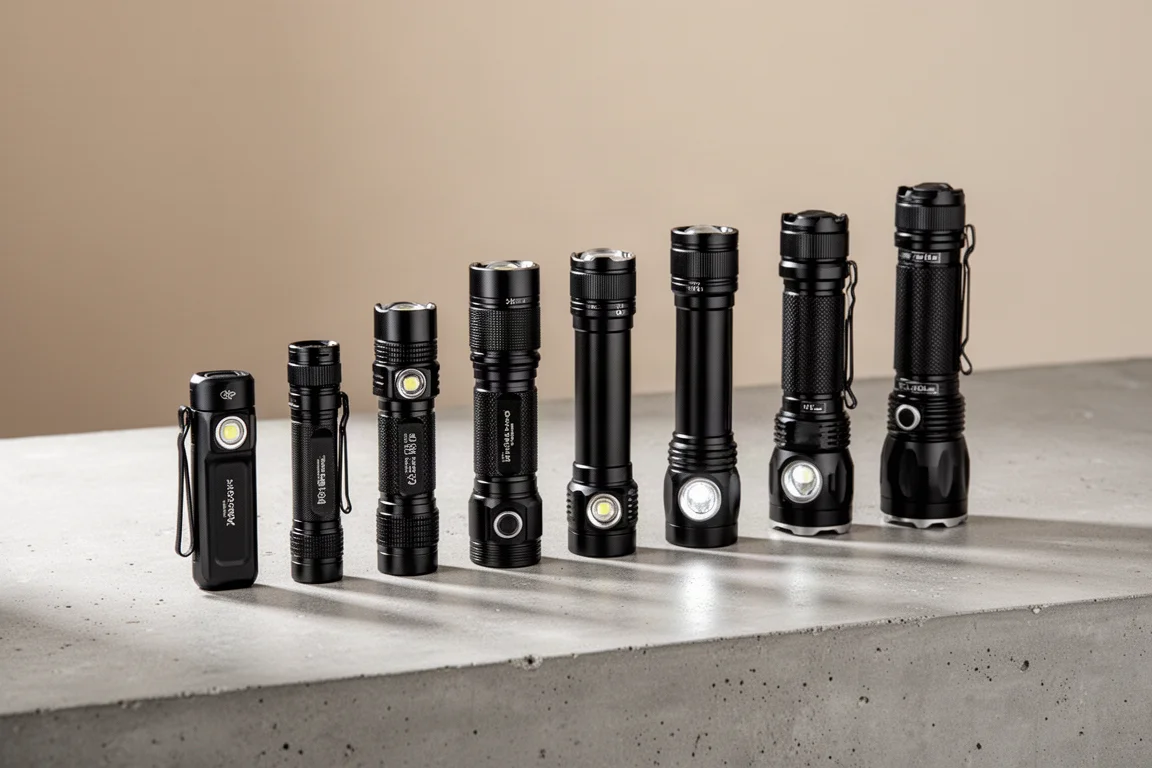
Best Flashlights 2026: Brightness, Battery, and Value Compared
We tested 18 flashlights across a wide price range to find the best performers in brightness, battery life, and durability.
Flashlights
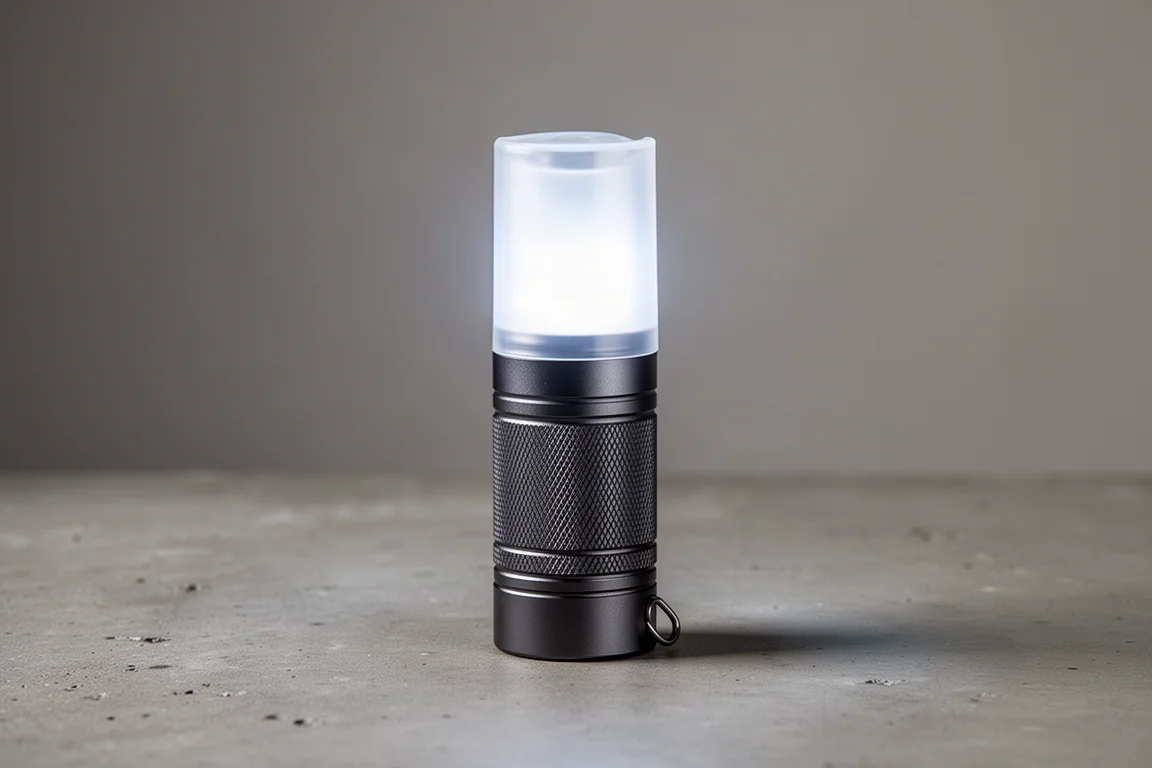
Nitecore LA10 Review: A Tiny 2-in-1 Lantern That Nails the Basics
The Nitecore LA10 pairs a pocket-sized lantern with a single AA battery, a magnetic tail cap and a five-year warranty. Here is where it shines and where it struggles.
Flashlights
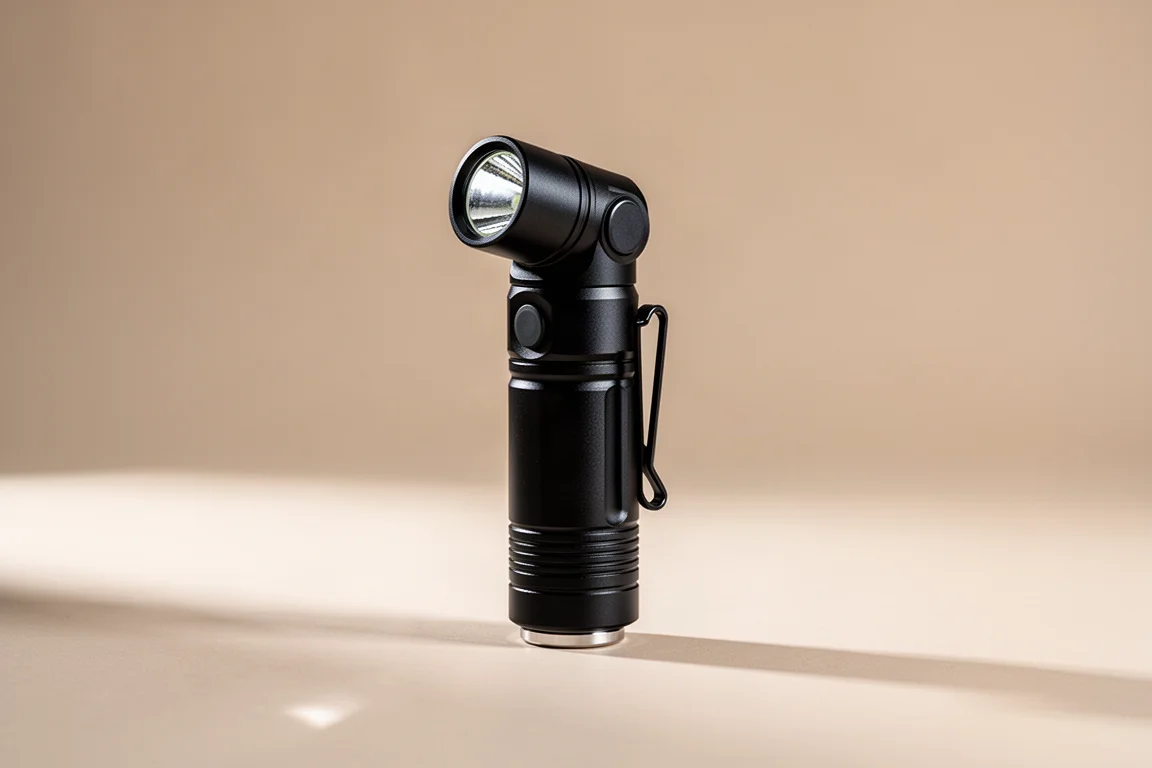
Wuben G5 Review: A Compact Everyday Carry Flashlight
The Wuben G5 is a small, rechargeable flashlight with a pivoting head, magnetic base, and color modes. Here is how it performs as an everyday carry light.