Ski Outerwear
Strafe Nomad Jacket and Bib Pants Review: A Breathable Three-Layer Ski Shell Kit
A close look at the Strafe Nomad jacket and bib pants, covering the freeride fit, the pocket layout, eVent Flex breathability, and how the shell handles wet weather.
Introduction
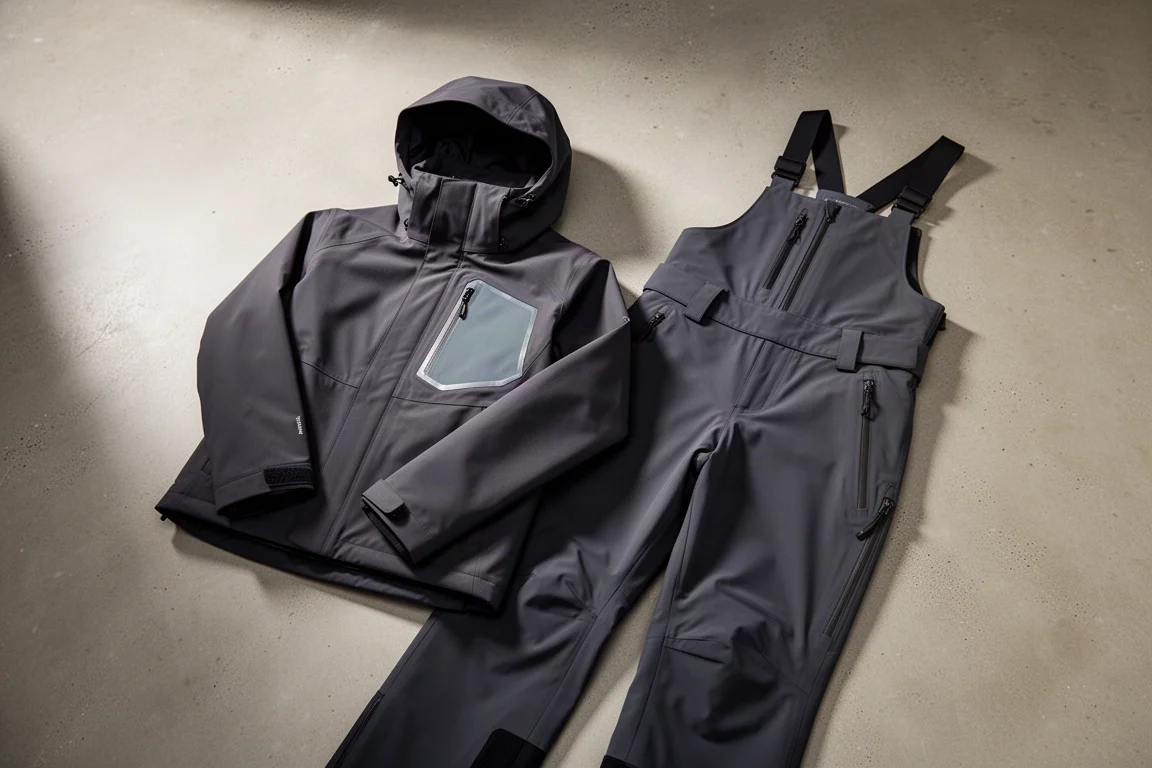
The Strafe Nomad jacket and bib pants are a three-layer shell kit built around movement and moisture management rather than insulation. Both pieces use a fabric called eVent Flex, which feels light in the hand, soft to the touch, and offers four-way stretch. There is no insulation anywhere in the set, so warmth comes from what you wear underneath.
That design choice shapes everything about the kit. It suits skiers who generate heat while they ride, whether that means lapping a resort on a mild, wet day or moving uphill on a longer tour. At full price the jacket and bib pants together sit close to $1,200, which places the set firmly in high-end outerwear territory. This breakdown covers fit, features, and fabric performance so you can judge whether that outlay matches how you ski.
What the Strafe Nomad Jacket and Bib Pants Are Built For
The Nomad set is a shell system: three layers of fabric, no fill, and a membrane that handles weather while letting vapor escape. The outer face fabric feels softer and less crinkly than much of the technical outerwear on the market, and the four-way stretch runs through both the jacket and the pants.
That combination points to two kinds of skiers. The first is the resort skier who runs warm and would rather tune midlayers than wear a bulky insulated jacket. The second is the backcountry skier who climbs under their own power and needs the shell to dump heat on the way up.
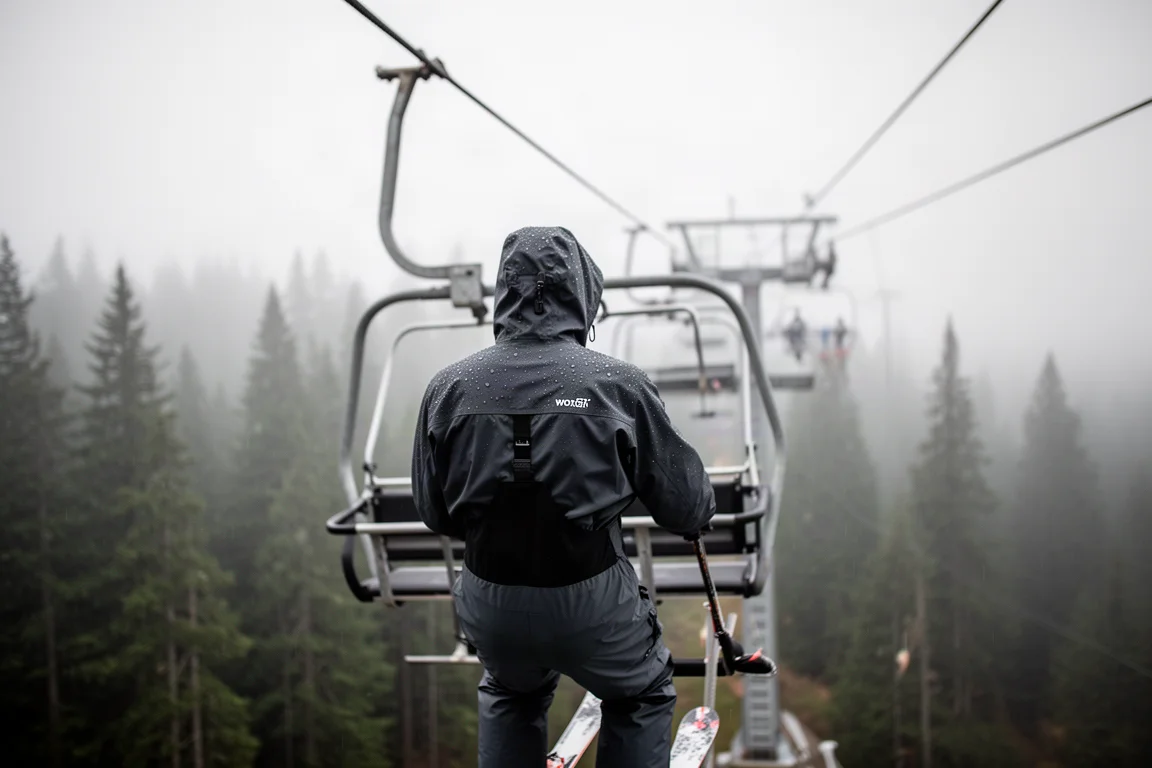
On colder days the answer is layering rather than a different jacket. Add a warmer midlayer and the same shell covers a wide range of conditions, which is the main argument for a kit like this over a single-purpose insulated piece.
Strafe Nomad Jacket: Fit and Pocket Layout
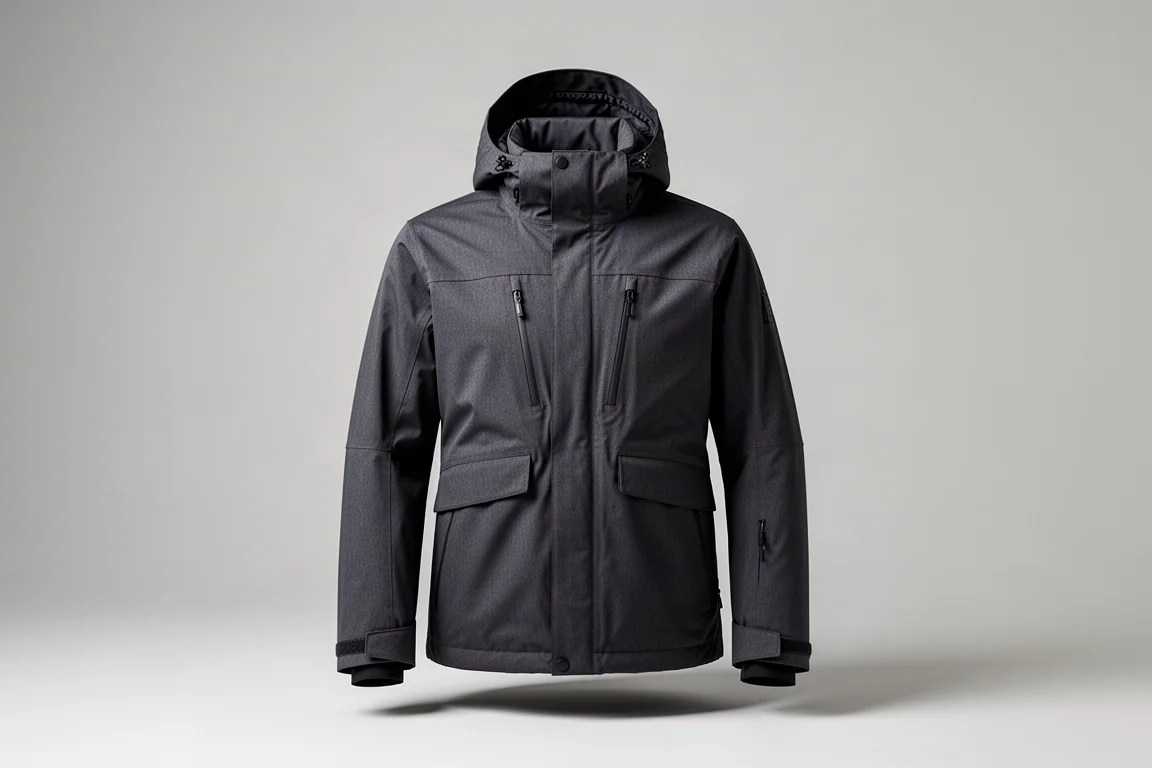
The jacket has a freeride and freestyle inspired cut. On a 5’10”, roughly 160 lb skier, a size large feels roomy without being oversized, and most skiers of that build would likely prefer a medium for a more traditional fit. Even the medium keeps some room in it, so this is not a slim piece. The hem lands around mid thigh, long enough to cover the seat when sitting on a chairlift or in the snow, and short enough that it never feels cumbersome.
The sleeves are a strong point. They are not excessively long, and the cuffs taper to a moderate circumference, wide enough to slide over gloves but narrow enough that the closure does not need constant fiddling.
Storage is generous. Two large lower pockets and two chest pockets mean most of the front of the jacket is usable space, and a mesh sleeve inside one chest pocket is sized for a phone. A pass pocket and a couple of small internal pockets round things out. Two details are worth flagging: the hand pockets close toward the inside, which makes one-handed re-zipping awkward when stashing a camera, and there is no large oversize pocket for gloves or climbing skins.
Strafe Nomad Bib Pants: Fit and Venting
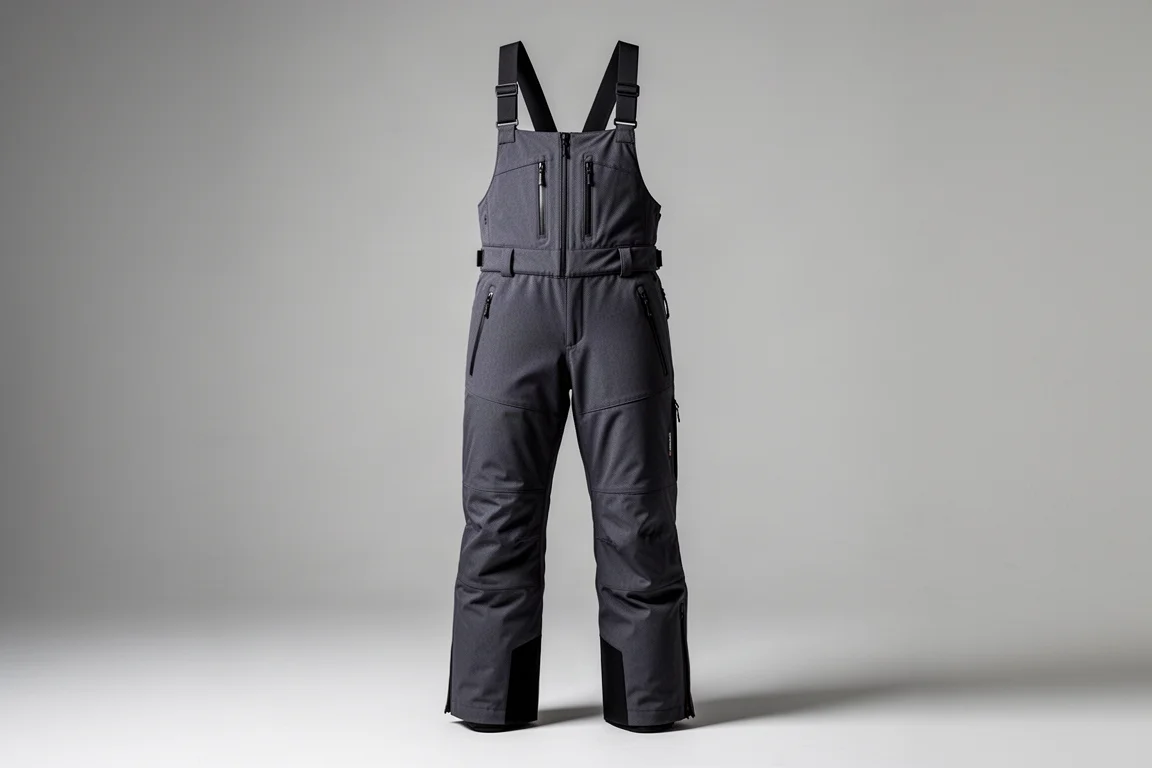
The bib pants run roomy through the waist in the same sizing, which is worth knowing if you sit between sizes. Belt loops are there if you want to cinch things down, and leg length stays moderate rather than dragging.
Pockets are well organized for a technical shell bib. Two zippered bib pockets are big enough for a phone and other valuables, and they sit under the jacket for a second layer of protection. A lower leg pocket is the one weak spot: on a roomier fit, anything firm placed there can knock against the knee.
Venting is handled with leg vents positioned along the side of the thigh, and they have no mesh, so air moves straight through to whatever you are wearing underneath. That makes it easy to tune temperature by adjusting base and midlayers instead of removing a layer entirely.
Fabric Performance: Breathability and Stretch
Breathability is the standout quality of the eVent Flex fabric, and the venting is right there in the name. Under sustained hard work the shell keeps the body feeling regulated rather than clammy, which matters most when you are hiking, working through a terrain park, or moving uphill on a short tour.
The four-way stretch reinforces that. Movement never feels restricted, and the material stays quiet and soft against the body rather than stiff and plastic. For skiers who run hot, this is the single strongest reason to consider the kit.
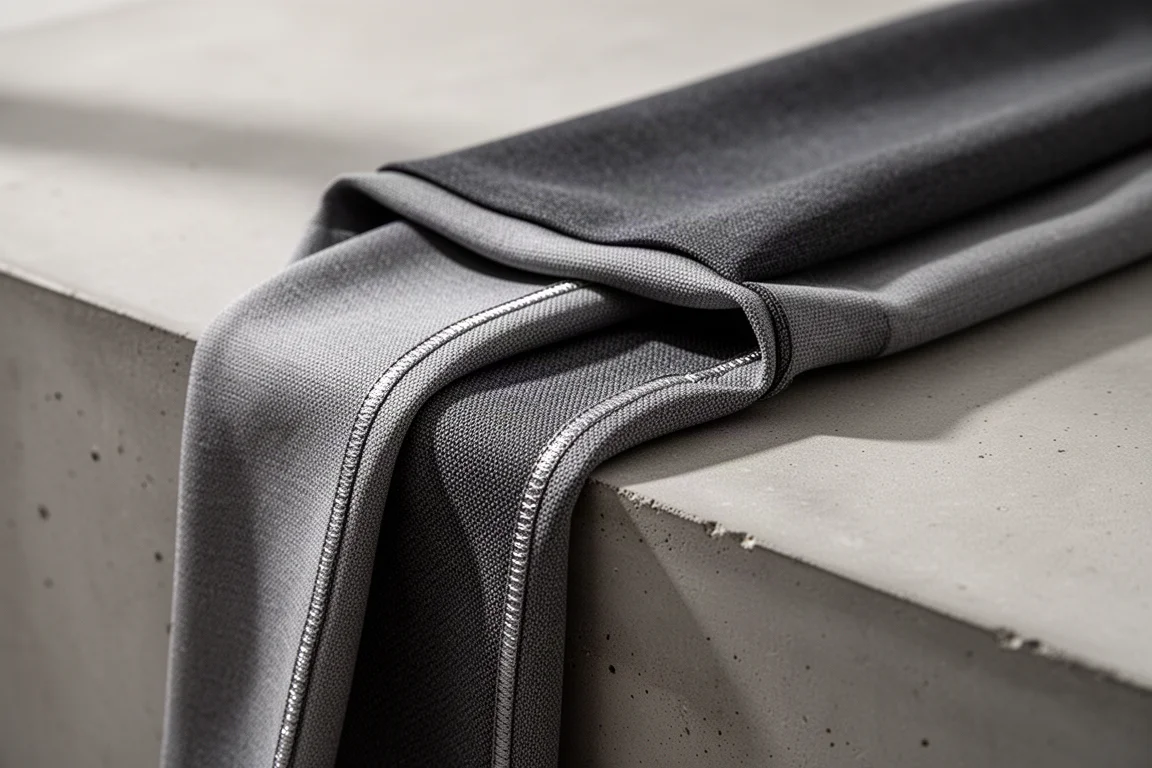
The trade-off is that breathability, not maximum water resistance, is the priority here. That shows up most clearly once the weather turns genuinely wet.
Water Resistance in Real Conditions
In steady rain the face fabric becomes noticeably saturated. Some shells bead water more aggressively on the outside, and the surface finish here is not the most repellent on the market. What matters is that the internal membrane keeps holding, and the body stays dry even as the exterior darkens with moisture.
This is not a rain shell and it is not meant to be used as one. For typical ski conditions, including wet snow and mild storm days, the protection is more than adequate. Skiers who regularly ride in heavy rain will be better served by a shell with stronger surface beading.
Hood, Powder Skirt, and Layering
The hood is helmet compatible and works with an XL helmet, though it fits snugly and offers slightly less range of motion than some designs. Worn up for a full day, it stays comfortable.
A removable powder skirt adds protection on deep days and stays out of the way when it is left in place. The wrist gaiters are snug enough to seal out snow and breeze without feeling constrictive, which is not something every shell gets right.
Because the kit is uninsulated, the midlayer you choose does most of the work in cold temperatures. A light fleece covers mild days, and a warmer synthetic layer handles the coldest ones. That flexibility is the point of the design.
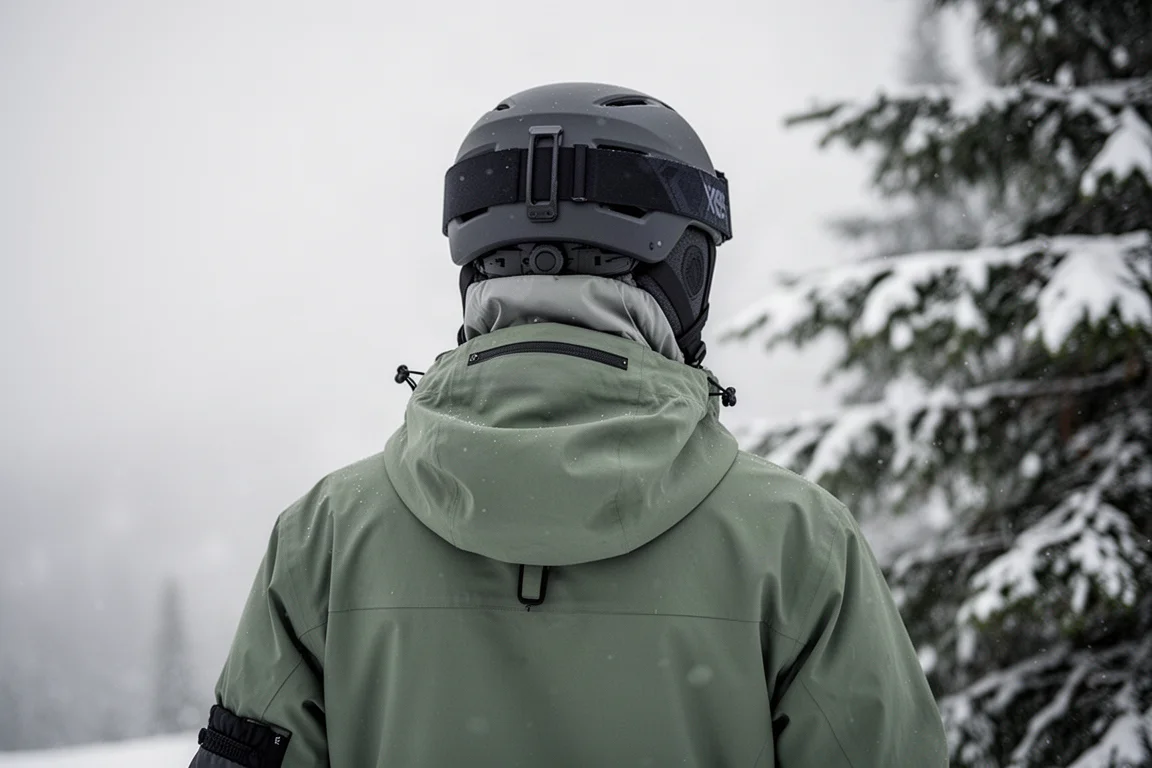
The leg vents pair naturally with that approach. On a long climb you can open the side zips and let heat escape, then close them at the top without changing anything else about your layering.
Things to Consider Before Buying
- The set is uninsulated, so budget for midlayers if you ski in cold conditions.
- Surface water beading is not class leading, and the face fabric saturates in sustained rain.
- The jacket hand pockets zip toward the inside, which is less convenient for one-handed use.
- There is no large oversize pocket on the jacket for gloves or skins.
- Sizing is roomy, so skiers who want a traditional fit should consider sizing down.
- Full price for the jacket and bib pants together is close to $1,200.
Buying Advice
The Nomad jacket and bib pants make the most sense for skiers who put breathability, stretch, and freedom of movement first. If you run warm, supply your own insulation, and spend real time working hard on the mountain, this kit is built for exactly that.
If your priorities are maximum water beading or a warmer single-piece jacket, look elsewhere. Sizing is the other decision to make early: choose your usual size for the roomy freeride fit, or size down for something closer to a standard cut. The jacket hem, the tapered cuffs, and the moderate leg length all stay workable across that choice.
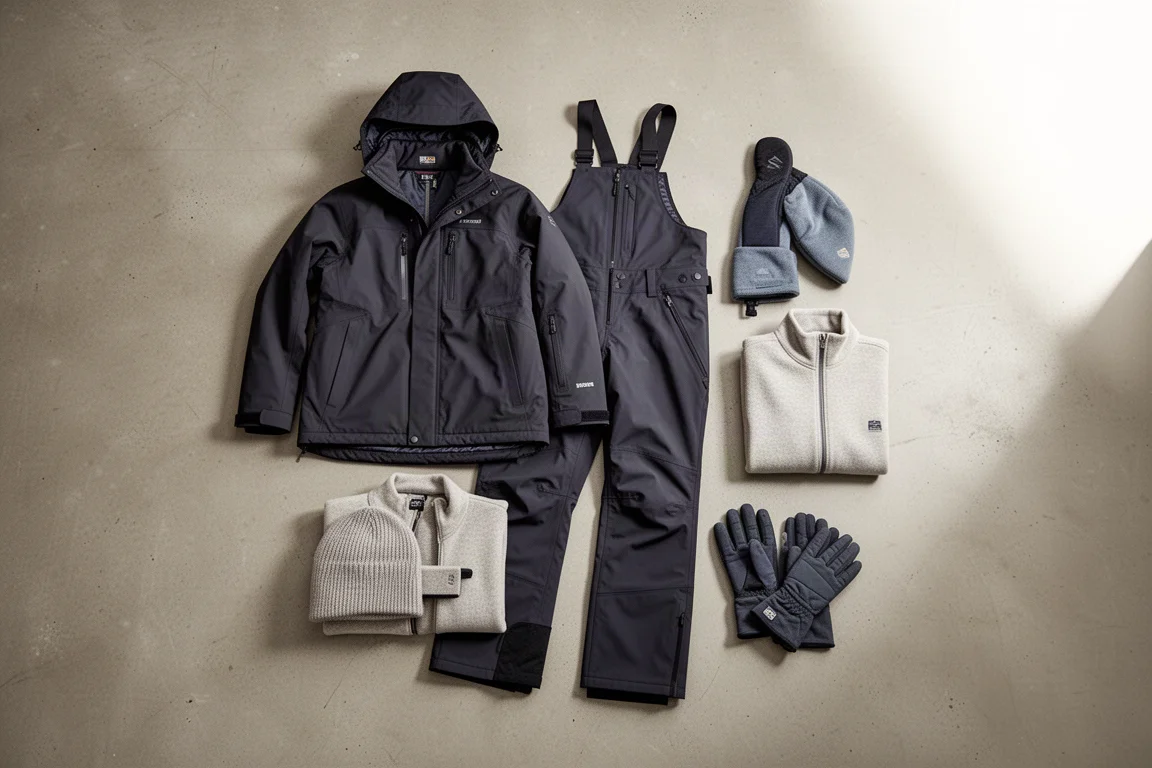
At close to $1,200 for the set, the value case rests on how much you use it. A shell that breathes well across resort days and touring days can take the place of more than one jacket in a quiver.
Conclusion
The Strafe Nomad jacket and bib pants are a well-executed three-layer shell kit. The eVent Flex fabric is light, soft, and remarkably breathable, the four-way stretch keeps movement free, and the pocket layout covers most needs without clutter. The compromises are surface water beading that falls short of the best, an uninsulated build that requires layering, and a few pocket details that could be refined. For skiers who want one breathable, mobile shell system, that is a reasonable set of trade-offs.
Further reading
Related Reviews
Ski Outerwear
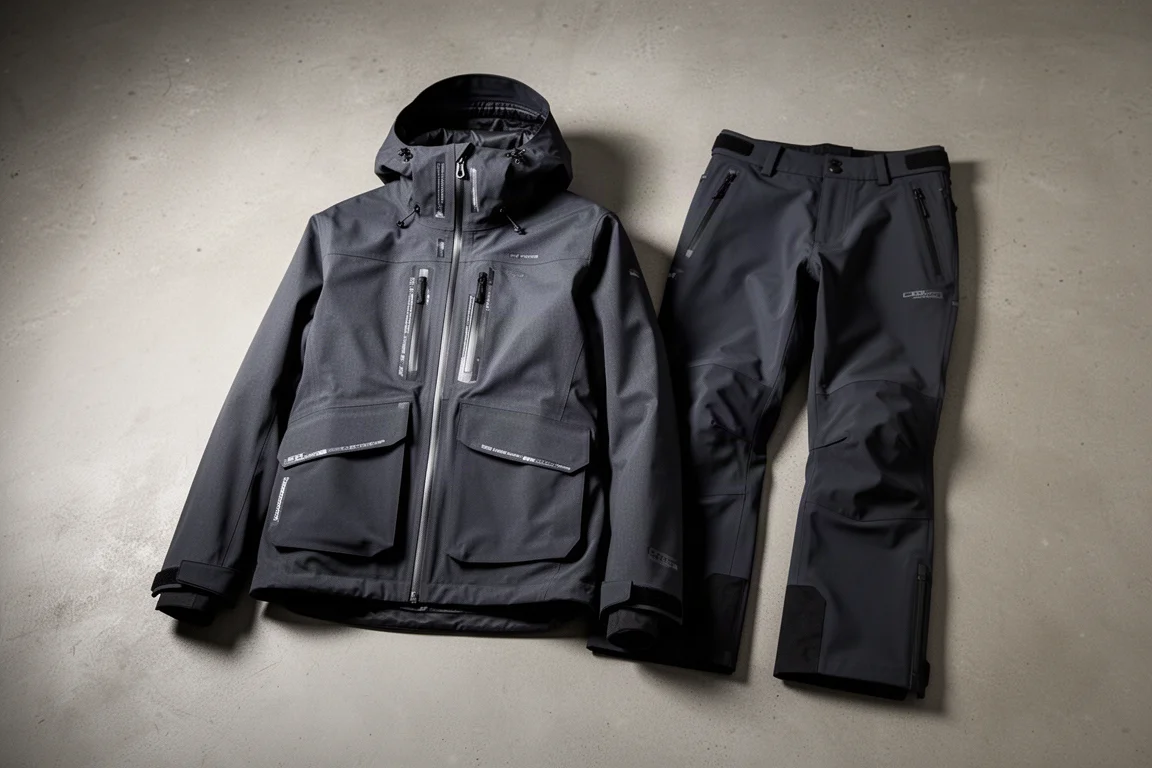
Armada Grands Jacket and Emmons Bib Pant Review: Three-Layer Ski Shells With Real Value
A close look at the Armada Grands jacket and Emmons bib pant, a three-layer ski shell set with taped seams, 15,000 ratings, and pricing that undercuts most comparable outerwear.
Ski Outerwear
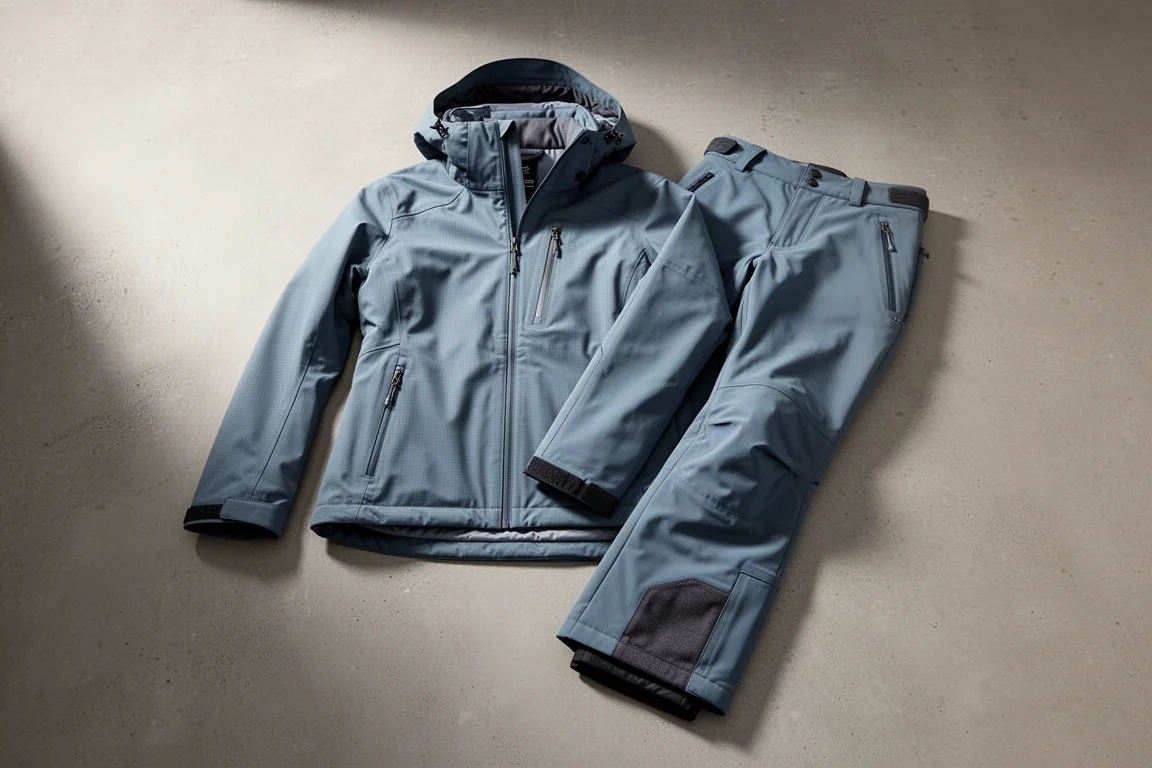
Black Crows Freebird Explore Kit Review: A Minimalist Shell Built for Wet Weather
The Black Crows Freebird Explore jacket and pants pair impressive waterproofing with a lightweight, mountaineering-focused design. Here is what works and what to check before buying.
Ski Outerwear
Black Crows Freebird Export Jacket and Aura Body Map Pant Review
A women's ski kit that pairs a lightweight three-layer touring shell with warmer, more durable big mountain pants, plus sizing notes and feature details.