Ski Reviews
Stockli Stormrider 88 (2026) Review: A Refined All-Mountain Damp Classic
The 2026 Stockli Stormrider 88 refines an already smooth all-mountain ski with a lighter titanal build, softer tips, and a wider window for turn transitions. Here is what you get for $1,439.
Introduction
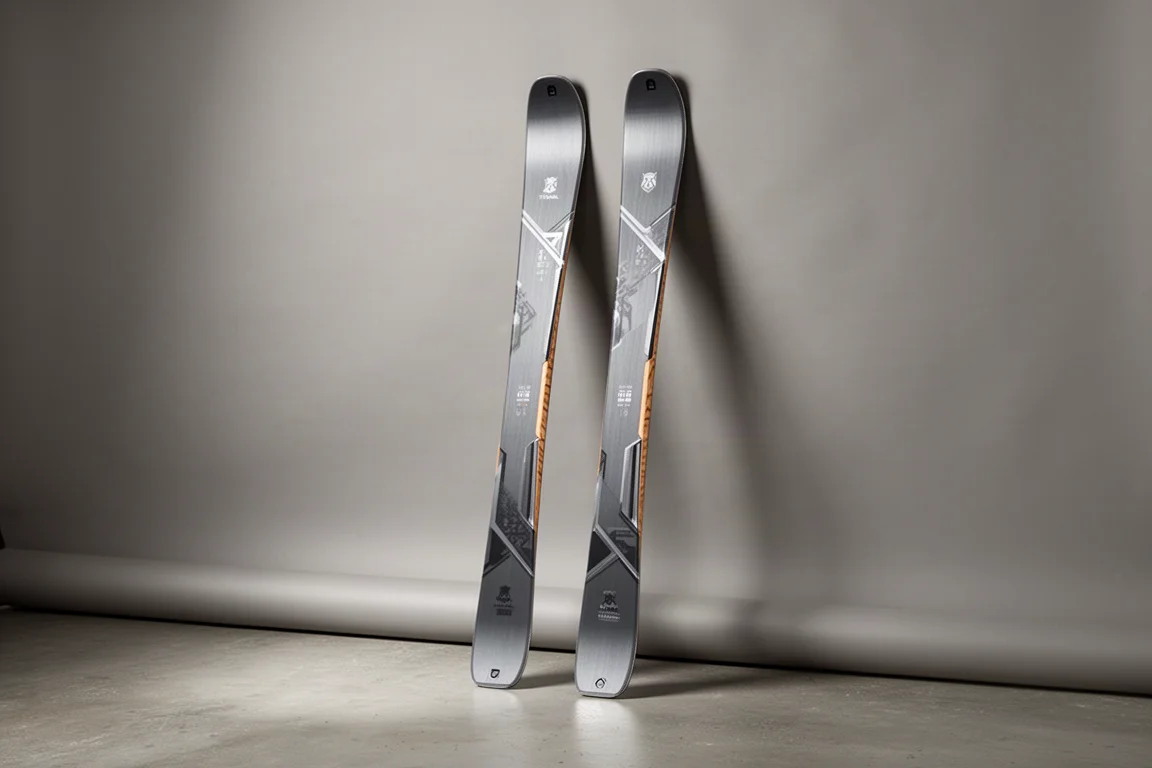
The 2026 Stockli Stormrider 88 is not a dramatic overhaul. If you skied the previous generation, the core experience is largely the same, wrapped in a few quality-of-life tweaks that genuinely improve the ski. Tested in the 184 cm length, it carries a 19.5 m turn radius, a directional flat tail with a fairly wide platform, and only a slight splay on the tips.
At $1,439 it is not one of the discount options, though as the rest of the industry raises prices, the gap has narrowed. What you get for that money is a handcrafted, unusually durable all-mountain ski that prioritizes smoothness over everything else. After extensive mileage across poor end-of-season conditions at Sun Valley and a full season at a home mountain, this felt like a careful refinement of an already excellent ski.
Who This Product Is For
This is a ski for more people than most would expect. If you are coming off an Elan Ripstick 88 or 96 and find yourself feeling limited in springtime conditions, or you have simply graduated from needing the easiest possible turn initiation, this is a natural step up. It keeps an accessible tip while adding a much smoother, more planted ride.
It is also an excellent match for skiers who are sensitive to chatter. Riders with arthritis, soreness, or similar concerns benefit enormously from a ski that keeps noise and vibration out of the feet. For anyone who skis more than 5 days a year, cares about build quality, and plans to keep their gear for years, this deserves a spot on the demo list.
Construction and Build Quality
Stockli uses a thin glass laminate here, approximately 25% lighter than the traditional layout. Titantal Pro technology means double titanal layers with graphics applied directly to the top sheet, saving a stacking layer and reducing weight. That metallic top layer also makes the top sheets notably more durable than brands where you can see fraying early in the ski’s life.
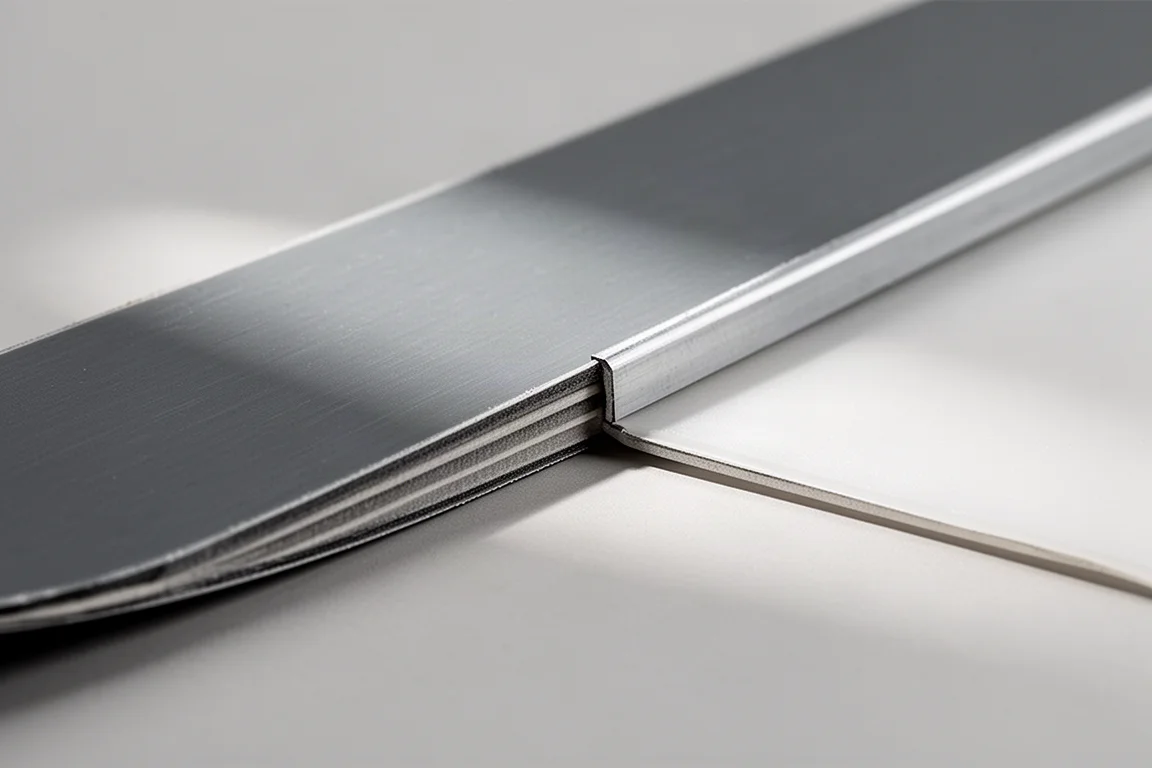
Other details add up: a full polywall sidewall for impact resistance, a Solid Metal Edge Light with the same usable edge thickness as a standard edge but thinner insertion tabs (so frequent tuners lose nothing to tune down on), a paulownia and poplar wood core, and rubber shavings layered between the construction plies for extra dampness. Everything is handmade in Switzerland. Anecdotally, older Stockli pairs bought used have held up for years, and that consistency shows here.
On-Snow Impressions: Smoothness Is the Headline
If there is one thing this ski perfected, it is smoothness. Not just dampness in a straight line, but a distinct, quiet smoothness once you get it on edge, all the way through the turn. The analogy holds: it feels like going from a Toyota to a Lexus, all the reliability and performance with a quieter cabin and more cushioned suspension.
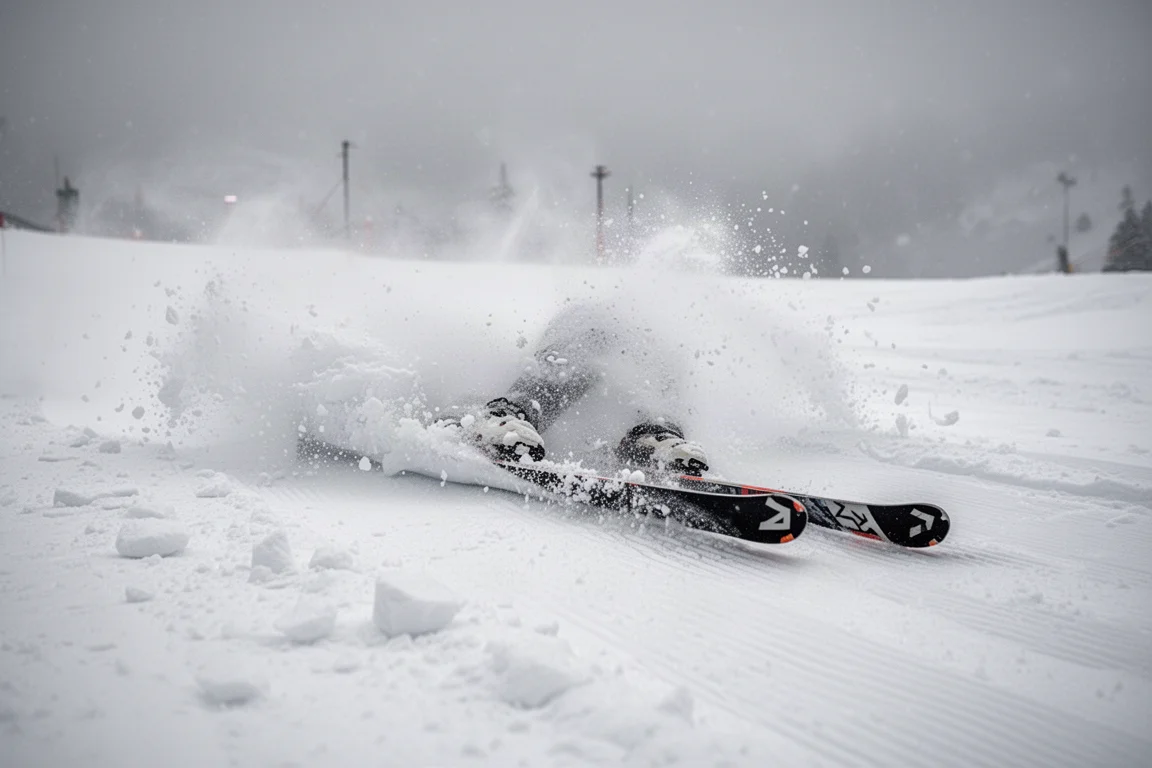
The wider tail creates a better platform and a wider window of opportunity for turn transitions. You can hang out on the tails longer, traverse longer, and wash out turns without being punished. That is the key difference from the Monaro line, which demands perfect timing. This is the more forgiving and more accessible Stockli, with more range than the Monaro.
For 2026, the tips bite more and feel softer, making turn initiation easier than the previous generation. It also tracks better at speed: no speed shuddering until very high velocities, and the top speed threshold feels higher than before.
Where It Shines: The Good
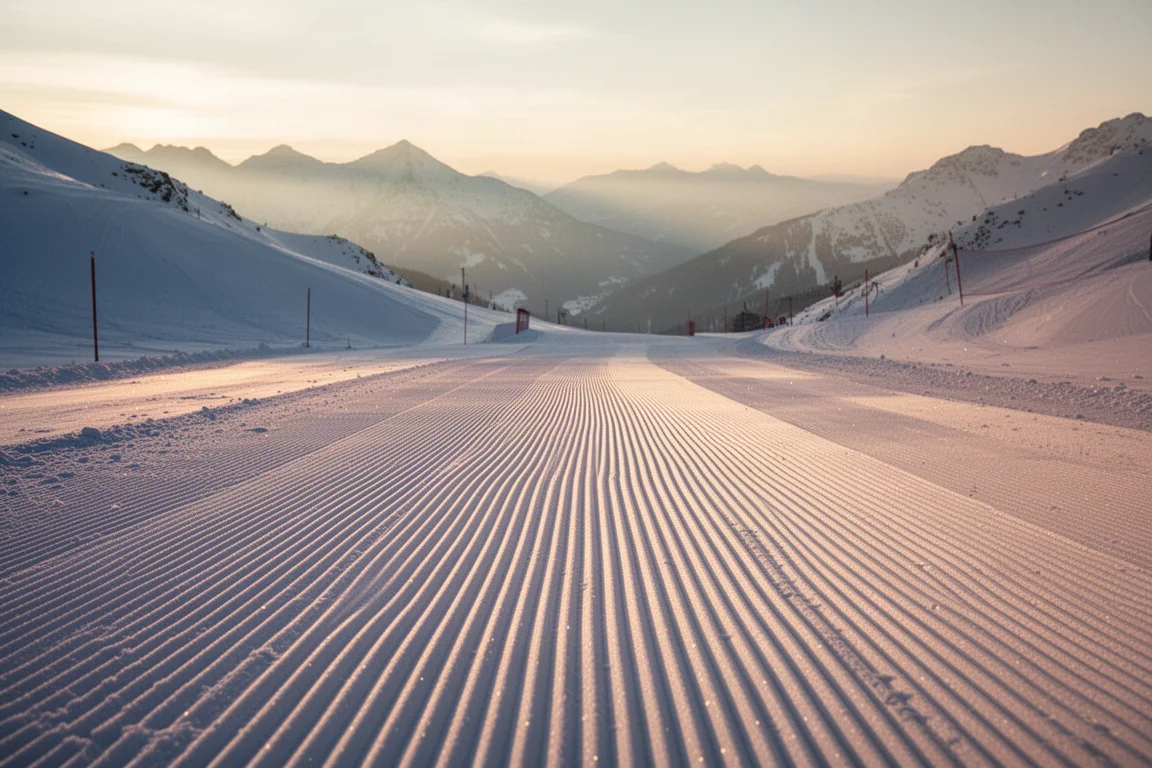
This is a crud cutter and a daily driver wrapped in a carving-focused ski. It is a good crud cutter for warm, end-of-day conditions, and it carves corduroy beautifully, especially when given room to breathe. On hardpack, ice, or melted-and-refrozen sloppy snow, it barely cares what the conditions are. Keep the edges sharp and it is a dream through firm snow; load the downhill ski and it plows right through bad conditions.
There is nowhere on the mountain where you feel locked out. It has the width and shape to get you off trail, and while you would obviously want something wider in 3 feet of fresh snow, it will not punish you for being focused on carving.
Things to Consider Before Buying
The honest qualifier: if pinpoint carving precision is your only focus and you have a racing background, try the Monaro first. This ski is more accessible by design, and that means it is not as pinpointy. The Monaro AR suits more open turns, the Monaro AS shorter radius, and the Monaro AX sits in between. If you are between those categories, demo both.
Second, this is not a short-radius ski. At 19.5 m it needs room to breathe, and in the 184 cm length it honestly felt closer to an 18.7 in practice. It enjoys the open-radius turn. If you are on a smaller hill and want something for tight, quick turns, look at the Monaro AS instead. Neither point is really a flaw; they are fit qualifiers.
Buying Advice and Verdict
At $1,439, the price is real. But the value argument is strong: with comparable skis starting to peel at the top sheet after a couple of days, the titanal top layer here delivers a ski built to last. Prices have not risen as quickly on this as on much of the industry, and the consistent, high-quality turn supports the long-term ownership case.
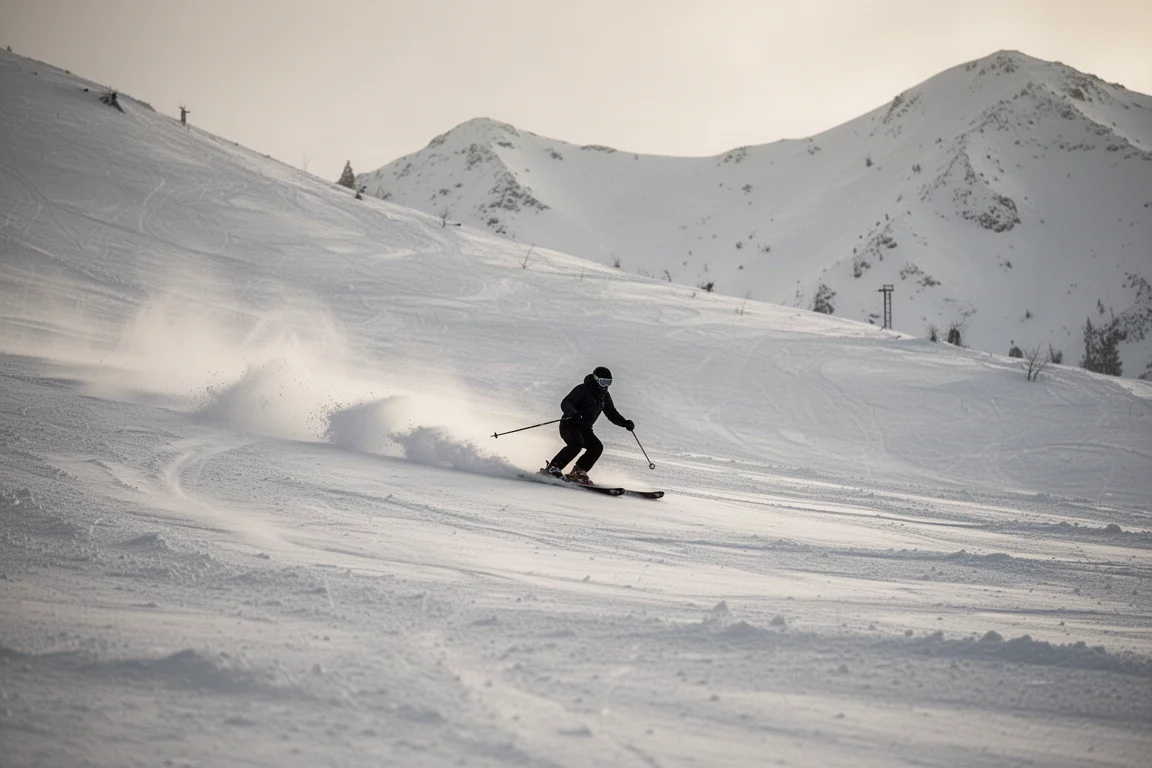
As a score, this lands at 9.2 out of 10. It is a phenomenal iteration on the previous generation, and among all-mountain skis it is one of the better options available right now, especially if build quality and longevity matter to you. If you get the chance to demo it, take it.
Conclusion
The 2026 Stockli Stormrider 88 does exactly what a beloved product should do: refine rather than reinvent. Softer, more approachable tips, better tracking at speed, a more durable metallic build, and that signature Stockli smoothness with far more forgiving timing than the Monaro line. For skiers stepping up from an Elan Ripstick-class ski or anyone who wants a quiet, confidence-inspiring daily driver that shrugs off bad snow, this is an easy recommendation.
Product link
View more details for Stöckli Stormrider 88
This product is mentioned in the review. Check the specifications, options, and compatibility before buying.
View more details for Stöckli Stormrider 88Further reading
Related Reviews
Ski Reviews
Armada Antimatter 108 Review: A Freeride Ski Built for Speed and Deeper Snow
The Armada Antimatter 108 carries over the beloved Declivity X 108 shape with new construction that adds compliance in soft snow and composure in crud, aimed squarely at strong, aggressive skiers.
Ski Reviews
Armada Antimatter 92 vs Invictus 92: Two All-Mountain Skis Compared
A closer look at two Armada all-mountain skis, one playful and nimble, the other composed and smooth, to help you pick the right one for your skiing.
Ski Reviews
Armada Antimatter 92W Review: A Smoother Take on a Proven All-Mountain Footprint
The Antimatter 92W keeps the trusted Reliance 92Ti footprint but softens the ride with a new metal construction, making it more versatile in softer snow without losing on-trail grip.