Hand Tools
Stiletto Ti14 Titanium Hammer Review: Why a Pro Carpenter Pays Premium for a Lighter Hammer
After 45 years of professional carpentry and every hammer style in between, one titanium hammer earned a permanent spot in the bag. Here is what makes the Stiletto Ti14 worth its premium price.
Introduction
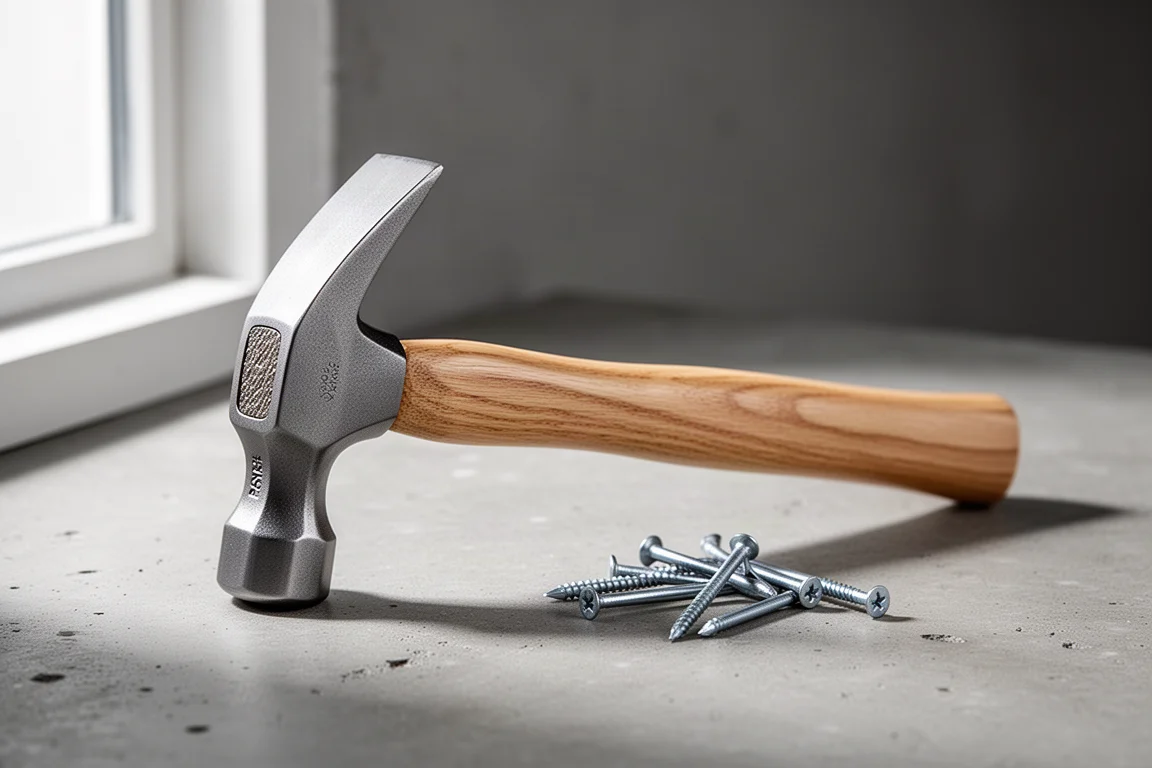
In an era when nail guns handle most of the fastening on job sites, spending around $150 on a hammer sounds unreasonable. After roughly 45 years of professional carpentry and two decades with the Stiletto Ti14 titanium hammer, the honest answer is simple: it is worth it, and if it were lost tomorrow, it would be replaced without hesitation.
The switch to titanium happened gradually. Heavier steel hammers drove big nails hard, but they also punished elbows and thumbs, and repetitive overhead work wore joints down quickly. A rigging axe with a weight-forward, aerodynamic head shape was long considered the gold standard for setting nails by hand, and that design lesson clearly carries over to what Stiletto builds today.
How It Performs on the Job
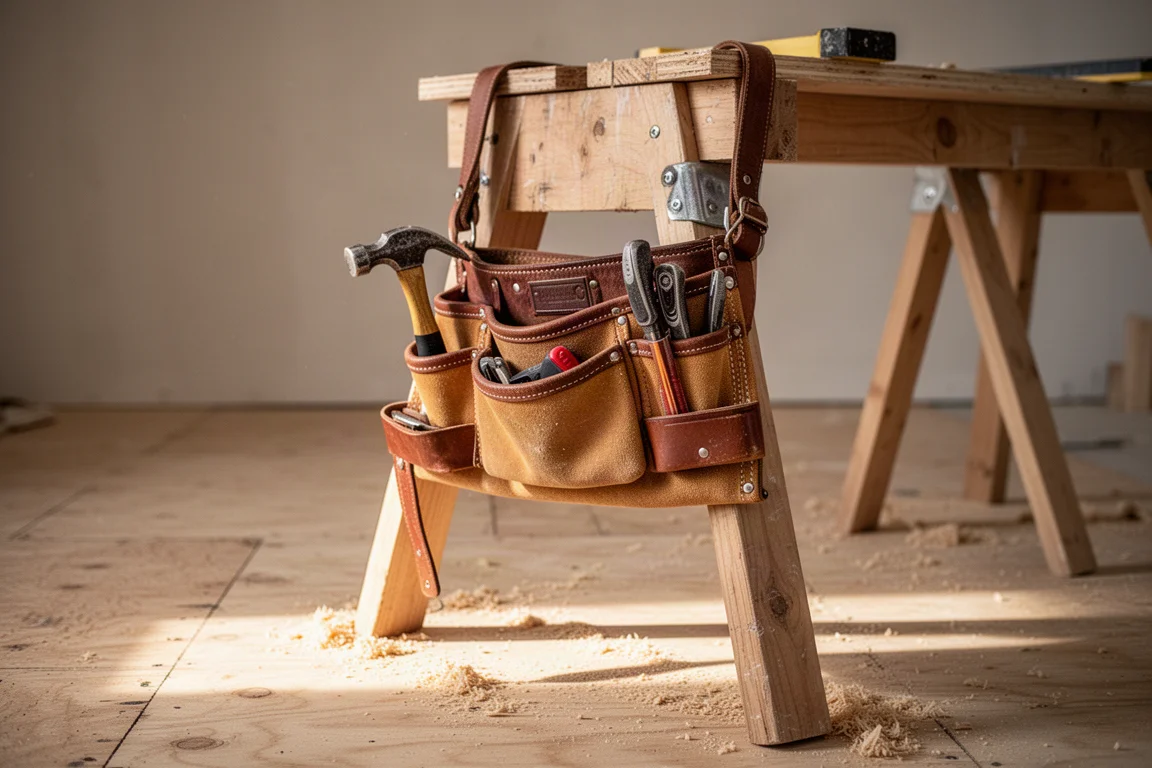
For day-in, day-out remodeling, setting forms, new construction, and general carpentry, the Ti14 gets all the work done that a professional needs, with one honest caveat: driving long nails through bottom plates requires mass, and a light hammer simply does not carry that energy. For nearly every other task, the lighter head is a genuine advantage rather than a compromise.
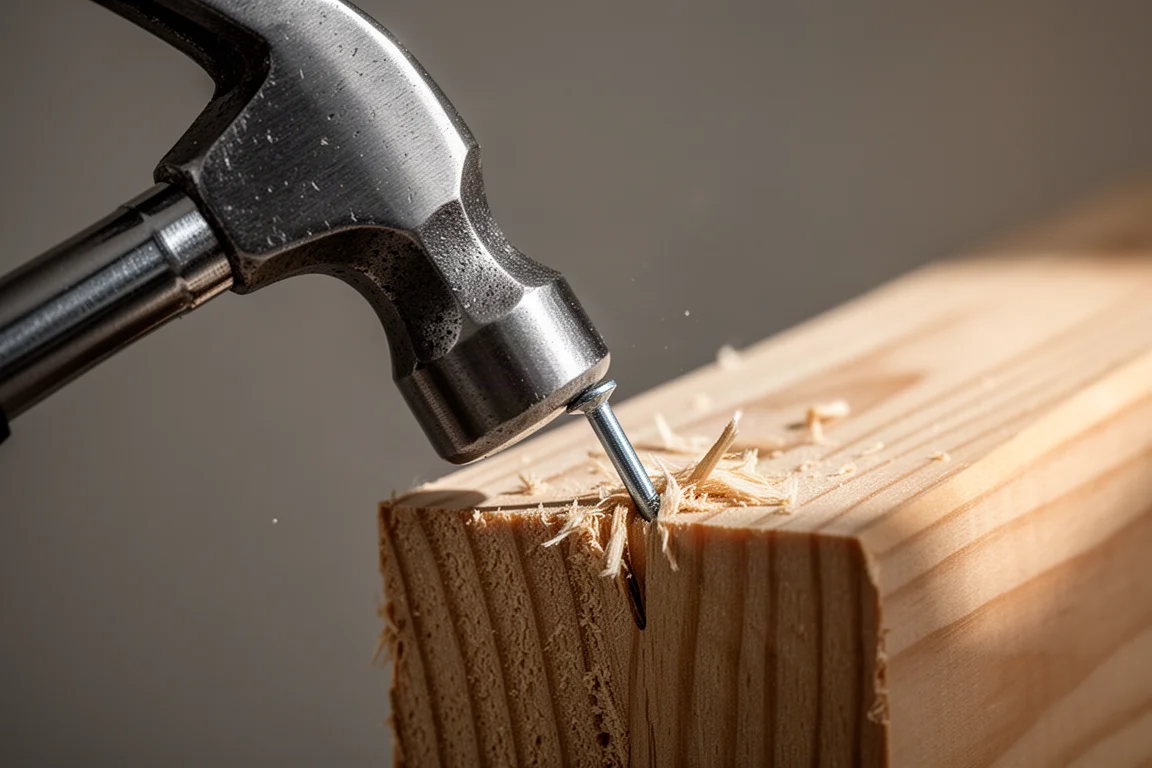
The milled texture on the striking face is steel bonded to the titanium head. Like every other hammer on the market, those corrugations wear smooth over time, so the face is good but not miraculous.
Comfort Over a Long Career
The most compelling evidence for a lighter head is how the body feels at the end of the day. The repetitive shock of a heavy hammer on bones and joints is measurably less punishing with a lighter head, and the same workload gets done. A lighter hammer is also easier on the bags, does not bang against the leg as hard, and is far better for hammering out of position.
Handle durability backs this up. One wooden handle lasted well over a decade of hard, varied work before finally being replaced. The forces that snap handles on heavier hammers simply never come into play the same way with a lighter head.
The Magnetic Nail Holder
The magnetic nail holder is the quiet standout feature. It wins the day maybe twenty times a year, but every one of those moments makes the groove feel indispensable. Starting a nail overhead or in an awkward spot, one-handed, changes the job. It is the kind of small feature you never think about until you try going back to a hammer without it.
Who the Ti14 Makes Sense For
This hammer suits working carpenters who still swing by hand for layout, blocking, form work, and all the tasks nail guns cannot reach. If the work were still production framing, a heavier hammer might still be the right call. But for the wide range of projects typical of remodeling and general carpentry, the Ti14 has never disappointed.
Buying Advice
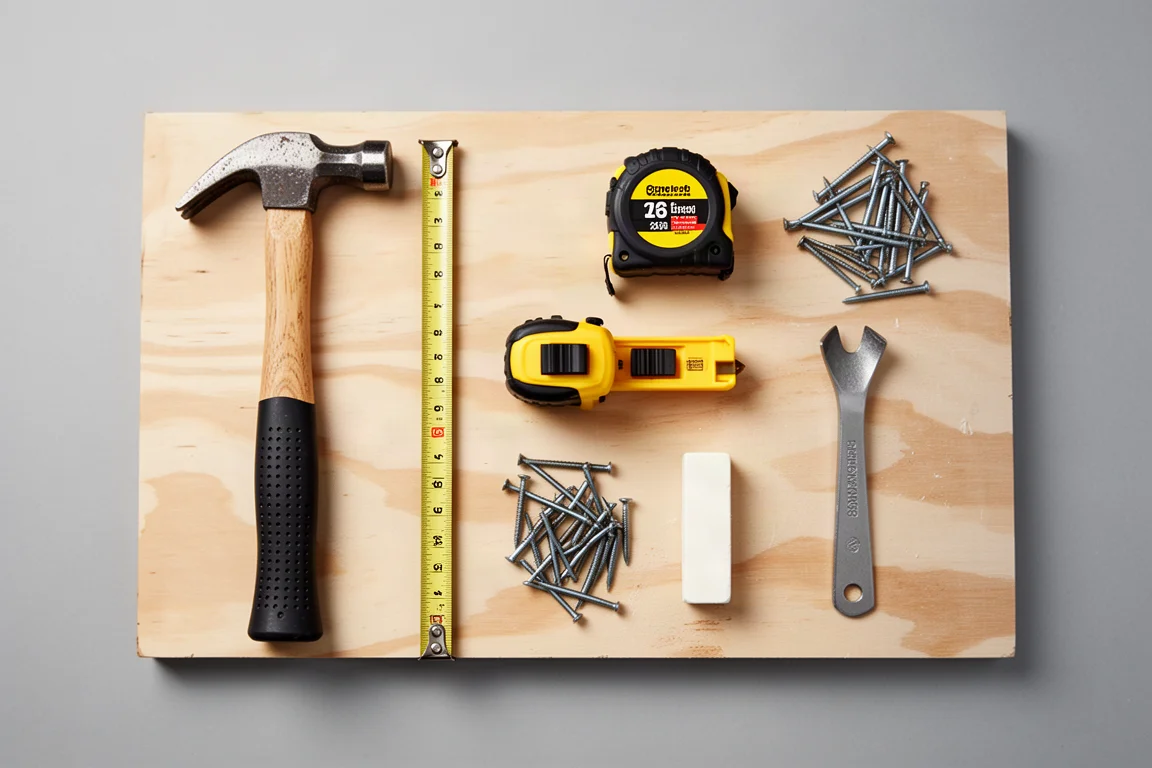
If the hammer gets used daily, the premium price pays for itself in reduced fatigue and lasting comfort. The main trade-off to accept before buying is mass: light hammers lack the energy for driving over bottom plates and other heavy fastening. Anyone whose work is dominated by that task should keep a heavier hammer nearby. For everyone else, this is a buy-once tool, and the magnetic nail holder alone justifies a meaningful share of the cost.
Conclusion
The Stiletto Ti14 is not a novelty. It is a working tool that survived two decades of professional use, outlasted expectations for both head and handle, and earned genuine affection along the way. For carpenters who care about how they feel after a long day as much as what they get done in it, it is worth every penny paid, and every penny it would cost to replace.
Product link
View more details for Stiletto Ti14 Titanium Hammer
This product is mentioned in the review. Check the specifications, options, and compatibility before buying.
View more details for Stiletto Ti14 Titanium HammerFurther reading
Related Reviews
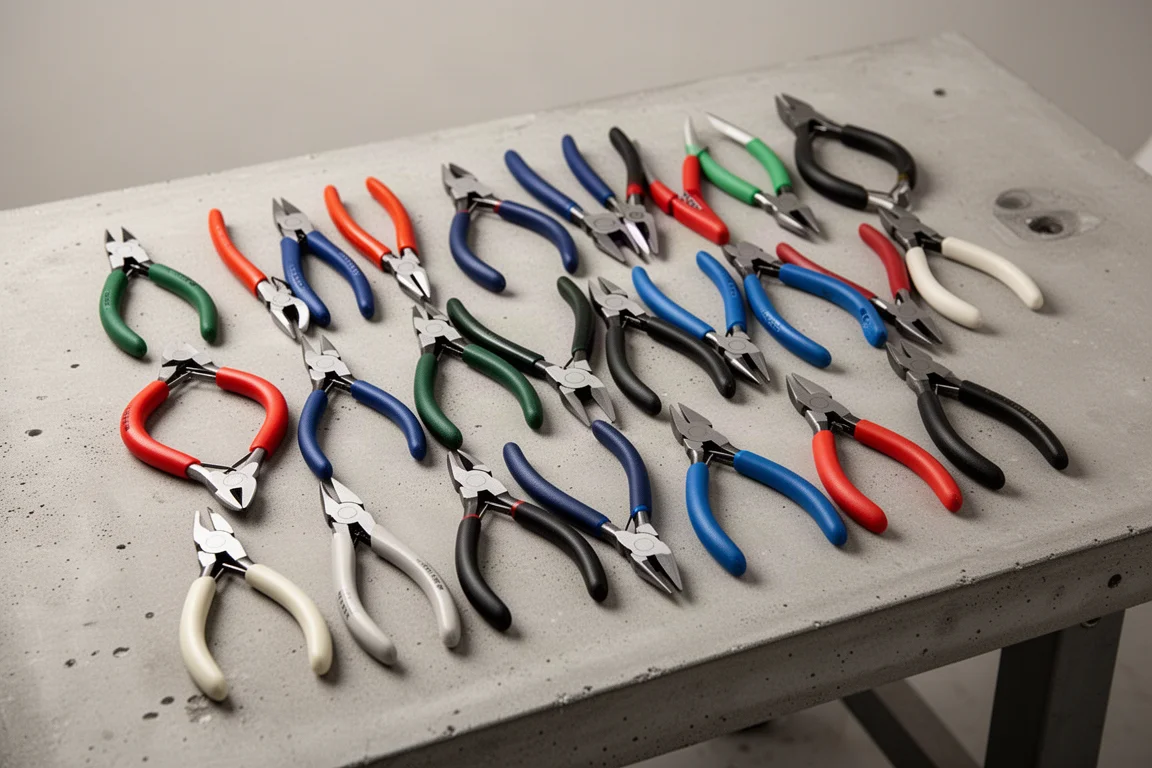
Hand Tools
Best Diagonal Cutters 2026: 16 Pliers Tested for Cutting Power and Durability
We put 16 diagonal cutters through nail, screw, drill bit, and hex key tests to find the best value picks for your toolbox.
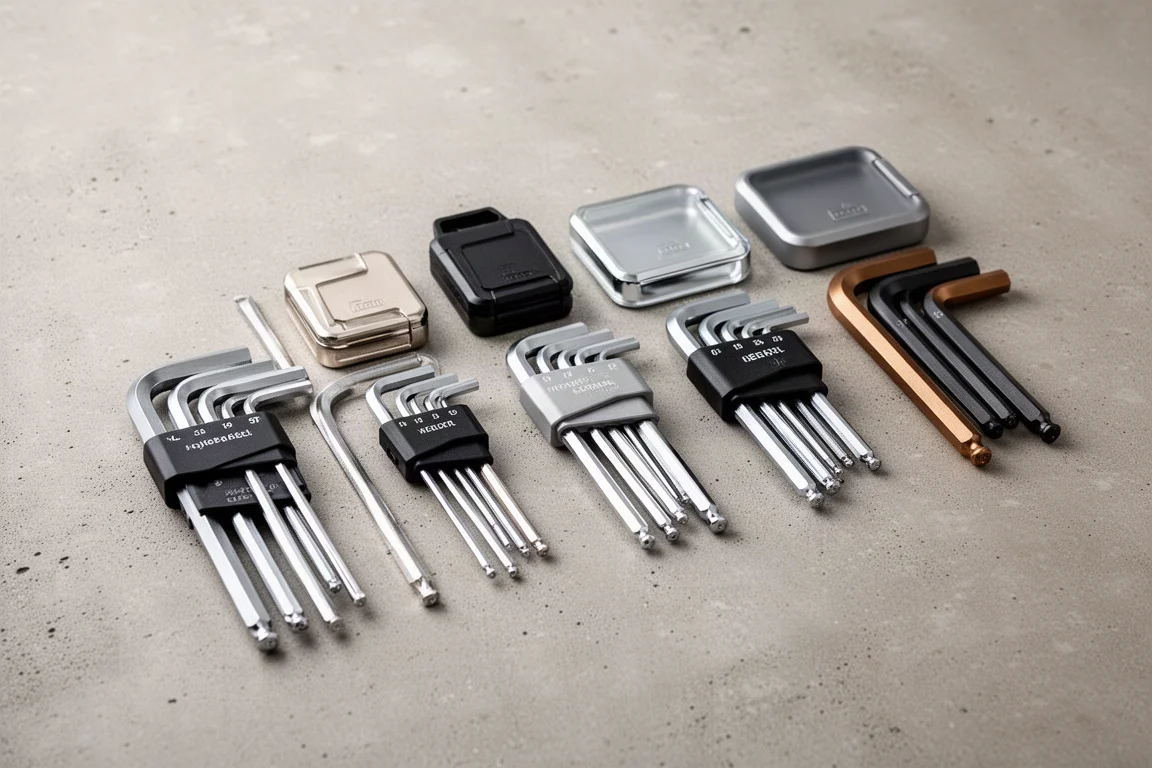
Hand Tools
Best Hex L Key Sets 2026: Nine Sets Tested for Real-World Torque
Nine hex L key sets from budget to premium, tested for torque, fit, and durability. See which sets deliver real performance and which ones to skip.
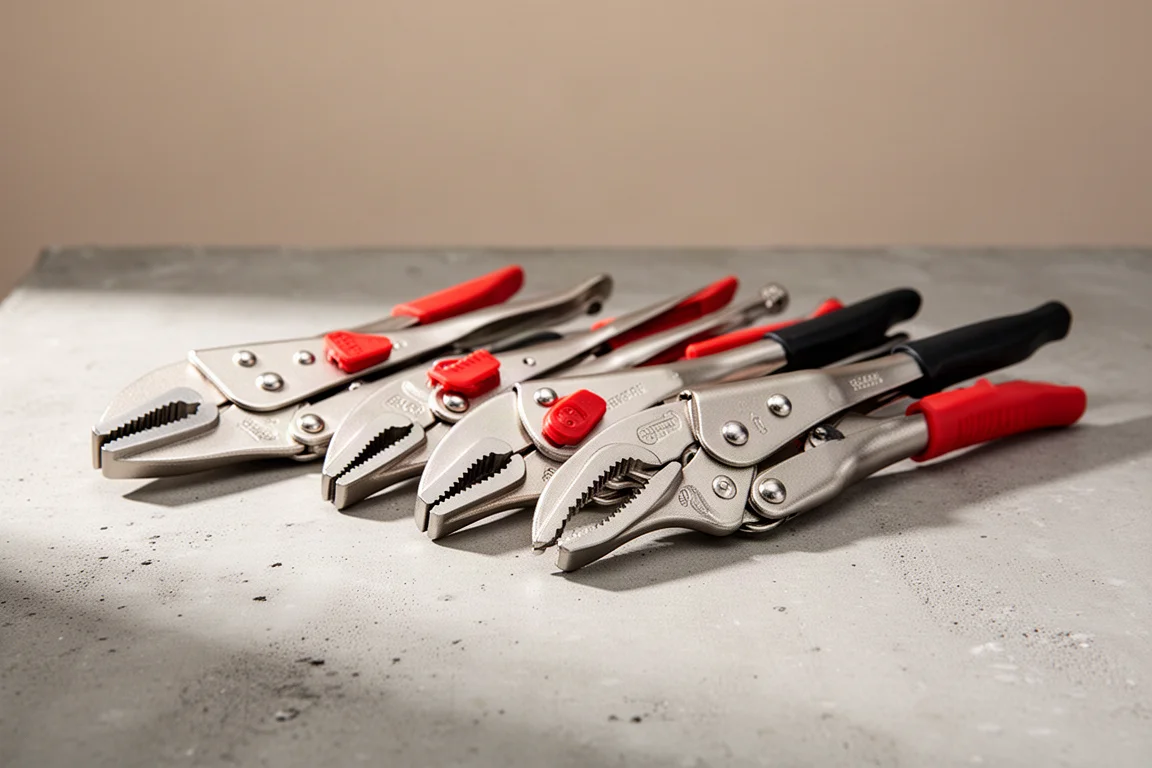
Hand Tools
Best Locking Pliers 2026: Top Picks Tested for Grip and Durability
We tested 18 brands of 10-inch locking pliers for grip strength, jaw bite, build quality, and ease of release to find the best options for tough jobs.