Power Tools
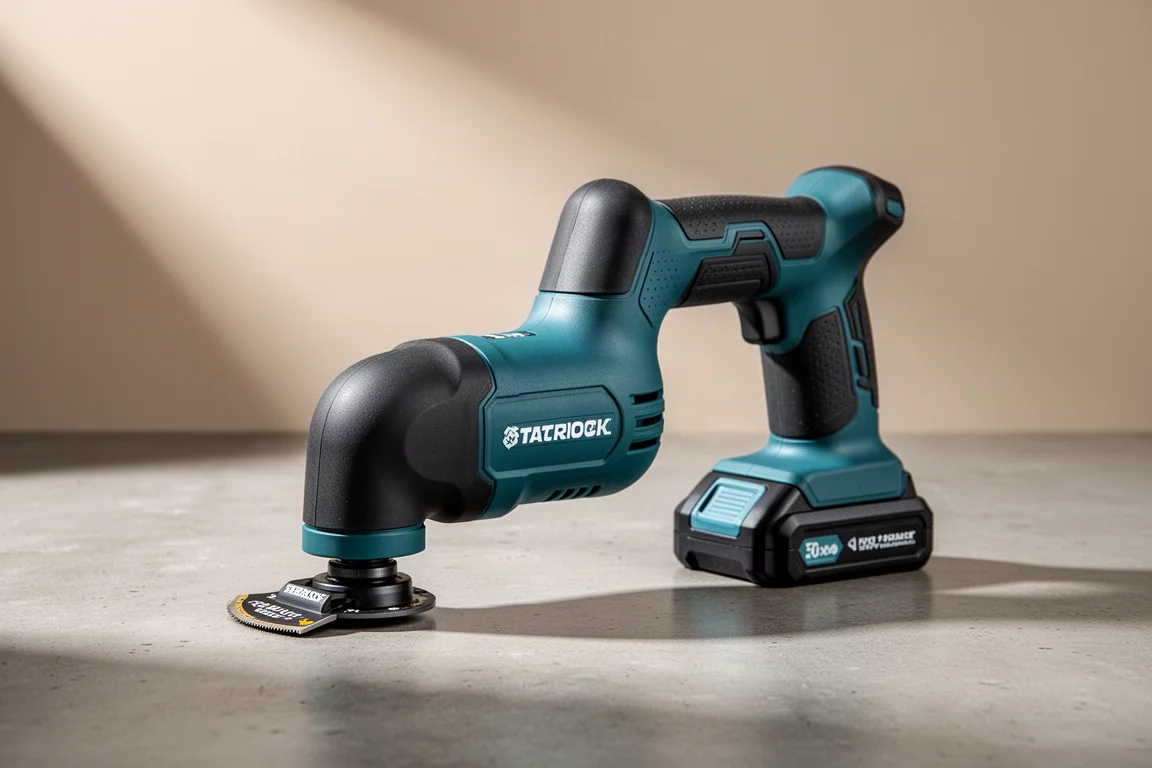
Best Oscillating Multi-Tools for Running OIS Blades: Makita DTM52 vs Bosch GOP 18V-28
Two 18V Starlock multi-tools go head to head, plus the adapters that let both run old-school OIS blades instead of pricey Starlock ones.
Introduction
Oscillating multi-tools have largely settled on Starlock mounting, and for good reason: the three-dimensional interface grips the blade far more securely than the old pin-based OIS system, which means less wobble, less vibration, and less risk of damaging the tool. The catch is cost. Starlock blades are noticeably more expensive than the older style, and anyone sitting on a drawer full of OIS blades may resent buying into a new ecosystem.
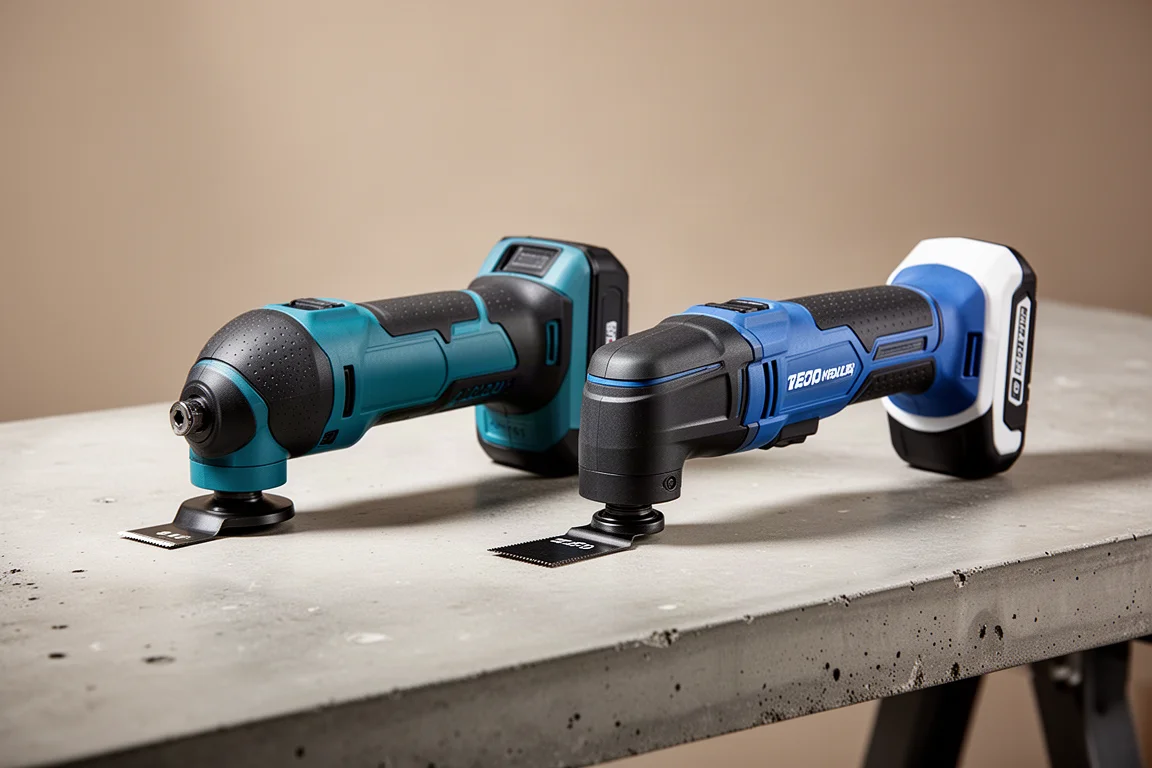
That is exactly where this comparison starts. We put two 18V cordless Starlock multi-tools on the bench, the Makita DTM52 (sold in the US as the XMT-04) and the Bosch GOP 18V-28, and tested them alongside an adapter from Oslo Tool Company that lets both tools run classic OIS blades with holes and pins. The result is a tool that accepts just about any multi-tool blade, old or new.
Why Starlock Blades Split Opinion
Starlock blades have a shaped, dimensional mount that slots into a matching recess on the tool, giving a far more secure fit than flat OIS blades with holes. That extra grip lets you push harder, run longer blades, and avoids the risk of shearing pins inside the tool if a flat blade starts to shake loose. The downside is simply price, which is why many people want the comfort and lower vibration of a modern Starlock tool without abandoning their existing blade stock.
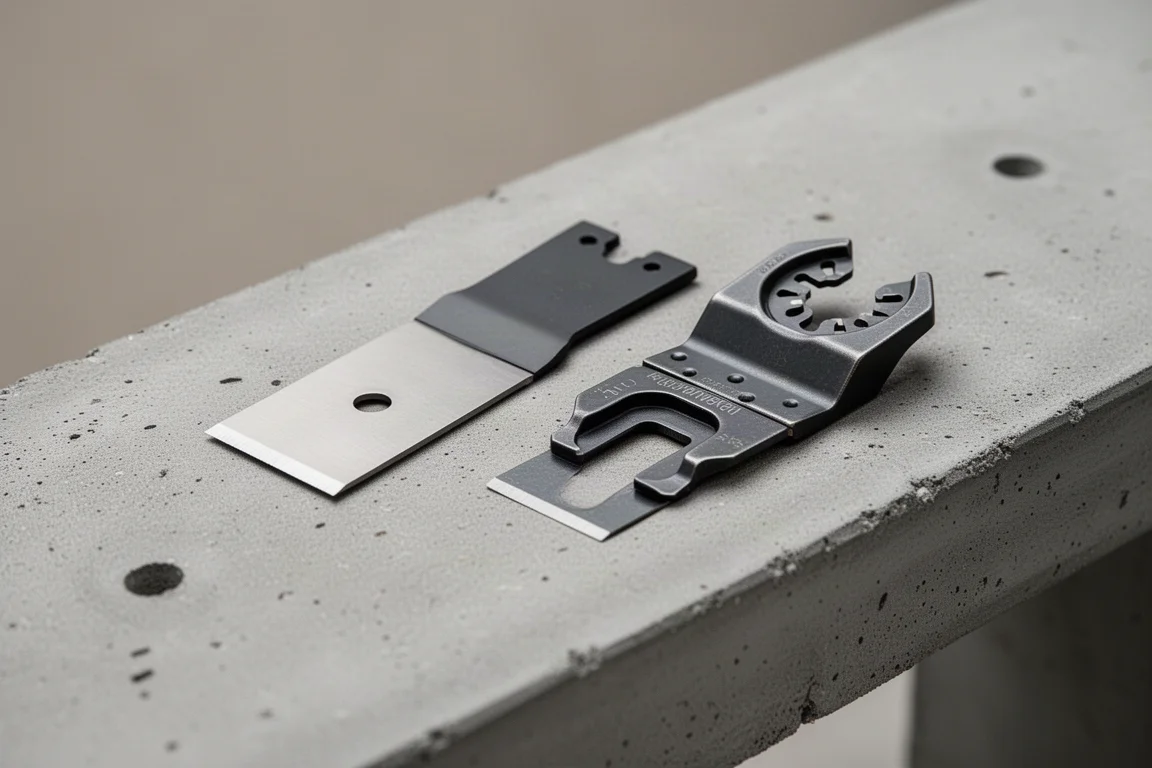
It is worth knowing the three tiers here. Starlock is the base interface. Starlock Plus adds more contact points, and Starlock Max simplifies the blade to a slot and a single large hole, making blades stronger and suited to longer, more aggressive cuts. The Makita accepts Starlock, Starlock Plus, and Starlock Max. The Bosch accepts Starlock and Starlock Plus only, so a Starlock Max blade physically will not fit through its groove. Standard OIS blades with mounting holes and a DeWalt-style front cutout will not fit either tool without help, since neither has pins of its own.
Cutting Performance: Makita vs Bosch
Both tools have a maximum oscillation rate of 20,000 per minute. The Bosch starts at 8,000 and the Makita at 10,000, and both are variable speed via a dial, on the top rear of the Makita and on the side rear of the Bosch, each going from one to six. The Makita dial feels smooth and high quality; the Bosch dial feels like a cheaper plastic part with a clearly detectable graduation at every step.
The bigger story is the oscillation arc. The Bosch swings 1.4 degrees each way for 2.8 degrees of total cut, while the Makita swings 1.8 degrees each way for 3.6 degrees. That 0.8 degree difference sounds trivial, but with low-oscillation tools the cut speed drops dramatically as the arc shrinks, and the Makita was clearly the faster cutter in side-by-side testing. The Bosch’s smaller arc made it easier to keep a cut straight, however, because the blade was less likely to ride past the edge of the timber and deflect the cut. The Makita’s larger arc meant more cutting per stroke but slightly more wander on narrower blades.
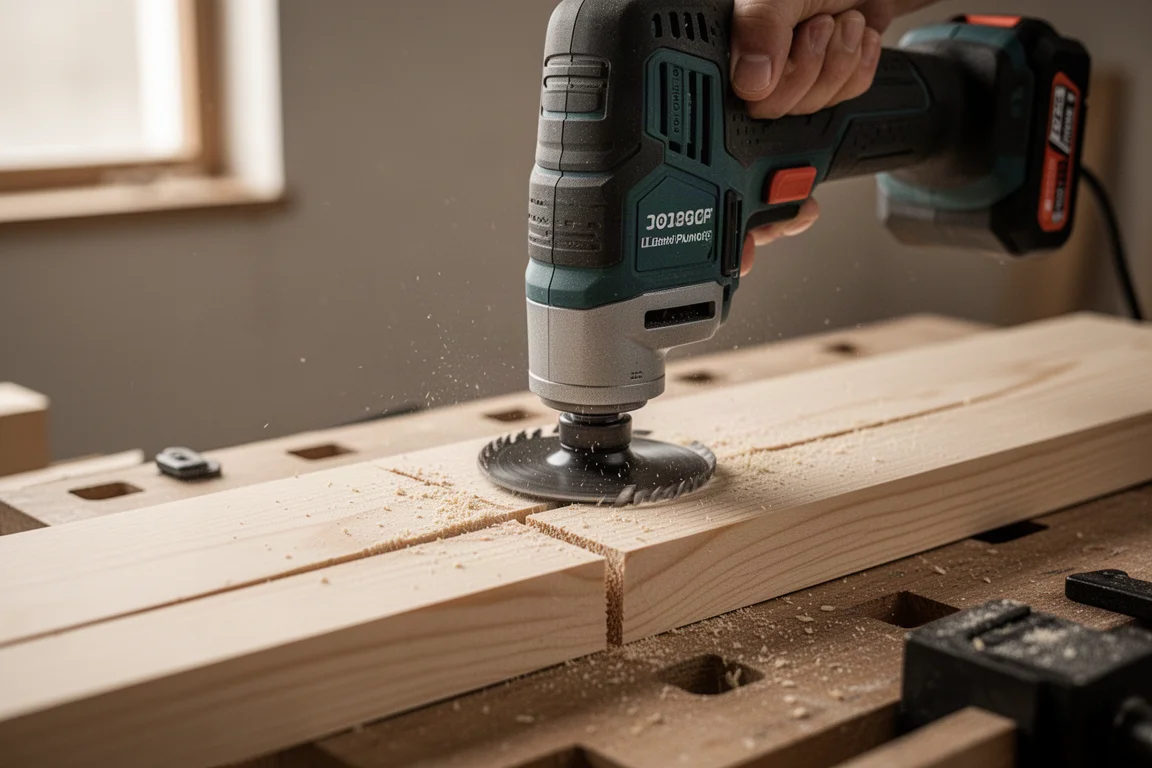
Sound and comfort also favour the Makita. It is much quieter when not actually cutting, noticeably more comfortable in the hand with a narrower rounded grip, and has the trigger positioned naturally under the thumb. The Bosch is slimmer at the nose, which is genuinely better for tight spaces, but the grip is wider, less comfortable from the top, and the trigger placement means juggling your hand to switch it on and off. With a heavy 8 amp hour battery, the Bosch feels very back-heavy; with a 4 amp hour pack it is better but still not as balanced as the Makita. The Makita is made in China and the Bosch in Hungary.
Running OIS Blades with the Oslo Starlock Adapter
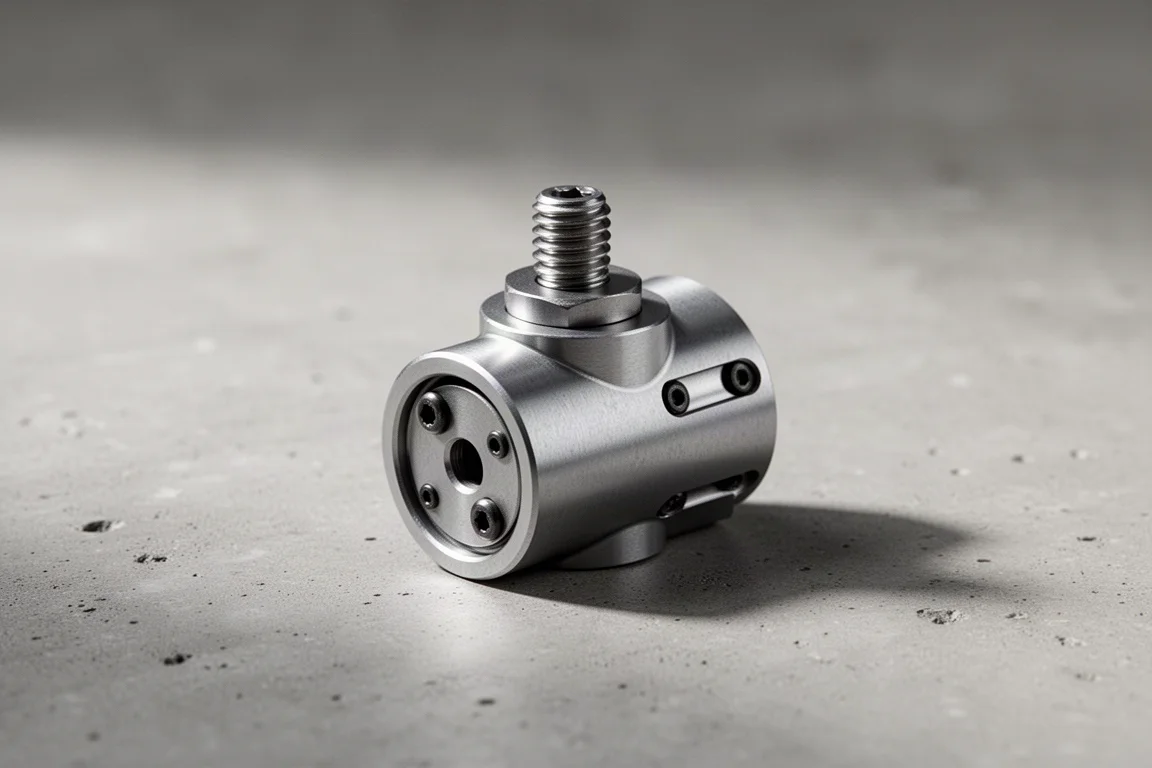
Oslo Tool Company, based in Norway, has been making Starlock adapters since 2019 and was reportedly the first company to build one. Each adapter carries the pins that Starlock tools lack, so you drop the adapter into the tool, lock the lever, and you have a pin-based OIS mount on a Starlock machine.
On the Makita, the adapter comes with an attached pin, so you no longer need the original pin for Starlock blades. You unlock the lever, insert the adapter, lock it down, then remove the bolt and washer, add your OIS blade over the pins, refit the washer and bolt, and go. Blade changes on the OIS side require an Allen key, which is admittedly old school, but you only need to loosen that bolt when swapping to a different blade body. To reposition the same blade at a different angle, you just lift it out, turn it, and lock it in place, so no angle options are lost compared to Starlock. The adapter can also be mounted the other way around to reach further forward into tight spots.
The Bosch adapter is a separate design. When you click a blade onto the Bosch, two pins open up inside the tool’s head to hold it, so the adapter is hollow underneath to let those teeth pop in and grip. It feels magnetic as it seats, clicks in solidly, and includes a magnetic washer that helps hold the blade in place while you start the screw. A practical habit if you use both blade types: leave one OIS blade attached to the adapter and swap the whole adapter-and-blade unit in and out of the tool with the lever, switching between, say, a Starlock sanding attachment and an OIS cutting blade in seconds.
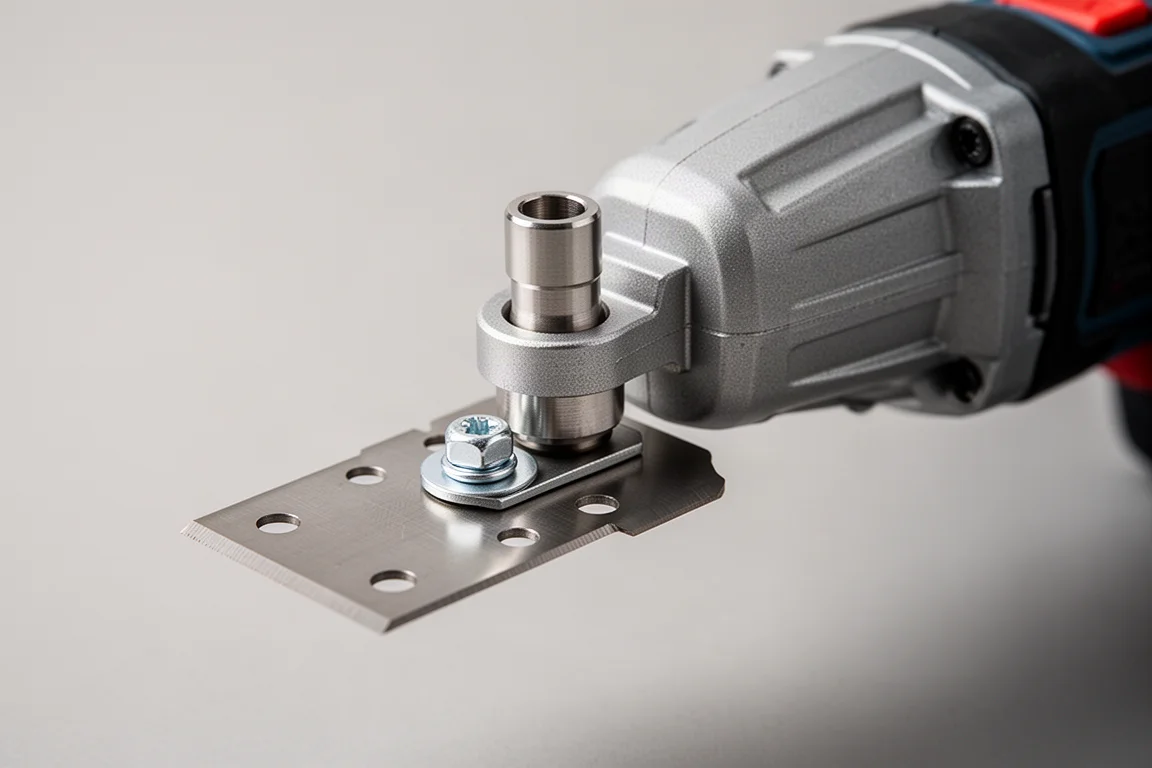
With the adapter fitted, the Makita becomes effectively universal, running Starlock, Starlock Plus, Starlock Max, and standard OIS blades, including budget blades from marketplaces. In testing, the adapters did not introduce vibration issues and everything worked as advertised.
Oslo Multi-Tool Blades and Other Attachments
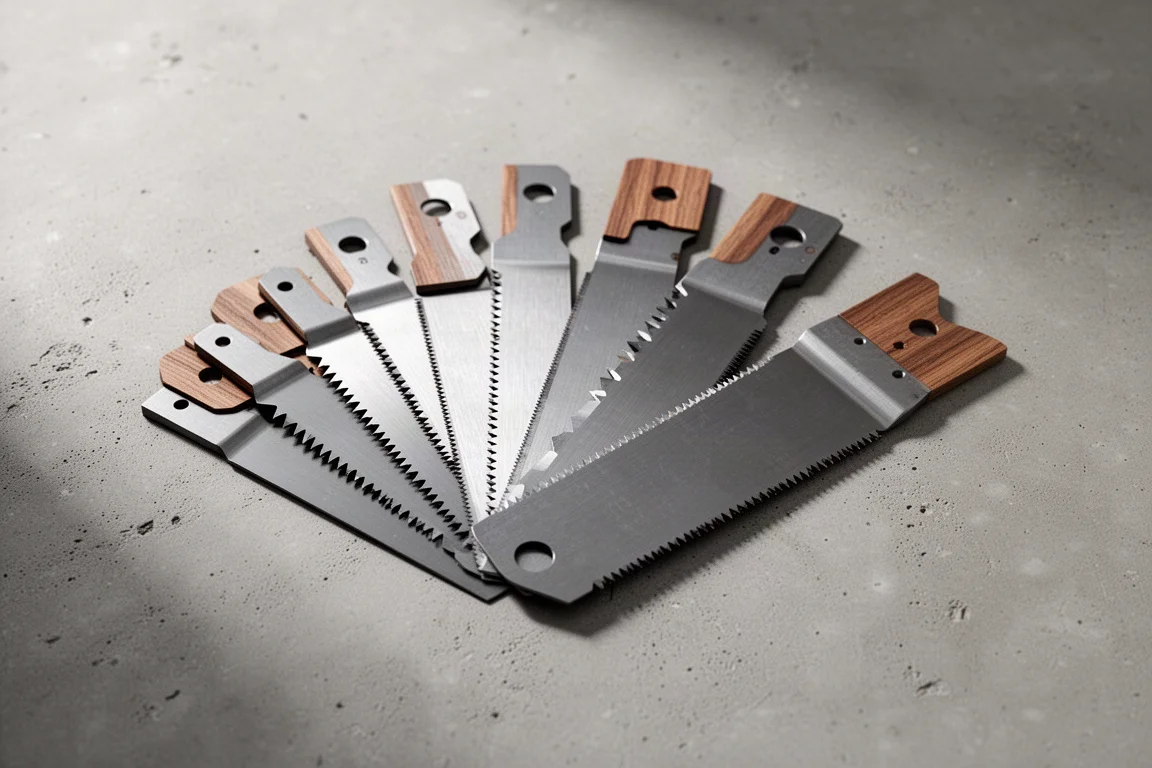
Oslo Tool Company does not just make adapters. It also makes its own multi-tool blades, plus reciprocating saw blades, circular blades, and jigsaw blades, and sells bundles where you can pair the adapter with a set of blades to try. Their own blades mount with a full circle of pin holes, so you can set them at almost any angle on the tool, which is handy for flush work and for parking blades safely against the tool body between jobs.
Sandpads, Sanding Attachments and Small Extras
Oslo also lists a clever circular sanding pad adapter: a 110mm pad with velcro that accepts 4.5 to 5 inch (125mm) random orbital sander discs. We did not test that one, but it looks genuinely handy for someone who already stocks that paper size.
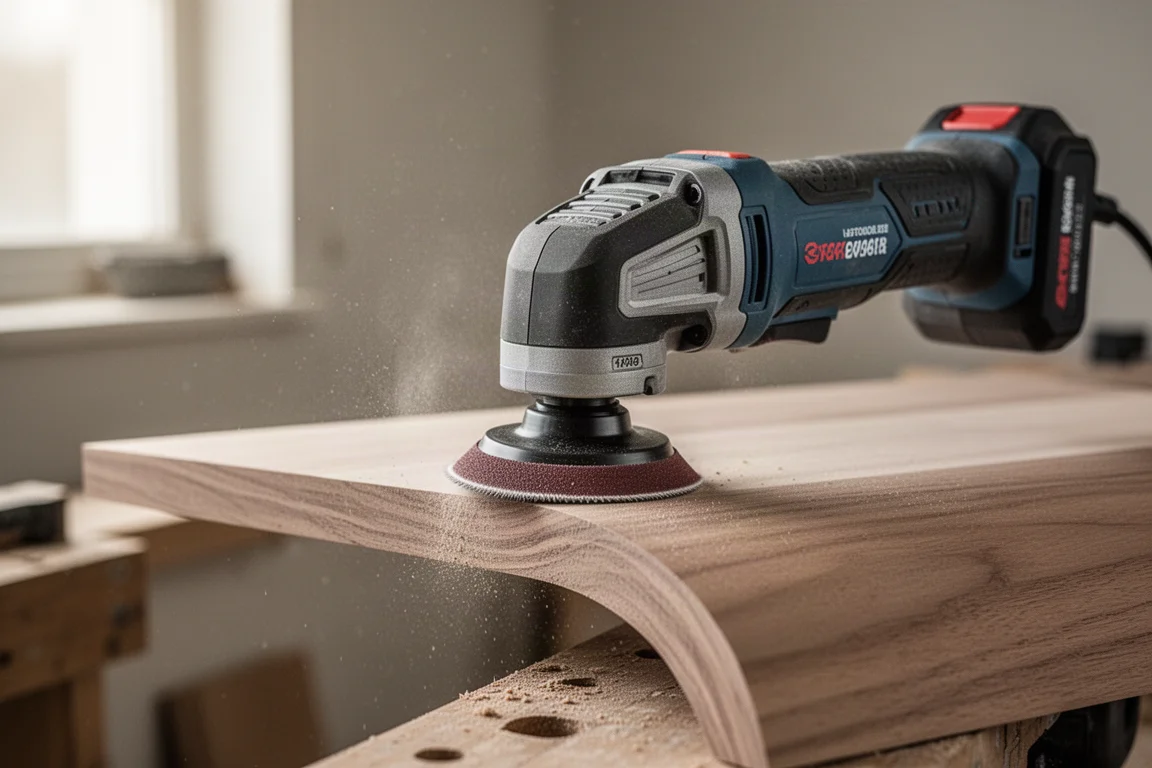
We did test a Bosch sanding attachment designed for curved surfaces, which carries both a Starlock mount and pin holes, so it fits Starlock tools directly or through the Oslo adapter. The approach surprised us: the expectation was that sanding by hand would beat it, but it removed material quickly and effectively with minimal effort, making it a genuinely useful attachment for smoothing boards.
Which One Should You Buy?
For most people, the Makita DTM52 (XMT-04) is the stronger pick: faster cutting thanks to its larger arc, quieter under load, more comfortable and better balanced, with a nicer feel throughout, and it accepts the full Starlock range including Starlock Max. The Bosch GOP 18V-28 is the better choice if the slimmer nose matters for your work, or if you already own Bosch 18V batteries, but expect a wider grip, a cheaper-feeling speed dial, more vibration, and slower cuts.
The real takeaway, though, is that with the Oslo adapter either tool becomes a universal multi-tool. If you have shelves of OIS blades, or you simply want the freedom to buy whatever blade is cheapest that week, the adapter removes the main objection to Starlock tools entirely.
Conclusion
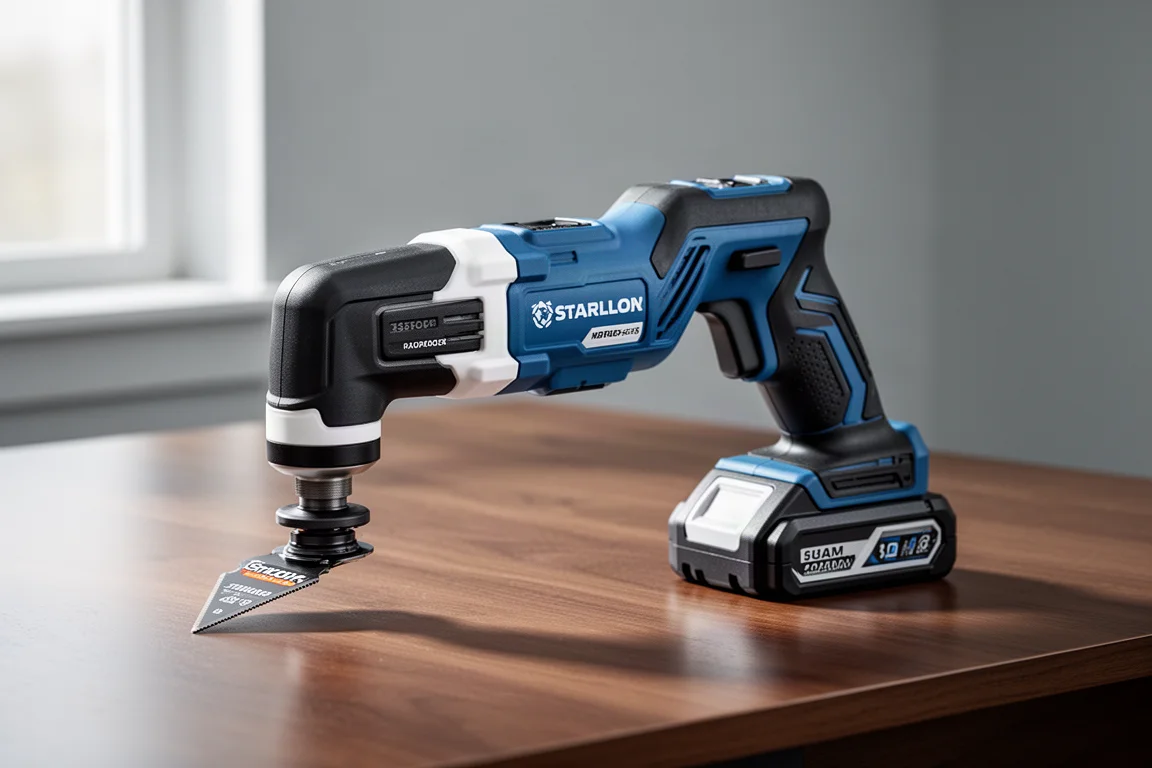
Starlock tools bring real comfort, security, and vibration advantages, and the pricing objection is now solvable. The Makita DTM52 edges out the Bosch GOP 18V-28 on comfort, noise, speed, and blade compatibility, but the slimmer-nosed Bosch still has a place in tight-space work and existing Bosch battery households. Pair either one with an Oslo Tool Company Starlock adapter and you get the best of both mounting systems without giving up your old blades.
Further reading
Related Reviews
Power Tools
Best 1-Inch Pistol Impact Wrenches: Three Heavy-Duty Options Compared
We compare three 1-inch pistol impact wrenches, from a budget-friendly Harbor Freight model to a premium Caterpillar unit, to help you choose the right one.
Power Tools
Best 3/4-Inch Impact Wrenches 2026: Five Contenders Compared
We compare five 3/4-inch impact wrenches across price and performance, from a budget Amazon option to Snap-on's most powerful model yet.
Power Tools
Best Budget Cordless Tools 2026: Walmart Finds That Punch Above Their Price
We tested five cordless tools from Walmart, including a high-torque impact wrench that trades blows with Milwaukee and a $35 duster that outperforms its price class.