Groupsets
SRAM Force AXS Groupset Review: New Hoods, New Finish, One Big Trade-Off
The updated SRAM Force AXS groupset brings better hoods, a more premium finish and an integrated crankset. Here is how it performs on cobbles, wet roads and steep climbs.

Introduction
SRAM’s second-tier electronic road groupset has been updated, and the headline changes are not where you might expect them. Rather than a dramatic overhaul, this release concentrates on the contact points, the finish, and the drivetrain architecture. The hoods have been reshaped, the finish has moved upmarket, and the crankset now follows the integrated approach already used higher up the range.
Spending three days riding the new groupset on the cobbles and wet roads of Belgium turned out to be a genuinely demanding test bench. Rain, grit, mud and constant bouncing over stone are about as hostile as conditions get for electronic shifting.

The short version: shifting was flawless and quiet across the entire trip, with no bike washing or maintenance between rides.
Who the SRAM Force AXS Groupset Is For
This is a groupset for riders who are buying a new bike or upgrading from a mechanical setup, and who want a wide gear range rather than a race-only spread. The combination of small chainrings and a large cassette makes steep gradients more manageable, which matters most to regular riders rather than racers chasing outright top-end speed.
It also suits riders who want wireless shifting and are comparing options in this price bracket. The comparison with Shimano’s 105 Di2 is the obvious one, since the two sit at a similar price despite occupying different tiers in their respective ranges.
It is a weaker proposition for anyone who already runs the previous Force groupset. The ride character has not changed dramatically, so an existing owner would gain the new hoods and finish but little else that transforms the experience.

Main Strengths: Hoods, Shifting, and Cobble-Ready Control
The new hoods are the standout improvement. They are essentially the same shape introduced on the brand’s Rival groupset, and that means a much easier grip. Fingers wrap around the hoods more naturally, and the longer shift paddles plus revised brake lever reach make everything easier to operate when you are tired, cold or bouncing across rough surfaces. They are not the best in the business on ergonomics, since the smaller, rounder 12-speed Shimano hoods still lead that category, but the gap has narrowed considerably.
The finish is the other obvious change. Components including the rear derailleur, front derailleur, cranks and levers now wear a muted grey finish with small silver logos, giving the groupset a noticeably more premium appearance than the version it replaces.
Drivetrain behaviour over rough ground deserves its own mention. The rear derailleur’s orbit fluid damper keeps the chain under tension when everything is being thrown around, so the chain stays quiet instead of slapping against the chainstay, and the risk of dropping it is reduced. Front shifts were fast, precise and quiet throughout, including panic changes on cobbles, and the chain never dropped.
Wireless blips mounted under the handlebar were another highlight, particularly when climbing with hands on the tops, where gear changes happen without moving your grip at all.
Things to Consider Before Buying
The crankset is the change most likely to divide opinion. Chainrings and, on the power meter version, the power meter itself are now a single integrated unit, following the same approach used at the top of the range. The rationale is lower weight and better shifting stiffness from the one-piece construction, and it works. The trade-off is that worn chainrings cannot be replaced on their own, and gear ratios cannot be swapped to suit different courses. A version without the power meter is available and can be upgraded later, and there are 1x, 2x and wide configurations across the line.
The rear derailleur lineup has also been simplified. A single rear derailleur now covers cassettes from 10-28 up to 10-36, with a separate derailleur for wider-range gravel setups. That is simpler to understand, but it also means buyers no longer choose between several derailleurs for different cassette sizes.
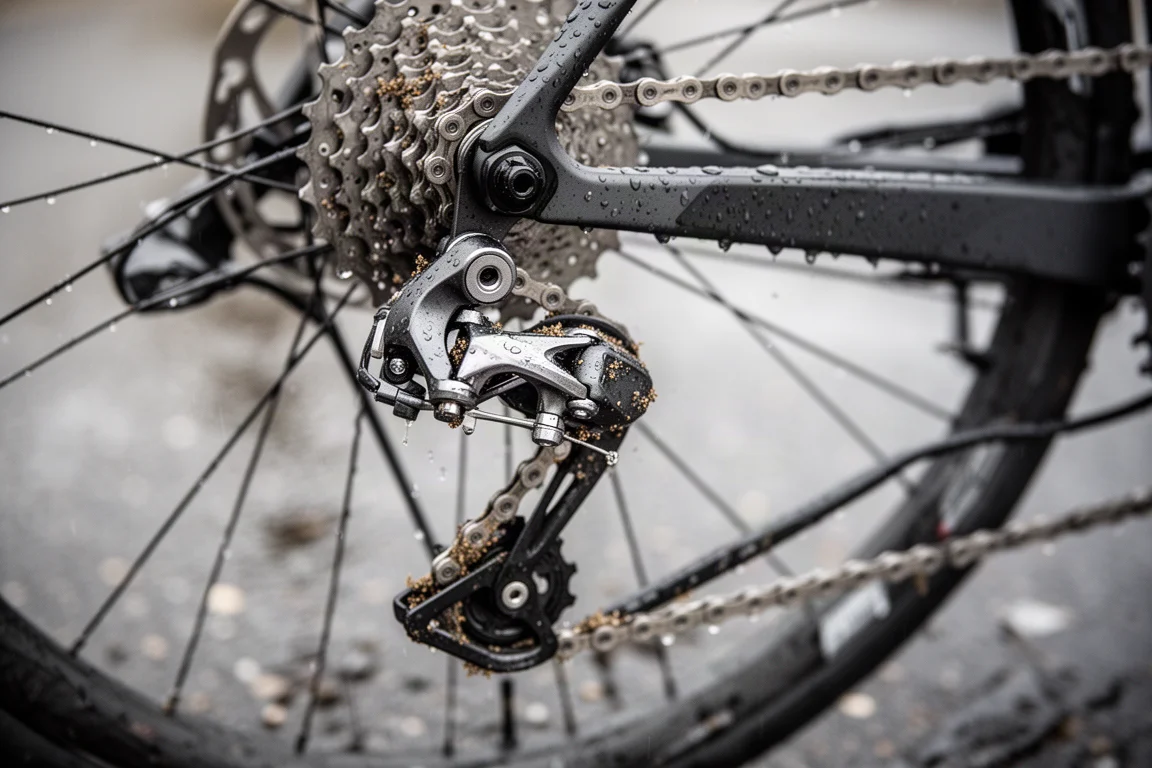
Shifting speed is unchanged from the outgoing Force groupset. The motors and the underlying technology are the same, so the improvement here is in feel, ergonomics and finish rather than outright speed. Anyone hoping for a step change in shift performance should set expectations accordingly.
Buying Advice
The strongest argument in favour of this groupset is price discipline. It costs the same as the previous Force groupset, with no increase, which puts a second-tier electronic groupset at roughly the same price as Shimano’s third-tier 105 Di2. That is a genuinely appealing position for anyone building a bike or upgrading a drivetrain.
If you already own Force or Red, the sensible move is to consider the new hoods on their own rather than replacing the whole groupset. If you are buying a new bike, or moving to electronic shifting for the first time, this is worth a serious look, particularly if wide gearing and rough-road composure matter to you.

Weigh the crankset decision carefully. Riders who value easy maintenance and the ability to replace chainrings should think hard about which version they choose, while riders focused on weight and shifting stiffness will find the integrated design perfectly reasonable.
Conclusion
This update is not radical, but the changes that matter have landed in the right places. The hoods are a real improvement, the finish reads as more expensive than the price suggests, and the drivetrain handled everything Belgium could throw at it without complaint. The integrated crankset is the one decision that will not suit everyone, and owners of the previous generation have little reason to rush. For new buyers, though, it is a compelling package at a fair price.
Product link
View more details for SRAM Force AXS Groupset
This product is mentioned in the review. Check the specifications, options, and compatibility before buying.
View more details for SRAM Force AXS GroupsetFurther reading
Related Reviews
Groupsets
Campagnolo Super Record 13-Speed Groupset Review: Iconic Shifting, Real Trade-Offs
An early look at Campagnolo's 13-speed wireless groupset, covering shift layout, ergonomics, braking performance, and what to weigh before buying.
Groupsets
L2 RX 2x12 Groupset Review: A £200 Cable-Operated 12-Speed Build Kit
A first look at the L2 RX 2x12 groupset bundle, covering shifter feel, derailleur quality, real component weights, and what to budget for.
Groupsets
L2 RX Hydraulic Group Set Review: Strong Brakes, Fragile First Impressions
A 12-speed hydraulic groupset with excellent braking and easy multi-gear shifting, held back by a snapped left lever and a fiddly reach adjustment.