Power Tool Accessories
Spyder Tarantula Carbide Reciprocating Saw Blades: Three Blades for Three Jobs
A close look at Spyder's 9-inch carbide-tipped reciprocating saw blades: the 6TPI, 8TPI, and 10TPI versions, what each is built for, and how they differ from standard bi-metal blades.
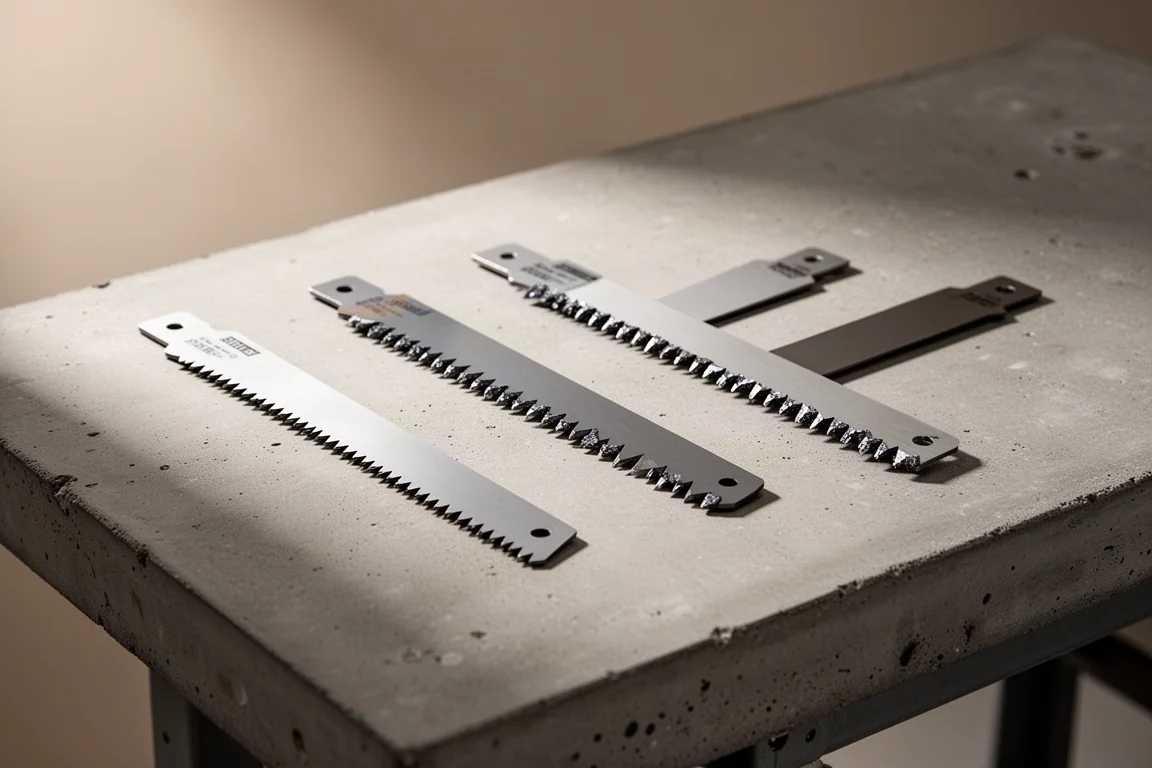
Introduction
Spyder’s Tarantula line of carbide-tipped reciprocating saw blades takes a different approach from the bi-metal blades most people keep in their saw bag. This introduction covers three 9-inch blades: a 6TPI, an 8TPI, and a 10TPI, each aimed at different material. These are not three levels of the same blade. They are different options for different work, and picking the right one matters more than picking the most expensive one.
Why Carbide Teeth Are Different
Cutting wood and cutting metal are two very different problems, and a blade needs specialized geometry in its teeth to handle both efficiently, quickly, and with control. That is the core idea behind the Tarantula line: carbide teeth built to move through both materials without the teeth tearing out or the blade deforming.
After demonstration cuts through nail-embedded framing lumber, every tooth was intact and the carbides were all in place, with no misalignment in the geometry. The cut through both wood and embedded metal came out smooth rather than jagged, which is exactly what you want when the blade meets hardware mid-cut.
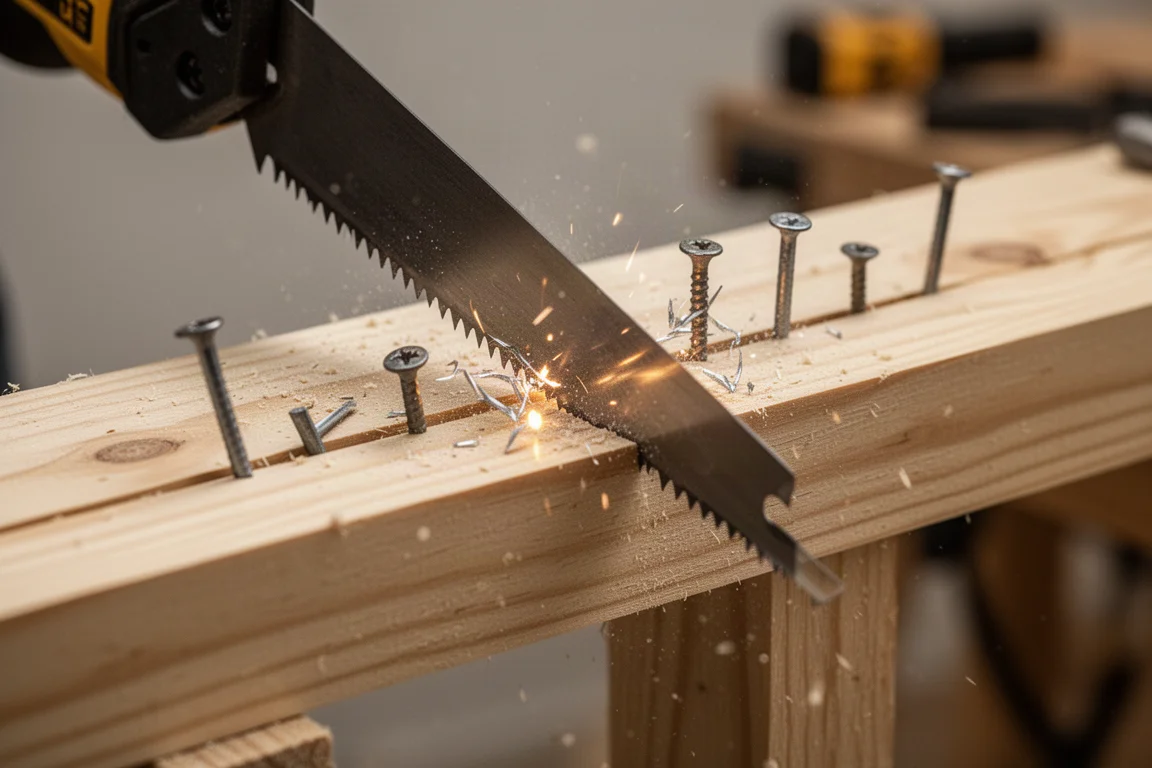
Nail-Embedded Lumber Blade: Spyder Tarantula 6TPI
The 9-inch 6TPI blade, model 200438, is the demolition option. In a straight cut through two-by lumber with 11 framing nails placed for demonstration, it cut cleanly and smoothly through both the wood and the metal, and the cut metal was not jagged at the edge.
The application to remember for this blade is lumber with embedded nails: the kind of material you keep running into during demolition. As a general contractor and remodeler’s swap-out for bi-metal blades, this is the one described as a go-to, mainly because it lasts much longer than a standard bi-metal blade. Longer blade life means fewer trips to the hardware store, fewer replacement orders, less time changing blades, and more work getting done.
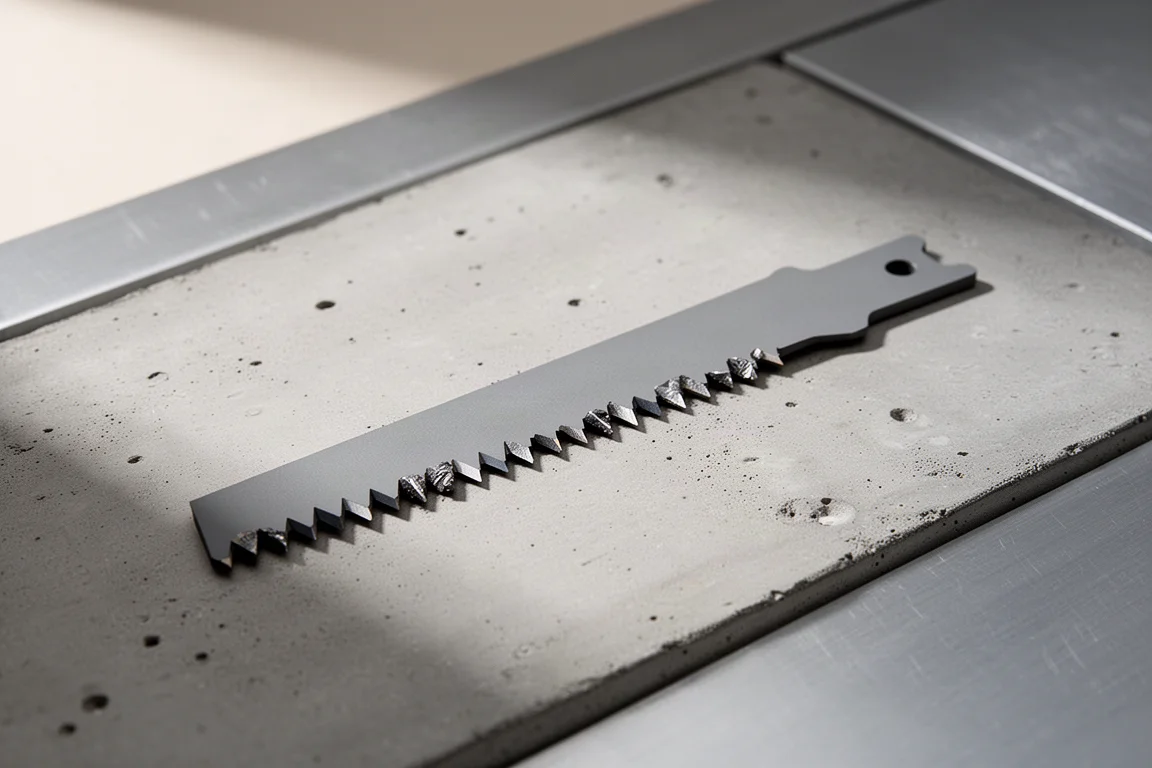
Medium Metal Blade: Spyder Tarantula 10TPI
The 9-inch 10TPI blade, model 200375, is marked for medium metals from 1/16 to 5/16 of an inch. This is the blade aimed squarely at electricians. Many electricians cut conduit with a grinder, which throws sparks and airborne debris all over the workspace. This blade handles conduit, and also thinner angle iron and thinner beams, without that mess.
One exciting thing about carbide cutting accessories like this is not necessarily raw cutting speed. They do cut rapidly, believed to be faster than bi-metal counterparts. The real payoff is longevity, and in the demonstration the cut members showed no heat build-up at all, which makes the work safer.
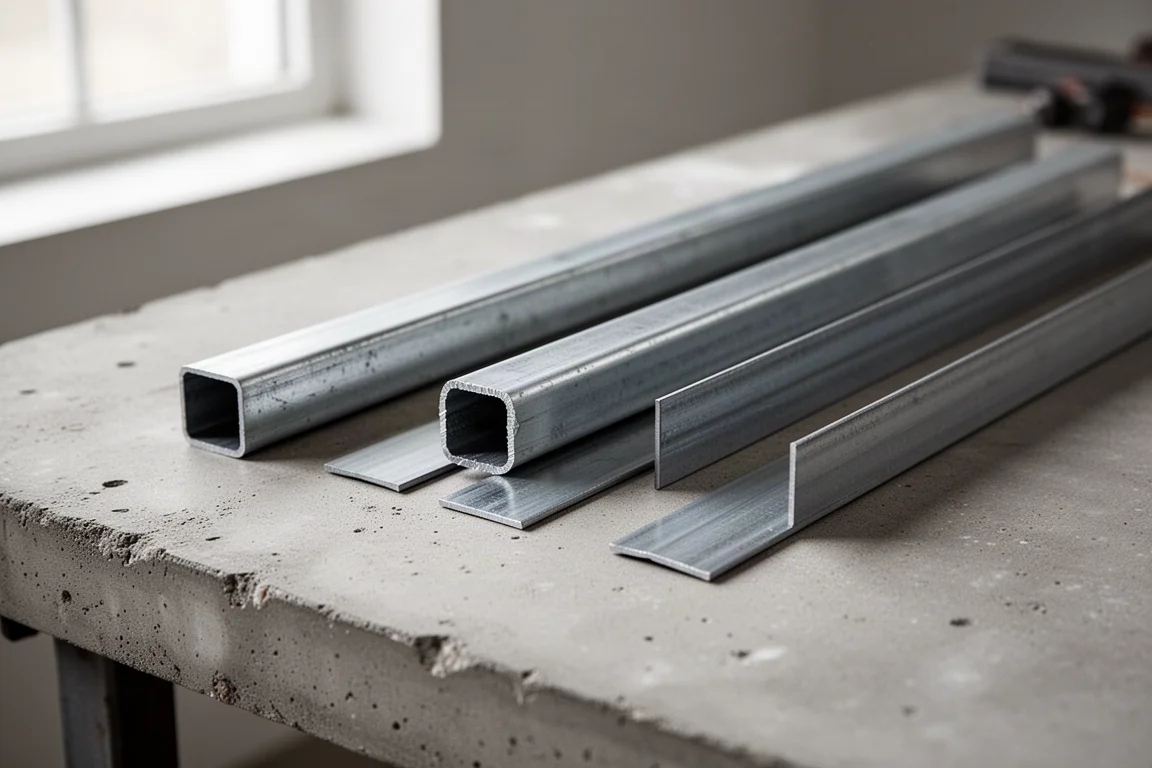
Thick Metal Blade: Spyder Tarantula 8TPI
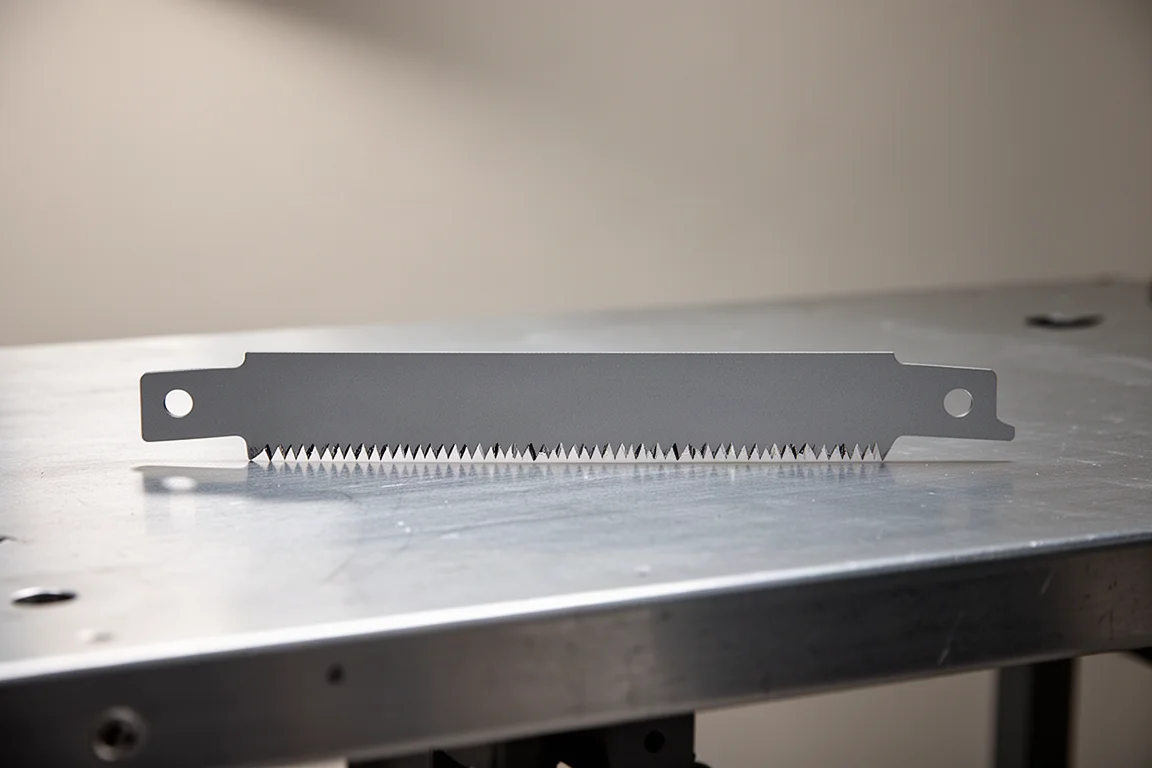
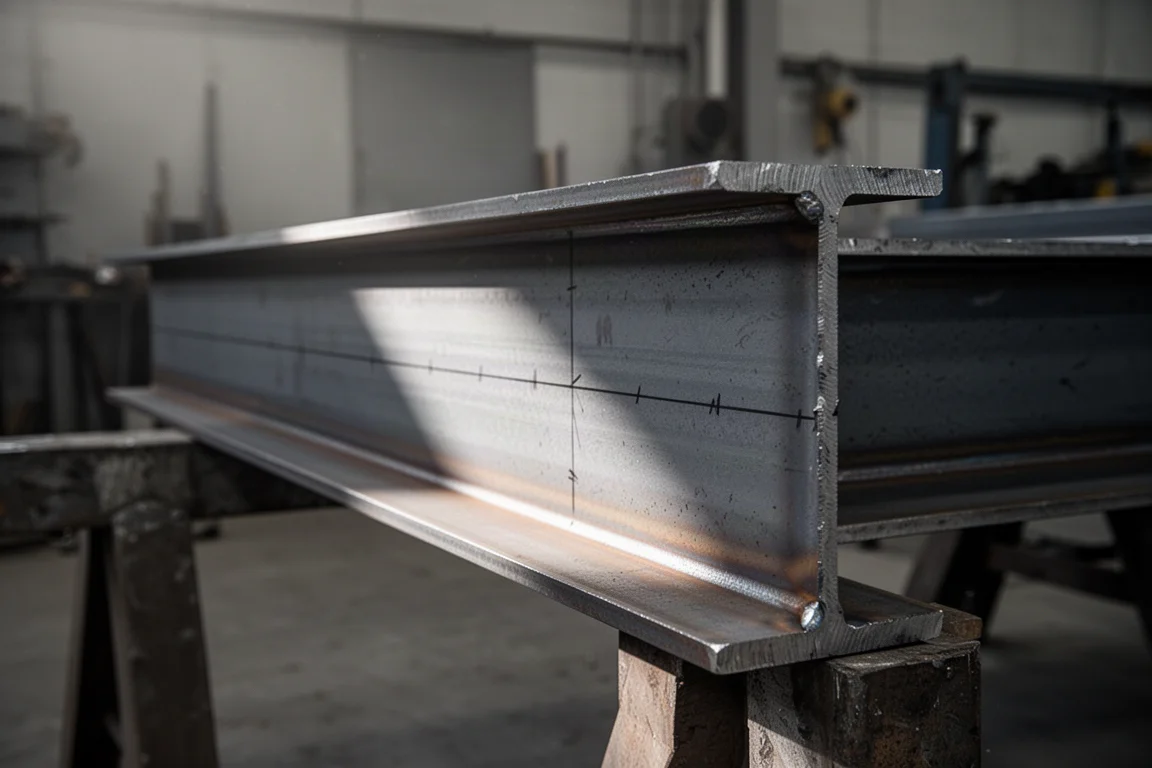
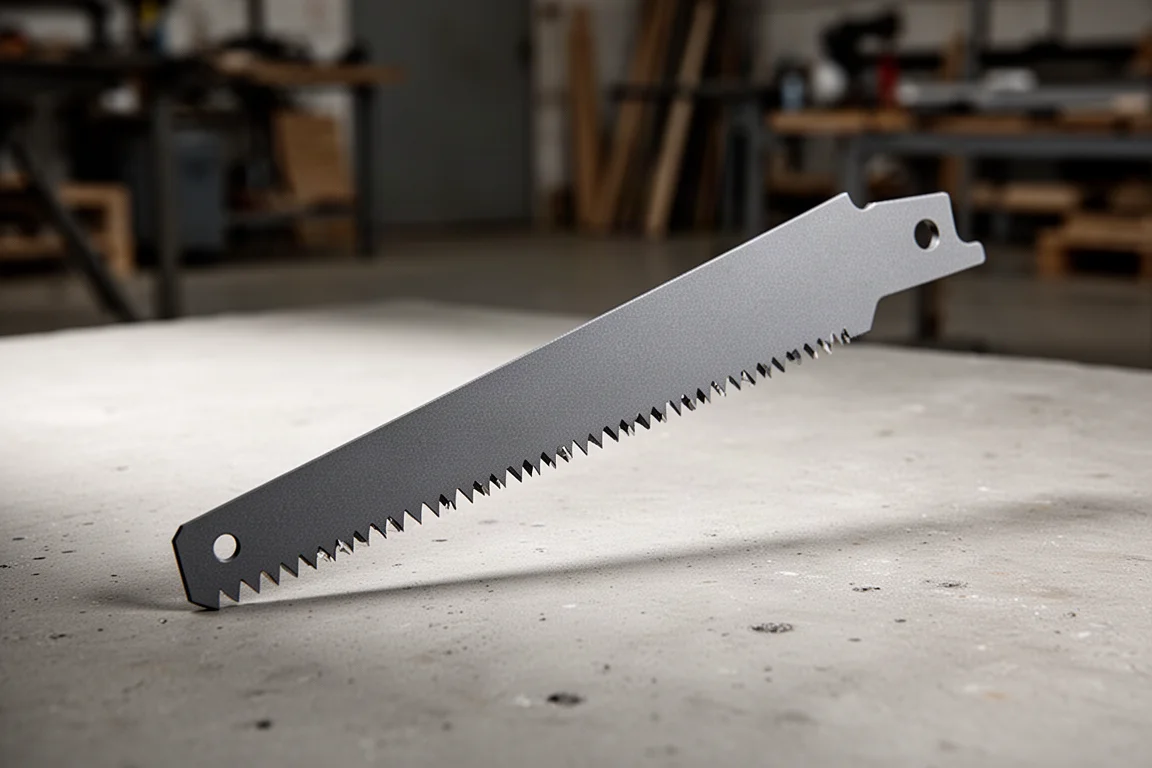
The 9-inch 8TPI blade, model 200372, is marked for thick metal with a published material thickness range of 3/16 to 9/16 of an inch. The demonstration material was a large H beam, and the point was honest about expectations: this is thick metal, so the cut takes time even with a good saw and a good blade.
The case for a reciprocating saw over a cutting torch is practical. On a job site where you do not want to wait around or apply for a burning permit, a recip saw can get the job done. After the cut, every tooth was intact and the blade was ready for another one.
Do They Earn Their Price?
Cost reference from an Acme tool listing: the 6TPI blade runs about $17, the 10TPI blade about $25, and the 8TPI blade about $22 each. Spyder advertises up to 60 times more cuts than standard bi-metal blades. Read that claim carefully: it says more cuts, not 60 times faster cutting.
The honest way to think about the upgrade: if you cut a few pieces occasionally, the bi-metal blade you already own may handle the job perfectly well. If you repeatedly cut demanding material, a longer-lasting blade can be worth paying for, especially when it also means fewer stops to swap blades. But the upgrade has to earn its price. A demonstration of individual cuts does not establish total blade life or cost per cut, and the price tag alone does not prove anything.
Conclusion
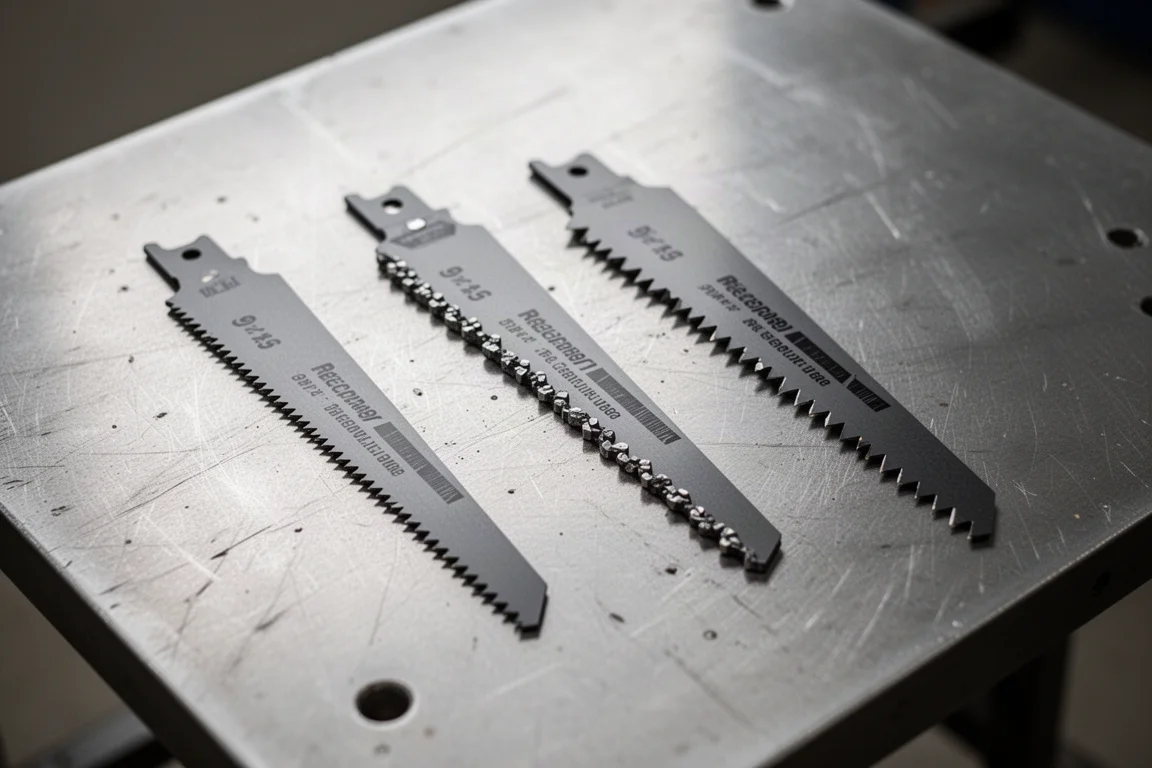
The Tarantula line works because each blade has a clear lane: the 6TPI for nail-embedded demolition lumber, the 10TPI for medium metal like conduit and thin angle iron, and the 8TPI for thick metal up to 9/16 of an inch. Carbide teeth bring longevity and cooler, cleaner cuts rather than dramatic speed gains, and for anyone cutting demanding material regularly, that trade can be worth the higher upfront cost. Match the blade to the material and the value case becomes much easier to see.
Further reading
Related Reviews

Power Tool Accessories
Best Drill Attachments 2026: Three DeWalt Tools Worth Buying
A practical look at three DeWalt drill attachments that deliver real value, plus the sketchy options you should skip.

Power Tool Accessories
Best Drill Bits 2026: 14 Sets Tested on Mild Steel, Spring Steel, and AR500 Armor
We tested 14 drill bit sets across mild steel, spring steel, and AR500 armor plating to find the best value, speed, and durability.

Power Tool Accessories
Best Right Angle Impact Adapters 2026: Five Options Tested for Speed, Torque, and Durability
We tested five right angle impact adapters from DeWalt, Milwaukee, Warrior, Titan, and Milescraft to see which ones deliver real performance without failing early.