Power Tool Accessories
Six Spyder Accessories That Turn a Reciprocating Saw Into a Specialty Tool
From scrapers and grout removal to a knockout punch kit, these Spyder attachments make tools you already own handle jobs they normally couldn't.
Introduction
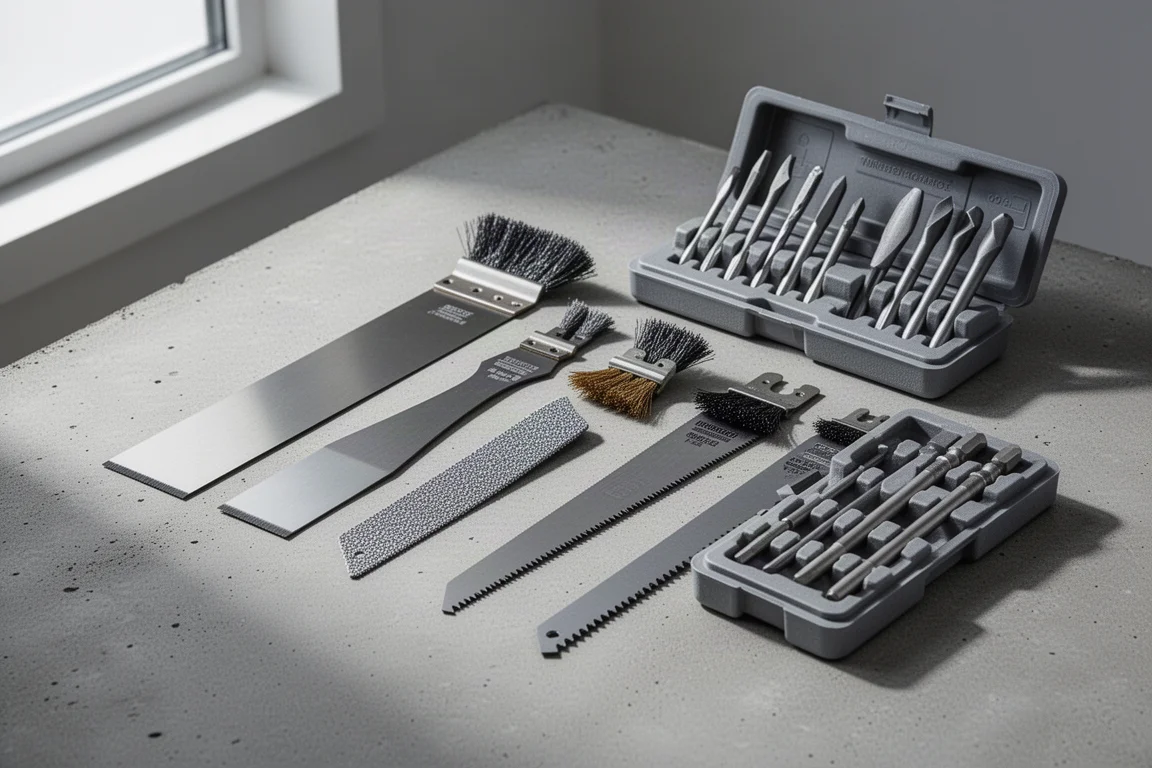
Most people know Spyder for hole saws and saw blades. Deeper in the lineup, though, there are some very specific accessories that can make a miserable job easier without buying another dedicated tool. The idea is simple: instead of replacing every specialty tool, these attachments make tools you already own handle jobs they normally couldn’t.
This roundup covers six products: a scraper set, a grout removal blade, two brush attachments, a tungsten carbide masonry blade, and a new electrician knockout punch kit. The first five have seen extensive hands-on use and do the jobs they are designed to do. The knockout kit is newer, more expensive, and still unproven in daily use, so it gets a more cautious verdict.
Evaluation Criteria
Each product here is judged on whether it solves a real jobsite problem, how well it works on the intended material, and whether the price makes sense for the value delivered. Technique matters with reciprocating saw accessories: shallow angles, controlled speed, straight reciprocating action, and no orbital mode are recurring themes. Safety notes like eye protection, respiratory protection, and dust control come up more than once, and they are worth taking seriously.
Spyder Scraper Set
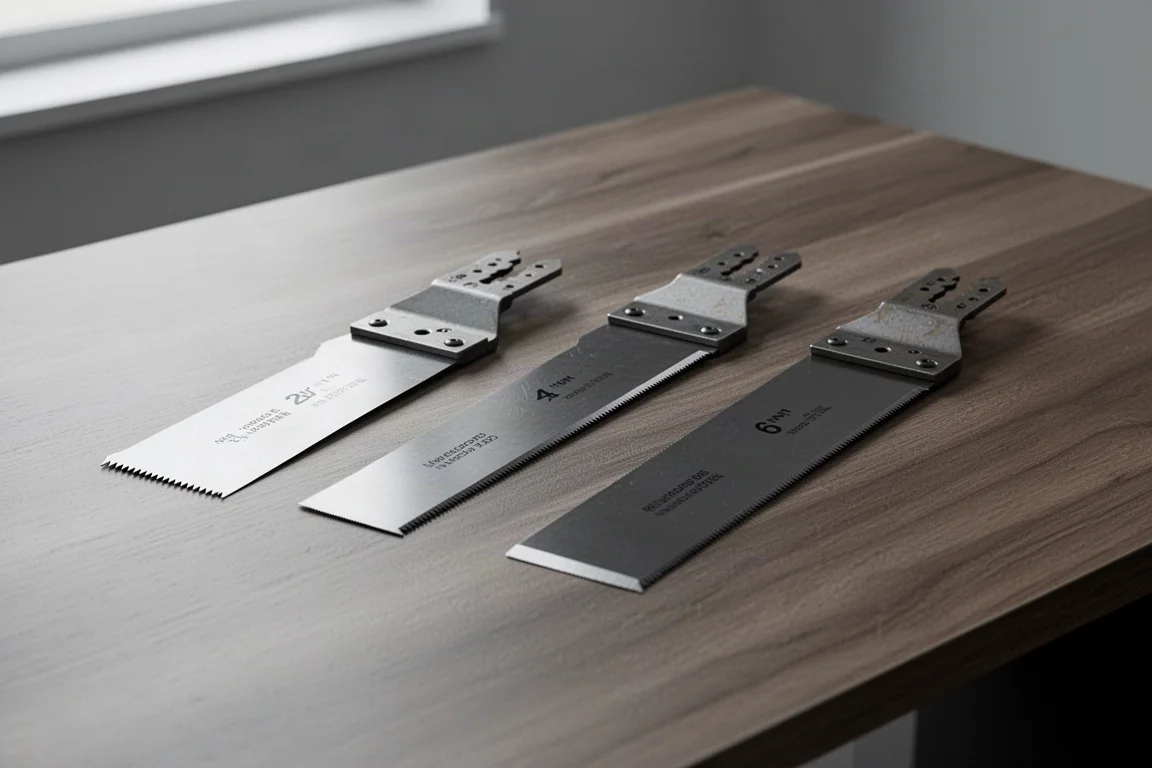
The three-piece Spyder scraper set costs $24.98 and includes a 2-inch, 4-inch, and 6-inch scraper that fits into a reciprocating saw just like a blade. The 2-inch concentrates force for precision work like popping tile and getting under stubborn thin set and adhesive. The 4-inch is the best general-purpose size, and if one had to be chosen for the widest range of jobs, it would probably be that one. The 6-inch covers more area and works better on softer materials like rubber-backed carpet and padding.
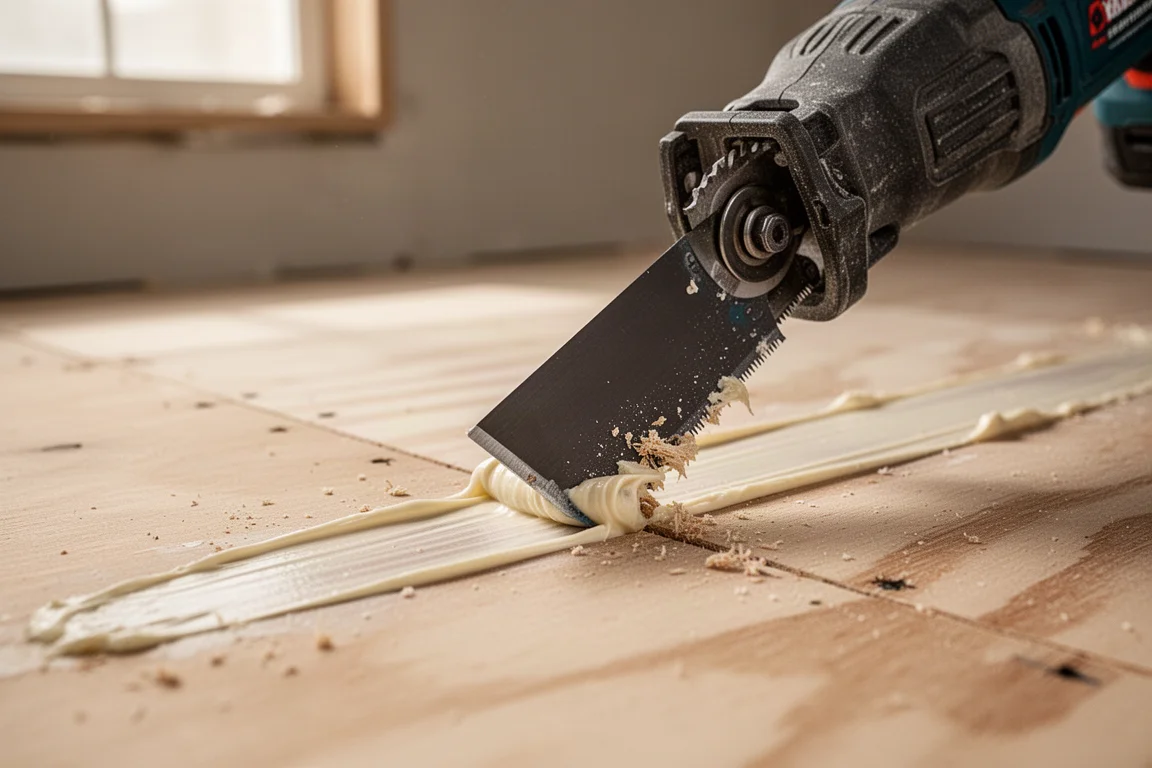
Technique is the key. Keep the saw at a shallow angle, use a controlled speed, and let the reciprocating action do the work. Do not lean your entire body onto the saw and expect it to become a rotary hammer. Spyder warns that these are not concrete demolition tools and should not be used in orbital mode. At roughly $25 for all three sizes, the set can pay for itself in one bad scraping job. It is a solid keep-on-the-truck item for remodeling, flooring, or demolition work, and pairs well with a heat gun for VCT tile removal.
Spyder Grout Out
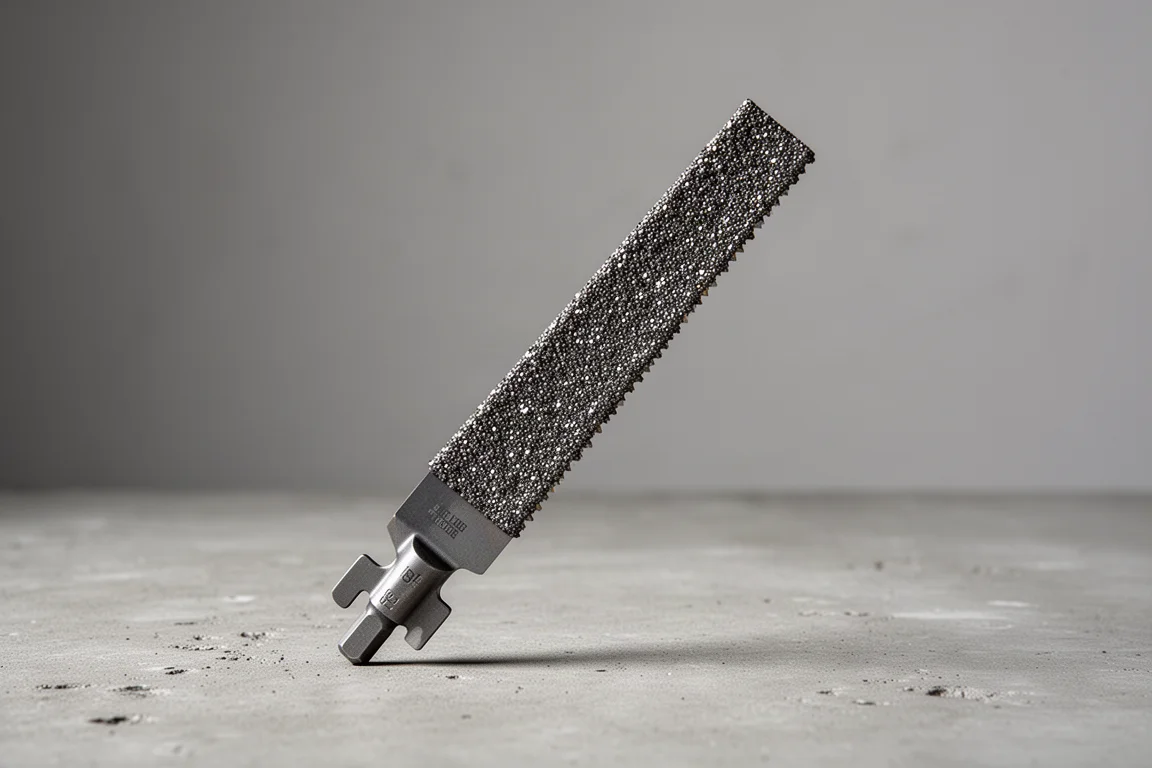
The Spyder Grout Out costs $12.98. Instead of saw teeth, it uses vacuum-braced tungsten carbide grit to remove grout from joints 3/16 to 3/4 of an inch wide. Spyder says it can also remove urethane and epoxy and works up to 10 times faster than hand removal. Grout, tile, joint width, and access will all change your result, but it is certainly much faster than dragging a manual grout saw through a large area.
Measure the joint before using it, since this is not for grout lines narrower than the attachment. Keep the tool parallel and controlled: a reciprocating saw has weight and vibration, and letting it wander sideways can turn a grout removal job into a tile replacement job. It also creates dust, so use eye and respiratory protection, control the dust whenever possible, and put some water down. For tile installers, remodelers, restoration contractors, and homeowners replacing damaged tile, a $13 attachment can deliver real value.
An Unconventional Use for the Grout Out
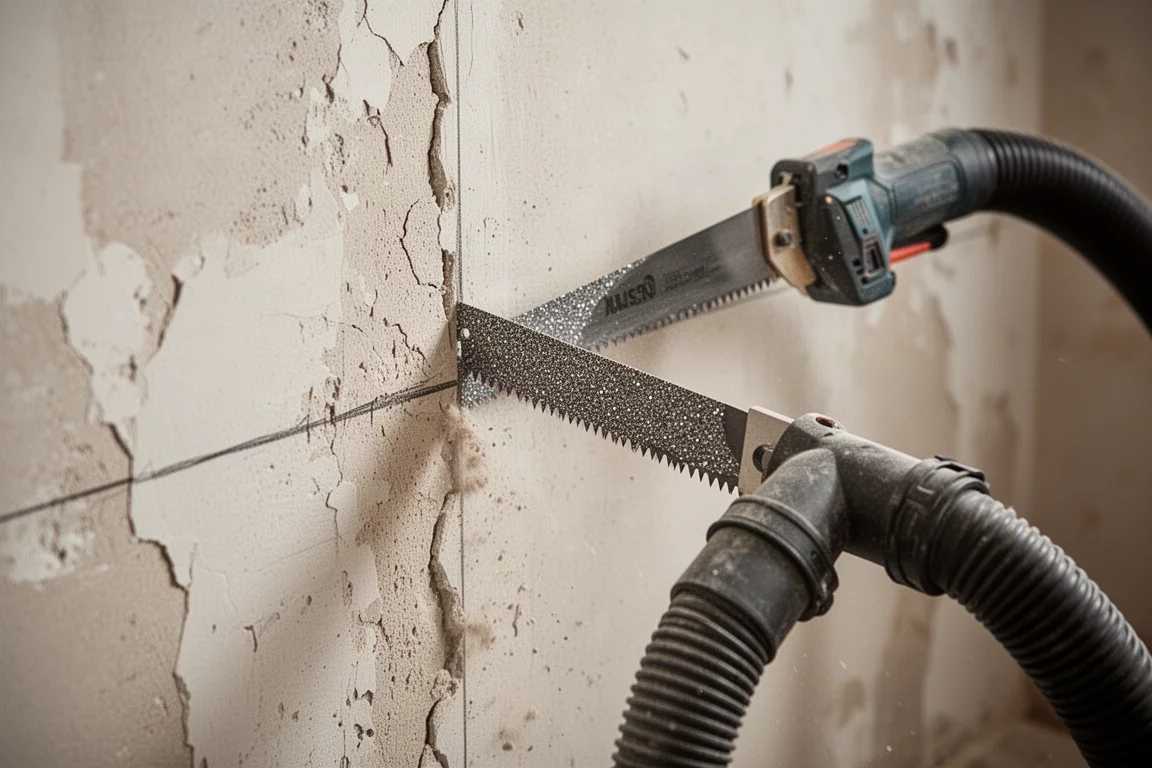
There is a less obvious use for this blade that has nothing to do with grout. Remodelers working in older homes encounter a lot of plaster, and the Portland content in plaster makes it extremely hard, dulling reciprocating saw and oscillating multi-tool blades extremely fast. Because these blades have grit instead of standard teeth, they handle hard plaster far better. Mark out your lines and make the cut, optionally with some water down.
Running the tool with the blade and a vacuum behind it to capture dust is a practical approach. That single tip can save hundreds of dollars in oscillating multi-tool and reciprocating saw blades over time.
Spyder Nylon Brush
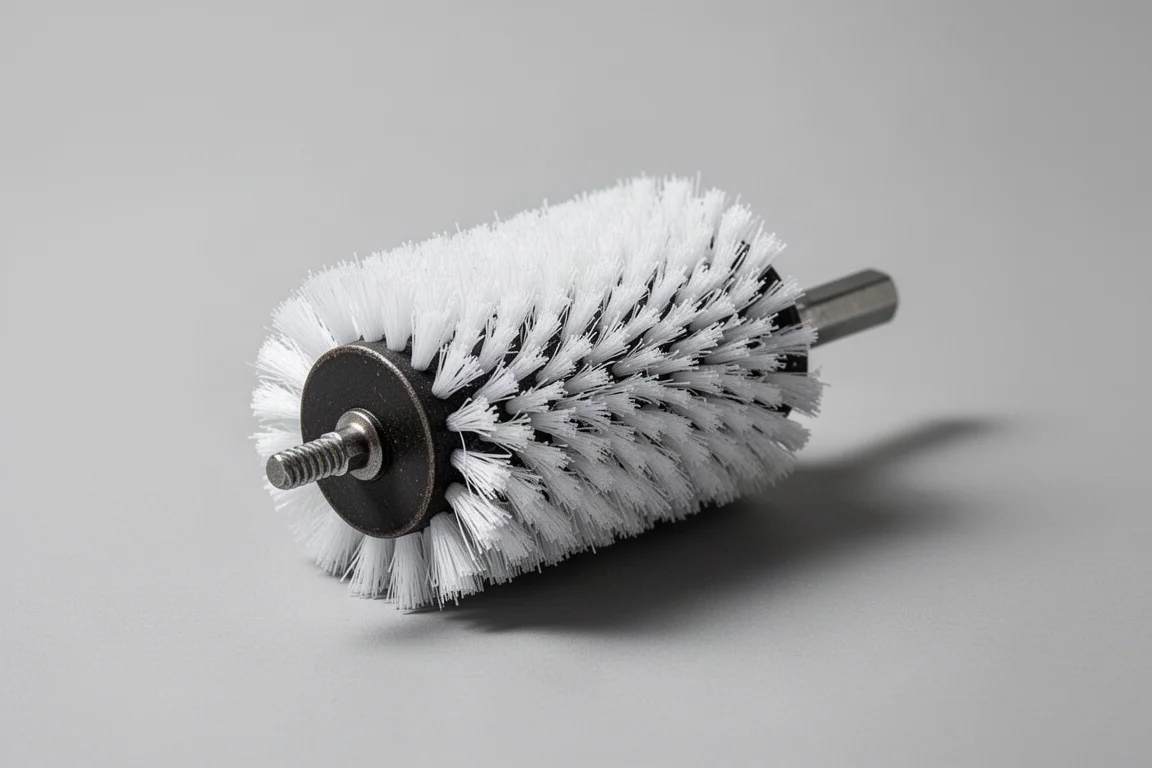
The Spyder nylon brush is also priced at $12.98. Yes, it is a scrub brush that locks into a reciprocating saw, and it looks ridiculous until you actually use it on a long or odd textured surface, rubber mat, or narrow channel. Spyder lists it for grout, carpet, tile, laminates, rubber, concrete, brick, and more. Its narrow shape works along edges and into corners where a large round drill-style brush will not fit.
This is a cleaning brush, not a stripping brush. It loosens dirt and grime without the aggression of a steel wheel, but it is not intended for heavy corrosion or hard coatings. Spyder says the bristles clean without scratching; still, test any finished or delicate surface in an area you will not see first. Keep it parallel to the work, use straight reciprocating action, and avoid orbital mode. It is inexpensive, easy to store, and eliminates a lot of repetitive manual brush work.
Spyder Steel Wire Brush
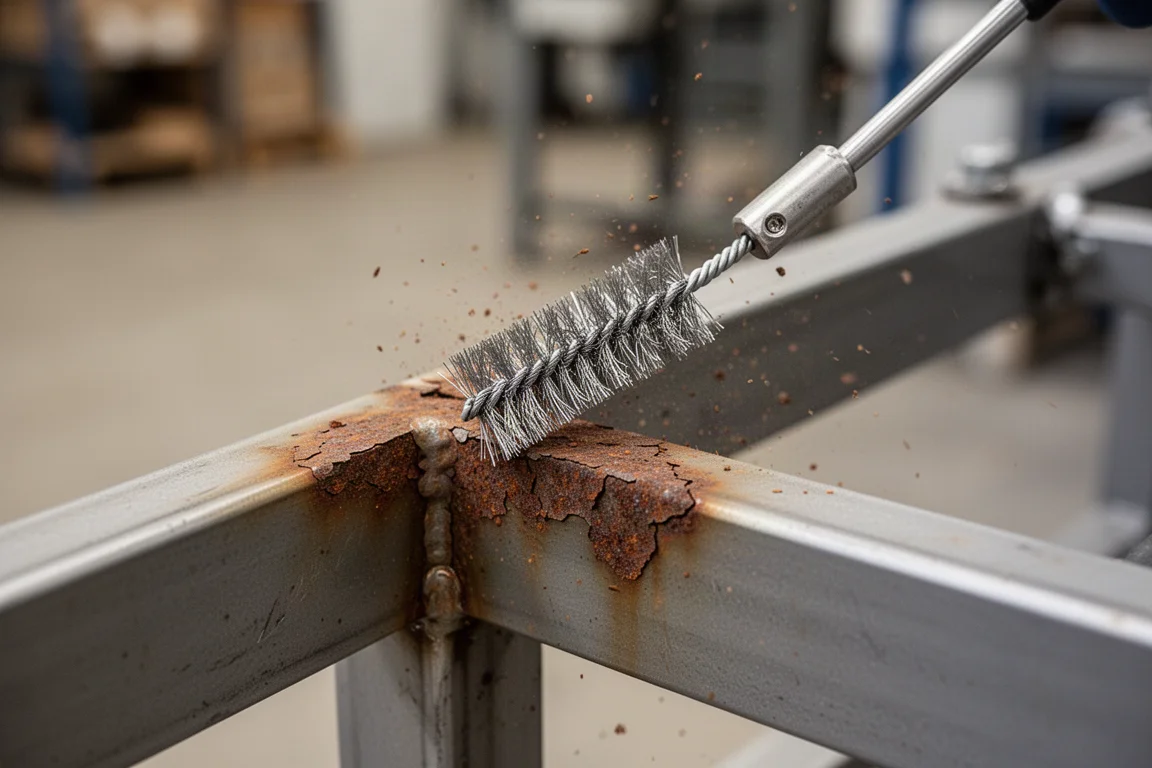
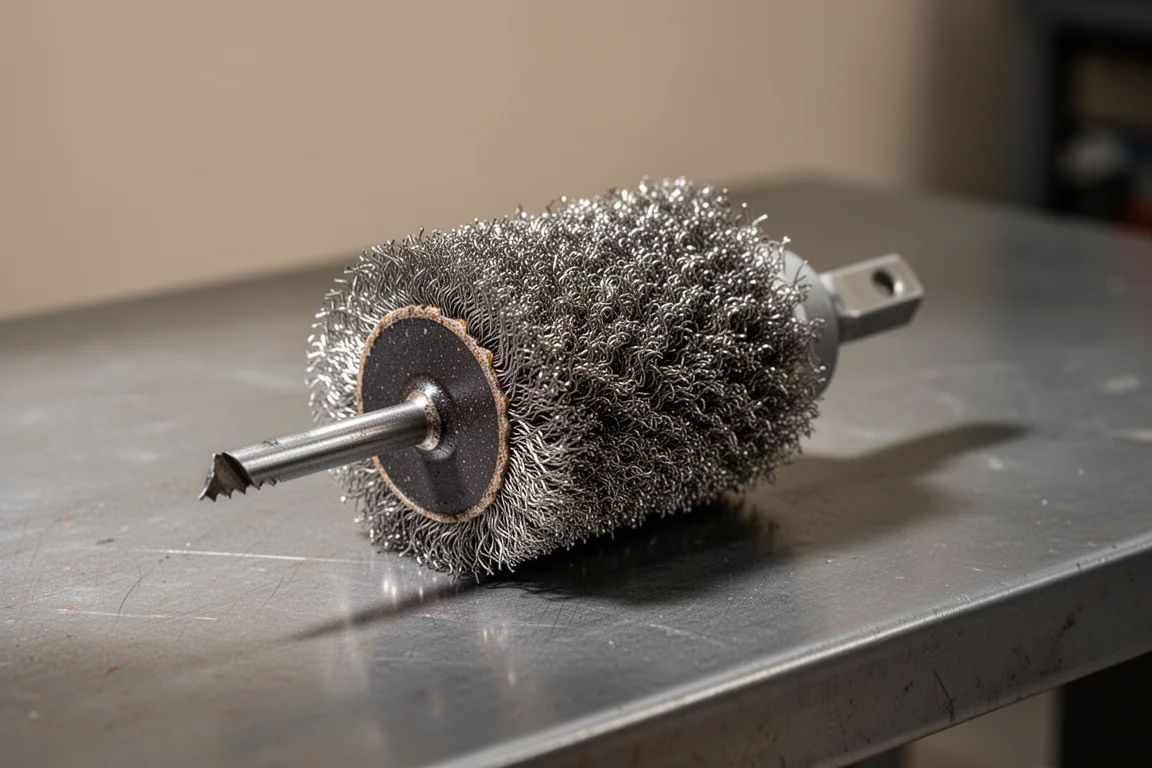
If the nylon brush is the polite version, the Spyder steel wire brush is the angry version. Also $12.98, it is designed for metal, concrete, stone, and wood, and removes tougher contamination like flaking paint, rust, dirt, and small surface imperfections. Its biggest advantage is access: on a large flat surface a grinder or drill-mounted wire wheel may be faster, but inside a corner, along an edge, between boards, or inside a narrow channel, this brush can reach places a round wheel struggles to touch.
Wire brushes are consumables. Maximum speed and heavy pressure will wear the bristles faster, and loose steel wires can become sharp projectiles. Wear eye protection, inspect the brush before use, and check the area for shredded bristles afterwards. For anyone working on equipment, metal restoration, landscaping machinery, or maintenance, this may offer the best combination of price, usefulness, and versatility in the group.
Spyder Tungsten Carbide Masonry Blade
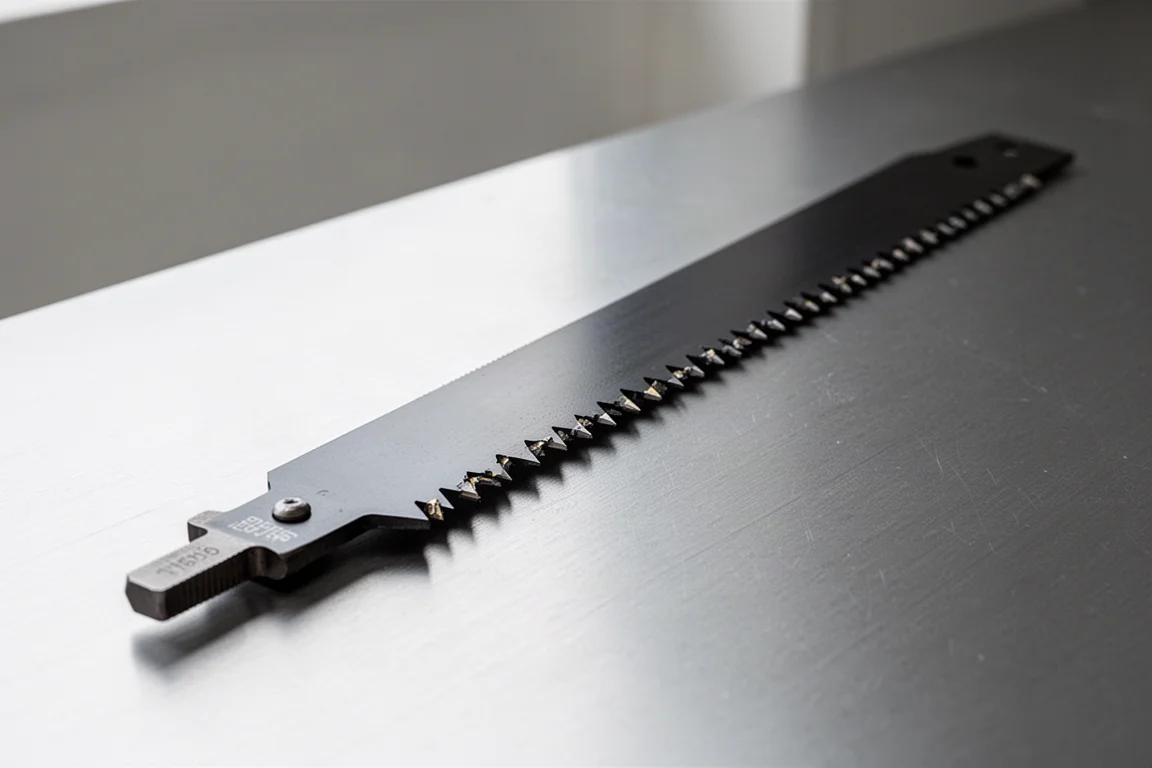
Spyder’s 12-inch, 2 teeth-per-inch tungsten carbide tipped masonry reciprocating saw blade is listed at $28.35 and is designed for concrete block, brick, mortar, masonry, stone, and timber. It can make square and flush cuts and reach places where rotary masonry saws would be in a difficult position. It has seen extensive use and works for its intended purpose, but the phrase “masonry blade” does not mean it will cut every hard material you put in front of it.
Spyder tells users to check the hardness of the material and does not recommend the blade for materials at a Mohs hardness of six or higher, warning that poured concrete, some harder brick, block, floor tile, and porcelain may be outside its intended use. Soft concrete block, cinder block, and extremely hard fired brick are not the same test. Use it in the right material and it solves a difficult access problem; attack extremely hard masonry or material containing metal and the result will be very different. It is a specialty blade that requires the operator to understand what is being cut.
Spyder Electrician Knockout Punch Kit
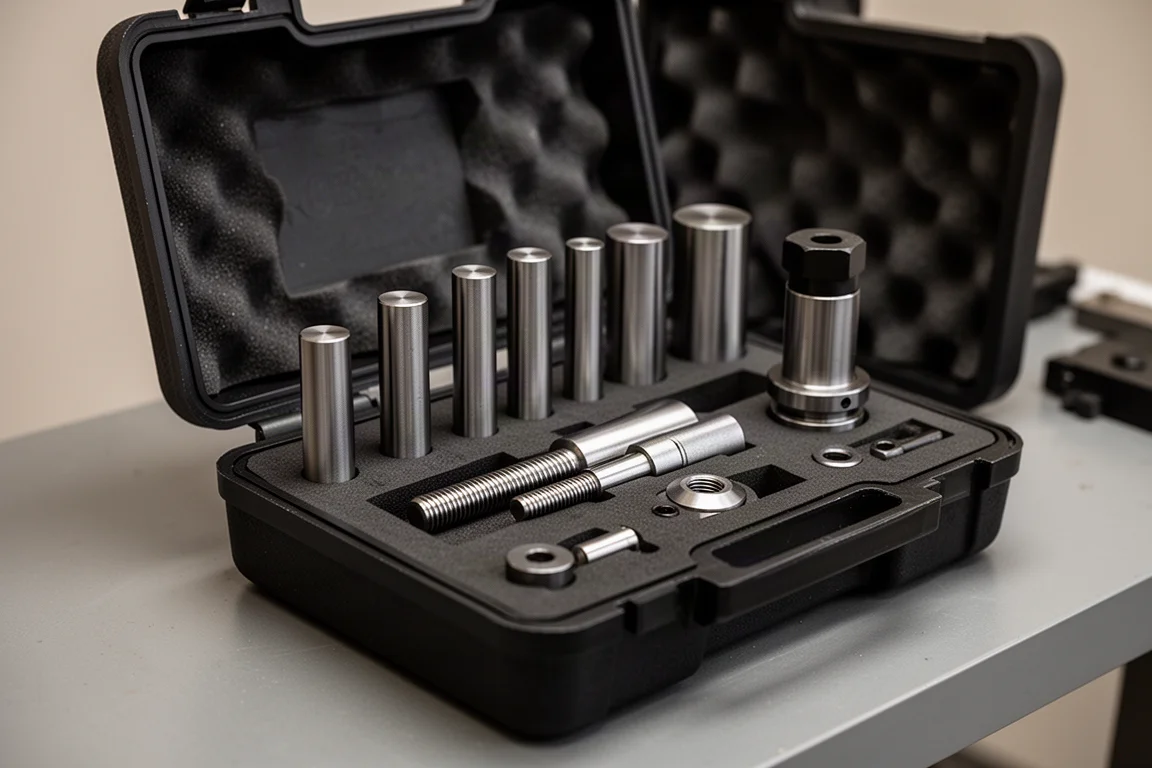
Spyder’s new 10-piece electrician knockout punch kit is designed to run with the impact driver already on your truck. The case contains six conduit punch sizes covering trade sizes from 1/2 inch through 2 inch, with actual punch diameters running from 22 mm to 60.8 mm. The kit also includes an impact bearing draw stud, impact rated adapter, setting hardware, and a molded carrying case.
The system works with an impact driver: you create the required starting opening, position the punch and die on opposite sides of the panel, fully thread and align the components, and use the impact driver to draw the punch through. Proper alignment matters, and everything needs to be fully threaded and secured tight before the impact driver goes on. Spyder rates the kit for up to 16-gauge mild steel and 18-gauge stainless steel, and claims clean, accurate conduit knockouts up to 25% faster than bi-metal hole saws.
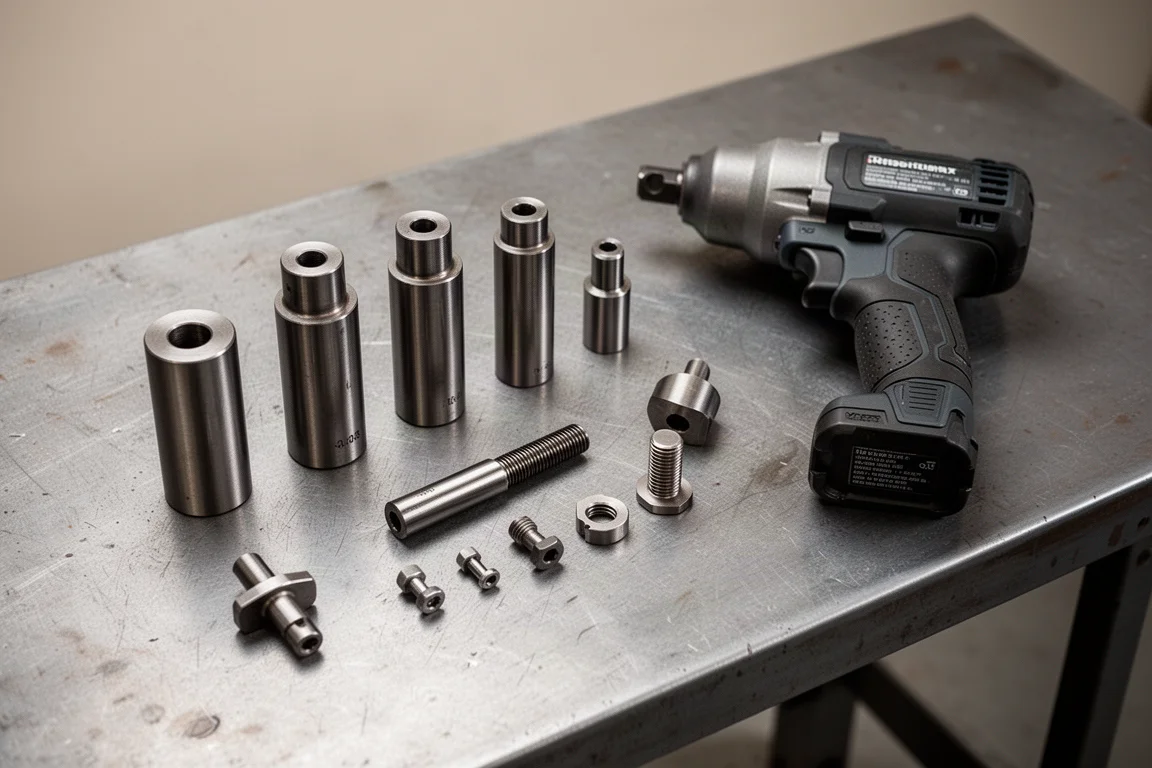
At the time of writing, availability is very limited and the price is around $380 through Spyder distribution partners. This is a professional purchase, not an impulse accessory. The potential is easy to understand: an electrician or HVAC technician may be able to make clean conduit openings with the impact driver already on the truck, instead of relying on a hole saw for every opening or carrying a separate power knockout system. It could also be safer than drilling into a live panel, and on a dead panel it could save you from nicking wires if you pushed a hole saw through with more force than intended.
Total setup time, finished edge quality, panel distortion, slug removal, and durability after repeated use have not been tested yet. The final pull-through may look fast, but the complete process, including the starting opening, assembly and alignment, slug removal, and teardown, determines whether it actually saves time. At nearly $340, it needs to deliver repeatable professional results, not just one impressive demonstration. The verdict here is not buy or skip: it is very interesting, clearly built for working professionals, but still unproven in real use.
Overall Buying Advice
The scraper set and steel wire brush are the easiest broad recommendations because they solve common problems at reasonable prices. The Grout Out and nylon brush are more job-specific, but they can save real time when that job appears. The masonry blade is useful when you understand the materials and respect its limits. The knockout kit may be the most important product here for professional electricians, but it is hard to recommend an untested tool at that price without further hands-on testing.
Prices mentioned here were current at the time of writing, and both prices and availability can change, so check current listings before buying.
Conclusion
The bigger story is not that Spyder has replaced every dedicated specialty tool. It is that Spyder has found unusual ways to make tools you already own handle jobs they normally couldn’t. Match the accessory to the job, respect the material limits, and most of these attachments can save a surprising amount of manual work for the cost of a lunch.
Further reading
Related Reviews

Power Tool Accessories
Best Drill Attachments 2026: Three DeWalt Tools Worth Buying
A practical look at three DeWalt drill attachments that deliver real value, plus the sketchy options you should skip.

Power Tool Accessories
Best Drill Bits 2026: 14 Sets Tested on Mild Steel, Spring Steel, and AR500 Armor
We tested 14 drill bit sets across mild steel, spring steel, and AR500 armor plating to find the best value, speed, and durability.

Power Tool Accessories
Best Right Angle Impact Adapters 2026: Five Options Tested for Speed, Torque, and Durability
We tested five right angle impact adapters from DeWalt, Milwaukee, Warrior, Titan, and Milescraft to see which ones deliver real performance without failing early.