Power Tool Accessories
Best Spyder Oscillating Multi-Tool Blades: Which One for Your Cut?
Four Spyder oscillating multi-tool blades tested across wood, PVC, drywall, and nail-embedded lumber, with a simple cheat sheet for picking the right one.
Introduction
If your oscillating multi-tool feels slow, burns up blades, leaves ugly cuts, and generally feels like a fight, there is a good chance the problem is not the tool. It is the blade. Using the wrong blade for the material is one of the most common reasons this type of tool disappoints, and switching to the right one can completely change the experience.
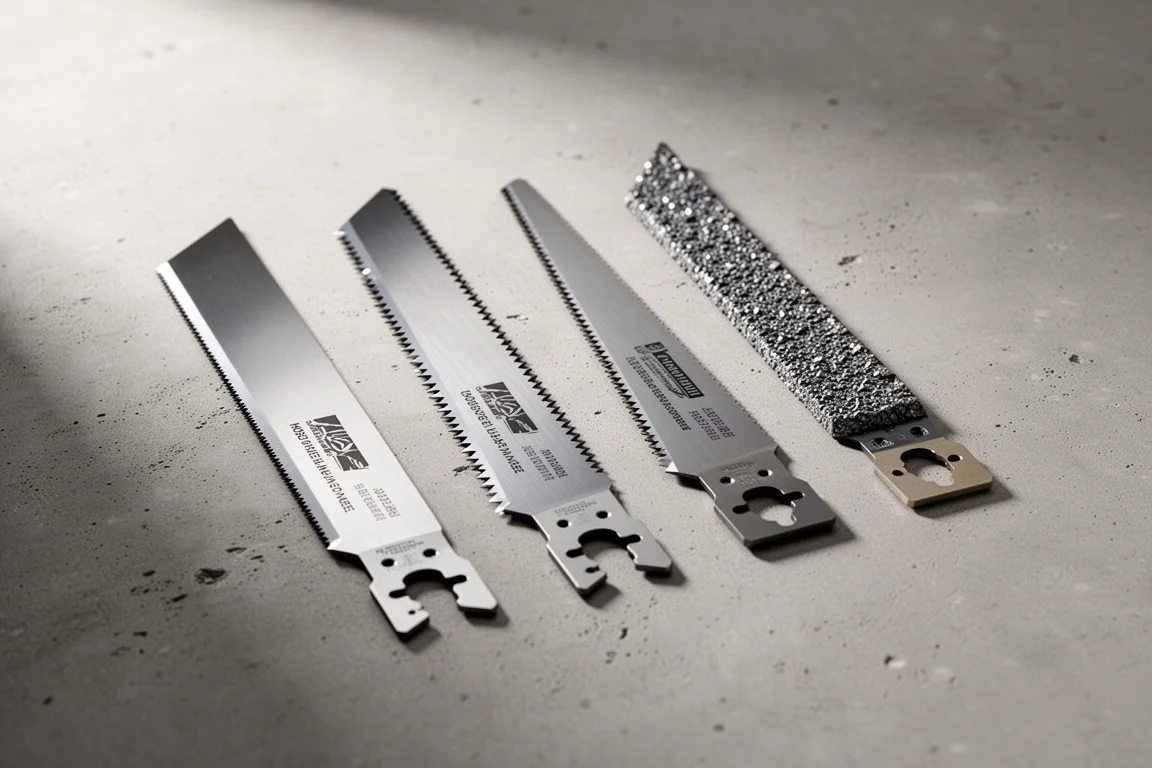
We put four Spyder oscillating multi-tool blades through their paces to see what each one is actually built for, and which materials each one handles best.
Why the Right Blade Matters
Spyder blades use a universal attachment interface, so they fit most oscillating multi-tools. If you own an obscure model designed for Starlock, the blades will not seat directly, though an adapter is available for some tools. It is worth checking your tool’s interface before ordering.
Beyond fit, the real difference between these blades comes down to tooth style, blade width, and tooth material. A blade that excels at clean wood and PVC will struggle and wear fast in nail-embedded framing, while a blade built for demolition overkill is more blade than you need for a tidy PVC cut.
Spyder 014: Clean Wood and PVC, Tight Cuts
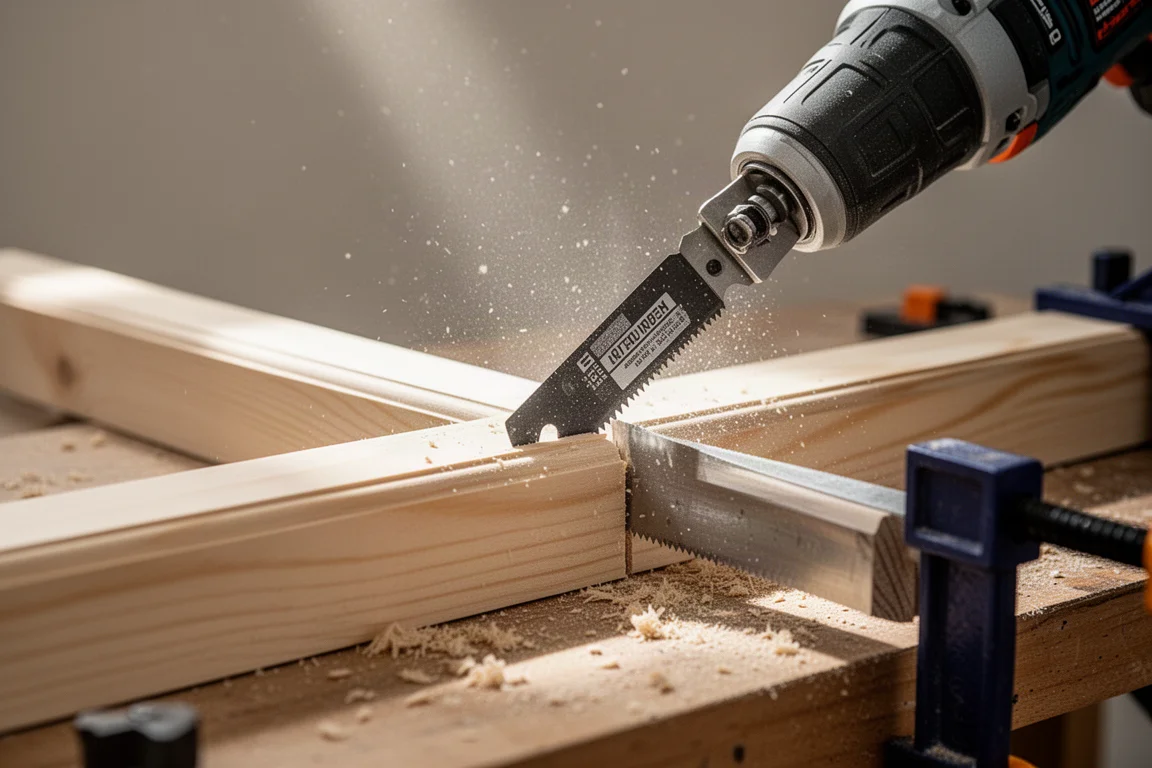
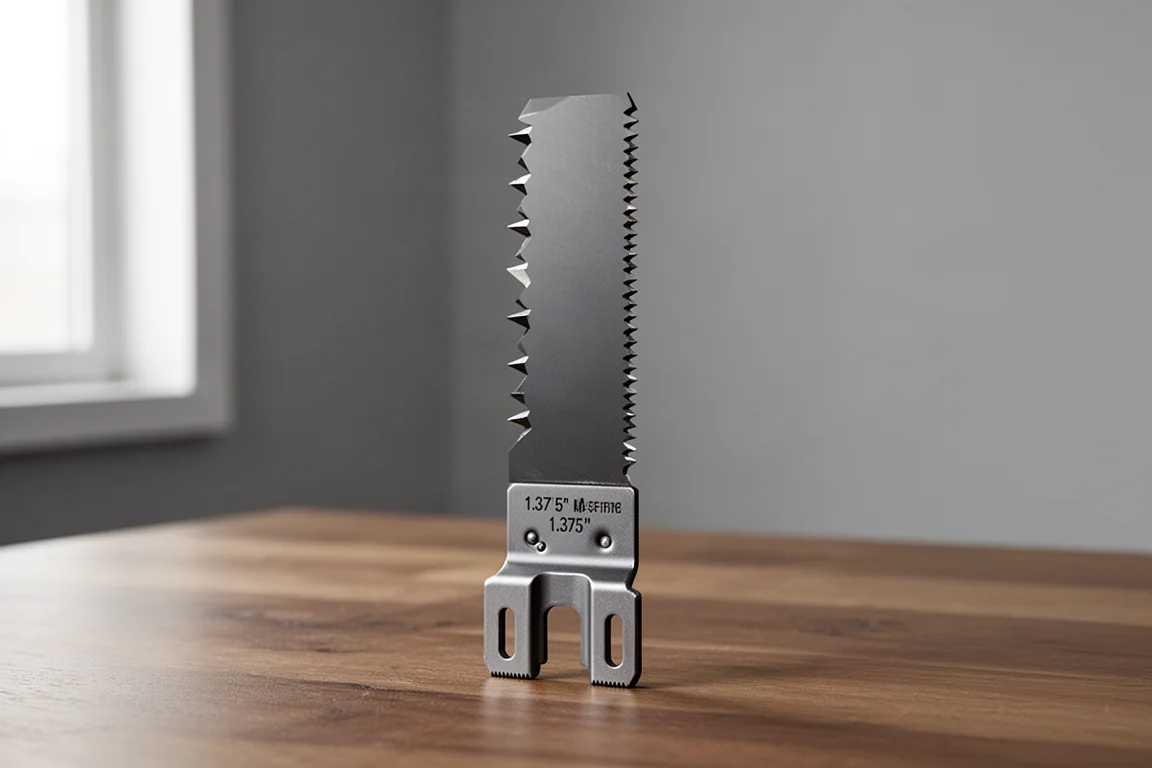
The Spyder 014 is the clean wood and PVC blade, sized at 1 and a quarter inches. It uses a rougher, more aggressive tooth style, similar to a Japanese pull saw: very sharp, fast, and surprisingly smooth in the right material.
Because it is the narrower of the two clean-cut blades, the 014 gives more control in tight detail work. If your cuts are narrow and precision matters more than coverage, this is the one to reach for.
Spyder 015: Same Teeth, Wider Coverage
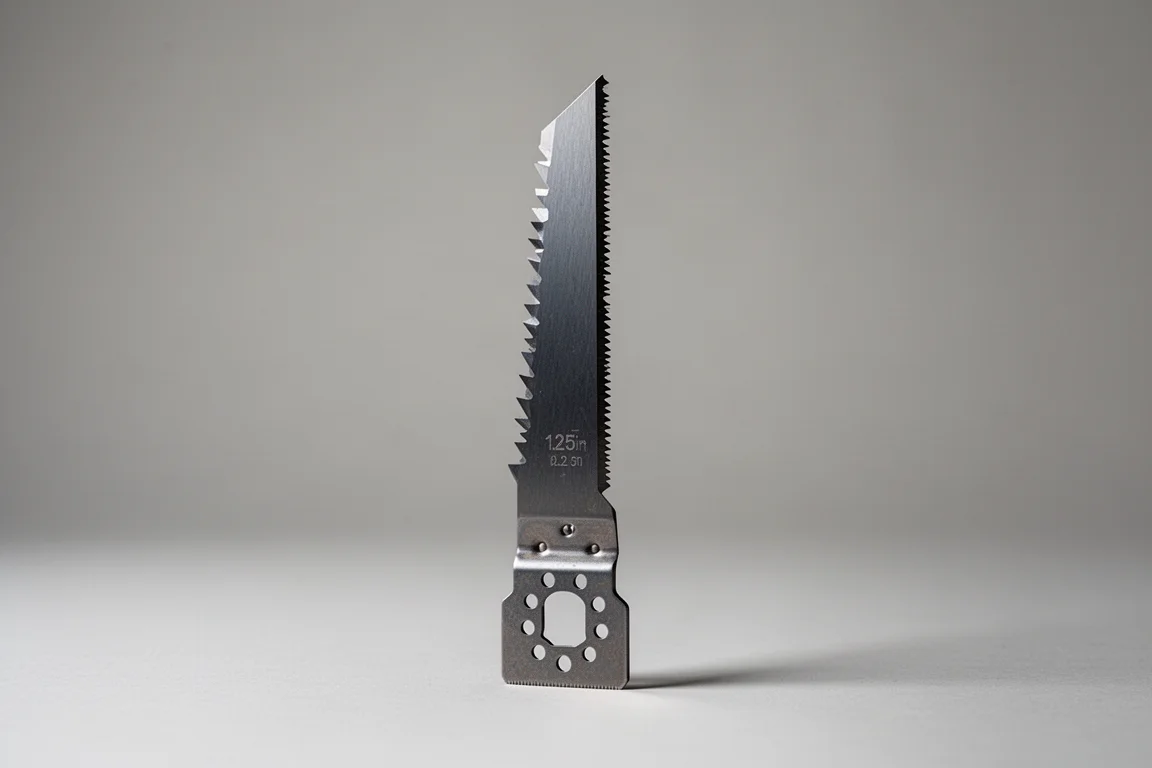
The Spyder 015 is essentially the wider version of the 014, at roughly 1 and 3/8 inches of cutting width, using the same tooth style. It handles wood, PVC, and drywall, and the extra width gives you more coverage and more cutting surface.
When the cut is wider and you want the blade to clear more material in a pass, the 015 makes more sense than the 014. For pure control in tight cuts, though, the thinner 014 is generally the better pick of the two.
Spyder 004: Bi-Metal for Wood with Nails
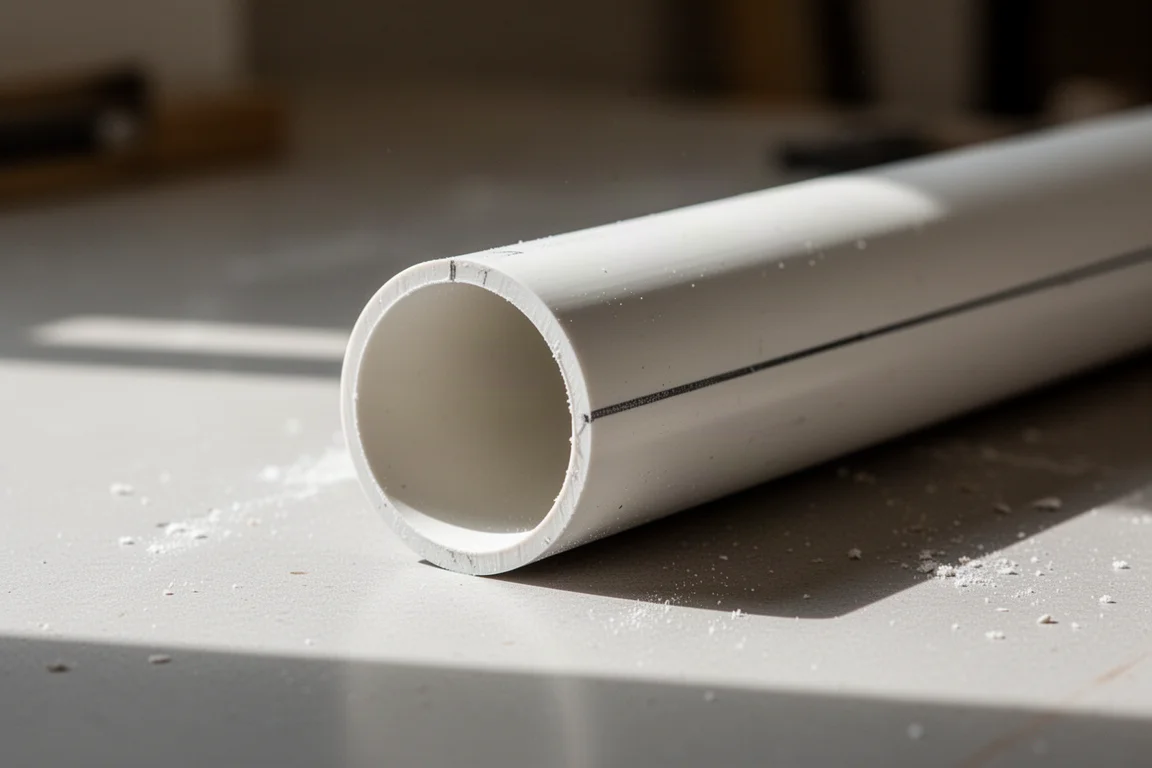
The Spyder 004 is the bi-metal blade, also at 1 and 3/8 inches, and it is made for wood with nails, PVC, and drywall. Its tighter tooth spacing and higher teeth-per-inch count make it less aggressive than the clean-cut blades, but the payoff is a noticeably cleaner cut, especially in PVC, where it tracked close to a struck line.
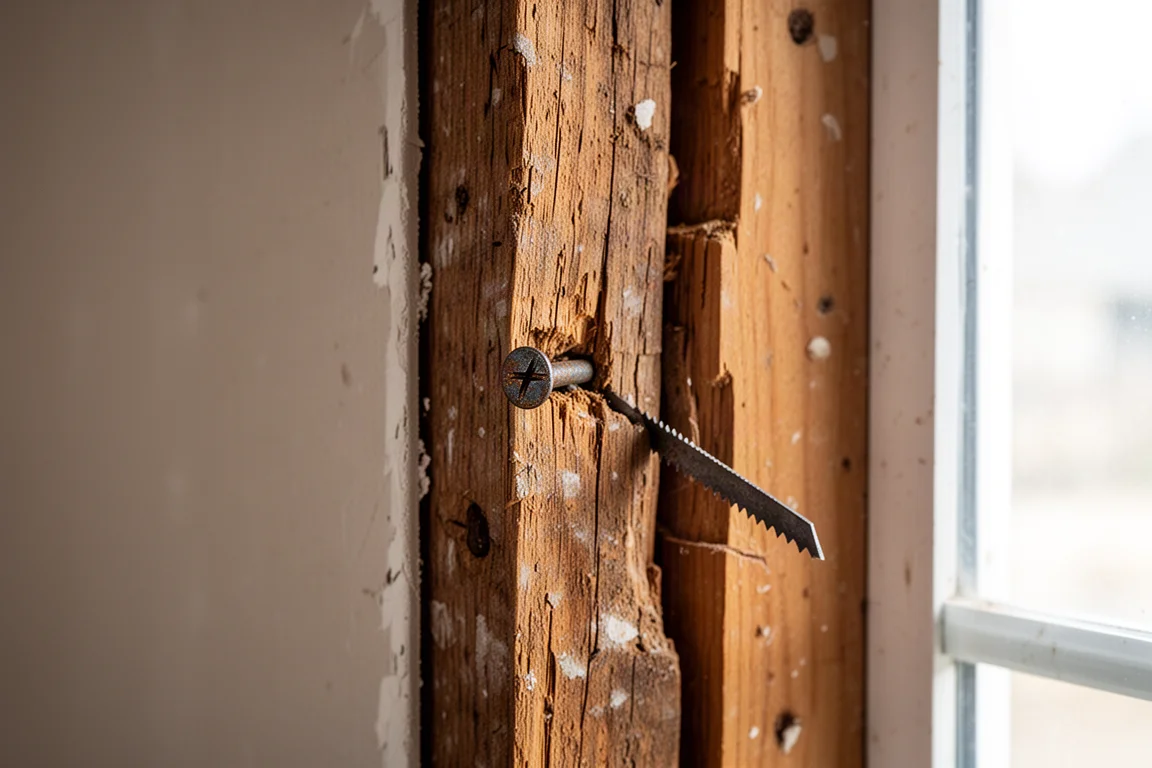
This is the blade for remodel work: cutting out old walls, framing, trim, or anything where you are most likely to bump into nails and fasteners. In testing it cut through nail-embedded wood without burning or bogging down, and the teeth held up well.
Spyder 013: Carbide for Mixed Material and Metal
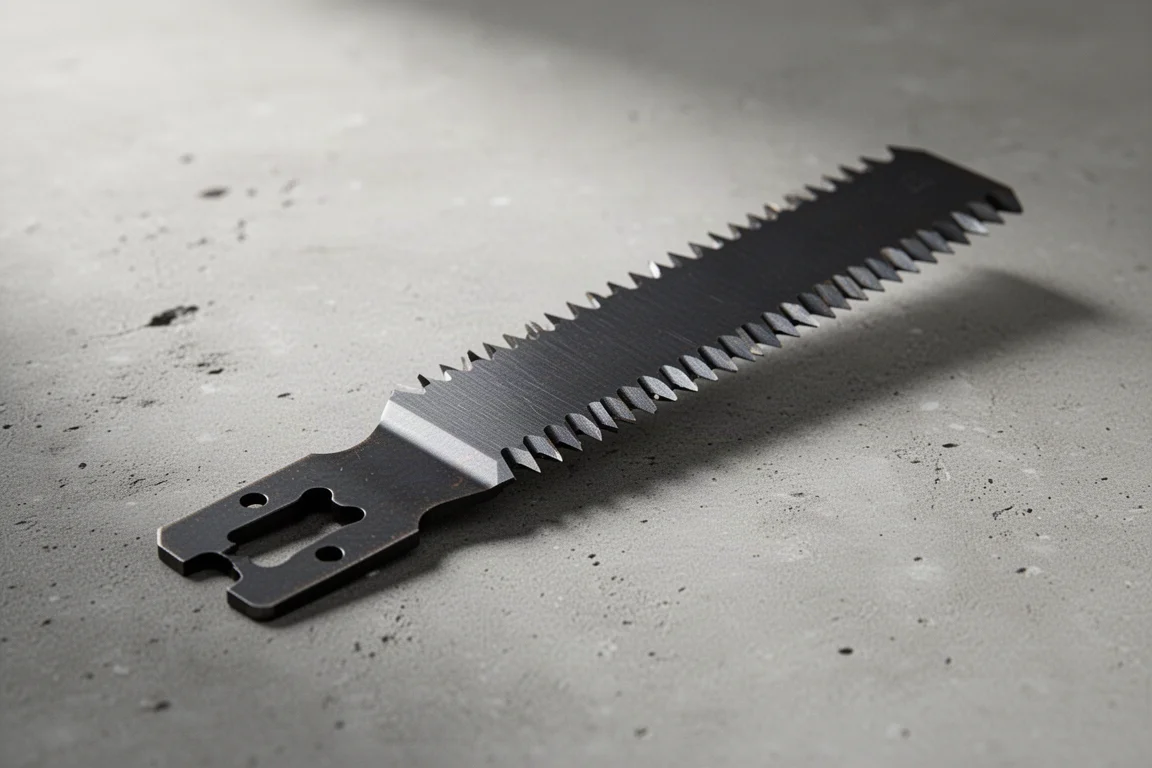
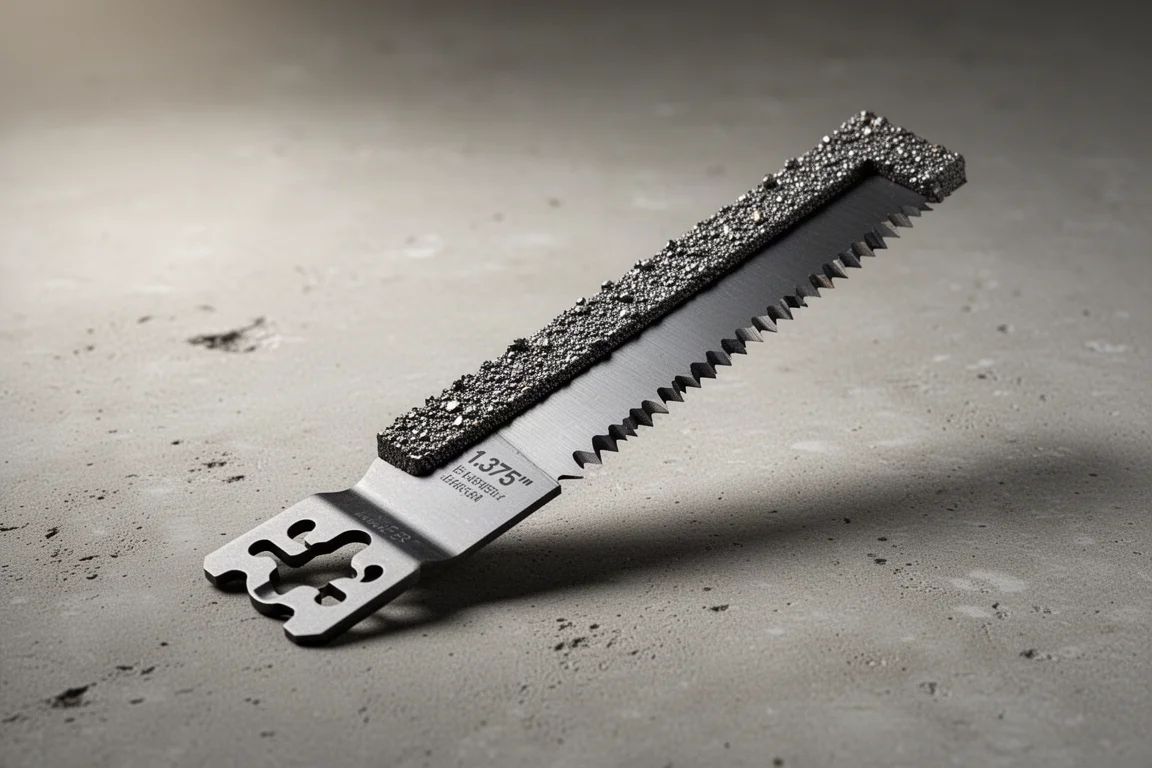
The Spyder 013 is the 1 and 3/8-inch carbide-tooth blade, and it is the standout of the lineup. Spyder claims it delivers 60 times more cuts than standard bi-metal blades and 10 times more cuts than standard carbide blades.
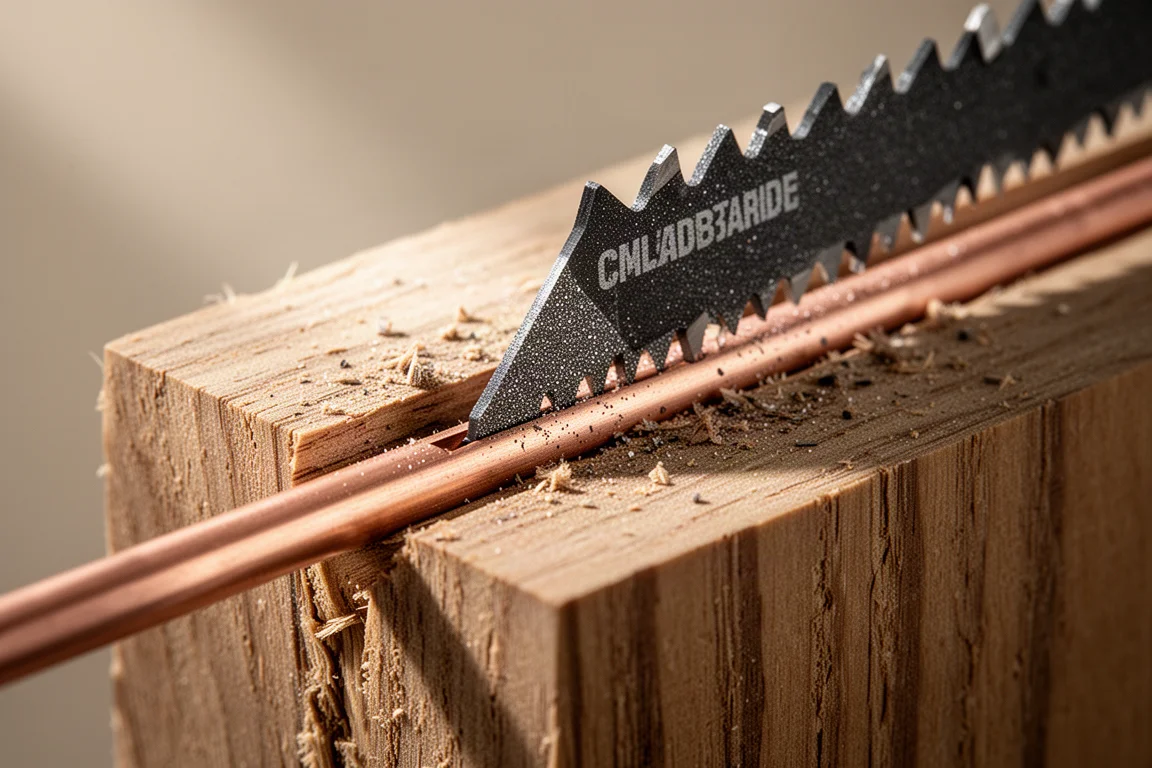
In testing, the 013 ran into a hidden nail mid-cut. Instead of destroying the blade, the cut simply pulled out of the nail and continued on a new line with every tooth still intact. It also handled soft metal like copper pipe with a clean cut and no tooth damage, which matters when you need to clear a water line and do not have a copper cutter on hand.
This is the one-size-fits-all blade for ugly, unpredictable cuts: metal, screws, mixed materials, PVC, and drywall all buried in the same job. It is the blade for when durability and survival matter more than the prettiest finish cut.
Buying Advice: Matching the Blade to the Job
Here is the simple cheat sheet. If you are cutting clean PVC, drywall, MDF, or OSB, look at the 014 or the 015. For tight detail cuts where control matters, grab the 014. For wider cuts where you want more coverage and cutting surface, grab the 015.
If nails, screws, or fasteners are possible, grab the 004. It fits old trim, old framing, nail-embedded wood, and general remodel work. When the material gets uglier, including metal, screws, and mixed materials, the 013 carbide blade is the one that survives it.
As a ranking for general remodeling, the 013 carbide takes the top spot because it handles whatever the wall is hiding, followed by the 004 bi-metal for most nail-prone work. The thinner 014 edges out the wider 015 for control, but both are excellent for clean material.
Conclusion
Matching the blade to the material is the single easiest upgrade for an oscillating multi-tool. Start with the 014 or 015 for clean cuts, step up to the 004 when fasteners are in play, and keep the 013 carbide on hand for the jobs where you genuinely do not know what is buried in the wall. Pick right, and the tool stops feeling like a fight and starts feeling like the fast, capable cutter it should be.
Further reading
Related Reviews

Power Tool Accessories
Best Drill Attachments 2026: Three DeWalt Tools Worth Buying
A practical look at three DeWalt drill attachments that deliver real value, plus the sketchy options you should skip.

Power Tool Accessories
Best Drill Bits 2026: 14 Sets Tested on Mild Steel, Spring Steel, and AR500 Armor
We tested 14 drill bit sets across mild steel, spring steel, and AR500 armor plating to find the best value, speed, and durability.

Power Tool Accessories
Best Right Angle Impact Adapters 2026: Five Options Tested for Speed, Torque, and Durability
We tested five right angle impact adapters from DeWalt, Milwaukee, Warrior, Titan, and Milescraft to see which ones deliver real performance without failing early.