Power Tool Accessories
Spyder Mach Blue Reciprocating Saw Blades: Long-Lasting Blades for Demolition Work
A hands-on look at Spyder's Mach Blue reciprocating saw blades, including their claimed 20x blade life, nail-friendly teeth, and real cutting behavior in wood and steel.
Introduction
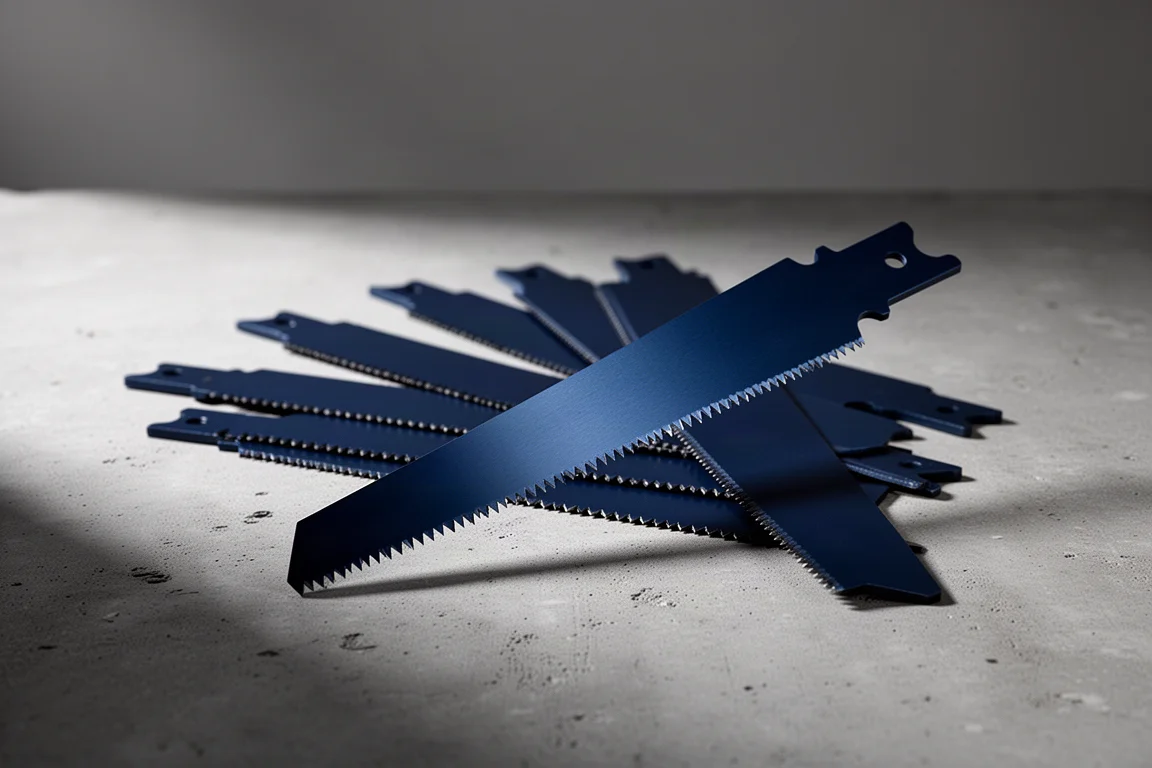
Reciprocating saw blades are one of the most commonly consumed items on a job site, and most tradespeople settle into a habit: find a blade that works, then keep buying it. The Spyder Mach Blue reciprocating saw blades make a bold pitch to break that routine, claiming up to 20 times longer blade life than conventional bi-metal blades. That claim is what makes these blades worth a closer look for anyone who does demolition or framing work regularly.
Why Blade Life Matters on the Job Site
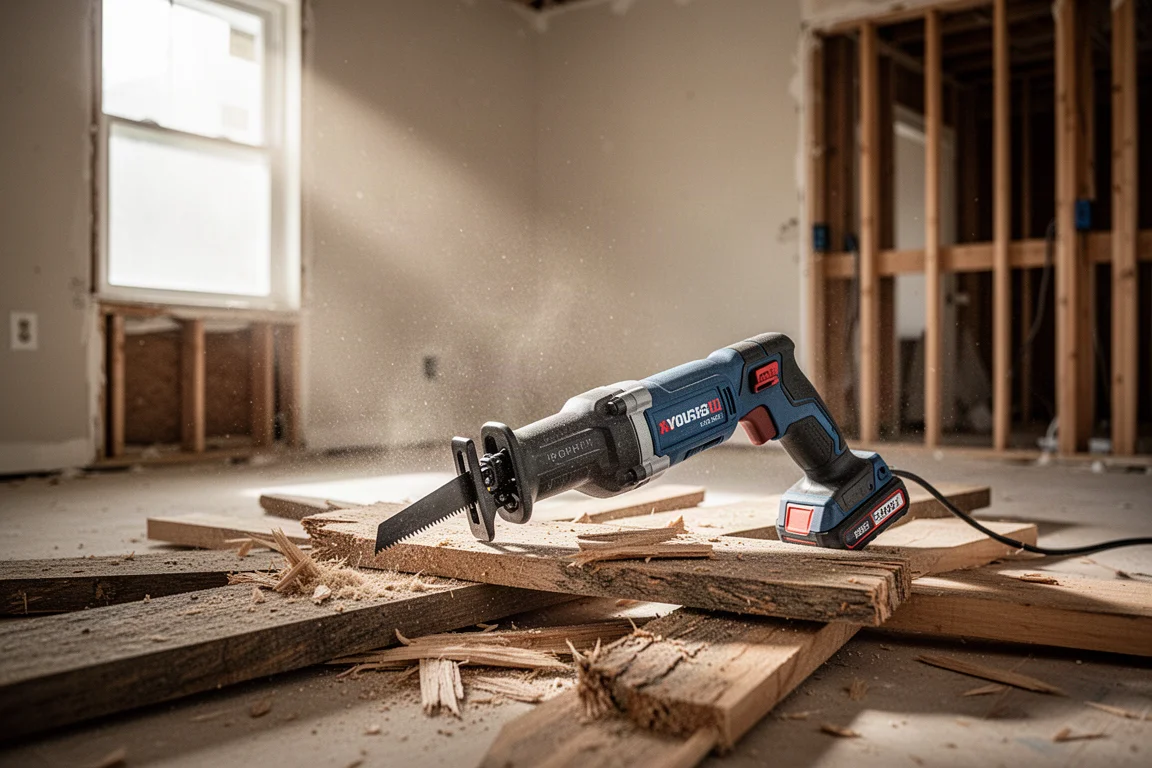
In remodeling and demolition work, the reciprocating saw is often the tool of choice. Cutting structural and framing members at key points lets you bring structures down in larger pieces, which cuts down on mess and cleanup considerably compared to sledgehammer-first demo.
The constant hazard is hidden fasteners. Depending on how a structure was originally built, you can run into nails or screws mid-cut, and a single encounter can destroy a conventional blade. Over the course of a project, that turns into a significant amount of money spent on replacement blades.
What Sets the Mach Blue Blades Apart
Spyder’s pitch comes down to two things: the proprietary Mach Blue plating and where the blades are made. The plating is designed to retain sharper cutting edges and reduce heat buildup, which the brand says results in faster cuts and blade life up to 20 times longer than conventional bi-metal blades. Less heat and sharper edges mean more usable cuts per blade, which directly reduces how often you need to buy replacements.
The blades are made in Germany, which Spyder presents as part of the engineering story. It is also worth noting that this is not a carbide solution. These are still bi-metal blades, just with the Mach Blue coating layered on top. The same coating treatment appears on other Spyder accessories, such as the brand’s step bits.
Sizes and Lengths
The blades tested here are the 6-inch length, but Spyder also offers 9-inch and 12-inch versions. For remodelers, the 6-inch and 9-inch options are a practical sweet spot, especially if your reciprocating saw does not have an adjustable shoe. If your saw does have an adjustable shoe, you can pull it in and reposition it to use more of the blade effectively, which stretches each blade even further.
The 9-inch blade tested is a 6 teeth-per-inch design made specifically for plywood and wood with nails, which is exactly what you encounter most often when dissecting framing members.
Cutting Wood with Nails
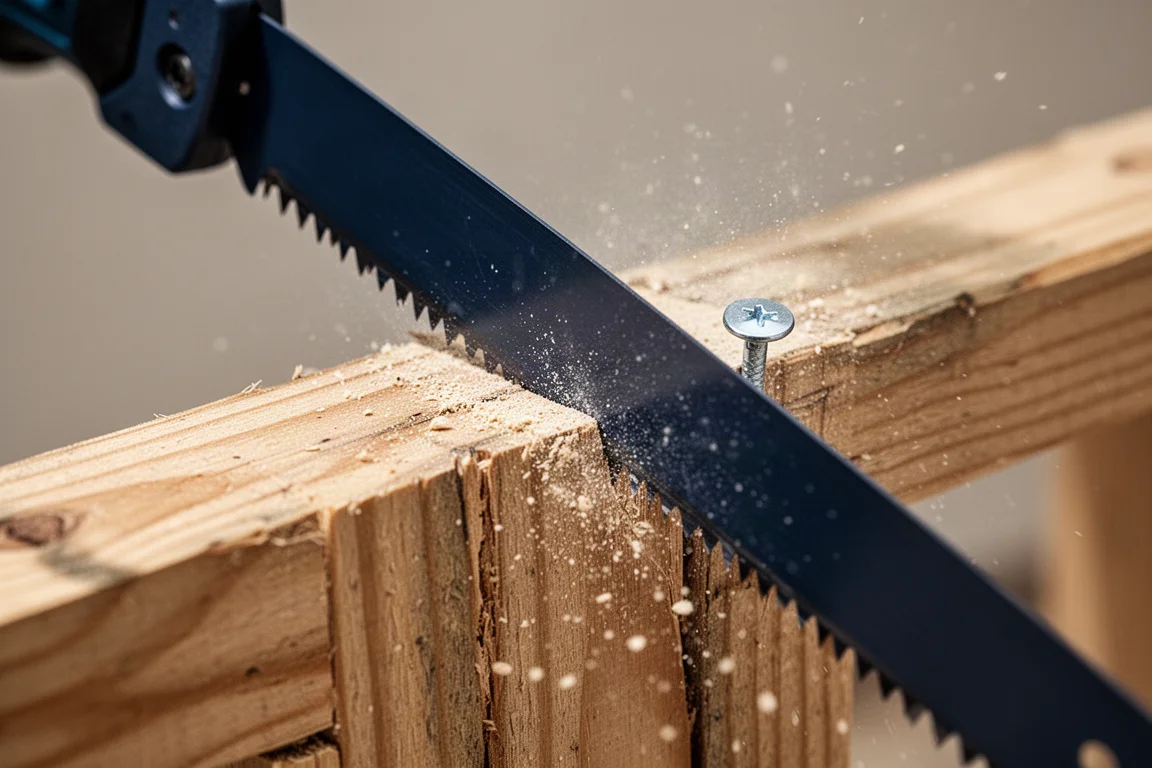
The most relevant test for demolition work is wood with nails embedded in it. The blade cut clean wood quickly, and through framing lumber containing multiple 3-inch framing nails, it kept cutting freehand with fairly straight, reasonably clean results. This is demo work, not trim carpentry, so cut quality expectations are appropriately modest.
After cutting through nails repeatedly, the results were notable. The teeth remained fully intact in the section of the blade that did most of the work, and the blade cut cool with no burn marks. The Mach Blue coating stayed intact even where the outer paint had been worn away by contact with the material.
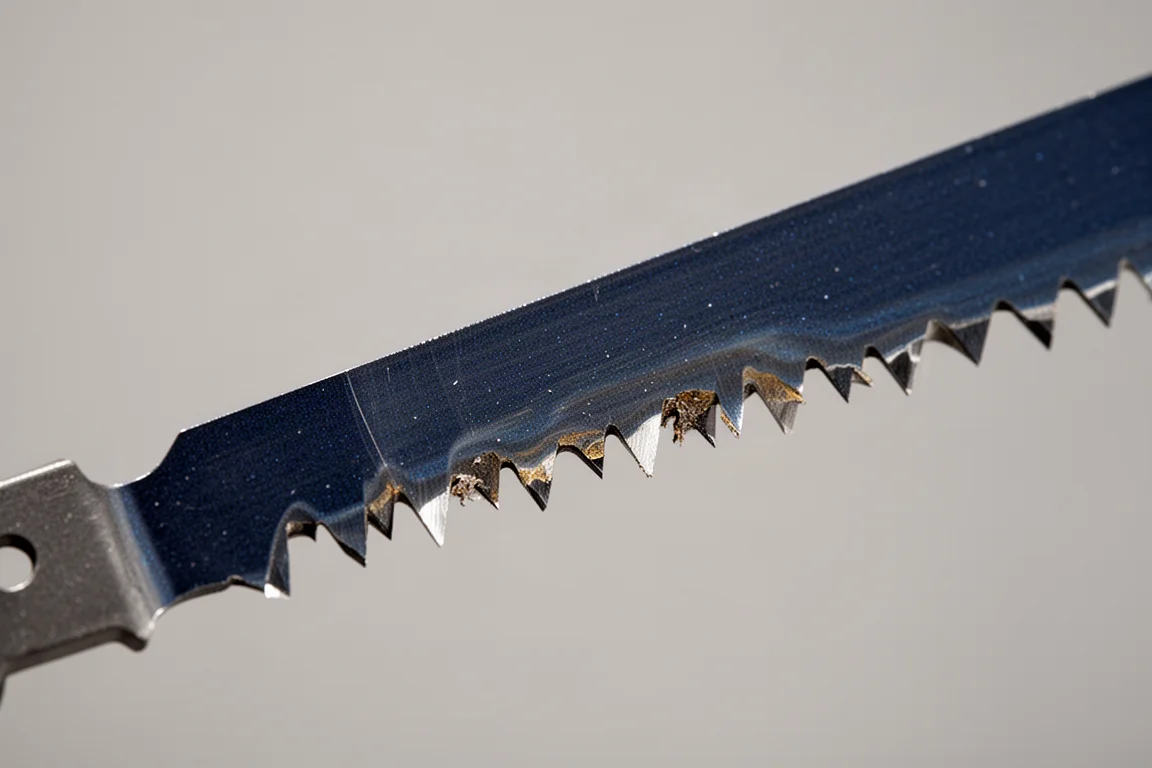
If a tooth does eventually go in your most-used section, you can shorten the shoe and keep cutting with the teeth further along the blade. Teeth surviving in the working zone means more total use from each blade.
Cutting Through Plate Steel
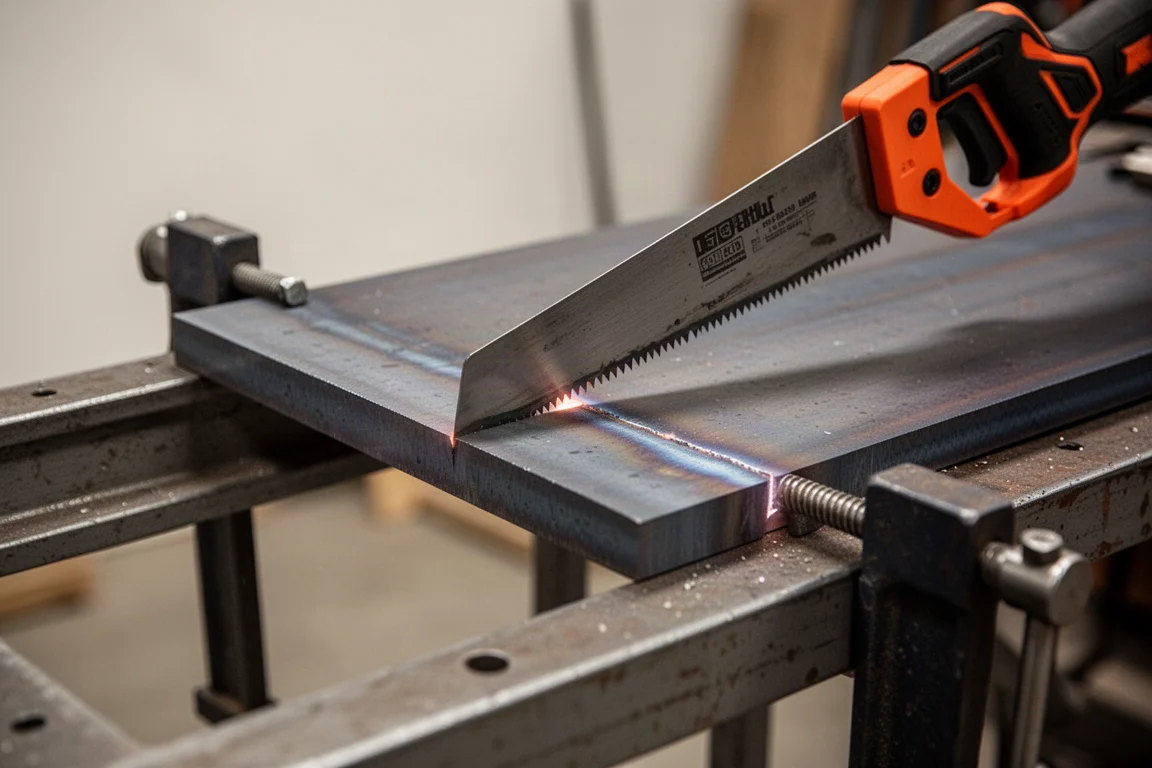
The tougher challenge was plate steel, cut without any lubricant. This is the kind of material that would normally require a diamond-coated blade or multiple conventional blades to get through. The Mach Blue blade cut through it with zero teeth broken, and there were still more cuts left in the blade afterward. For a bi-metal blade rather than a carbide option, that performance is genuinely impressive.
Buying Advice
These blades make the most sense for tradespeople, contractors, and remodelers who burn through reciprocating blades regularly, especially in demolition where nails and screws are unavoidable. If your current blades routinely die on the first hidden fastener, the longer blade life claim alone could translate into real savings. They are available at home improvement retailers such as Lowe’s, and the 6-inch and 9-inch lengths cover most framing and demo needs.
Conclusion
The Spyder Mach Blue reciprocating saw blades back up their headline claim with visible results: teeth intact after repeated nail encounters, cool cutting with no burn marks, and plate steel cuts with no broken teeth. For anyone spending serious money on replacement blades, they are an easy upgrade to consider over conventional bi-metal blades.
Product link
View more details for Spyder Mach Blue Reciprocating Saw Blades
This product is mentioned in the review. Check the specifications, options, and compatibility before buying.
View more details for Spyder Mach Blue Reciprocating Saw BladesFurther reading
Related Reviews

Power Tool Accessories
Best Drill Attachments 2026: Three DeWalt Tools Worth Buying
A practical look at three DeWalt drill attachments that deliver real value, plus the sketchy options you should skip.

Power Tool Accessories
Best Drill Bits 2026: 14 Sets Tested on Mild Steel, Spring Steel, and AR500 Armor
We tested 14 drill bit sets across mild steel, spring steel, and AR500 armor plating to find the best value, speed, and durability.

Power Tool Accessories
Best Right Angle Impact Adapters 2026: Five Options Tested for Speed, Torque, and Durability
We tested five right angle impact adapters from DeWalt, Milwaukee, Warrior, Titan, and Milescraft to see which ones deliver real performance without failing early.