Power Tool Accessories
Spyder Grinder Wheels Explained: How to Pick the Right Wheel for Cutting, Grinding, and Masonry
We put Spyder's ceramic cut-off wheels, grinding wheel, flap disc, diamond blades, and specialty accessories to work on steel, tile, and brick. Here is how to match the wheel to the job.
Introduction
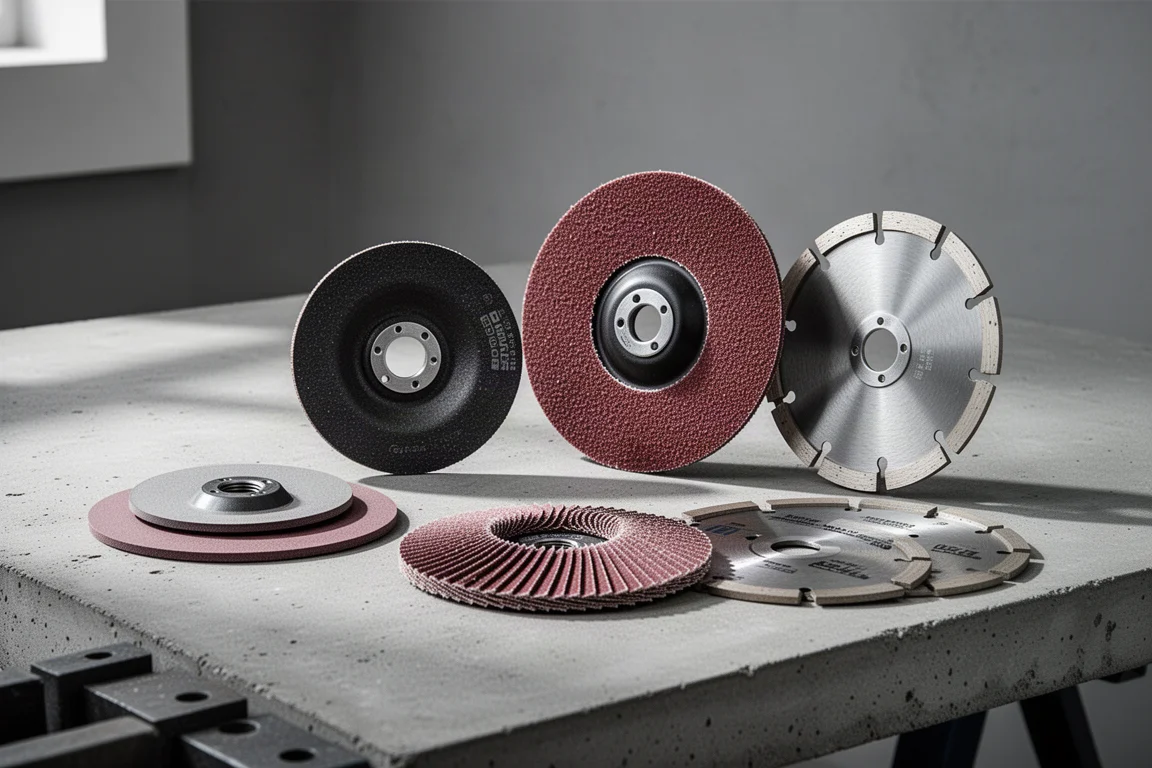
Grinder wheels are one of those categories where the wall of options at the store makes everything look interchangeable. It isn’t. A cut-off wheel cuts, a grinding wheel grinds, a flap disc blends, and a diamond blade handles tile, brick, and masonry. Most grinder problems come from using the right-looking wheel in the wrong way.
That is exactly what this guide addresses. After putting Spyder’s grinder accessories to work on mild steel, stainless steel, rebar, tile, and brick, and looking at cut results, sparks, finished surfaces, and how each wheel felt in real use, the takeaway is simple: there is no single best wheel. There is only the right wheel for the job ahead of you.
Quick Safety Check Before You Buy
Before anything else, make sure the wheel actually matches the tool. Check the diameter, the arbor, the RPM rating, and the guard setup. This matters even more with larger wheels: never just throw a 7-inch wheel onto any grinder. The larger wheel gives you more reach, but it needs the correct tool, guard, arbor, and RPM rating.
Then ask two questions. First, am I cutting or grinding? Slicing through material is cutting; removing material from the face or edge of something is grinding. Second, is the material metal, tile, or masonry? Metal points you toward ceramic cut-off wheels, grinding wheels, or flap discs. Tile and brick point you toward diamond blades. Mixed materials or unknown conditions point you toward the universal diamond edge wheels.
Ceramic Cut-Off Wheels: Type 1 vs Type 27
These are the dedicated metal cutting wheels in the lineup, and on the metal they were intended for, they cut cleanly, cut fast, and simply felt like the right tool for the job.
The Type 1 is the flat profile, the straightforward choice for regular straight cuts: flat bar, stainless tubing, trimming a bolt, or cutting rebar.
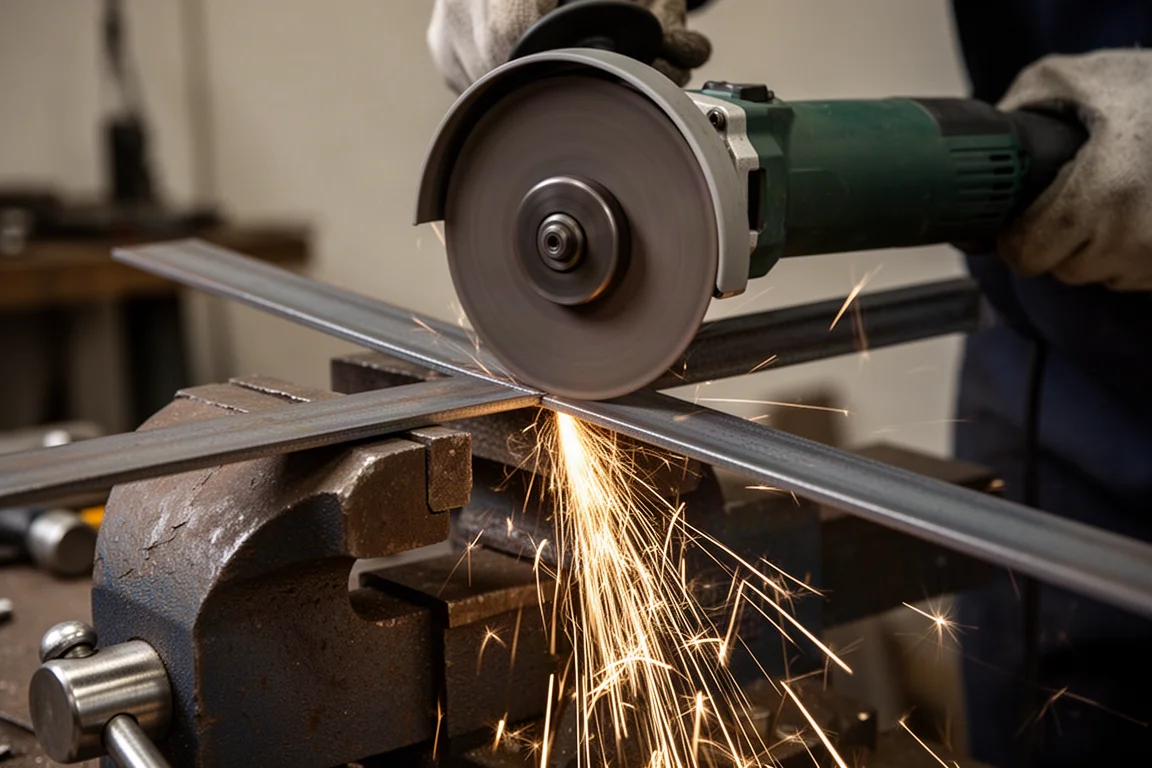
The Type 27 has a depressed center, which changes the angle of attack and gives you a little more access in certain situations. If you need to cut flush and want a better chance of getting in close without obstructing or hitting your grinder’s lock nut, the Type 27 shape helps.
The Universal Option: Diamond Edge Cut-Off Wheels
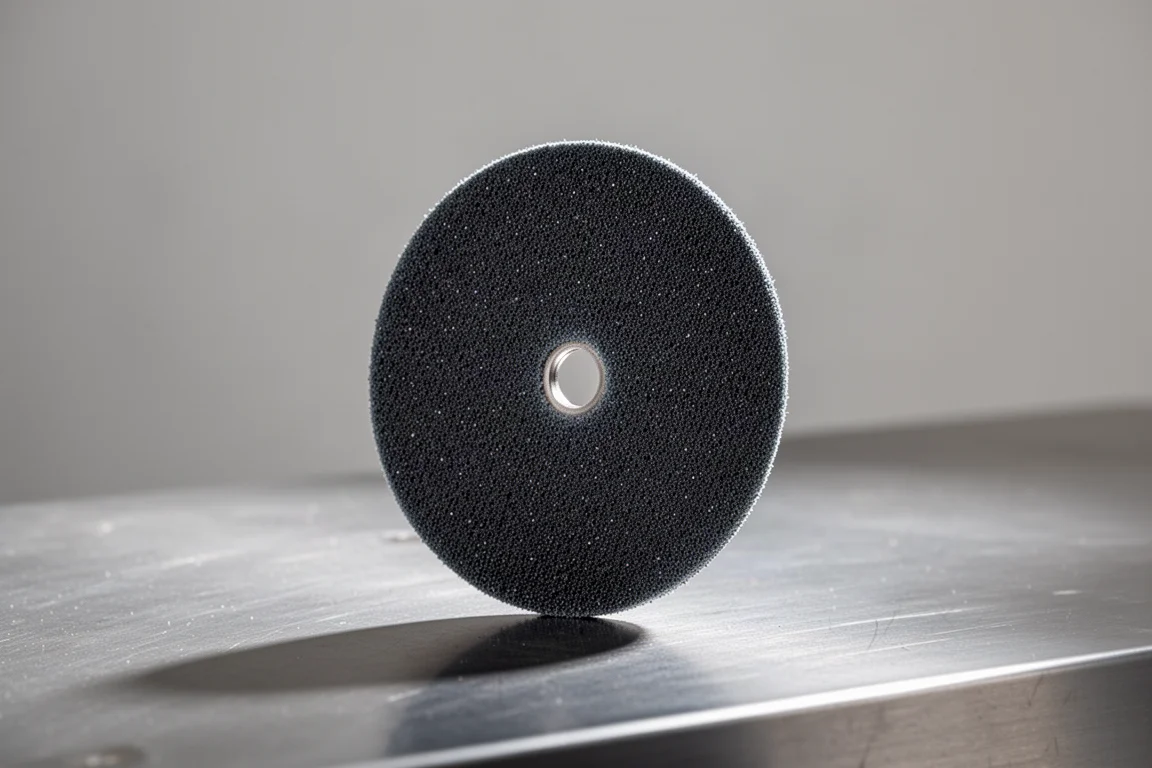
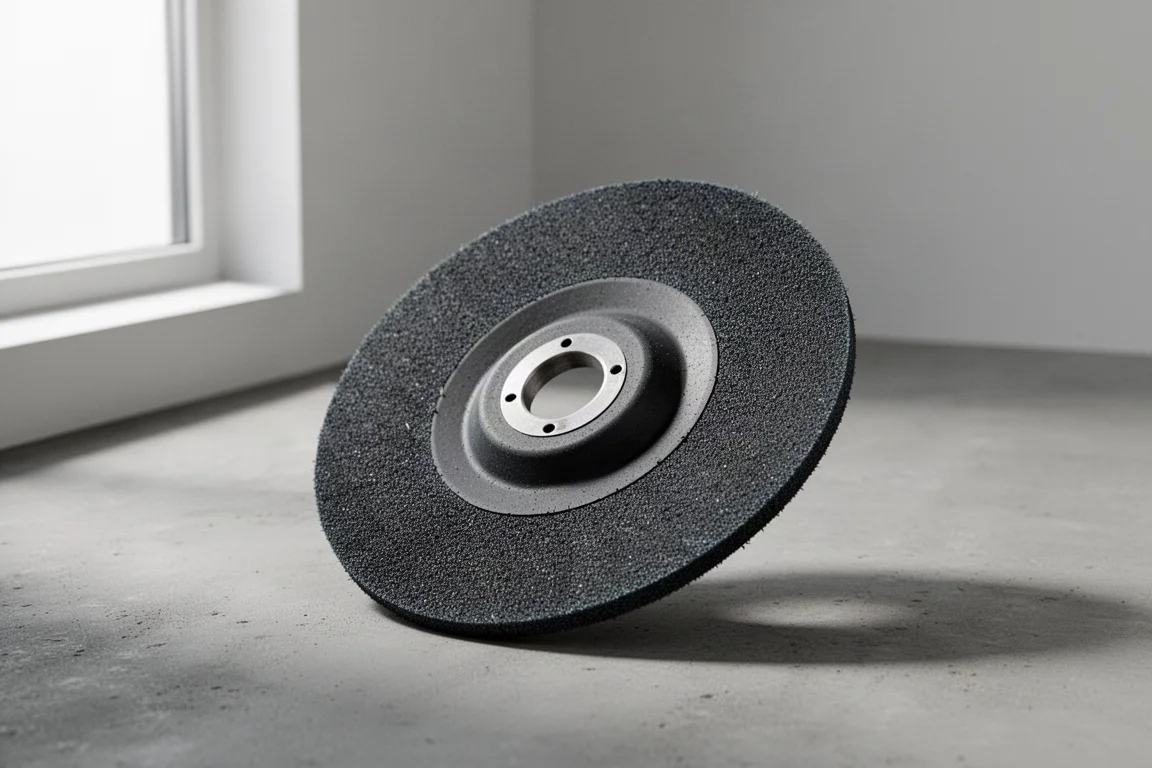
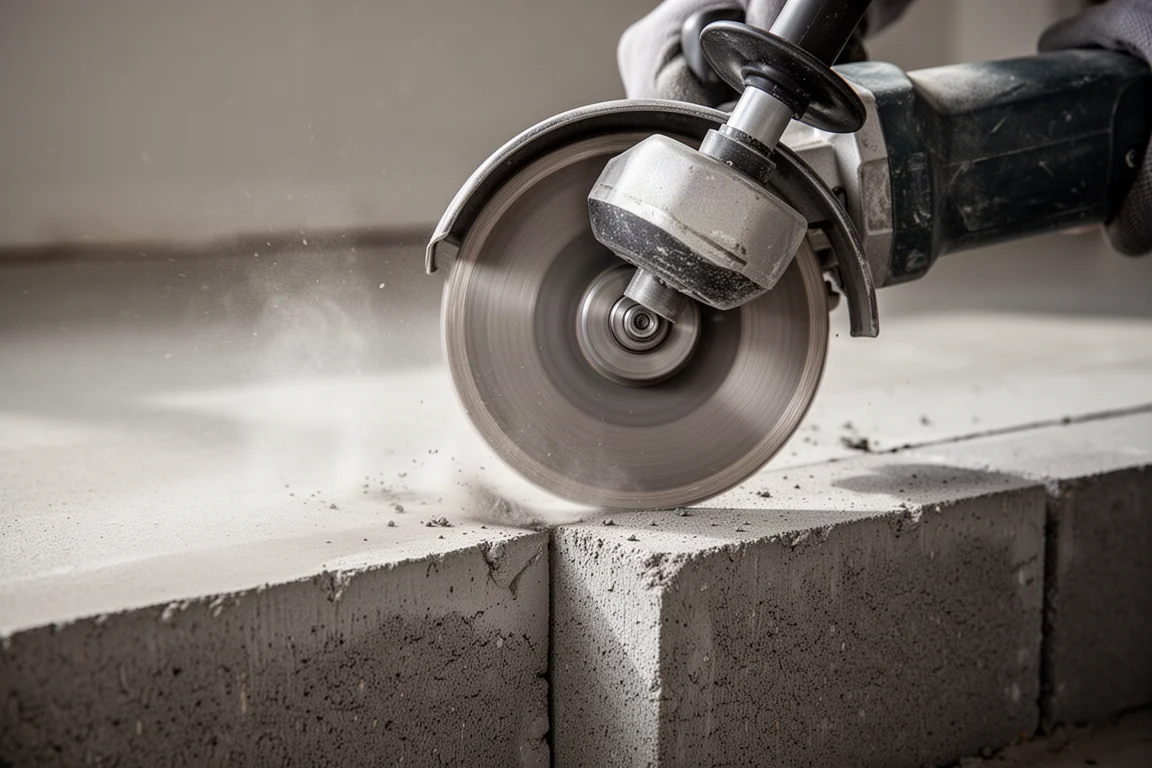
The Diamond Edge Universal Cut-Off Wheel is meant to cut a wide range of materials. Through mild steel, it may not cut quite as quickly as the dedicated Type 1, but that is not its job. Its value shows up in demolition, repair, remodel work, and any situation where you keep moving between metal, rebar, brick, and tile.
The rule of thumb: repeated cuts in one material call for the dedicated wheel. If you are going from steel to rebar to brick, or you simply do not want to keep changing wheels, this is the one to have nearby.
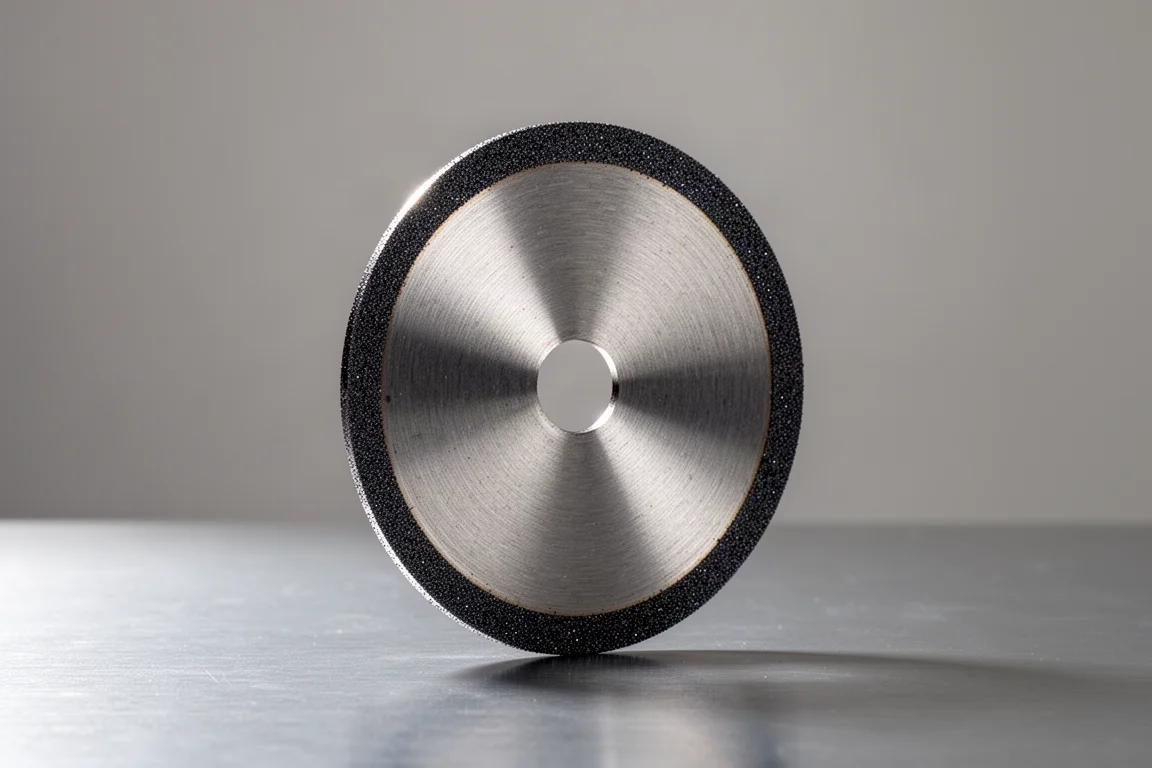
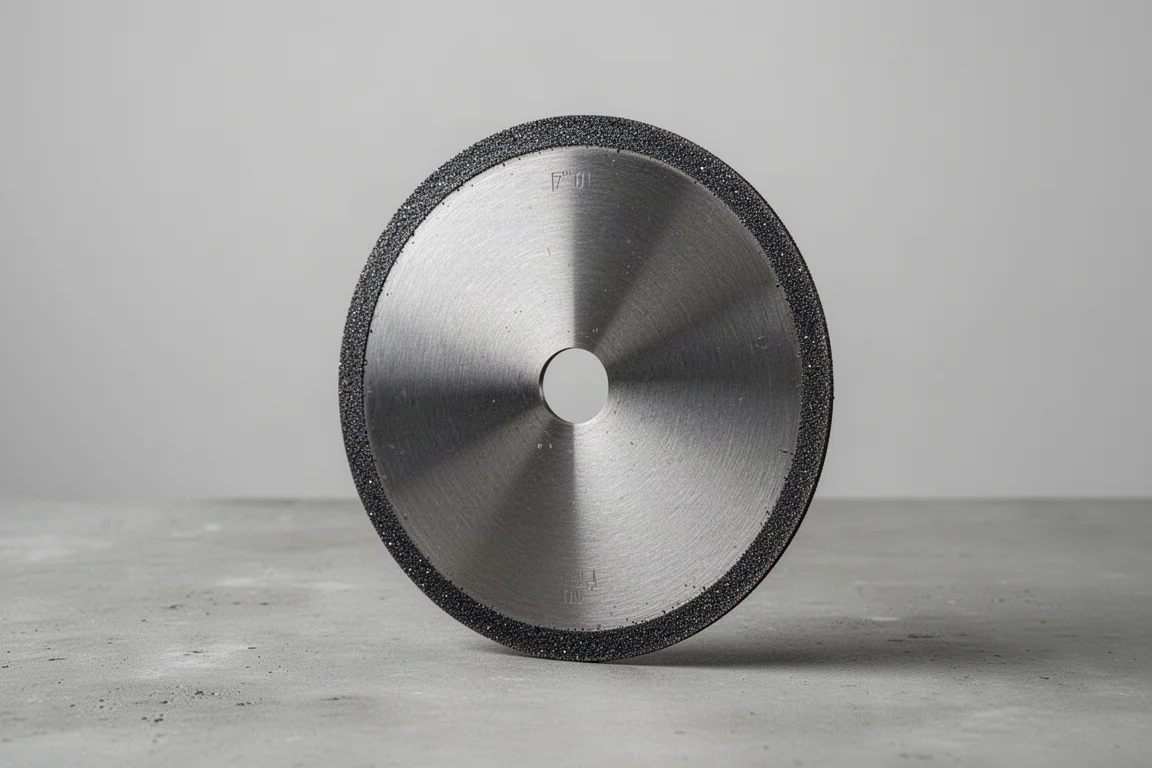
The 7-inch Diamond Edge Universal is the larger version of the 4-1/2-inch multi-material wheel, built for bigger or deeper cuts through steel, rebar, brick, tile, masonry, or mixed materials. Again, verify your grinder, guard, arbor, and RPM rating before mounting it.
Grinding vs Finishing: The Grinding Wheel and 80-Grit Flap Disc
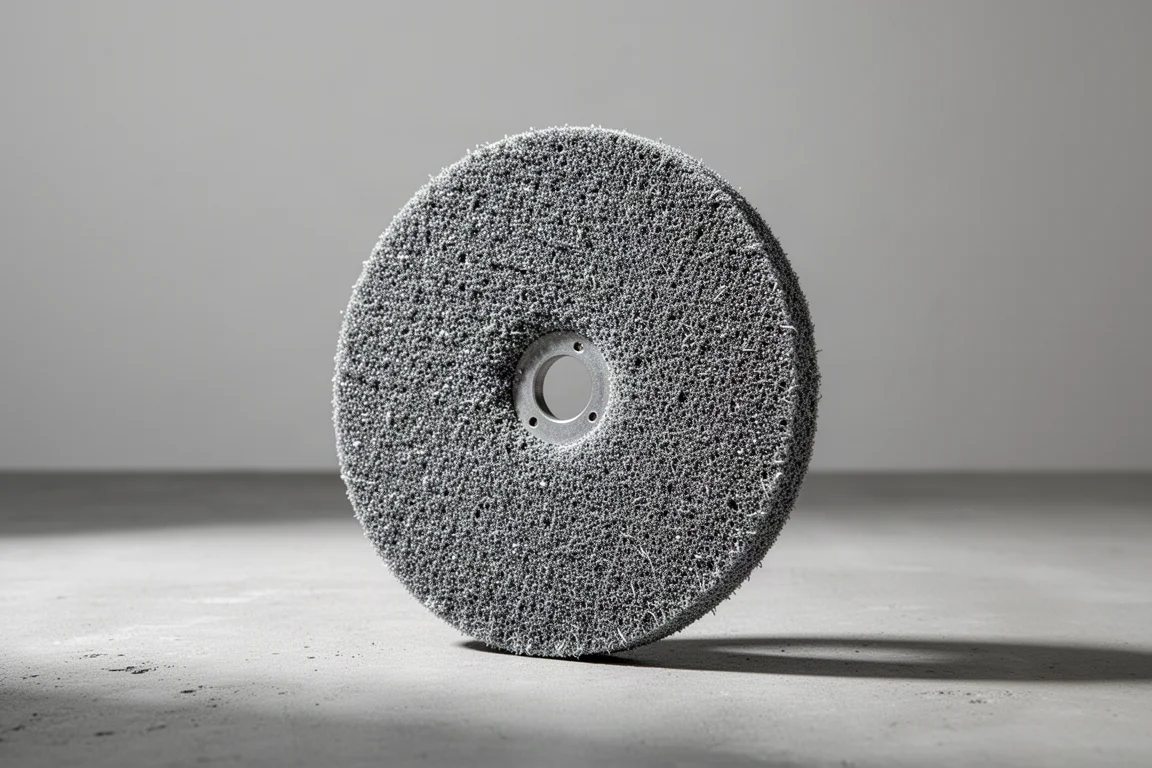
This is the pairing that is easiest to mix up. The aluminum oxide grinding wheel is for removing material: a rough cut edge, a weld bead, a bar, or a section of metal that needs to be shaped or knocked down.
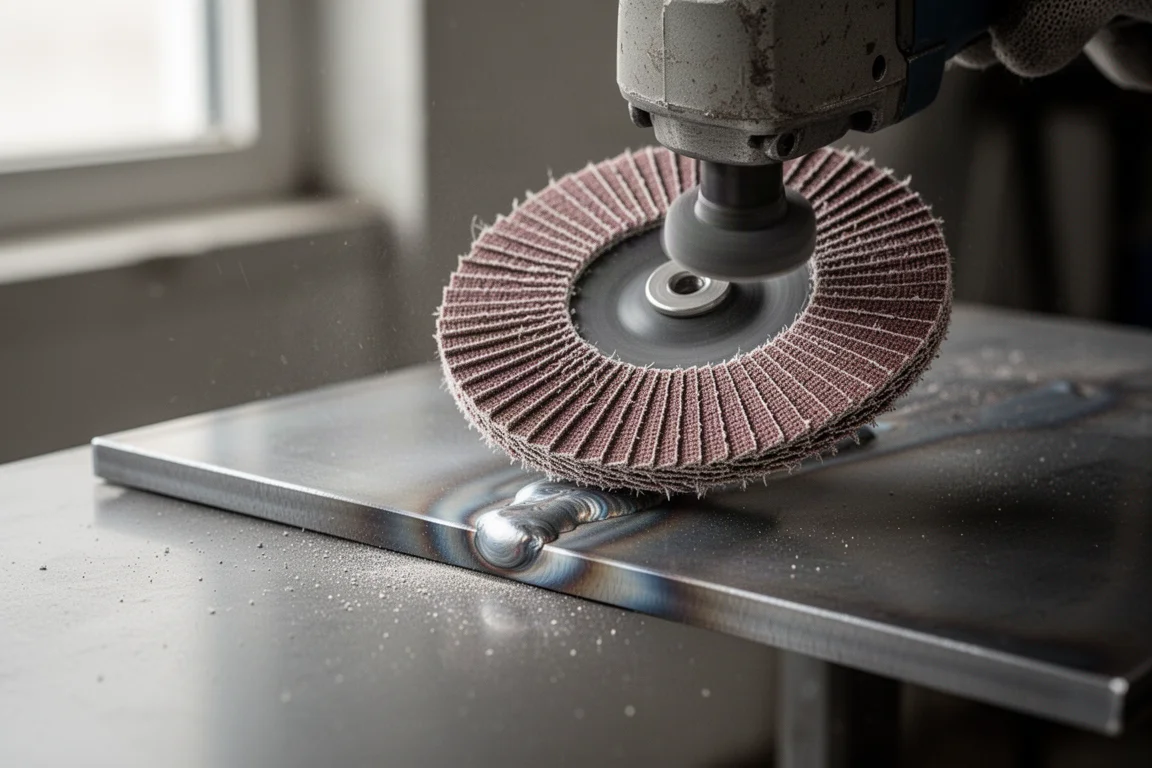
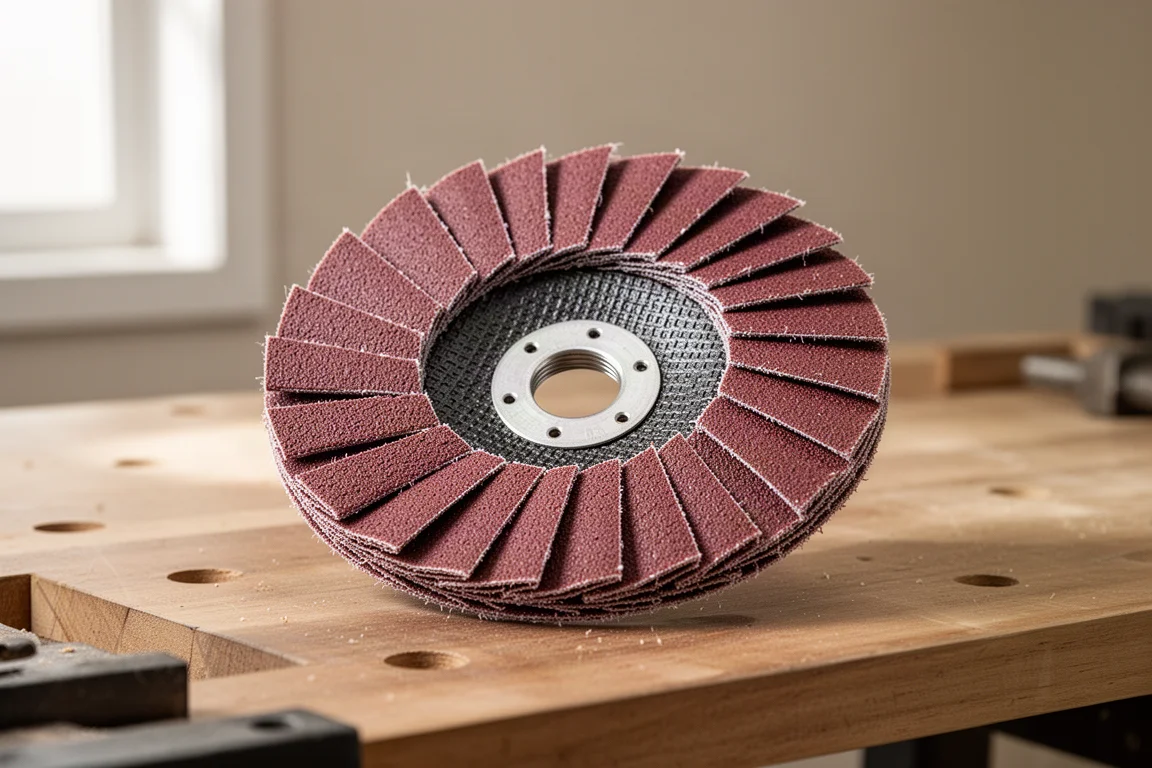
The 80-grit ceramic flap disc sits on the smoother end of Spyder’s flap disc lineup rather than being the most aggressive stock removal option. On metal, it cleaned up surfaces and left a noticeably nicer finish than the grinding wheel. The sequence that works: grinding wheel first when you need to remove a lot of material, flap disc after that when you need to blend, smooth, or make the part look finished.
Diamond Blades: Matching the Rim to the Material
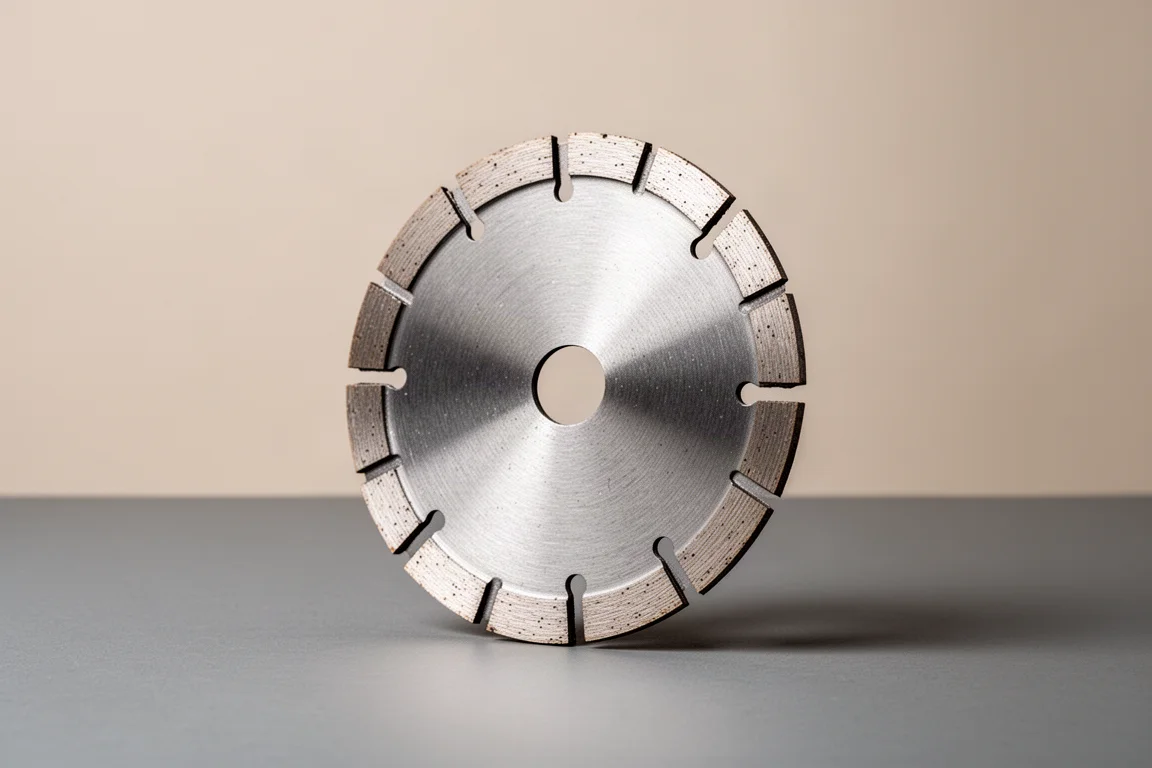
Diamond blades are where the material changes. We are no longer talking about metal but about tile, brick, masonry, and similar cementitious products. Three rim styles cover different priorities, and this is one of the clearest examples of matching the wheel to the job.
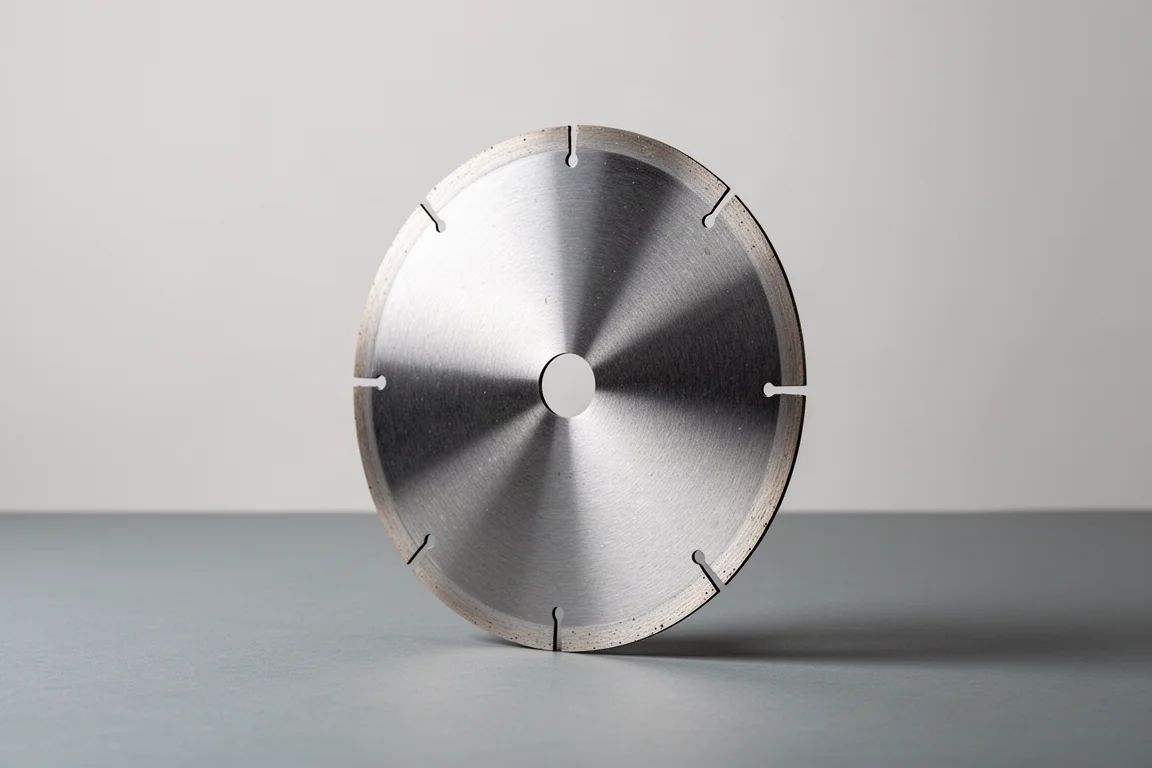
The continuous rim blade delivers the cleanest tile-style cut, the one to pick when the edge quality on tile matters most.
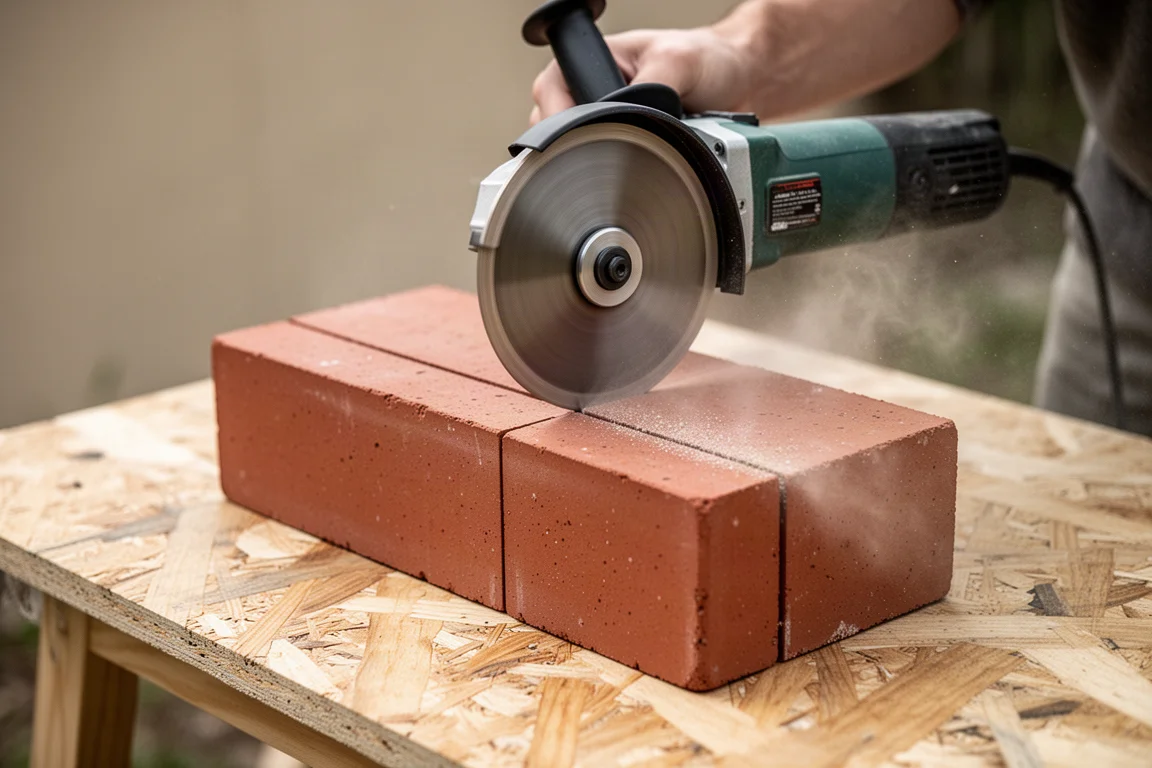
The turbo rim blade balances speed and cleanliness in masonry work, a good middle path when neither speed nor edge finish can be sacrificed entirely.
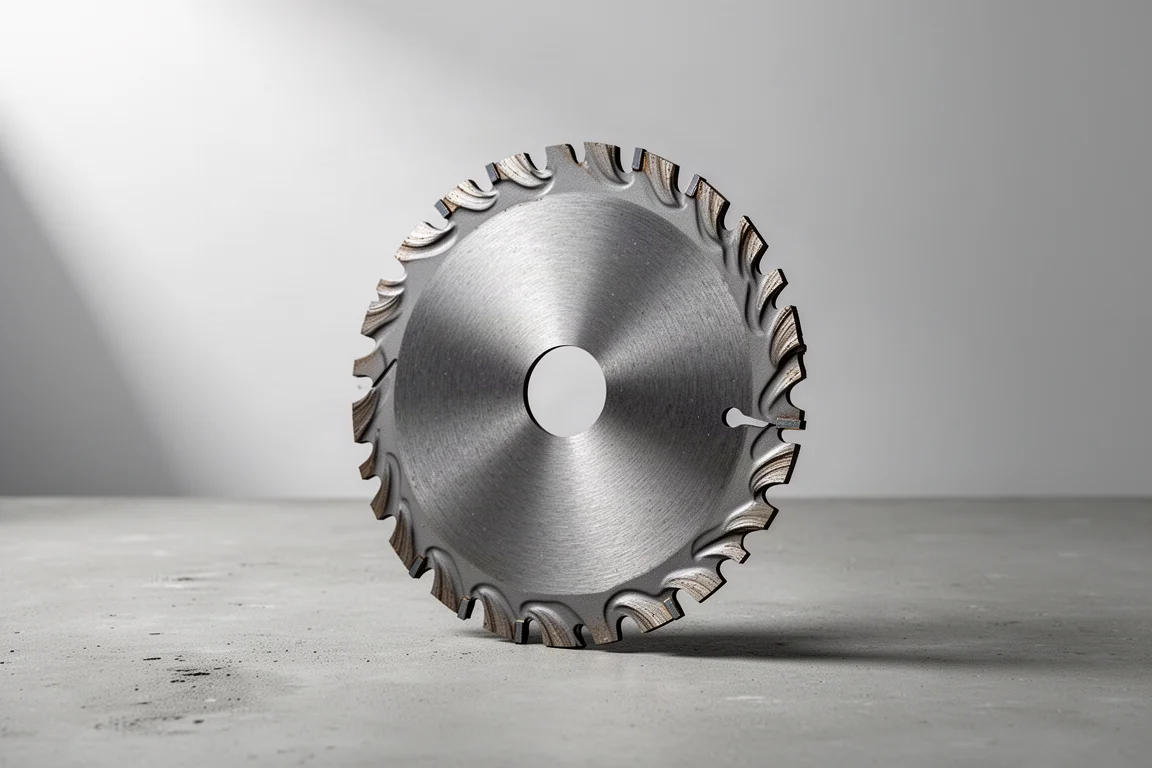
The segmented rim blade is for more aggressive brick and masonry cutting when you want the job done faster and the cut edge is less of a concern.
Specialty Accessories: Diamond Cut Wheel and Diamond Cup Wheel
A couple of Spyder’s specialty accessories deserve their own mention because they are easy to misuse. The diamond cut wheel is not a cut-off wheel. It is not for slicing through brick or tile. Its job is grinding and profiling surfaces on masonry-type materials, such as taking a little off the top when raised concrete blocks keep a door from swinging open. It is not for cut-off work and not for smoothing metal.
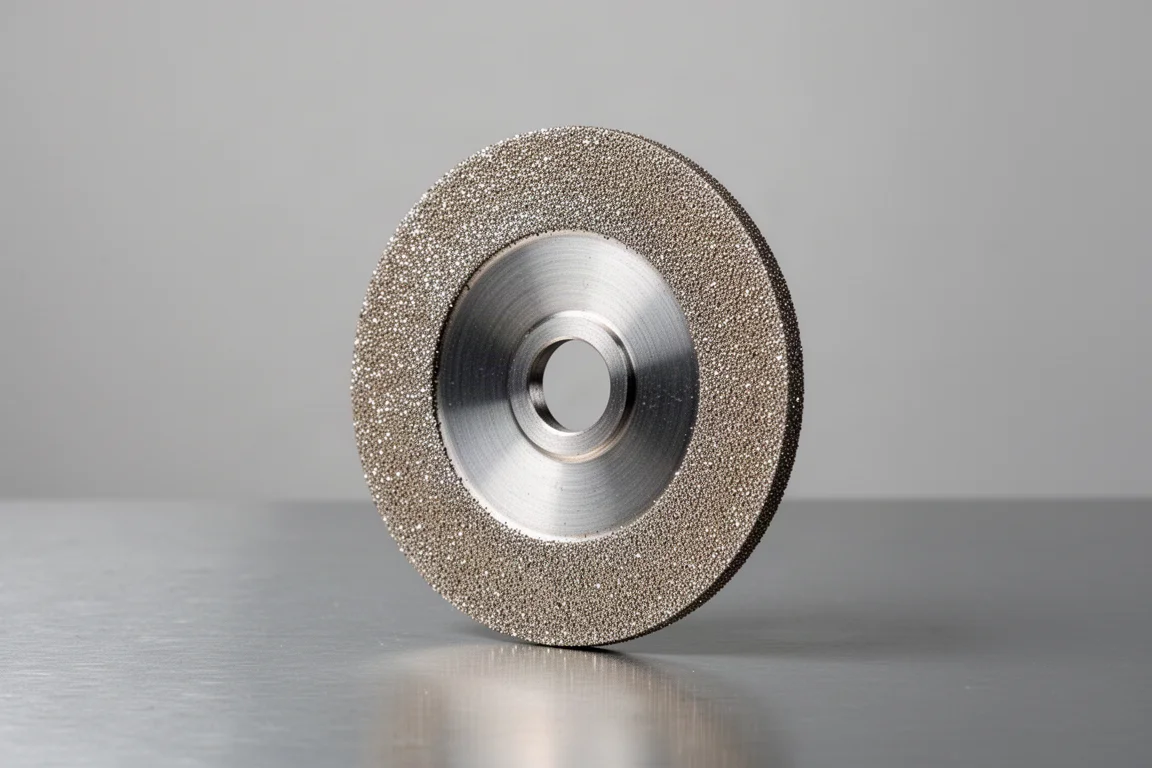
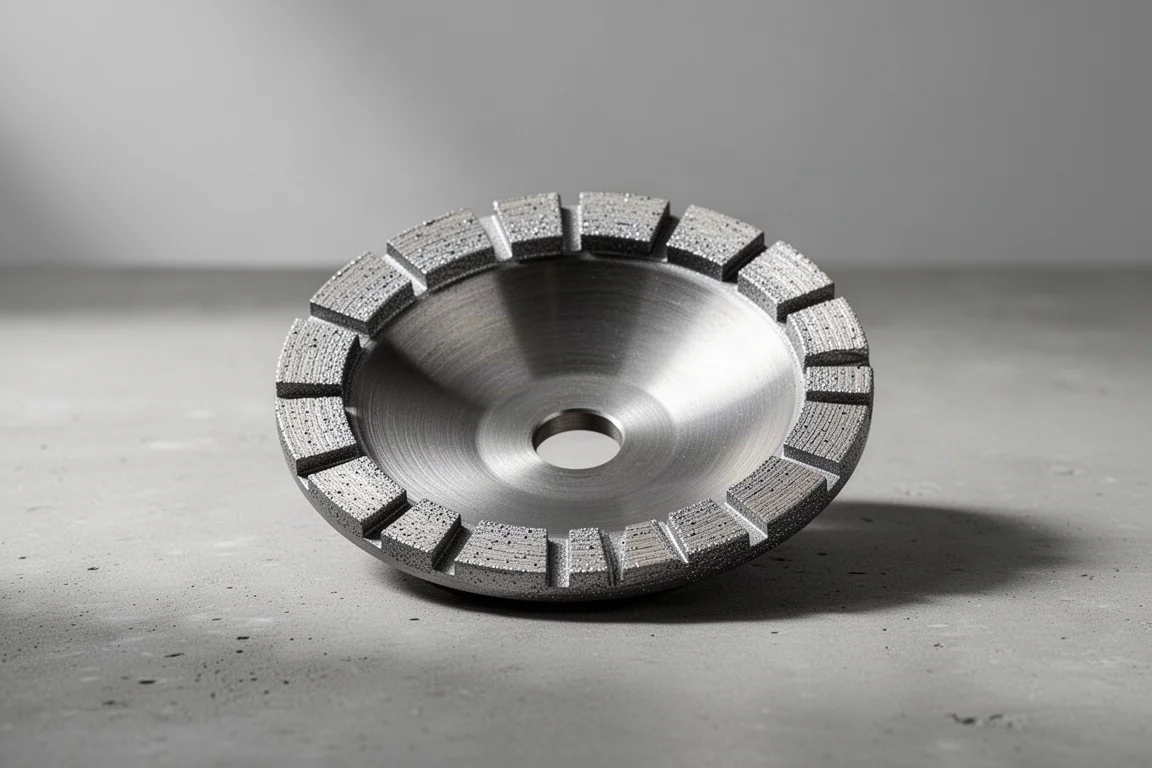
The diamond cup wheel covers grinding concrete, pavers, blocks, and masonry surfaces. If the task is knocking down or leveling masonry rather than cutting through it, this is the accessory for that job.
The Quick Decision Chart
Here is the whole guide compressed. Cutting metal: ceramic cut-off wheel, Type 1 for regular straight cuts, Type 27 when the depressed center shape helps with access. Mixed materials where you do not know what you will hit: Diamond Edge Universal wheel. Grinding metal: aluminum oxide grinding wheel. Smoothing or blending after grinding: 80-grit flap disc. Cutting tile where the edge matters: continuous rim diamond blade. Brick and masonry with a balance of speed and cleanliness: turbo rim. Aggressive brick and masonry cutting: segmented rim. Grinding concrete, pavers, blocks, or masonry: diamond cup wheel. Needing deeper cuts than 4-1/2 inches allows: go 7-inch, but only with the correct tool setup.
Conclusion
The wheels performed best when used for what they were designed to do, and that is really the entire lesson. Pick the wheel based on the material. Pick it based on the job. Do not try to make one accessory do everything. Match those two answers to the right wheel, and the next cut will be easier, cleaner, and safer.
Further reading
Related Reviews

Power Tool Accessories
Best Drill Attachments 2026: Three DeWalt Tools Worth Buying
A practical look at three DeWalt drill attachments that deliver real value, plus the sketchy options you should skip.

Power Tool Accessories
Best Drill Bits 2026: 14 Sets Tested on Mild Steel, Spring Steel, and AR500 Armor
We tested 14 drill bit sets across mild steel, spring steel, and AR500 armor plating to find the best value, speed, and durability.

Power Tool Accessories
Best Right Angle Impact Adapters 2026: Five Options Tested for Speed, Torque, and Durability
We tested five right angle impact adapters from DeWalt, Milwaukee, Warrior, Titan, and Milescraft to see which ones deliver real performance without failing early.