Snow Goggles
Spy Megalith Goggle Review: A Mid-Range Goggle Packed With Photochromic Tech
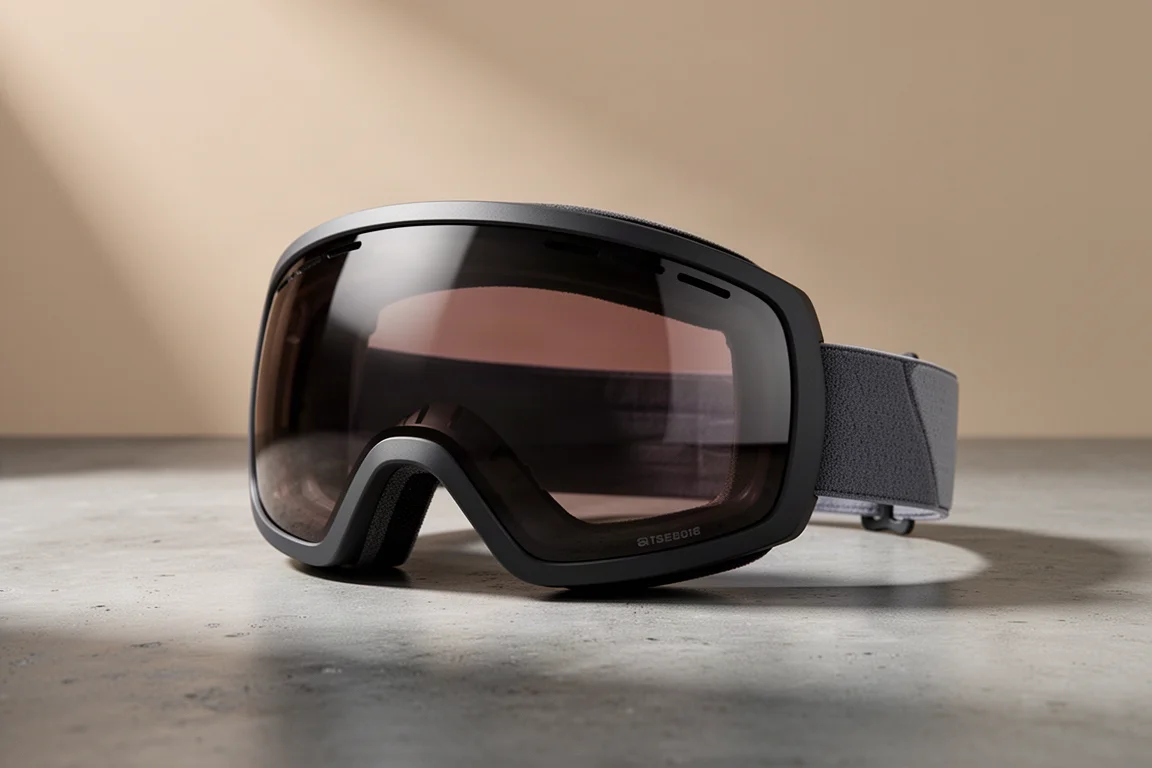
One lens for every light condition: the Spy Megalith delivers photochromic performance that punches well above its price bracket.
Introduction
The Spy Megalith packs an awful lot of technology into what is, first and foremost, a mid-range goggle. That combination of accessible positioning and genuinely advanced features makes it one of the more interesting options if you want versatility without stepping into premium pricing. After riding with it across a range of conditions, the headline takeaway is simple: one lens that handles nearly everything a day on the mountain can throw at it.
Who This Product Is For
The Megalith is aimed at riders who want a single, dependable goggle rather than juggling spare lenses. If you ride in changing light, from bright sunshine through to flat afternoon conditions, and you do not want to stop mid-day to swap anything out, this is squarely your use case. It also suits anyone who prefers a classic-looking goggle over the oversized, bulbous designs that dominate the market right now.
Main Strengths
Photochromic Lens: One Lens, All Day
The core feature here is the photochromic lens. If you have not come across this lens type before, it changes color according to how much light it is receiving. In full sun it goes super dark, and when the light flattens off the lens gets brighter and brighter. The practical benefit is obvious: you are only carrying one lens with you all day, because it adapts on its own.

Photochromic lenses have a known weakness. Riders who use them regularly know that at the extreme end of the light spectrum, most of them start to give out. Not so with this one. In full sun it has actually measured darker than dedicated bright-light lenses, which is genuinely impressive and sets it apart from many photochromic options. In bright conditions, it behaves like a specialist lens.
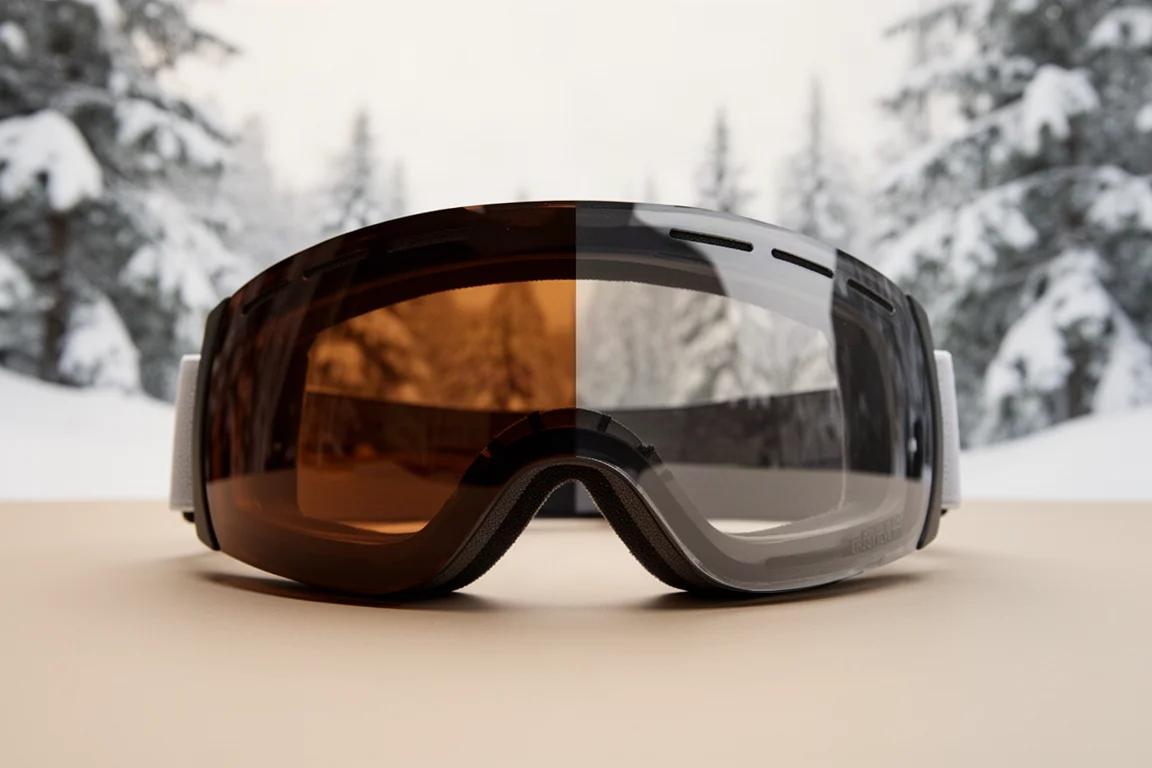
It also held up in flatter light. Not a full blizzard, but plenty of light soaking through overcast skies, and the lens kept brightening rather than stalling. For anyone who has been disappointed by a photochromic lens that never quite got light enough, this is worth paying attention to.
Frame Design: Old School, and All the Better for It
The frame is an old-school retro design with the frame sitting over the lens. That layout means the lens is a little more protected, so you are less likely to pick up scratches during daily use.
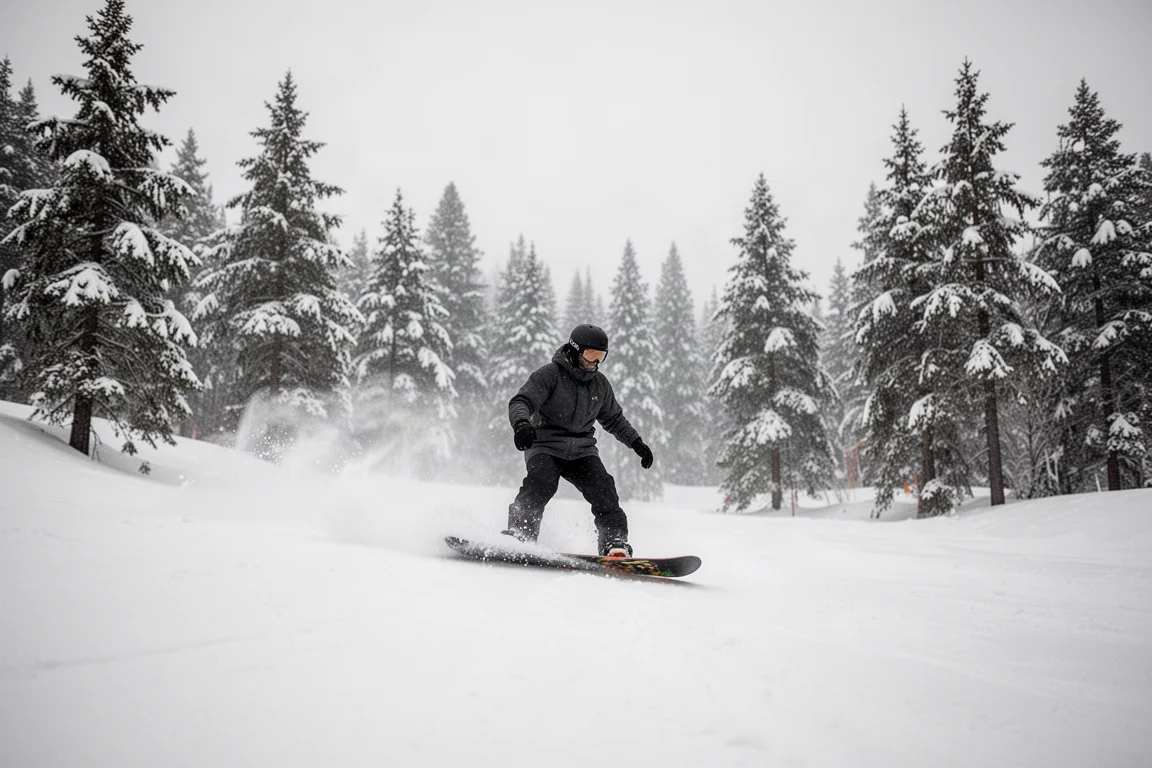
Many brands have moved toward the big bulb lens over frame look to give you more peripheral vision. The common concern with a framed design is noticing the edge of your vision. In practice, that was not an issue here: the edge of the frame went unnoticed across all the days ridden. The trade-off that usually worries people simply did not materialize.
Things to Consider Before Buying
This is a mid-range goggle, so if you want premium features beyond the lens technology, that is the bracket it sits in. If you strongly prefer the frameless, big-bulb aesthetic for maximum peripheral feel, the retro over-lens frame may take some adjustment, even though the frame edge was not noticeable in use. Beyond that, the main consideration is simple: photochromic lenses suit riders in changeable light, so if you only ever ride bright bluebird days, a dedicated dark lens might serve you equally well.
Buying Advice
Overall, this is a really good-looking goggle, and the practical advantage of not carrying a spare lens around all day is hard to overstate. For a mid-range price, you are getting lens performance that competes with dedicated bright-light lenses at the dark end while still adapting to flat conditions.

If you ride varied conditions and value a protected, classic-styled frame, there is a lot of bang for your buck here. It is an easy recommendation for anyone who wants one goggle to cover a full season of light conditions.
Conclusion
The Spy Megalith proves a mid-range goggle does not have to compromise on lens technology. Its photochromic lens is brighter than most when light flattens and darker than dedicated bright-light lenses when the sun is out, and the retro over-lens frame adds protection without sacrificing usable vision. For riders who want simplicity, good looks, and adaptable performance in one package, it delivers.
Product link
View more details for Spy Megalith Goggle
This product is mentioned in the review. Check the specifications, options, and compatibility before buying.
View more details for Spy Megalith GoggleFurther reading
Related Reviews
Snow Goggles
Dragon Goggles 25/26 Range: Six Goggles That Cover Every Kind of Rider
From the magnetic NFX Mag and RVX Mag to the panoramic PXV and the kids' DXT, here is what the new Dragon goggles line-up offers and who each one suits.
Snow Goggles
Oakley Flight Tracker Review: An All-Rounder Goggle for Any Day on the Mountain
Oakley's latest snow goggle borrows the classic Canopy look, adds toric lenses and strong ventilation, and aims to handle every terrain and light condition the season throws at you.
Snow Goggles
Outdoor Master Falcon E Goggles Review: Auto-Tinting Snow Goggles That Remove the Guesswork
Snow goggles with an onboard microchip that adjusts lens tint in real time, so one lens handles bright sun and dark tree runs alike.