Kitchen Gear
When to Splurge on Kitchen Gear: A Practical Framework for Cookware, Coffee, and Ice Cream
A simple framework for deciding when expensive kitchen gear is worth it, with picks for grinders, kettles, cookware, ice cream makers, and coffee roasters.
Introduction
Everyone has a drawer full of gadgets bought in a moment of enthusiasm, and a mental list of the one tool they wish they had bought years earlier. The difference between those two piles usually is not price. It is whether the purchase matched a real, ongoing need.
This guide lays out a simple framework for deciding when it is reasonable to spend serious money on kitchen gear, which brands earn trust at sensible prices, and which expensive products actually justify the cost through unique engineering.
How We Decide What’s Worth It
The core question is simple: will you get actual use out of this, or is this another hyperfixation waiting to fade? For very expensive items, the most important work is finding valid reasons to remove products from your list, not adding more. Just because something is expensive does not mean it is good.
A few brands have earned general trust through consistent engineering, and a few categories of products reliably reward careful buying. The sections below sort both.
Trusted Brands With Sensible Engineering
Not everything needs to be an investment. Some products stand out simply for being well made, fairly priced, and easy to live with.
Fellow Ode Grinder
Fellow is a coffee brand that lands slightly high-end for kettles but reasonably priced for grinders, and the Ode is a good example of thoughtful engineering at a fair cost. There is a screw on the back that lets you shift the feed gear, so if a hard bean jams the burrs, something that happens often with home-roasted coffee, you can force it out manually instead of disassembling the whole unit. That kind of repairability is rare, and it signals a company that expects you to keep the product for years.
Fellow Stagg Kettle
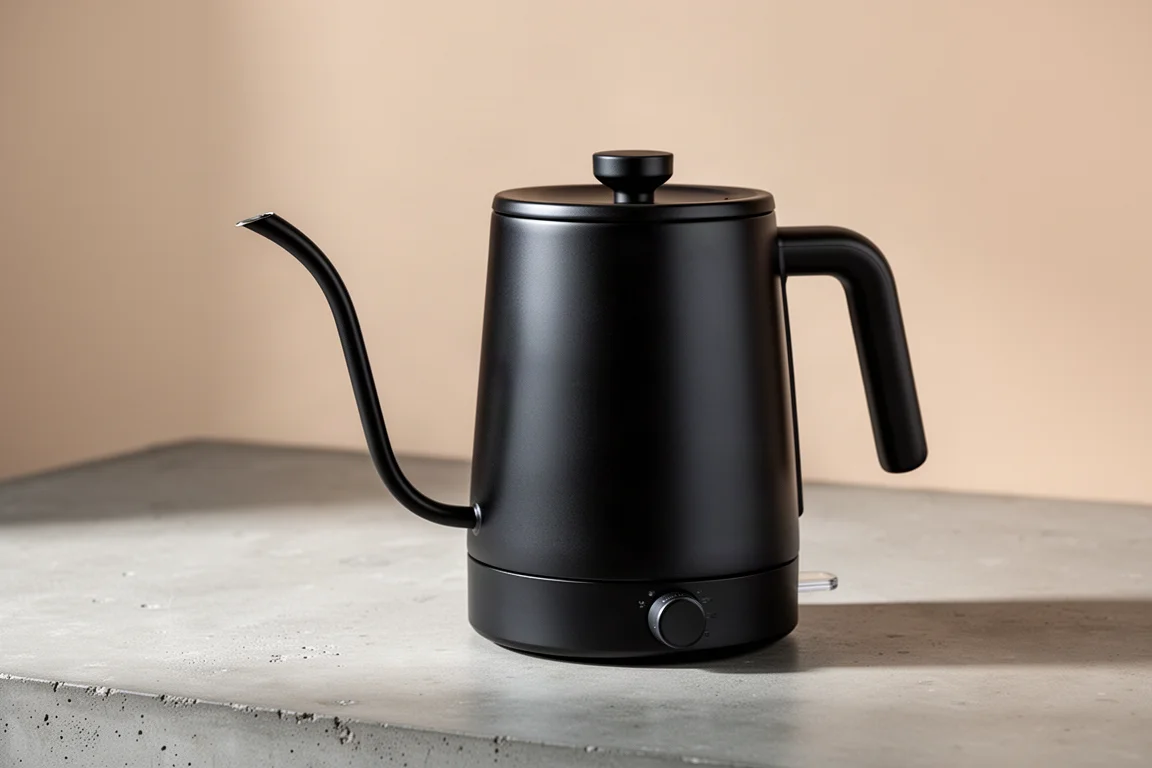
The Stagg kettle is deliberately simple: a single on-off button, a dial for temperature adjustment, and not much else. It is a very mid-century modern look if that suits your kitchen, and it does the job without trying to do too much. That restraint is exactly what you want in an everyday tool.
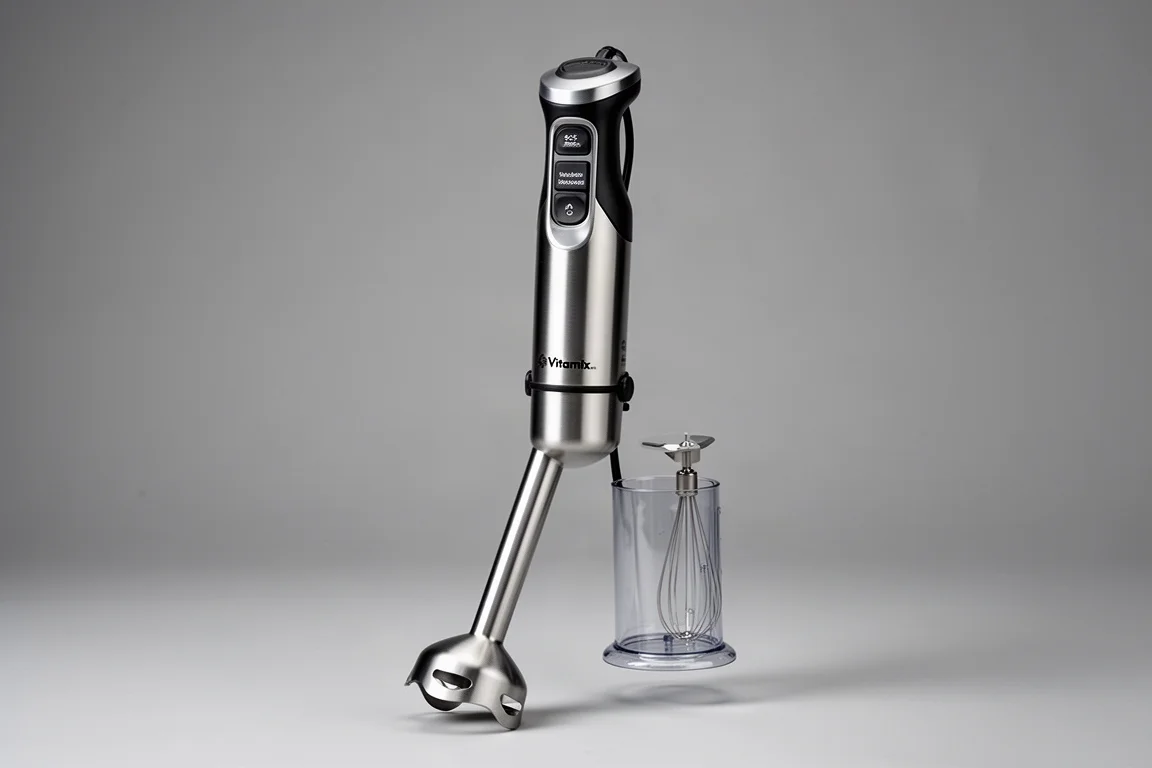
Vitamix Hand Blender
Vitamix is famous for big, expensive blenders, but the hand blender is the surprise: it outperforms units that cost substantially more. The two drawbacks are that you have to hold the button continuously to keep it running, and the digital speed setting has to be reset every time you stop. Minor annoyances, but worth knowing before you buy.
Cookware That Earns Its Price
Stainless steel cookware is a 10 to 20 year purchase at best, and the rivets or rims will eventually wear down no matter what the marketing says. That is fine. Spread over a decade, even a mid-priced pan is good value. The question is which brands give you the most usable years per dollar.
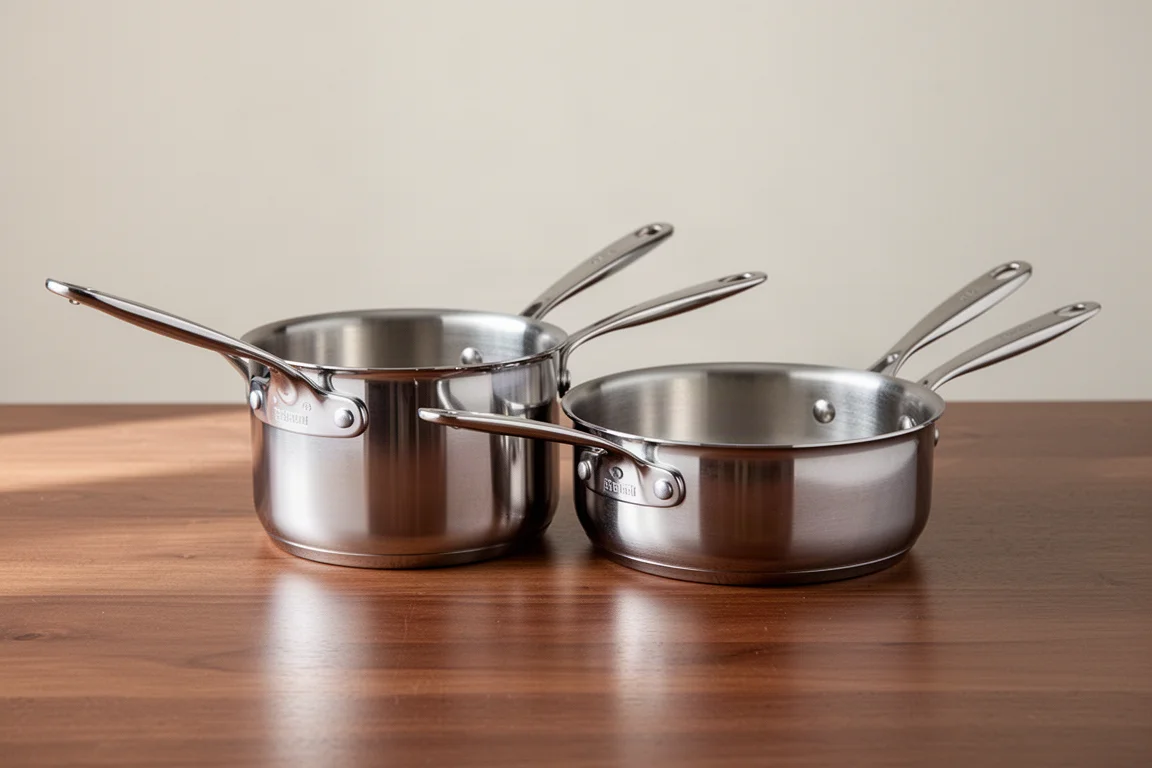
Heritage Steel Eater Series
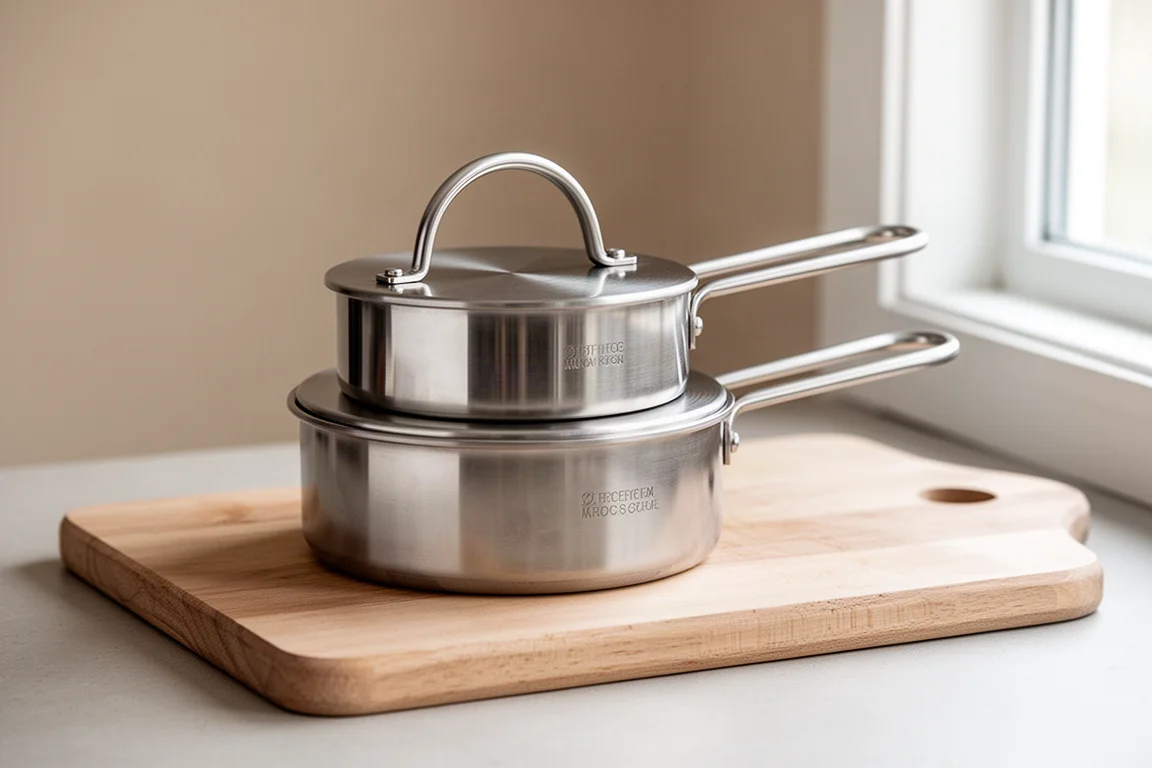
Heritage Steel, specifically the Eater Series, is competitively priced against the trendier chef-backed brands and comes across as more reliable in terms of the shapes on offer. It may not hit the highs of the flashiest options, but it avoids the lows, and that consistency matters when a pan sits on your stove for a decade.
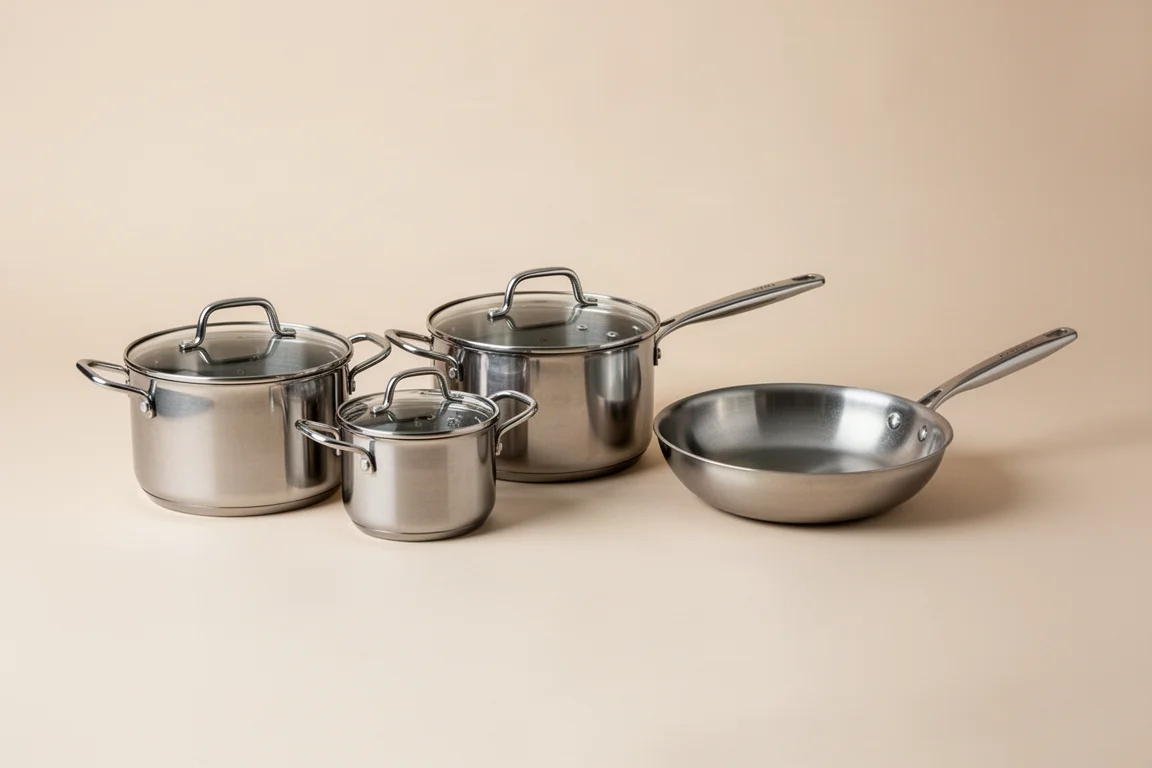
Goldilocks Cookware
Goldilocks is not outstanding by any measure, but it is solid and priced extremely well for what it is. If you are just getting into cooking and want good basics without committing to a serious investment, this is a great entry point. Pans are a safe place to start, unlike knives, where a poor choice can make you feel bad about cooking much faster.
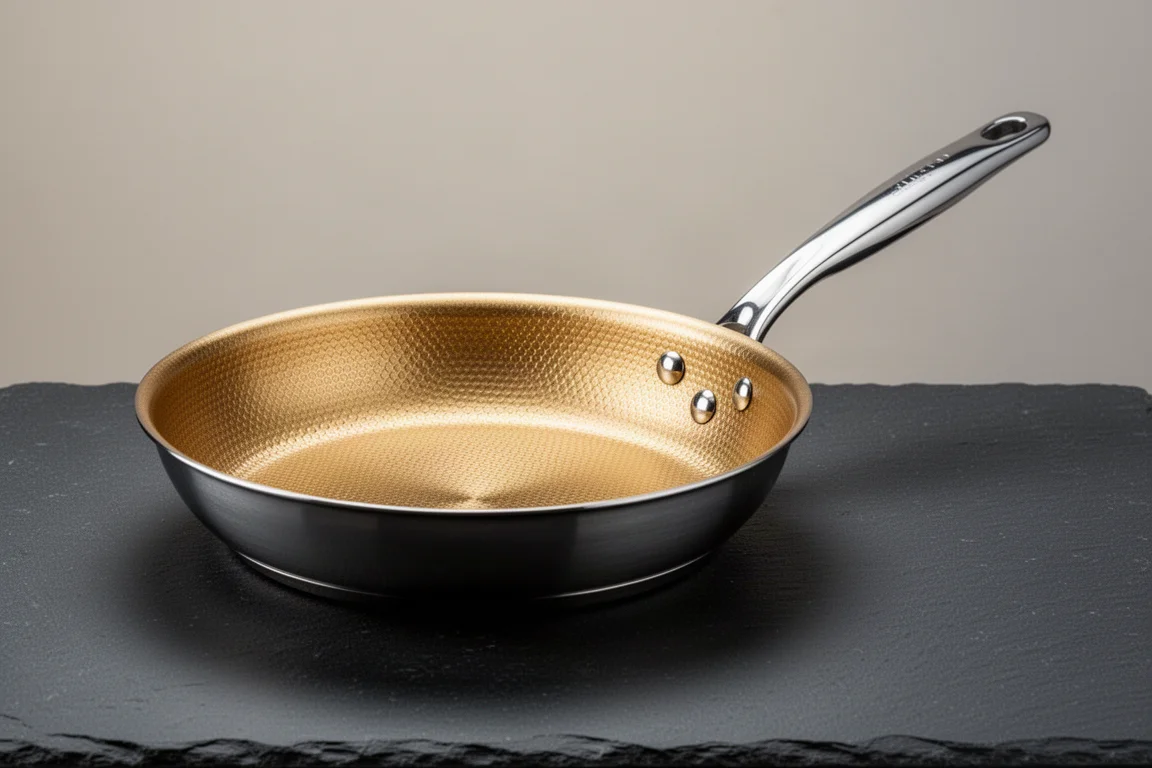
Hestan NanoBond
NanoBond is tri-ply stainless steel with sealed rims, shaved rivets, and a titanium-ceramic surface applied through a specialized deposition process. All of that is expensive to manufacture, and it shows in the price: around $300 for an 11-inch skillet. The payoff is a surface somewhere between stainless and non-stick. If stainless steel is a staircase and non-stick is an escalator, this is a handrail: it is not doing all the work for you, but it helps. It is not a silver bullet, just a genuine improvement on something you will use for the next 10 to 20 years, with increased durability as a bonus.
Pepper Grinders Worth Rolling Your Eyes At
Pepper grinders are the classic example of a product where the price feels silly to say out loud, but the engineering gap between tiers is real.
Mannkitchen Pepper Cannon
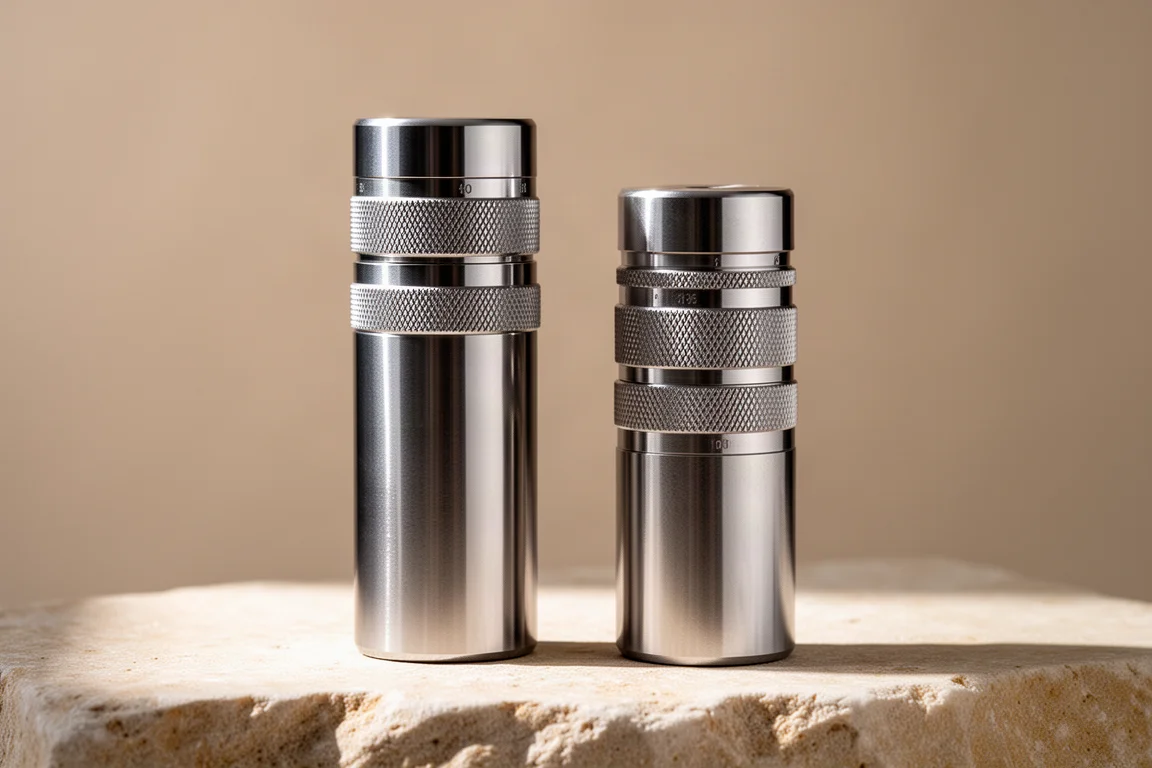
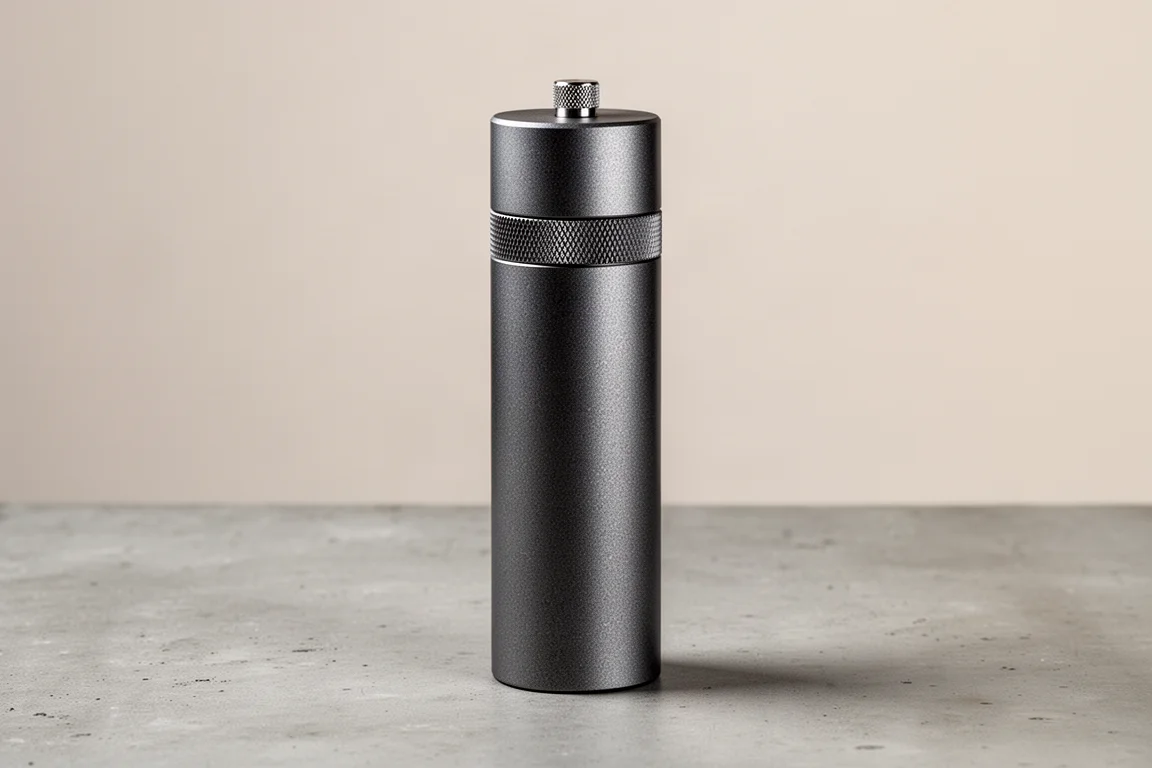
At around $200, the Pepper Cannon does the job very well, grinds noticeably faster than cheaper grinders, and is built almost entirely from machined aluminum with an all-metal adjustment mechanism. The lid pops off with a satisfying click, there is a catch to keep pepper from spilling across the counter, and it grinds aggressively without being fussy. It is not a buy-it-for-life heirloom, but it should last a long time, and if you want one grinder that simply works, it is a reasonable recommendation, even if it feels indulgent to say so.

Weber Workshop Grinder Set
Made by a specialty espresso company, the Weber Workshop grinders run about $320, or $580 for the salt and pepper set, and feature a magnetic grind-dialing ring. The engineering is undeniably nice, but beyond a certain point you are not getting additional benefit from a pepper grinder, whatever the marketing suggests. Once one well-engineered grinder exists at an acceptable price, anything above it is diminishing returns.
Small Tools, Big Opinions
Some tools are not expensive in absolute terms but still feel pricey for the materials involved, while others are genuinely unique machines.
The Chef’s Press
The Chef’s Press is essentially a stamped steel disc with a clever handle design that lets multiple presses stack. It excels at holding food down for even cooking, like getting a uniform crust on a grilled cheese. It feels expensive for the raw materials, but the price includes small-batch support costs and lifetime value math, and the things simply do not wear out. They have survived pickling brines and dishwasher cycles without issue.
Breville Control Freak
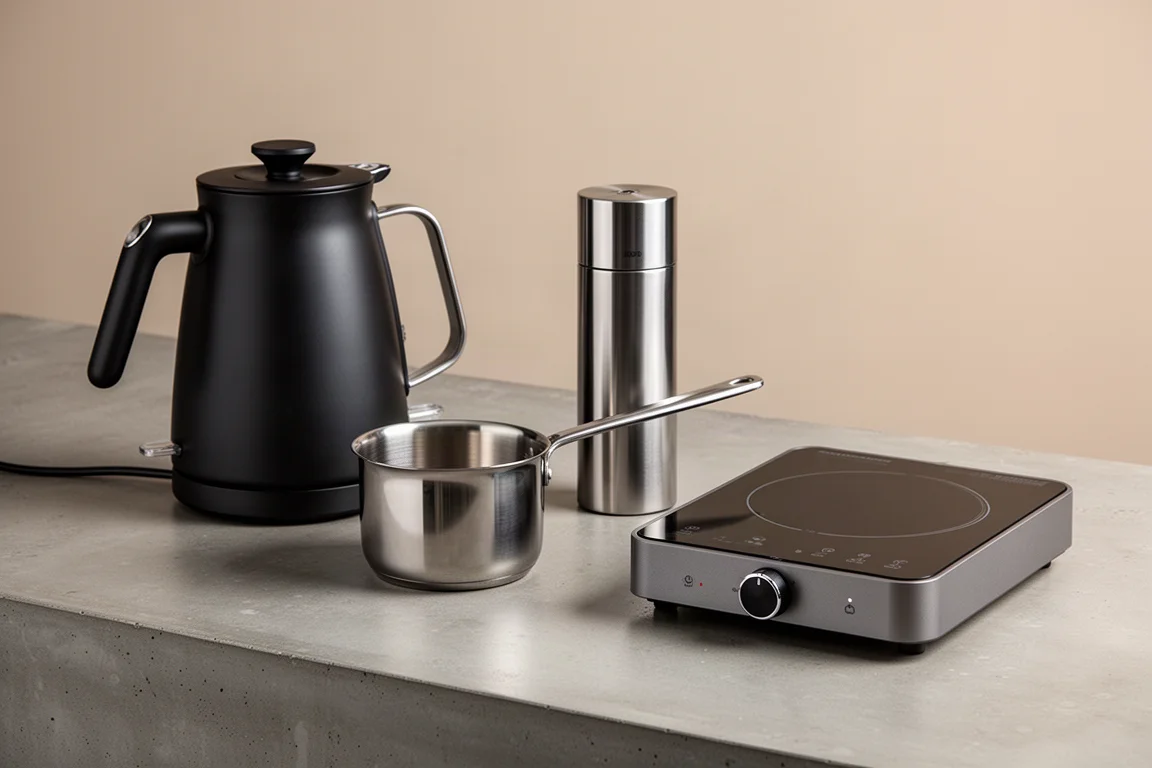
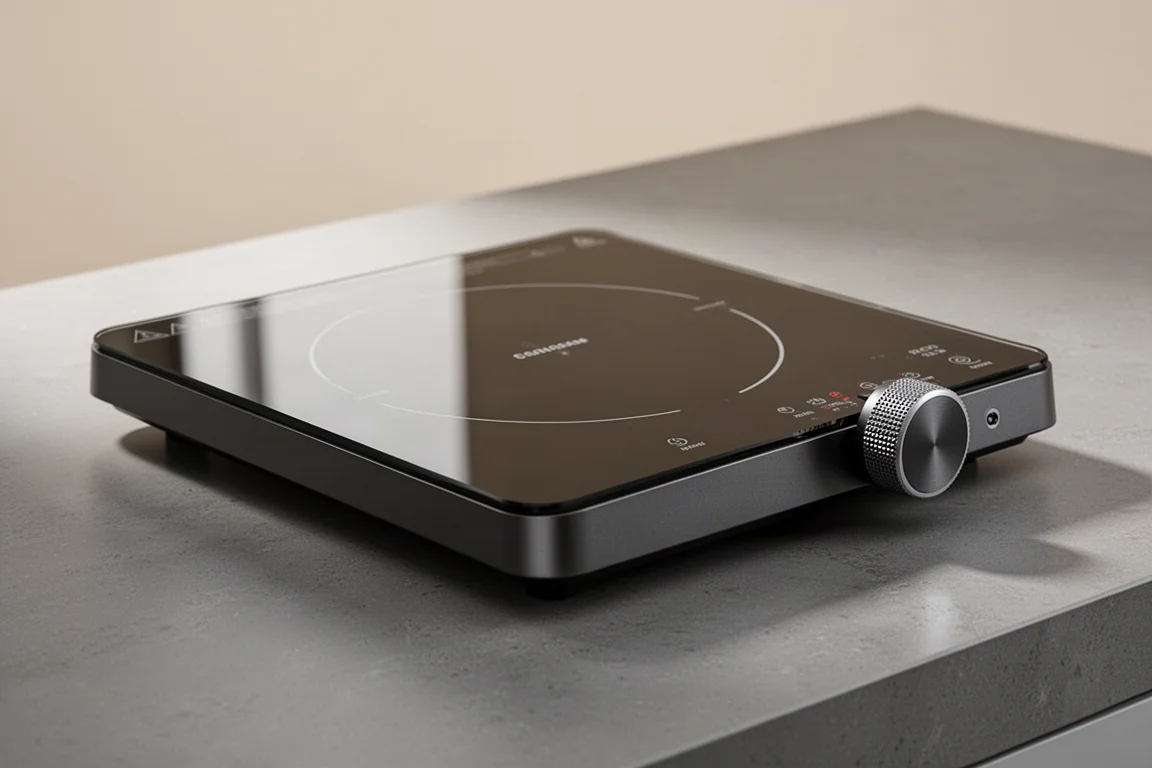
The Breville Control Freak is an induction cooktop at around $1,000, which is far above everything else in the market. What justifies it is control and quietness: it can be driven by a probe thermometer for precise temperature work, and it is dramatically quieter than competing induction units, so much so that if you see a cooktop in use that is not loud, it is almost certainly this one. The downside is that control is slower than simply turning a knob on a stove, especially on the newer home unit, where you have to select modes before starting. A specialty tool for people who will actually use the precision.
Ice Cream Machines: Start Small
Ice cream is one of the most common hyperfixation purchases, and the upgrade path matters more than any single machine.
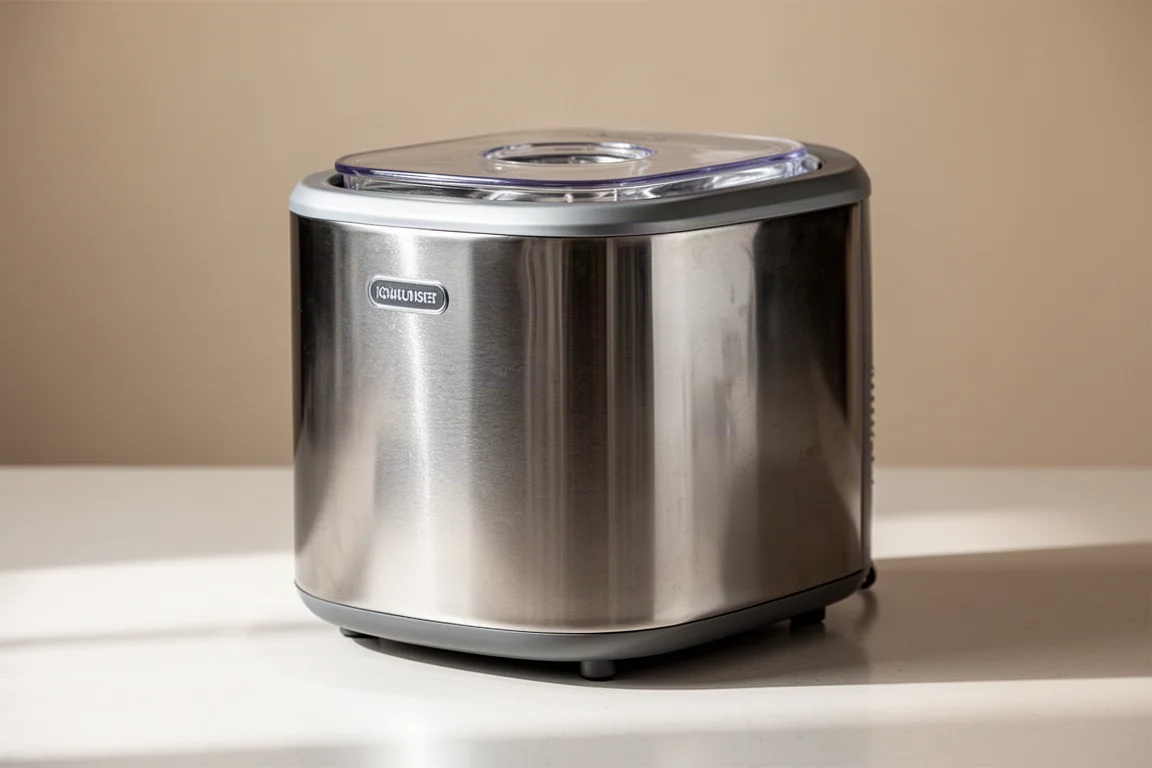
Whynter Compressor Ice Cream Maker
A frozen-bucket insert for a stand mixer works fine at low volume, but once you are making multiple batches in a week, a compressor unit changes everything. The Whynter, at roughly $200, produces about two quarts at a time in rapid succession without pre-freezing anything. For most people who get serious about ice cream, this is the right place to stop.
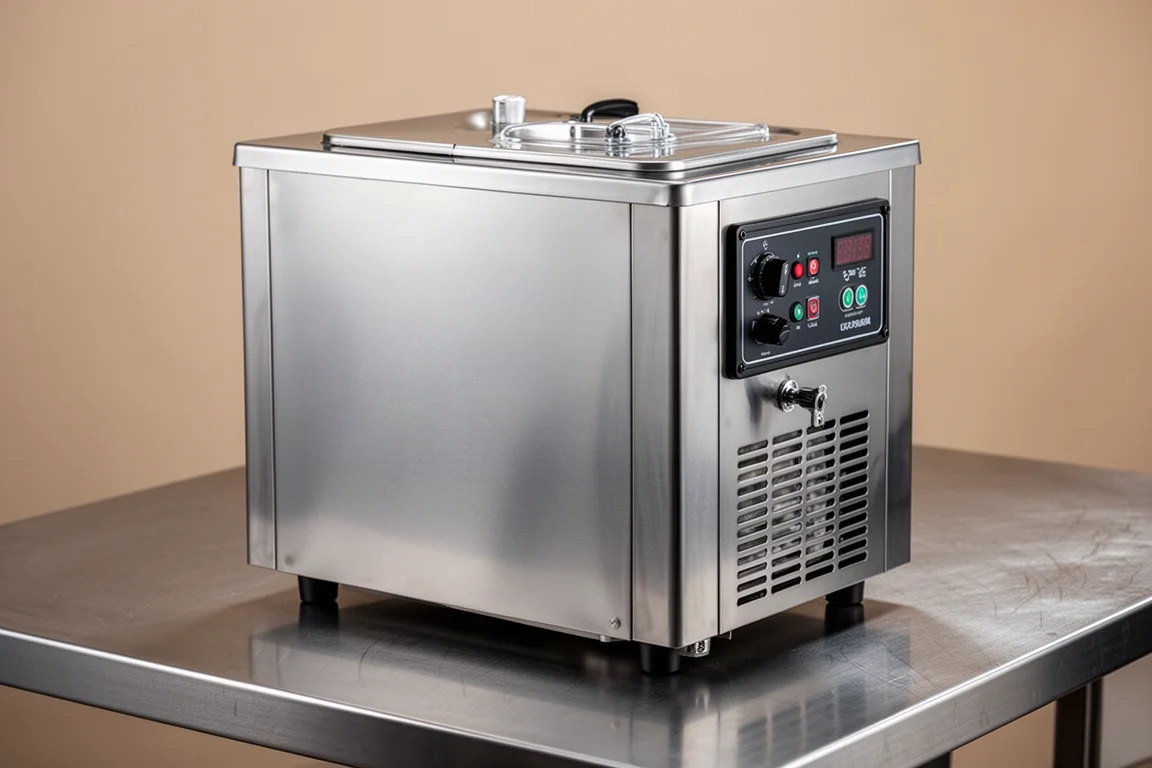
Lello Musso Pola 5030
At around $1,000, the Lello Musso Pola 5030 is a mono-body compressor machine: one large stainless steel unit with the bowl built in. That construction lets it freeze faster, which reduces ice crystallization without increasing sugar content, and it is noticeably nicer to use than every cheaper machine. It is also harder to clean and more of a hassle to maintain. If you do not care about crystallization times or overrun management, do not start here. Even with budget to spare, most people should stop at the Whynter.
Coffee Roasting: Baby Steps
Coffee roasting is another rabbit hole, and it is also the best illustration of why incremental investing works. The danger of the cheapest approach, roasting beans in a skillet, is real: the chaff around the bean dehydrates and becomes extremely flammable, and kitchen fires are a well-documented hazard.
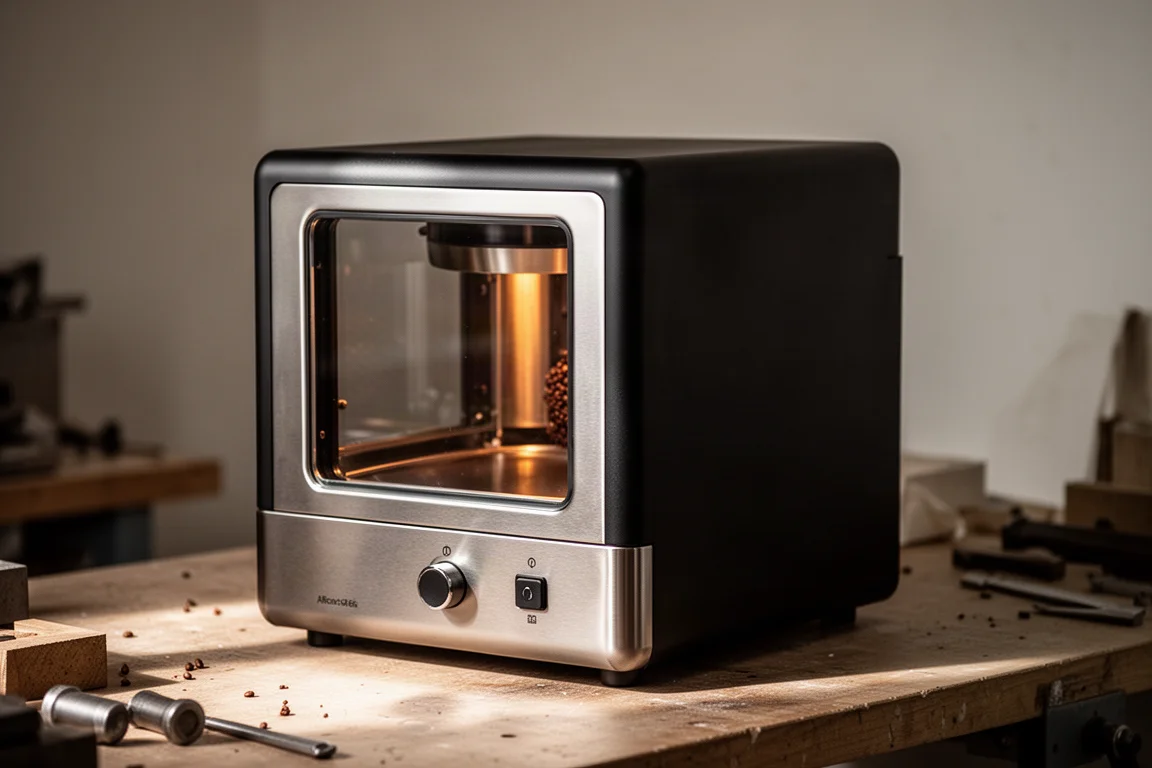
Behmor 2000AB Plus
The Behmor 2000AB Plus sits around $479, sometimes on sale for less, and it is a sensible first step: a countertop drum roaster with smoke filters that lets you find out whether you actually enjoy roasting. The limitation is fidelity. You are largely roasting by ear, listening for the cracks, and it can still make the whole house smell smoky. It will not teach you fine flavor development, but it will tell you whether the hobby is worth a bigger investment.
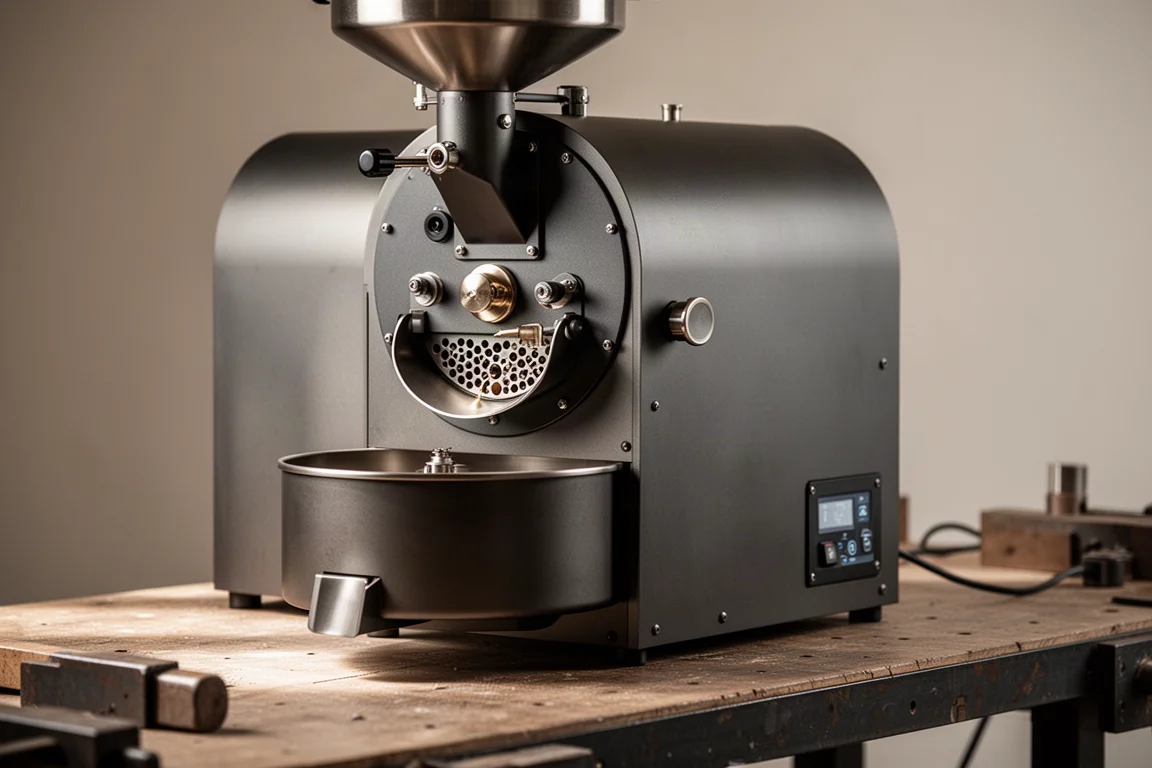
Aillio Bullet V3
The Aillio Bullet V3, at around $2,000, is the step up for roasters who want real control. It graphs the roast profile on your computer as you go, which makes dialing in flavors a genuine experiment rather than guesswork. It throws a lot of smoke so it needs outdoor use, and assembly is a bit of a pain, but it provides enough fidelity to take a roast to a commercial roaster later if you choose. As far as hyperfixations go, it is a smart call precisely because it lets you experiment at a reasonable scale without going all the way to a full production setup.

What to Skip
Not every expensive product deserves the money. Smart appliances are the worst offenders: they add complexity, reduce repairability, and exist largely to bolt on subscriptions and ads. A stand mixer that throws error codes while sitting untouched, with a sluggish built-in scale and an app full of ads, is a good example of solving one problem by creating several new ones.
The same over-engineering trap applies to a blender base trying to also be a food processor through automatic attachment detection, where the slow identification system creates lagging pulse responses and confusing speed locks. And a brand known for cookware that moves into small appliances, especially at high prices, should raise a flag. A chrome cordless hand blender with a fragile charging hub that performed worse than any corded model, because battery power always trades performance for convenience, is not a purchase worth revisiting.
On cookware specifically: beware of legacy reputations. One brand’s long-expired tri-ply patent means many companies now produce comparable or better stainless steel at lower prices, often with enclosed rims that resist the rim wear you see in heavily used kitchens. And marketing-first cookware brands, consistently among the lowest performers in testing, are better left alone on performance items, whatever their tableware is like.
Four Rules to Buy By
- Do not buy smart products unless connectivity is genuinely your lifestyle. They reduce fixability, add subscriptions, and remote control is a tiny fraction of real use cases.
- Simple is better than clever. Fewer parts means easier repairs. Machines with sacrificial gears you can replace yourself will outlive clever ones you cannot.
- Brands that do one thing are usually better than brands that do many things. Specialization earns trust.
- If you truly want something, invest, but in increments. Start with the cheapest safe entry point, confirm the hobby sticks, then upgrade. Do not buy the full-size machine only to shove it in a garage feeling deflated.
Conclusion
The pattern across all of these purchases is the same: match the tool to a need you have already confirmed, prefer brands that specialize and engineer honestly, and climb the price ladder one step at a time. Simple, well-made products at fair prices cover most kitchens. The genuinely expensive items, from a titanium-coated skillet to a $2,000 coffee roaster, only make sense once you know exactly what you need them to do.
Further reading
Related Reviews

Kitchen Gear
Best and Worst Kitchen Gear for 2026: Stand Mixers, Pressure Cookers, and More
A practical guide to kitchen appliances worth buying and models to avoid, based on hands-on testing of stand mixers, pressure cookers, citrus juicers, dish racks, and espresso machines.

Kitchen Gear
Best Budget Kitchen Gear: Eight Value Picks That Punch Above Their Price
Eight kitchen tools that delivered excellent performance at a reasonable price, plus the trade-offs to weigh before you buy.
Kitchen Gear
Best Kitchen Gear Gifts: Seven Tested Picks From Budget to Splurge
Seven kitchen tools that earned their place, from a $15 vegetable peeler to a $1,000 indoor pizza oven.