Power Tool Accessories
Spider 7-1/4 24T Circular Saw Blades: Framing vs Tarantula Demo Tested
A hands-on comparison of Spider's standard framing blade and the Tarantula demo blade, covering build quality, cut smoothness, and nail-embedded wood performance.
Introduction
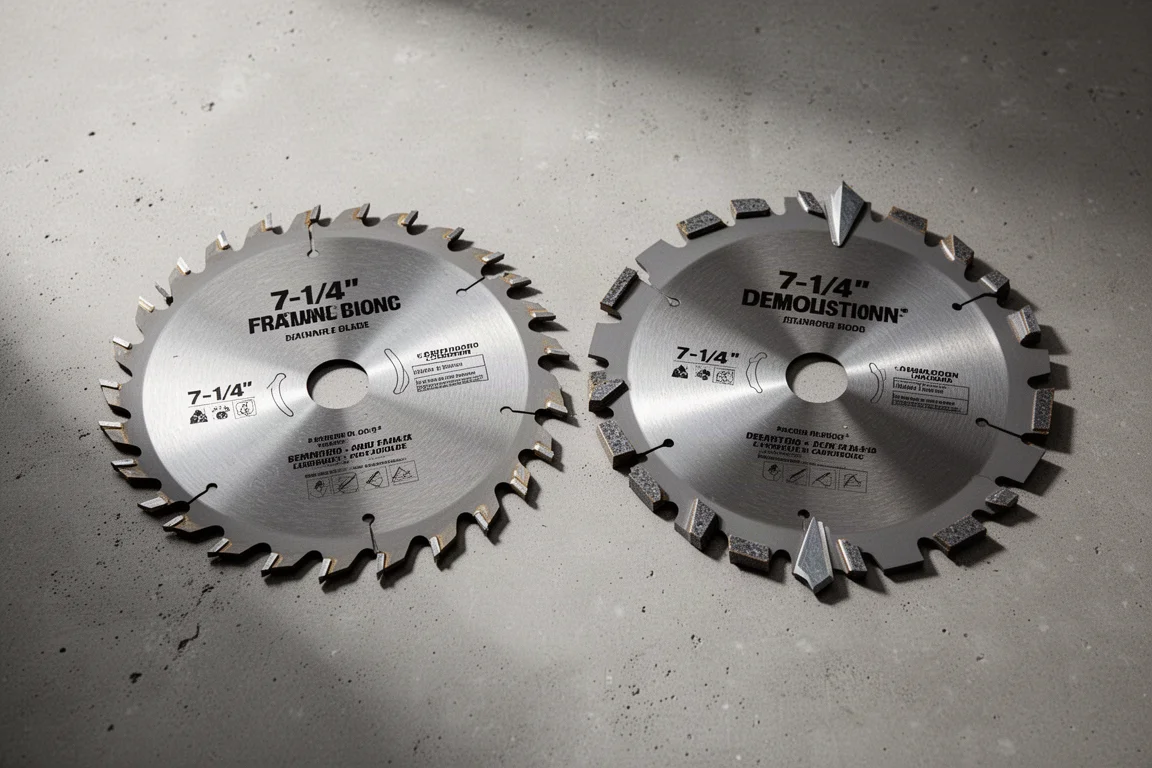
Spider circular saw blades have been showing up in big box stores lately, and a promotion on the Tarantula demo blade was enough to justify picking up a pair and putting them to work. This comparison covers two 7-1/4 inch, 24-tooth blades: the standard framing blade and the demo-oriented Tarantula.
Both blades share the same core technology, including an ultra-tough nickel cobalt carbide coating, a polymer stabilization vent system, an anti-friction coating fused into the body, and alternating tooth bevels on the carbide. Where they differ is the tooth geometry and how much abuse they are built to absorb.
The Standard Framing Blade
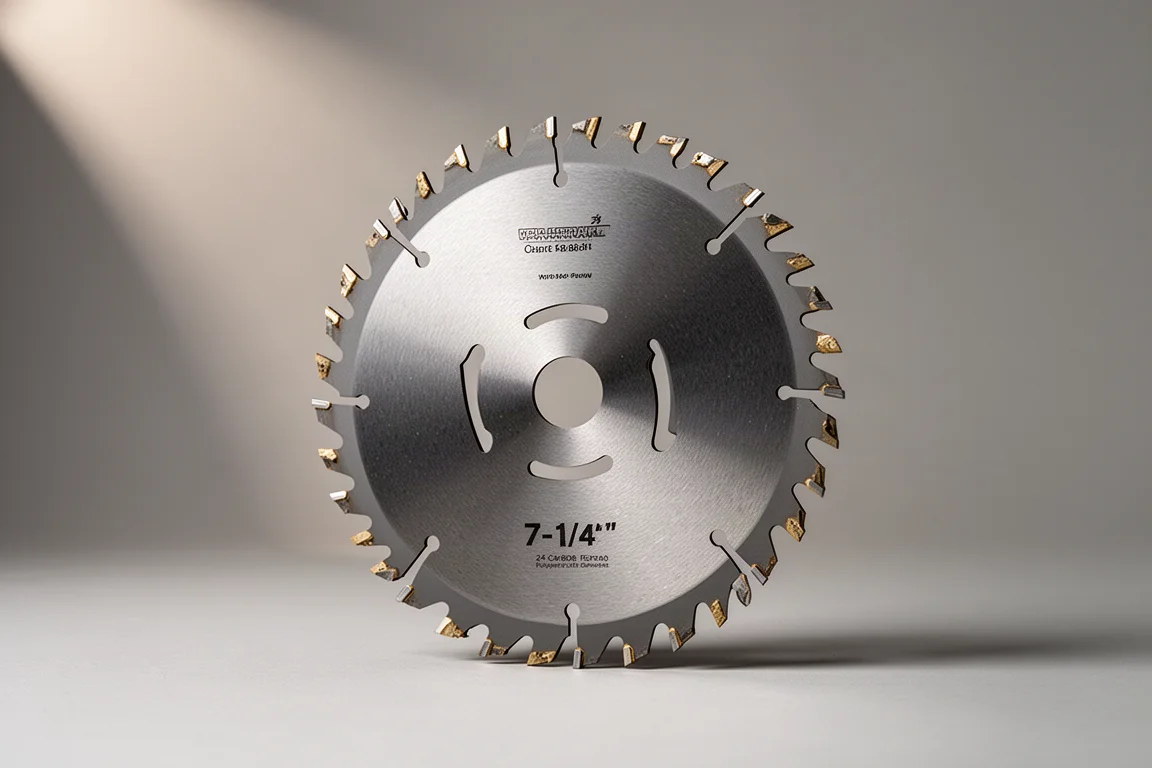
Spider’s standard framing blade is a 7-1/4 inch, 24-tooth blade aimed at general wood cutting. Spider claims the nickel cobalt carbide teeth and coating help it last up to six times longer than ordinary blades.
The standout detail here is the alternating tooth bevel: one carbide tooth is beveled to one direction, the next to the other. It fits any 7-1/4 inch circular saw regardless of make, model, or whether the saw is a rear handle or worm drive style.
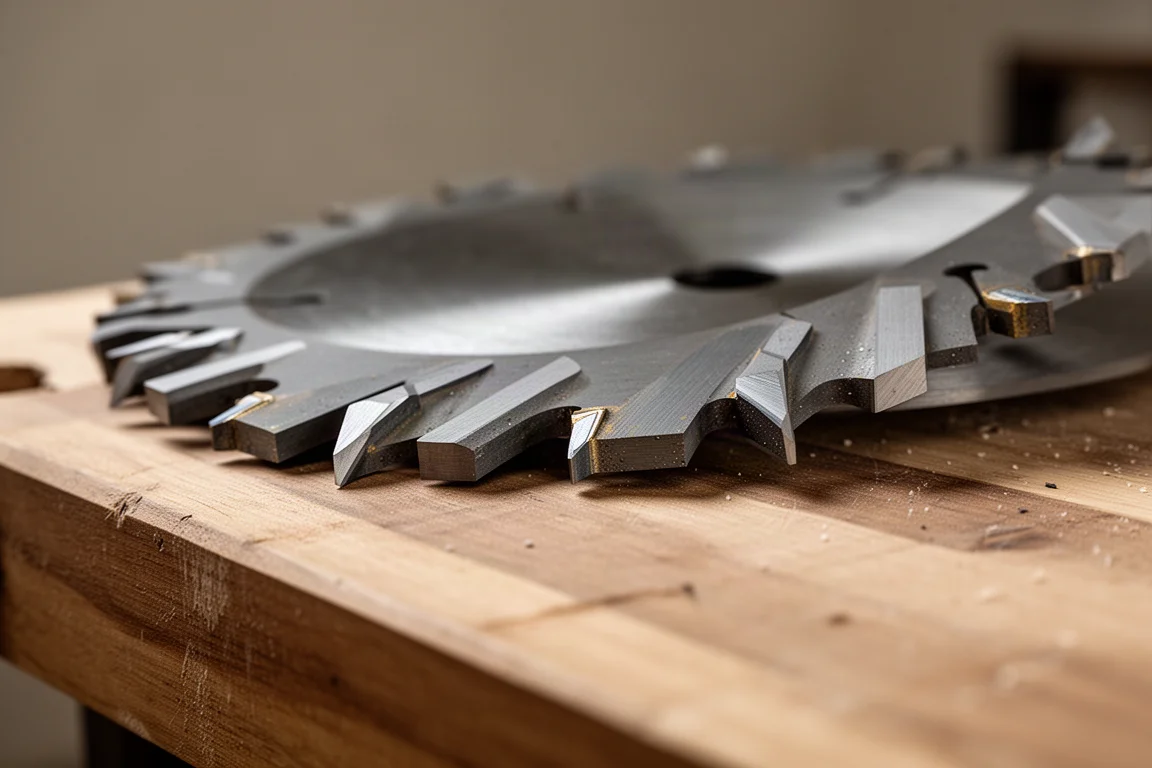
For framing and general construction work, that combination of toughness and clean cutting is exactly what most users want from a daily blade.
Blade Thickness and Build Comparison
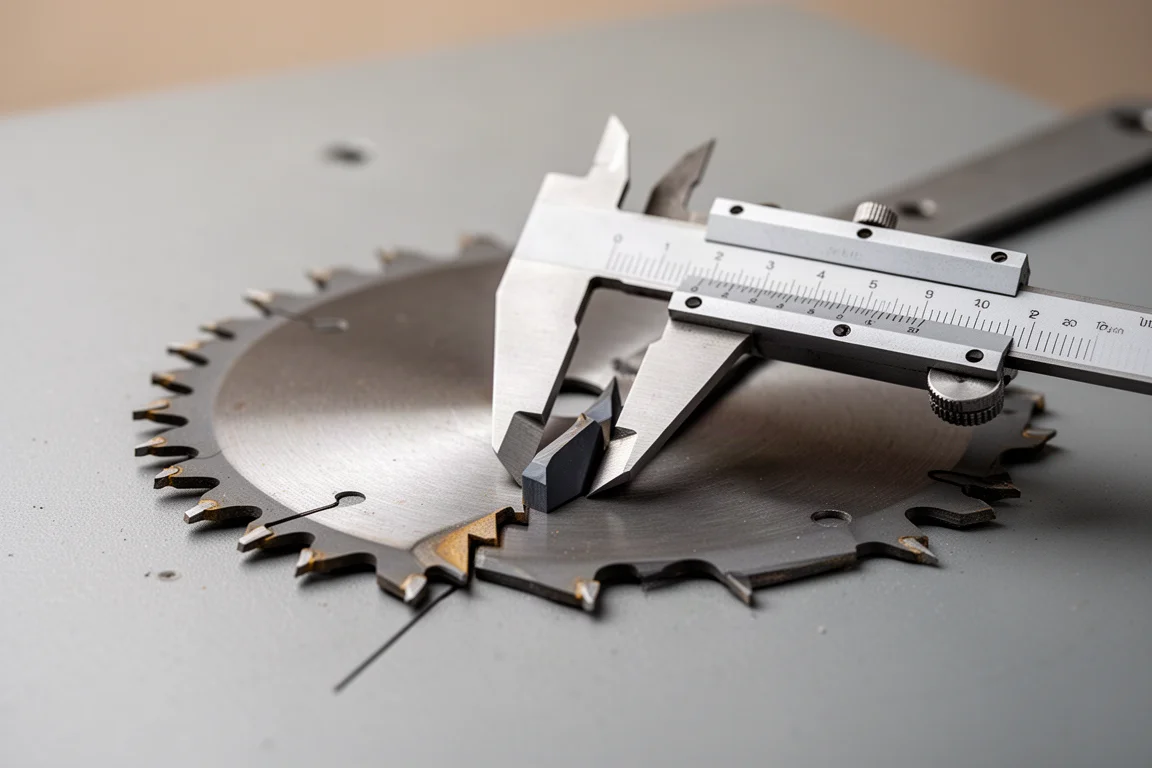
Measurements with veneer calipers revealed some interesting differences. Both blades share a body thickness of 0.0435 inch, even though the demo blade feels noticeably thicker and more rigid in hand, possibly due to a different metal formulation.
The real difference shows up in the carbides. The framing blade measures 0.0630 inch across the carbide teeth, while the Tarantula demo blade measures 0.0715 inch across two teeth, a substantial increase that makes sense for a blade expected to hit nails and keep cutting.
Cutting Performance of the Framing Blade
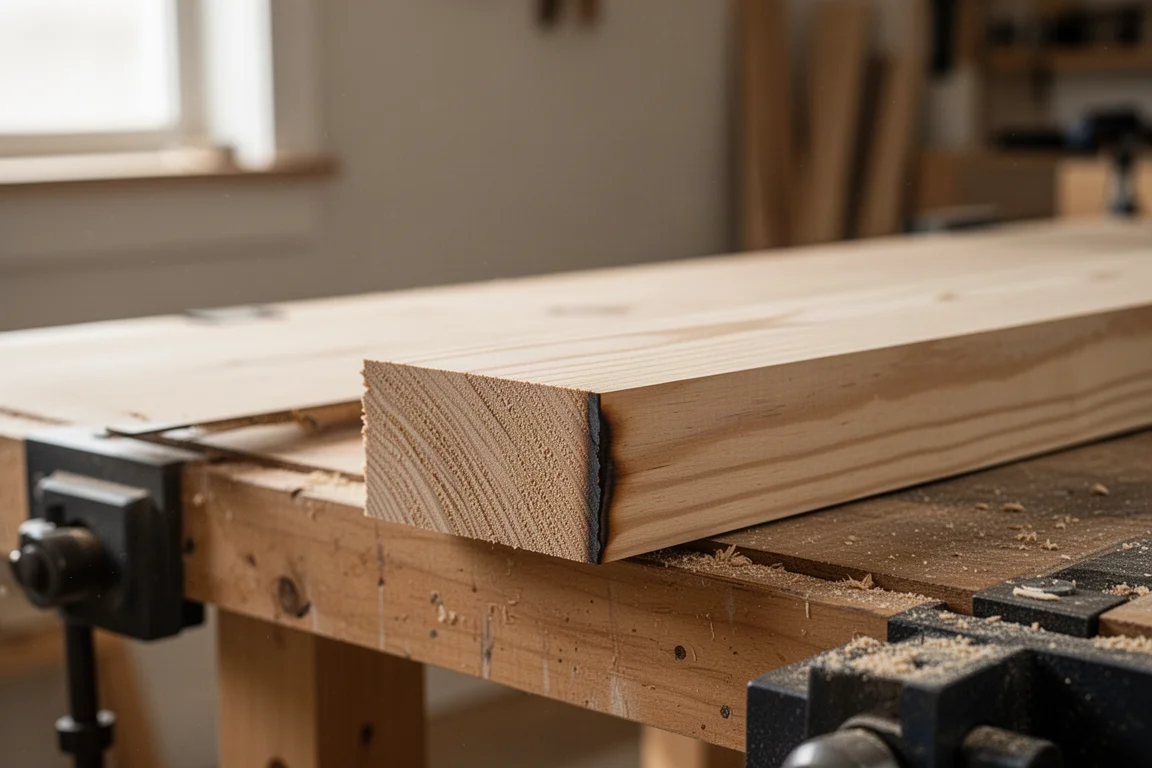
In a slow, controlled rip cut following a line, the framing blade produced a remarkably smooth edge with no dark spots and no heat burn through the cut, which is a common risk when taking your time through long rips. There was also only a minimal amount of coating residue visible where the wood was unsupported at the end of the cut.
A faster freehand rip followed, and the blade stayed steady and accurate on both sides of the cut. After use, the blade showed no missing coating and no damage to the teeth.
The Tarantula Demo Blade
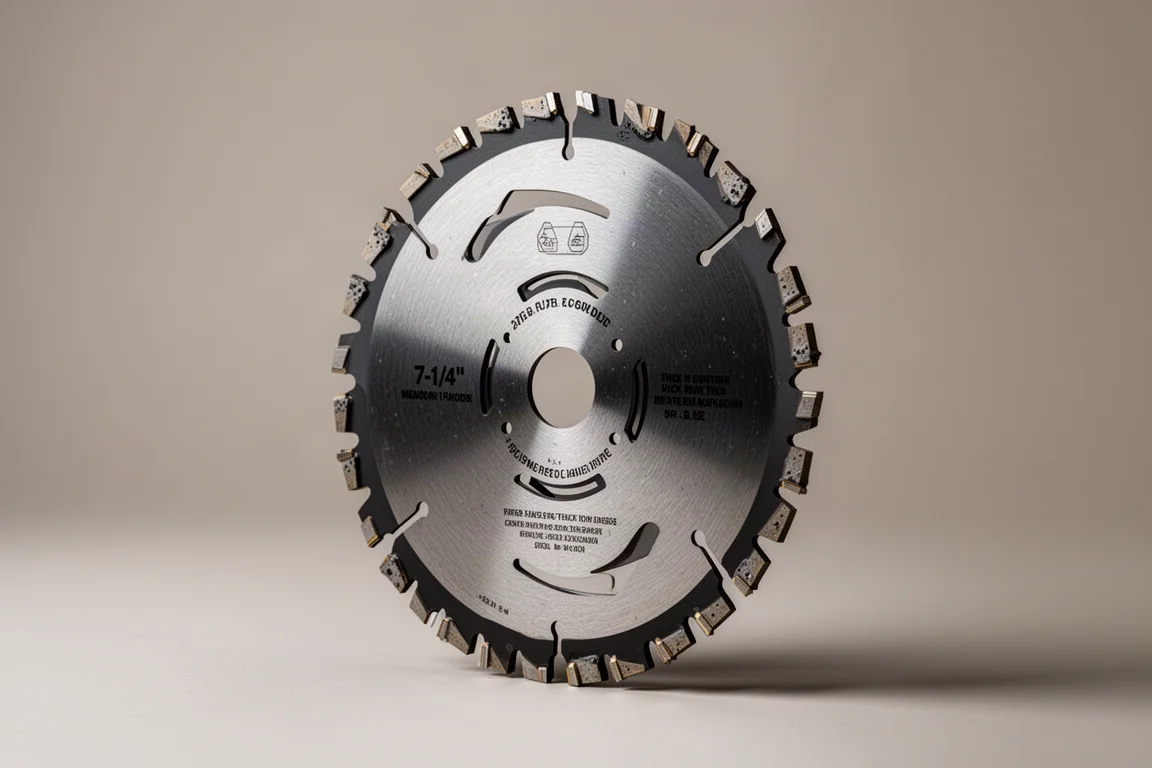
The demo blade carries the same polymer stabilization vents, anti-friction coating, and nickel cobalt carbide teeth as the framing blade, but it is rated for up to 10 times longer life than regular 7-1/4 inch blades and is intended for plywood and wood with nails.
What makes it genuinely different is the demo drive tooth bevel. Alongside the alternating left and right beveled carbides, there is a center carbide chamfered equally on both sides, acting almost like a tracking point. It is an unusual tooth geometry that sets this blade apart from other demo blades on the market.
Real-World Demo Blade Test
To put the demo claim to the test, a board containing 15 three-inch framing nails was fed through the saw. The blade cut straight through all of them without hesitation.
After the pass, the carbide was completely intact with no damage to the blade, and the cut edge came out smooth. A second pass through the nailed board produced the same result: no burning and no tooth damage.
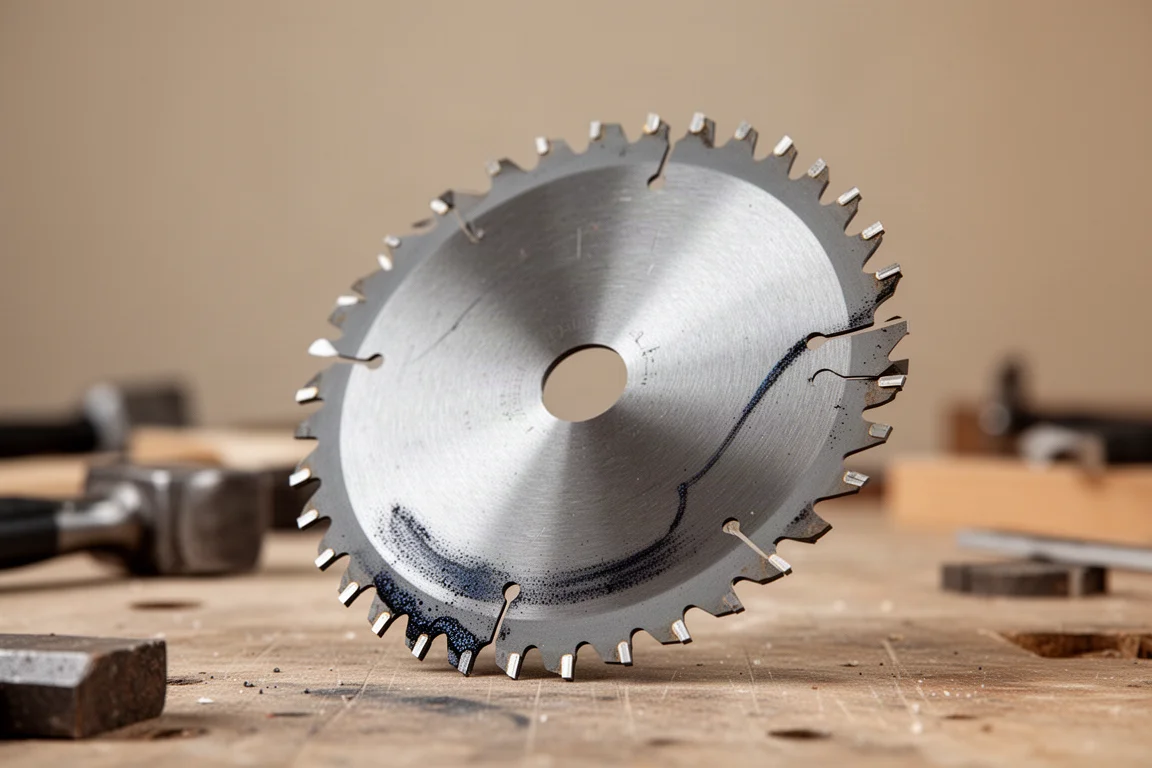
The critical question was whether the blade could still cut clean wood after hitting that many nails. Cross cuts after the nail test showed no problems at all, and the resulting edge was as clean as before. Whatever Spider is doing with these blades, the results back up the claims.
Which One Should You Buy?
If your work is mostly clean lumber and plywood framing, the standard framing blade delivers smooth, accurate cuts with a long-life carbide formulation at what is presumably a lower price point. It handles rips and cross cuts equally well and stayed sharp throughout testing.
If demolition work, salvaged lumber, or nail-embedded material is part of the job, the Tarantula demo blade is the clear pick. The thicker carbides and the demo drive center tooth are designed for exactly that scenario, and the nail test showed it shrugging off abuse that would destroy a standard blade.
Conclusion
Both Spider blades performed impressively in testing. The framing blade cut smoothly and accurately with no burning, and the demo blade cut through 15 framing nails twice and still finished clean cross cuts with fully intact teeth. For general framing, start with the standard blade; for anything involving nails or demo work, the Tarantula is worth the upgrade.
Further reading
Related Reviews

Power Tool Accessories
Best Drill Attachments 2026: Three DeWalt Tools Worth Buying
A practical look at three DeWalt drill attachments that deliver real value, plus the sketchy options you should skip.

Power Tool Accessories
Best Drill Bits 2026: 14 Sets Tested on Mild Steel, Spring Steel, and AR500 Armor
We tested 14 drill bit sets across mild steel, spring steel, and AR500 armor plating to find the best value, speed, and durability.

Power Tool Accessories
Best Right Angle Impact Adapters 2026: Five Options Tested for Speed, Torque, and Durability
We tested five right angle impact adapters from DeWalt, Milwaukee, Warrior, Titan, and Milescraft to see which ones deliver real performance without failing early.