Pantry Ingredients
Specialty Soy Sauces Worth Knowing: White Soy and 20-Year Aged Soy
Two very different soy sauces that show how far the category goes beyond the standard supermarket bottle, with practical uses for each.
Introduction
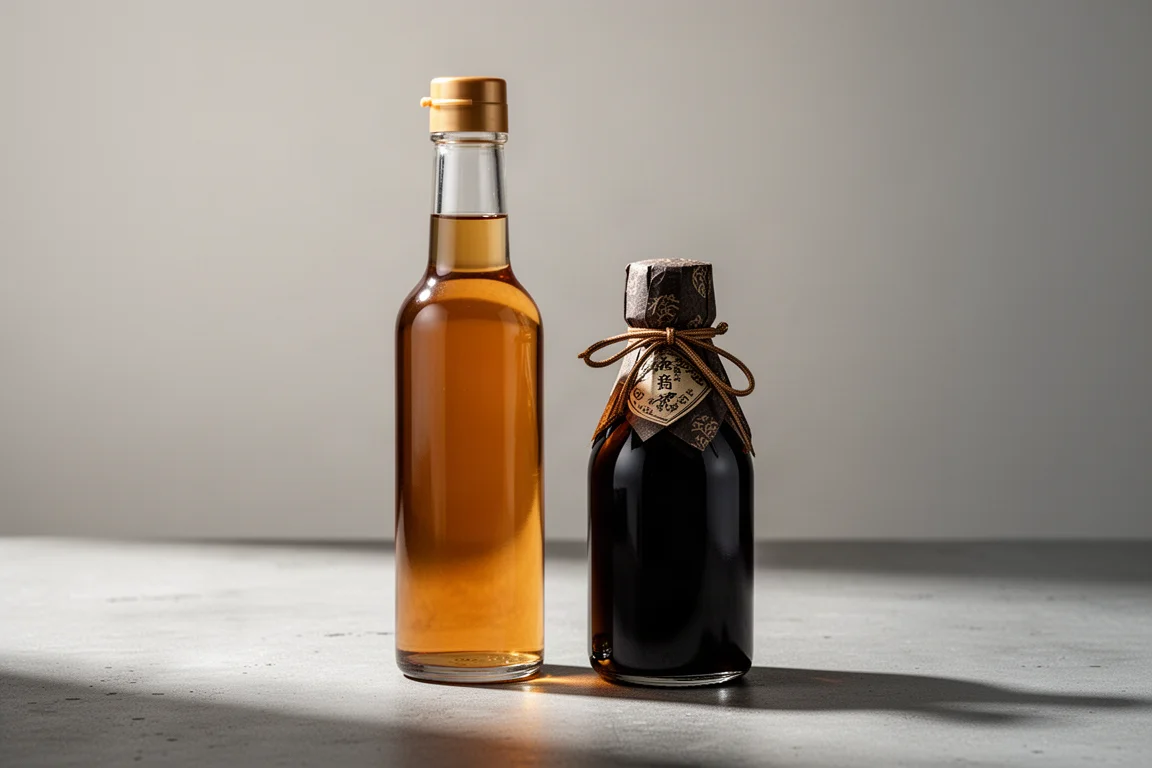
Most of us treat soy sauce as a single product: one bottle, one flavour, one job. But spend a little time with specialty examples and the category opens up fast. In a recent tasting spanning four very different bottles, two stood out as genuinely worth knowing about: a Japanese white soy sauce built for delicate dishes, and a 20 year aged soy sauce that sits at the very top of the market.
This article focuses on those two, what makes them different, and how to actually use them.
Yamashin White Soy Sauce: The Mellow One
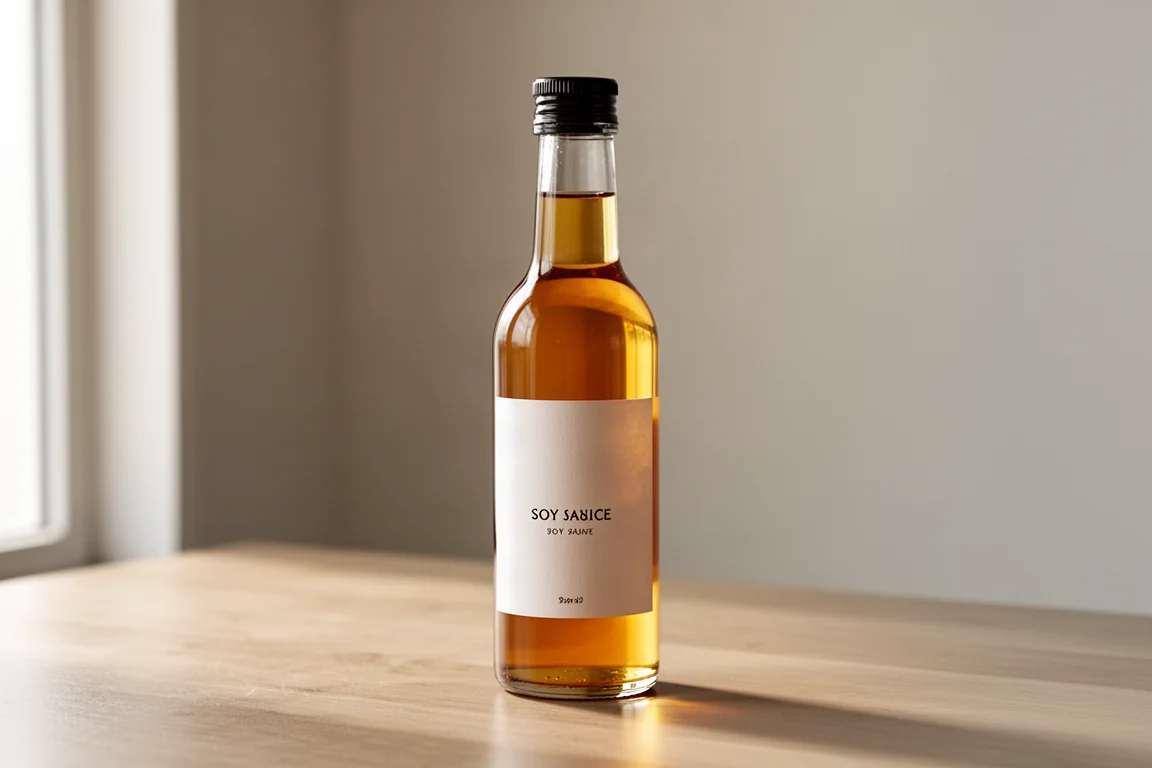
White soy sauce was new to most of us at the tasting table, and it behaves very differently from the dark bottle in your cupboard. Made with a higher proportion of wheat, it has a lighter hue, a more mellow flavour, and a natural sweetness that balances the expected saltiness. Tasted straight, it reads as zingy and slightly sherbety rather than the familiar heavy umami punch.
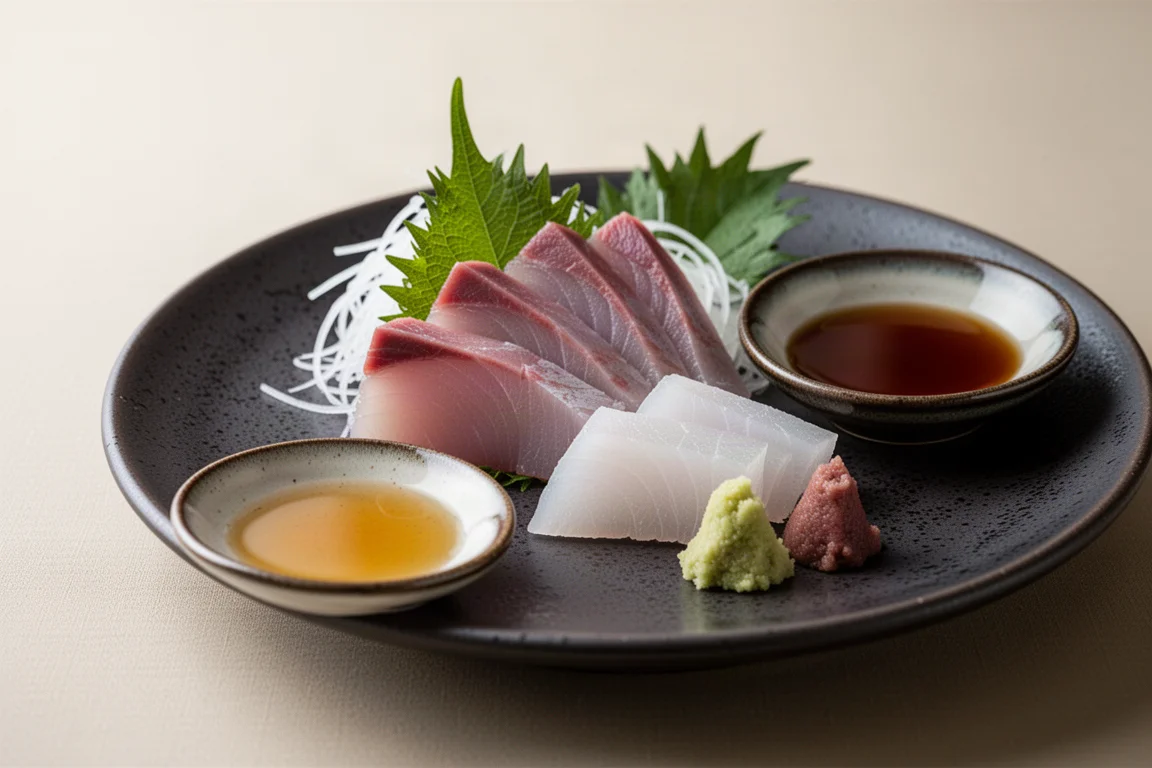
The best use case is anything delicate. On sashimi it amplifies the freshness of the fish instead of dominating it, which is exactly the problem with standard soy on raw seafood. It also works in clear broths you do not want to colour, such as oden, the northern Japanese dish of daikon and fish cakes in a light broth, as well as savoury baked custards.
At £7.99 a bottle, around £2.21 per 100 grams, it costs more than five times a basic supermarket soy. But it is doing a completely different job, and if you cook Japanese food at home, it fills a gap no regular soy sauce can.
Where Smoked Soy Sauce Fits In
Before reaching the top shelf, the tasting included a smoked soy sauce, and it deserves a mention because it reframed how versatile the category can be. This is a quality Japanese soy sauce, made through the usual ferment, then smoked in a controlled environment with cherry wood.
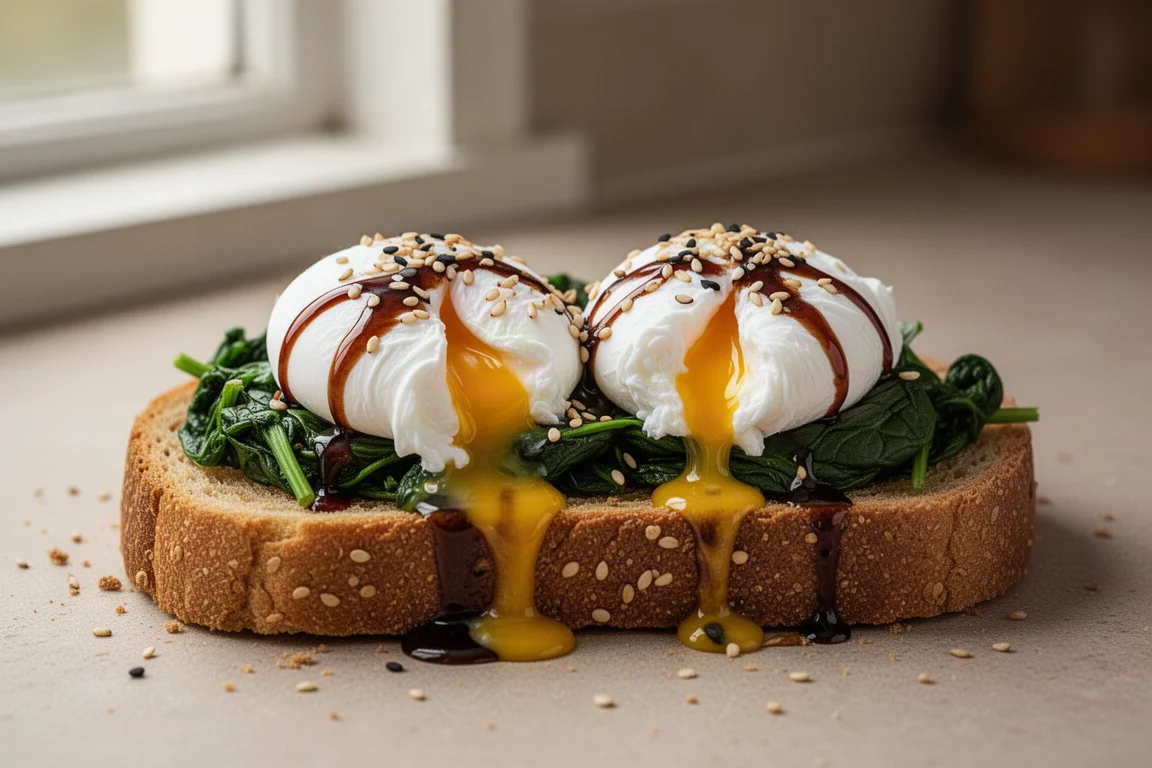
The flavour order is distinctive: smoke first, then a pleasant, un-harsh soy finish. It tastes less of soy and more of the smoke, with the salty ferment sitting underneath. On simple ingredients like soft poached eggs or tofu, a small drizzle instantly elevates the dish, turning the sauce into a seasoning rather than a punch in the face.
It also shines in marinades and glazes for vegetables and grilled meats, a natural fit for izakaya-style grilled meat on sticks or a barbecue glaze. At £16.95 a bottle it is expensive, but as a fermented product it keeps a long time, and a few drops go an awfully long way.
Kamebishi 20 Year Aged Soy Sauce: The Statement Bottle
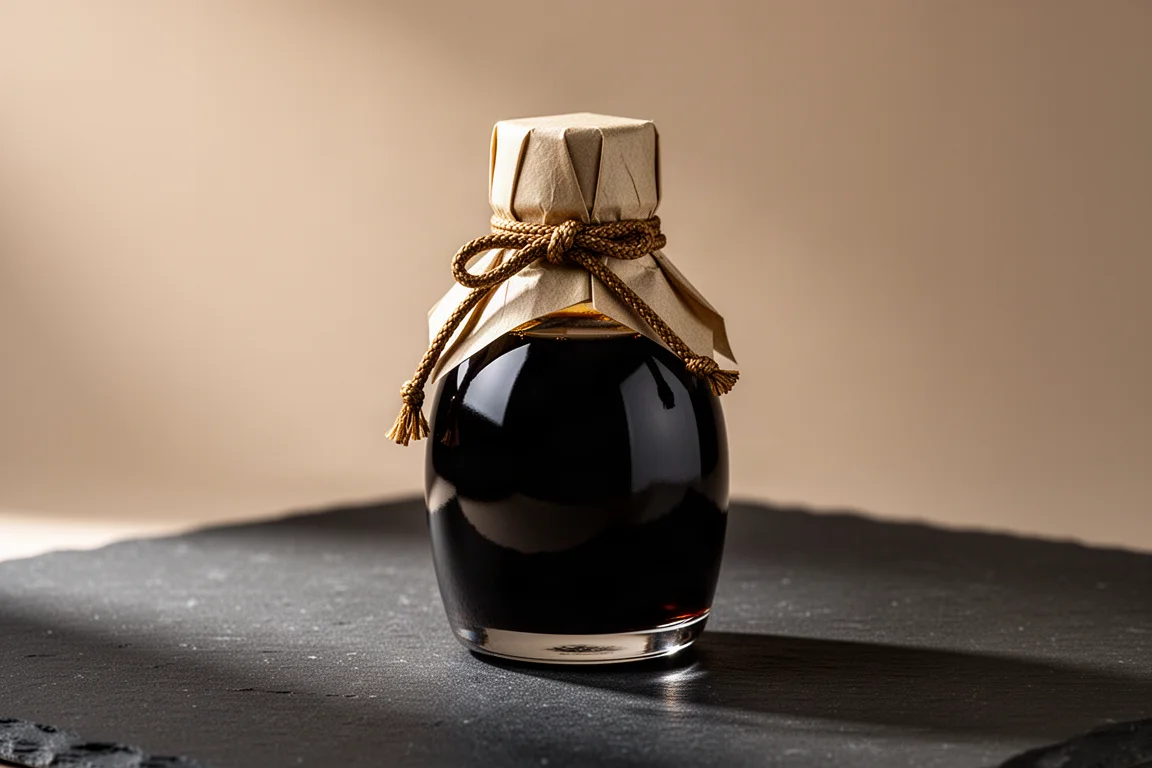
Kamebishi is said to be the most expensive soy sauce in the world, and the numbers back it up: £143 for a bottle, roughly £250 per 100 millilitres, about 500 times the price of a basic soy sauce. The producer, the Okada family, has been crafting soy sauce using time-honored techniques since 1753, operating from the same samurai house across 17 generations. Their method of inoculating grains on bamboo trays has been recognised by the Japanese authorities as an intangible folk cultural property.
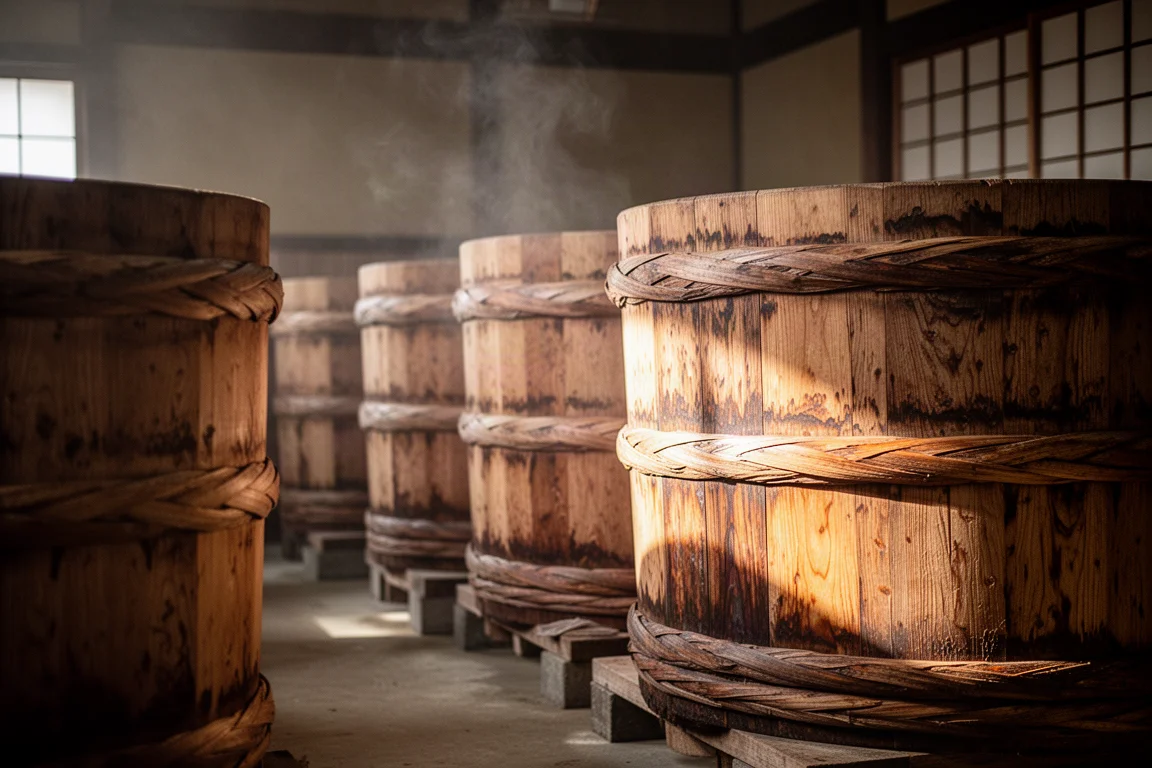
The soy is aged for 20 years in cedar barrels, which concentrates the flavour and thickens the texture. Those charred wood notes carry through, along with hints of spice and vanilla, much like whisky or wine from wooden barrels. Even the packaging is an occasion, double wrapped and steeped in tradition.
How to Use Something This Intense
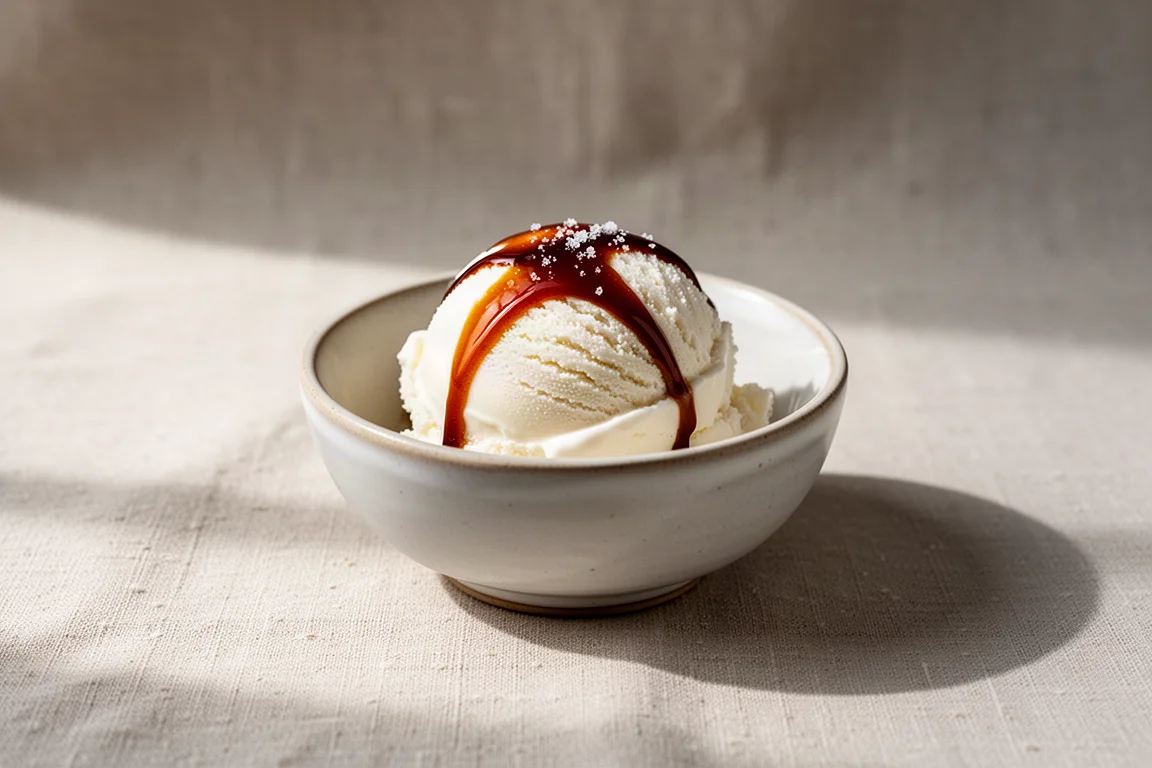
Because it is so thick and concentrated, dipping is not the ideal application. A really thin layer, almost brushed on, is the better approach. One suggested pairing is vanilla ice cream or white chocolate, where it delivers a salted caramel-like effect once it melts in. Others found a very light layer on fresh fish more appealing.
It is not just for sweet things, though. It is a marvel on its own and can be paired with all sorts of dishes, provided you respect the intensity. If you do buy a bottle, it will last: it is fermented, so the shelf life is long, and a tiny amount adds an extra dimension.
Conclusion
White soy sauce is the accessible entry point here: mellow, lightly sweet, and genuinely useful for sashimi, clear broths, and anything delicate. The 20 year aged Kamebishi is a different proposition entirely, a pantry showpiece with real history behind it, best used sparingly on special occasions. Knowing which sauce suits which job is what makes both worth having in mind the next time you reach past the standard bottle.
Further reading
Related Reviews
Pantry Staples
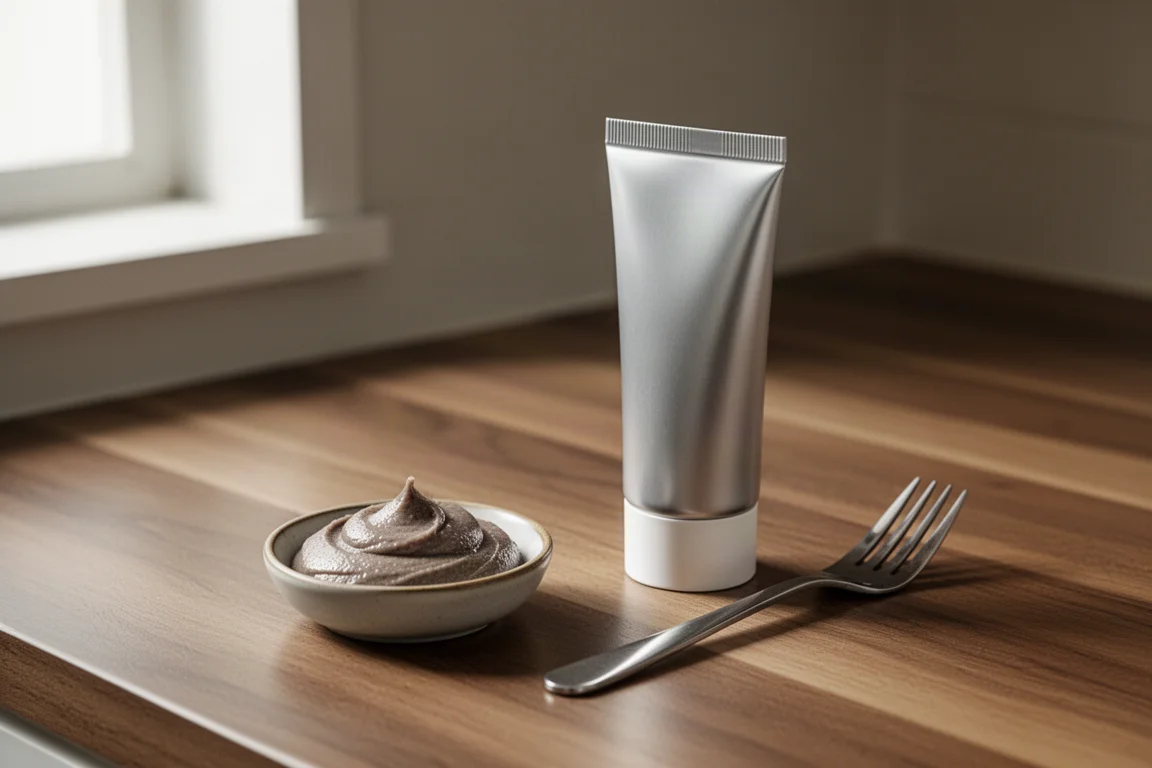
Scalia Anchovy Paste: The Easiest Way to Add Umami to Everyday Cooking
After a wide style-by-style taste comparison, Scalia anchovy paste stood out for its clean flavor and smooth texture. Here is what to know before buying.
Kitchen Storage
8 Cup Airtight Food Storage Containers: A Practical Pantry Upgrade
Crystal-clear, space-saving airtight canisters with locking lids, sold in flexible one-piece or three-piece sets with labels and measuring tools included.
Gourmet Food
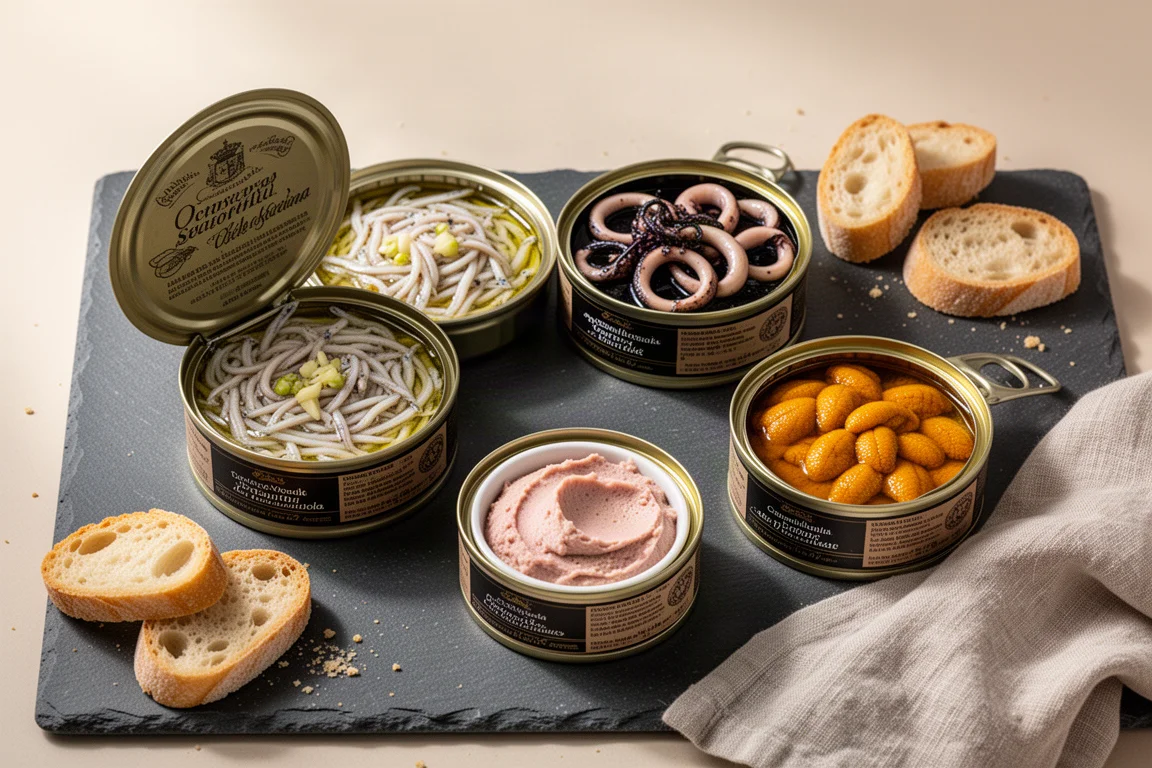
Four Don Reinaldo Tinned Seafood Specialties Worth Discovering
From imitation baby eels in garlic sauce to premium sea urchin roe, four Spanish tins that show how surprising tinned seafood can be.