Gravel Bikes
Specialized S-Works Crux Gravel Build Review: One Light Bike for Road and Off-Road
A close look at a lightweight Specialized S-Works Crux gravel build with SRAM Force AXS, Zipp 303 Firecrest wheels, and a suspension seatpost, and who it actually suits.
Introduction
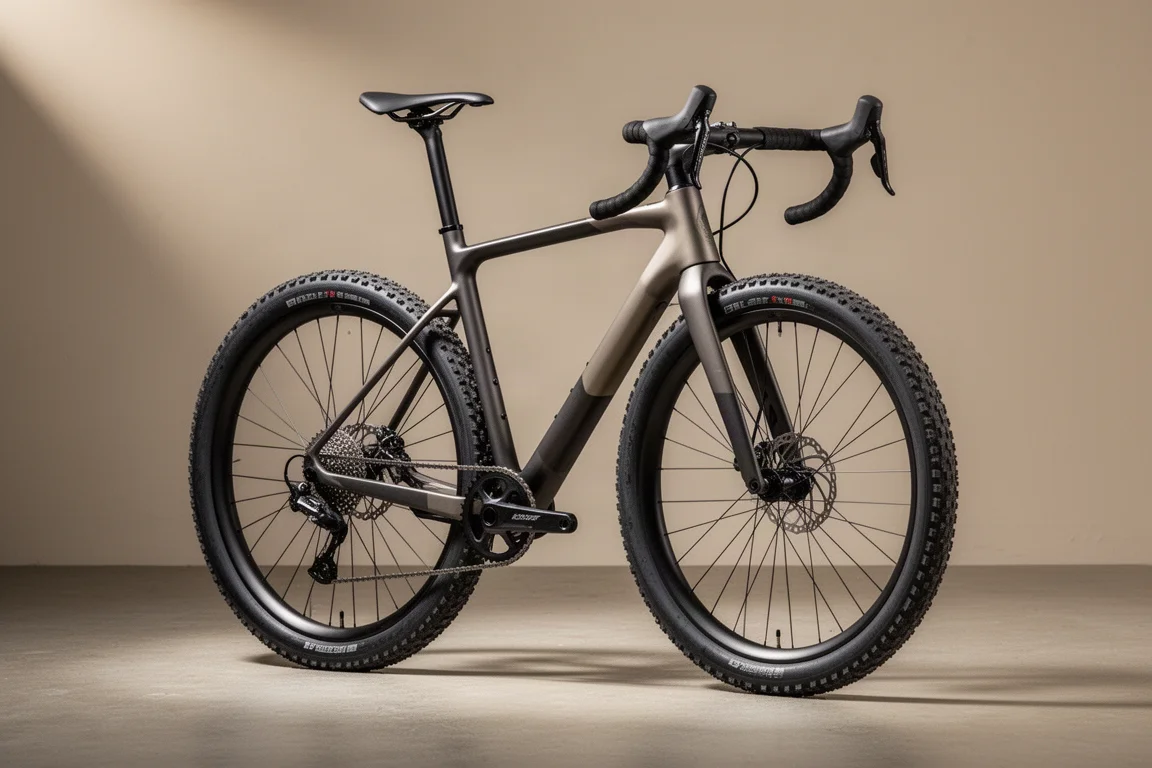
A gravel bike is usually sold as a do-everything machine, and this Specialized S-Works Crux build sets out to prove the point rather than just repeat it. The frame was chosen after riding a range of options over roughly two to three years, and it stood out for a specific combination: very low weight, simple round tubes, external cable routing, an external seat clamp and threaded bottom bracket, generous tire clearance, and handling that stays calm when the surface gets loose.
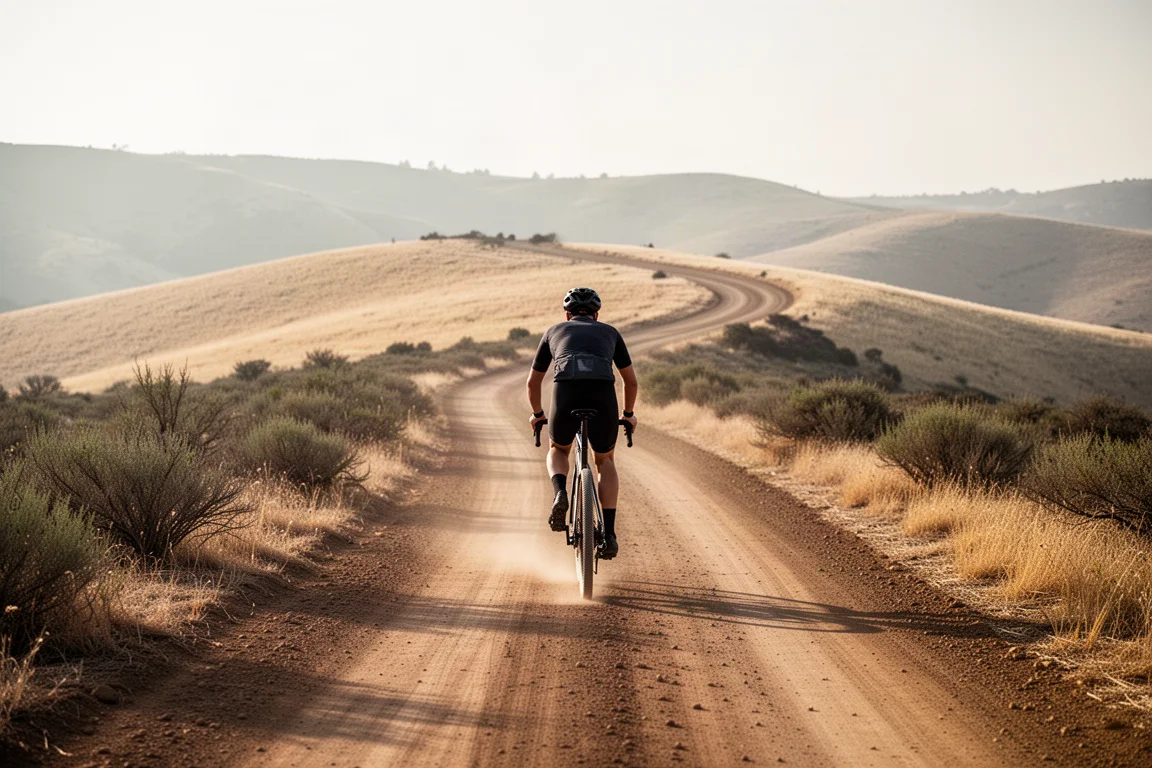
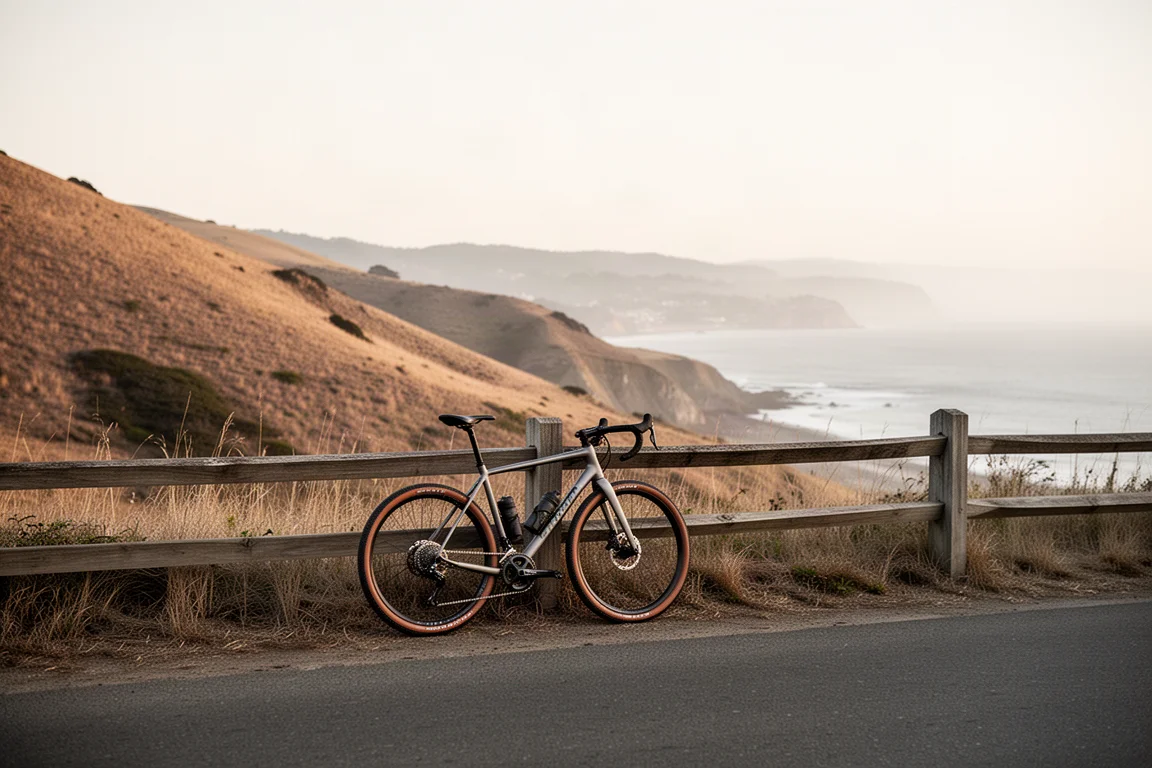
The build was then ridden for two days across Marin County in California, a region of coastal tarmac, dusty hardpack fire roads, and rockier forest tracks, and one widely credited as the birthplace of mountain biking. The short answer is that the bike covers road and off-road riding without feeling like a compromise in either place.
Who This Bike Is For
This build suits riders who want a single bike for mixed-surface riding and are willing to give up some outright ruggedness in exchange for speed on tarmac and low weight on the climbs. The intent here was explicitly to go lighter, racier, and more stripped back than a heavier adventure-oriented gravel bike.
If most of your riding happens on smooth gravel and back roads, with occasional singletrack and rockier fire roads mixed in, the Crux frame’s clearance for wide tires and its straightforward construction line up well with that pattern. Riders who expect to spend most of their time in deep mud, loaded bikepacking terrain, or genuinely technical descents may want a different starting point.
The frame also carries a deliberately subtle finish. The colourway uses a fade up the fork, graphics on the down tube, and understated decals, so it reads as a quiet bike rather than a loud one. A full black version of the S-Works frame also exists for riders who prefer the more neutral look.
Frame and Handling
The case for the Crux frame comes down to simplicity. Round tubes, external cable routing, an external seat clamp, and a threaded bottom bracket are all choices that make the bike easier to live with and easier to work on than a fully integrated design, and none of them appear to cost anything in ride quality.
The frame is light, and that lightness is felt most clearly on longer climbs and when accelerating out of slow corners. Handling is confidence-inspiring without being nervous, which matters more on gravel than raw stiffness numbers suggest, because the surface underneath is constantly changing. Large tire clearance is the other half of that equation: it lets the bike run wide rubber, which is where most of the comfort and grip on loose terrain actually comes from.
Drivetrain and Shifting
The drivetrain is a 1x SRAM Force AXS setup with a 42 tooth chainring and a 10-44 cassette. A single chainring makes sense for the kind of riding this bike is built for: there is no front derailleur to clog or to think about, and the 10-44 range covers steady fire road climbs and fast paved descents without leaving obvious gaps.
The revised hoods share their shape with the Rival group and are noticeably smaller than the previous generation, which makes them easier to wrap a hand around on long stretches of rough surface. There are also optional blips mounted underneath the bar tape, so gears can be changed while climbing with hands on the tops of the bar rather than reaching forward to the hoods. On a long, steady fire road gradient that is a genuinely useful detail rather than a gimmick.
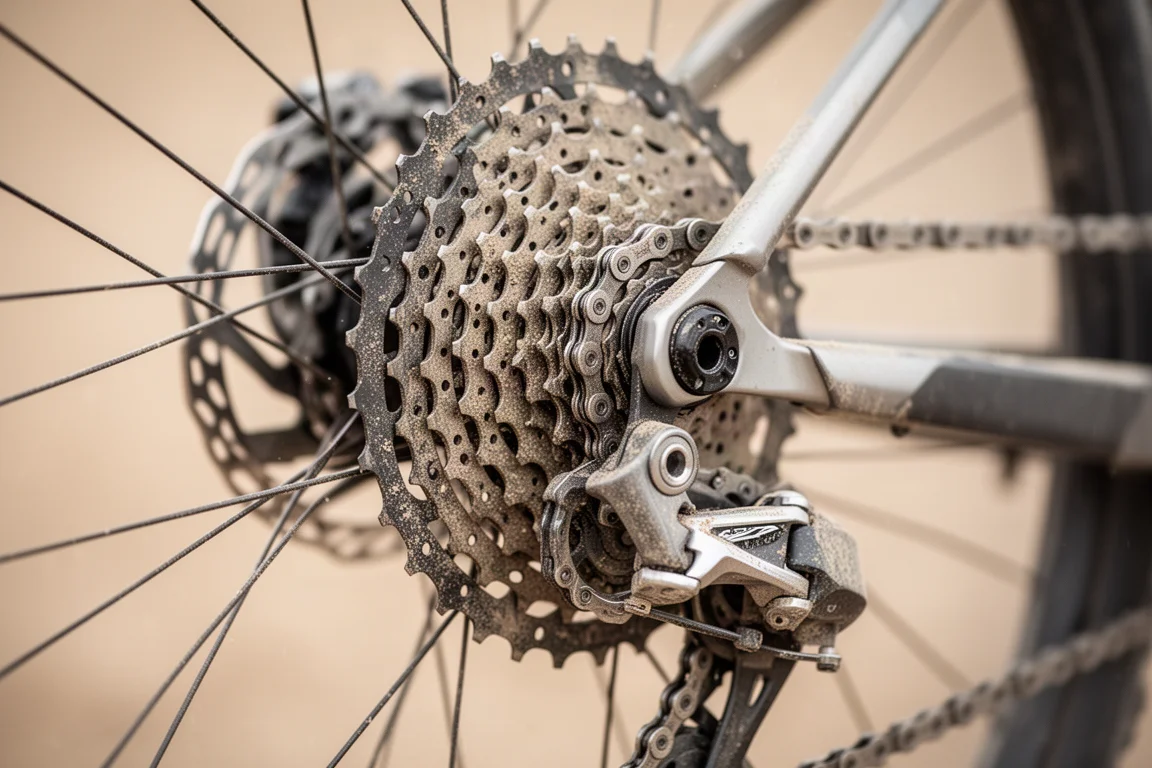
The wide range is the practical part of the story. A 10-44 cassette paired with a 42 tooth ring keeps the bike usable on steep loose climbs and still fast enough on the road sections that link them together.
Wheels and Tires
Wheel choice is one of the biggest decisions on any gravel build, and this one runs deep-section Zipp 303 Firecrest wheels. The interesting comparison is against the cheaper Zipp 303 S wheels, which have been used extensively on other bikes, and the question is whether the extra spend on the Firecrest is justified. The Firecrest rims have a wider internal width, which pairs better with a wide tire and supports a more stable tire profile under cornering.
Tires are 45mm Pirelli gravel tires with a tread pattern derived from the brand’s Scorpion cross-country mountain bike tire. Over two days of dry, dusty conditions they balanced the competing demands of a gravel tire well: they roll quickly on hardpack and hold grip in loose material. Mud performance has not been established, so riders in wetter climates should treat that as an open question.
Comfort and Contact Points
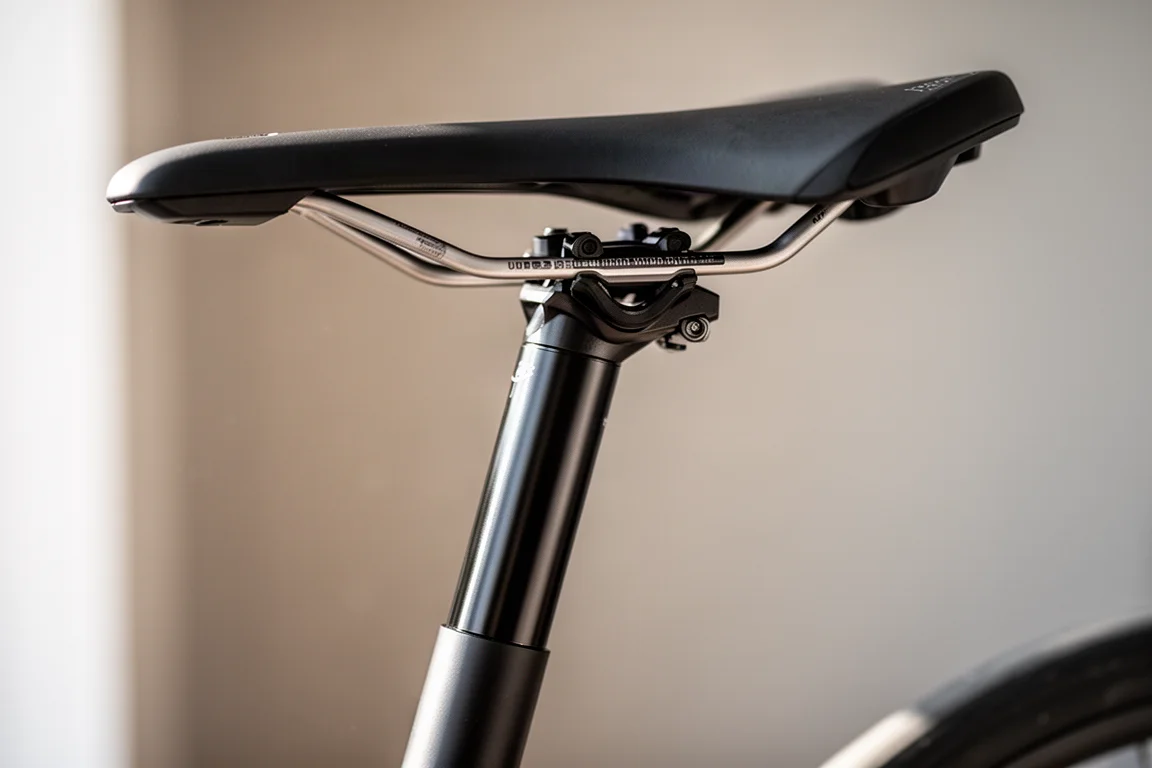
Comfort was an explicit goal of this build, and the most interesting component is the Cane Creek suspension seatpost. It takes the edge off larger impacts without the soft, wallowing feel that cheap suspension posts often introduce. On a rigid post fitted to a frame this stiff, rough trails at speed would put real strain through the lower back, and the suspension post is where that gets managed.
The cockpit is deliberately conventional. A short Zipp stem quickens the steering slightly for twisting singletrack, and the Zipp gravel handlebar uses a 42cm width with a slight flare, a shallow drop, and an ergonomic bend. It is not an extreme, heavily flared bar, which keeps the hoods at a natural angle and avoids the wonky hand position that aggressive flare can create.
The finishing touch is Ergon All-Road bar tape at 3mm thick, which adds noticeable cushioning at the front end and matches the saddle for a coherent look. Combined with the wide tires, it is the layer of the build that quietly does the most work on rough surfaces.
Things to Consider Before Buying
Two practical caveats are worth keeping in mind. First, the complete build weight was never confirmed on a scale, so any figure you see quoted for a similar build should be treated as an estimate rather than a verified number. Second, the tire choice is clearly optimized for dry conditions, and there is no wet-weather data behind it.
Beyond that, this is a build philosophy rather than a specification sheet. The external cable routing, round tubes, and threaded bottom bracket are deliberate choices that favor serviceability and simplicity over a fully hidden, integrated aesthetic. Riders who want the cleanest possible look may not see that as a benefit, but anyone who maintains their own bike almost certainly will.
The deep-section wheels are also worth thinking through honestly. They bring aerodynamic benefit and a wider rim bed, but the comparison against the less expensive option is only worth making if you actually value what the extra money buys. For riders who do not spend long stretches above 30 km/h, the case is harder to make.
Buying Advice
The strongest argument for this bike is versatility that holds up in practice rather than only on paper. On tarmac it is not slow, and off-road it is more capable than a road bike by a wide margin, which means the decision about which bike to take disappears from the equation entirely. Over two days of mixed coastal road, swooping fire roads, and rockier tracks, that flexibility was the defining characteristic.
If you are buying, start from the frame and work outward. The Crux rewards a light, simple build, so prioritize a wide tire and a comfortable front end before spending on aerodynamic upgrades. Choose the drivetrain based on the terrain you actually ride: the 1x Force AXS setup with its 10-44 cassette is well matched to steady fire road climbs and rolling back roads. Wheel choice should follow the same logic, and riders who rarely hold high speed on the road should look closely at the less expensive option before committing to the deeper, more expensive rim.
Conclusion
This Specialized S-Works Crux build succeeds at what it set out to do: it is fast on the road, capable on gravel, and light enough to make long climbs feel less like a chore. It leans toward speed and simplicity rather than outright toughness, and it makes the case that a well-chosen gravel bike can genuinely replace two bikes for a mixed-surface rider.
Plan the build around your terrain, keep the wide tires and the comfortable cockpit, and be honest about whether the aerodynamic wheels are worth the premium for the speeds you actually ride. Do that, and this is a bike that stays rewarding long after the first ride.
Product link
View more details for Specialized S-Works Crux
This product is mentioned in the review. Check the specifications, options, and compatibility before buying.
View more details for Specialized S-Works CruxFurther reading
Related Reviews
Gravel Bikes
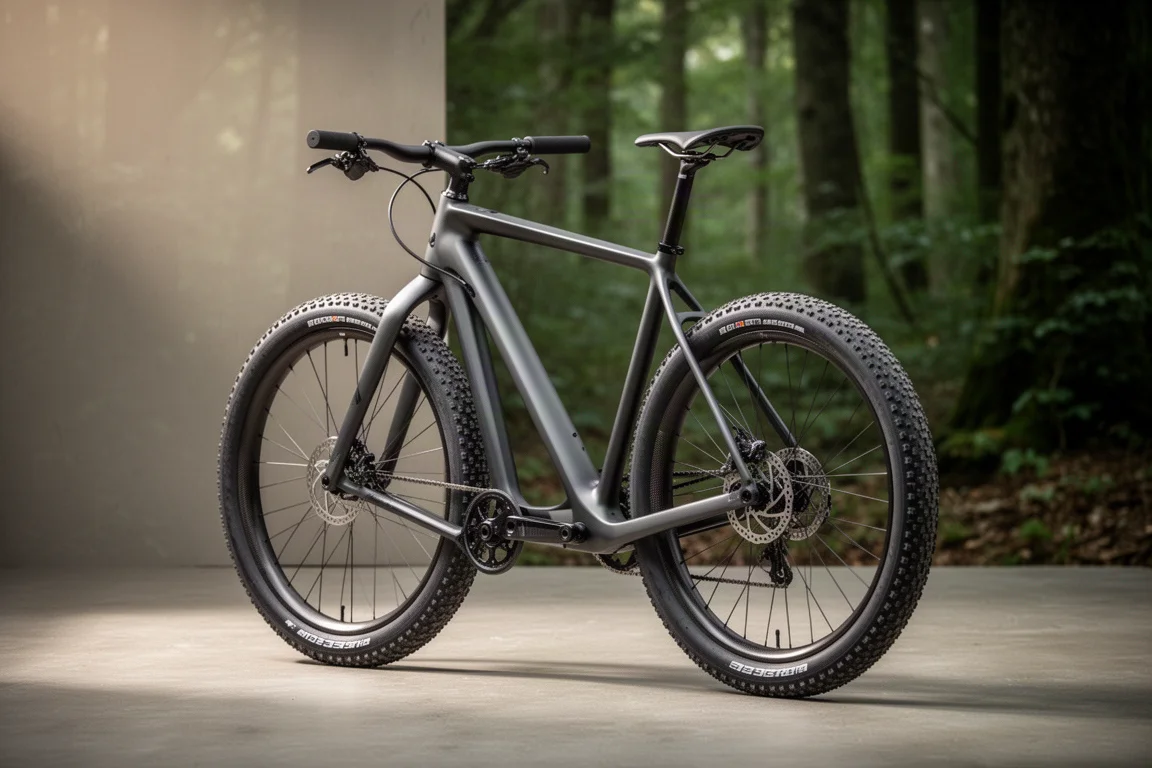
3T Exploro Ultra Review: A Fast Gravel Bike Built for Big Tyres
A close look at the 3T Exploro Ultra, an aero carbon gravel bike designed around wide tyres, with road-like handling, a 980 g frame and genuine rough-terrain capability.
Gravel Bikes
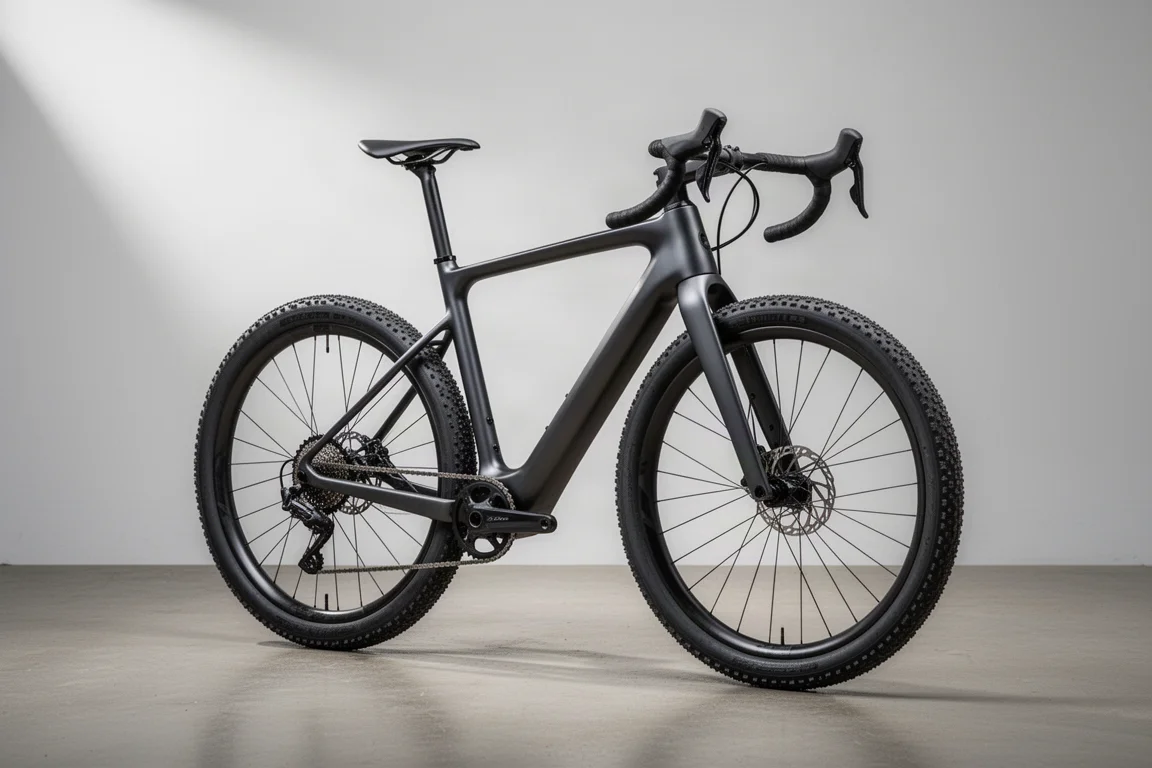
3T Extrema Italia Review: Aero Gravel Speed With Room for 57 mm Tires
The 3T Extrema Italia pairs an aero frame with huge tire clearance, Italian-made carbon and a more comfortable ride than the RaceMax. Here is what to know before buying.
Gravel Bikes
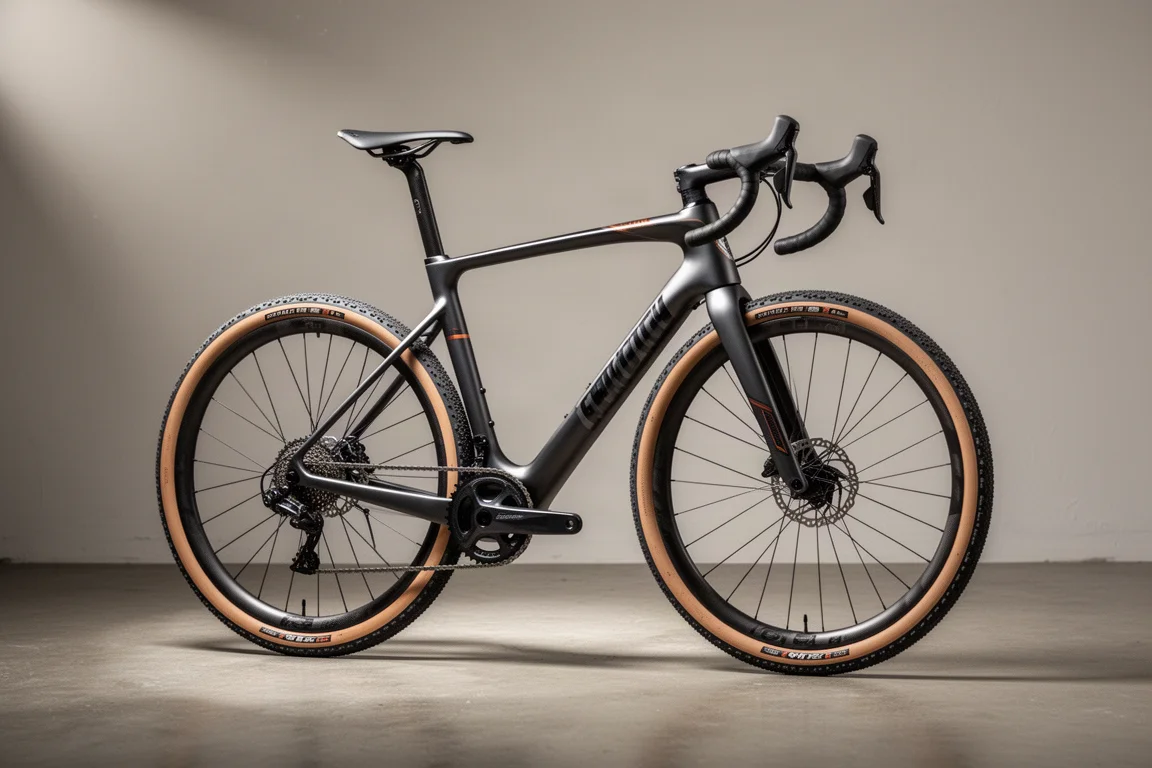
3T Race Max 2 Italia Review: An Aero Gravel Race Bike Made in Italy
A closer look at the second-generation 3T Race Max 2 Italia, covering its aero updates, ride character, tire clearance, internal storage and who it suits.