Gravel Bikes
Specialized S-Works Crux Review: A Race Bike Turned Bikepacking Rig
A lightweight carbon cyclocross race frame loaded with camping gear for three days on the King Alfred's Way. What worked, what did not, and who the Crux suits.
Introduction
The Specialized S-Works Crux has a clear brief. It is a carbon cyclocross race frame, one of the lightest in its class, built for short, fast, technical racing. It was never designed to carry camping gear across southern England. That is exactly what it did over three days and roughly 350 km on the King Alfred’s Way, and the result was more convincing than the bike’s racing pedigree suggests.
A loaded bike is a different test from a race bike. Weight, mounting points, comfort over long hours and mechanical reliability all matter more than outright speed, and the Crux had to answer for all of it.
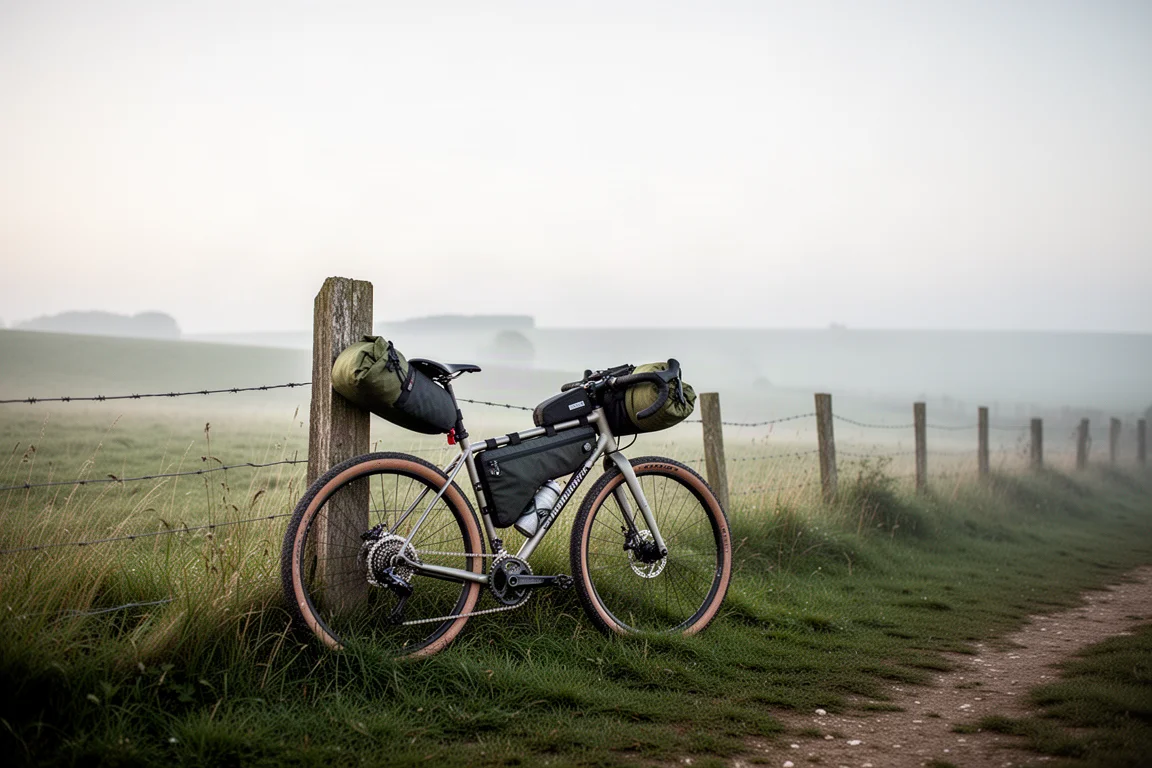
This review covers what the Crux is like when it is loaded, which parts of the setup earned their place, where the bike’s limits showed up, and who should consider it as a do-everything drop-bar option.
Who This Bike Is For
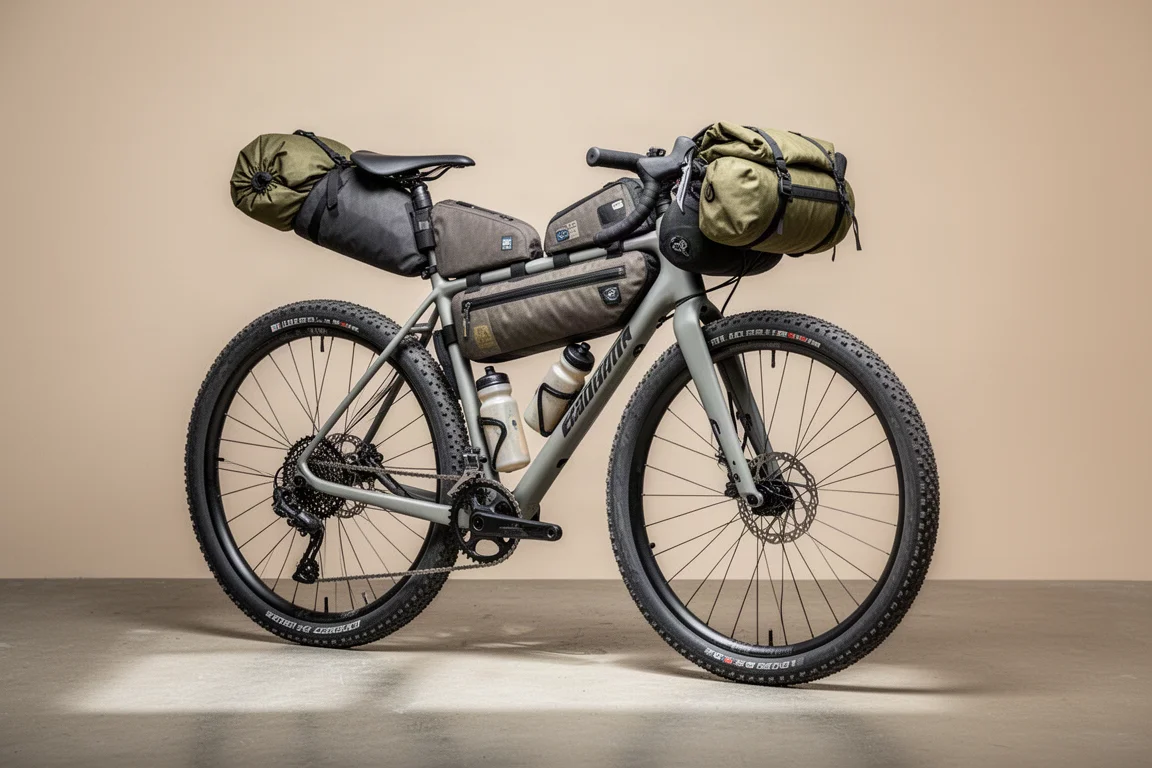
The Crux suits riders who want one frame to cover a lot of ground: cyclocross racing, gravel racing, road riding with slick tyres, and occasional multi-day trips. The frame weighs a claimed 725 g, which gives a very light starting point before any bags go on, and the complete build here came to just over 18 kg with two full water bottles.
It is not the obvious pick for someone whose main goal is loaded touring. The frame carries a modest number of bag and bottle mounts, and the geometry is racier than a dedicated adventure bike. Riders who plan to carry weight most weekends will likely be better served by a platform designed around that from the start.
Main Strengths
The first surprise is how smooth a stiff carbon race frame can feel once it is loaded and running wide tyres. With 45 mm tyres at low pressure, the Crux gave very little away to the steel bike used on the same route three years earlier. Hard-packed, sun-baked trails and long gravel sections were dispatched without the harshness the frame’s racing reputation might suggest.
The drivetrain is a SRAM Force AXS setup with a 42-tooth chainring and a 10-44 cassette. It covered the terrain with enough range for most of the route, and the battery lasted the full three days without charging. The chain was treated with Silca Synergetic on the morning of day one and was not touched again, still running quietly at the end of the trip.
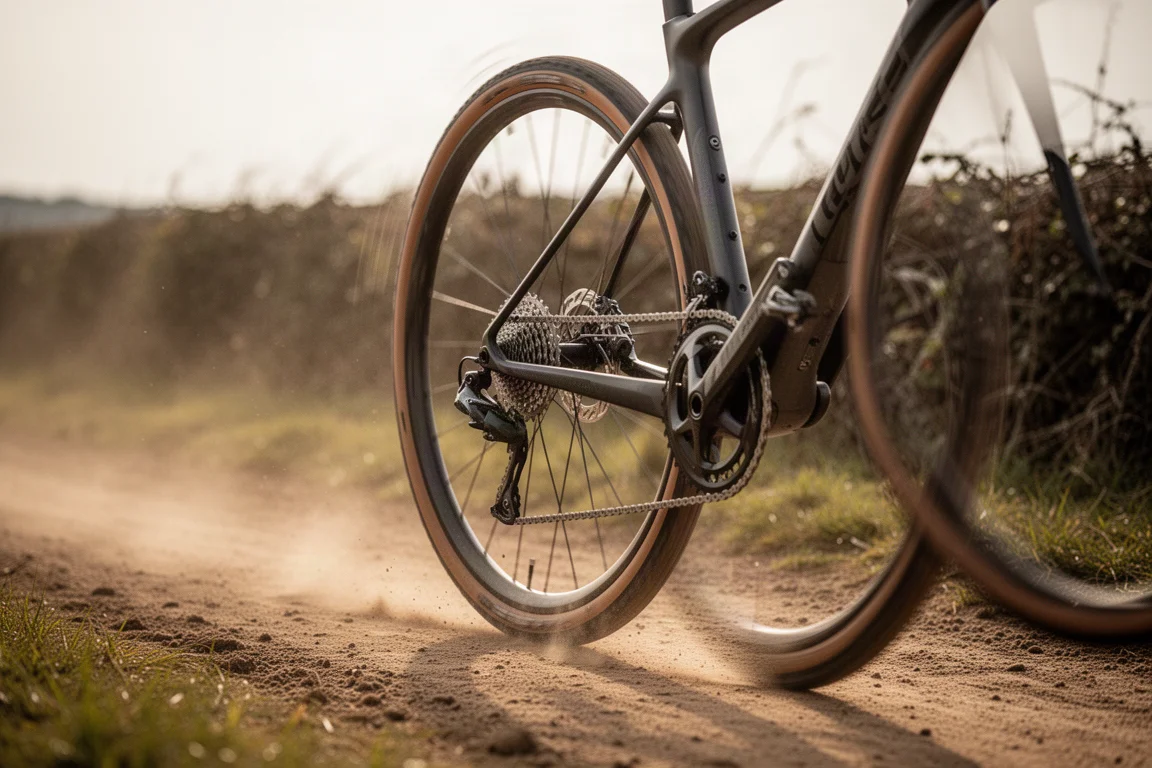
Wheels and tyres held up well. The Zipp 303 Firecrest wheels are more aerodynamic than a slow, loaded trip needs, but they demonstrated how tough a modern carbon rim can be over rocky ground. The WTB Vulpine 45 tyres, standard tread up front and the smoother-centred version at the rear, coped with dry and dusty conditions and finished the trip without a single puncture. There were no mechanicals of any kind.
Up front, a flared drop handlebar on a 90 mm stem, a bell for shared-use trails and a light bracket for evening rides rounded out the cockpit. The Garmin Edge 1050 handled navigation, power and heart rate for all three days on a single charge, finishing with roughly 20 percent battery remaining and an estimated nine hours of runtime. Not having to think about charging a computer mid-trip is a genuine quality-of-life gain.
Comfort items also earned their place. The Cane Creek eeSilk suspension seatpost offers only a small amount of travel, but it was enough to soften the bigger potholes and rock strikes, and the Ergon Allroad Core saddle, with its broad shape and vibration-damping material, stayed comfortable across full days in the saddle.
The Bikepacking Setup
The load was deliberately minimal for three days. At the rear, a Tailfin rack system bolts to the frame through the axle rather than strapping around the seatpost. That design keeps the bag locked in place with no sway, spreads the load into the frame, and makes the roll-top bag easy to open and repack on the move. A rear light and a second Tailfin bag went onto the additional mounts on the same cargo system.
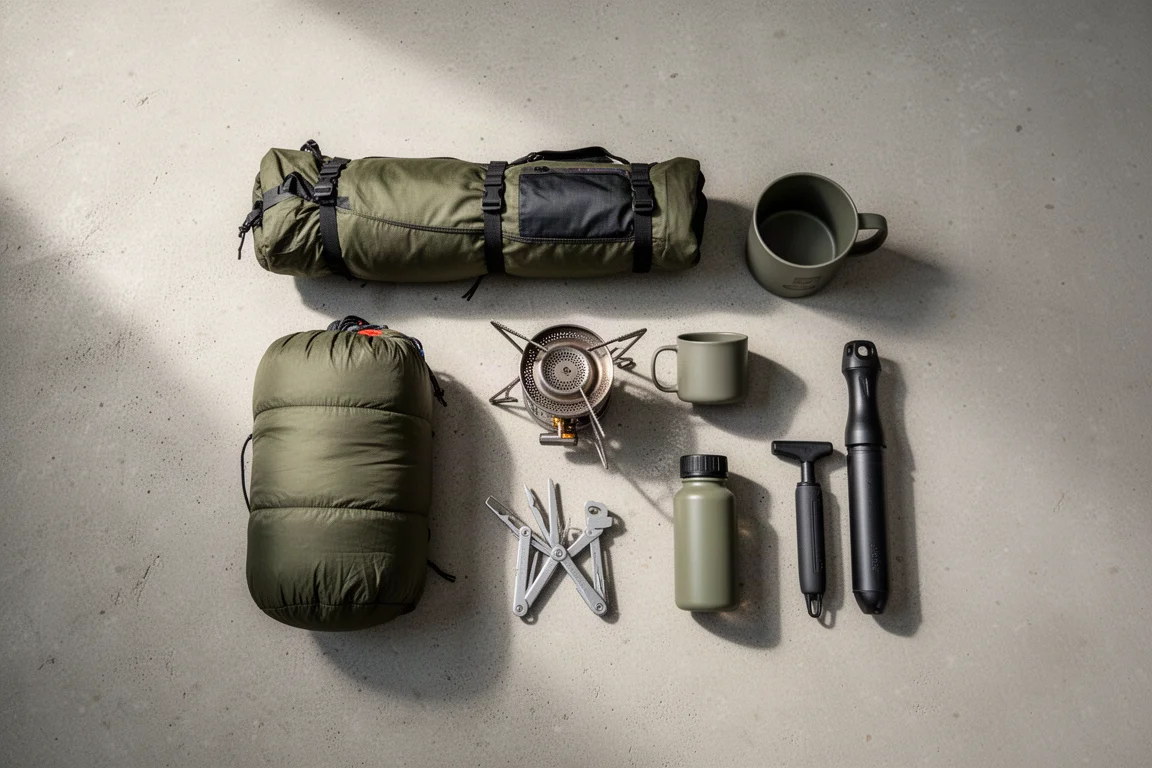
Inside the frame triangle sat an older Rapha frame pack, held with Velcro straps and fitting the Crux closely enough that it never shifted. It carried food, snacks, charging cables, a battery bank, a multi-tool, spare tubes and a Silca gravel pump, with two bottles in the cages. A handlebar bag took the bulk of the sleeping and camping kit up front, along with spare riding clothing, off-bike layers, a camping stove and a mug.
The whole system came through without a creak, a squeak or anything working loose, which says as much about the frame as it does about the bags.
Things to Consider Before Buying
Gearing is the first thing to think about. The 42-tooth chainring and 10-44 cassette covered most of the route, but there were moments where a 46-tooth cassette or a wider 10-52 range would have been welcome on the steeper, looser climbs. If loaded trips are a regular plan, gearing is worth planning around.
Tyre choice matters more than it might seem. The 45 mm Vulpine pair was excellent on dry, dusty surfaces, but several rocky, looser sections would have been easier with a chunkier tread pattern. Riders who expect a lot of loose or rocky ground should plan accordingly.
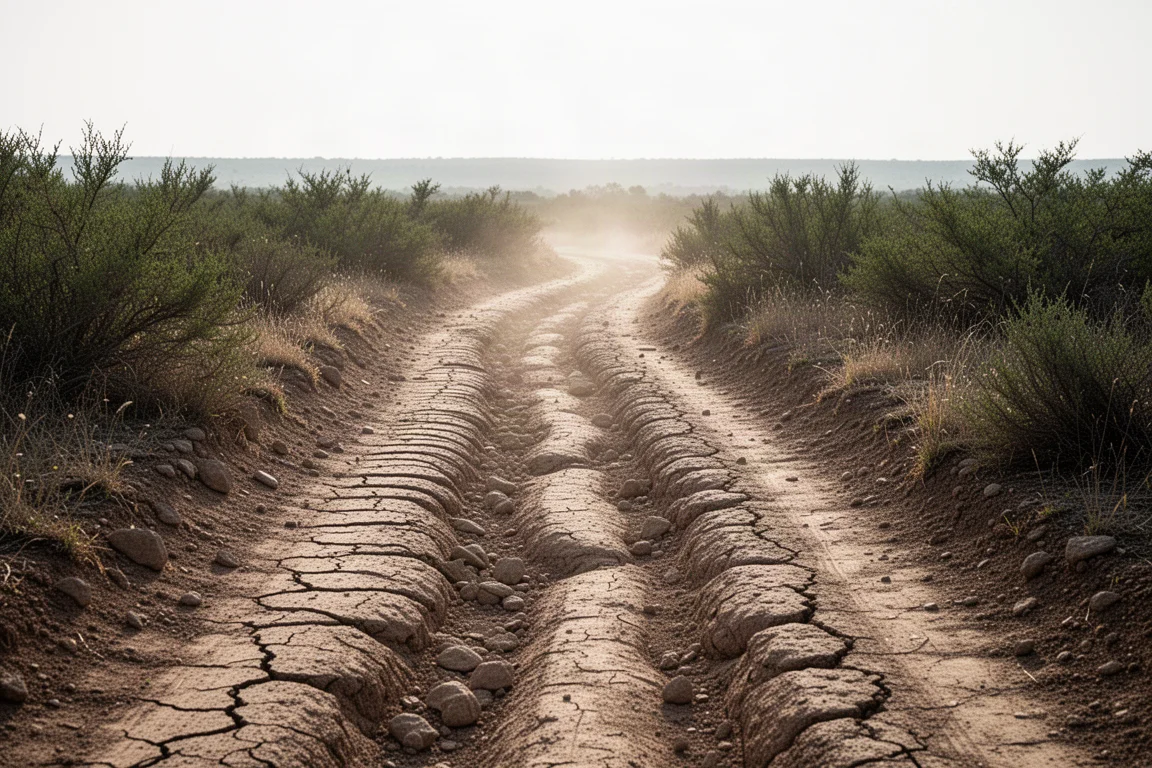
Comfort is the other consideration. The suspension seatpost and the Allroad Core saddle made a real difference, and a suspension stem would be the next addition for routes with long stretches of rough, sun-baked dirt. Some sections of this route rode like corrugated concrete, and a slacker, longer, mountain-bike-inspired gravel frame would likely feel calmer over that kind of surface. The Specialized Diverge is the more natural bikepacking platform in the same range, with suspension under the stem, down tube storage and a larger number of frame and fork mounts.
Buying Advice
If the goal is one bike that races cyclocross, races gravel, rides road on slicks and can be loaded for a long weekend, the Crux makes a strong case. The frame is light, the ride quality holds up under load, and the platform proved reliable over three hard days. Budget for the extras that made the trip work: a through-axle rack system, a frame pack that fits the triangle closely, a suspension seatpost and a saddle designed for long days. Those items do more for loaded comfort than any change to the frame.
If loaded touring is the priority rather than an occasional adventure, a bike built for it will be easier to live with, with more mounts, suspension and storage designed in from the start. The Crux can do the job, but it asks the rider to work within a racier frame.
Riders should also plan gearing around the terrain they expect. A wider cassette range is a modest upgrade compared with changing frames, and it makes a bigger difference on steep, loose climbs than almost anything else.
Conclusion
The Crux is not a bikepacking bike, and it does not pretend to be one. What it is, is a very light race frame that turned out to be far more capable under load than its geometry and mount count suggest. Three days and 350 km on the King Alfred’s Way produced no punctures, no mechanicals and no regrets about the choice, and the same frame will still race cyclocross, race gravel and ride road on slick tyres. For riders who value that breadth, it is a compelling package.
Product link
View more details for Specialized S-Works Crux
This product is mentioned in the review. Check the specifications, options, and compatibility before buying.
View more details for Specialized S-Works CruxFurther reading
Related Reviews
Gravel Bikes
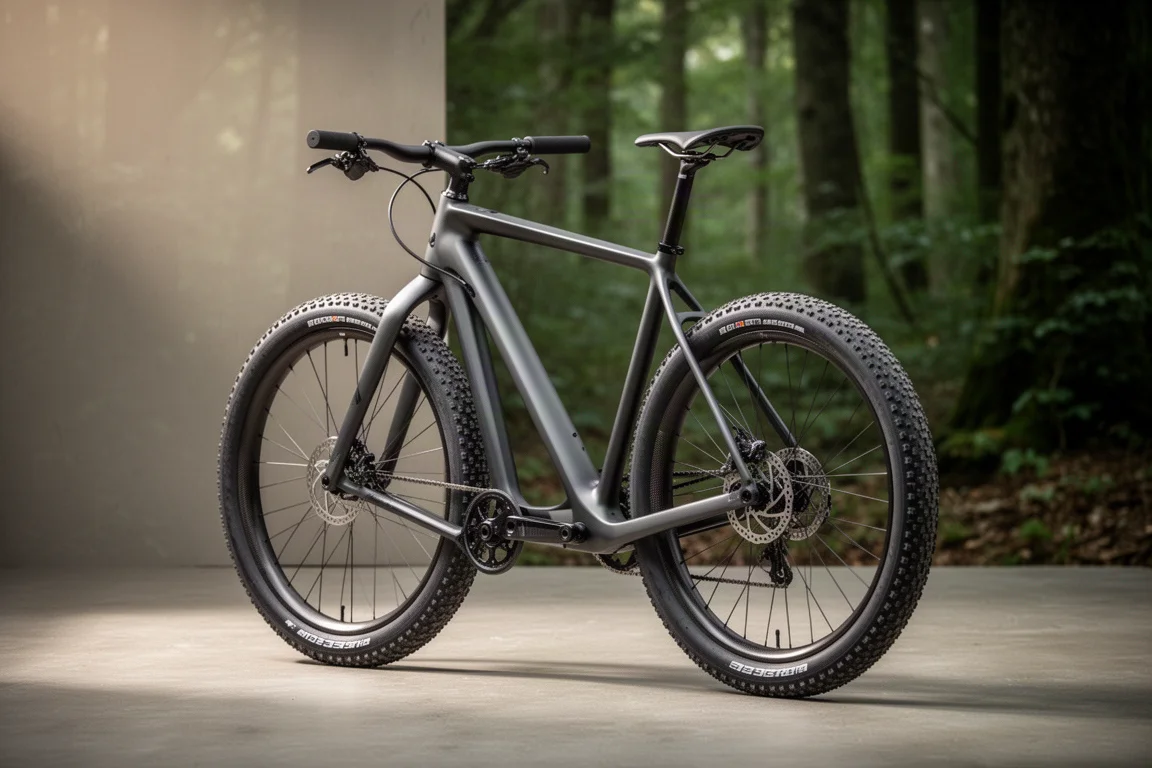
3T Exploro Ultra Review: A Fast Gravel Bike Built for Big Tyres
A close look at the 3T Exploro Ultra, an aero carbon gravel bike designed around wide tyres, with road-like handling, a 980 g frame and genuine rough-terrain capability.
Gravel Bikes
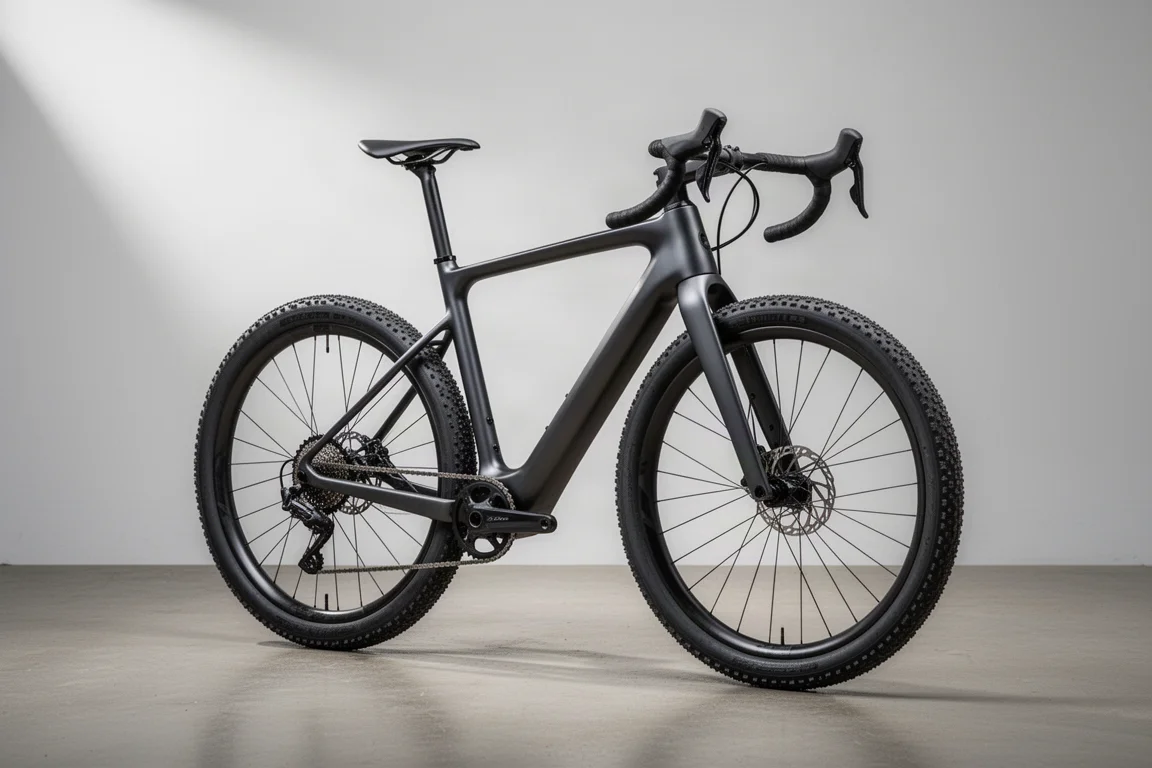
3T Extrema Italia Review: Aero Gravel Speed With Room for 57 mm Tires
The 3T Extrema Italia pairs an aero frame with huge tire clearance, Italian-made carbon and a more comfortable ride than the RaceMax. Here is what to know before buying.
Gravel Bikes
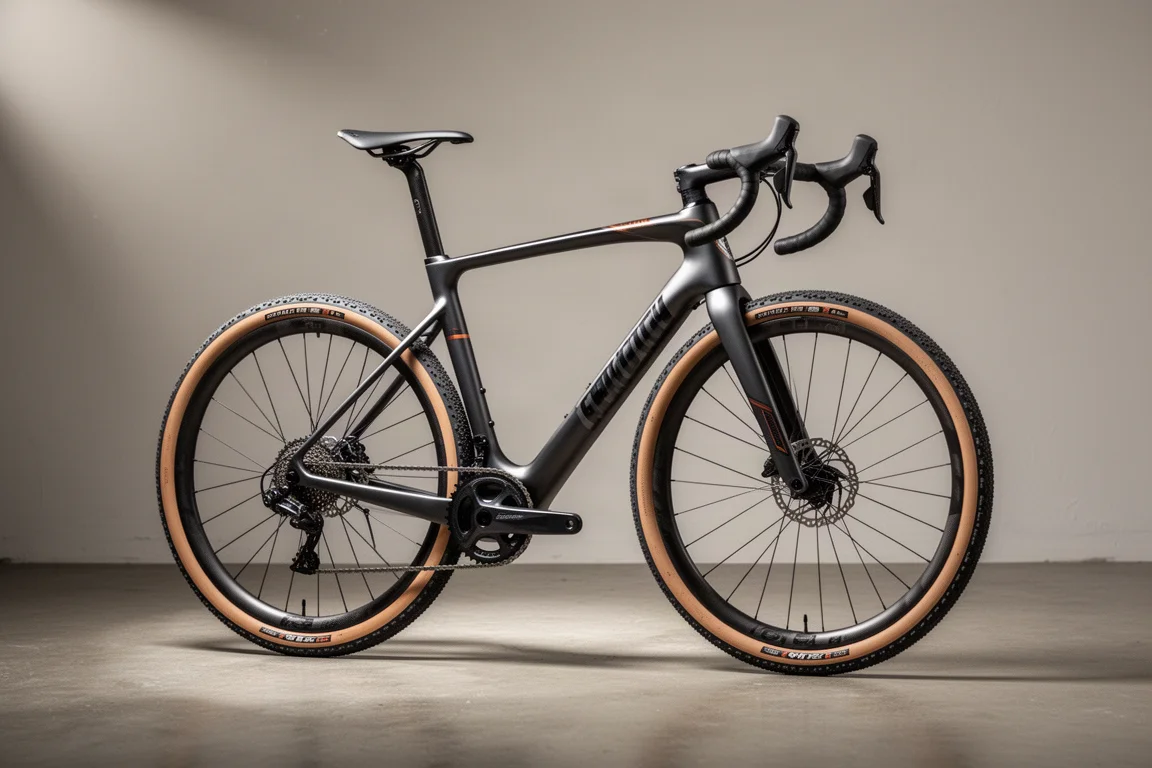
3T Race Max 2 Italia Review: An Aero Gravel Race Bike Made in Italy
A closer look at the second-generation 3T Race Max 2 Italia, covering its aero updates, ride character, tire clearance, internal storage and who it suits.