Gravel Bikes
Specialized S-Works Crux Review: Three Days of Bike Packing on a Carbon Race Bike
A lightweight carbon cyclocross frame loaded with camping gear for 350 km of English gravel, with honest notes on comfort, gearing, battery life, and where a dedicated adventure bike still wins.
Introduction
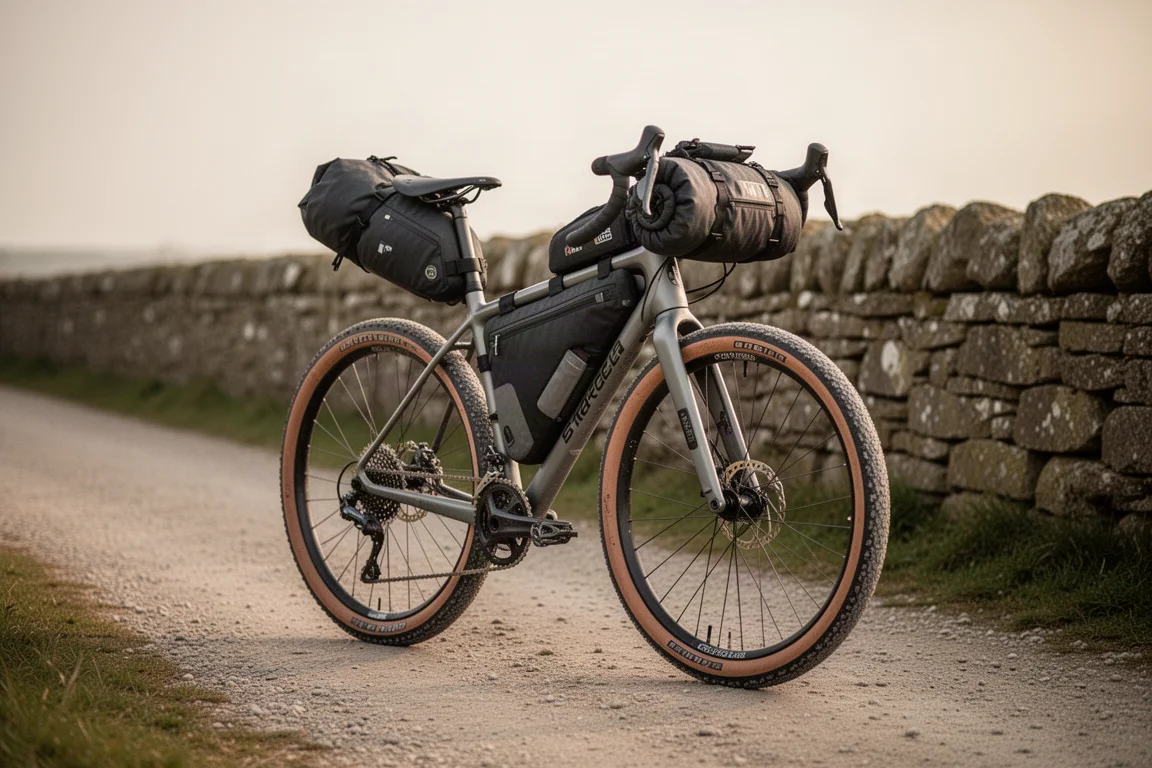
Some bikes are obvious bike packing platforms: steel tourers, gravel bikes covered in rack mounts, frames built to shrug off weight. The Specialized S-Works Crux is the opposite. It is a carbon cyclocross race frame with a claimed 725 g frame weight, bought as a race bike and ridden here as a gravel bike, and it carries far fewer mounting points than most riders would look for in a loaded setup.
That did not stop it from completing a 350 km, three-day loop around the south of England on the King Alfred’s Way, a route ridden three years earlier on a steel Fairlight. The approach was deliberately minimal: a rear rack system bolted through the axle, a frame bag, and a bar bag holding camping gear, clothing, food, and tools.
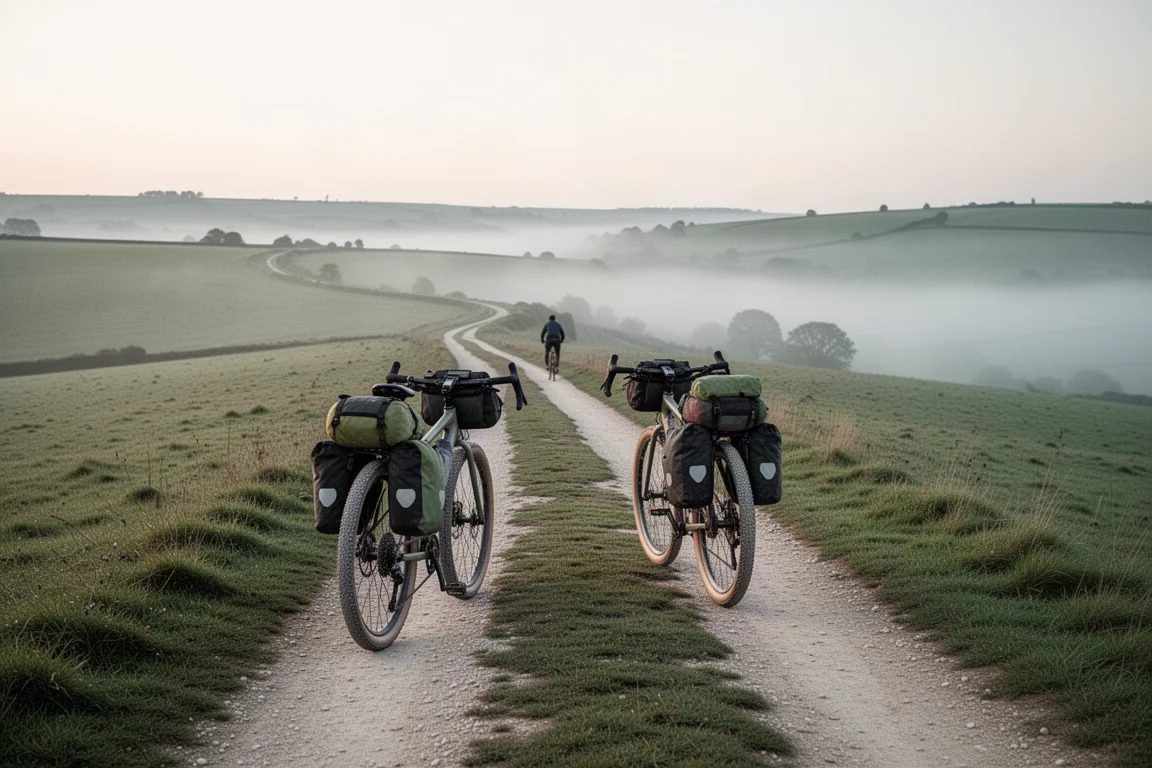
Fully loaded with two water bottles, the complete bike weighed just over 18 kg, which is light for a bike packing rig and a large part of why the experiment worked so well. What follows is a practical look at how the Crux behaved as a loaded tourer, what the build included, and where a purpose-built gravel bike still makes more sense.
Who this product is for
This review is aimed at riders who already own a fast gravel or cyclocross bike and are wondering whether they genuinely need a second, dedicated bike packing machine. On this evidence, many of them do not.
The Crux suits riders who put low weight and a lively ride first, who travel light, and who are comfortable working within a small number of mounting points. A three-day trip with a tent, a sleeping bag, and a couple of changes of clothes fitted into a rear rack bag, a frame bag, and a bar bag without anything being strapped on awkwardly.
It is a less natural choice for riders carrying heavy loads, cooking for a group, or planning longer expeditions where extra mounts and storage capacity matter more than weight. Anyone who wants suspension, down tube storage, and a frame covered in fittings is shopping in a different part of the market.
Main strengths
What stands out after three days of loaded riding is not any single component but how little the Crux gave away to a steel touring bike. The frame stayed quiet, nothing came loose, and the ride quality over rough ground was better than the race geometry suggests.
A lightweight carbon frame that carries a load well
At a claimed 725 g, the frame is an unusually light starting point for a bike packing build, and that lightness shows in how the finished bike rides. With camping gear, clothing, food, and two full water bottles on board, the total came in at just over 18 kg.
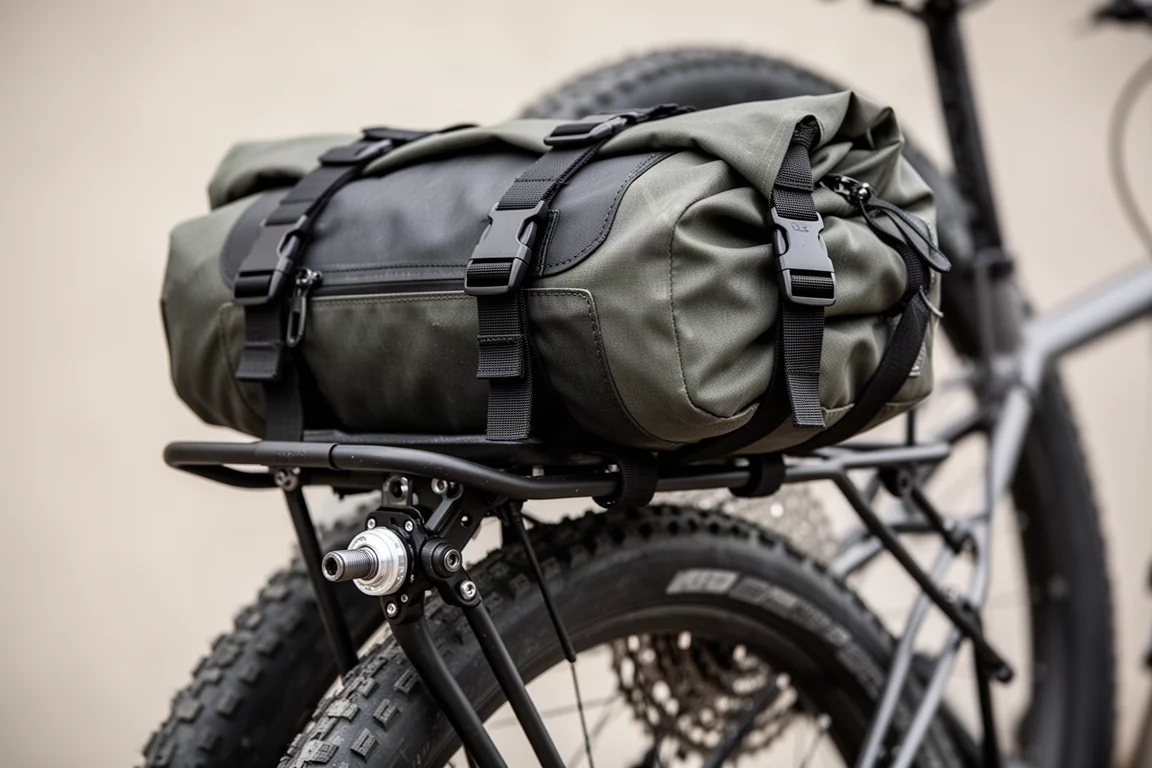
The rear load was carried by a Tailfin rack that bolts through the rear axle rather than strapping around the seat post. That approach keeps the bag locked in place with no sway, takes the weight off the bag itself, and makes a roll-top main compartment easy to open and repack during the day. A second bag was strapped to the cargo system, with a rear light mounted on the extra fittings.
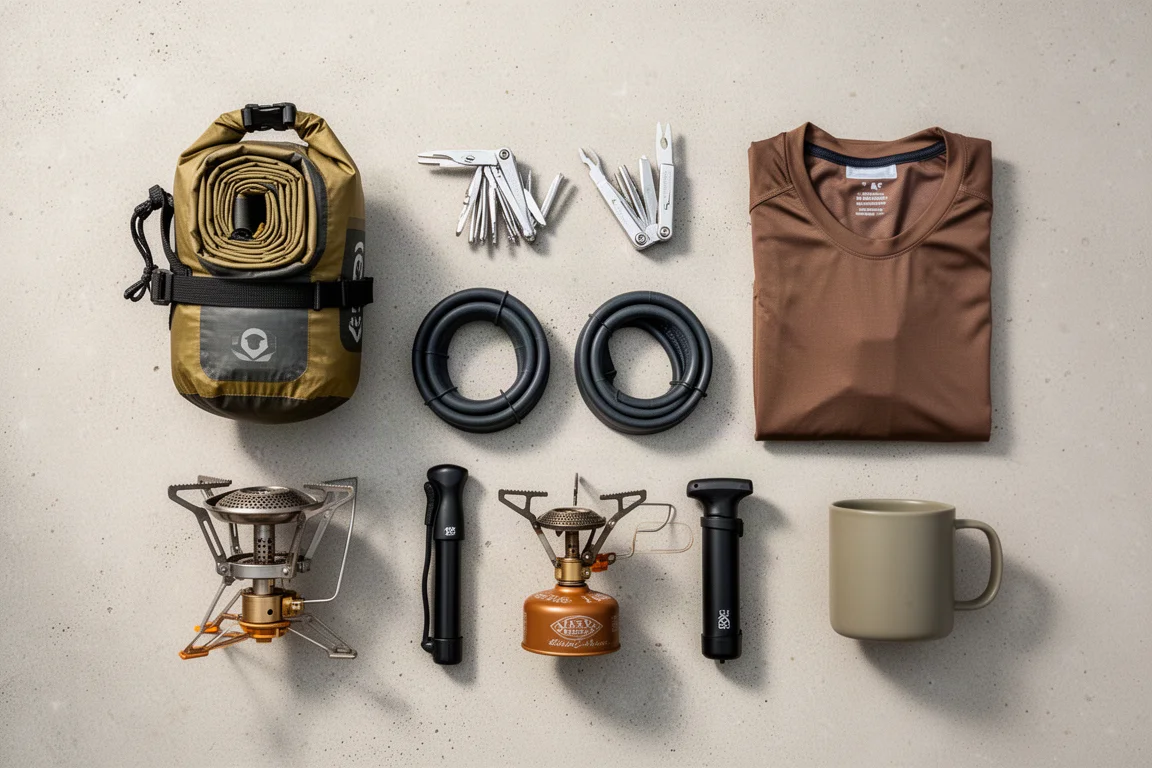
A frame bag held food, snacks, charging cables, a battery bank, a multi-tool, spare tubes, and a pump, while a bar bag up front carried a lightweight tent, sleeping bag, and smaller items. Nothing shifted or worked loose, and there were no creaks or squeaks across the whole route.
Comfort on rough terrain
Comfort came from three sources. Tyre volume was the first: 45 mm WTB Vulpine tyres run at low pressure, with the standard tread pattern on the front and the smoother-centred version on the rear. The second was a Cane Creek eeSilk suspension seat post, which offers modest travel but enough to take the edge off larger potholes and rocks and to help a back survive three consecutive days in the saddle. The third was an Ergon Allroad Core saddle, broad across the top with a vibration-damping material that adds comfort without altering the shape.
Together they worked well. The Crux felt composed and surprisingly smooth on rough surfaces, and the ride quality came closer to the steel Fairlight used on the same route three years earlier than the frame’s racing intentions would suggest. The Zipp 303 Firecrest wheels were far more than the route demanded, since speed was never the priority, but they showed how much abuse carbon wheels can take, shrugging off rocky, loose sections and hard-baked dirt without complaint.
Gearing, drivetrain, and battery life
The build ran a SRAM Force groupset with a 42-tooth chainring and a 10-44 cassette, which covered most of the terrain. A handful of climbs would have been easier with a wider range at the back, such as a 46-tooth cassette, but gearing was rarely the limiting factor on a loaded trip.
Battery life was a non-issue in two places. The derailleur battery lasted the full three days without a charge, and the chain, lubricated with Silca Synergetic before setting off, ran quietly for the entire route without being touched again.
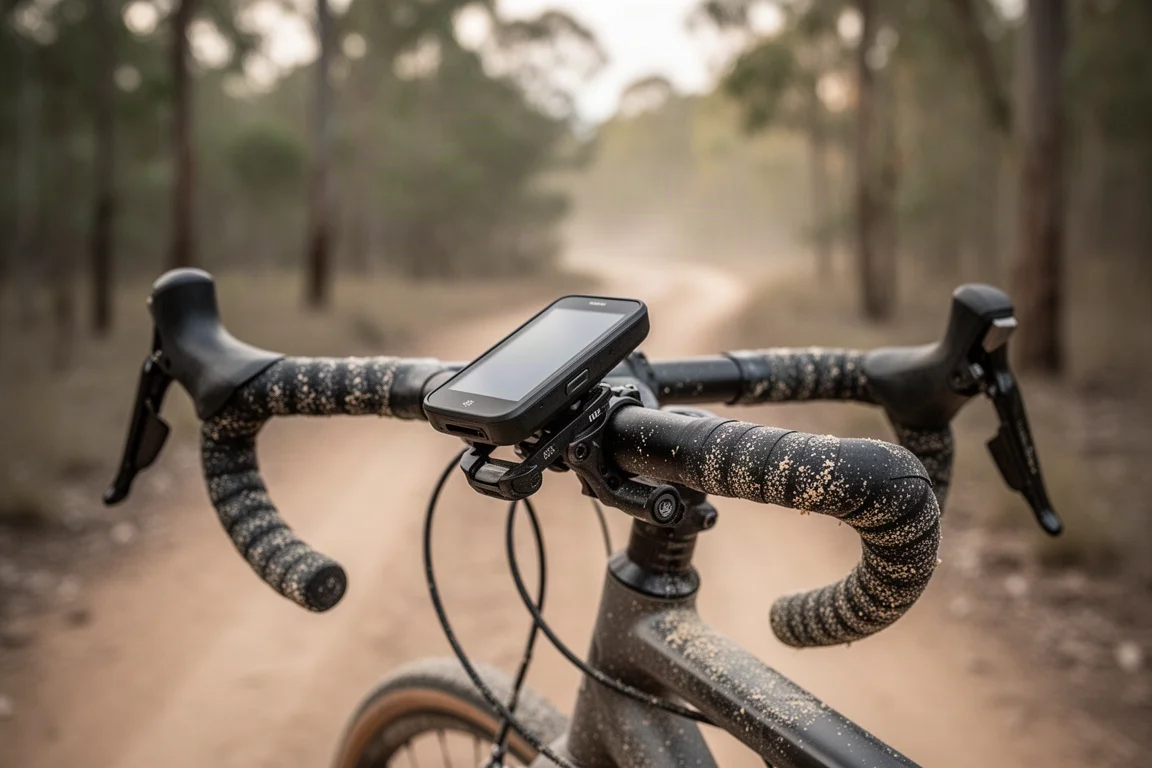
Navigation and recording were handled by a Garmin Edge 1050 running full navigation, a power meter, and a heart rate sensor for all three days. It was never charged during the trip and finished with roughly 20 percent battery remaining and an estimated nine hours of runtime left, which is the kind of margin that removes one more thing to think about on a multi-day ride.
Things to consider before buying
The main caveat is not the bike but the surface. Parts of the route were extremely rough, and hot weather had baked the dirt hard enough that some sections felt like riding corrugated concrete. The Crux coped, and 45 mm tyres at low pressure did a lot of the work, but a suspension stem would be a sensible addition for a repeat trip over the same kind of ground.
Riders who expect to spend most of their time on loose, rocky trails may also prefer the slacker, longer geometry found on mountain-bike-inspired gravel bikes, which tends to feel easier and smoother when the terrain turns technical. The Crux is quick and efficient, but that efficiency is tuned for racing rather than for absorbing rough ground.
Mounting points are the other limitation. There are fewer mounts for bags and bottles than on a dedicated adventure bike, so this setup relied on an axle-mounted rack system and carefully chosen bags to make everything fit. For a three-day trip with light gear that was more than enough. For a longer expedition or a heavier load it would become the deciding factor. Specialized’s own Diverge is the more natural bike packing option in the range, with suspension built into the front end, down tube storage, and more mounts on the frame and fork, along with geometry that arguably suits gravel and bike packing better.
Buying advice
The Crux makes the most sense for riders who already own one, or who want a single fast bike that can race cyclocross and gravel, run road tyres, and still handle a light three-day bike packing trip. The claimed 725 g frame and the just-over-18 kg loaded weight show how much a light platform can offset a modest bag setup.
For that rider, the value is in versatility rather than in any bike packing specific feature. There is no need to buy a second bike for a short trip when the route is reasonably tame and the gear is kept light.
If loaded touring is the main goal rather than an occasional experiment, the money is better spent on a platform designed for it: more mounts, clearance for bigger tyres, and suspension or a suspension stem to soften rough ground. A dedicated gravel or adventure bike will be heavier, but it will also be less compromised once the bags are full.
Either way, the practical lesson from three days on the King Alfred’s Way is that bag choice and tyre pressure matter as much as the frame. A rack that bolts through the rear axle, wide tyres run soft, and a suspension seat post did more for comfort than any change to the frame would have.
Conclusion
The Specialized S-Works Crux is not a bike packing bike, and three days and 350 km did not turn it into one. What the trip showed is how far a light carbon race frame can be pushed outside its intended use when the load is kept sensible and the route is chosen with care.
It carried the weight, stayed quiet, and delivered ride quality that came close to a steel touring bike on the same route. The compromises are real: fewer mounts, no suspension, and geometry built for speed rather than for rough ground. For riders who want one bike that can race and tour, that is a reasonable trade. For riders who mainly tour, it is the wrong starting point. The King Alfred’s Way itself is a genuinely enjoyable three-day route, and it can be ridden faster or stretched over four or five days depending on pace and ability, which makes it a good first test of any bike set up this way.
Product link
View more details for Specialized S-Works Crux
This product is mentioned in the review. Check the specifications, options, and compatibility before buying.
View more details for Specialized S-Works CruxFurther reading
Related Reviews
Gravel Bikes
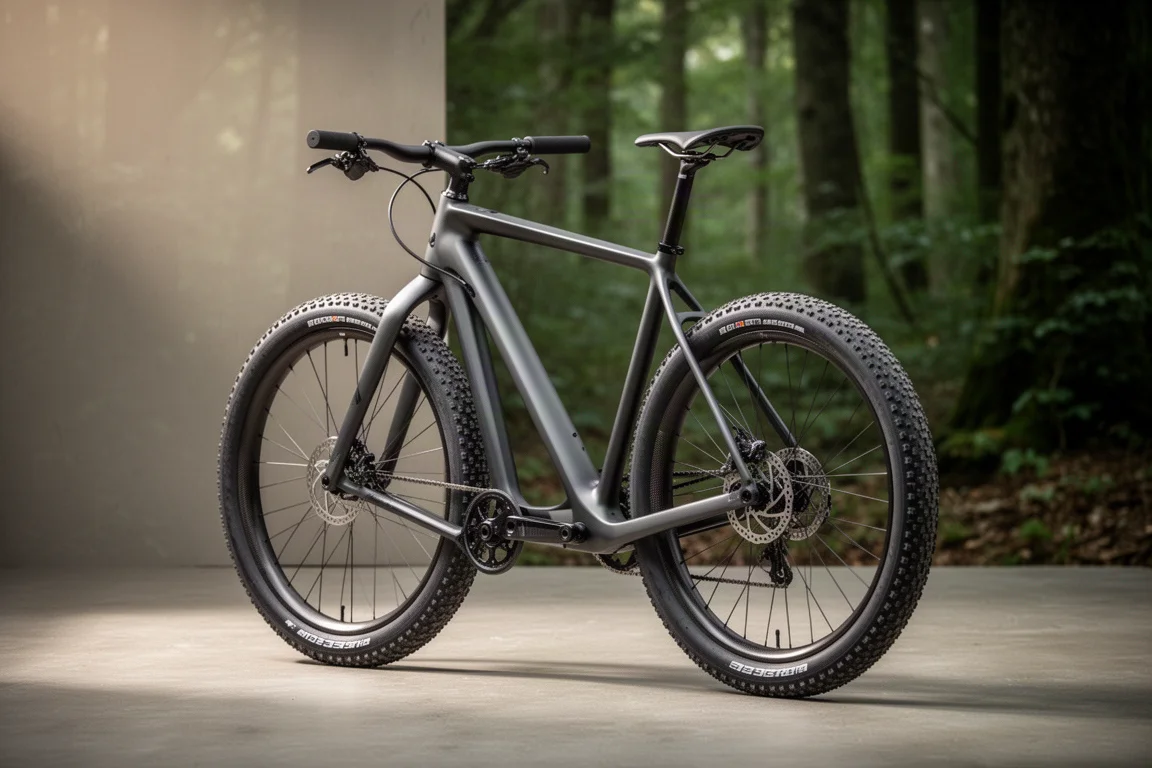
3T Exploro Ultra Review: A Fast Gravel Bike Built for Big Tyres
A close look at the 3T Exploro Ultra, an aero carbon gravel bike designed around wide tyres, with road-like handling, a 980 g frame and genuine rough-terrain capability.
Gravel Bikes
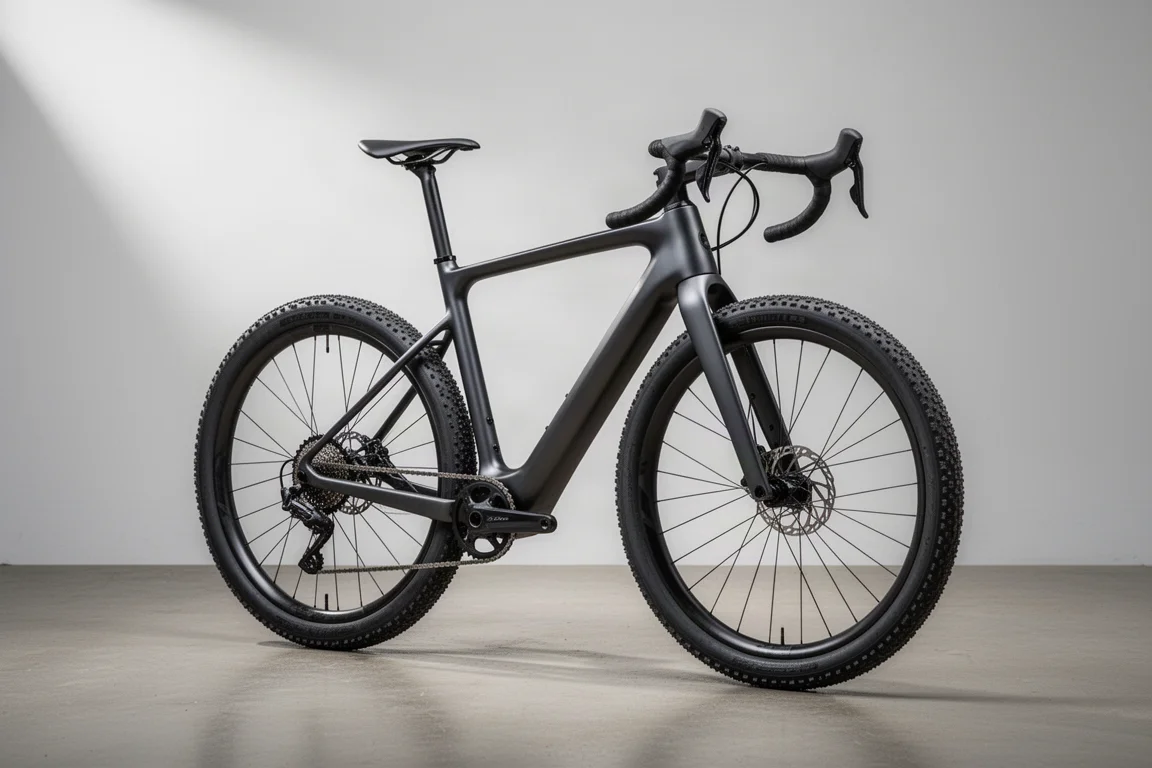
3T Extrema Italia Review: Aero Gravel Speed With Room for 57 mm Tires
The 3T Extrema Italia pairs an aero frame with huge tire clearance, Italian-made carbon and a more comfortable ride than the RaceMax. Here is what to know before buying.
Gravel Bikes
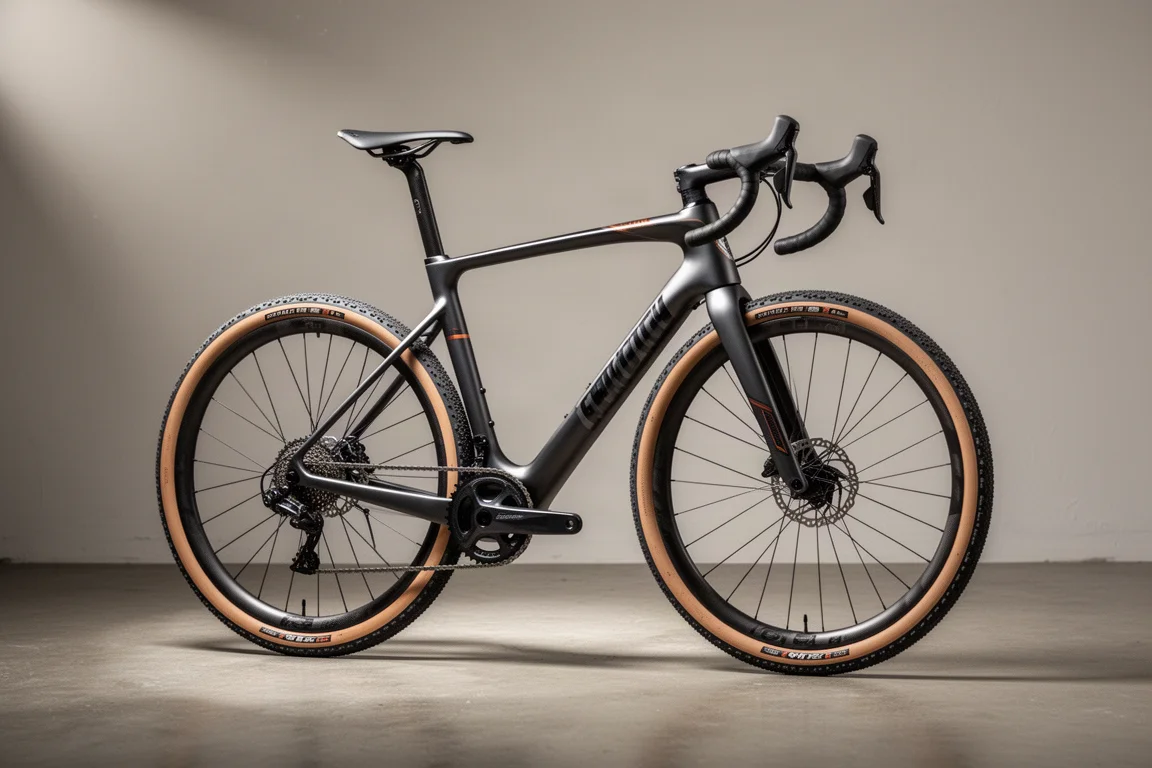
3T Race Max 2 Italia Review: An Aero Gravel Race Bike Made in Italy
A closer look at the second-generation 3T Race Max 2 Italia, covering its aero updates, ride character, tire clearance, internal storage and who it suits.