Gravel Bikes
Specialized Diverge STR Expert Review: A Remarkably Smooth Gravel Bike With Real Setup Demands
The Specialized Diverge STR Expert pairs front and rear Future Shock suspension with genuine gravel versatility, but the rear system asks for patience and the build is not generous for the price.
Introduction
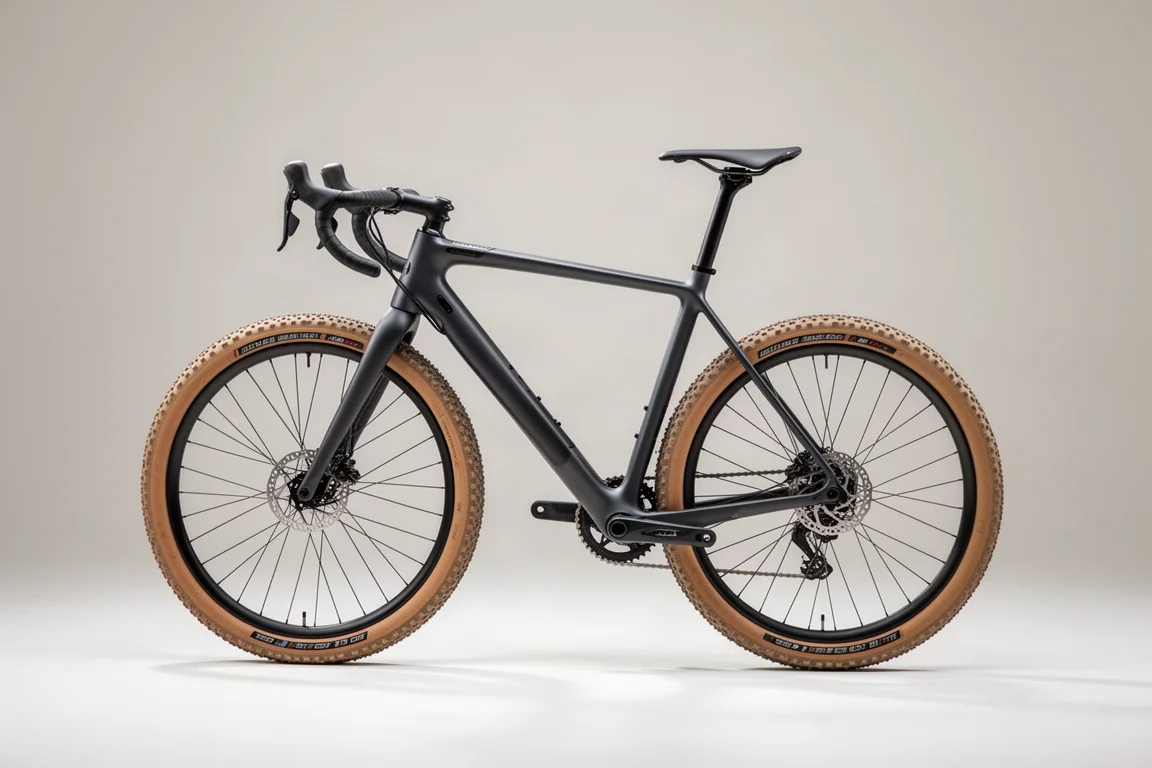
The Specialized Diverge STR Expert takes the ride quality and versatility that made the previous generation Diverge so appealing and adds something genuinely unusual: a rear suspension system that suspends the rider rather than the wheels. It is an effective piece of engineering, and it also makes this one of the more demanding gravel bikes to live with.
Up front, the long-running Future Shock sits between the stem and the head tube and softens the input reaching the rider’s hands. At the rear, Future Shock Rear turns the seat tube into a long flexible mast that moves up to 30 millimeters rearward, with a hydraulic damper controlling the motion.
That combination is what makes the Diverge STR feel unlike almost anything else on gravel. It is also why the bike rewards a patient owner. The rear system needs real setup work before it behaves at its best, and the component build on this entry STR model is not especially competitive for the money.
Who This Bike Is For
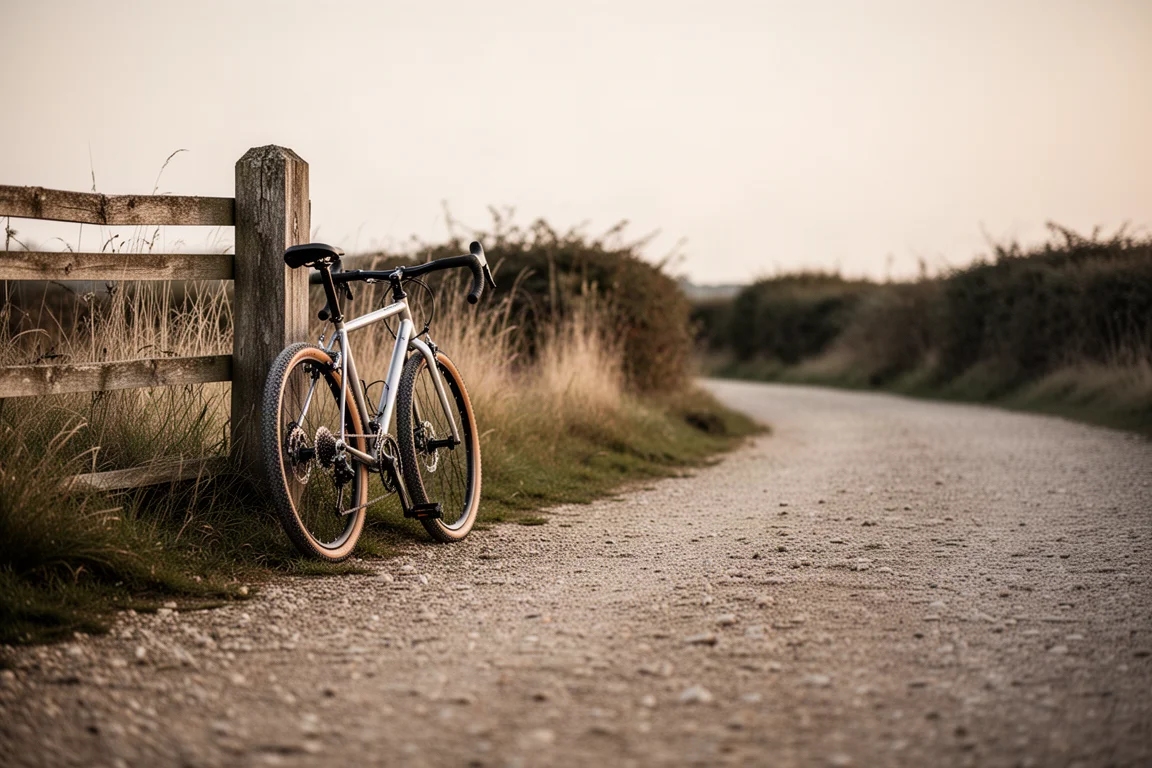
This is a bike for riders who value seated comfort on rough surfaces above almost everything else. It suits anyone who spends long hours on fast, chattery gravel roads and wants to stay in the saddle rather than being bounced out of it, and it is equally at home on gentle bike path cruising as it is under a rider pushing hard on a spicy group ride.
The frame clears 650b tyres up to 2.1 inches wide and carries mounts for mudguards, snack packs and front pannier racks, so it can be configured for commuting, bikepacking or fast day rides without compromise.
Riders who want a simple, light, no-nonsense gravel bike may find the Diverge STR overly complicated. Those who enjoy tuning a bike and are curious about different approaches to comfort will find far more to like.
Ride Quality and the Future Shock Rear System
The mechanical idea behind Future Shock Rear is straightforward once you see it. A conventional seat post slots into a flexible frame post that is clamped low down on the frame and designed to flex rearward. That frame post connects to a hydraulic damper integrated into the top tube through a slim aluminium strut. The damper tempers the movement of the whole system, rebound speed can be adjusted with a hex key, and three compression settings are selectable on the fly with a small lever behind the strut: open, firm and locked out.
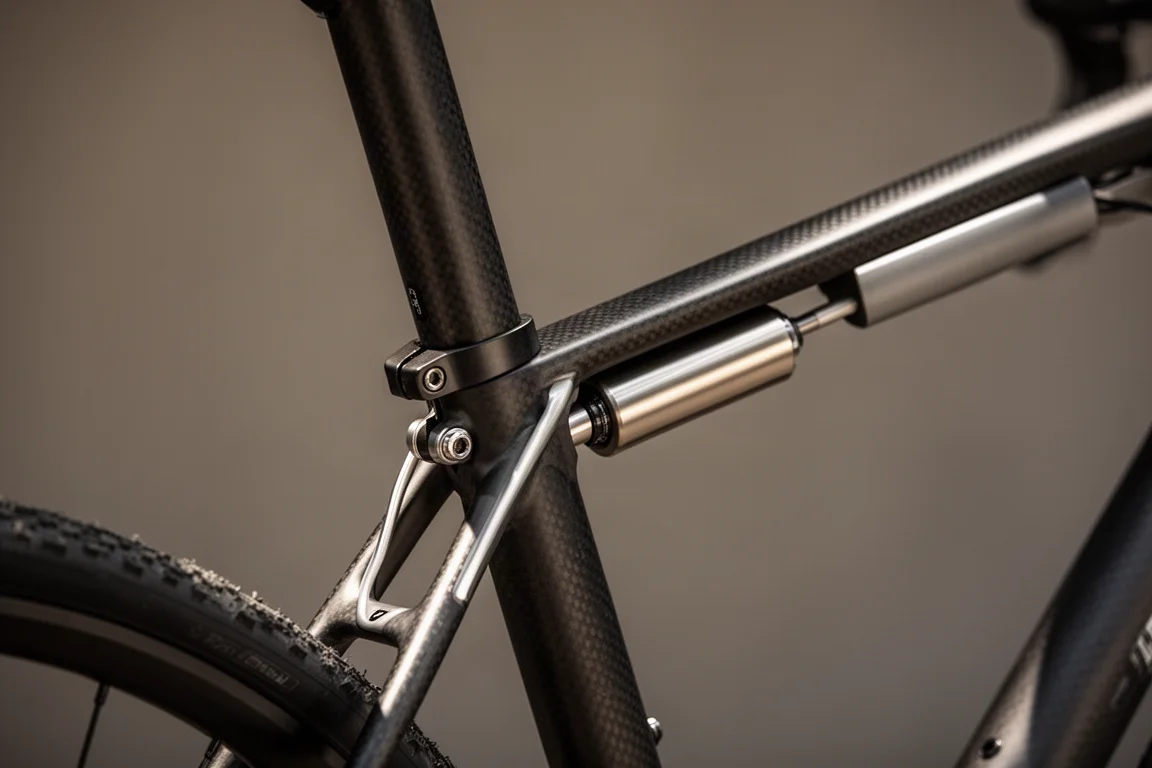
Because the system is essentially a long bendy tube rather than a sliding shock, it is not subject to stiction, the static friction that conventional suspension has to overcome before it moves. That makes it unusually sensitive to small bumps. The benefit shows up most clearly when pedalling seated on fast, chattery fire roads, where larger unexpected hits would normally disrupt rhythm or buck the rider upward.
One detail worth knowing is that the system moves in an arc rather than vertically, so saddle height stays constant as it works. What does change is the effective reach from saddle to bars, which shifts a small but perceptible amount as the frame flexes. Some riders will stop noticing it within a few minutes; others will find it distracting.
Setting Up the System Takes Patience
Every Diverge STR ships with two frame posts to cover a range of rider weights, and nine different frame posts are available in total. Each post uses a directional layer that offers different levels of compliance depending on orientation, and because the post can be turned in 90 degree increments, there are effectively 18 stiffness settings. The quoted rider weight range runs from 44 kilograms to 122 kilograms.
Fit turns out to matter more than expected. All sizes ship with a 20 millimeter setback seat post and the saddle clamped in the middle of the rails, and in that configuration the rear system feels very active. Pushing the saddle forward to suit a rider’s position noticeably reduces the perceived flex, and swapping to an inline seat post would have a similar effect. The sag of the system, meaning how much it settles once the rider sits down, also alters the effective seat tube angle, which in turn affects fit.
None of this accounts for bikepacking bags, which can change the behaviour further. Changing the frame post or rotating it should bring things back to the desired feel, but the process is not as set-and-forget as it first appears. Expect to spend time on it before the first proper ride.
Versatility and Practical Details
Versatility is a genuine strength here. Clearance for 650b tyres up to 2.1 inches, mounts for mudguards, snack packs and front pannier racks, and a practical storage compartment in the down tube all make the Diverge STR easy to turn to many different tasks. That breadth of mounting options is missing from plenty of mainstream gravel bikes.
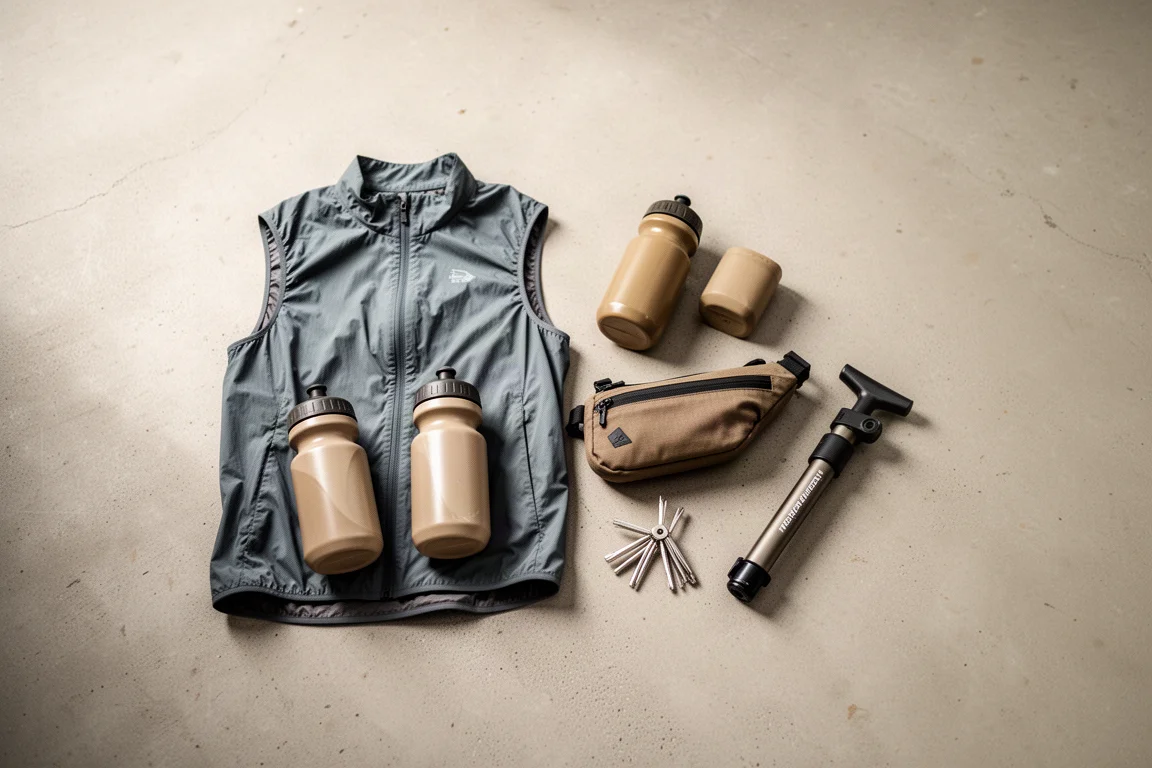
There are small practical details worth noting as well. Bottle cage bolts on this generation are considerably shorter than before, which stops cages from sitting proud and snagging loose clothing, but the square nuts are still not fixed to the underside of the storage lid, so fitting or swapping cages is fiddly. Securing them in place before installation is a sensible precaution.
The drivetrain pairs Rival shifters and crankset with a GX rear derailleur and cassette, and the chunky 10 to 52 tooth range shifts reliably and crisply. Roval carbon wheels give the Tracer Pro tyres a supportive profile. Those tyres are far more usable in damp conditions than the Pathfinder tyres fitted to the original Diverge, though they are by no means aggressive.
Things to Consider Before Buying
The rear system is at its best when climbing or clattering across long, flatter rough surfaces. It is less useful on descents. Future Shock Rear suspends the rider, not the wheels, so it does not improve control while standing, and most riders will instinctively stand when the terrain steepens. Expect a comfortable bike rather than an exceptional descending machine.
Long-term repairability deserves thought too. The suspension system is proprietary, and while Specialized has a large market presence that should keep parts available for many years, it is fair to wonder whether a replacement damper will still be obtainable a decade or more from now. The same question applies to other bikes with proprietary comfort technology, but the uniqueness of this design makes it more pointed.
Value is the other consideration. This base STR model sits at 7,500 pounds or 7,500 dollars, which buys a nominally middle-of-the-road build, while the top-end builds reach 13,000 pounds or 14,000 dollars. A similarly equipped Trek Checkpoint SLR costs only about 100 pounds less. This is clearly not a bike designed to win on price.
Buying Advice
Buy the Diverge STR Expert if seated comfort on rough gravel is your priority and you are willing to spend an evening or two dialling in the rear system. Once it is set up properly, the ride is luxuriously smooth and unlike anything a conventional frame compliance design delivers. The always-on floaty feel isolates the rider from rough terrain in a way that is genuinely pleasant over long distances.

If you want a straightforward bike that you can set up once and forget, or if you are chasing maximum value for money, this is probably not the right choice. Riders looking for a simpler Specialized gravel bike, or for a sharper descending machine from another brand, have plenty of alternatives.
For riders who like their equipment at the cutting edge of performance and can accept the middling specification for the cash, the Diverge STR is a rewarding and hugely versatile companion.
Conclusion
The Specialized Diverge STR Expert is very good at what it sets out to do. The Future Shock Rear system delivers a smoothness that few gravel bikes can match when pedalling seated, and the frame retains the mounting options and tyre clearance that make the Diverge so adaptable. The trade-offs are real: a fiddly setup process, a small change in reach as the system works, limited benefit when descending, proprietary parts to think about long term, and a build that does not flatter the price. Riders who value comfort and versatility above simplicity will find a lot to love here. Those who want a fuss-free bike should look elsewhere.
Product link
View more details for Specialized Diverge STR Expert
This product is mentioned in the review. Check the specifications, options, and compatibility before buying.
View more details for Specialized Diverge STR ExpertFurther reading
Related Reviews
Gravel Bikes
3T Exploro Ultra Review: A Fast Gravel Bike Built for Big Tyres
A close look at the 3T Exploro Ultra, an aero carbon gravel bike designed around wide tyres, with road-like handling, a 980 g frame and genuine rough-terrain capability.
Gravel Bikes
3T Extrema Italia Review: Aero Gravel Speed With Room for 57 mm Tires
The 3T Extrema Italia pairs an aero frame with huge tire clearance, Italian-made carbon and a more comfortable ride than the RaceMax. Here is what to know before buying.
Gravel Bikes
3T Race Max 2 Italia Review: An Aero Gravel Race Bike Made in Italy
A closer look at the second-generation 3T Race Max 2 Italia, covering its aero updates, ride character, tire clearance, internal storage and who it suits.