Gravel Bikes
Specialized Diverge 4 Review: Comfort-First Carbon for Long Gravel Days
A detailed look at the Specialized Diverge 4, including Future Shock 3.3, the flexing Terra seat post, wider tire clearance and who this gravel bike genuinely suits.
Introduction
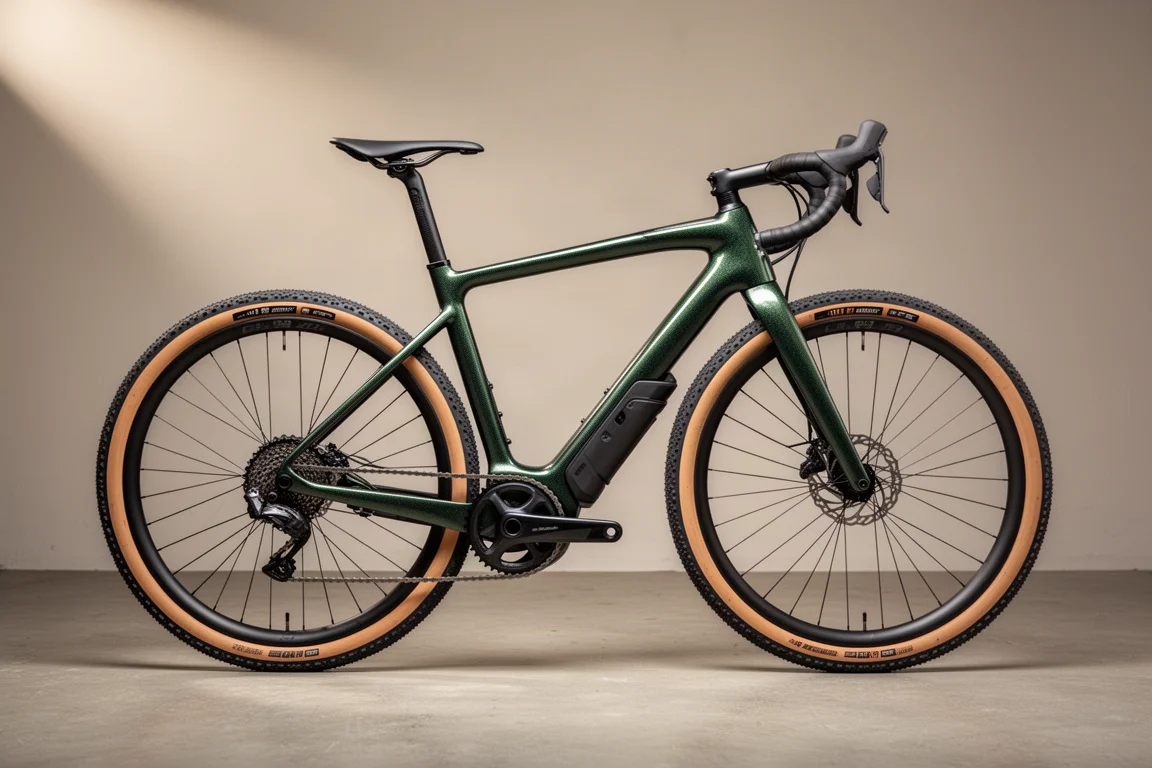
The Specialized Diverge 4 arrives as a careful refinement rather than a reinvention. The silhouette is familiar: narrow fork blades, a chunky down tube with a bash guard, dropped rear stays, a gently curving top tube, a round seat post and an external seat clamp. What has changed sits underneath, with a new Terra carbon seat post, revised geometry, more cargo mounts and an updated version of the down tube storage system.
The headline feature is still the Future Shock, now in its 3.3 iteration on the top end models. It is a short-travel suspension cartridge housed in the head tube that isolates the handlebar from trail chatter. Paired with the flexing seat post, it gives the Diverge a comfort-first character that few rigid carbon gravel bikes can match.

For riders whose priority is long distance comfort and control rather than outright race speed, the Diverge 4 makes a strong case. It is stable, planted and easy going on rough surfaces, and it holds speed well once you are rolling.
Who the Specialized Diverge 4 Is For
The Diverge has long been a good choice for comfort-seeking riders who care more about distance and adventure than outright speed. The fourth version keeps that DNA and adds refinements across the board. It suits ultra distance events, bikepacking trips and long days out where comfort and versatility matter more than aerodynamics.
The handling sits at the relaxed end of the gravel spectrum, with a high stack and a shorter reach. That gives it a similar character to a Canyon Grail or a Giant Revolt, and a less rapid, less racy feel than bikes such as the Enve MOG or the BMC Kaius. You can race it, but it does not carry the aerodynamic pedigree of dedicated race machines.
It is also a natural pick for riders who want maximum comfort without moving to a suspension stem, a suspension fork, or very large tires. The Future Shock is lighter and cleaner looking than a suspension fork, and it feels more natural than a suspension stem.
Main Strengths: Future Shock 3.3 and the Terra Seat Post
The Future Shock 3.3, first seen on the Roubaix S8, brings hydraulic damping for controlled bump absorption. Lower level models use a version without external adjustment, while higher models add a dial on top that allows the system to be locked out. Three springs are available so the feel can be tuned to rider weight, and preload can be increased for a firmer, less reactive setup.
In use it isolates impacts and vibrations coming through the handlebar far better than a rigid setup, and it feels more normal than a suspension stem because it is barely noticeable while it works. Even without a lockout, it does not bob noticeably on the road or under hard efforts.
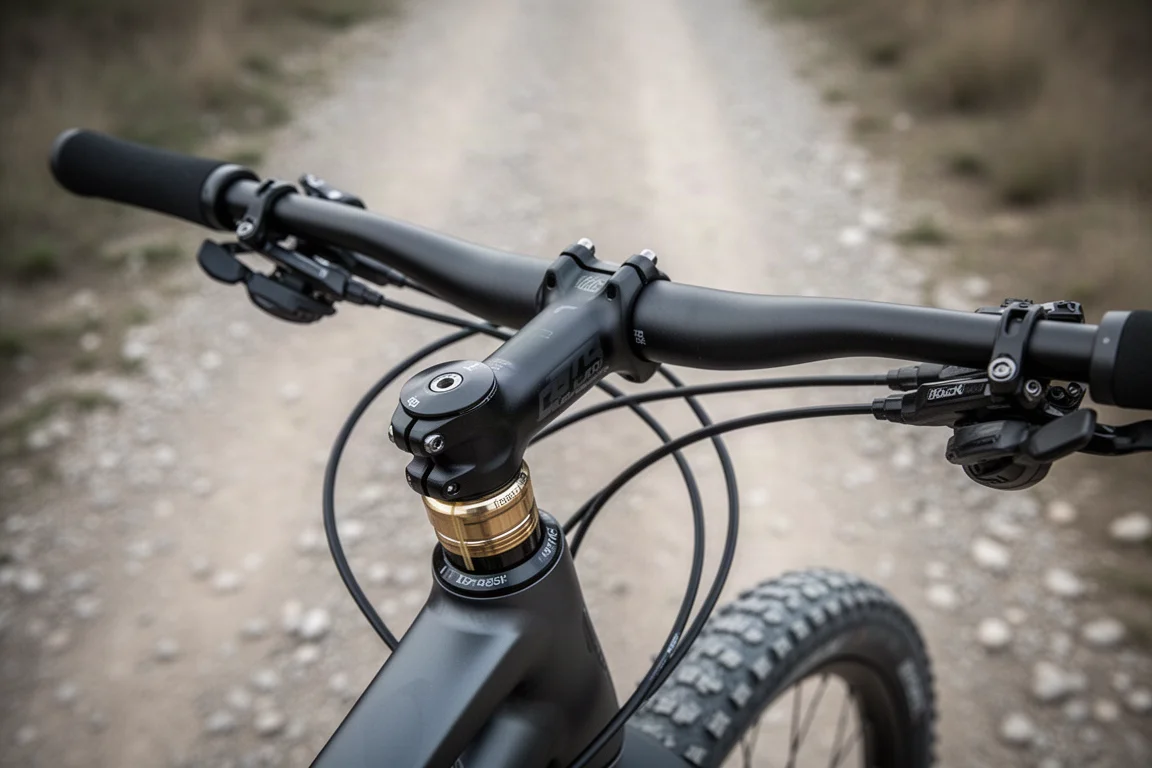
Out back, the new Terra carbon fiber seat post can flex a claimed 18 mm fore and aft, with the amount of movement depending on how much post is exposed and how much weight is on it. It visibly bends as you ride, and it pairs well with the front suspension to isolate the rider through both the saddle and the bars. Together they form a coherent comfort system, and the relative simplicity compared with a suspension fork is a large part of the appeal.
That combination is what separates the Diverge from stiffer gravel platforms. Instead of relying only on high-volume tires to soften the ride, the frame and its two compliance features work as a package, which pays off on long days when fatigue builds in the hands, arms and lower back.
Tire Clearance and Updated Geometry
Tire clearance is a central talking point on modern gravel bikes, and the Diverge 4 officially clears a 50 mm tire front and rear, leaving roughly 8 mm of space between rubber and frame. Push to 54 mm and there is still around 4 mm of clearance, which opens the door to a 2.2 inch mountain bike tire on a 29 inch rim. Complete bikes are specified with 45 mm tires, and there is plenty of room around them.
For many riders a 50 mm tire is the sweet spot, balancing weight, aerodynamics and cushioning without disturbing the geometry or handling. Whether Specialized played it too safe compared with brands offering 57 mm clearance is open to debate, but the frame covers the majority of gravel setups comfortably.
Geometry changes include a one degree slacker head angle, longer fork trail, a lower bottom bracket height to account for bigger tires, and a slightly longer reach. The stack stays high because of the Future Shock. The result is a very stable, very planted ride that feels rock solid when you are pushing hard down rough trails, and the extra tire volume adds noticeable control on slippery or loose surfaces.
Storage, Mounts, and Frame Details
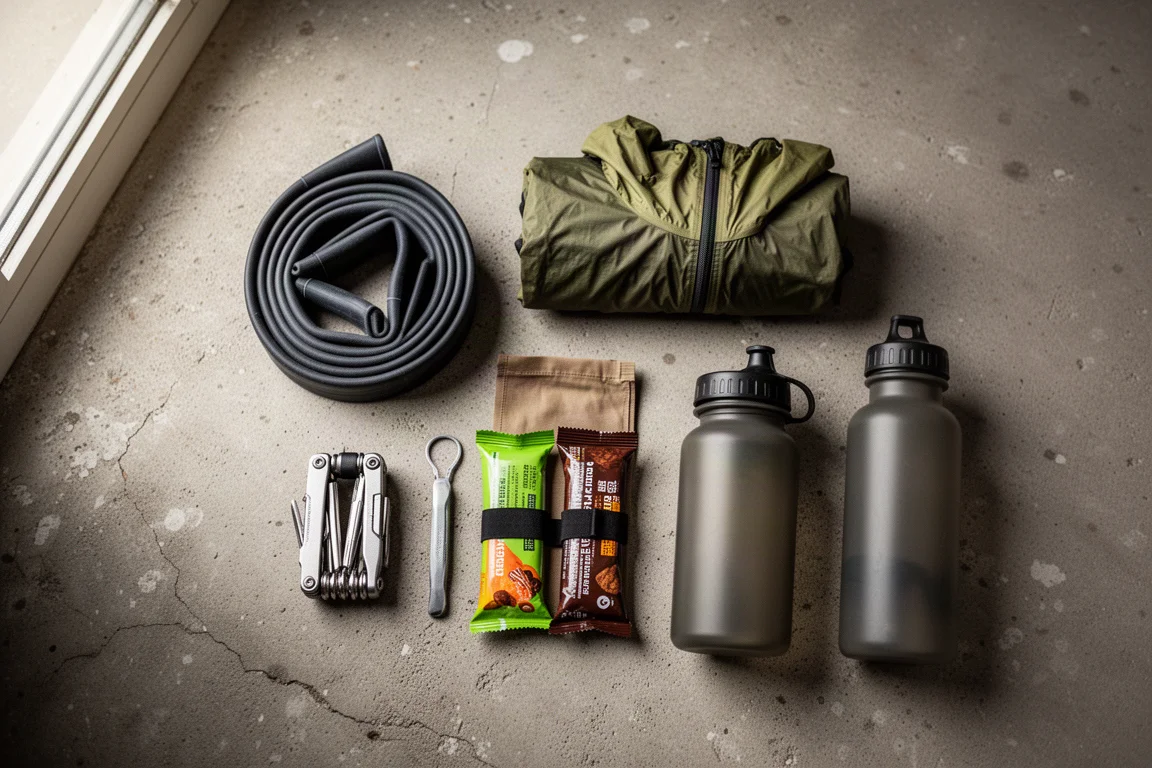
Down tube storage is now in its fourth iteration, with greater capacity and a smoother, more flush fitting door. It swallows spare tubes, a jacket and food without fuss, and it is arguably the best system of its kind on the market.
Practical details are clearly a priority. There are three mounts on the fork now rather than two, plus a top tube mount, and the frame accepts mudguards, racks and bottle cages. The round seat post, external seat clamp and external threaded bottom bracket make maintenance straightforward, and the UDH dropout is ready for the latest SRAM groupsets. A bash guard protects the down tube.
One build pairs a carbon handlebar with flared drops and slightly oversized tops with a SRAM Rival Explore groupset, running a 40 tooth chainring and a 10-46 cassette. The ergonomics are excellent, the range covers steep climbs, and the brakes are powerful and dependable. Because the handlebar is a standard round shape, it is easy to swap to a different stem length or bar profile later.
Things to Consider Before Buying
There is no aerodynamic shaping to speak of, which stands out in a gravel market that is increasingly focused on aero gains. Cable routing is external, which looks a little old fashioned next to fully internal designs and does nothing to help the drag picture. The Future Shock also adds weight and complexity compared with a rigid front end, though it has been refined over many years and should now be a reliable, proven system with spares likely to remain available.
The lockout dial is reserved for the top end models. Riders on lower builds who want to firm up the front end on smooth roads or during sprints will not have that option, although the non-adjustable version still works well and can be tuned with the three available springs.
Tire clearance may also be a sticking point. Riders who want the widest possible rubber for bikepacking and rough terrain may prefer a bike with 57 mm clearance, even though a 50 mm or 54 mm setup covers most gravel riding well.
Buying Advice
Decide first what the bike needs to do. If riding leans toward ultra distance events, self-supported adventures and bikepacking, the Diverge 4 fits naturally, and the comfort on offer genuinely helps carry speed over rough ground compared with stiffer aero bikes that get bounced around. If the goal is short, fast gravel racing with an aero priority, a different platform will likely feel more rewarding.
Build choice matters most around the Future Shock. Lower level models get hydraulic damping without a lockout, which is fine for riders happy to let it work all the time. If the ability to firm up the front end matters, the higher tier models with the adjustable version are the ones to look at. The frame itself is a proven platform, so the decision is largely about specification rather than fundamental design.
It also helps to think about how much tire you actually want to run. A 50 mm setup suits most riders well, and the frame has room to go wider if the terrain demands it. Riders who value easy maintenance will appreciate the external bottom bracket, round seat post and standard handlebar, all of which keep servicing simple and inexpensive.
Conclusion
The Diverge 4 is a mild update rather than a dramatic one, and it retains the same proven DNA with refinements across the board. The Future Shock remains a defining feature. It limits internal routing and aerodynamic gains, but it delivers exceptional comfort in a way few bikes can match, and it works better than simply running a bigger tire. For riders chasing maximum comfort and versatility on long days out or ultra distance events, the Diverge 4 continues to be a compelling choice.
Product link
View more details for Specialized Diverge 4
This product is mentioned in the review. Check the specifications, options, and compatibility before buying.
View more details for Specialized Diverge 4Further reading
Related Reviews
Gravel Bikes
3T Exploro Ultra Review: A Fast Gravel Bike Built for Big Tyres
A close look at the 3T Exploro Ultra, an aero carbon gravel bike designed around wide tyres, with road-like handling, a 980 g frame and genuine rough-terrain capability.
Gravel Bikes
3T Extrema Italia Review: Aero Gravel Speed With Room for 57 mm Tires
The 3T Extrema Italia pairs an aero frame with huge tire clearance, Italian-made carbon and a more comfortable ride than the RaceMax. Here is what to know before buying.
Gravel Bikes
3T Race Max 2 Italia Review: An Aero Gravel Race Bike Made in Italy
A closer look at the second-generation 3T Race Max 2 Italia, covering its aero updates, ride character, tire clearance, internal storage and who it suits.