Gravel Bikes
Specialized Crux vs Canyon Grail CFR: Which Premium Gravel Race Bike Should You Buy?
A close comparison of the Specialized Crux and Canyon Grail CFR, covering design, tire clearance, geometry, ride quality, weight, and value.
Introduction
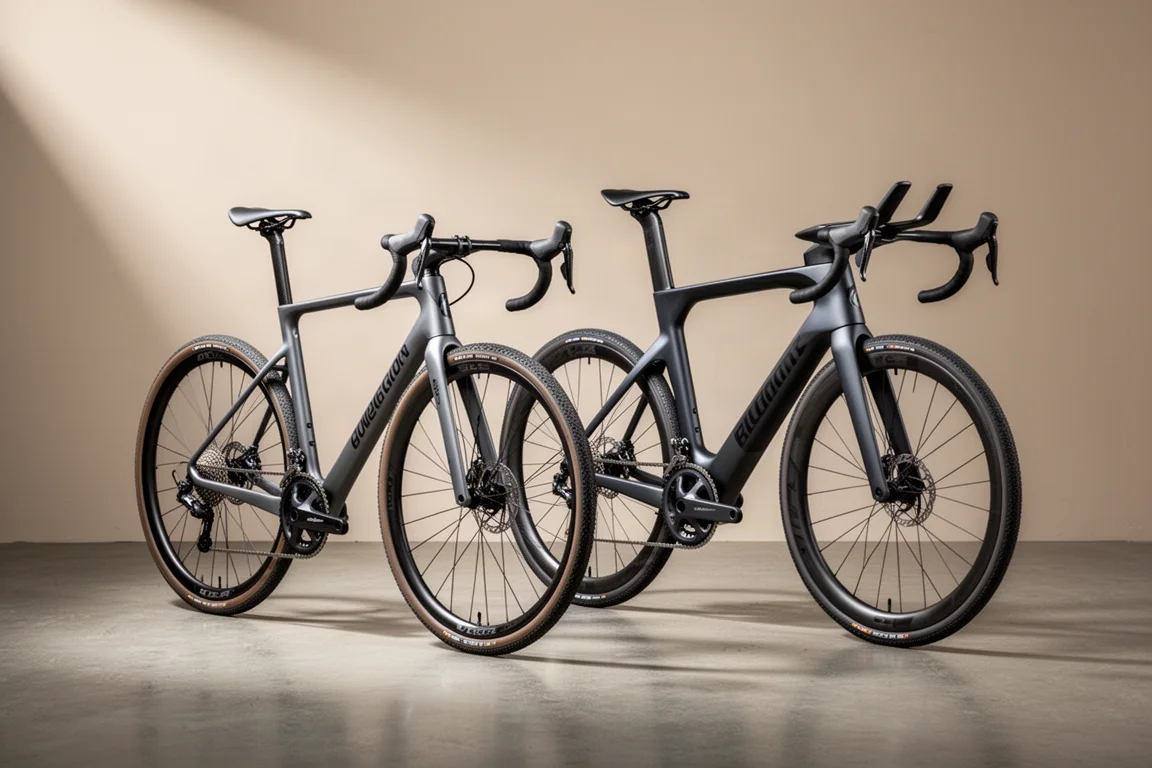
Two of the fastest gravel race bikes on the market come from very different design philosophies. The Specialized Crux is a lightweight, deliberately simple carbon platform that has been on sale since 2021 and traces its lineage back to cyclocross racing. The Canyon Grail CFR is the newest aero-optimized gravel race bike in Canyon’s range, with a fully integrated cockpit, downtube storage, and a frame built around efficiency at speed.
Both are premium machines, both can run wide tires, and both are genuinely fast. The interesting part is how differently they get there. This comparison looks at design, tire clearance, geometry, ride quality, weight, and value so you can decide which one suits the way you actually ride.
What Sets These Two Bikes Apart
The Grail is the more modern design of the two. Canyon uses aero tube profiles throughout, a seatpost shaped for compliance, and a one-piece handlebar and stem that hides the cables and hoses completely. There is a mount on the top tube for accessories such as extensions, a computer, or a light, plus a storage compartment in the downtube.
The Crux goes the other way. Round tubes, non-dropped rear stays, a standard round seatpost, an external seat clamp, and conventional cable routing up front. It looks classic rather than contemporary, and that simplicity is deliberate: the stem and handlebar can be swapped freely, and servicing the headset bearings is straightforward.

The Crux frame is the lighter of the two on paper, with a claimed 725 g frame weight and design lessons carried over from the even lighter Aethos road frame. The Grail CFR frame carries a claimed 855 g. Those numbers matter less than how the complete bikes feel, but they set the tone for everything that follows.
Specialized Crux: Light, Simple, and Versatile
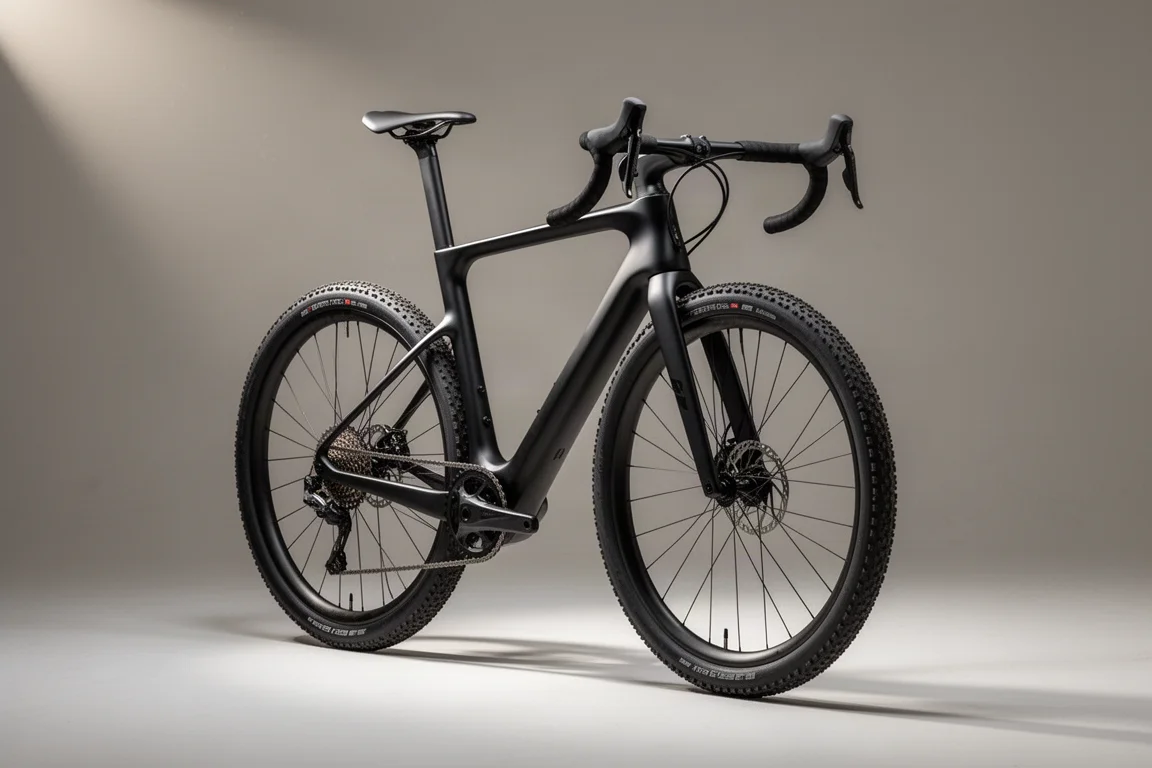
The Crux has been ridden since spring in a wide range of configurations, from cyclocross racing on 33 mm tires to gravel riding on 45 mm rubber, with suspension stems, suspension forks, and different seatposts along the way. It is a genuinely refined bike, with a ride quality that feels settled on tarmac and confident on loose surfaces.
Complete build weights are competitive. With a top-end groupset the bike lands around 7.25 kg, while a mid-range build with SRAM and Zipp 303 Firecrest wheels sits closer to 7.6 kg. Even so, the Crux feels lighter than its numbers suggest and climbs with an eager, energetic character.
Tire clearance is a real strength: up to 47 mm, with generous room around the rubber. Geometry is lower at the front than the Grail, with a shorter wheelbase and quicker steering, which makes it agile, nimble, and particularly good on singletrack.
The trade-offs are practical ones. There are no mudguard mounts, no top tube or downtube mounts, no integrated storage, and no aero tube shaping. The stock seatpost prioritizes weight and stiffness over flex, so the out-of-the-box ride is firmer than the Grail’s. Fitting larger tires or a suspension seatpost transforms comfort, but that is an extra step the buyer has to take.
Canyon Grail CFR: Aero, Integrated, Fast
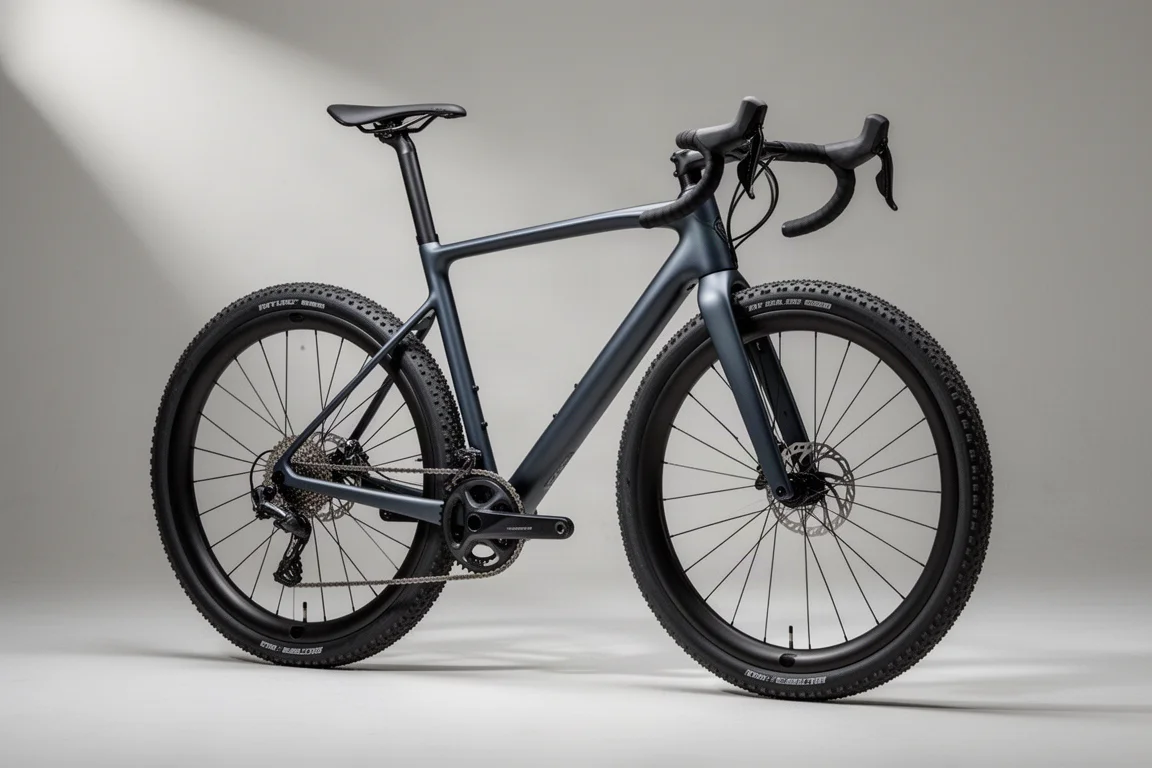
The Grail CFR is the top of the range, with cheaper CF SLX and CF SL models below it that do not carry every feature of this build. The tested bike pairs a SRAM Red groupset and power meter with lightweight DT Swiss carbon wheels, a package that feels well chosen for the money.
The first thing you notice is the cockpit. The one-piece bar and stem has a shape that feels fast and racy, and it is one of the most enjoyable contact points on either bike. The seatpost is designed to flex, and it visibly bends under load, which contributes real comfort over rough surfaces.
Canyon builds in more utility than the Crux: mounts for mudguards, a top tube accessory mount, and downtube storage that can take a bag. The Grail is available in one-by or two-by configurations.
The limitation is tire clearance at the rear. Canyon optimizes the Grail around 42 mm and ships it with 40 mm tires. A 45 mm tire will physically fit, but the gap is very tight and not something to rely on. Riders who want the widest rubber should stay at 40 or 42 mm.
How They Ride: Comfort and Handling
On the same trails, on the same day, with the same wheels and tires fitted, the Grail is the smoother and calmer of the two. The compliant seatpost and the longer wheelbase make it feel planted, stable, and relaxed at speed. It is a bike that encourages long, fast days on rough gravel.
The Crux is firmer in its stock form, but it responds dramatically to setup changes. With 45 mm tires and ample clearance around them, ride quality improves noticeably, and a suspension seatpost or a split seatpost adds another layer of comfort. Configured that way, it becomes a very smooth bike for gravel racing, gravel exploring, and even bikepacking.
There is a difference in character, too. The Grail is the more stable, more forgiving handler. The Crux is quicker to turn, more agile, and better on tight singletrack, but it asks for more attention, especially with a short stem fitted. Both handle road, gravel, and forest tracks extremely well.
One practical note on gearing: the Grail comes with a 42T chainring that can feel tall on steep climbs, and it cannot be changed without spending money after purchase. The Crux can be run with a smaller 40T chainring, and because it uses standard components, it can be adapted freely.

Geometry and Steering Character
The geometry gap between these two bikes is smaller than the design gap suggests. The Grail is longer and slacker than the original model, and compared with the Crux it has a longer wheelbase, more reach, and a head angle that is half a degree slacker. Bottom bracket drop is nearly identical, and the chainstays are the same length.
The biggest single difference is stack. The Crux sits noticeably lower at the front, which you feel immediately when you get on it. That lower front end contributes to the quick, lively feel and the fast steering, while the Grail’s taller front end and longer wheelbase deliver stability.
Stock cockpits reflect the intent. Specialized ships a 42 cm handlebar with a 100 mm stem, while Canyon goes wider at 44 cm with a shorter stem. Because the Crux uses standard parts, bar width, stem length, and drop shape can all be changed to suit the rider.
Tire Clearance, Mounts, and Everyday Practicality
This is where the two bikes diverge most for anyone who rides in wet conditions or wants to carry anything. The Crux accepts tires up to 47 mm with room to spare, but it has no mudguard mounts, no frame mounts for bags, and no internal storage. Mud clearance is generous, which matters a great deal when conditions turn foul.
The Grail takes mudguards and offers storage and accessory mounting, which makes it the more practical choice for winter training, commuting, and long self-supported rides. Its rear tire clearance is the compromise: beyond 42 mm the gap closes up quickly, and thick mud can become a problem.
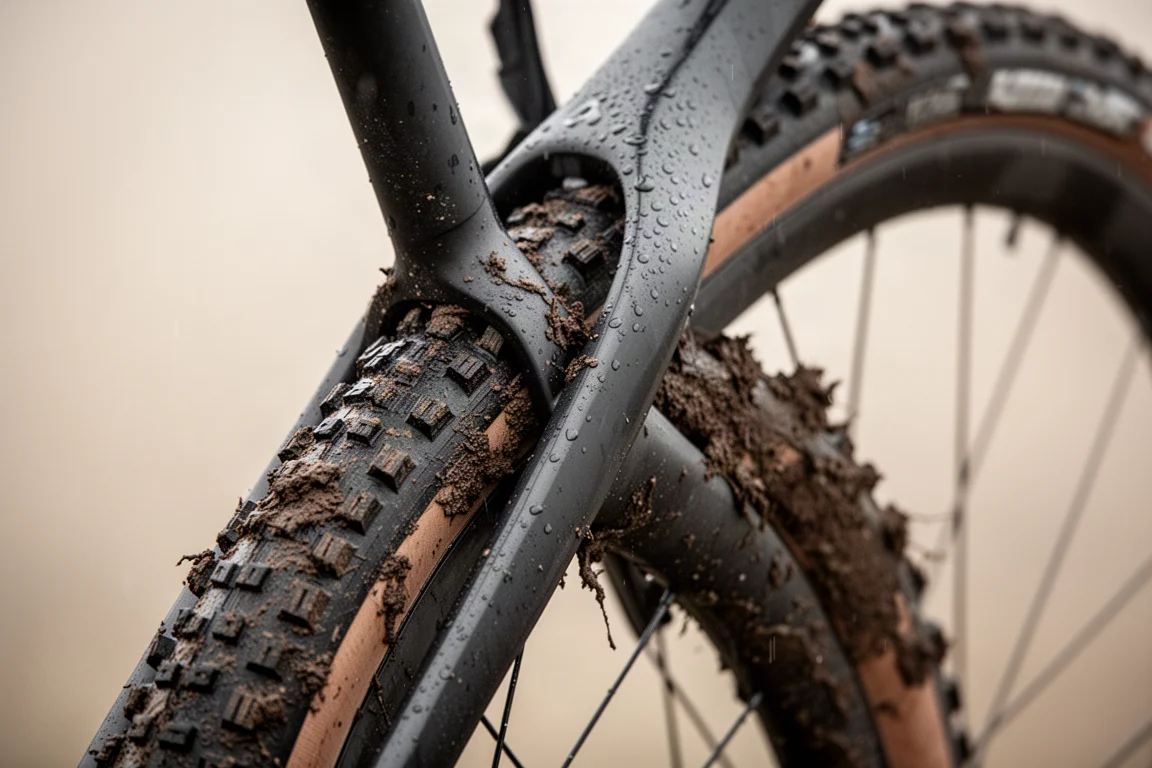
In other words, the Crux gives you more room for tires and fewer options for everything else, while the Grail gives you more mounting options and less room for tires.
Price and Value
The Grail CFR tested here represents strong value for its specification, pairing a top-tier SRAM Red groupset and power meter with lightweight carbon wheels. The wider Grail range also starts at a considerably lower price point, though the cheapest models in the range do not include the downtube storage.
The Crux is the more expensive option, with top-end builds costing a substantial amount more than the equivalent Grail. A cheaper Crux build with mechanical 11-speed SRAM Rival exists, and buying a frameset and building the bike yourself is a legitimate route that many riders take.
There is also a difference in how you buy. Specialized goes through local bike shops, with the service and support that comes with that. Canyon sells direct, so the bike arrives in a box and dealing with issues or returns can be more involved.
Overall Buying Advice
Choose the Canyon Grail CFR if you want the more modern, more aerodynamic gravel race bike with integration, storage, mudguard mounts, and better value for the specification. It is the smoother, more stable, more planted ride out of the box, and it is built for fast, long-distance gravel racing. Accept the 42 mm tire ceiling and the fixed specification as part of the deal.
Choose the Specialized Crux if low weight, simplicity, and easy maintenance matter more to you than aero tube shapes and frame mounts. It is the more agile, quicker-steering bike, it climbs with more energy, and it has room for genuinely wide tires. If the stock ride feels too firm, a tire change and a suspension seatpost close most of the comfort gap.
Both bikes are excellent, and the differences between them are fine margins rather than fundamental weaknesses. The right answer depends on whether you value integration and practicality or light weight and adaptability.
Conclusion
The Specialized Crux wins on weight, simplicity, tire clearance, and the sheer quality of its ride, and it rewards riders who like to tune and adapt their setup. The Canyon Grail CFR wins on aerodynamics, integration, practicality, and value, and it delivers a smoother, more stable ride straight out of the box.
If you race long gravel events and want the fastest, most modern package with the least fuss, the Grail CFR is the sensible pick. If you want a light, versatile bike that handles gravel, cyclocross, and road duties, and you are happy to shape it yourself, the Crux remains very hard to beat.
Further reading
Related Reviews
Gravel Bikes
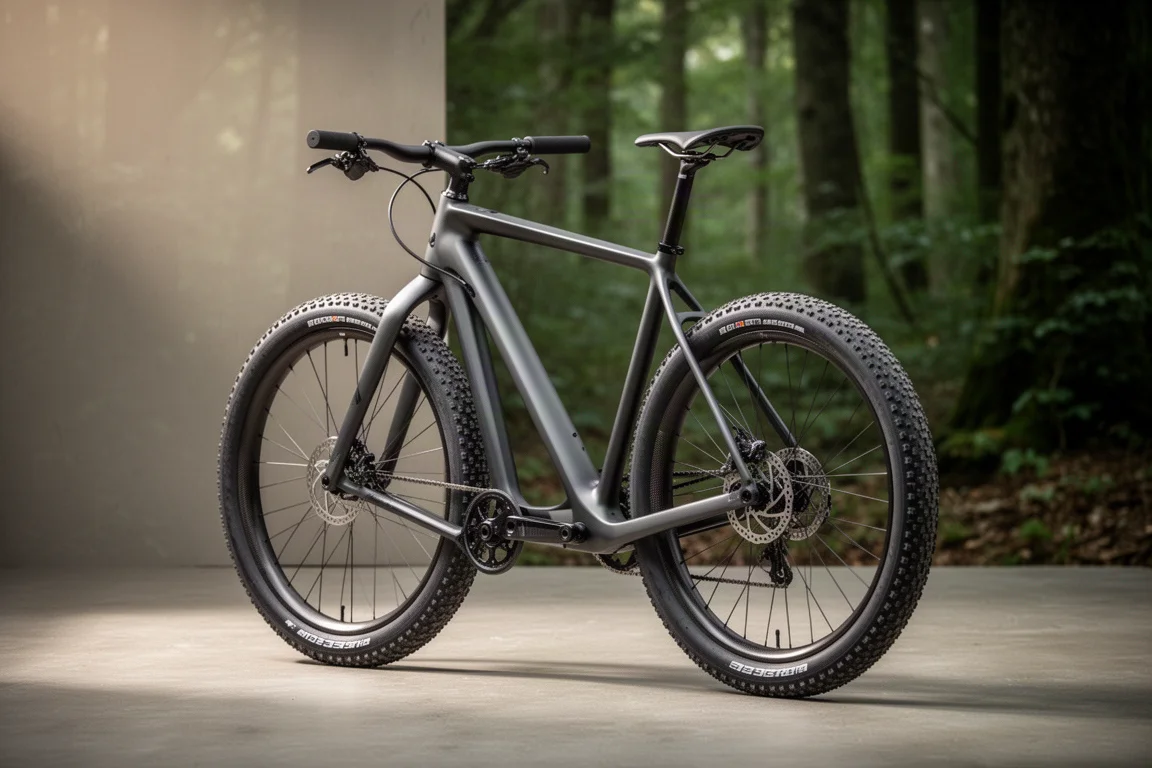
3T Exploro Ultra Review: A Fast Gravel Bike Built for Big Tyres
A close look at the 3T Exploro Ultra, an aero carbon gravel bike designed around wide tyres, with road-like handling, a 980 g frame and genuine rough-terrain capability.
Gravel Bikes
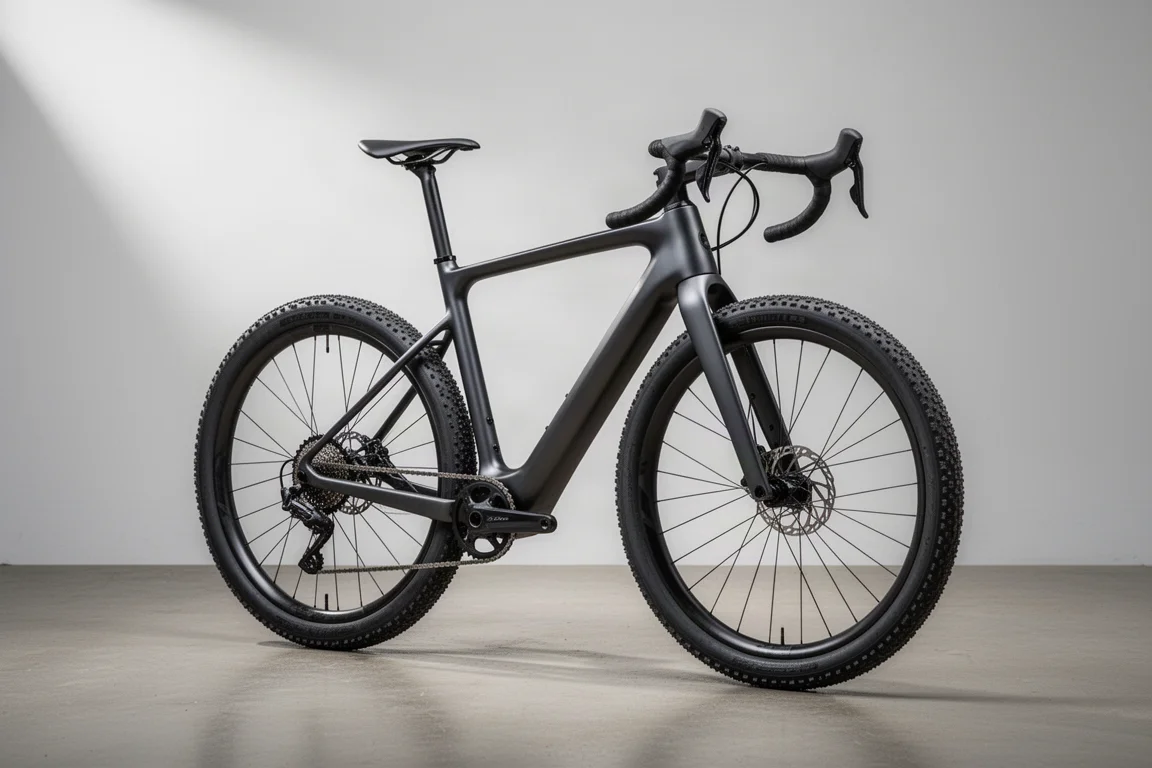
3T Extrema Italia Review: Aero Gravel Speed With Room for 57 mm Tires
The 3T Extrema Italia pairs an aero frame with huge tire clearance, Italian-made carbon and a more comfortable ride than the RaceMax. Here is what to know before buying.
Gravel Bikes
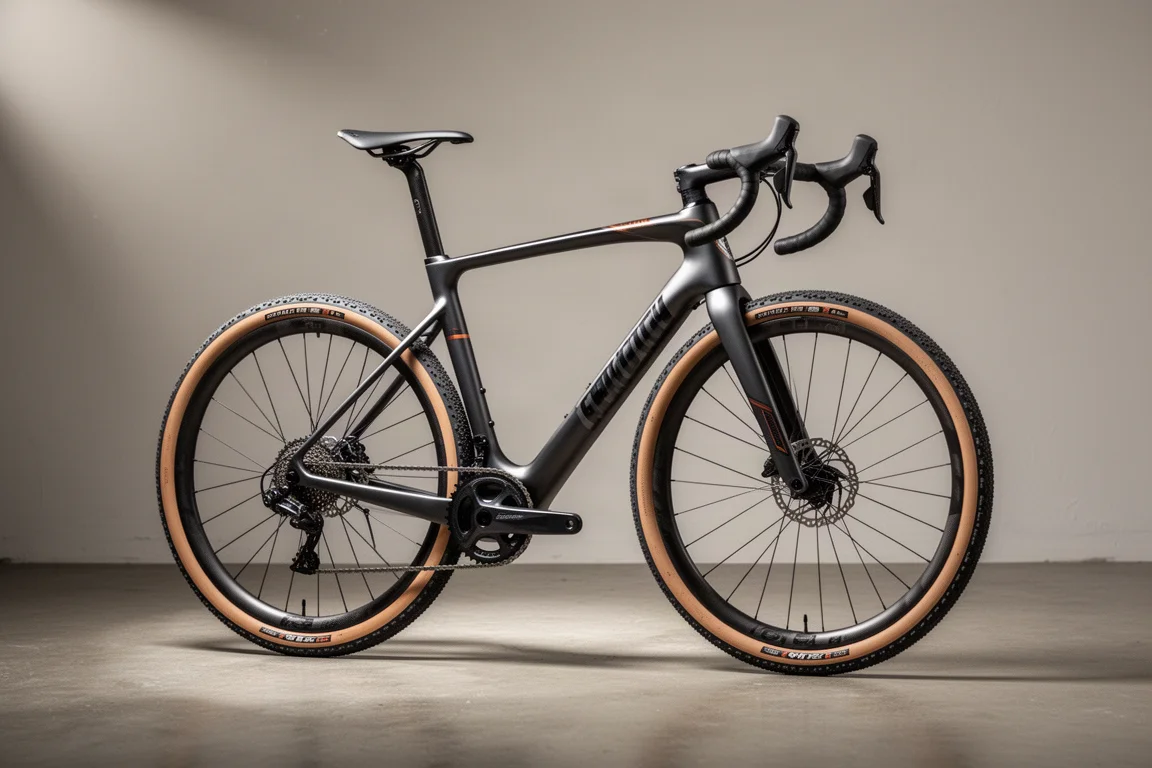
3T Race Max 2 Italia Review: An Aero Gravel Race Bike Made in Italy
A closer look at the second-generation 3T Race Max 2 Italia, covering its aero updates, ride character, tire clearance, internal storage and who it suits.