Gravel Bikes
Specialized Crux: The UDH Dropout Update Explained
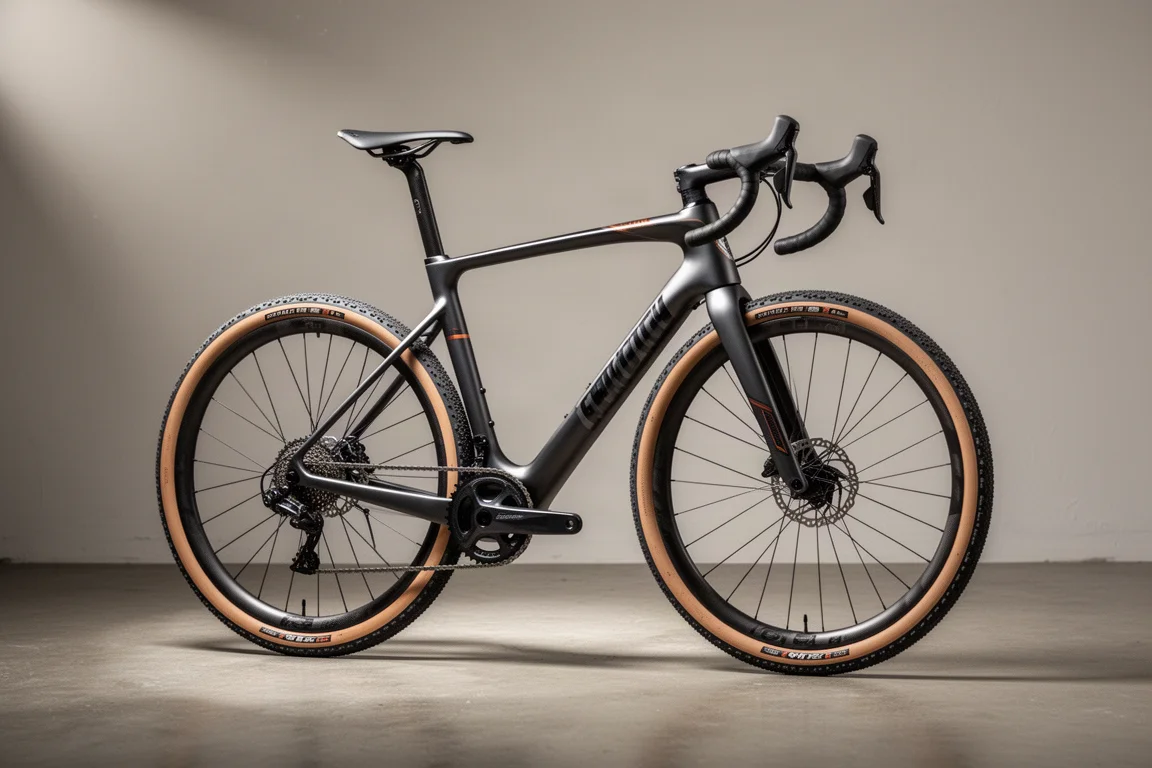
The new Specialized Crux keeps the same lightweight frame and geometry, but a UDH dropout makes it compatible with SRAM Red XPLR and its direct-mount rear derailleur.

Introduction
The latest Specialized Crux looks almost indistinguishable from the version that has been around for several years, and for most of the frame that is exactly right. The one meaningful change sits at the rear dropout, where Specialized has moved to a UDH design.
That small revision carries a large practical effect. The UDH dropout makes the Crux compatible with SRAM Red XPLR and its transmission-style direct-mount rear derailleur, the direction high-end drivetrains have been moving toward.

Everything else carries over: the same geometry, the same tire clearance, the same slender round tubes, and the same claimed 725 g frame weight. In other words, this is a compatibility update rather than a redesign, and the bike keeps the simple, straightforward character that defined the original.
Who this product is for
The Crux makes most sense for riders who treat weight as a primary specification. At a claimed 725 g for the frame, it remains one of the lightest gravel platforms on the market, and the complete bike is quoted at 7.14 kg when built with the SRAM Red XPLR groupset.
It also suits riders who want to run the newest SRAM drivetrains. The UDH dropout is what allows the direct-mount rear derailleur to be fitted, so anyone planning that build should be looking at this version rather than an older frame.
Finally, it appeals to riders who prefer plain, workable hardware: a round seatpost, an external seat clamp, an external bottom bracket, and external cable routing. None of that is fashionable right now, but all of it keeps maintenance and adjustment simple.
Main strengths
Weight is the headline. The frame is still quoted at 725 g despite the new dropout, and the complete bike has come down from 7.25 kg at launch to 7.14 kg with the lighter SRAM Red XPLR groupset, a saving of roughly 100 g. With a few key upgrades, a sub-7 kg build is realistic.
That figure matters because it is unusual for a gravel bike with clearance for wide tires. The Crux has held its place as one of the lightest gravel bikes available, and this update does nothing to change that.
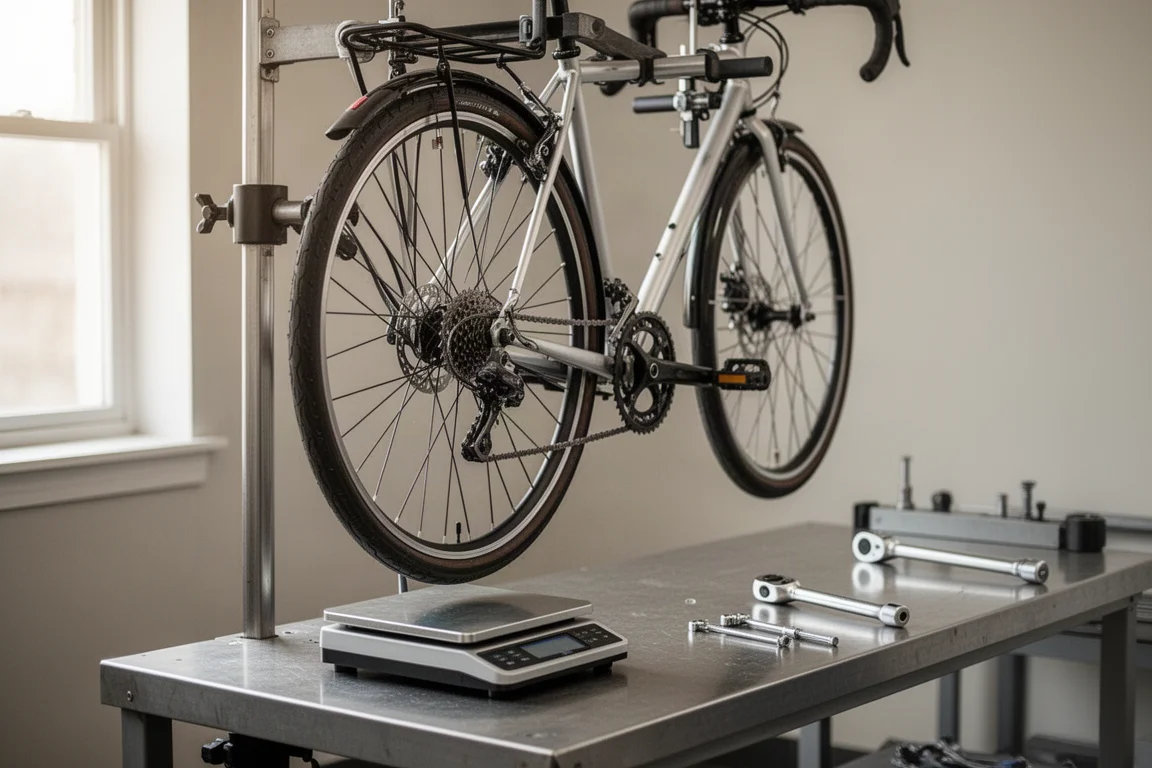
The second strength is drivetrain flexibility. Adding UDH compatibility means the frame is not locked out of the newest direct-mount rear derailleurs, which extends its useful life considerably.
Third, the frame stays deliberately simple. Round tubes, a round seatpost, and external routing are not the most integrated approach on the market, but they keep day-to-day ownership uncomplicated.
The UDH dropout and what it changes
The UDH dropout is the only substantive change to the frame, and it was easy to miss. The new bike appeared at the Unbound gravel race without much fanfare, largely because it looks the same as the outgoing model.
In practice, the dropout determines which rear derailleurs can be mounted. With UDH, the Crux accepts SRAM Red XPLR and its transmission-style direct-mount rear derailleur.
For anyone buying a gravel frame today, that compatibility is worth more than it appears, because it decides whether the frame can accept the newest direct-mount groupsets at all.
Frame details carried over from the original Crux
Beyond the dropout, the Crux is the same bike. Geometry is unchanged, tire clearance is unchanged, and the frame keeps its slender rear stays and simple round tubes.
The details remain deliberately traditional: a round seatpost, an external seat clamp, an external bottom bracket, and external cable routing throughout. The claimed frame weight is also unchanged at 725 g.
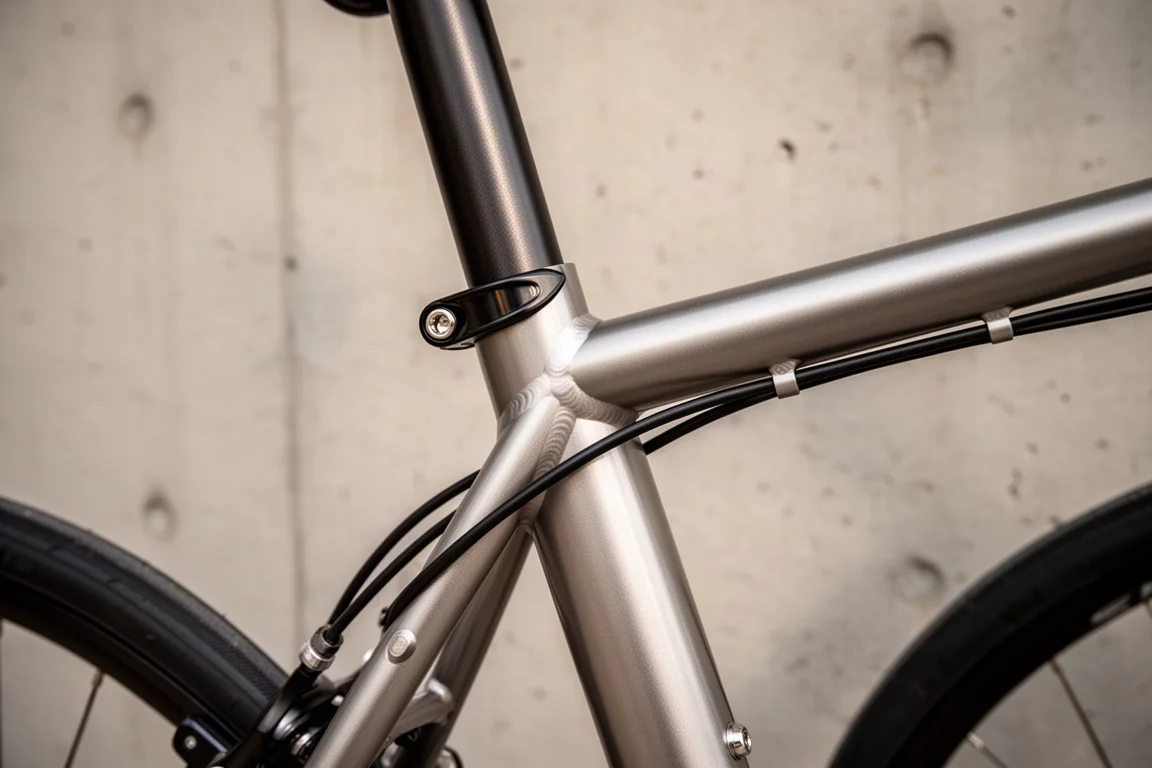
For riders who liked the original, that continuity is the appeal. The Crux began as a cyclocross race bike and grew into a capable gravel platform, and the current frame preserves that dual character instead of chasing full integration.
Things to consider before buying
The clearest trade-off is cable routing. Internal routing has become very popular, and the Crux does not have it. If a fully integrated front end is high on your list, this frame will feel like a deliberate step behind the newer, more heavily integrated gravel bikes.
The frame also carries over unchanged, so there is little reason to expect the ride to change. What you get is the existing platform plus drivetrain compatibility, not a new frame design.
Availability is another consideration. Specialized is offering a single build around the SRAM Red XPLR groupset, paired with Roval Terra CLX II wheels, gravel tires, a lightweight seatpost and an S-Works Power saddle, so there is no lower-cost option within this update.
Buying advice
If you are shopping for a very light gravel bike and you plan to run SRAM’s newest direct-mount drivetrain, this version of the Crux is the one to buy. The UDH dropout is the difference between a frame that accepts the current generation of groupsets and one that does not.
If you already own a recent Crux and you are happy with your current groupset, the update offers little reason to switch. Geometry, clearance and frame weight are the same, and the change only becomes relevant when you change drivetrain.

If internal cable routing and full integration matter more to you than weight and simplicity, it is worth comparing the Crux against more heavily integrated gravel bikes before deciding. The Crux is not trying to win that comparison. It is trying to stay light, simple and compatible.
Conclusion
The new Specialized Crux is a small update with an outsized effect. The UDH dropout is easy to overlook, but it keeps one of the lightest gravel frames on the market compatible with SRAM Red XPLR and its direct-mount rear derailleur.
Everything else is carried over deliberately: the same geometry, the same clearance, the same 725 g claimed frame weight and the same plain hardware. For riders who value low weight and straightforward maintenance over full integration, that is a coherent package rather than a compromise.
Product link
View more details for Specialized Crux
This product is mentioned in the review. Check the specifications, options, and compatibility before buying.
View more details for Specialized CruxFurther reading
Related Reviews
Gravel Bikes
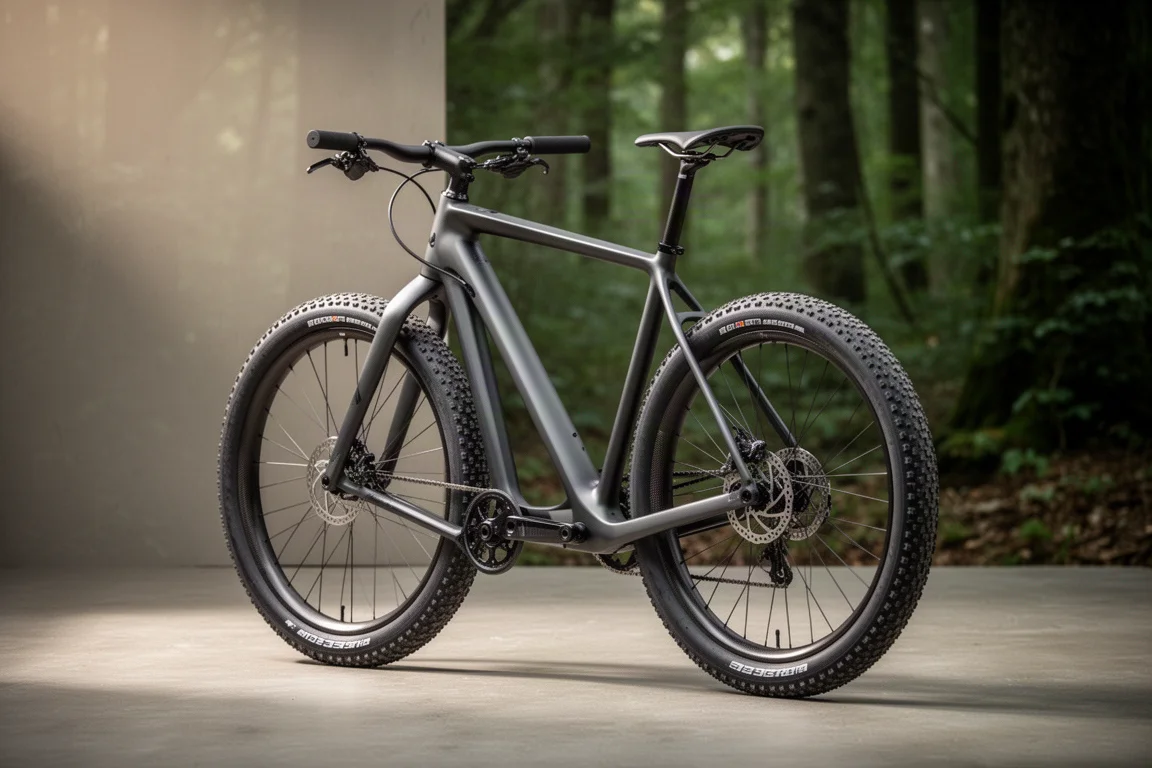
3T Exploro Ultra Review: A Fast Gravel Bike Built for Big Tyres
A close look at the 3T Exploro Ultra, an aero carbon gravel bike designed around wide tyres, with road-like handling, a 980 g frame and genuine rough-terrain capability.
Gravel Bikes
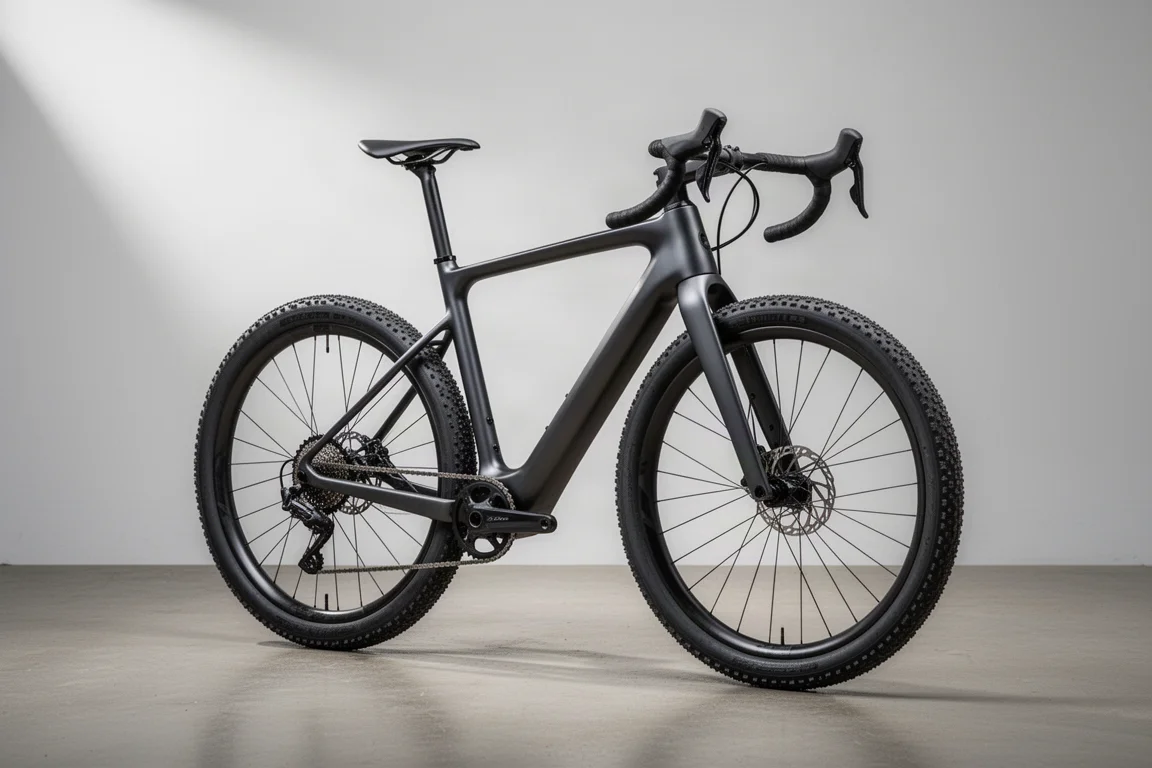
3T Extrema Italia Review: Aero Gravel Speed With Room for 57 mm Tires
The 3T Extrema Italia pairs an aero frame with huge tire clearance, Italian-made carbon and a more comfortable ride than the RaceMax. Here is what to know before buying.
Gravel Bikes
3T Race Max 2 Italia Review: An Aero Gravel Race Bike Made in Italy
A closer look at the second-generation 3T Race Max 2 Italia, covering its aero updates, ride character, tire clearance, internal storage and who it suits.