Gravel Bikes
Specialized Crux Review: A Light, Aero Gravel Race Bike for the Real World
The new Specialized Crux swaps round tubes for aero shaping while keeping weight low. Here is what the gravel race bike does well, and what to weigh before buying.
Introduction
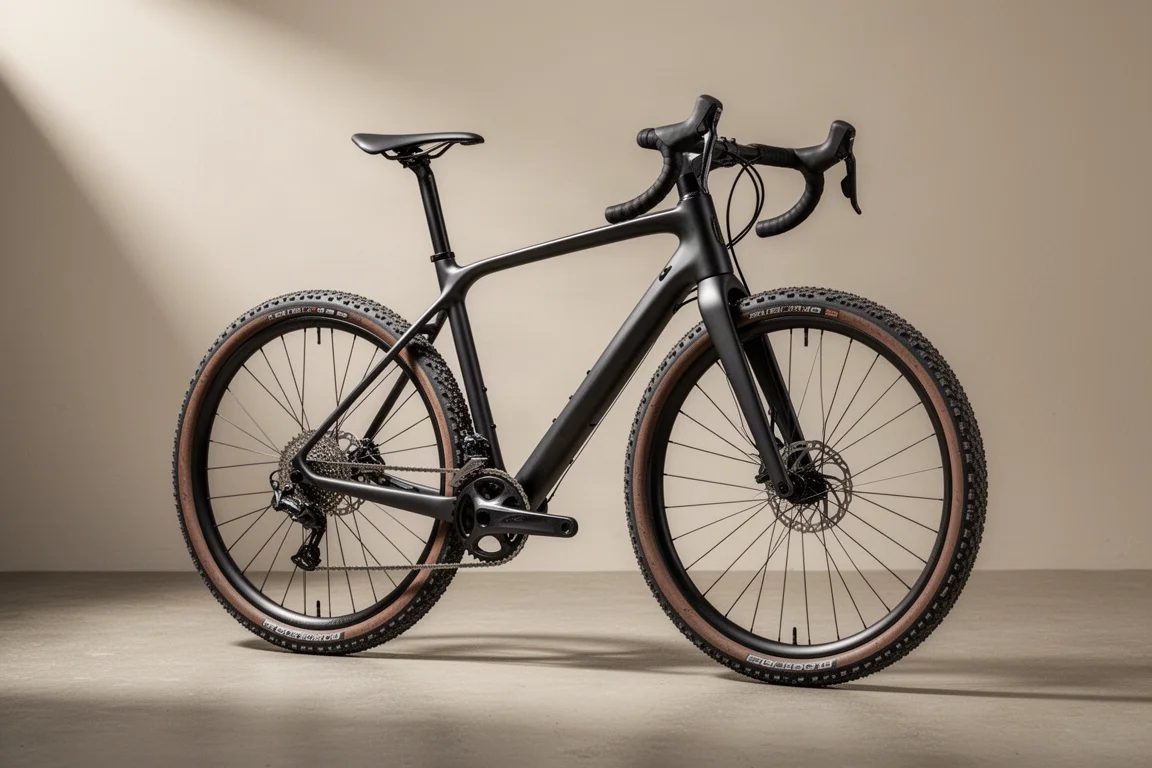
The new Specialized Crux arrives with the biggest visual change in the model’s recent history. The round-tube silhouette that defined the previous generation is gone, replaced by aero-shaped profiles that make the bike look like a road race frame fitted with very large tyres. Specialized claims the new Crux is 15.2 W more aerodynamic than the previous version at 45 km/h, measured with a full-body mannequin with moving legs.
The interesting part is what that number does not say. This is not a gravel version of an all-out aero road bike. Specialized has built the Crux as an all-rounder race bike, and the brand is clear that aerodynamic gains were balanced against weight and real-world race conditions rather than pursued in isolation.
Who the New Crux Is For
The Crux is aimed at gravel racers and at riders who want a single drop-bar bike that handles fast group rides, long mixed-surface days, and race starts. The weight story supports that. The flagship S-Works Crux has a claimed frame weight of 789 g, which is 64 g more than the previous S-Works frame, and complete stock builds with the Roval Terra CLX II wheels and an integrated cockpit start from a claimed 7.2 kg. For a bike that has moved to aero-optimised tube shapes, that is a notably low figure.
Tyre clearance has also grown to 55 mm with room to spare, so the frame can take the wider rubber that gravel racing increasingly favours without forcing a compromise on mud clearance.
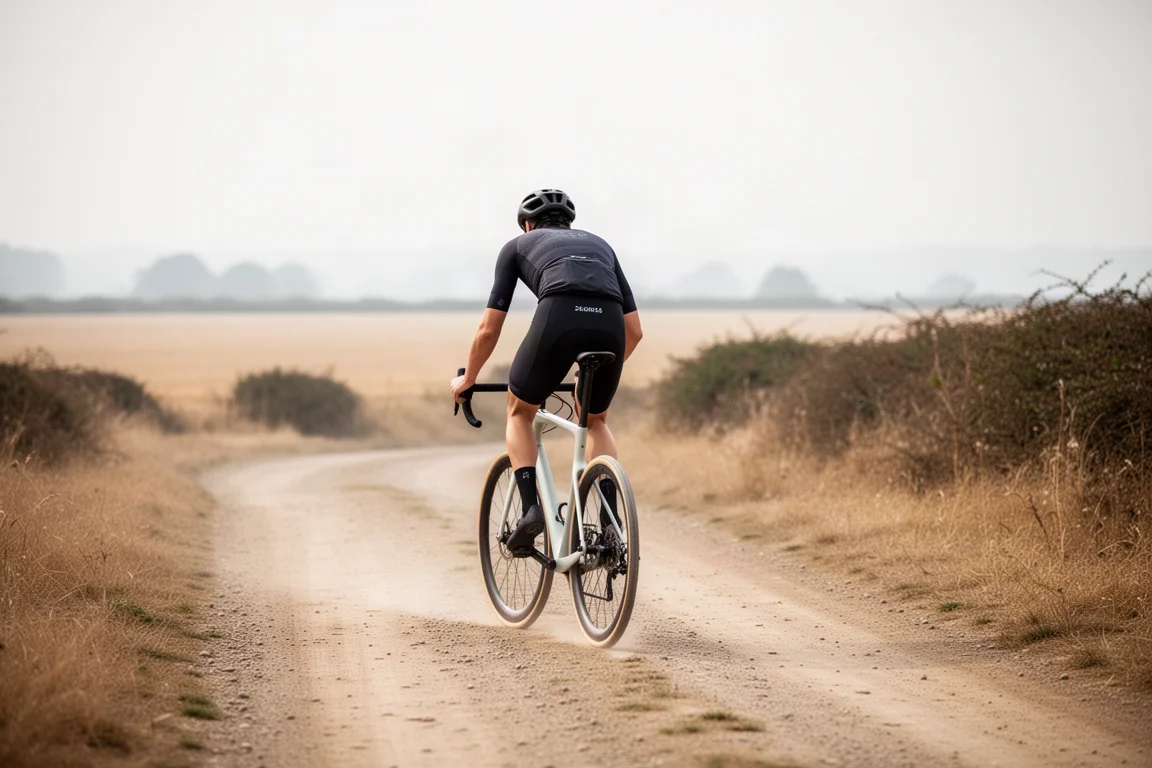
Riders who want one bike for everything will find that combination appealing. With a couple of chainring and tyre options, the Crux can cover fast gravel racing and looser, more technical days without changing platforms.
What Makes the New Crux Fast
Specialized’s argument for the new Crux rests on race simulation and telemetry gathered from events such as Unbound. The brand’s conclusion is that gravel racing is slower than road racing and rolling resistance is much higher, which shifts the point at which extra aerodynamic features stop paying for the weight they add.
The term Specialized uses for this is time to finish: simulate the race, the rider, the conditions, and the equipment, then build the bike that should produce the fastest finishing time rather than the lowest drag figure in isolation. Most of the tube shapes on the Crux are unique to this bike rather than borrowed from a road platform.
As a way of putting a number on the approach, Specialized’s modelling suggests that a rider on the new Crux would have finished 9 minutes and 58 seconds faster at Unbound than on the previous generation, potentially moving from third place to second. That projection assumes everything else stayed the same, including tactics and rivals’ equipment, so it illustrates the design logic rather than predicting a result.
Geometry and Tire Clearance Changes
The new generation also brings small geometry revisions. Frame reach is longer across the size range so the bike can be paired with a slightly shorter stem, and the head tube angle is half a degree slacker to calm high-speed handling. The seat tube angle is half a degree steeper, which moves the rider further forward over the bottom bracket and helps free up rear tyre clearance. Bottom bracket height has been lowered to account for the larger tyres.
Tyre clearance is now 55 mm with room to spare, which gives the frame headroom for the wider rubber that gravel racing increasingly favours.
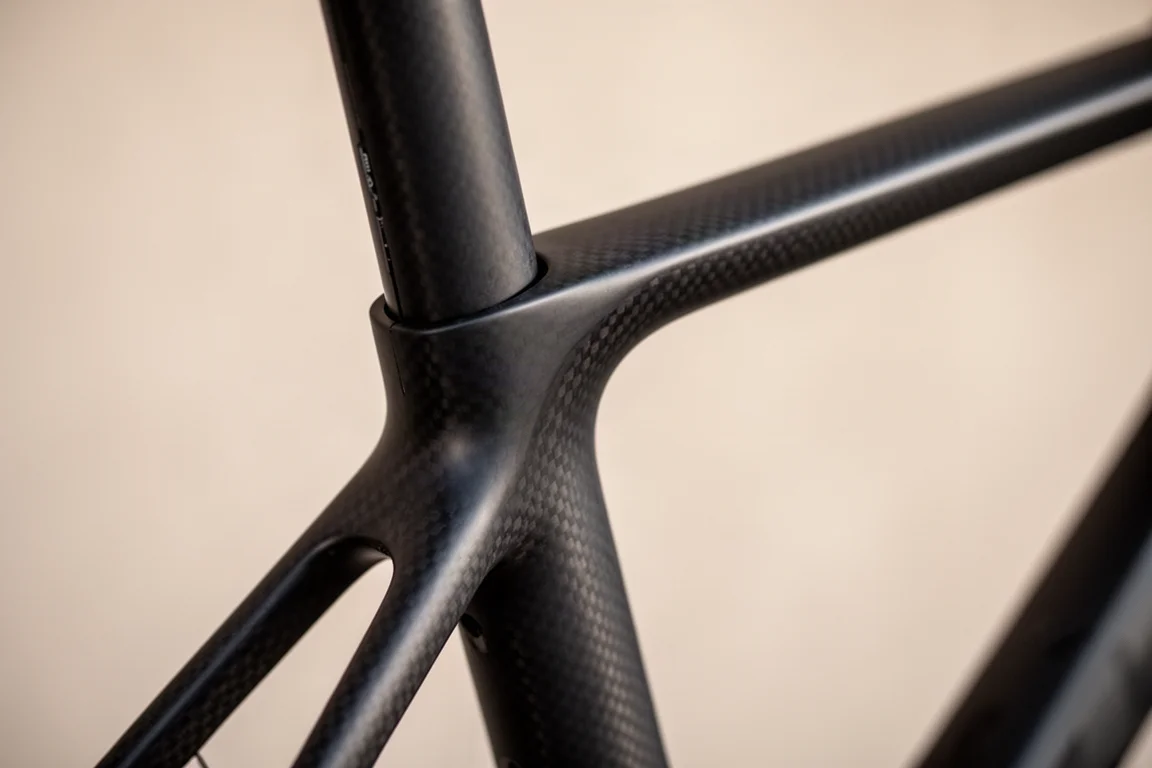
Taken together, the changes point to a bike that is intended to stay stable at speed on loose surfaces while still feeling direct when a rider pushes hard. None of the adjustments are dramatic on their own, but they add up to a noticeably different ride character from the previous generation.
How It Rides on Gravel
We spent around three hours and roughly 70 km on the new Crux on the hilly gravel roads near Girona, with about 1,000 m of climbing, in a group that kept a brisk pace. The bike rides much as it looks: like a fast road bike with very large tyres. Uphill, downhill, and on flat, fast sections it stayed composed while remaining agile enough to avoid feeling dull.
Despite the cushioned tyres, the Crux is reactive and firm, particularly at the front end. The new Terra cockpit is said to be almost 80 per cent more compliant in the drops than the Roval Rapide cockpit used on the Tarmac SL8, yet it did not feel noticeably flexy, and bigger hits still come through clearly. For a race bike, that seems like the right balance: few racers want vague or flexy steering under power, and giving up a little comfort in exchange for precision is a reasonable trade.
Where the New Crux Falls Short
The most consistent criticism during our time on the bike concerned the Specialized Tracer tyres. They were adequate, but they did not offer as much grip as we would want from a mixed-terrain gravel tyre on steep, dusty descents, and there were a few moments where traction broke under braking, which meant approaching corners more cautiously than the bike otherwise encouraged.
Rolling resistance is another consideration. Published test data suggests the Tracers give away a few watts compared with similar gravel options such as the Schwalbe G-One All Round Pro, and they come out slower still than fast cross-country tyres including the Continental Race King and the Schwalbe Thunder Burt.
Tyres are the easiest component to change, so this is unlikely to be a deal breaker for most buyers. There is also a wider question about wheel size. Much of the current interest in gravel racing centres on 32-inch wheels, and the winner of Unbound has been reported to be lining up on a prototype 32-inch gravel bike. Whether that format delivers a genuine advantage is not yet clear, and first-generation technology often needs a few iterations before the details are sorted out. For anyone planning a significant gravel bike purchase, it is a trend worth watching.
Build Options and Value
The bike we rode was the S-level Crux, priced at $10,500 or £8,500, with Specialized’s second-tier FACT 10R carbon frameset and a flagship groupset. It effectively replaces the previous Pro model, with a price increase attached.
Cheaper options exist in the range. The Comp build is priced at $4,500, with another Comp option at $5,249, and buyers in the United States can choose a $3,500 10R frameset to build up with their own parts. As with most Specialized models, the brand’s pricing is not the reason to choose it.
The value argument becomes easier if the Crux is your only drop-bar bike. Used with a few chainring and tyre options, it can cover racing, fast training, and long mixed-surface rides, which spreads the cost across more of the riding you actually do.
Buying Advice
If you race gravel seriously and want a light, fast bike that behaves like a road bike with wider tyres, the new Crux makes a strong case, particularly in the lower Comp builds or as a frameset. It is also the simplest way to get a single drop-bar bike that covers racing, fast training, and long mixed-surface days.
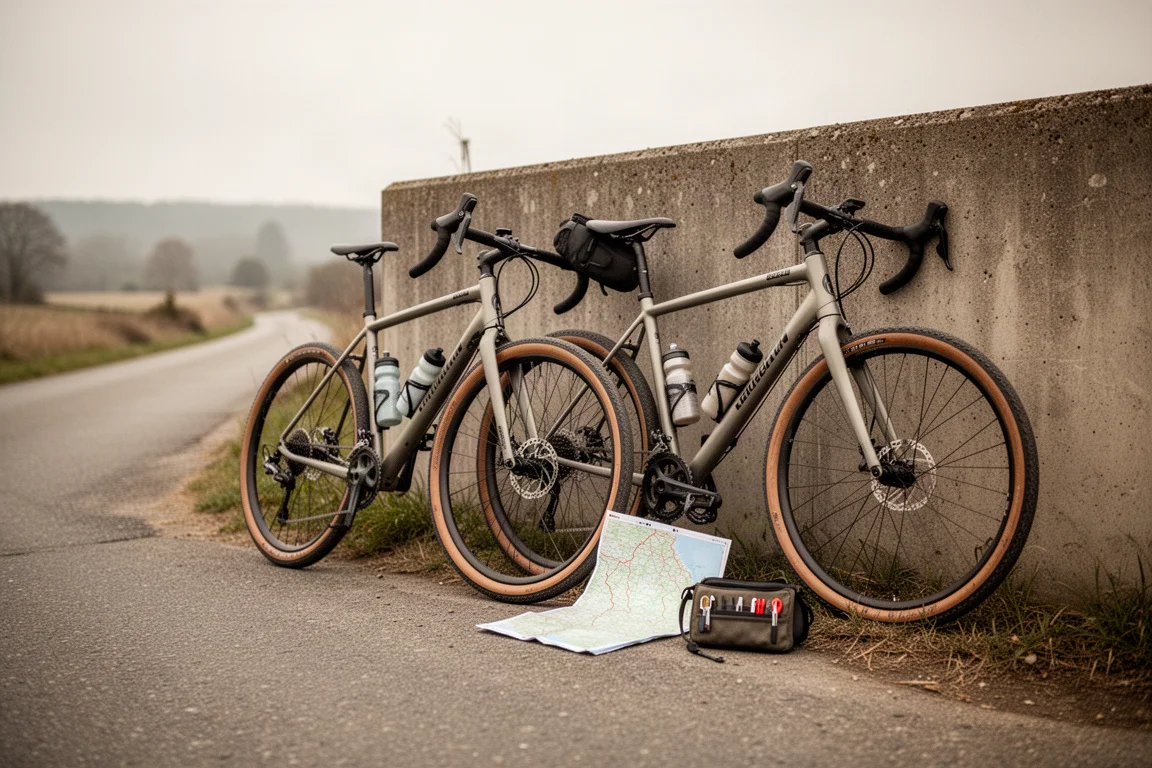
Budget for a tyre change if you ride loose, steep descents regularly, since the stock Tracers are the weakest part of an otherwise well-rounded package. If your priority is maximum aerodynamic efficiency above all else, other aero-focused gravel platforms may suit you better, because the Crux is deliberately a compromise, and that compromise is what makes it capable across a wide range of conditions. Riders weighing a purchase right now should also factor in how the 32-inch wheel conversation develops before committing to a top-tier build.
Conclusion
The new Specialized Crux is a well-considered gravel race bike. It gives up the round-tube aesthetic of the previous generation in exchange for measurable aero gains, keeps weight impressively low, and pairs both with 55 mm tyre clearance and geometry tweaks that make sense for real gravel racing. The stock tyres are the clearest weak point, and the price of the top builds is significant, but the bike itself is composed, agile, and fast on the surfaces that matter.
Product link
View more details for Specialized Crux
This product is mentioned in the review. Check the specifications, options, and compatibility before buying.
View more details for Specialized CruxFurther reading
Related Reviews
Gravel Bikes
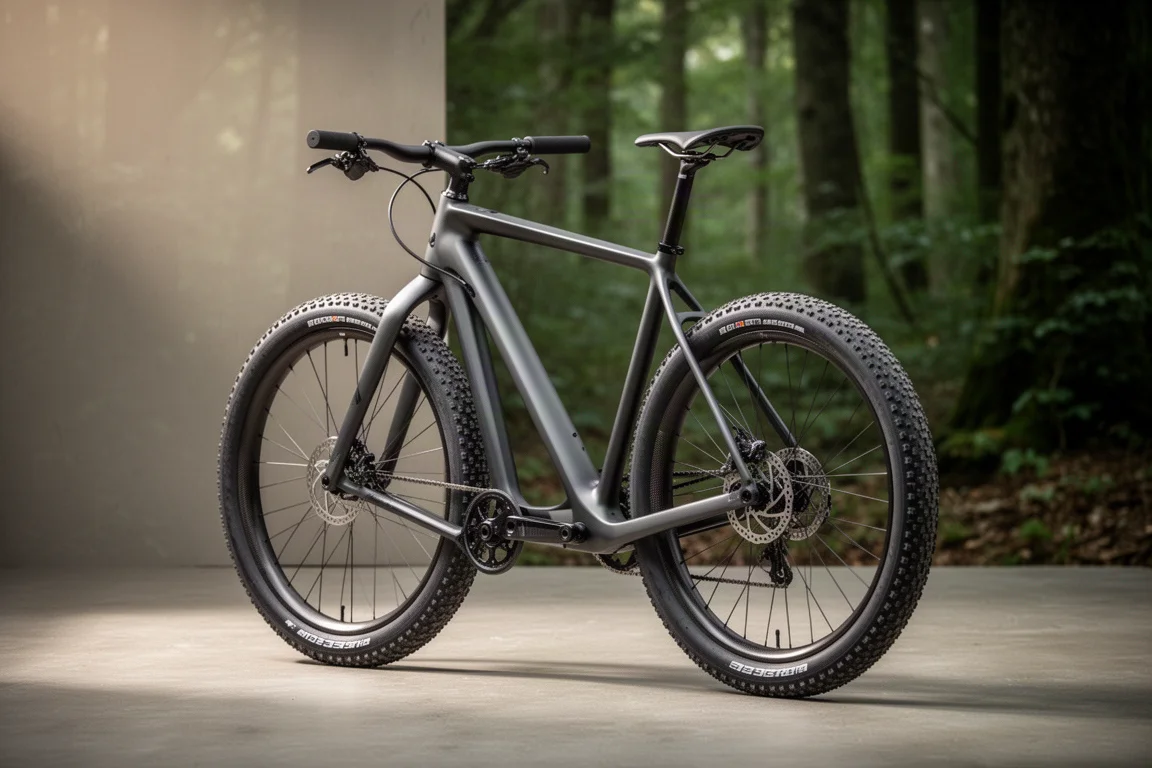
3T Exploro Ultra Review: A Fast Gravel Bike Built for Big Tyres
A close look at the 3T Exploro Ultra, an aero carbon gravel bike designed around wide tyres, with road-like handling, a 980 g frame and genuine rough-terrain capability.
Gravel Bikes
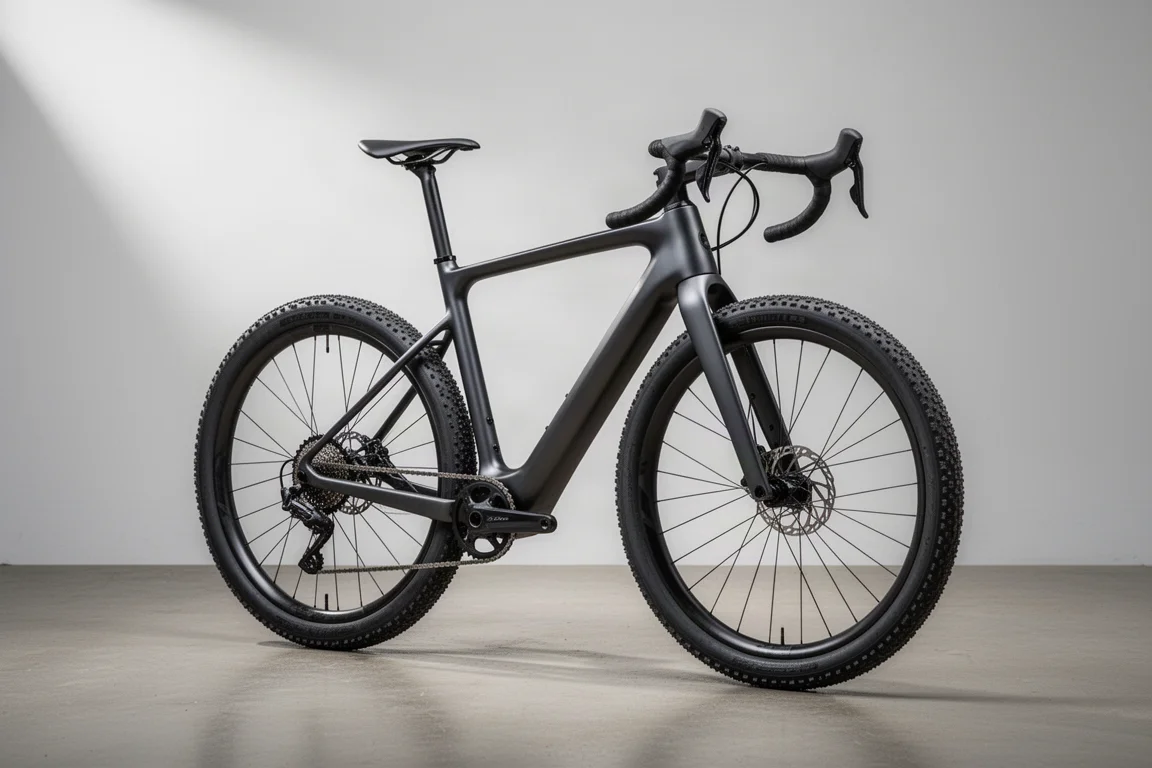
3T Extrema Italia Review: Aero Gravel Speed With Room for 57 mm Tires
The 3T Extrema Italia pairs an aero frame with huge tire clearance, Italian-made carbon and a more comfortable ride than the RaceMax. Here is what to know before buying.
Gravel Bikes
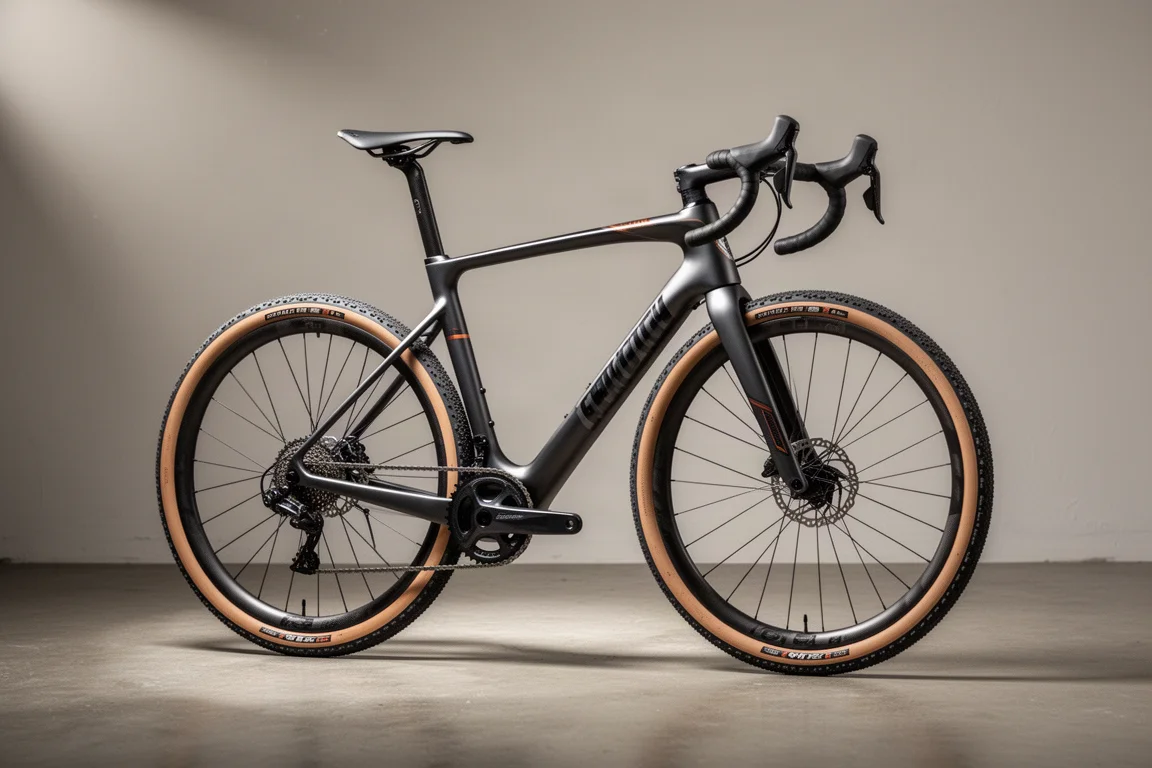
3T Race Max 2 Italia Review: An Aero Gravel Race Bike Made in Italy
A closer look at the second-generation 3T Race Max 2 Italia, covering its aero updates, ride character, tire clearance, internal storage and who it suits.