Gravel Bikes
Specialized Crux Review: The Gravel Bike That Still Sets the Benchmark
A close look at the Specialized Crux, a light and versatile gravel bike with a simple, serviceable design, plus the trade-offs to weigh before buying.
Introduction
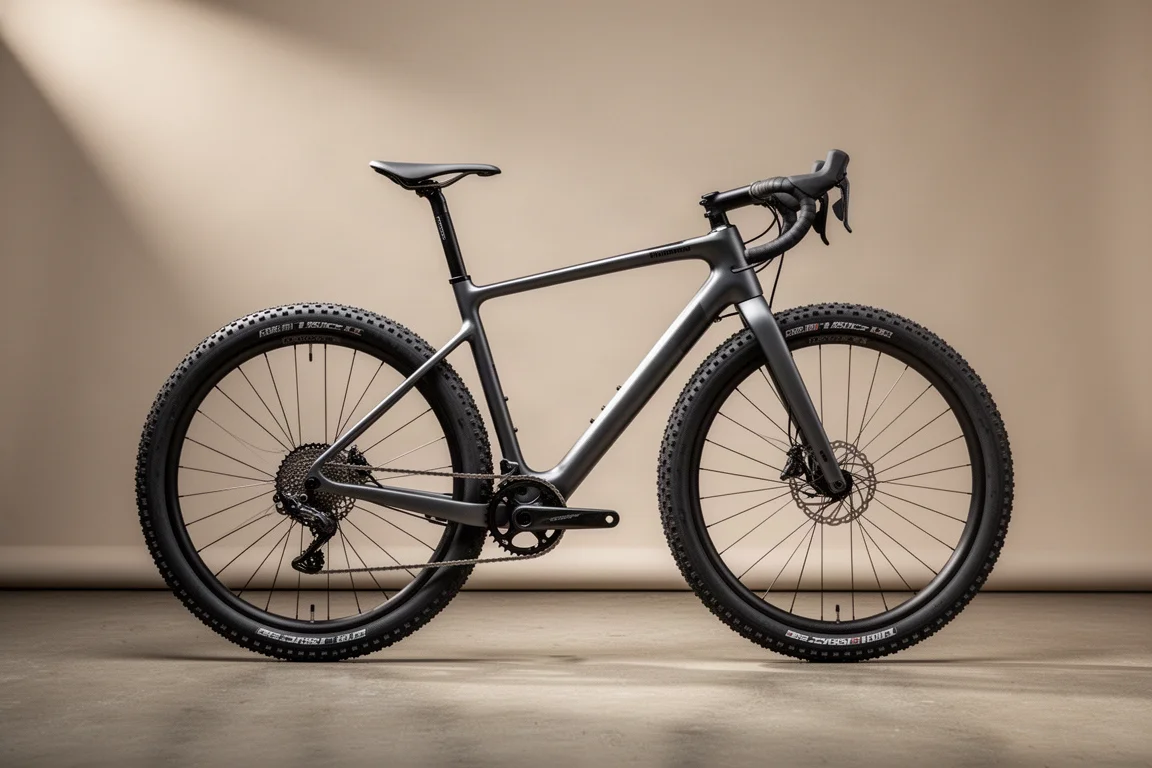
The Specialized Crux spent years as a cyclocross race bike before a major redesign in 2021 pushed it firmly into gravel territory with room for bigger tires. That change moved it from a niche race machine to a mainstream favourite, and it is now one of the most widely ridden gravel platforms around.
It is fast, light, and easy to live with, and it has collected race wins at both professional and amateur level. This review covers what the Crux does well, where it now shows its age, and who should consider one.
Who This Bike Is For
The Crux suits riders who want one bike to cover a lot of ground. The same frame can be raced in cyclocross on narrow tires through winter, raced on gravel, taken on long exploratory rides, loaded with bikepacking bags for multi-day trips, or fitted with 35mm to 40mm slicks and used as a road bike. That range makes it a strong option for anyone who would rather run two wheelsets than own two bikes.

It also appeals to riders who value a straightforward build over integrated design. If you service your own bike, or you ride gravel and cyclocross through wet winters, the Crux is a friendlier machine to own than many modern gravel bikes.
What Makes the Crux Stand Out
Versatility That Goes Beyond Gravel
The frame is rated for 47mm tires, yet 50mm rubber fits with clearance to spare between the tire and the carbon. Some riders go further and run mountain bike tires, or a mountain bike tire up front paired with a gravel tire at the rear.
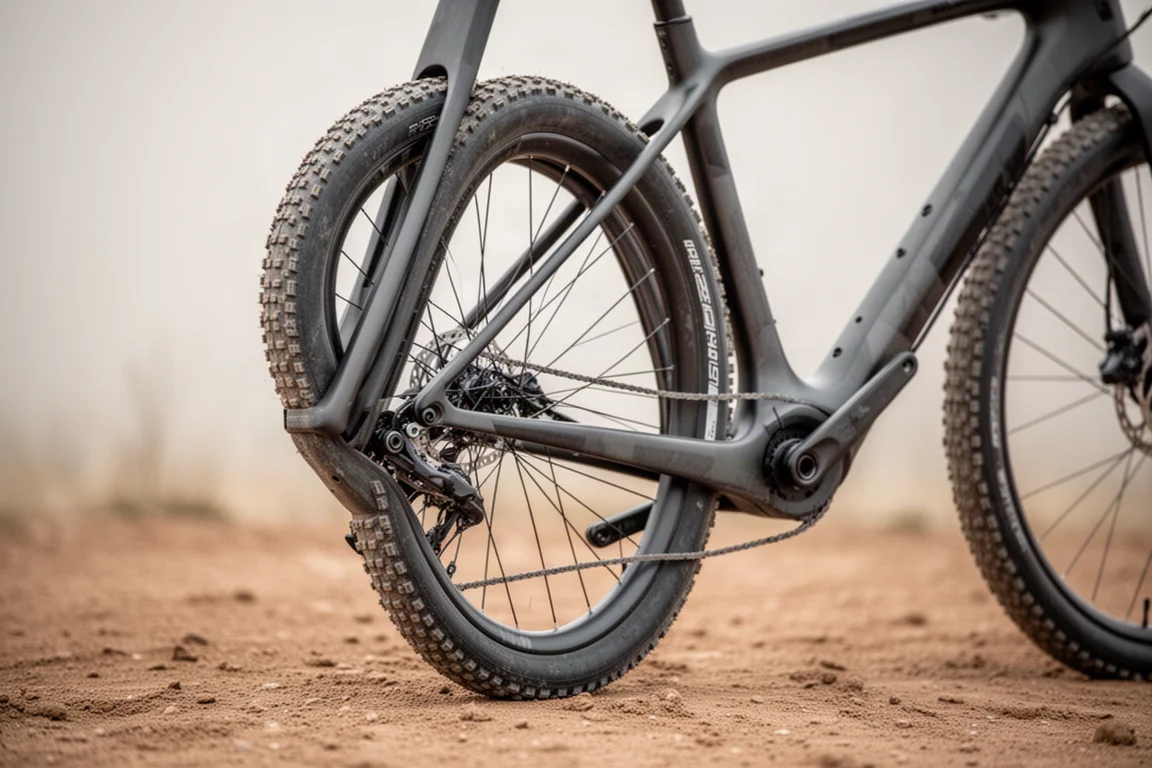
Bikepacking is possible without a frame covered in mounts. Extra bottle cage mounts on the down tube, strap-on bags, and seatpost-mounted tailfin style systems cover most needs for fast and light adventures or credit card touring. The trade-off is the absence of fork and top tube mounts, so heavy expedition-style loading is not where the Crux excels.
Simple, Serviceable Design
Round tubes, a round seat post, an external seat clamp, an external bottom bracket, and external cable routing up front all keep the bike easy to work on. The standard handlebar and stem can be swapped for different lengths, widths, and shapes, which is not possible with a one-piece cockpit.
Headset bearings sit exposed to winter grit on any gravel or cyclocross bike, and on the Crux they are quick to replace: the stem comes off, the steerer tube slides out, and the bearings lift free. That is a job most home mechanics can handle without a workshop bill. There is no in-frame storage and very little to go wrong, which is a large part of the bike’s appeal.
Light Weight Without Fragility
The Crux is one of the lightest gravel frames available, and it rides that way: eager and responsive when you push hard. The important part is that it does not feel delicate. The frame has withstood rough gravel tracks and multi-day bikepacking loads with luggage attached, which suggests the low weight has not come at the cost of toughness.

Weight is not the whole answer to going faster, but it still shapes how a bike feels, and very light builds of around 6kg are achievable with the right frameset and components. The Crux also occupies a useful middle ground between two diverging ends of the gravel market: aero gravel bikes on one side, heavily mounted adventure bikes on the other. It is fast and light enough to race at a high level while staying comfortable and big-tired enough for weekend gravel bashing.
Things to Consider Before Buying
The Crux is not aero optimised, and it does not offer the integration some riders now expect: no one-piece carbon cockpit, no internal routing, no in-frame storage, and no fender or mudguard mounts. Official tire clearance of 47mm looks modest next to newer rivals.
The platform has also changed very little since launch. The only update has been a switch to a UDH dropout, which brought compatibility with SRAM’s newest Explore groupset. Earlier versions use the previous dropout standard and the older SRAM Explore groupset, so it is worth checking which generation you are looking at when comparing used listings or specific builds.
Specialized pricing is another consideration, and it climbs steeply for S-Works versions.
Buying Advice
Decide first what the Crux will do most of the time. If you want a race-focused gravel bike with a light frame and sharp handling, it is a natural fit. If maximum tire clearance, aero tube shapes, or frame mounts for heavy bikepacking matter more, newer alternatives will suit you better.
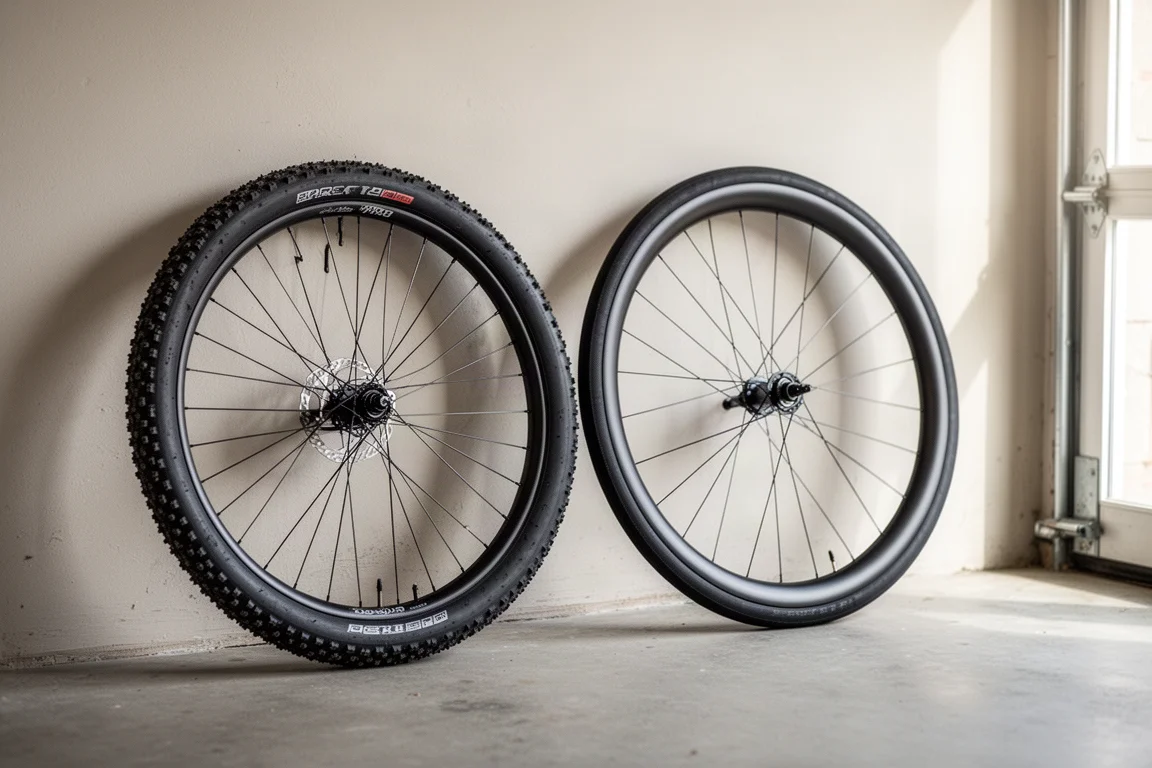
A two-wheelset approach gets the most from the platform: wide knobby tires for gravel and cyclocross, and 35mm to 40mm slicks for road riding. Factor in the groupset generation and dropout standard when comparing prices, and remember that the frame’s simplicity is a big part of what makes it easy to own long term.
Conclusion
The Crux is not the most advanced gravel bike on the market, but it is one of the most complete. It handles racing, exploring, bikepacking, and road duty well, and it stays simple enough to service at home. For riders who want a single bike that covers nearly everything, it remains an easy recommendation.
Product link
View more details for Specialized Crux
This product is mentioned in the review. Check the specifications, options, and compatibility before buying.
View more details for Specialized CruxFurther reading
Related Reviews
Gravel Bikes
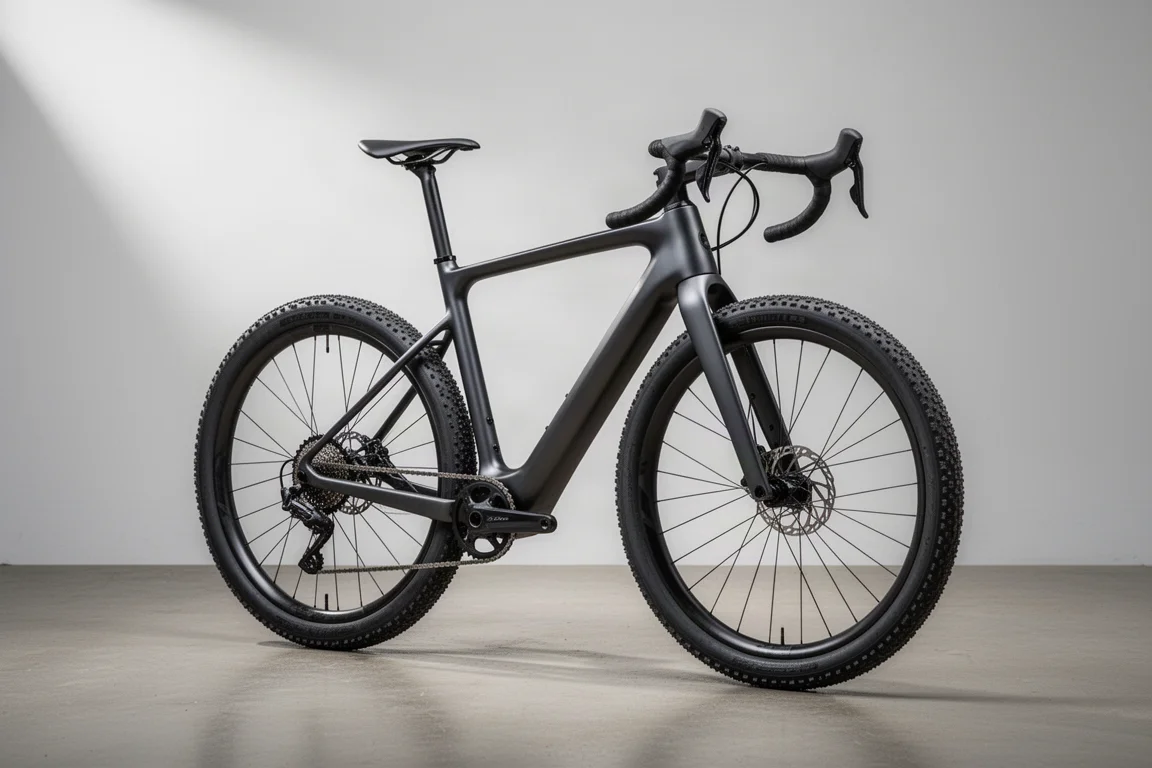
3T Exploro Ultra Review: A Fast Gravel Bike Built for Big Tyres
A close look at the 3T Exploro Ultra, an aero carbon gravel bike designed around wide tyres, with road-like handling, a 980 g frame and genuine rough-terrain capability.
Gravel Bikes
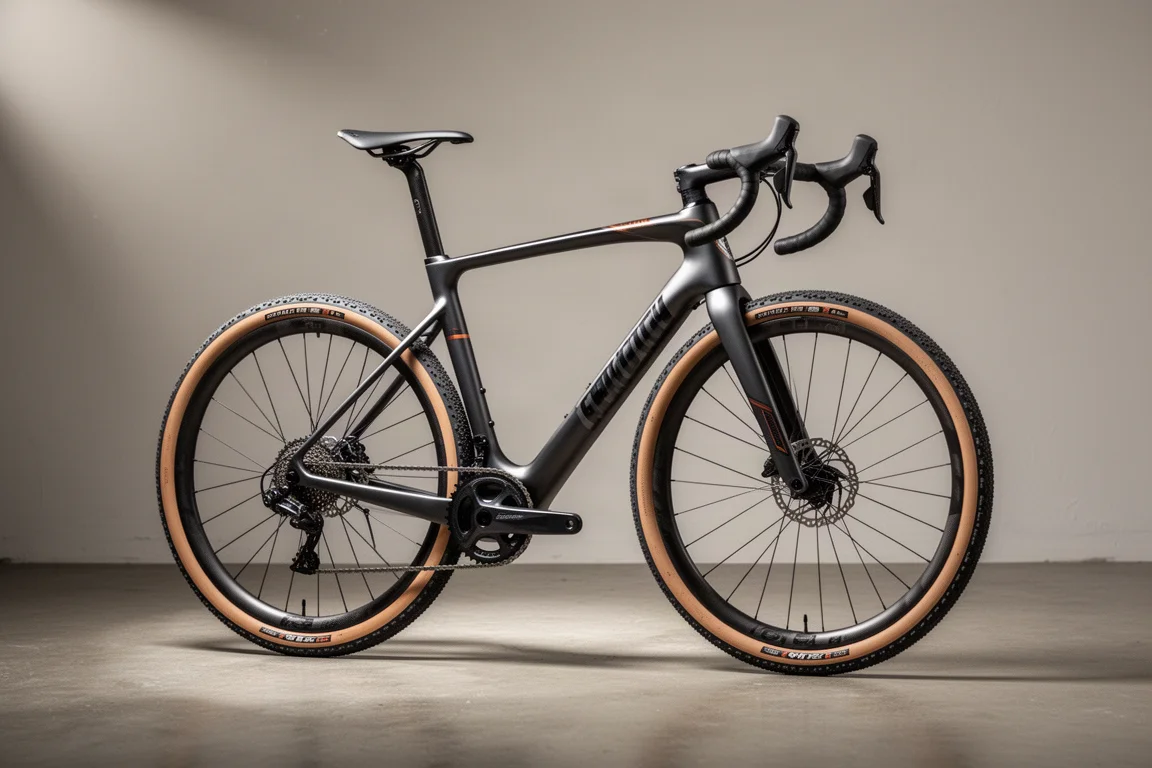
3T Extrema Italia Review: Aero Gravel Speed With Room for 57 mm Tires
The 3T Extrema Italia pairs an aero frame with huge tire clearance, Italian-made carbon and a more comfortable ride than the RaceMax. Here is what to know before buying.
Gravel Bikes
3T Race Max 2 Italia Review: An Aero Gravel Race Bike Made in Italy
A closer look at the second-generation 3T Race Max 2 Italia, covering its aero updates, ride character, tire clearance, internal storage and who it suits.