Gravel Bikes
Specialized Crux Long-Term Review: One Bike for Cyclocross, Gravel, and Road
A long-term look at the Specialized Crux as a three-in-one cyclocross, gravel, and road bike, including the real strengths and the gripes worth knowing before you buy.
Introduction
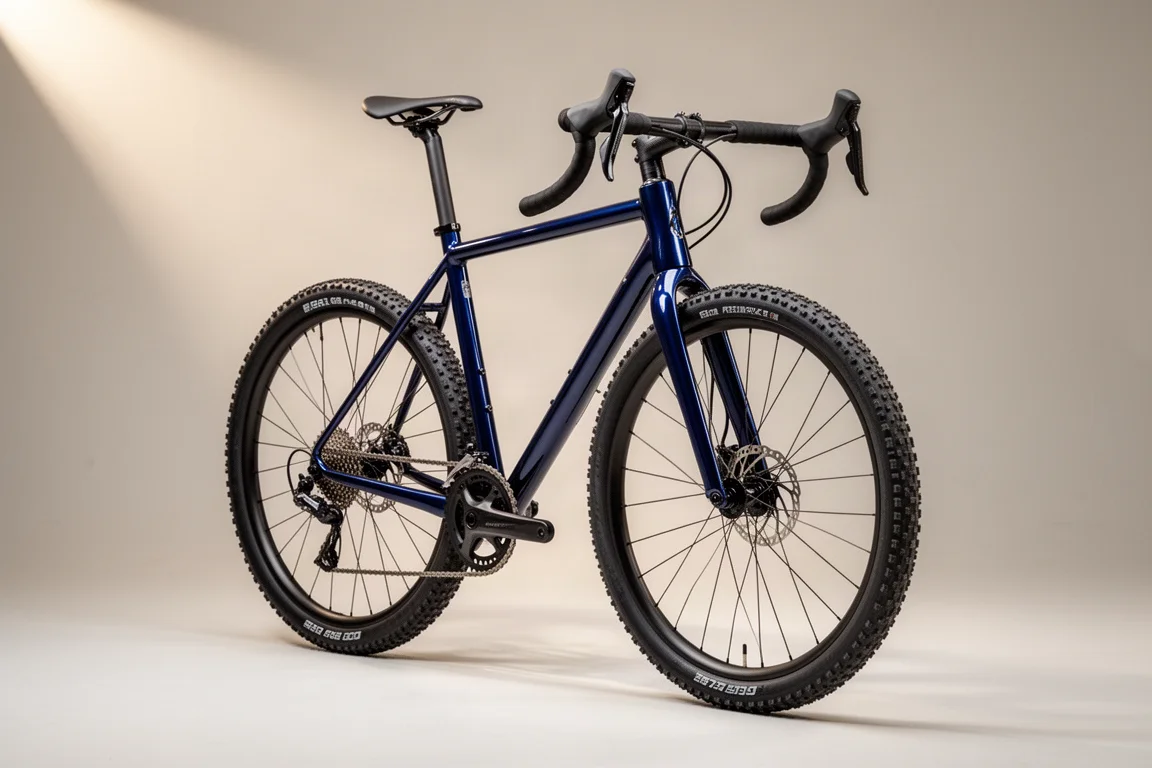
Ten months of hard use can change how you feel about a bike, and in this case it made the Specialized Crux the most-ridden bike in the garage. It has done cyclocross racing through winter, long gravel days through summer, and a surprising amount of road riding in between. With three different wheel and tire setups, it has been pressed into service as three bikes in one, and it has handled all three convincingly.
The appeal is not a single headline feature. It is the combination of a very light frame, generous tire clearance, and a deliberately simple design that is easy to live with and easy to service. That combination is what makes the Crux feel special, and it is also why a few missing details stand out so much.
Who This Bike Is For
This is a bike for riders who want one machine to cover a lot of ground. Cyclocross in the winter, gravel through the summer, and enough road manners to make a road ride enjoyable. It suits riders who value low weight and mechanical simplicity over integrated cables, hidden hardware, and the latest proprietary standards.
The design philosophy is deliberately old-school in the places that matter for maintenance. External cable routing, a regular seat post with an external seat clamp, and a threaded bottom bracket all make the bike straightforward to work on. The frame is a claimed 725 g, with clearance for tires up to 47 mm wide, and the geometry was revised from the earlier generations of the model.
That simplicity is the whole point. If you want fender mounts, integrated cockpit hardware, or the newest hangerless drivetrain standards, this is probably not the frame for you. If you want a light, focused, easy-to-service bike that can race cyclocross and still ride gravel well, it is very hard to argue with.

The geometry also rewards riders who like a quick-handling bike rather than a long, slack, stability-first gravel platform. It feels lively under a rider who is willing to steer it, and calm enough for long days when the surface turns rough.
Cyclocross Performance
Cyclocross is where this bike feels most at home. On UCI-legal 33 mm tires it is sharp, stiff, and extremely light, which makes it nimble and precise around a fast, twisting course. The high bottom bracket allows pedaling through corners where other bikes have to coast, and the aggressive tread on the tires keeps traction when the bike is leaned hard.
That low weight matters most late in a race. When an hour-long event turns muddy and heavy, the bike is still easy to accelerate and easy to lift over obstacles. The generous clearance around the tires also means mud has far less opportunity to pack up and clog the frame, even in genuinely bad conditions.
Just as importantly, the Crux is easy to service after a muddy race. Headset bearings can be extracted without drama thanks to the external cable routing, the threaded bottom bracket is a simple job, and the regular seat post with an external clamp removes another source of fiddly maintenance. For a bike that gets hammered in awful weather, that is worth more than it sounds.
Gravel Performance
With 45 mm tires fitted, a shorter stem, and wide flared handlebars, the Crux turns into a very capable gravel bike. The geometry is more road-biased than the slack, long gravel platforms, and it sits closer to the handling character of a fast gravel race bike than to an adventure-oriented machine.
It has covered local trails, long gravel tracks, and even mountain bike paths without complaint. On rough surfaces the comfort is not quite at the level of a dedicated endurance gravel platform, but it is close, and comfort can be raised substantially with a suspension stem and a suspension seat post. With room for 45 mm tires and clearance up to 47 mm, low-pressure high-volume rubber does a lot of the smoothing on its own.
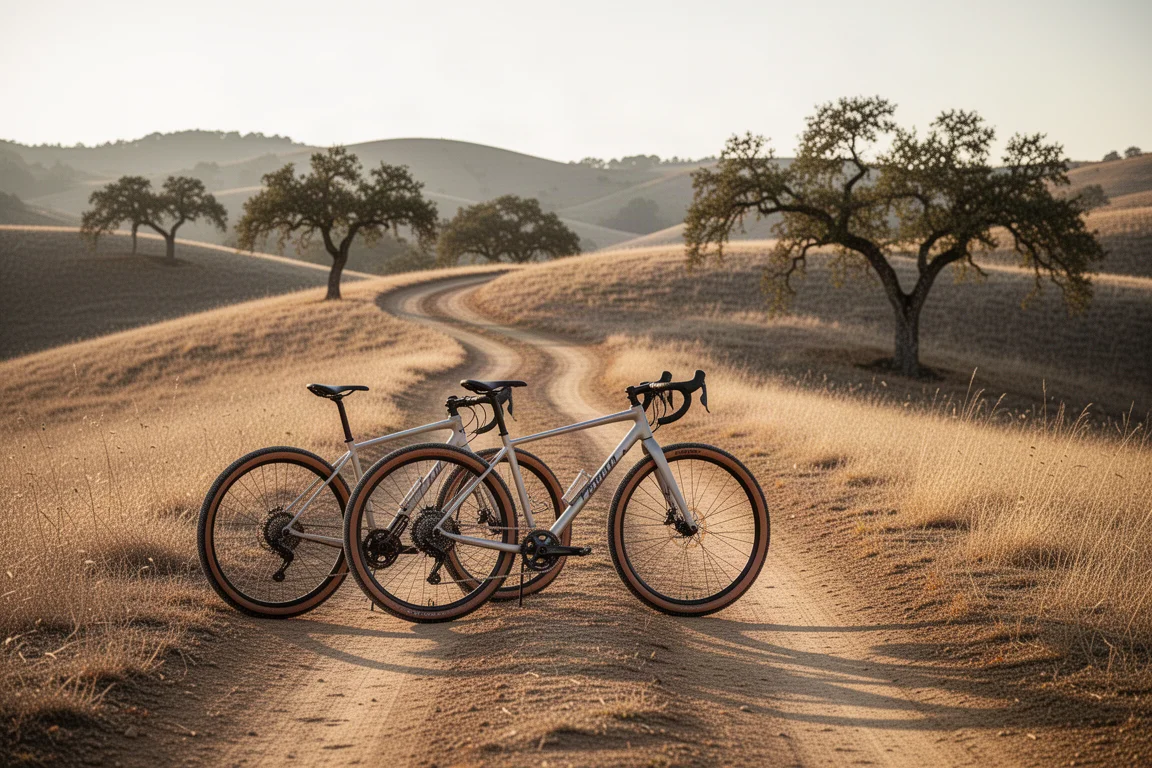
Riders coming from a pure gravel bike will notice the firmer ride and the quicker steering, but they will also notice how much lighter and more eager the bike feels on any climb or acceleration.
Road Performance
Fitting 38 mm-wide tires with 40 PSI front and rear turns the Crux into a genuinely enjoyable road bike, and there is plenty of room between tire and frame and fork for rubber that most road bikes cannot accept. The ride is smooth and supple, grip is excellent at low pressure, and the long wheelbase keeps it stable on descents.
The bottom bracket sits higher than on an endurance road bike, so the feel is slightly different, but the bike still rides exceptionally well on tarmac. Low weight makes it a strong climber, and the gearing helps: a 42-tooth chainring paired with a 10-44 cassette makes even steep gradients manageable, and easier than many road bikes with a compact setup.
On outright speed there is no real reason for the Crux to be slower than a typical endurance road bike. The frame and fork are stiff, the geometry works on the road, and the bike is light. Aero tubing and fully hidden cables are the only obvious disadvantages, and in practice it never feels slow. If this were the only road bike available, it would not be a hardship.
Living With the Crux
The build has been faultless over ten months. A SRAM Force 1x groupset with a 10-44 cassette at the rear and a single chainring up front has covered everything from steep off-road climbs to fast road sections, and the original brake pads and original chain are still in service. Maintenance has been minimal.
The frame has also proved willing to take whatever is thrown at it. Suspension stems, a suspension seat post, and even a suspension fork have all been fitted at various points, and the bike handled each configuration without complaint. The paint finish is genuinely striking, though a respray in something more personal is a tempting future project.
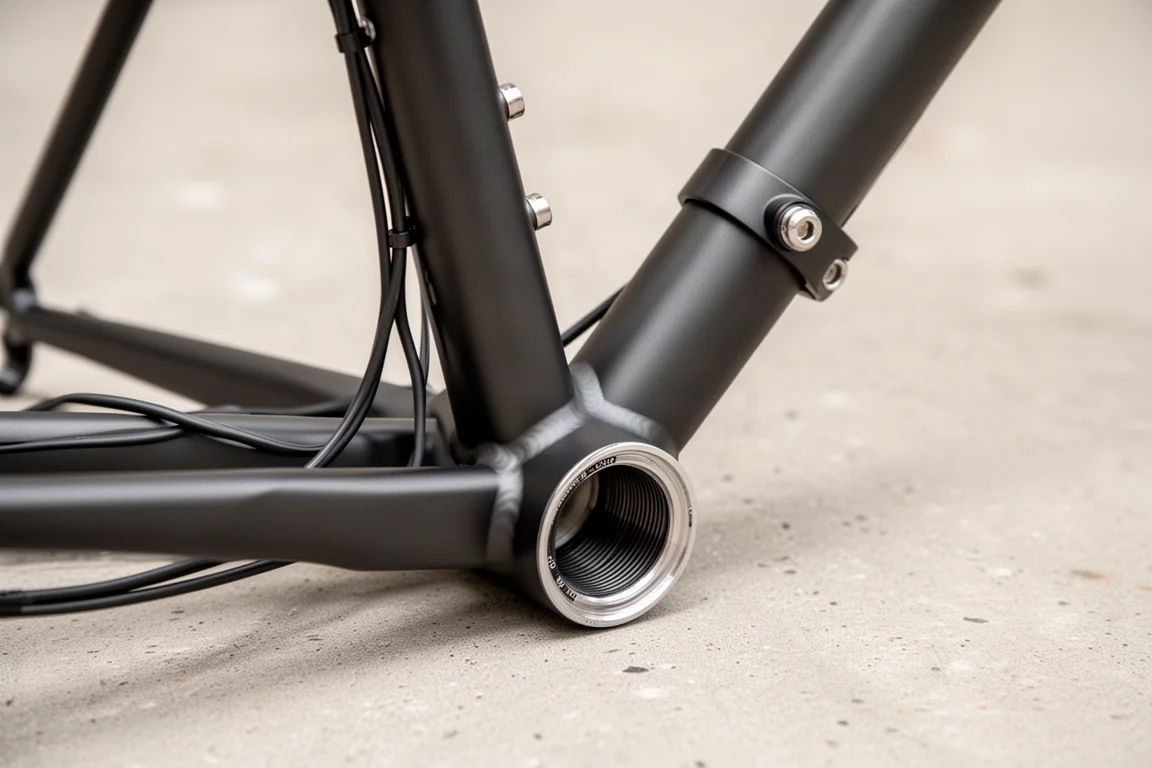
The one recurring frustration in daily use is the rear derailleur hanger. It is not the most robust piece of hardware, and one was already bent when the bike fell over. It works perfectly when it is straight and true, but it is a small weak point on an otherwise remarkably trouble-free bike.
Things to Consider Before Buying
The most significant omission is a lack of mudguard or fender mounts. With this much tire clearance, the ability to fit fenders would have made the Crux an outstanding winter road and commuter bike, and their absence is genuinely annoying. It is a bike that could do almost everything, and this is the one gap in that versatility.
There is also a compatibility question to weigh up. The frame predates the newer hangerless transmission standard, where the rear derailleur bolts directly to the frame and through axle for a much stronger and more robust setup. Several newer gravel bikes have adopted that dropout standard, and the Crux cannot. It will not matter to every rider, but if you plan to move to that newer drivetrain generation later, this frame will not support it.
Finally, comfort is good rather than class-leading. A dedicated endurance gravel platform rides more softly, and riders who prioritize long-distance plushness over low weight and sharp handling should factor that in.
Buying Advice
The Crux makes the most sense for riders who want a low-weight, simple, versatile frame that can be raced in cyclocross, ridden hard on gravel, and used as a road bike with a change of wheels and tires. Its strengths are structural rather than feature-based: a claimed 725 g frame, clearance for up to 47 mm tires, revised geometry, and a design that is easy to service for years.
Plan your wheel and tire sets before you buy, because that is where the three-in-one promise is realized. A set of 33 mm cyclocross tires, a set of 45 mm gravel tires, and a set of wide road tires cover almost every ride most people actually do. Adding a suspension stem and seat post is a simple way to expand comfort without changing the character of the bike.
If fender mounts, the newest hangerless drivetrain standard, or maximum long-distance comfort are deal-breakers, look elsewhere. For everyone else, this is a bike that quietly does more than its category suggests.
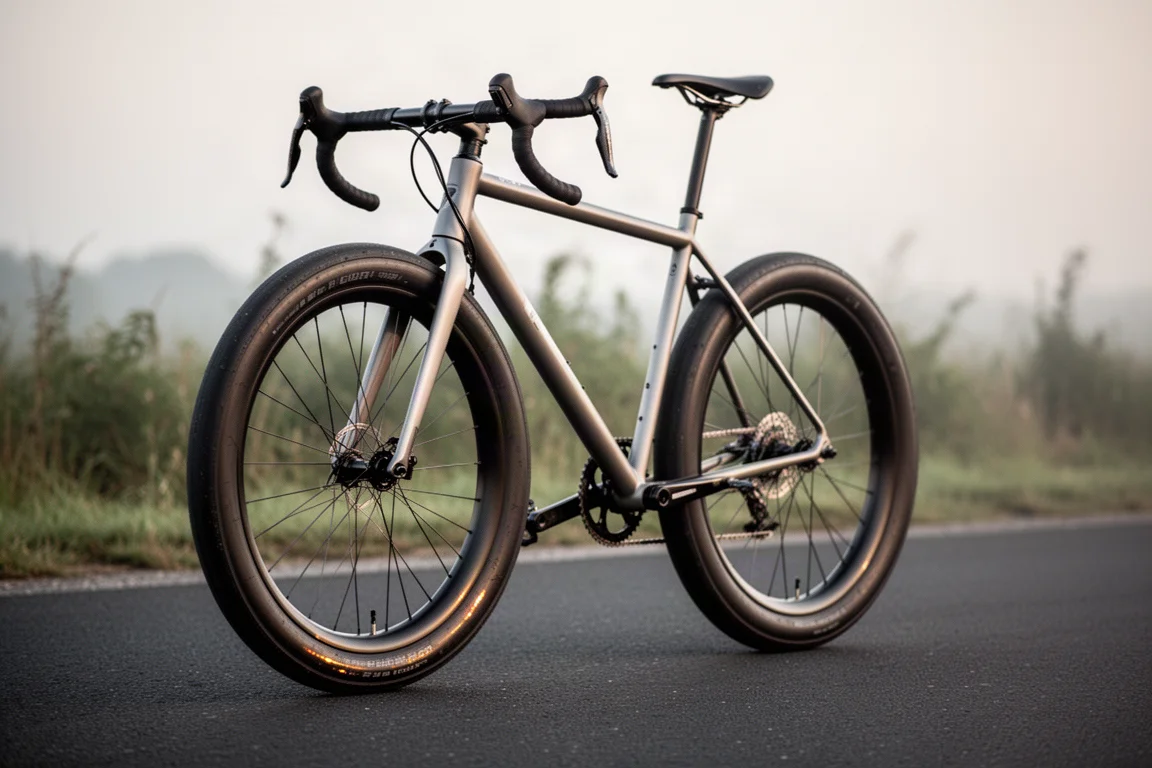
The value case rests on how much you ride. A frame this light, this easy to maintain, and this adaptable replaces a cyclocross bike, a gravel bike, and a good portion of a road bike for a lot of riders.
Conclusion
The strongest argument for the Specialized Crux is not any single specification. It is the way a very light frame, sensible tire clearance, simple hardware, and confident handling combine into a bike that is genuinely enjoyable in three different disciplines.
The compromises are real and specific: no fender mounts, a rear derailleur hanger that is not especially robust, and no compatibility with the newer hangerless drivetrain standard. Weigh those against the low weight, the easy maintenance, the threaded bottom bracket, and the external routing, and the picture becomes clear. For riders who want simplicity and versatility rather than maximum integration, the Crux is a very difficult bike to fault.
Product link
View more details for Specialized Crux
This product is mentioned in the review. Check the specifications, options, and compatibility before buying.
View more details for Specialized CruxFurther reading
Related Reviews
Gravel Bikes
3T Exploro Ultra Review: A Fast Gravel Bike Built for Big Tyres
A close look at the 3T Exploro Ultra, an aero carbon gravel bike designed around wide tyres, with road-like handling, a 980 g frame and genuine rough-terrain capability.
Gravel Bikes
3T Extrema Italia Review: Aero Gravel Speed With Room for 57 mm Tires
The 3T Extrema Italia pairs an aero frame with huge tire clearance, Italian-made carbon and a more comfortable ride than the RaceMax. Here is what to know before buying.
Gravel Bikes
3T Race Max 2 Italia Review: An Aero Gravel Race Bike Made in Italy
A closer look at the second-generation 3T Race Max 2 Italia, covering its aero updates, ride character, tire clearance, internal storage and who it suits.