Gravel Bikes
Specialized Crux Review: The Gravel Bike That Does Almost Everything Well
A lightweight, versatile gravel bike with a simple, serviceable design. Here is what makes the Specialized Crux so easy to recommend, and the trade-offs to weigh first.
Introduction
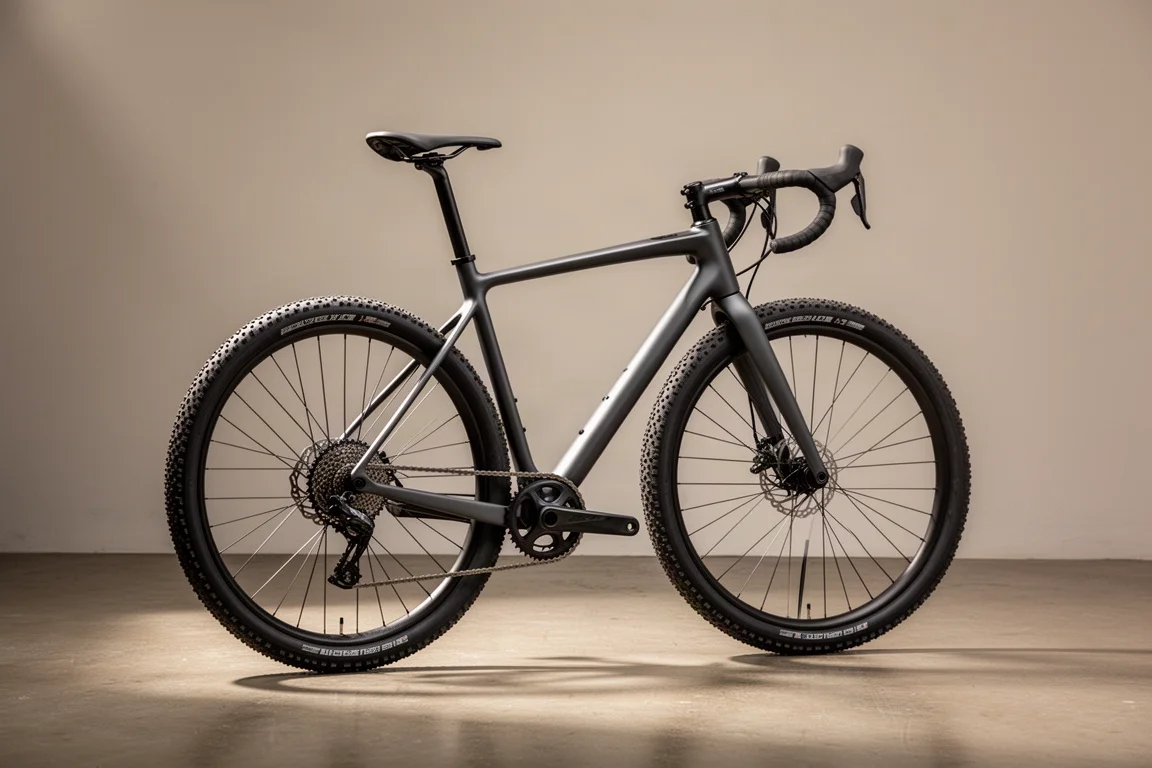
The Specialized Crux spent years as a cyclocross race bike, and a popular one at that. A major redesign in 2021 moved it firmly into gravel territory with room for much bigger tires, and that single change turned it from a niche race machine into one of the most visible gravel bikes on the market.
Very few bikes dominate a category the way the Crux dominates gravel. It turns up at races in large numbers, in every specification and paint scheme imaginable, from entry builds to top-tier race setups. It also wins, at professional and amateur level alike. Popularity alone is not proof of quality, but when a bike shows up everywhere across different budgets and disciplines, it usually means the underlying platform is doing something right.

What makes the Crux interesting is that it is not defined by a single trick. It is fast, light, fun to ride, comfortable over long distances, and genuinely adaptable. Riders use it for cyclocross racing, gravel racing, long-distance exploring, multi-day bikepacking with luggage, and even as a road bike with slick tires fitted. A bike that covers that much ground is a rare thing.
Who This Bike Is For
The Crux suits riders who want one bike that handles several jobs instead of a garage full of specialised machines. If you race gravel, ride cyclocross in winter, head out for long weekend adventures, and occasionally want to keep up on the road, this is the kind of platform that removes the need to choose.
It also appeals to riders who value a light, responsive feel. The frame is among the lightest gravel frames available, and it rides that way: pointy and eager when you push hard, without feeling nervous or fragile underneath you. That combination matters most to riders who care about how a bike feels on a climb or a fast, loose descent, not just what the geometry chart says.
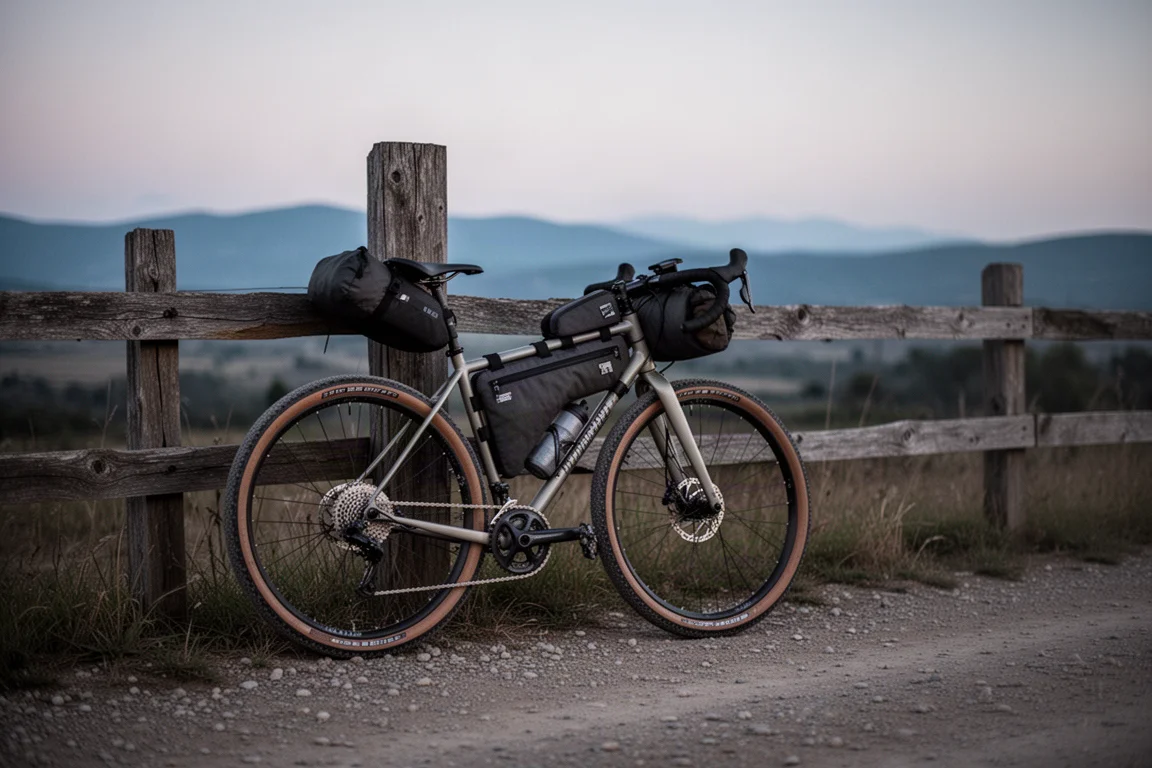
Bikepacking riders are well served too, with some caveats. The Crux is not the most heavily equipped adventure bike out there, but extra bottle cage mounts on the down tube, combined with strap-on bags and tail fin style systems, are enough for fast-and-light trips and credit card touring. Riders who want a fully loaded expedition rig with mounts on every surface may prefer a dedicated adventure platform.
Main Strengths
Race-Ready Speed With Real-World Comfort
The Crux is quick. It climbs well, it responds sharply when you put power down, and it holds speed on the kind of loose, rolling terrain where a heavy bike starts to feel like hard work. Just as importantly, it stays comfortable over long days, which is why it works as a race bike and as a weekend explorer at the same time.
The handling is a big part of that. It feels composed and predictable rather than twitchy, which gives you the confidence to push on unfamiliar gravel. Riders coming from a pure cyclocross background will recognise the sharpness, while riders coming from endurance bikes will appreciate how manageable it stays when the surface gets rough.
A Lightweight Frame That Still Takes a Beating
Weight still matters. Even with everything the industry has learned about aerodynamics and rolling resistance, a light bike changes how a ride feels, and there is a real psychological lift to riding something that accelerates easily beneath you. The Crux sits at the front of the field here, with one of the lightest gravel framesets around.
That low weight has not come at the cost of toughness. The frame has been ridden across some of the roughest gravel tracks in the world, loaded with bikepacking luggage for multiple days at a time, and it has held up without drama. It feels light and responsive, but not delicate.
Simple Design That Is Easy to Live With
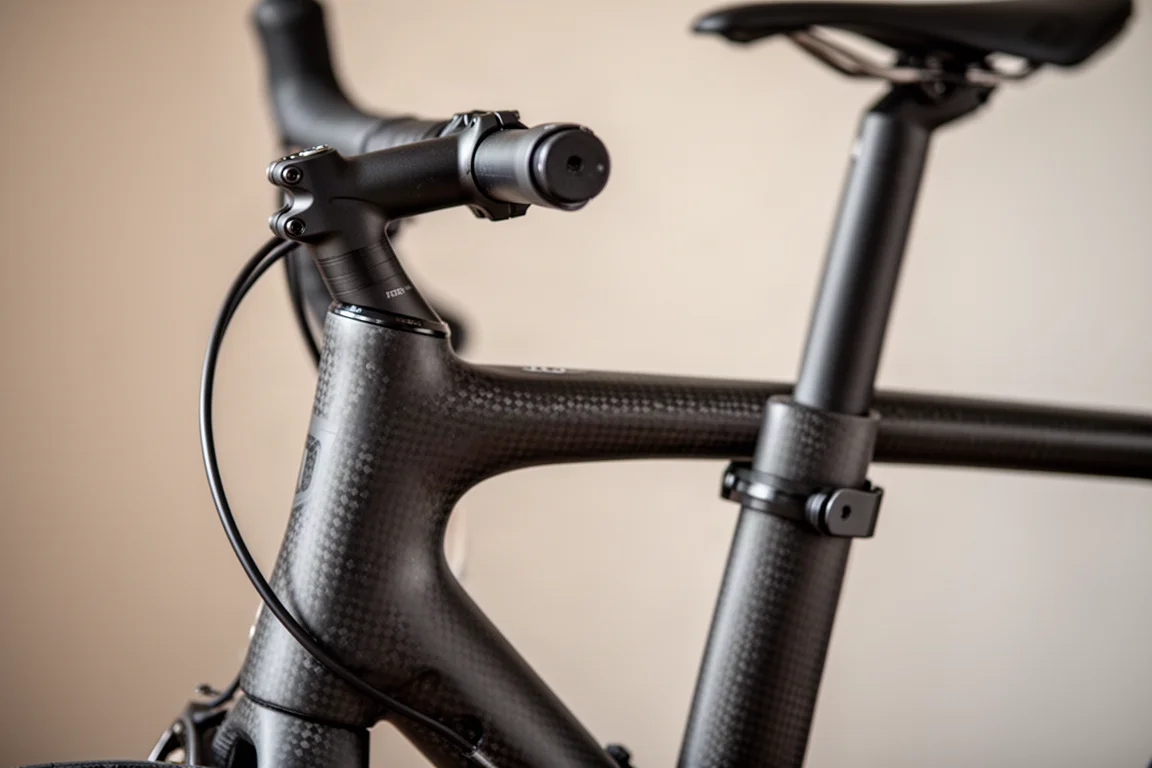
The Crux deliberately avoids complexity. The tubes are round, the seat post is round, the seat clamp is external, the bottom bracket is external, and the cables run externally at the front. It uses a regular handlebar and stem rather than a one-piece cockpit, so you can change stem length, bar width and bar shape to suit your own fit.
For anyone riding gravel or cyclocross through a wet winter, that simplicity pays off at service time. Headset bearings are a regular wear item in those conditions, and on this bike they are straightforward to reach and replace: remove the stem, slide the steerer out, and the bearings come free. No specialist tools, no workshop bill.
The frame is also free of the cosmetic clutter some riders dislike, with no fork or top tube bikepacking mounts and no in-frame storage. Nothing to rattle, nothing to seize, nothing to go wrong. It simply works.
The Sweet Spot Between Race and Adventure
Gravel bikes have split into camps. At one end sit aero-optimised race machines, and at the other sit fully capable adventure and bikepacking bikes built around maximum mounting options and stability. The Crux sits in the middle, and that is precisely the point.
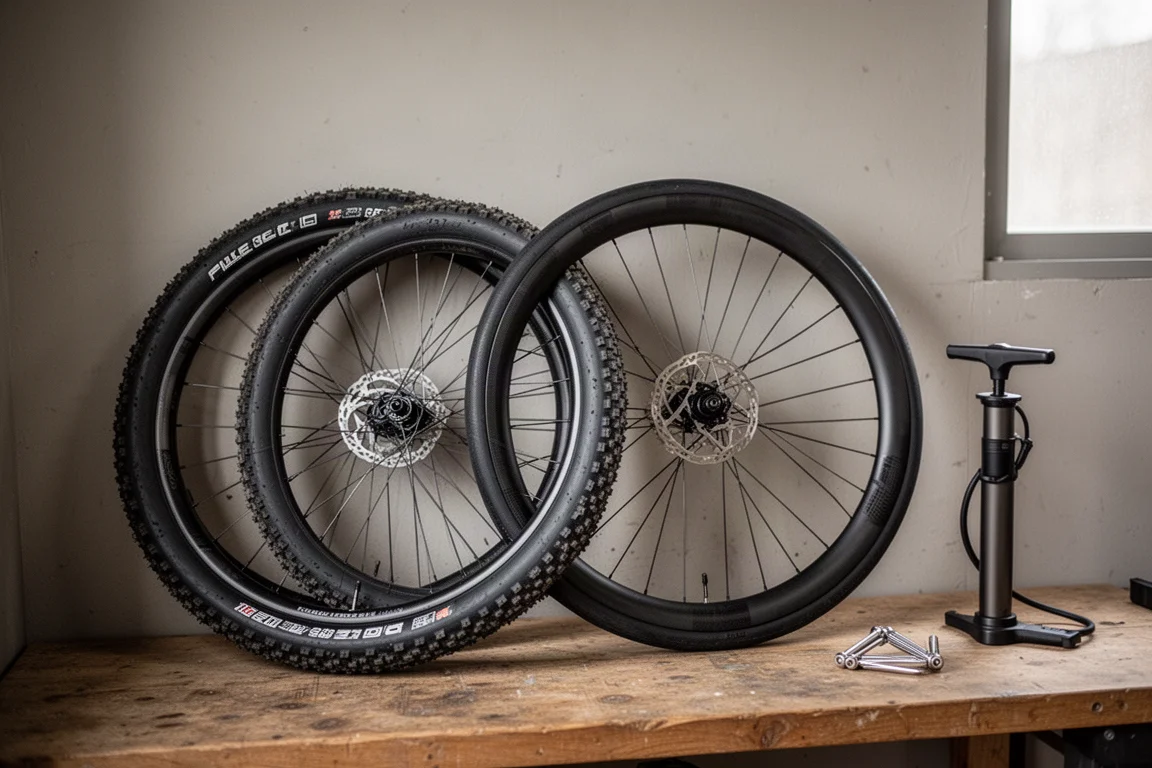
It is fast and light enough to race at a high level, while still having the tire volume and versatility for adventure riding and everyday gravel bashing. With clearance for 47 mm tires and plenty of room around them, many riders fit 50 mm rubber, and some run mountain bike tires quite happily, or a mountain bike tire up front with a gravel tire at the rear. Narrow tires in winter turn it back into a capable cyclocross bike, and slicks between 35 mm and 40 mm make it a thoroughly competent road bike with good manners.
One bike, two sets of wheels and tires, and most riders would struggle to justify a second machine.
Things To Consider Before Buying
The Crux is not the most technologically advanced gravel bike on the market, and buyers should be clear about what they are giving up.
It is not aero optimised. There is no integrated cockpit, no one-piece carbon bar and stem, and no in-frame storage. If those features matter to you, this is not the bike that delivers them. Tire clearance, while generous, now looks modest next to some newer rivals that push further. There are also no fender or mudguard mounts, which is worth knowing if you ride in wet conditions year round.
Price is the other consideration. Specialized bikes sit at the higher end of the market, and the S-Works version in particular commands a significant premium over more affordable builds in the range.
Finally, the platform has changed very little since launch. The main update so far has been a revised dropout, now compatible with SRAM’s newest Explore groupset, with a UDH dropout as the only real change. Bikes built before that revision use the older dropout, which is worth checking if you plan to run the newest drivetrain options.
Buying Advice
Think about which version of the Crux fits the riding you actually do. The frameset and platform are the same at the core, so the sensible approach is to choose the build level that matches your budget and upgrade later if you want to. A second wheelset with slick tires is one of the highest-value additions you can make, because it effectively doubles the bike’s range of use.
If you are buying used, check the dropout revision and confirm which groupset the bike was built around, since that determines compatibility with the newest drivetrains. Also check headset condition, especially on a bike that has seen wet winters, though the simple design makes any replacement straightforward and inexpensive.
As for what comes next, a new version is likely at some point. The most probable direction would be internal cable routing at the front with a one-piece bar and stem, which would divide opinion. The hope among existing owners is that any new model keeps the round tubes, low weight and simplicity that made the Crux so appealing in the first place, and that any aero gravel development arrives as a separate model rather than a replacement.
Conclusion
The Crux is not the most advanced gravel bike you can buy. It is, however, one that reminds you why you ride bikes in the first place. It does nearly everything extremely well, with a light and responsive frame, sensible design that is easy to maintain, and enough tire clearance to cover racing, exploring, bikepacking and road riding.
If you want one bike that covers the widest possible range of riding without asking for much in return, this is one of the most confident recommendations in the gravel category. If you need aerodynamic integration, in-frame storage or mudguard mounts, look elsewhere. For everyone else, the Crux makes a strong case for being the only bike you need.
Product link
View more details for Specialized Crux
This product is mentioned in the review. Check the specifications, options, and compatibility before buying.
View more details for Specialized CruxFurther reading
Related Reviews
Gravel Bikes
3T Exploro Ultra Review: A Fast Gravel Bike Built for Big Tyres
A close look at the 3T Exploro Ultra, an aero carbon gravel bike designed around wide tyres, with road-like handling, a 980 g frame and genuine rough-terrain capability.
Gravel Bikes
3T Extrema Italia Review: Aero Gravel Speed With Room for 57 mm Tires
The 3T Extrema Italia pairs an aero frame with huge tire clearance, Italian-made carbon and a more comfortable ride than the RaceMax. Here is what to know before buying.
Gravel Bikes
3T Race Max 2 Italia Review: An Aero Gravel Race Bike Made in Italy
A closer look at the second-generation 3T Race Max 2 Italia, covering its aero updates, ride character, tire clearance, internal storage and who it suits.