Gravel Bikes
Specialized Crux 5 Review: A Pure Gravel Race Bike Built Around Aerodynamics
The Specialized Crux 5 trades its cyclocross roots for a pure gravel racing brief, with a claimed 15.2 watts less drag, 55 mm tire clearance, and a sharper, faster ride.
Introduction
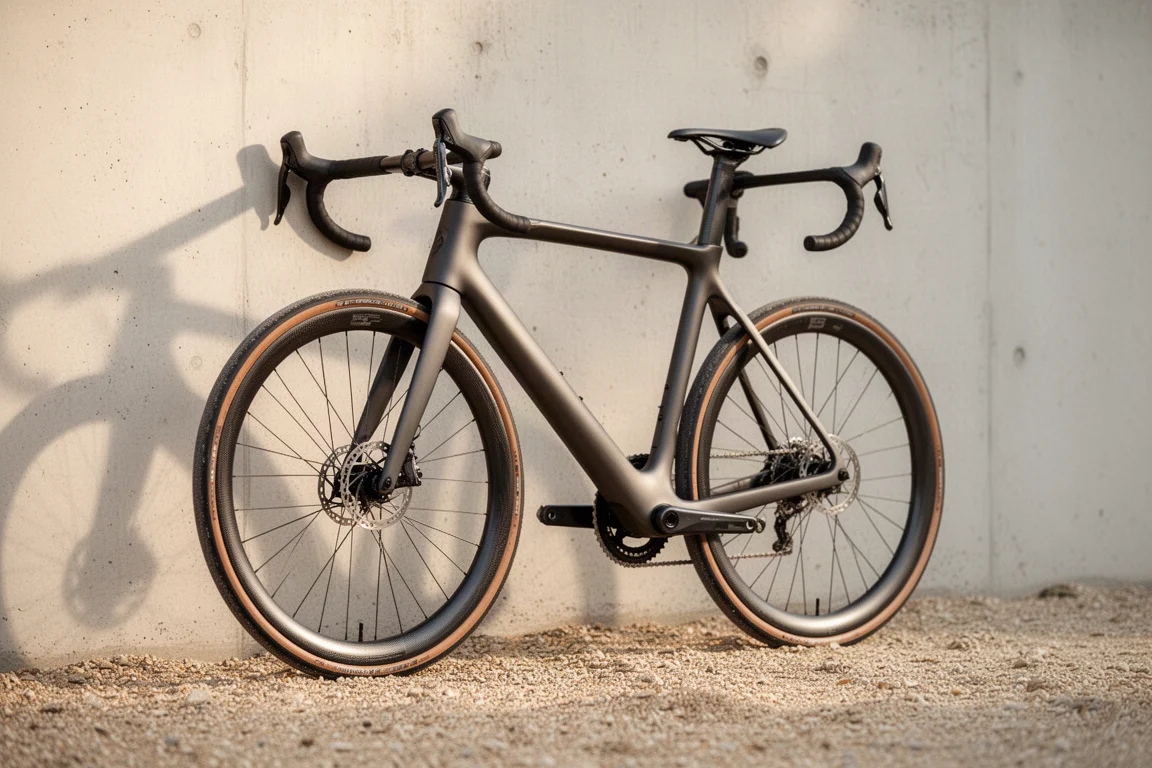
The Specialized Crux has changed direction. The previous generation was a dual-purpose machine built to race cyclocross and gravel, and it earned a following for being light, simple, and remarkably versatile. The new Specialized Crux 5 drops that dual brief entirely and becomes a pure gravel race bike. The round tubes, the external cable routing, and the cyclocross geometry are gone. In their place is a frame shaped around aerodynamics, with a claimed drag saving of 15.2 watts over the outgoing model.
That is a significant repositioning, and it says a lot about where the gravel race category is heading.
Who the Specialized Crux 5 Is For
The Crux 5 is aimed squarely at gravel racers and fast gravel riders. Specialized’s own reasoning is that cyclocross has declined enough that a dedicated CX race bike no longer makes commercial sense, while gravel racing keeps growing, keeps getting faster, and keeps attracting more investment. The Crux 5 follows that logic. It is built for riders who care about speed on mixed surfaces, race starts, long gravel events, and terrain where aerodynamic efficiency and low weight both matter.
If you want a bike for bikepacking, commuting, or loaded multi-day trips, this is not the intended use case. The frame has no in-frame storage and no fender mounts, and the geometry is optimized around wide tires and a forward, aggressive position.

Riders coming from an older Crux will still recognize the light feel and the short 425 mm chainstays, which are carried over unchanged. The difference is the intent. The Crux 5 is tuned to race, not to be a general-purpose gravel companion.
Aerodynamics and Frame Design
The frame draws heavily on the Tarmac SL8 road platform. Up front there is a new head tube and a new fork blade profile, and the seat stays drop away from the seat tube in a way that reduces frontal area. The seat post and seat tube are aerodynamically shaped, and cable routing is now fully internal. The cockpit is a new one-piece Terra gravel carbon bar and stem.
Specialized says its development work isolated the contribution of each zone rather than treating the bike as a single unit. Roughly 50 percent of the 15 watt drag saving comes from the frame and fork system, about 30 percent from the wheels, and about 20 percent from the cockpit. The company states that every surface of the frame, fork, wheel, and handlebar is new and unique to this model, right down to the seat post attachment, bearings, cable routing system, and spacers.
The design is also measured rather than extreme. The tube profiles stay relatively slender compared with the most aggressively aerodynamic gravel bikes on the market, and the frame carries a claimed weight of 798 grams. That is slightly heavier than the previous frame, which is expected once aero shaping is introduced, but it keeps the Crux in lightweight territory. Specialized says builds down to 6.6 kg are possible using off-the-shelf high-end components, so climbing-focused setups remain realistic.
Tire Clearance and Geometry
Tire clearance is one of the biggest changes. The old bike accepted 47 mm tires. The Crux 5 takes up to 55 mm, which is enough for a 2.2 inch mountain bike tire. The bike used for a first ride on gravel was fitted with 50 mm tires for reference.
Making room for that required a 1x specific frame. Removing the need to accommodate a 2x front derailleur freed up design space around the chainstay and chainring area, which Specialized describes as the hardest constraint point in a 2x layout. Chainstay length stays at 425 mm, so the agile handling character is preserved. The frame also keeps a threaded 68 mm bottom bracket, a choice Specialized says is driven by ease of service and adjustability rather than tire clearance, since the real pinch point sits further back along the chainstay and would not change much with a press fit shell.
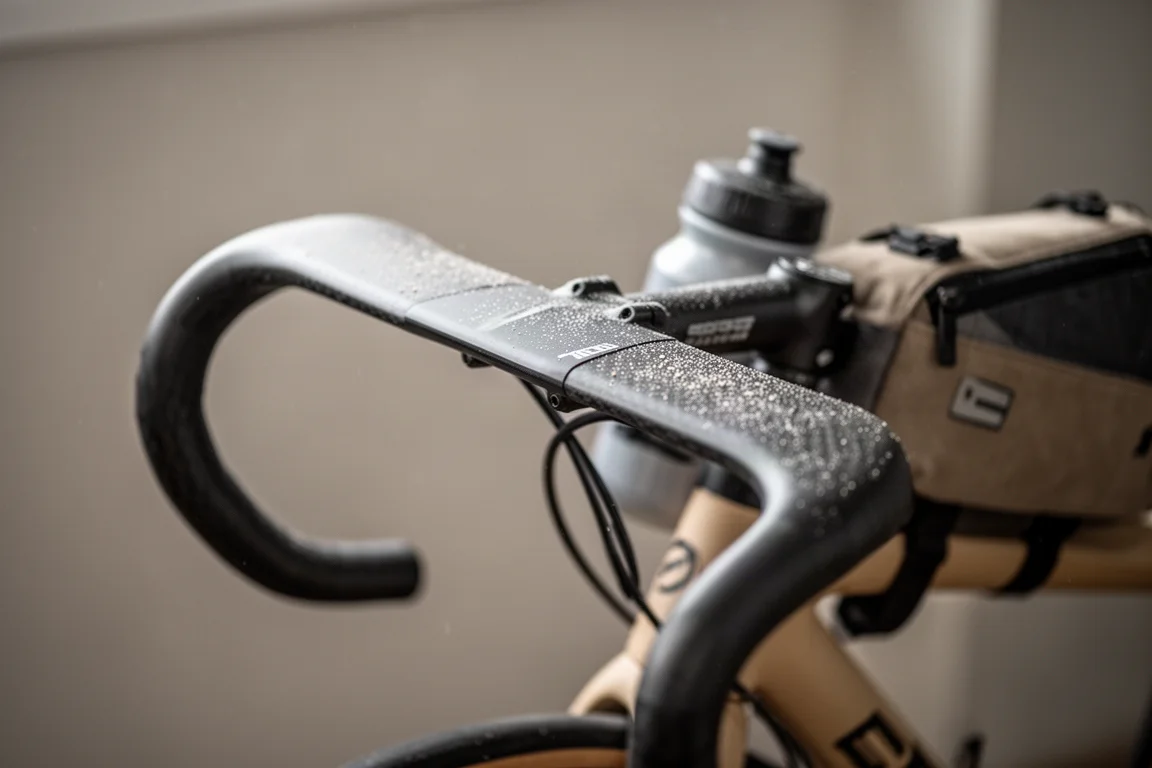
Geometry moves in the direction you would expect from a race bike: longer, lower, and slacker. Reach grows by 3 mm on a 56 cm frame, the head tube angle slackens by half a degree, and the seat tube angle steepens by half a degree. Bikes ship with 170 mm cranks, which supports the more forward, aerodynamic riding positions the geometry is designed around.
There is no official minimum tire size. Specialized recommends nothing narrower than about 35 mm, because the bottom bracket height is optimized around larger tires. That leaves room to run wide slicks and use the bike as a road machine with a second wheelset.
Ride Character and Handling
On gravel, the dominant impression is speed. The Crux 5 feels quicker than the previous generation from the first pedal stroke, both on descents and on climbs. The wheels drew particular praise for their composure. Run at low pressure, they absorbed rocky sections without rim strikes even when deliberately pushed hard. The deep front and shallower rear rim depths are intended to balance front-end stability against overall weight, and the new wheels felt very impressive across the terrain ridden.
The front end feels sharper and stiffer than the outgoing bike, which translates into precise steering and a more urgent feel under power. The trade-off is comfort. The previous Crux had a notably supple, floaty quality over rough ground, and the Crux 5 does not immediately reproduce that sensation. It reads as a bike that prioritizes responsiveness over plushness, and one ride is not enough to settle how much of that difference persists over longer distances.
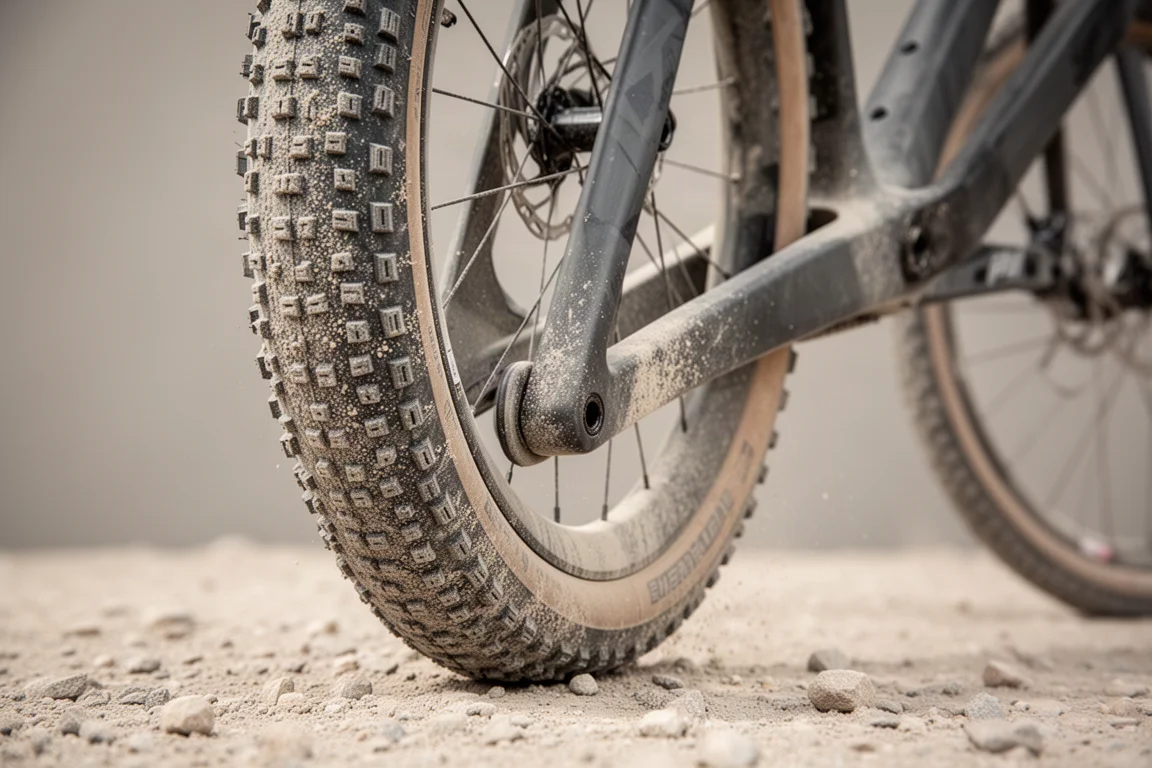
The new one-piece cockpit helps here. The tops are slim in diameter and swept back, which makes them easy to grip when climbing or tucking in, and the flared drops give good control on descents. The textured finish on the tops adds grip, though riders who prefer more bar tape can wrap further along. The tires fitted for the ride were quick in a straight line but slid fairly easily in looser corners, which is worth noting if you ride a lot of loose, dry gravel.
Storage, Mounts, and Practical Details
The most debated omission is in-frame storage. The Crux 5 does not have it. Specialized’s position is that this is a race-focused bike and that its athletes do not use internal frame storage while racing, so leaving it out saves weight. The same reasoning was applied to the latest Epic mountain bike. The counter-argument is practical: in-frame storage is genuinely useful for tools, and riders who want it are pointed toward the Diverge, which also offers more cargo mounts.
To compensate, the Crux 5 adds top tube mounts. There are bolt-on options for bags and accessories, and Specialized’s SWAT storage system from the Epic can be mounted below the water bottle. Riders who want a completely clean race setup can leave all of it off.
Two other details are worth flagging. There are no fender or mudguard mounts, so this is not a winter training or commuting platform. And the frame is 1x specific, which limits drivetrain choices to single-chainring setups.
Build Options and Availability
The range itself is broad. The Crux 5 is offered in four builds from Comp up to S-Works, with a new S level replacing the previous Pro model. An S-Works frameset and a lower level 10R frameset are also available in select markets. The top build pairs an S-Works frame with a wireless electronic gravel groupset and the new Roval gravel wheels, and it is finished in a marbled paint pattern that resembles a polished stone surface.
That spread matters for buyers. It means the same frame platform can be bought at several specification levels, and riders who prefer to build their own bike can start from a frameset rather than a complete bike.
Buying Advice
The case for the Crux 5 is straightforward if your riding is race-shaped. It is faster than the bike it replaces, it accepts much larger tires without losing its short chainstays, and it stays light enough for climbing-focused builds. If you race gravel, ride fast group gravel, or want one bike that can handle gravel racing and double as a road bike with narrower tires, the Crux 5 fits that brief well.

The case against is equally clear. If you valued the Crux 4 for its combined cyclocross and gravel personality, that bike no longer exists in this line. If you want in-frame storage, fender mounts, or heavy bikepacking capability, you are shopping in the wrong part of the range. And because comfort and suppleness appear to have been traded for sharper front-end response, riders who prioritize all-day plushness over race pace should ride one before committing.
It also helps to keep the performance claims in perspective. Specialized’s simulation work suggests a strong rider would have finished roughly 7 minutes and 40 seconds faster at the previous year’s Unbound on the new bike, enough to move from eighth to third. That is a useful indication of where the company believes the gains come from, but bike racing is far too complex for any simulator to predict perfectly. Weather, tactics, positioning, tires, rider condition, and luck all shape how a gravel race unfolds.
The practical approach is to match the bike to the terrain you actually ride. Riders on loose, dry gravel should consider tire choice carefully, since grip rather than clearance is likely to be the limiting factor. Riders who want a lightweight build can get there with high-end components, as the frame leaves room for a 6.6 kg build. And riders who want one bike for gravel racing, gravel exploring, and road riding with a second wheelset will find the Crux 5 covers all three without much compromise.
Conclusion
The Specialized Crux 5 completes a transition that has been coming for years. It is no longer a cyclocross bike that happens to race gravel. It is a gravel race bike, built around aerodynamics, wide tires, and a light frame, with the geometry and cockpit to match. The gains over the previous generation are real in intent: less drag, more clearance, sharper handling. The costs are also real: no in-frame storage, no fender mounts, and a firmer ride quality than the bike it replaces.
For the right rider, that is a worthwhile exchange.
Product link
View more details for Specialized Crux 5
This product is mentioned in the review. Check the specifications, options, and compatibility before buying.
View more details for Specialized Crux 5Further reading
Related Reviews
Gravel Bikes
3T Exploro Ultra Review: A Fast Gravel Bike Built for Big Tyres
A close look at the 3T Exploro Ultra, an aero carbon gravel bike designed around wide tyres, with road-like handling, a 980 g frame and genuine rough-terrain capability.
Gravel Bikes
3T Extrema Italia Review: Aero Gravel Speed With Room for 57 mm Tires
The 3T Extrema Italia pairs an aero frame with huge tire clearance, Italian-made carbon and a more comfortable ride than the RaceMax. Here is what to know before buying.
Gravel Bikes
3T Race Max 2 Italia Review: An Aero Gravel Race Bike Made in Italy
A closer look at the second-generation 3T Race Max 2 Italia, covering its aero updates, ride character, tire clearance, internal storage and who it suits.