Food & Drink
Two Food Trend Products Worth Knowing: Sparkling Coffee and Peace Olive Oil
A look at GOOD KOFFEE sparkling iced coffee inspired by Vietnamese street coffee, and Colive olive oil, crafted from olives grown on both sides of the Cyprus divide.
Introduction
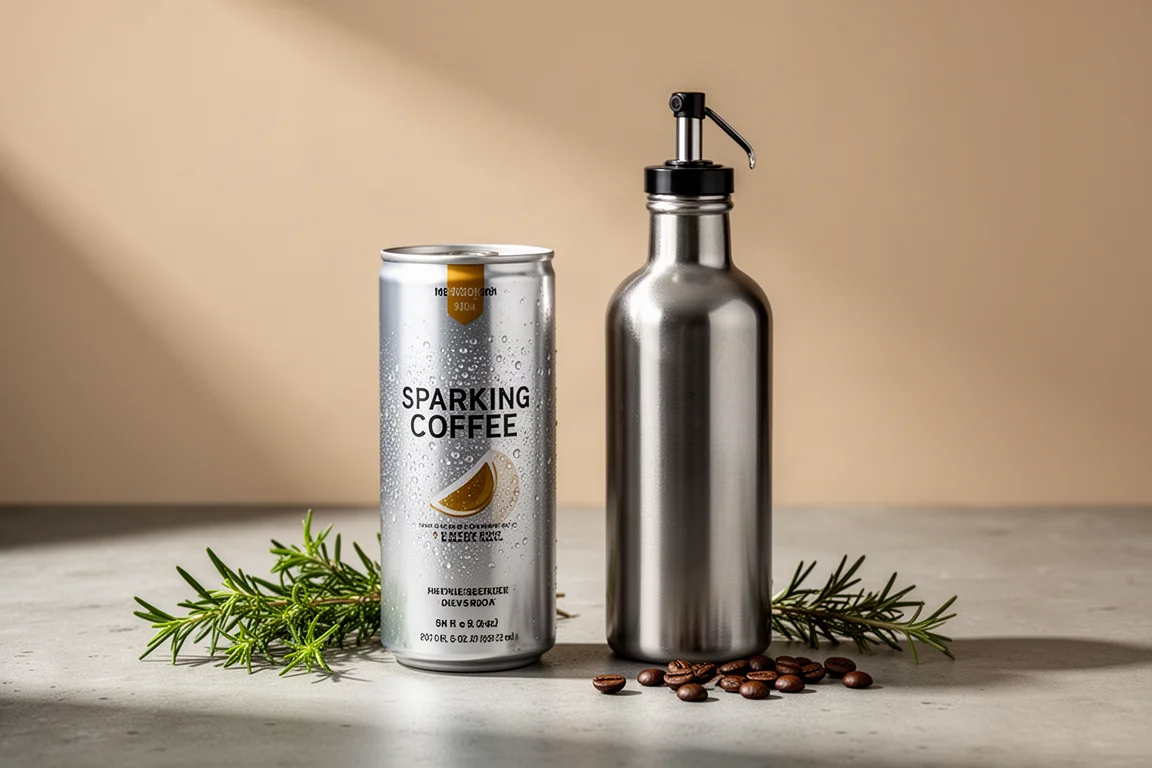
Some of the most interesting food products right now are not brand new inventions. They take an idea with real history somewhere else in the world and bring it to a new audience, or they solve a problem in an unexpected way. We spent time with two of them: a sparkling iced coffee inspired by Vietnamese street coffee culture, and an olive oil with a story about cooperation built right into the bottle.
GOOD KOFFEE Sparkling Coffee
Coffee consumption keeps rising globally, and producers keep looking for new ways to enjoy the drink. Sparkling iced coffee is one trend that has already existed for years in Vietnam, the world’s second largest coffee exporting country, where street versions are often drunk through a lemongrass straw. GOOD KOFFEE brings that idea to the UK in canned form.
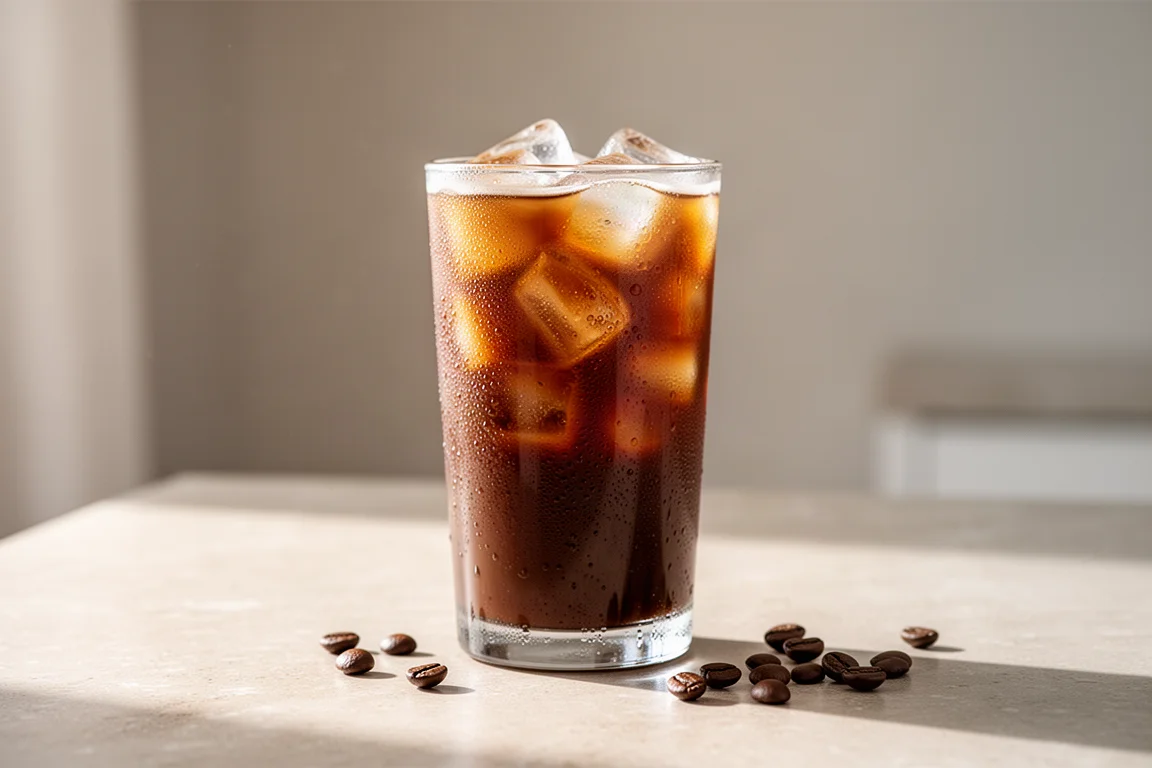
The lemongrass and ginger flavour we tried smelled faintly of ginger ale, with the coffee note kept deliberately subtle. The brand also offers a Barbados-inspired orange and grapefruit version and an India-inspired chai and vanilla version. It works well straight from the can or poured over ice.
On the technical side, each can carries 40 mg of caffeine, roughly one espresso shot, and the sweetness comes from raw cane sugar and other natural sugars rather than artificial sweeteners. Founder Chris spent 20 years working in TV, film and theatre, including long stretches backstage at a West End production, where he watched crews reach for sugary sodas late in the day. The idea was a lighter caffeine drink that lifts you without the sugar spikes or a caffeine kick too late in the evening.
A pack of six costs 21 pounds, which works out to roughly three to four pounds a can. Not cheap, but in line with the ready-to-drink coffee category, which has grown massively as warmer weather drives demand for cold drinks that still deliver a coffee hit.
Beyond the Two Headliners
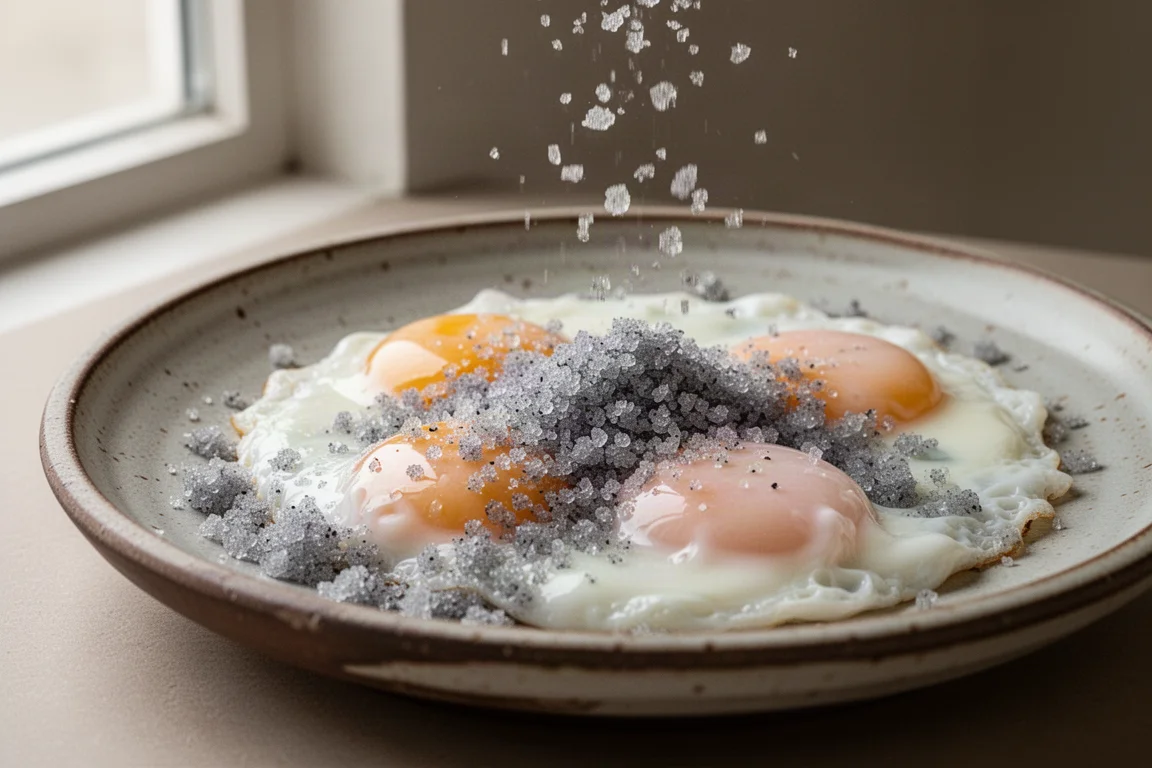
Alongside these two, wider food trend conversations are worth noting. Vitamin D deficiency affects over half the UK population on average across the year, and one response is fortified flavoured Celtic salt, where a single pinch over eggs or vegetables delivers a daily requirement. Celtic salt itself went viral on social media to the point of stockouts at major UK health retailers, though the trace mineral benefits are modest at normal consumption levels. The real national salt problem comes from hidden salt in ready meals and restaurant food, not the pinch at the table.
Beauty from Food Waste
Another trend sits at the intersection of food and skincare. Industry food waste is significant: figures attribute 13 percent of food waste to manufacturing, compared with only 2 percent in retail. One UK brand, based in Brighton, builds moisturisers from rescued food industry byproducts: olive pomace from the Indian olive oil industry, tomato skins from ketchup production, Italian oat waste, and the antioxidant-rich water extracted during mandarin juice pressing.
The processing is genuinely technical. The olive pomace is treated with green chemistry to produce a nourishing liquid with a texture similar to skin, while the oat waste is fermented to boost antioxidants and amino acids for skin benefits, delivering vitamin C and vitamin E in the finished moisturiser. Packaging is responsible throughout, with the one exception of a recyclable plastic lid, chosen deliberately after the brand calculated that shipping in a greener alternative would offset the benefit.
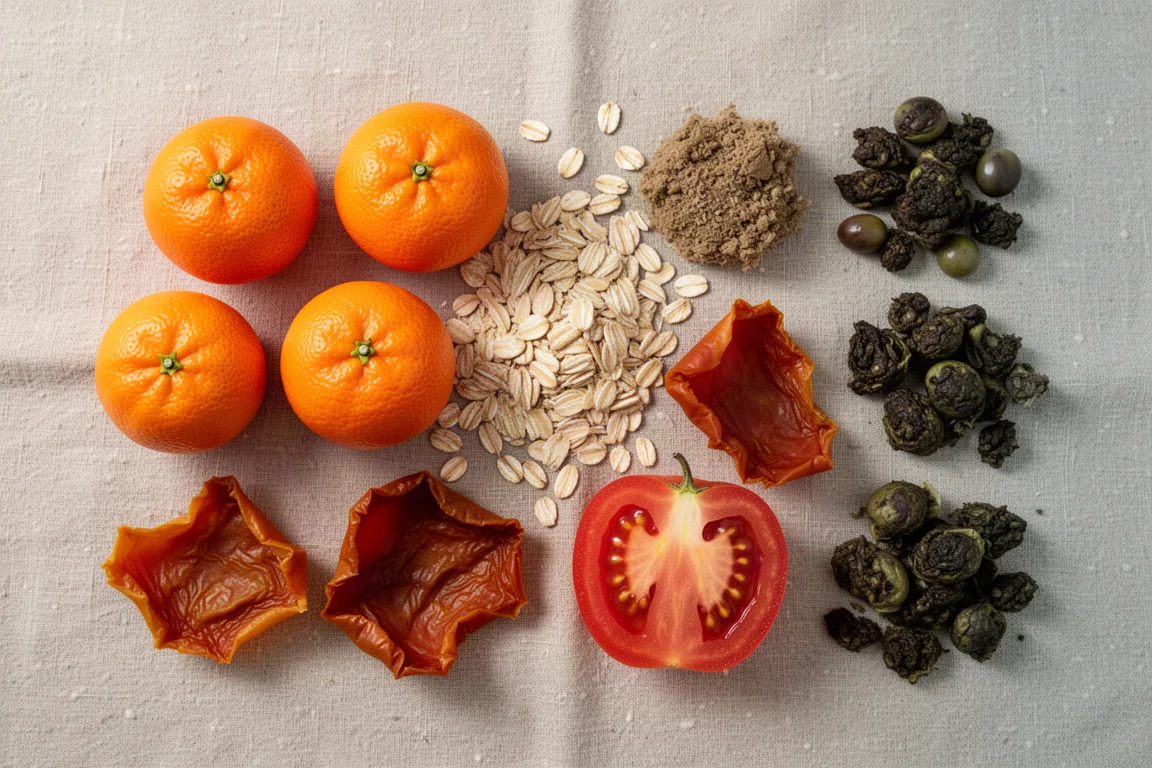
At 36 pounds a pot it is not cheap, sitting in the natural skincare bracket well above supermarket options, but it avoids adding to carbon emissions or food waste, and the brand has been picking up awards.
Colive Olive Oil
Olive oil is not an obvious vehicle for a peace project, but Colive makes it one. For over 50 years Cyprus has been divided by a 180 kilometre wall and fence separating Turkish and Greek Cypriot communities, and olive farmers caught in the middle of that divide have paid the price through no fault of their own.

Colive blends olives from both sides of the buffer zone, crafted by an olive oil sommelier into something peppery and herbaceous, with profits going back into education and reconciliation projects on the island. The company is also working with farmers in other conflict-affected regions, including Ukraine, where growers face similar circumstances beyond their control.
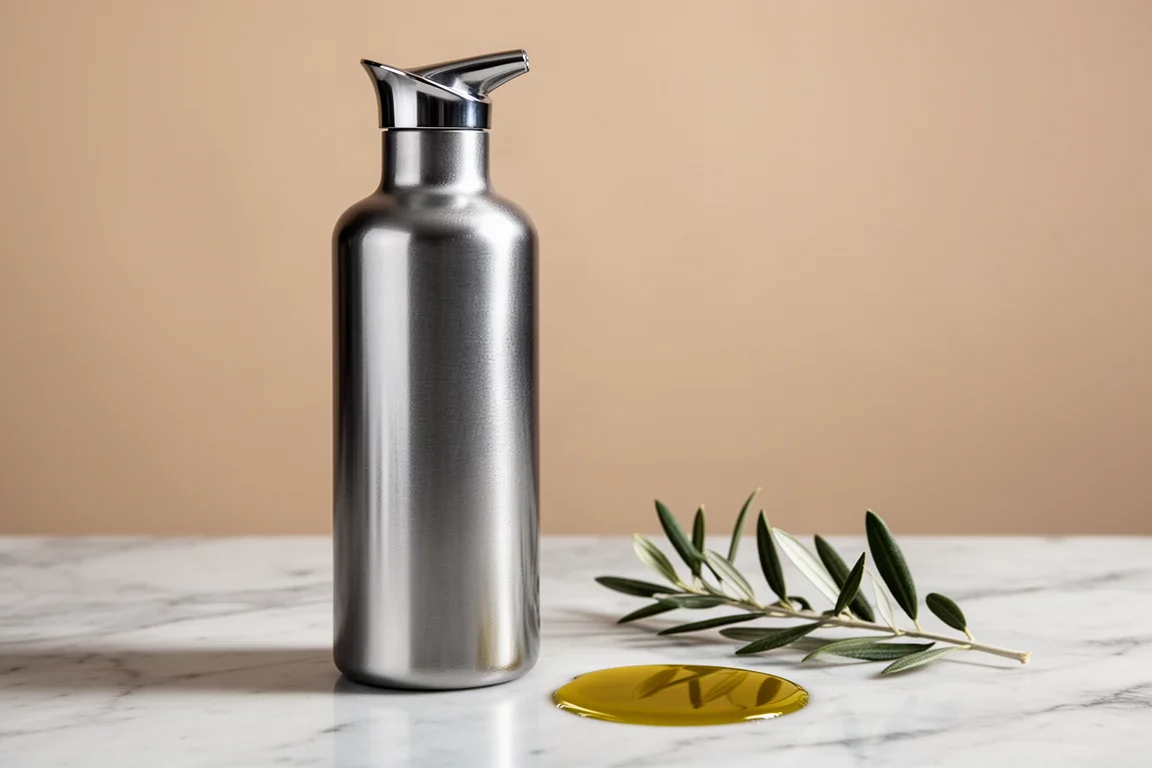
The packaging is thoughtful too. The lightweight aluminium bottle blocks the light that degrades olive oil and features an easy-pour cap, avoiding the awkward canisters often used for light protection. A QR code on the bottle tells the story of the oil and its sourcing, which is a good habit to lean on generally when you want to know where your food comes from.
Colive is already available in the US at roughly 18 to 24 dollars for a bottle, with distribution in the UK and across Europe still developing. As ever with claims like these, the QR code is the place to check the detail for yourself.
Conclusion
Both products earn attention for the same reason: they bring something with genuine cultural roots or genuine purpose to a new audience, without asking you to compromise on taste. GOOD KOFFEE is an easy, refreshing pick for anyone who wants a gentler caffeine hit, and Colive is a bottle that tastes good and stands for something. If either fits how you drink and cook, they are worth a spot in your routine.
Further reading
Related Reviews
Food & Drink
Best Plant-Based Burgers From Major Chains: Six Options Rated
Six plant-based burgers from KFC, Leon, McDonald's, Burger King, Shake Shack, and Honest Burgers put to the taste test to see which fast-food options are actually worth ordering.
Food & Drink
Best Dark Chocolate for Less Sugar: Four Picks From 60% to 90%
Four dark chocolates that deliver more cacao and less sugar, from an everyday baking bar to an intense 90% pick.
Food & Drink
Four Kansas City Barbecue Sauces Worth a Spot on Your Table
We compare four very different Kansas City style barbecue sauces, from a classic sweet supermarket staple to three landmark restaurant sauces you can order online.