Camping Stoves
Soto WindMaster vs MSR PocketRocket 2: Which Lightweight Canister Stove Should You Buy?
A practical comparison of two lightweight canister stoves: the wind-resistant Soto WindMaster and the lower-priced MSR PocketRocket 2.
Introduction
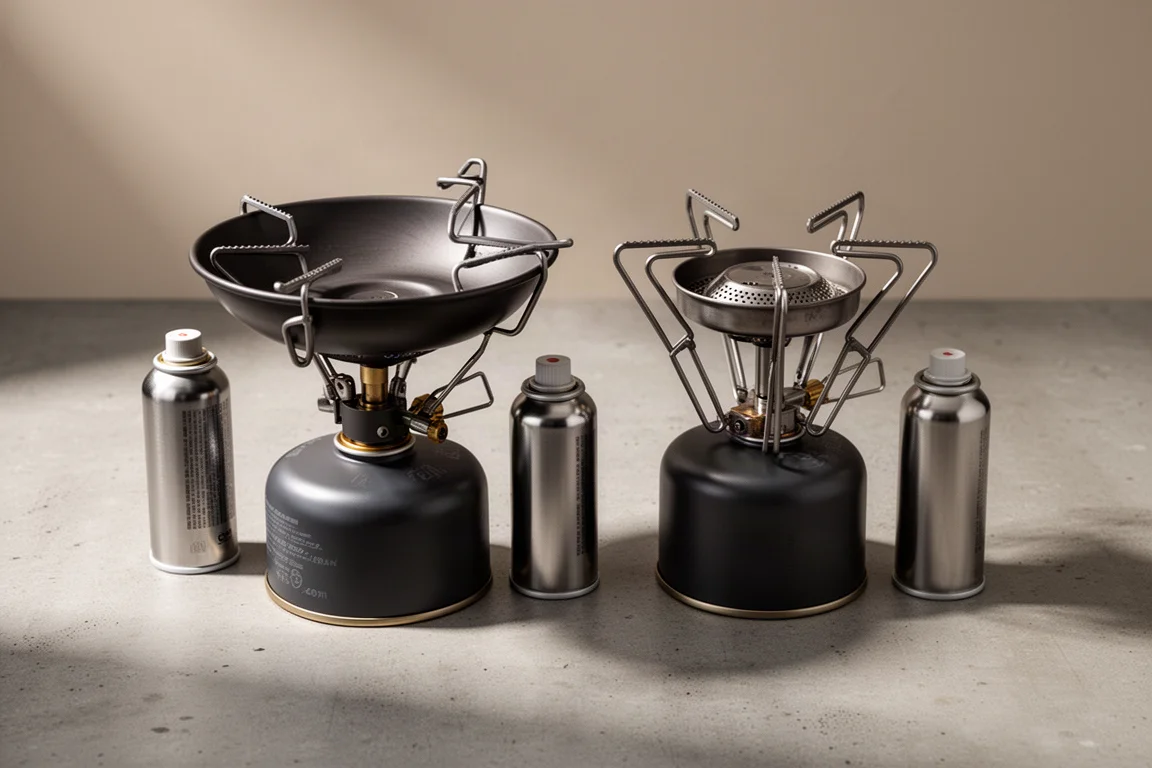
A lightweight canister stove has one job: boil water quickly and reliably without weighing down your pack. Wind is the usual spoiler. Two stoves come up again and again in that conversation, the Soto WindMaster and the MSR PocketRocket 2. The WindMaster is a Japanese-made stove that weighs 96.3 g including its storage bag and sells for around £42. The PocketRocket 2 is a comparable canister stove at roughly £32, and the trade-off for the lower price is wind performance. This comparison covers what each stove does well, where each one asks for a compromise, and which type of camper each one suits.
What to Look for in a Lightweight Canister Stove
Packed weight is the first number most people check, but it is rarely the whole story. A stove that packs small and lights instantly still has to hold a pot steady, simmer without scorching, and keep a flame alive when the wind picks up. The details that decide whether a stove is pleasant to live with are the pot support design, the distance between the burner and the base of the pot, the shape of the burner head, and how precisely the flame can be turned down.
Ignition matters too. A built-in igniter removes one item from your kit and one thing to lose. Cold weather matters as well, because canister pressure drops as temperatures fall, and a stove that regulates gas flow keeps behaving when a simpler one starts to fade.
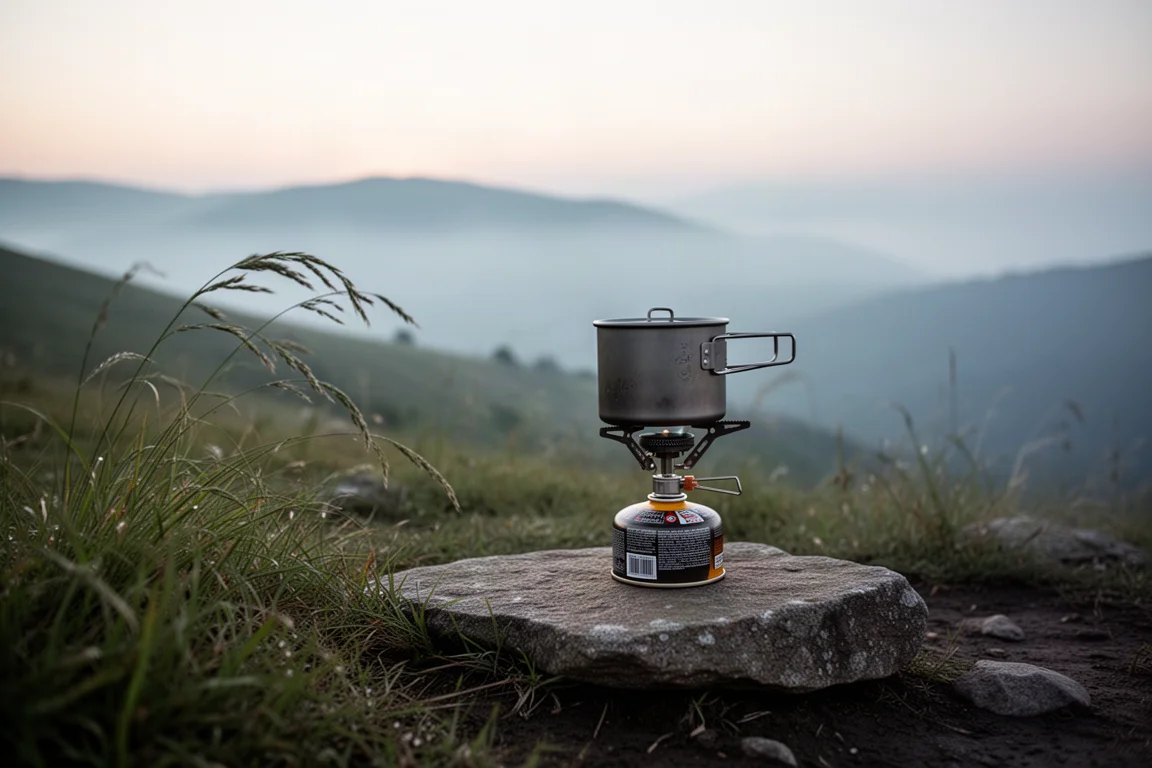
Weight and wind resistance pull in opposite directions, so the useful question is where you plan to cook. A sheltered forest pitch and an exposed ridge demand different priorities, and the two stoves here are built around slightly different answers to that question.
Soto WindMaster: Design, Weight, and Build Quality
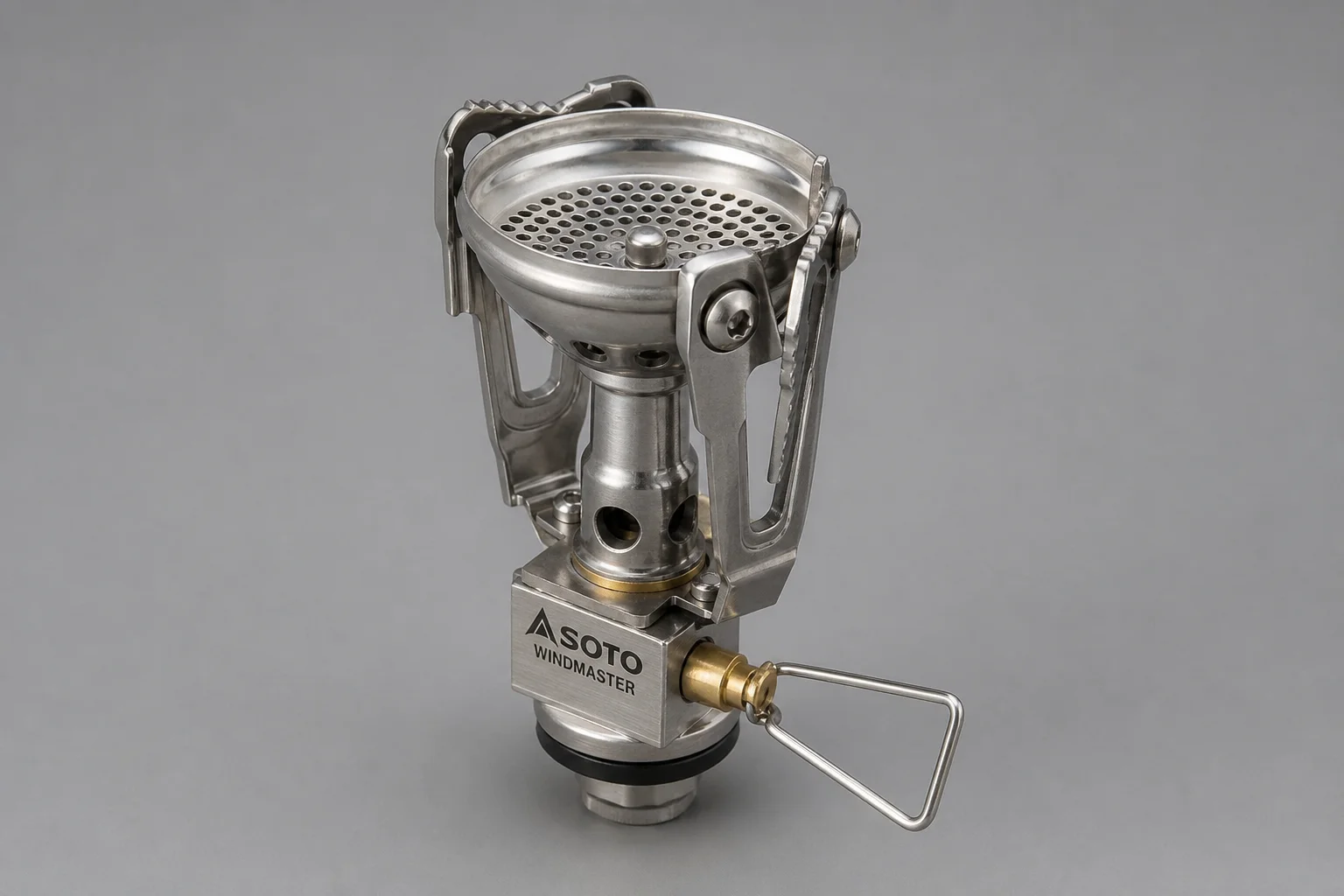
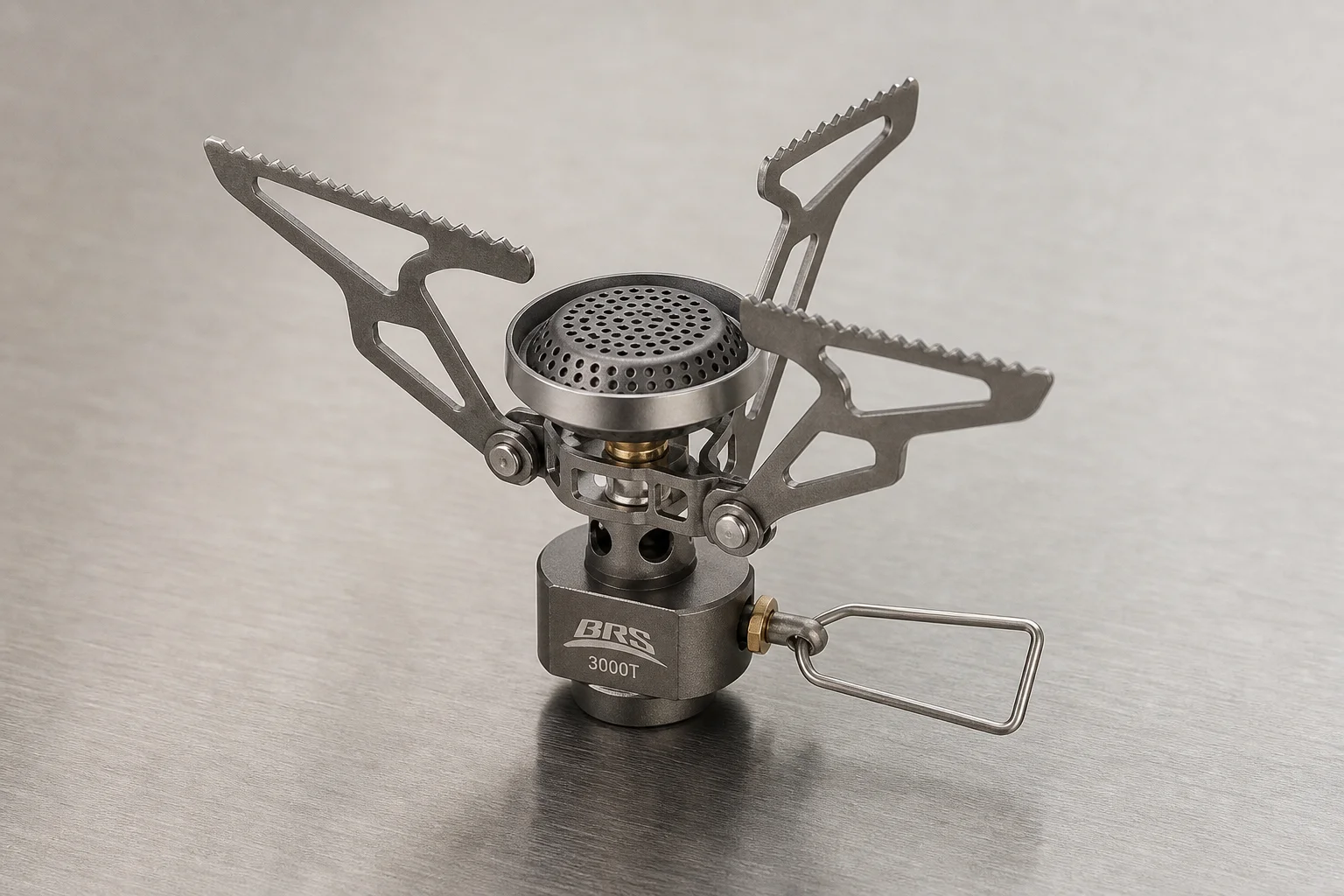
The WindMaster weighs 96.3 g, or 3.4 ounces, with its storage bag included, which makes it easy to slip inside almost any pot you already carry. Its most distinctive feature is that the burner and the pot support are separate pieces. The standard package includes a flexible four-prong support, known as the four-flex, which simply clips onto the burner. A smaller three-prong support is available separately for around £8 to £10, and it clips on just as easily. It saves a couple of grams and suits a small-diameter pot, while the four-flex is the better match for frying pans and wider cookware.
Dimensions are modest. The stove stands 3.5 inches tall and measures just over 5.5 inches across the diameter of the prongs. A small rubber seal around the base helps it seat firmly on the gas canister, and a built-in piezo igniter means you do not need to carry a lighter. Build quality is a clear strength. The stove is manufactured in Japan, and the fit and finish reflect that.
The one structural compromise is the separate support. You either assemble the stove before each use or leave it attached, which makes the whole package a little less compact than it could be. Many stoves at this price use fold-out legs, which means fewer loose parts to keep track of.
Wind Resistance and Cooking Performance
This is where the WindMaster earns its name. The burner head is wide and concave, and once lit it produces a broad flame. A lip around the top of the burner shields that flame from moving air, and the gap between the burner and the base of a pot is deliberately small, which keeps heat concentrated on the pot instead of letting the wind carry it away.
Output is rated at around 11,000 BTU, which is strong for a stove of this size. In a boil test with 300 ml of water and roughly 5 mph of wind, the water reached a boil in about 2 minutes 20 seconds. The blue core of the flame stayed untouched by the breeze throughout, protected by the burner lip.
Simmering control is unusually fine. The adjustment screw is precise enough to turn the flame right down, and the four-flex support is wide enough to take a frying pan. That combination makes delicate cooking realistic, whether that is scrambled eggs or a piece of fish.
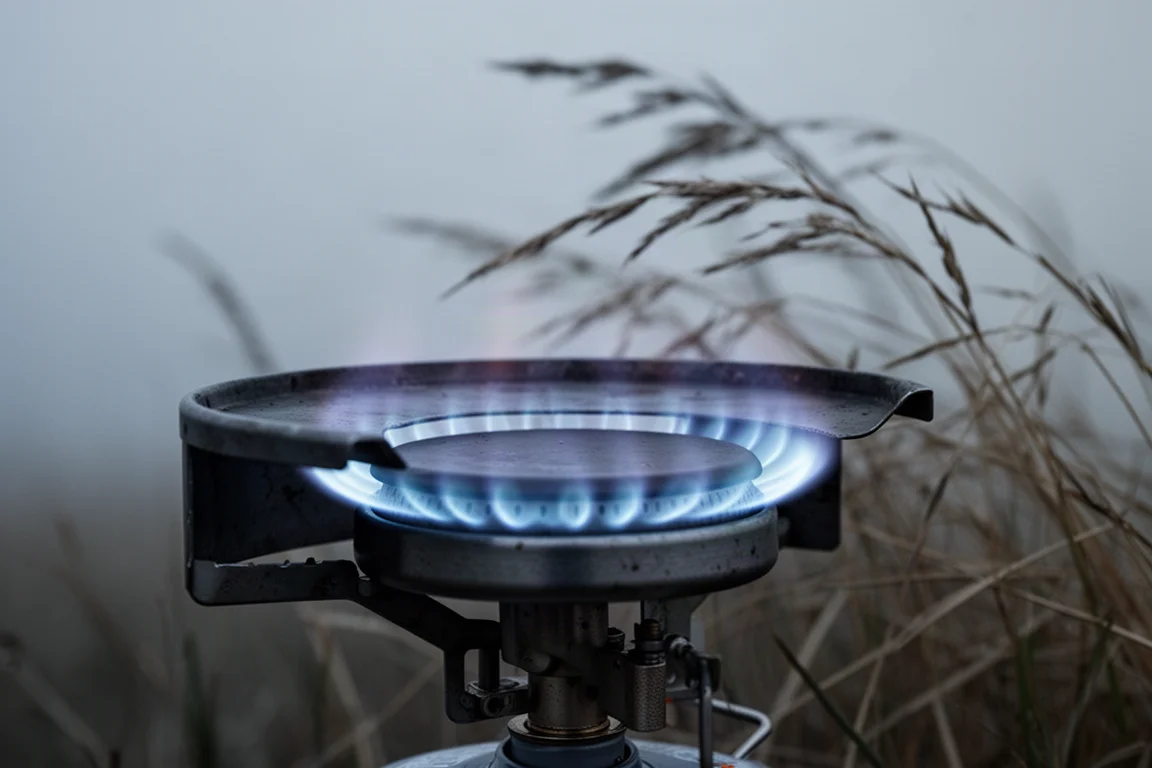
It is worth being precise about the claim here: the WindMaster is very wind resistant, not windproof. In genuinely high winds the flame can still be blown out. Pairing the stove with a windshield improves performance further and saves fuel over a trip, and in practice most people look for a sheltered spot to cook anyway. The piezo igniter is the one part that can eventually fail, so it is worth carrying a lighter as a backup.
MSR PocketRocket 2: A Comparable Stove at a Lower Price
The MSR PocketRocket 2 is the obvious alternative for anyone watching the budget. It sells for around £32, roughly £10 less than the WindMaster, and it is a comparable canister stove in the sense that it does the same basic job. The difference is wind performance: it does not handle moving air as well as the WindMaster does.
For campers who mostly cook in sheltered spots, or who are building a first kit and want to keep costs down, that trade-off can be entirely reasonable. If you regularly pitch on exposed ground, the gap becomes more noticeable.
Cold Weather, Fuel Efficiency, and Windshields
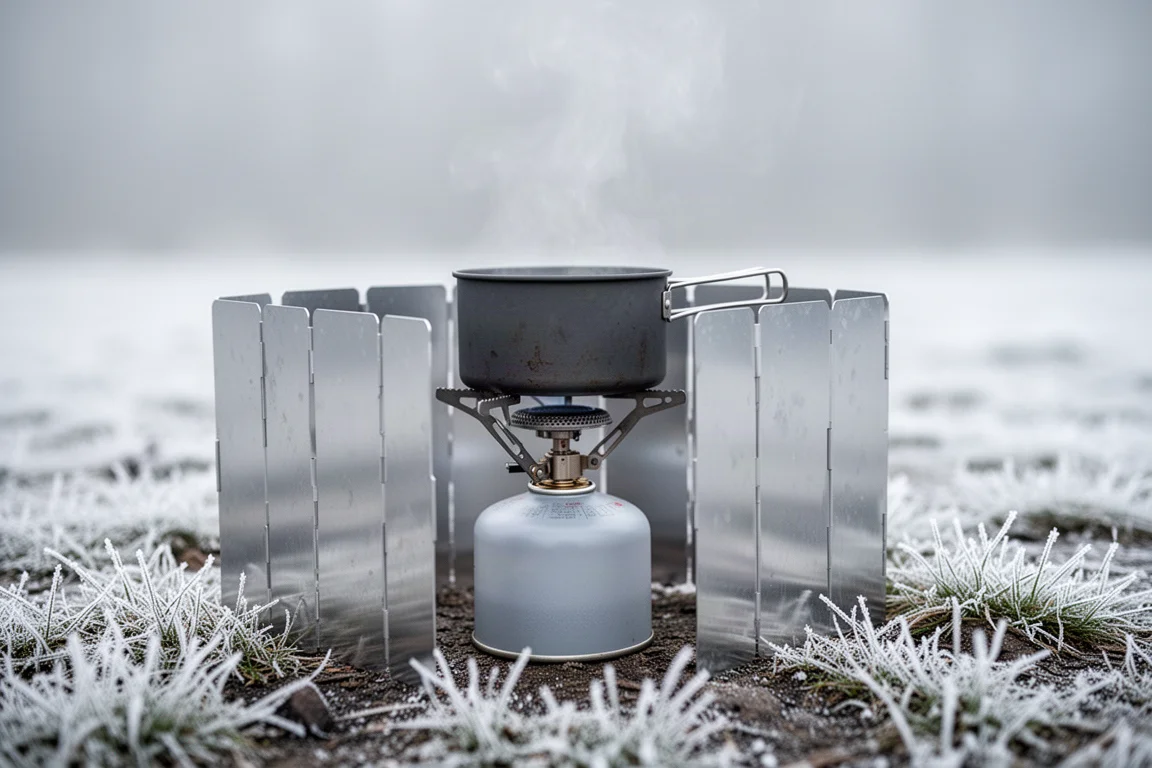
Cold conditions are hard on canister stoves, because gas pressure falls as the temperature drops. The WindMaster includes a built-in micro regulator that maintains a constant gas supply even when pressure is running low or the weather turns cold, and the fine adjustment stays responsive as a result. On a cold day the canister itself can still frost over, which is a useful reminder that the stove is only part of the system.
Whatever stove you carry, a windshield is a worthwhile addition. It protects the flame, speeds up boiling, and stretches each canister further. The WindMaster’s burner lip already does a lot of that work, but a windshield takes it further and is the easiest way to improve fuel economy on a windy trip.
The micro regulator is also the reason the stove keeps a steady flame as a canister empties, rather than fading as pressure drops. That consistency is easy to overlook until you are cooking a second meal on a part-used canister in cold air.
Price and Value: What You Get for the Money
The WindMaster sells for around £42, and the price is fairly consistent across retailers. Adding the three-prong support costs another £8 to £10 if you want the option of a lighter, smaller setup. The PocketRocket 2 sits around £32. Canister stoves are available for far less than either, and a cheaper one will still boil your water.
What the extra money buys is weight, wind resistance, and build quality. At around £40, a stove that weighs 96.3 g, delivers roughly 11,000 BTU, includes an igniter and a micro regulator, and holds a frying pan steady is good value for backpackers who care about any of those things.
Buying Advice: Which Stove Suits Your Kit
Choose the Soto WindMaster if you cook in exposed or breezy places, camp in colder conditions, want precise simmering for real cooking rather than just boiling water, or use wider cookware such as a frying pan. It is also the stronger choice if you want to keep your kit light without giving up power, and the optional three-prong support gives you a way to trim a couple more grams when you are only using a small pot.
Choose the MSR PocketRocket 2 if budget is the priority and most of your cooking happens in sheltered spots, or if you want a comparable stove for noticeably less money. Either way, add a windshield, and check that your pot diameter matches the support you plan to use.
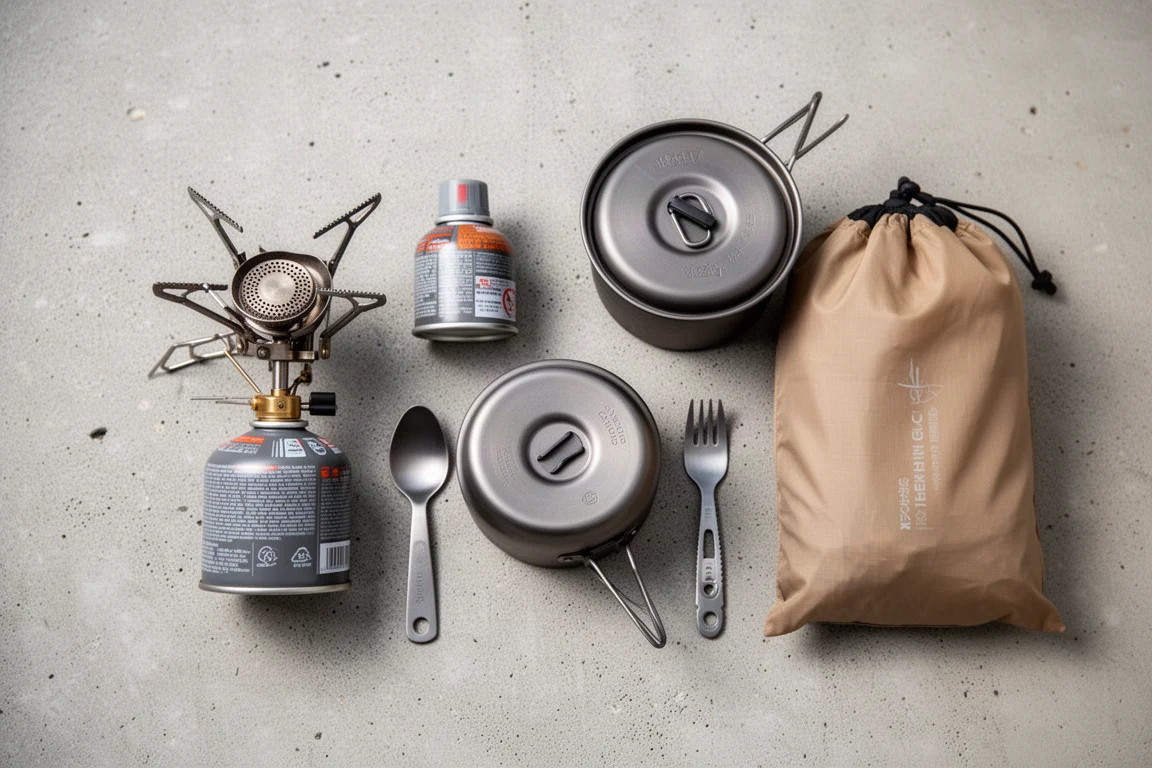
If you are replacing an old stove, weigh what you currently carry before deciding. A 96.3 g stove that fits inside your existing pot is easy to justify, and the wind resistance is the kind of improvement you notice on the first breezy morning rather than in a specification table.
Conclusion
The Soto WindMaster and the MSR PocketRocket 2 are both sensible lightweight canister stoves, and the decision comes down to conditions and budget. The WindMaster costs more at around £42, but it brings a wide concave burner, a protective lip, a small burner-to-pot gap, a micro regulator, a built-in igniter, and a flexible four-prong support that handles a frying pan. The PocketRocket 2 keeps the price nearer £32 and remains a comparable option for sheltered cooking. Match the stove to where you actually cook, add a windshield, and either one will serve you well.
Further reading
Related Reviews
Camping Stoves
BCB Fire Dragon Mini Cooker Review: A Tiny Folding Stove With Real Trade-Offs
A palm-sized, fuel-flexible folding stove that heats water well enough, but brings flame control, stability, and fuel cost questions worth understanding first.
Camping Stoves
Boundless Voyage Titanium Alcohol and Wood Stove Review: Ultralight Cooking, Two Ways
A titanium alcohol and wood burning stove kit that weighs 4.5 oz complete, boils two cups of water in about 10 minutes, and costs $36.
Camping Stoves
BRS 32 Dual Burner Stove Review: A Folding Two-Burner That Packs Down Flat
A detailed look at the BRS 32, a slim folding dual burner camping stove that expands into a stable cooking platform for around $60.