Camping Stoves
Soto WindMaster Review: A Lightweight Canister Stove With Real Cooking Control
A close look at the Soto WindMaster canister stove, including its 11,000 BTU output, 3.4 oz weight, swappable pot supports, and the trade-offs behind the $65 price.
Introduction
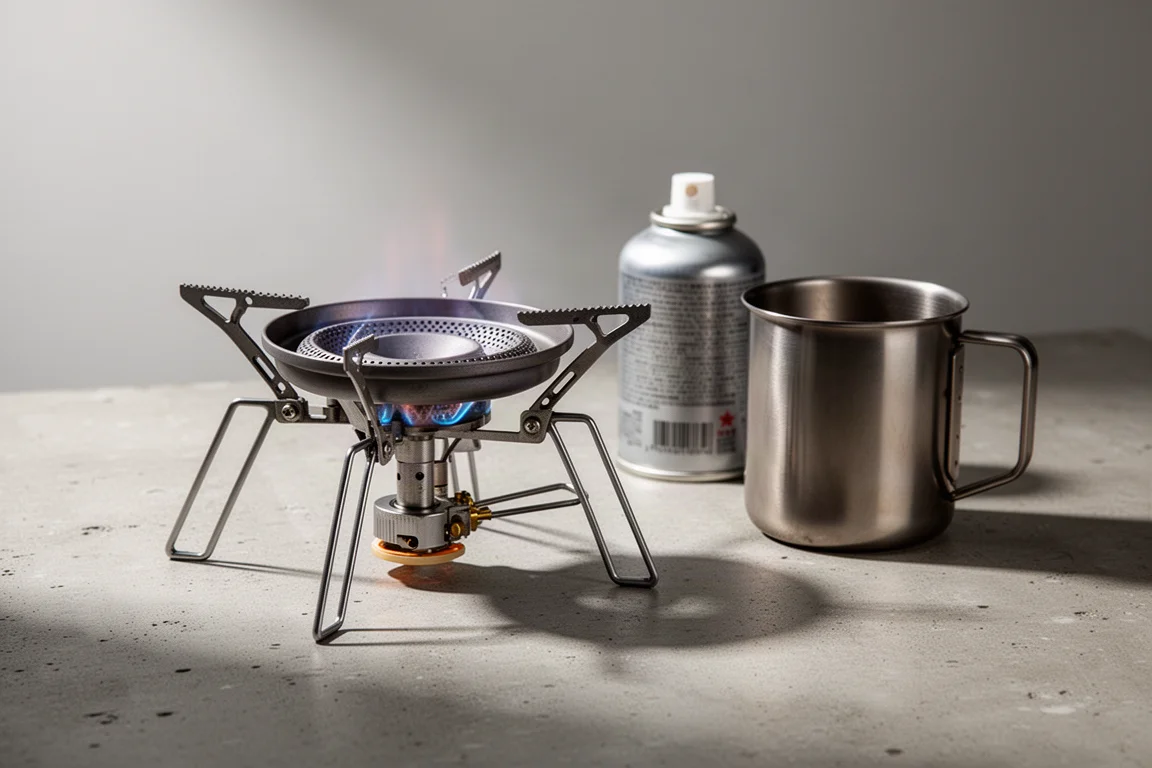
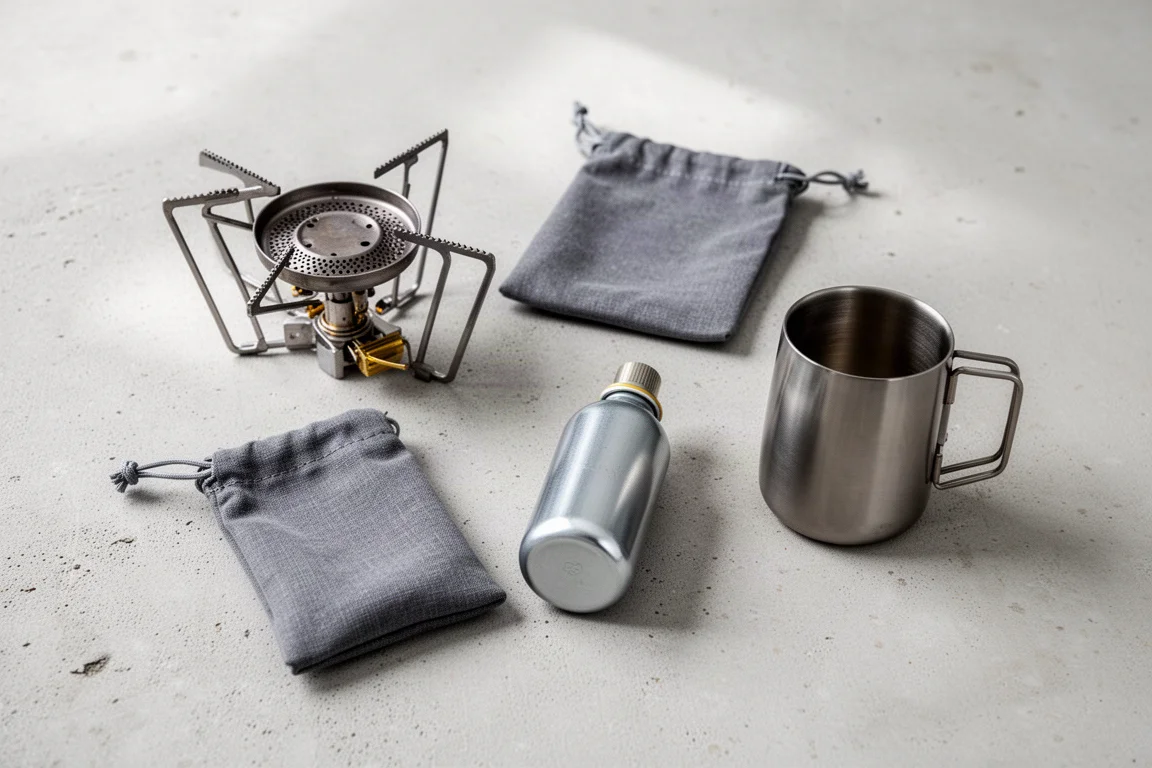
Canister stoves usually fall into two camps: inexpensive models that get the job done and premium models that ask for a genuine commitment. The Soto WindMaster sits firmly in the second group. It is a compact, lightweight canister stove from a Japanese company known for well-considered, multi-purpose outdoor gear, and it arrives with a storage bag and a set of four-flex pot supports.
At $65 it is not a casual purchase, and the design decisions behind it are unusually deliberate, from the removable pot supports to the regulator that keeps output steady as a canister empties.
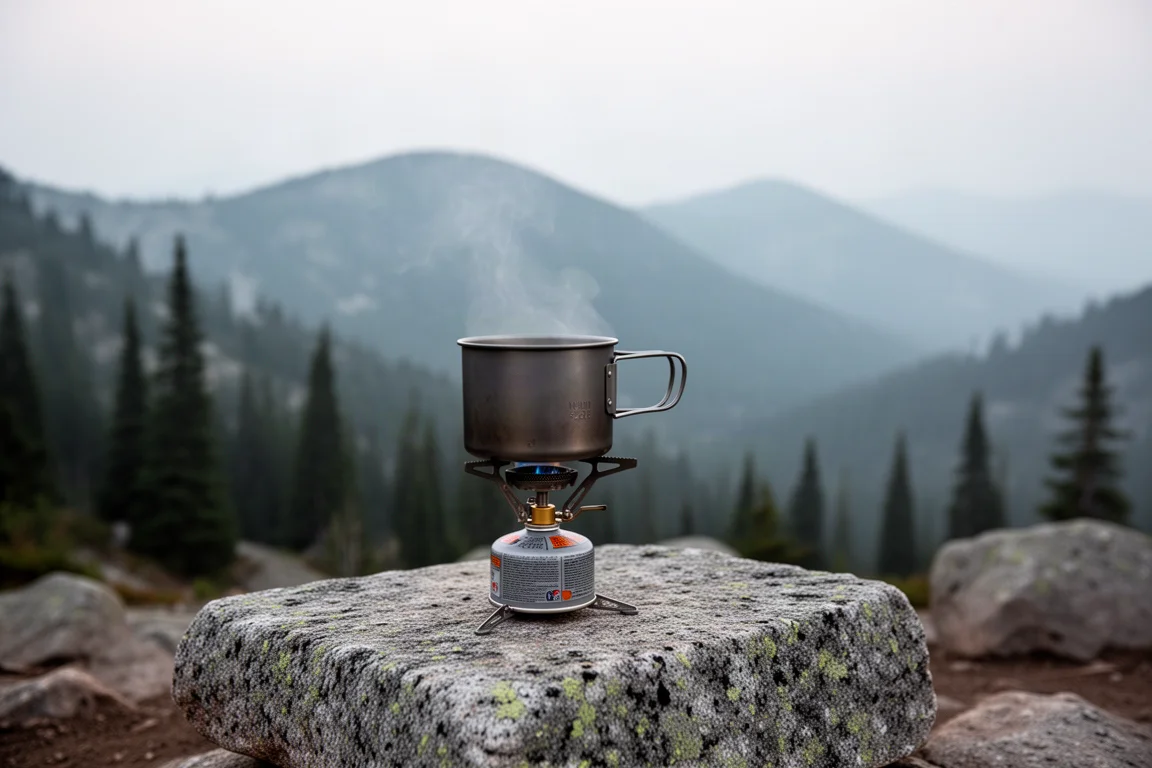
For anyone who cooks real meals rather than simply boiling water, the mix of power, control, and portability makes the WindMaster worth a close look. This review covers what it does well, where it falls short, and who should consider paying the premium.
Who This Stove Is For
The WindMaster makes the most sense for backpackers and campers who cook rather than just rehydrate. The adjustable valve has enough range to run full blast for a fast boil or drop down to a true simmer, which matters if you are preparing actual food instead of only heating water.
Its small footprint helps here too. At roughly 3.5 inches tall and about 5.7 inches wide with the pot supports deployed, the stove and its bag fit easily inside a pot, a cup, or a larger cook set, so it disappears into a packed kit rather than consuming its own pocket of space.
It also suits campers who use different cookware on different trips. The four-flex pot supports handle larger pots and full meals, while the lighter three-legged TriFlex version, sold separately for under $20, is aimed at smaller cups and minimal setups.
Main Strengths
Build quality is the first thing that stands out. Nothing about the stove feels flimsy, and the materials feel like the best available for the job. The storage bag is well judged as well: the stove slides in and out easily without a fight.
Weight is the second strength. With the four-flex pot supports and the storage bag included, the complete setup comes in at 3.4 oz, which keeps it firmly in lightweight territory without asking you to leave the pot supports behind.
The swappable pot support system is the most distinctive feature. The supports lift off and can be replaced, and a spring inside the assembly lets the arms open and close in a single motion. That kind of modularity is rare on a canister stove, and it lets one burner serve both a compact mug and a large pot.
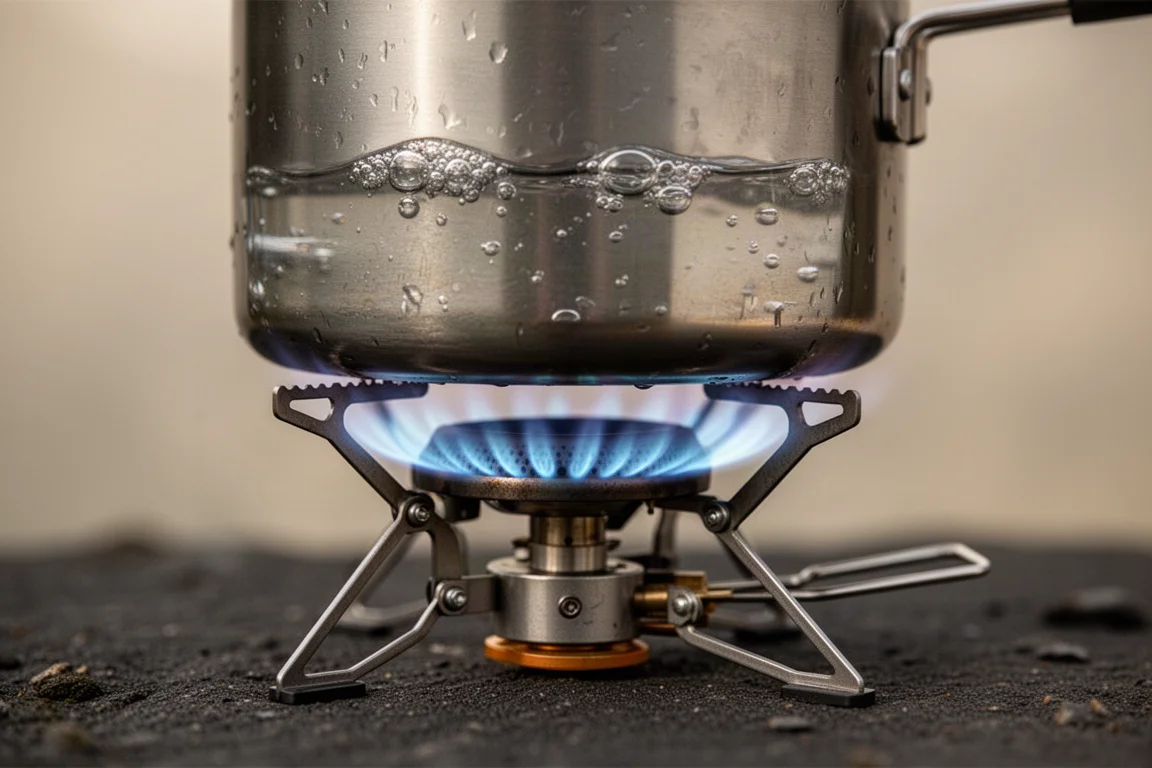
Output rounds out the list. The stove is rated at 11,000 BTU, and in field use at around 6,000 feet of elevation it performed as a genuine workhorse, fast and predictable while still offering fine control at the valve. In a breezy boil test, 300 mL of water reached a rolling boil in about 2 minutes 23 seconds.
Design and Pot Support Versatility
The burner head is large, with a raised outer lip that shields the flame, and the head is concave so it sits close to the base of a pot. The result is heat spread evenly across the bottom of a pot or pan rather than concentrated in one hot spot.
The valve adjuster is stiff without being stubborn. It is not loose enough to drift on its own, so you can set it exactly where you want it, whether that is a hard boil or a low simmer, and trust that it stays there.
Two pot support options cover different cookware. The four-flex set is the one to choose for large pots and full meals, and it can carry a substantial pot comfortably. The TriFlex is the lighter, three-legged alternative for small cups and pared-back kits. Both attach and detach without tools.
The regulator is the quieter piece of engineering, and arguably the most valuable. It holds performance consistent from a full canister down to an empty one, and in testing down to 40 degrees Fahrenheit there was no noticeable drop in output. Cold weather performance is the obvious remaining question, since canister stoves generally lose output as temperatures fall.
Performance and Fuel Efficiency
On a 250 g gas canister, the WindMaster is rated for roughly 1.5 hours of burn time with the valve wide open. That is a useful figure for trip planning, and in practice most cooking happens well below full blast.
The regulator is what makes that burn time feel consistent. Because output holds steady as the canister empties, the flame you set at the start of a trip behaves the same way on the last morning, which removes the guesswork that comes with cheaper stoves.
The piezo igniter is built in and works most of the time, with occasional misses that require a second attempt. Carrying a lighter as backup is a sensible habit regardless of which stove you use.
Things to Consider Before Buying
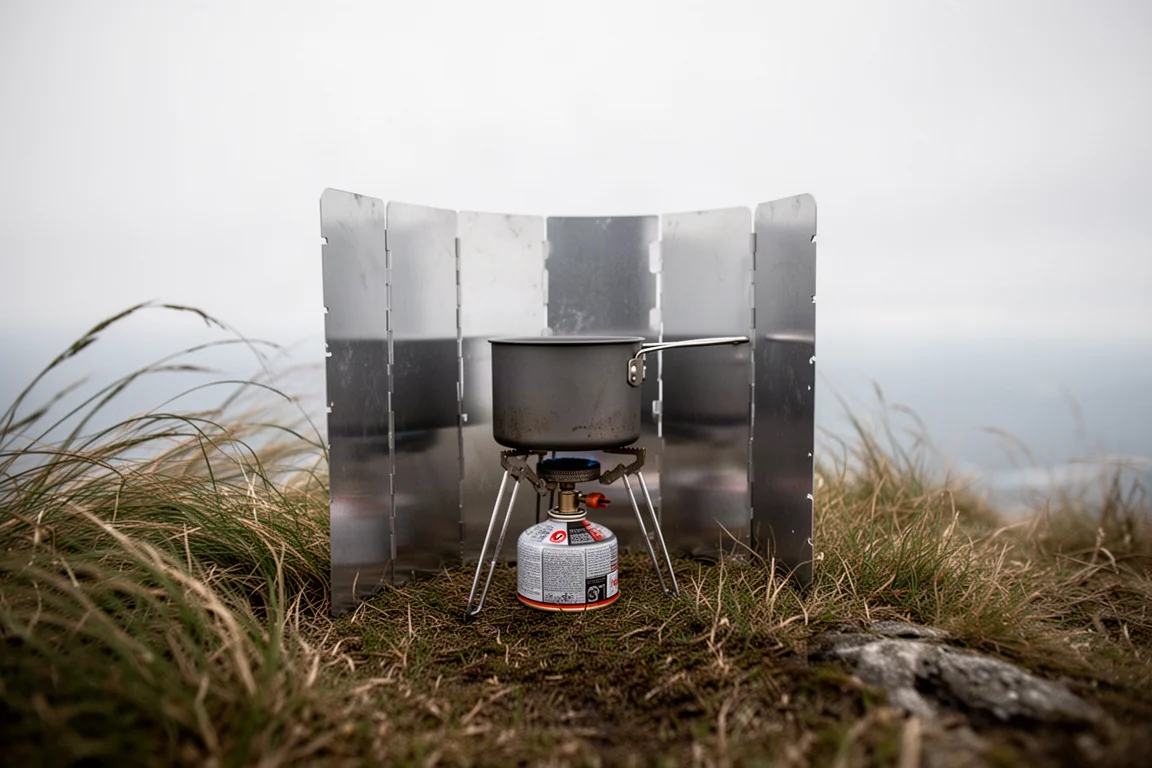
Wind resistance is the most important caveat. The raised lip and burner design do help in a moderate breeze, but the stove is wind resistant rather than windproof. In genuinely windy conditions it will still be affected, and a separate windscreen is the practical answer for efficiency and performance.
The pot support legs are loose by design, and they can flip and flop when you handle the stove. That is a personal preference issue rather than a fault, but if you like supports that lock into place with a bit of resistance, this design will take some getting used to.
The igniter occasionally fails to catch, roughly one attempt in twenty, so a backup ignition source is worth packing.
Price is the final consideration. At $65 this is a pricey stove, and there are canister stoves on the market for under $20. The WindMaster does not pretend to compete on price. What you are paying for is low weight, a small packed size, 11,000 BTU of output, a regulator that keeps performance steady, and a pot support system you can reconfigure for different cookware.
Buying Advice
If your priority is the lowest possible cost, a budget canister stove will boil water and get you fed. If your priority is a stove you can cook on properly, carry without noticing, and adapt to whatever pot you brought, the WindMaster earns its price.
Buy the version with the four-flex pot supports if you cook full meals in a larger pot. Add the TriFlex set separately if you also want an even lighter setup for small cups and solo trips, since it costs less than $20 and swaps on in seconds.
Given the regulator’s strong showing down to 40 degrees Fahrenheit, the stove is a reasonable choice for three-season use, with cold weather performance being the one area still to be confirmed. If you routinely camp in hard wind, budget for a windscreen alongside the stove.
Conclusion
The Soto WindMaster is an excellent stove and a pricey one, and both things are true at the same time. It is light at 3.4 oz, compact enough to nest inside a pot, powerful at 11,000 BTU, and unusually versatile thanks to pot supports you can remove and replace.
Its weaknesses are modest and specific: limited wind resistance in strong gusts, an igniter that occasionally needs a second try, and pot support legs that feel loose. None of them undermine the core experience.
For backpackers who want one well-built stove that can simmer, boil, and handle a large pot without weighing down a pack, the WindMaster is easy to recommend. For occasional users who only need hot water, a cheaper stove will do the job just as well.
Product link
View more details for Soto WindMaster
This product is mentioned in the review. Check the specifications, options, and compatibility before buying.
View more details for Soto WindMasterFurther reading
Related Reviews
Camping Stoves
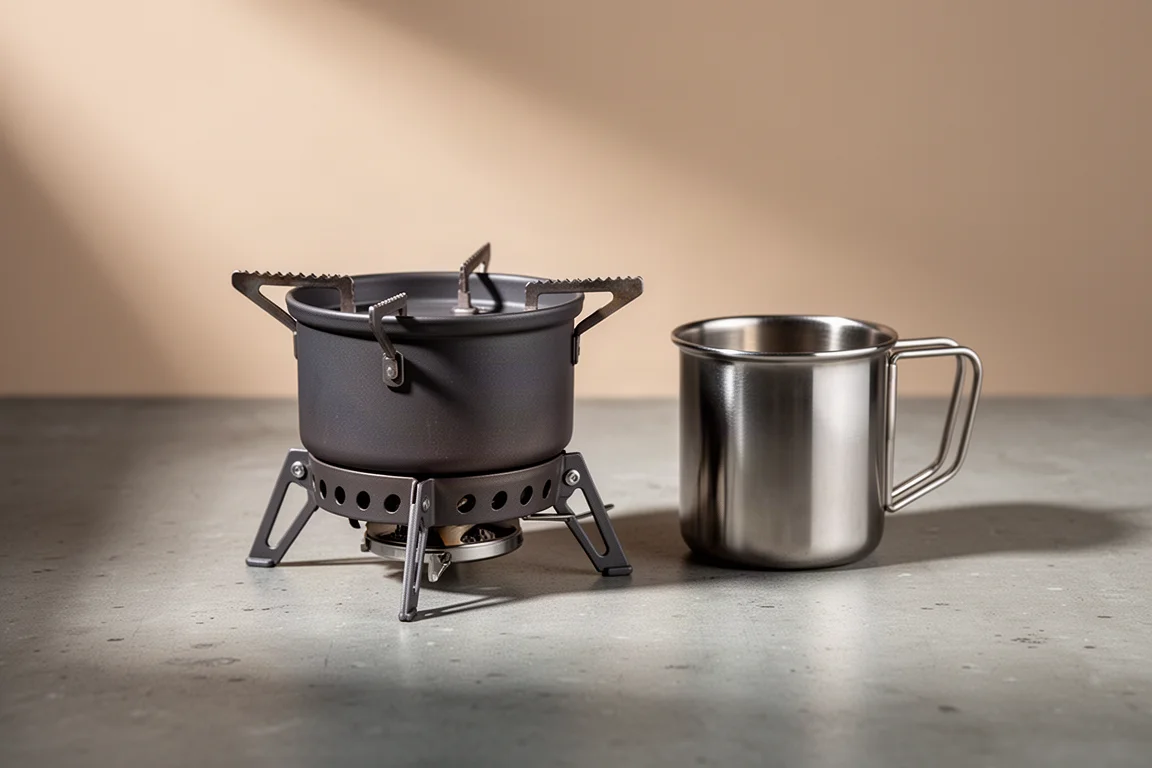
BCB Fire Dragon Mini Cooker Review: A Tiny Folding Stove With Real Trade-Offs
A palm-sized, fuel-flexible folding stove that heats water well enough, but brings flame control, stability, and fuel cost questions worth understanding first.
Camping Stoves
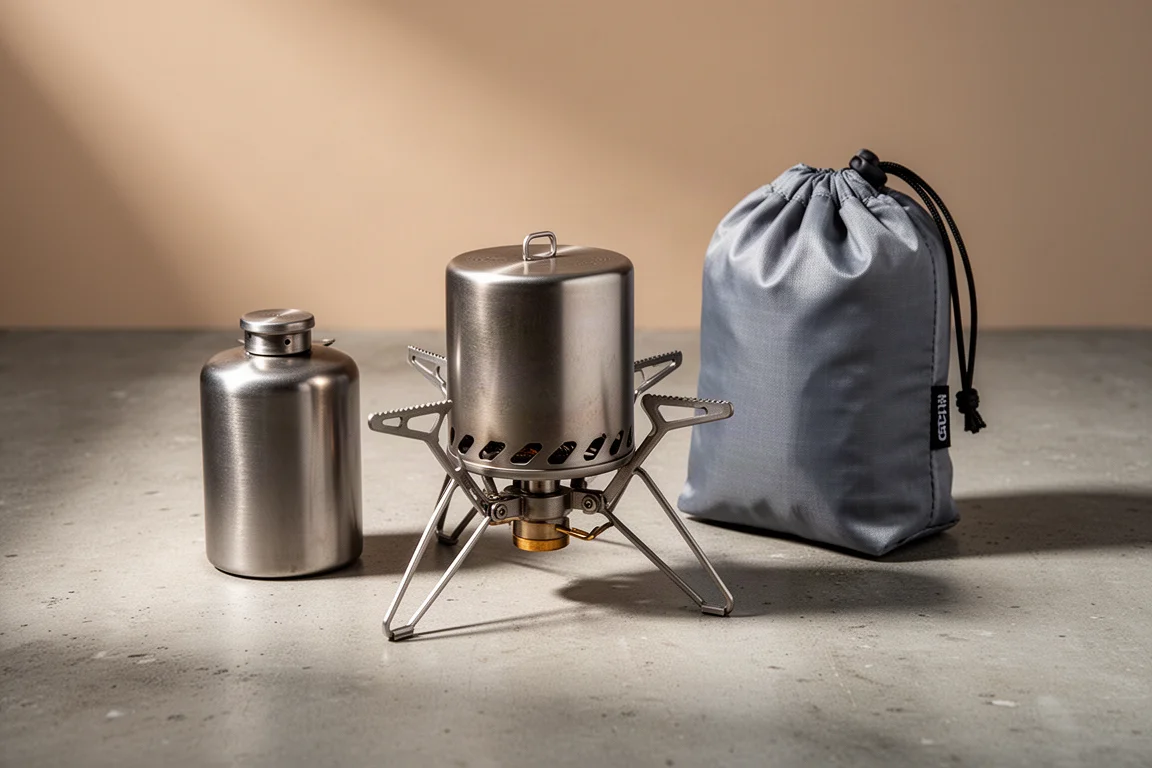
Boundless Voyage Titanium Alcohol and Wood Stove Review: Ultralight Cooking, Two Ways
A titanium alcohol and wood burning stove kit that weighs 4.5 oz complete, boils two cups of water in about 10 minutes, and costs $36.
Camping Stoves
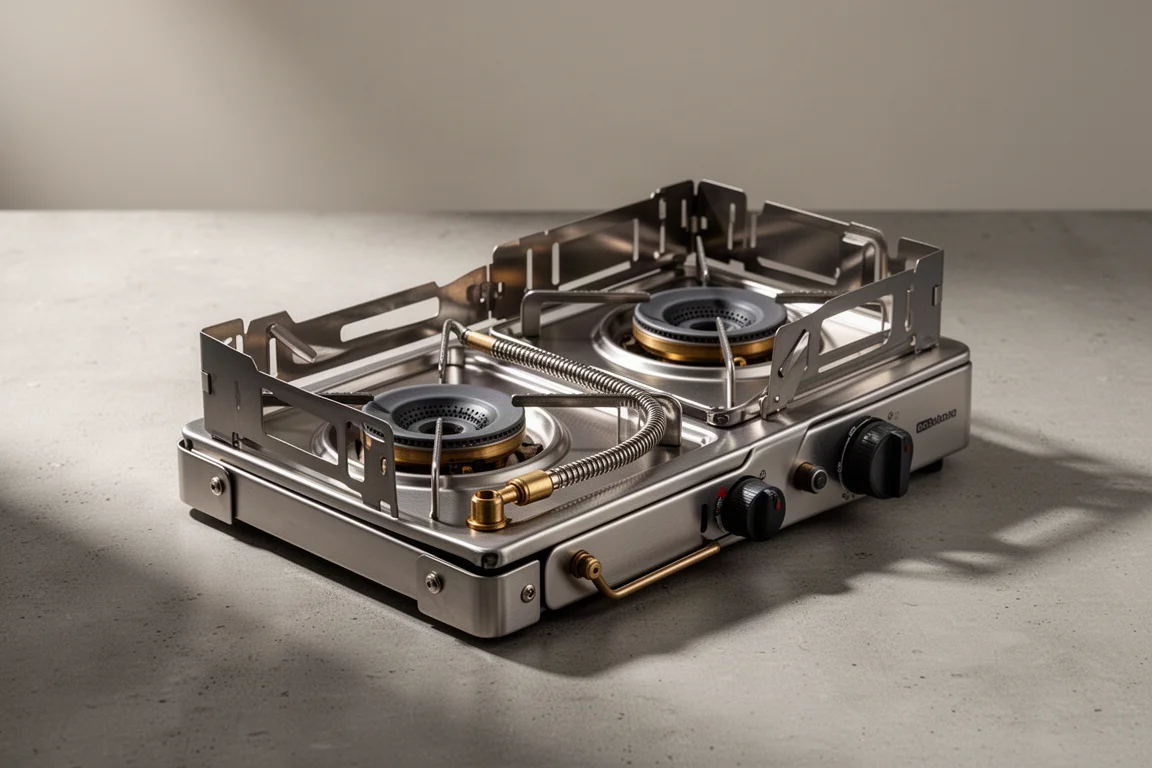
BRS 32 Dual Burner Stove Review: A Folding Two-Burner That Packs Down Flat
A detailed look at the BRS 32, a slim folding dual burner camping stove that expands into a stable cooking platform for around $60.