Camping Stoves
Soto ST-320 Review: A Fold-Out Butane Cassette Stove Worth Knowing About
A compact folding butane cassette stove with a heat shield, spring-plate mount, and canvas case, plus the cold-weather caveats to weigh before buying.
Introduction
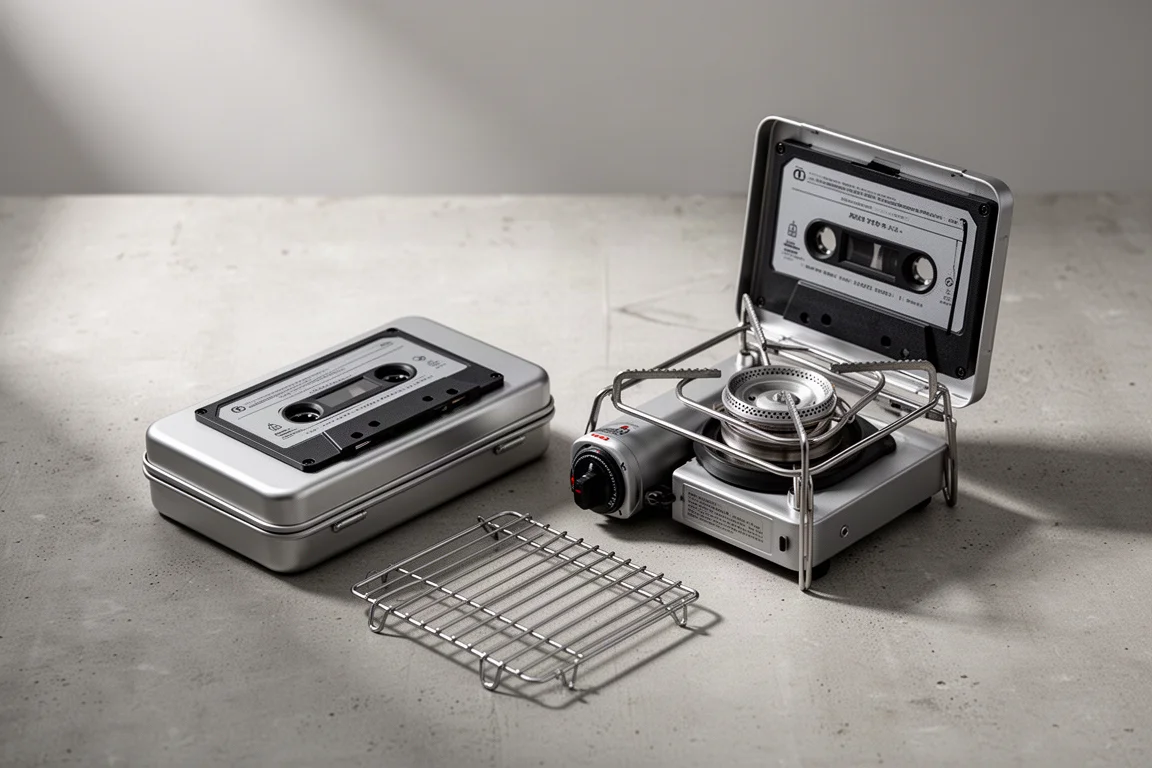
Most camping stoves follow the same formula: a burner head, a folding arm, and a canister that threads on underneath. The Soto ST-320 ignores that formula almost entirely. It is a cassette stove in the literal sense, a flat rectangular body that opens the way a cassette case does, revealing a burner that clips into a folding stand using spring plates. The layout is genuinely unlike a conventional canister stove, and that difference is what makes it worth a closer look.
Who This Stove Is For
The ST-320 works best as a compact camp kitchen for one person, and it can stretch to two. With the stove, its stand, and a full canister together, the traveling weight lands close to 2 lb (1 lb 11.5 oz), so it is not gear aimed at long-distance hikers counting every gram. Where it fits is day trips, overnighters, car camping, truck camping, motorcycle camping, canoeing, and rafting, situations where the stove rides in a pack, a pannier, or a tote instead of on a thru-hiker’s back. It has a following among motorcycle campers in Japan, largely because it folds flat and stores inside its own case.
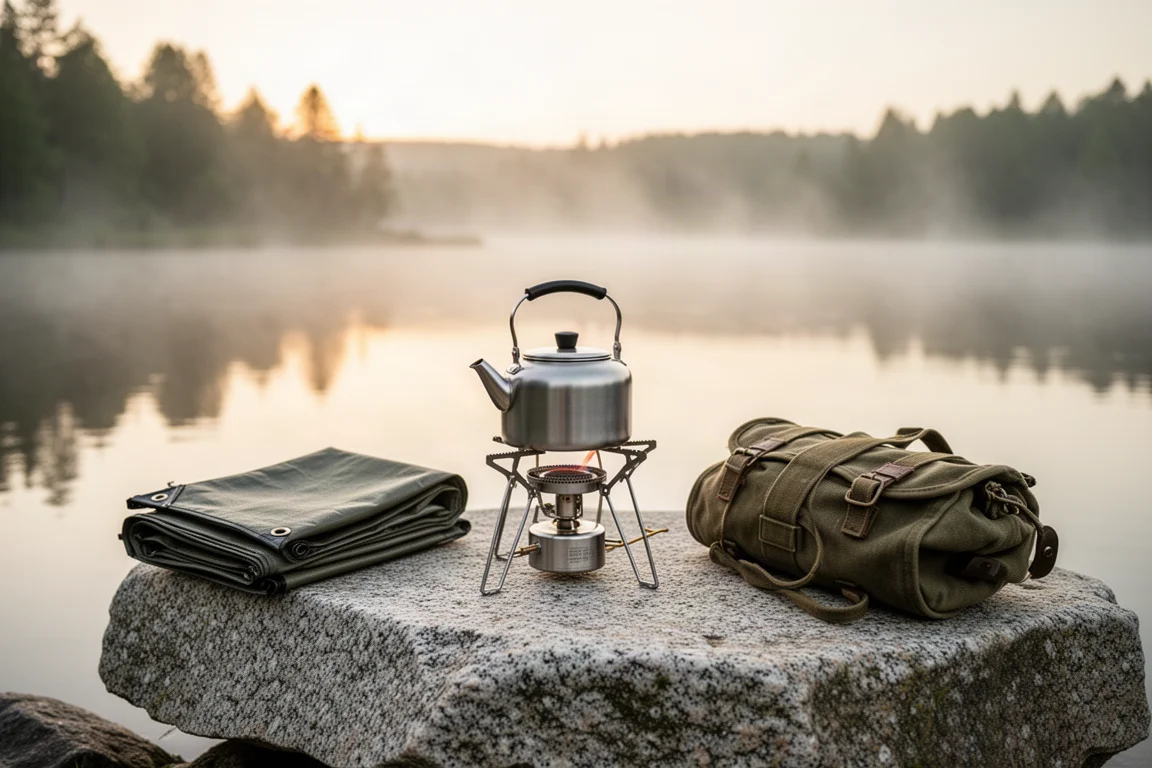
If your meals are cooked for one or two people in a small pot or pan, this is a natural match. Larger groups and shared basecamp cooking will find the cooking surface too small for the job.
Design, Build, and Setup
Materials are aluminum, stainless steel, brass, and a small amount of plastic. Fit and finish are strong, edges are smooth where they need to be, and the stove feels dense and solid in the hand rather than hollow or rattly.
Setup is quick once learned: open the canvas case, pull the stove out, crack it open like a cassette tape, clip the burner body into the stand’s spring plates, and attach fuel at the bottom. The canister connection takes a push and a twist, and it can feel unfamiliar the first few times you do it. Pressing in on the spring plates releases the burner from the stand. Once the two halves are joined, they stay together, so the whole assembly can be lifted by either the stove or the stand.
Folded, the stove measures roughly 1 in deep, 3 in wide, and 5.5 in long. Fully set up it runs about 14 in long and 6 in wide, standing around 3.5 in tall. The included heavy canvas case is velcro-secured and has held up well through years of regular use.
Main Strengths in Daily Use
Wind resistance is where the design earns its keep. The body opens into a V formation, so the stove’s own walls shield the burner from the sides, while the heat shield closes off the front. That shield does double duty: it protects the canister from heat and pushes the flame’s energy upward toward the pot instead of letting it escape. The only truly exposed side is the back, which is why a separate windscreen is still worth carrying on a breezy day. This stove is wind resistant, not windproof.
Stability is the second standout. The folding legs and the wide stand create a platform that holds a small cup or a larger pot without wobbling, and the adjuster gives a usable range from a full flame down to a proper simmer.
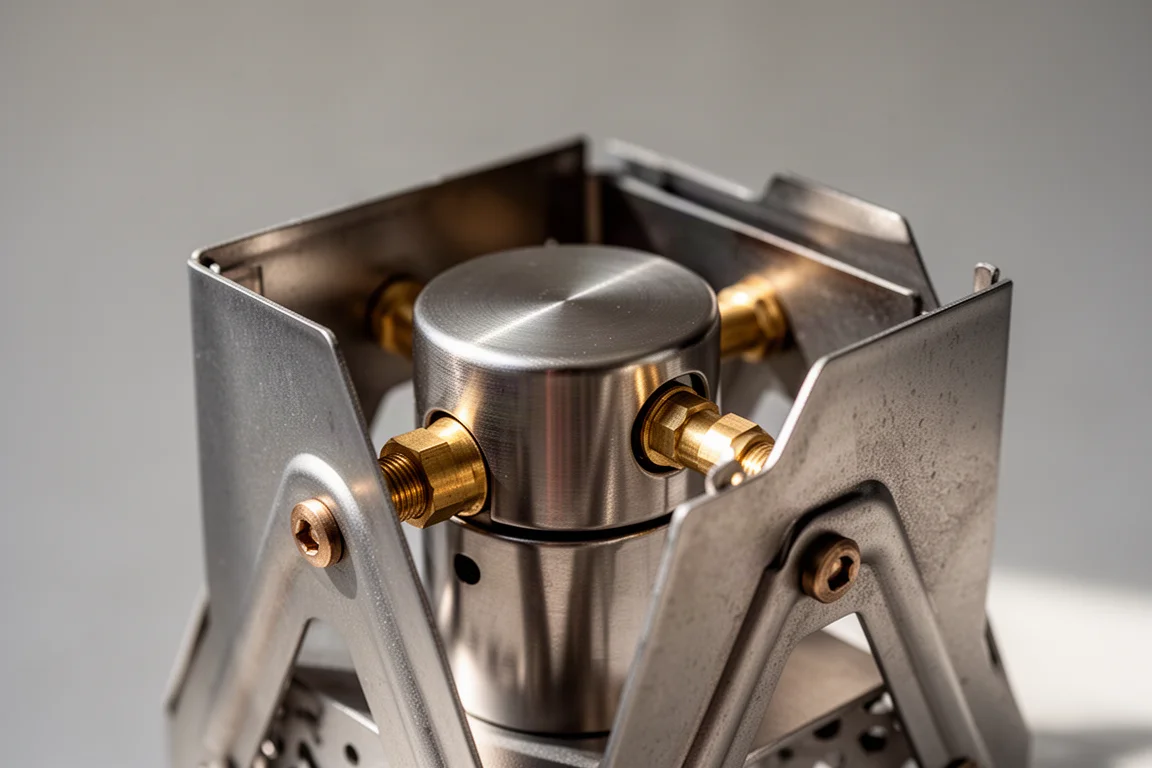
The electric igniter has proven reliable, though it can take several clicks to light, occasionally as many as ten, depending on the conditions.
Cooking Performance and Fuel Efficiency
Published output figures for the ST-320 land between 8,000 and 9,000 BTU depending on the source and the translation, and in practice that is enough to boil, fry, and simmer without feeling short of power. Because the V walls and the heat shield concentrate heat on the cookware, less energy escapes around the sides, which helps boil times and makes the stove feel quicker than its modest footprint suggests.
Fuel is butane, and butane only. Adapters for other fuels do not work with this stove, and butane is harder to find on shelves than isobutane blends, so a hardware store or outfitter may not have any in stock. Online it is inexpensive, roughly 12 cans for about $30, and an 8 oz can lasts a long time in a stove this efficient.
The cooking surface is happiest with cookware around 6 in in diameter. A 6 to 6.5 in cast iron skillet works very well, and a small cup is no trouble at all. Going beyond roughly 7 in starts to strain the platform’s footprint.
Things to Consider Before Buying
Cold weather is the real limitation. Butane loses pressure as temperatures drop, and performance falls off noticeably around 50°F and below. Workarounds exist: keep the canister warm inside a jacket before cooking, and use an insulating canister cover to hold that warmth. With those habits the stove performs well, but in genuinely cold conditions a stove built around a different fuel will be the better tool.
Availability is the other consideration. The ST-320 has not been officially released in the United States, so documentation and information about it are limited, and units typically arrive through imports. An older sibling model, the STG-10, offered slightly more BTU output but has been discontinued, so it is not a straightforward alternative to hunt down.
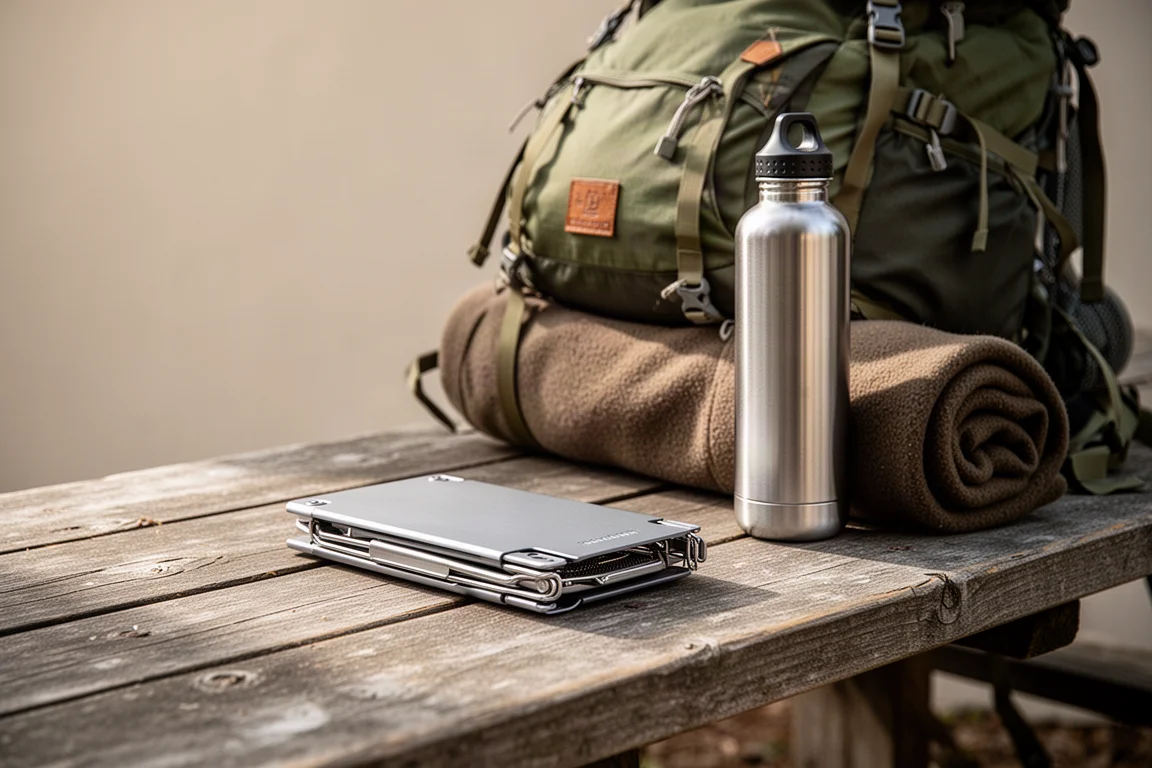
Capacity and weight belong in the same conversation. This is a personal cooking system, and the near 2 lb traveling weight reflects a stove built for stability and durability rather than for minimum grams.
Buying Advice
For years the only route to an ST-320 was importing one from Japan, often by asking an overseas seller to create a custom listing, at a price around $120. That has changed. The stove can now be bought on Amazon for roughly $75 to $80, and listings elsewhere sit around $85, which makes it considerably easier to justify than it once was.
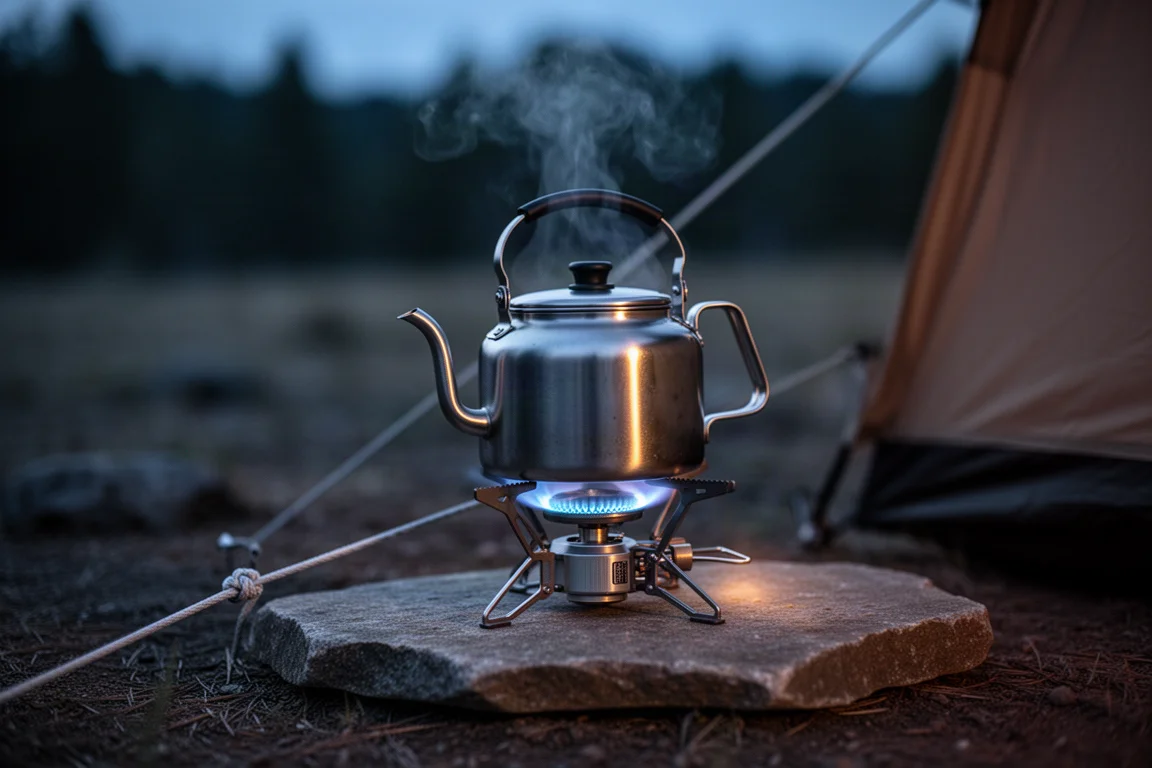
Buy it if you want a small, stable, fuel-efficient butane stove for solo or two-person trips, and if you appreciate gear that does not look like everything else on the shelf. Skip it if you hike long distances, cook for groups, or camp regularly in freezing conditions. If cold-weather trips are on your calendar, plan on warming the canister, carrying a windscreen, and treating butane as a fair-weather fuel.
Conclusion
The ST-320 is unusual in a category full of near-identical products, and the unusual parts are functional rather than decorative: the cassette fold, the spring-plate mount, the heat shield, and the canvas case that holds everything flat. It is well made, frugal with fuel, and genuinely pleasant to use, with cold-weather butane behavior and a personal-scale cooking surface as the honest caveats. For shorter trips and smaller meals, it is an easy stove to recommend.
Product link
View more details for Soto ST-320 Cassette Stove
This product is mentioned in the review. Check the specifications, options, and compatibility before buying.
View more details for Soto ST-320 Cassette StoveFurther reading
Related Reviews
Camping Stoves
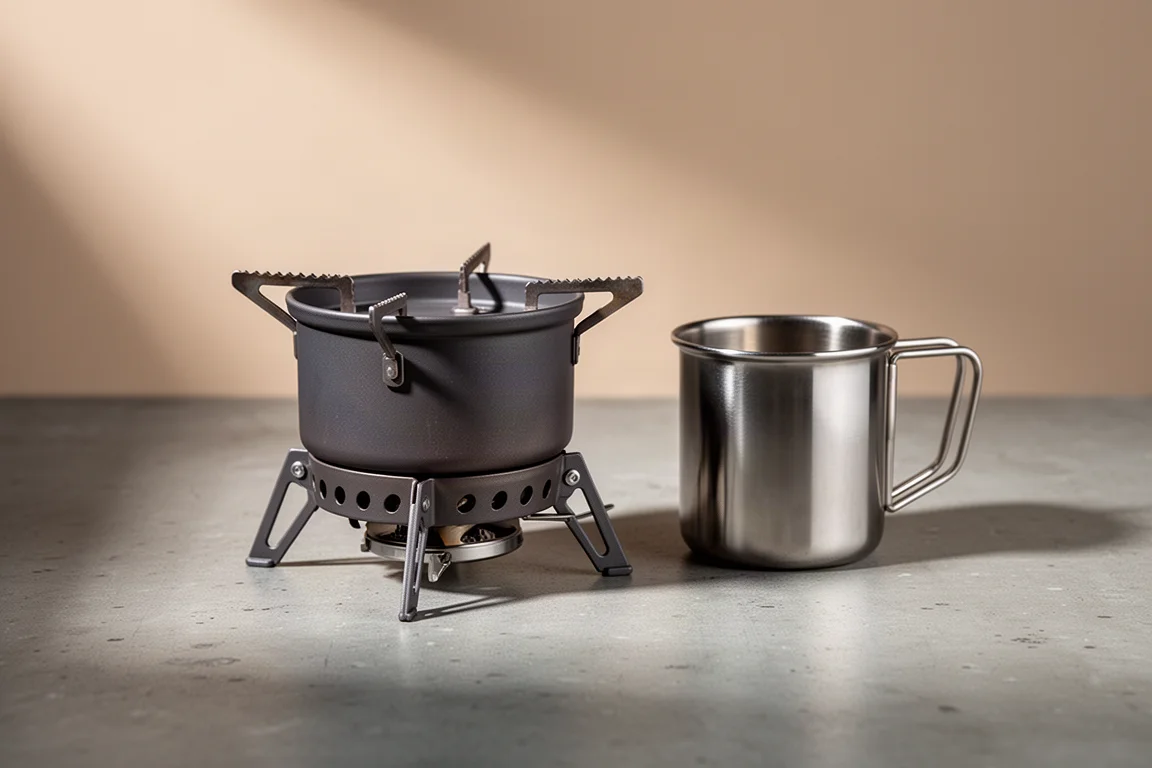
BCB Fire Dragon Mini Cooker Review: A Tiny Folding Stove With Real Trade-Offs
A palm-sized, fuel-flexible folding stove that heats water well enough, but brings flame control, stability, and fuel cost questions worth understanding first.
Camping Stoves
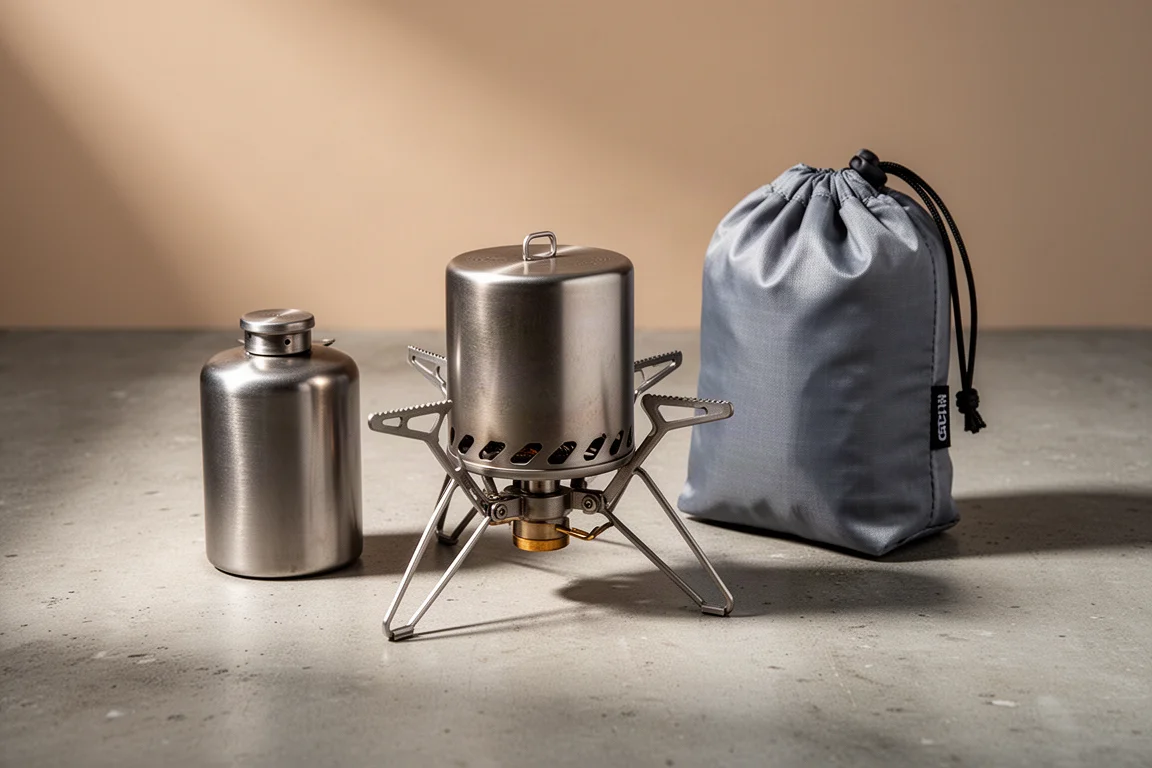
Boundless Voyage Titanium Alcohol and Wood Stove Review: Ultralight Cooking, Two Ways
A titanium alcohol and wood burning stove kit that weighs 4.5 oz complete, boils two cups of water in about 10 minutes, and costs $36.
Camping Stoves
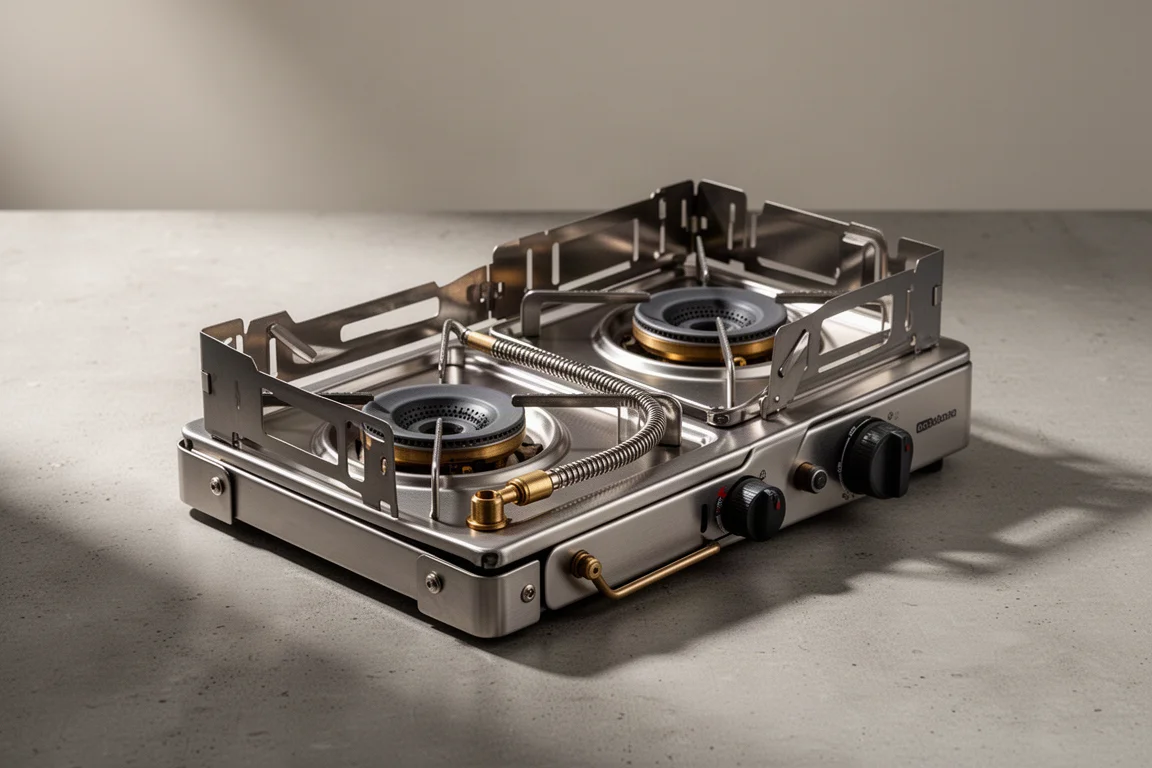
BRS 32 Dual Burner Stove Review: A Folding Two-Burner That Packs Down Flat
A detailed look at the BRS 32, a slim folding dual burner camping stove that expands into a stable cooking platform for around $60.