Camping Stoves
Soto ST-320 Review: A Cassette Camping Stove That Folds Flat and Cooks Well
A long-term look at the Soto ST-320 butane cassette stove: build quality, cooking performance, wind behaviour, cold-weather limits, and who it actually suits.
Introduction
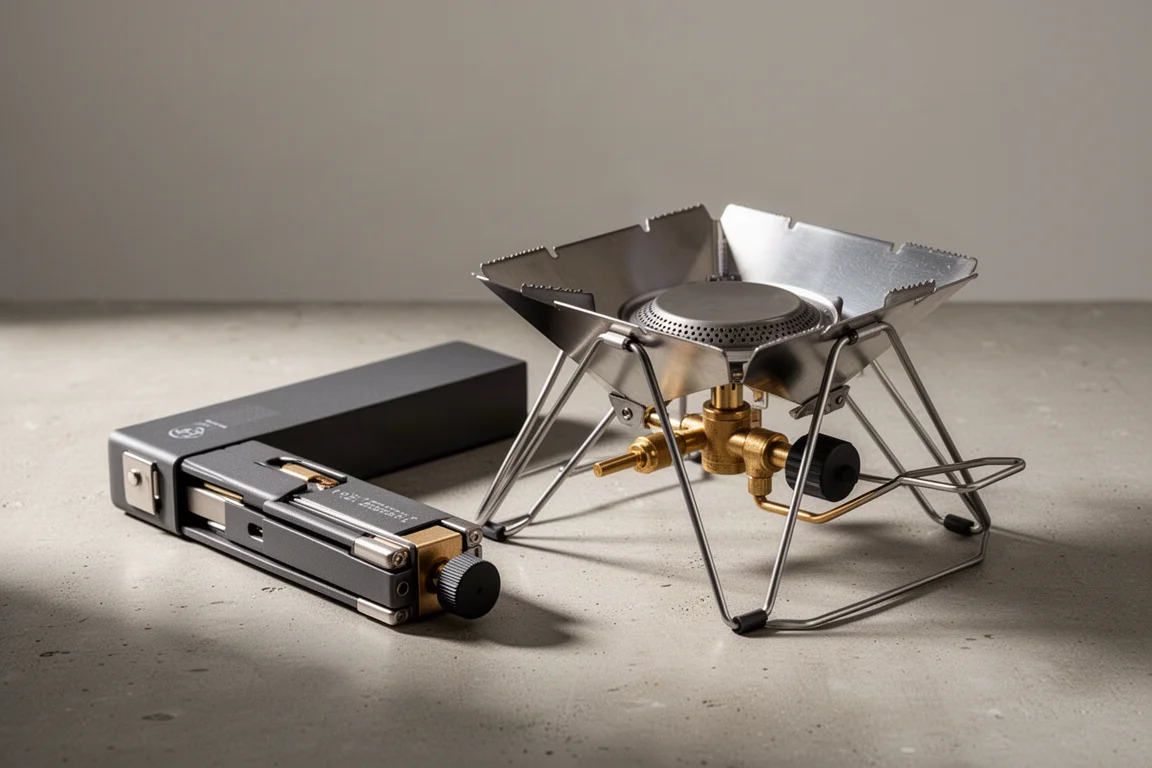
Most camping stoves are variations on the same idea. The Soto ST-320 is not. It is a butane cassette stove that folds into a flat, slim rectangle roughly the size of a cassette tape, then opens into a V-shaped cooking platform with an integrated heat shield and a separate stand that the burner locks onto.
That unusual format is why it stands out, but it is not the only reason to consider one. After several years of regular use across backpacking, camping, and overlanding trips, in rain, snow, warm weather, and cold weather, the ST-320 has proven to be one of the more satisfying pieces of camp cooking gear to live with. It is solidly built, genuinely compact, and inexpensive to run.
This review covers what the stove is, who it suits, where it performs well, and the limitations worth understanding before buying, particularly around fuel type and cold weather.
Who the Soto ST-320 Is For
The ST-320 is a personal cooking system. It is at its best with one person and can stretch to two, but it is not a group stove. The cooking platform is designed around pots, pans, and cups of roughly 6 inches in diameter, with 6 to 7 inches the practical maximum.
That makes it a natural fit for day trips, overnights, car camping, truck camping, motorcycle camping, canoeing, and rafting. Its small folded footprint and modest weight have made it popular with motorcycle campers in Japan, where packing space matters more than shaving grams.
It is not a thru-hiking stove. With the case and pot supports, the stove weighs about 15.6 ounces, and with a full canister attached the complete setup is close to 2 pounds. Anyone counting ounces over long distances should look elsewhere, while anyone packing for a shorter trip will find the trade-off reasonable.
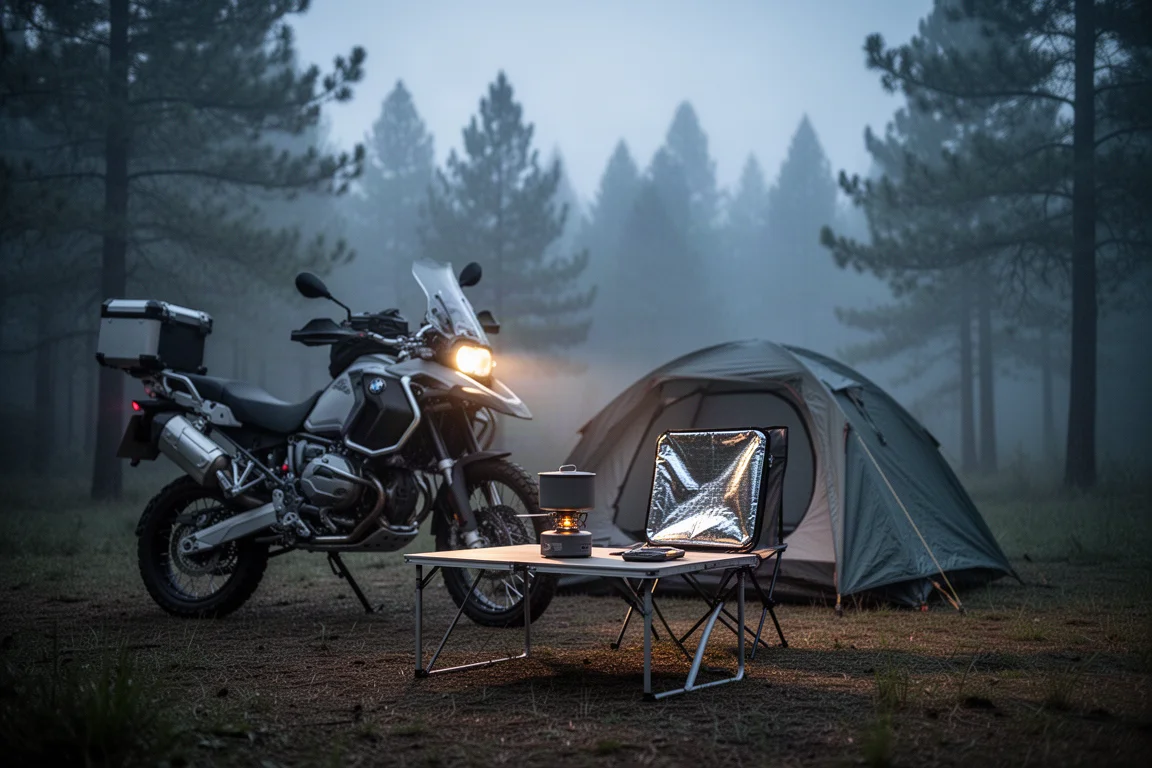
The stove rewards that trade-off with a stable, planted platform. Because the legs unfold and lock into a wide base, a small cup and a larger pot both sit securely.
Build Quality and the Cassette Design
Materials are aluminum, stainless steel, some brass, and some plastic. Edges are smooth where they need to be, the fit and finish is very good, and the whole assembly feels substantial in the hand.
Folded, the stove measures about 1 inch deep, 3 inches wide, and 5.5 inches long. Fully set up, it stretches to roughly 14 inches long, 6 inches wide, and 3.5 inches tall.
The connection between burner and stand is the clever part. Two spring plates on the stand engage two slots on the stove body and lock it in place. Once connected, the two halves stay together, so the unit can be lifted by either the burner or the stand. Pushing in on the spring plates releases it again.
The pot supports lay over the locking teeth at the top of the heat shield to form the cooking platform. A thick canvas case with a hook-and-loop closure is included, and it does a good job of protecting the stove in transit.
Cooking Performance and Fuel Efficiency
Published burner output figures for the ST-320 vary between 8,000 and 9,000 BTU depending on the source. In practice that is more than enough for the kind of cooking this stove is built for: boiling water, frying, and simmering.
The V-shaped walls and the front heat shield work together to push heat toward the pot rather than letting it escape sideways. Less heat loss means quicker boils and faster cooking than a bare burner of similar output. The heat shield also shields the canister from the burner’s heat, and it doubles as a windshield at the front.
Fuel economy is a real strength. An 8-ounce butane canister lasts a long time, and butane itself is inexpensive, with multipacks of around a dozen cans selling for roughly $30.
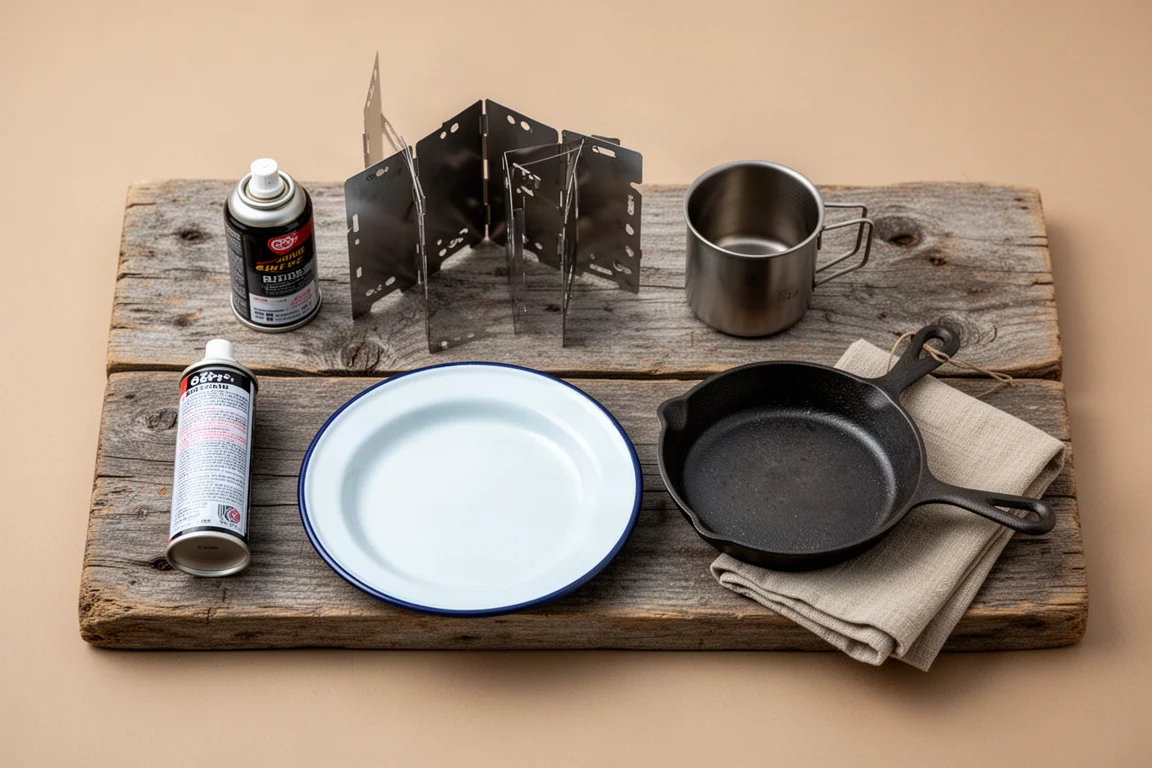
The adjuster gives a wide range, from full output down to a controlled simmer, and the platform is stable enough for a frying pan. A 6 to 6.5 inch cast iron skillet works well within the stove’s intended pot size.
Wind, Cold Weather, and Butane Fuel
The folded walls give the ST-320 useful wind protection, but they do not make it windproof. The rear of the stove is exposed, and on a breezy day a separate windscreen is a sensible addition.
The bigger consideration is fuel. The ST-320 runs on butane only, and adapters for other fuels do not work with it. Butane is also harder to find locally than isobutane: big-box stores, hardware shops, and outfitters commonly stock isobutane blends, while butane is usually easiest to order online. It is inexpensive when you do, which offsets the inconvenience.
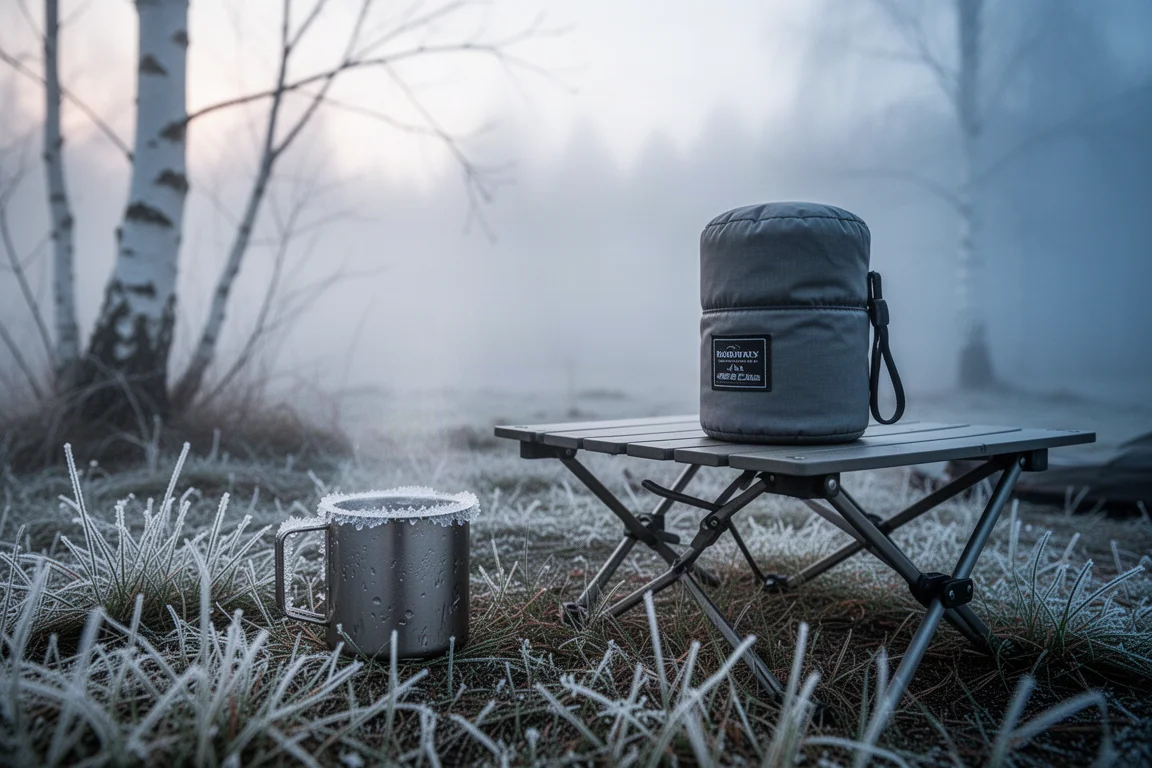
Cold weather is where butane shows its limits. Performance is strong in warm conditions, but once temperatures drop to around 50 degrees Fahrenheit and below, the fuel struggles and the stove needs more care to perform at its best. Keeping the canister warm helps, either with an insulating cover or by carrying it inside a jacket before cooking. Let the fuel get cold and output drops noticeably.
Things to Consider Before Buying
The piezo igniter has a strong record of working, but it can take several clicks, occasionally up to ten, depending on conditions. It is a reliable but not especially quick ignition system.
Attaching the canister also takes a little practice. The plastic connection piece needs to be pushed into the fuel can and then twisted to lock it. The first few times it can feel awkward before the motion becomes natural.
Availability and information are another factor. The ST-320 has not been officially released in the United States, so documentation is limited and published specifications vary. Buying one used to mean importing it through Japanese sellers at a considerably higher cost. That has changed, and the stove is now much easier to order.
Weight is worth weighing up honestly. The stove is hefty for its size, and with fuel attached the full setup approaches 2 pounds. That is a fair trade for car, truck, and motorcycle camping, and a poor one for long-distance hiking.
Setup, Care, and Everyday Use
Setting up the stove is straightforward once the sequence is familiar. Open the case, lift out the stove, unfold it like a cassette tape, connect the burner to the stand until the spring plates click, attach the fuel canister with a push and a twist, and it is ready.
Packing down reverses the process, and the canvas case keeps the stove protected between trips. An insulating canister cover is a worthwhile accessory in cooler conditions, both for the warmth it holds in and the protection it adds.
The overall experience is one of the reasons the ST-320 is easy to recommend. It is not a fussy stove. It opens, locks, lights, and cooks, and it does so the same way every time.
Buying Advice
At the time of writing, the ST-320 sells for roughly $75 to $80 on Amazon, with eBay listings around $85. That is a considerable improvement on the $120 early importers paid, and it makes the stove much easier to justify.
The value case is strong: a well-built, unusually compact stove with inexpensive fuel and excellent fuel economy. The main question is whether butane suits your habits. If you mostly camp in mild or warm conditions and want a compact stove for shorter trips, the ST-320 is a confident recommendation. If you hike long distances, cook for groups, or camp regularly in freezing conditions, a different stove will serve you better.
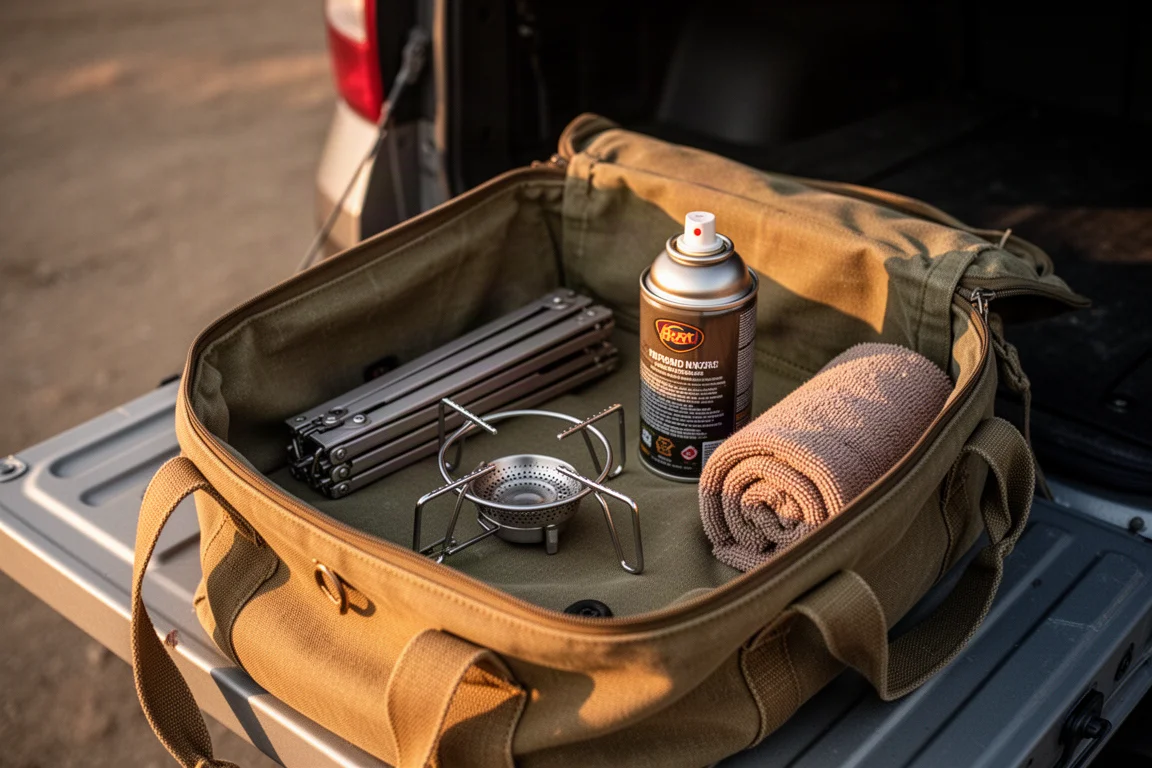
For riders, paddlers, and car campers who want something small, solid, and a little different from everything else on the shelf, it is a straightforward choice.
Conclusion
The Soto ST-320 earns its place on the strength of its design. The cassette format, the locking stand, the integrated heat shield, and the canvas case all work together to make a stove that is compact, stable, and pleasant to use. It performs well, runs cheaply, and feels built to last.
The caveats are specific rather than general: butane only, limited cold-weather performance, and a weight that rules it out for weight-conscious backpacking. Within those boundaries, it is one of the more interesting and capable small stoves available.
Product link
View more details for Soto ST-320
This product is mentioned in the review. Check the specifications, options, and compatibility before buying.
View more details for Soto ST-320Further reading
Related Reviews
Camping Stoves
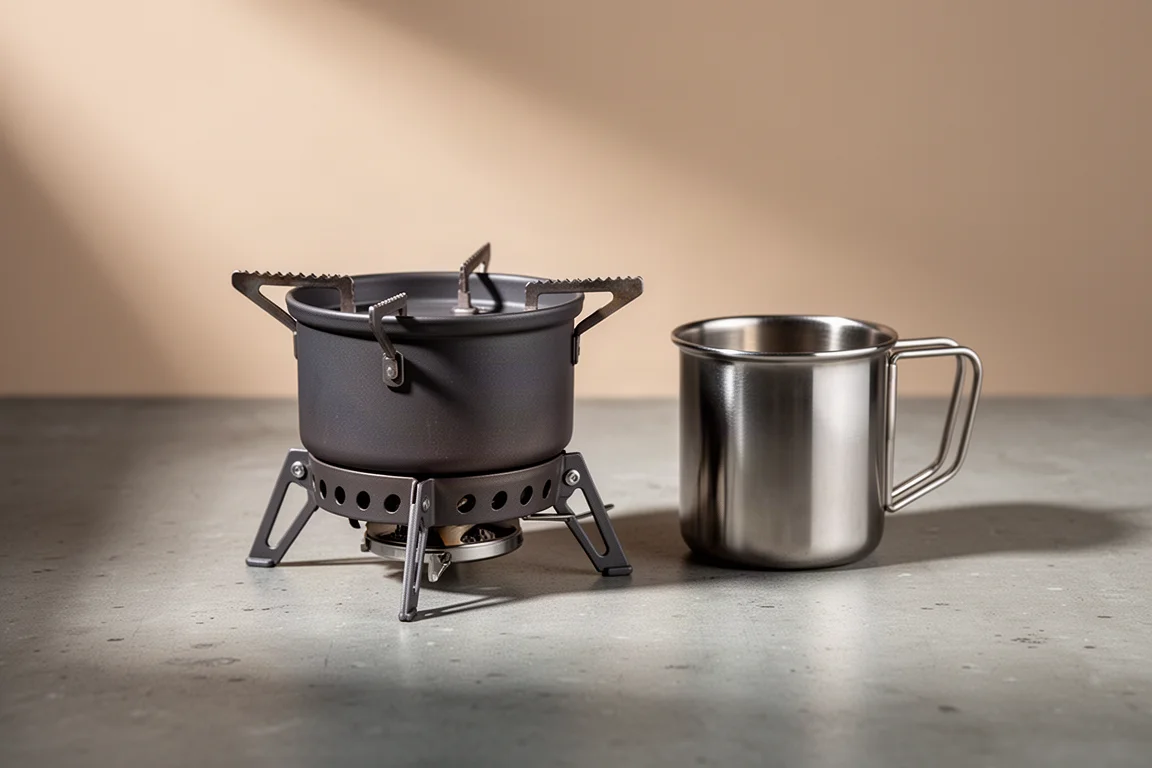
BCB Fire Dragon Mini Cooker Review: A Tiny Folding Stove With Real Trade-Offs
A palm-sized, fuel-flexible folding stove that heats water well enough, but brings flame control, stability, and fuel cost questions worth understanding first.
Camping Stoves
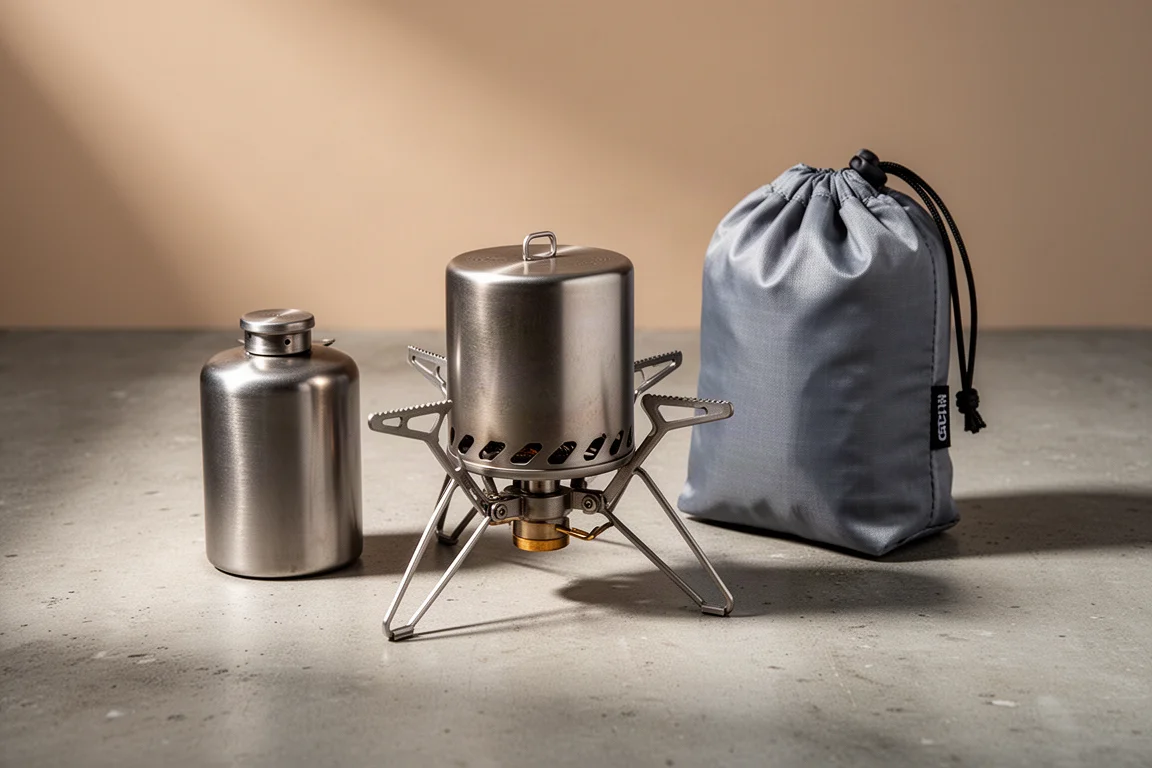
Boundless Voyage Titanium Alcohol and Wood Stove Review: Ultralight Cooking, Two Ways
A titanium alcohol and wood burning stove kit that weighs 4.5 oz complete, boils two cups of water in about 10 minutes, and costs $36.
Camping Stoves
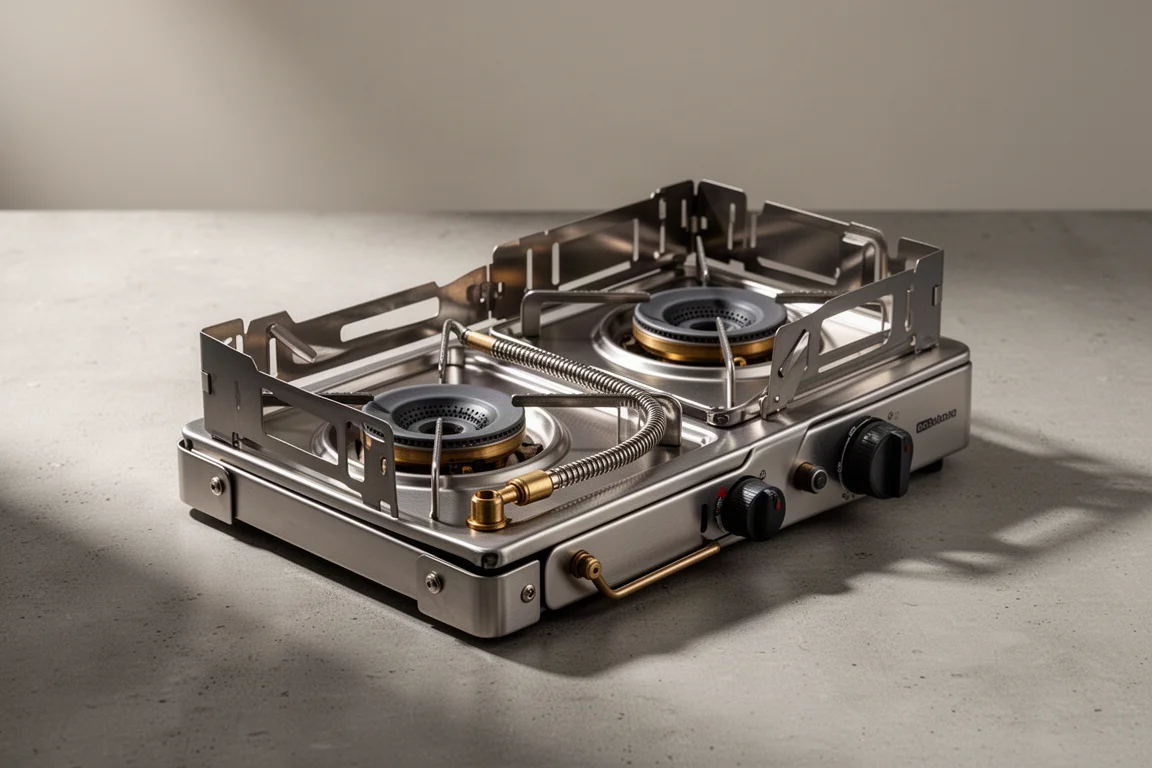
BRS 32 Dual Burner Stove Review: A Folding Two-Burner That Packs Down Flat
A detailed look at the BRS 32, a slim folding dual burner camping stove that expands into a stable cooking platform for around $60.