Camping Stoves
Soto Fusion SOD-330 Review: A Japanese Mountaineering Stove Built for Import
A practical look at the Soto Fusion SOD-330, a regulated canister stove for high-elevation use, covering boil performance, strengths, and import considerations.
Introduction
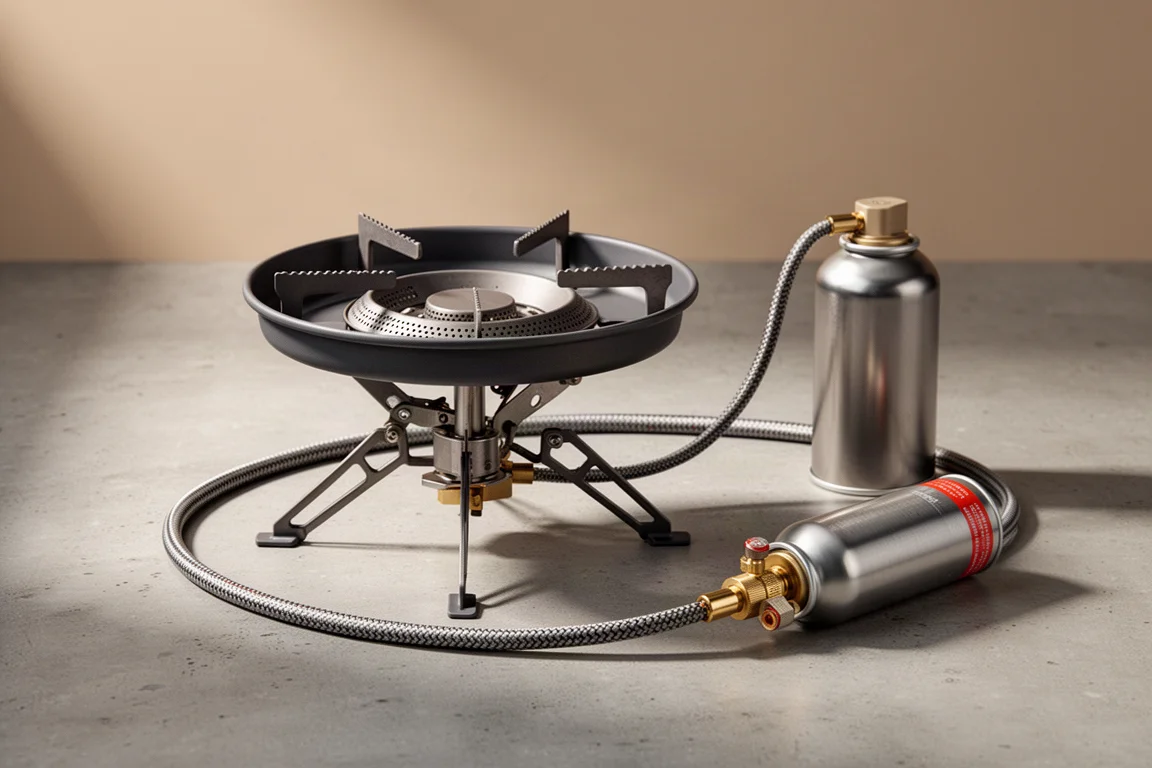
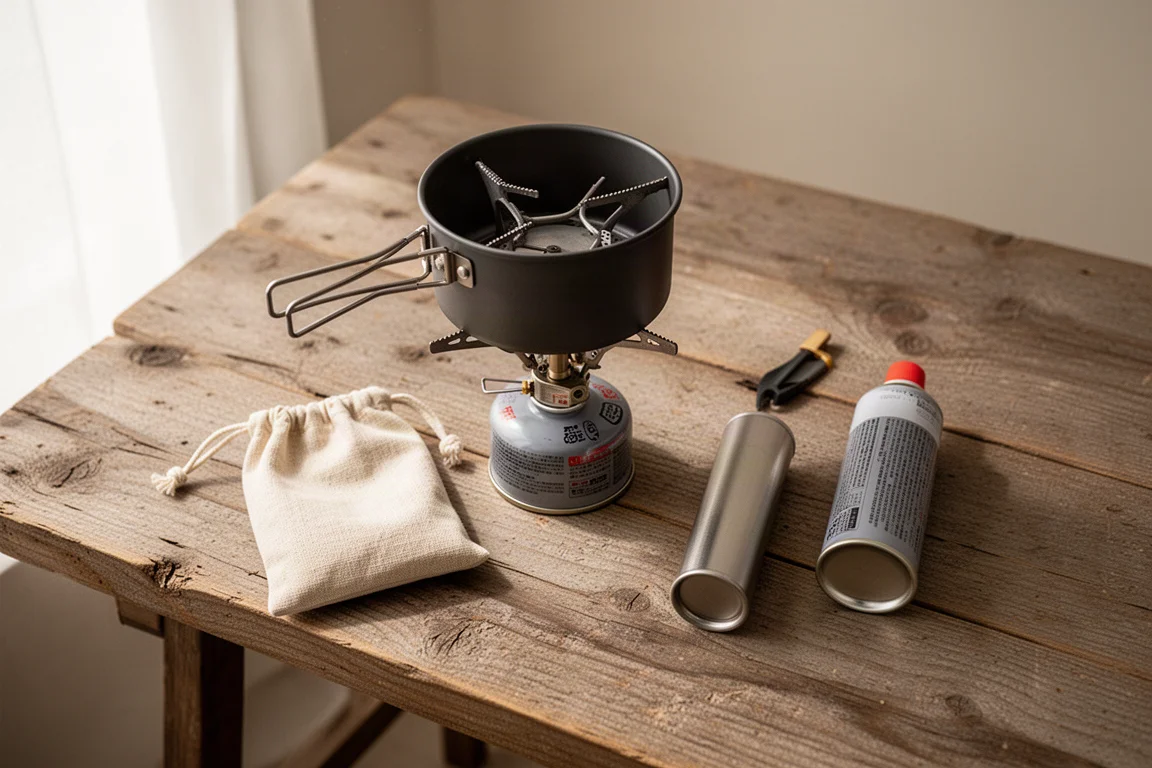
The Soto Fusion SOD-330 is a canister stove designed in Japan for mountaineering and high-elevation use. It is not sold in the United States, which means buyers in most markets generally need to import one. That extra step shapes the whole decision, because the stove itself is unusual in a few useful ways: a wide burner head, three rotating pot supports, a long fuel hose that keeps the canister away from the flame, and an internal regulator that holds output steady when temperatures drop or the canister runs low.
It is worth separating this model from its sibling. The ST-330 runs on butane and was built for lower-elevation camping, while the SOD-330 runs on a canister and was made for mountaineering conditions. Soto’s wider catalog covers stoves, cookware, and camping tables, and the finish and construction quality across those products is consistently high.
Who This Stove Is For
This stove suits backpackers and mountaineers who cook with larger pots and pans, and who value stability over the smallest possible packed size. The three pot supports rotate outward, and the ridges on them are aggressive enough that cookware stays put even when the stove is not sitting on perfectly level ground.
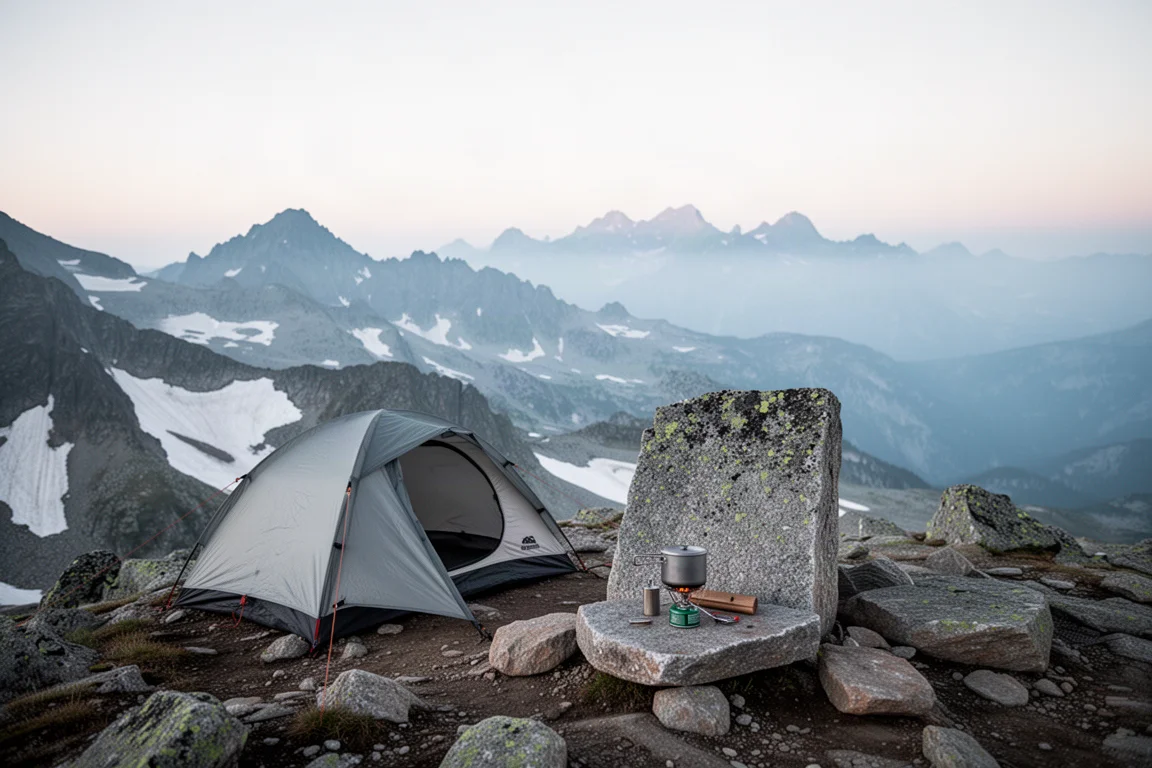
It is also a reasonable choice for cold-weather trips. The regulator is the main reason: it manages fuel flow so output stays consistent as the canister chills or empties. Anyone who mostly boils water on short summer trips with a tiny titanium mug can spend far less and carry less, but for bigger cookware and cooler conditions this design makes more sense.
What Comes in the Box and Key Specifications
The package is simple: the stove, a storage bag, and instructions printed in Japanese. The storage bag does the job but is nothing special.
Key figures:
- Output: 11,260 BTU
- Weight: 6.5 oz for the stove, 6.9 oz with the storage bag
- Burner head width: about 2.5 in
- Height: 4 in from the foot to the top of the pot support
- Width: 5.5 in with the supports deployed
- Fuel hose length: 10.5 in
- Folded size: 4 in tall, 4.5 in wide
- Igniter: none
Main Strengths
Burner Head and Pot Support Design
The burner head measures roughly two and a half inches across, which is large for a stove in this class. A wide head spreads the flame over a bigger area, so larger pots, pans, and cups heat more evenly than they would on a narrow burner. The three pot supports rotate and slide into position, and even a very small coffee mug sits securely on them.
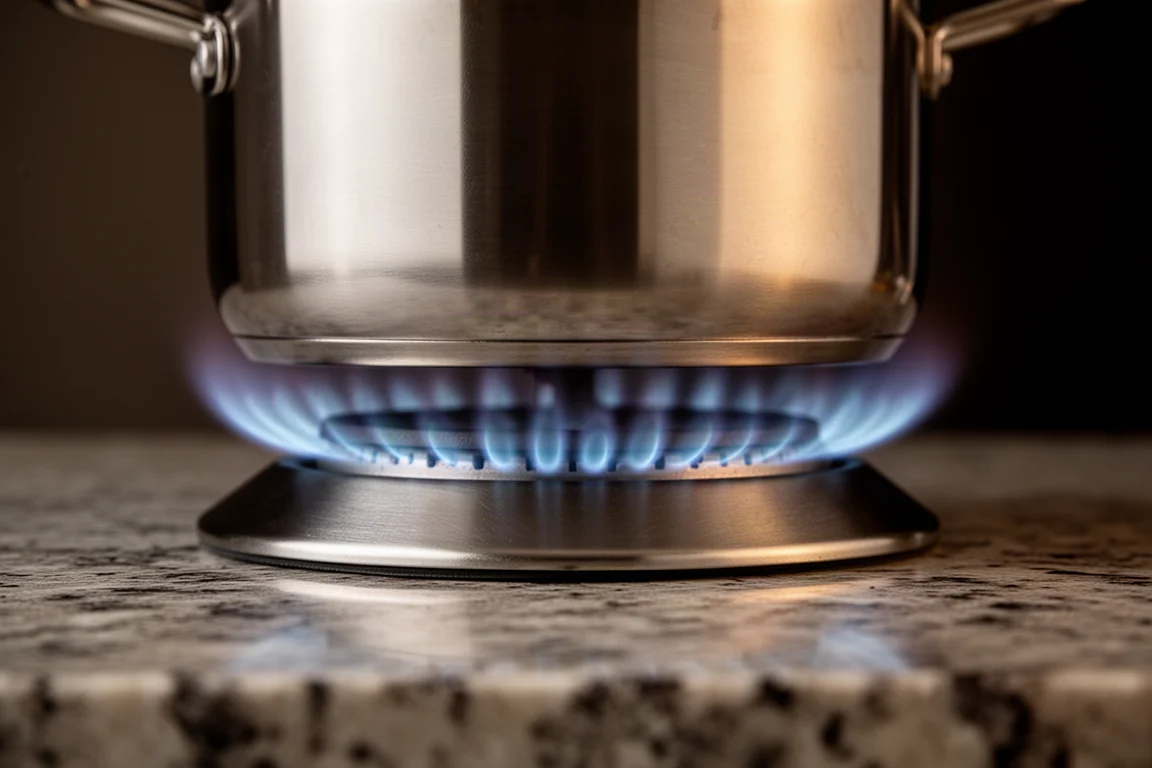
That combination of a wide head and widely spaced supports is the core of the design. This behaves like a small basecamp burner rather than a minimalist ultralight unit.
Boil Test Results
A timed test with 16 ounces of water and the valve opened fully reached a rolling boil in 2 minutes 55 seconds. For reference, the Soto WindMaster completes the same task in about 2 minutes 42 seconds, and the MSR PocketRocket Deluxe in about 2 minutes 58 seconds. That places the Fusion SOD-330 squarely in the middle of that group, which is a solid result for a stove with a wider burner and a regulator.
Regulated Fuel Flow in Cold Conditions
The regulator is the feature that separates this stove from cheaper canister models. Its job is to control the flow of fuel reaching the burner so that performance stays consistent when the canister is cold, and so that output does not fade as the canister nears empty. Cold-weather consistency is exactly where unregulated stoves tend to disappoint, so this is the specification that matters most for mountaineering use.
Stability, Fuel Hose, and Build Quality
The stove stands on legs with small feet, and the whole assembly feels planted once the supports are deployed. The fuel hose is 10.5 inches long, which is generous. That length lets the canister sit well away from the burner, keeping it out of the heat and making it easier to position the stove on uneven ground or inside a sheltered vestibule. The adjuster threads onto the canister cleanly and gives fine control over the flame.
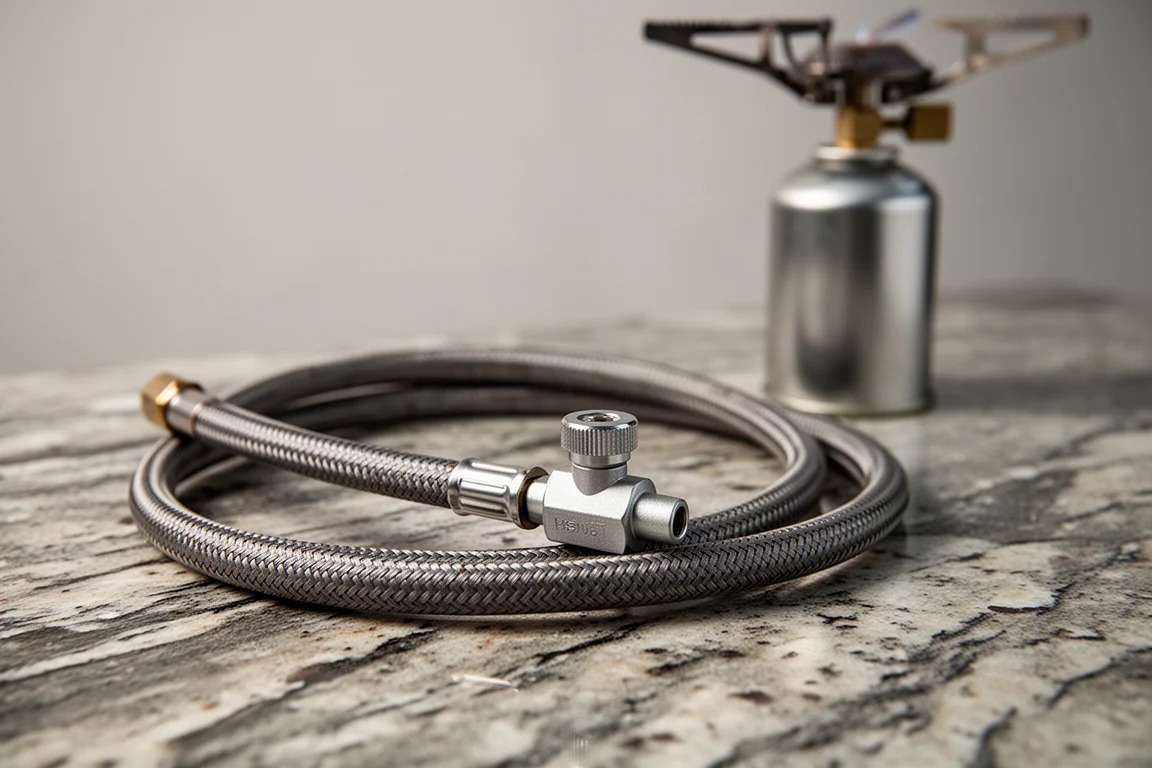
Build quality is excellent throughout, from the burner casting to the valve and the folding supports. There is also a windscreen built in, which helps in light wind. In stronger wind a separate wind block is still necessary, as it is with most stoves of this type.
Things to Consider Before Buying
Two drawbacks stand out.
The first is the lack of an igniter. Every lighting sequence requires a lighter or matches, which is a small but constant inconvenience and one more thing to carry and keep dry.
The second is availability and price. This is a Japanese product that is not distributed in the United States, so buyers in most markets will need to import it. Getting one typically runs around $140, and import services add their own fees on top. That is expensive for a canister stove, and comparable stoves cost considerably less. The difference in price buys the regulator, the wider burner, and the overall build quality.
Buying Advice
If the stove appeals, the practical route is an import. Marketplace listings from Japanese sellers are often the simplest way to find one, and where a listing does not exist, sellers who already stock other Soto products can sometimes arrange one. Dedicated import services also work and can source almost anything, though they tend to be the more expensive option.
Before committing, weigh the price against how you actually cook. If you regularly use larger pots, travel in cold conditions, or want steady output from the first boil to the last drop in the canister, the Fusion SOD-330 is a well-built tool that will earn its place in a pack. If you mostly boil water for one person on mild trips, a simpler and cheaper stove will do the same job.
Conclusion
The Soto Fusion SOD-330 is a thoughtfully made canister stove with a wide burner, stable pot supports, a long hose, and a regulator that keeps output consistent in the cold. Its two real drawbacks are the missing igniter and the cost of importing it, which together push the total commitment higher than most canister stoves. For mountaineers and cold-weather campers who cook with real cookware, those trade-offs are easier to accept.
Product link
View more details for Soto Fusion SOD-330
This product is mentioned in the review. Check the specifications, options, and compatibility before buying.
View more details for Soto Fusion SOD-330Further reading
Related Reviews
Camping Stoves
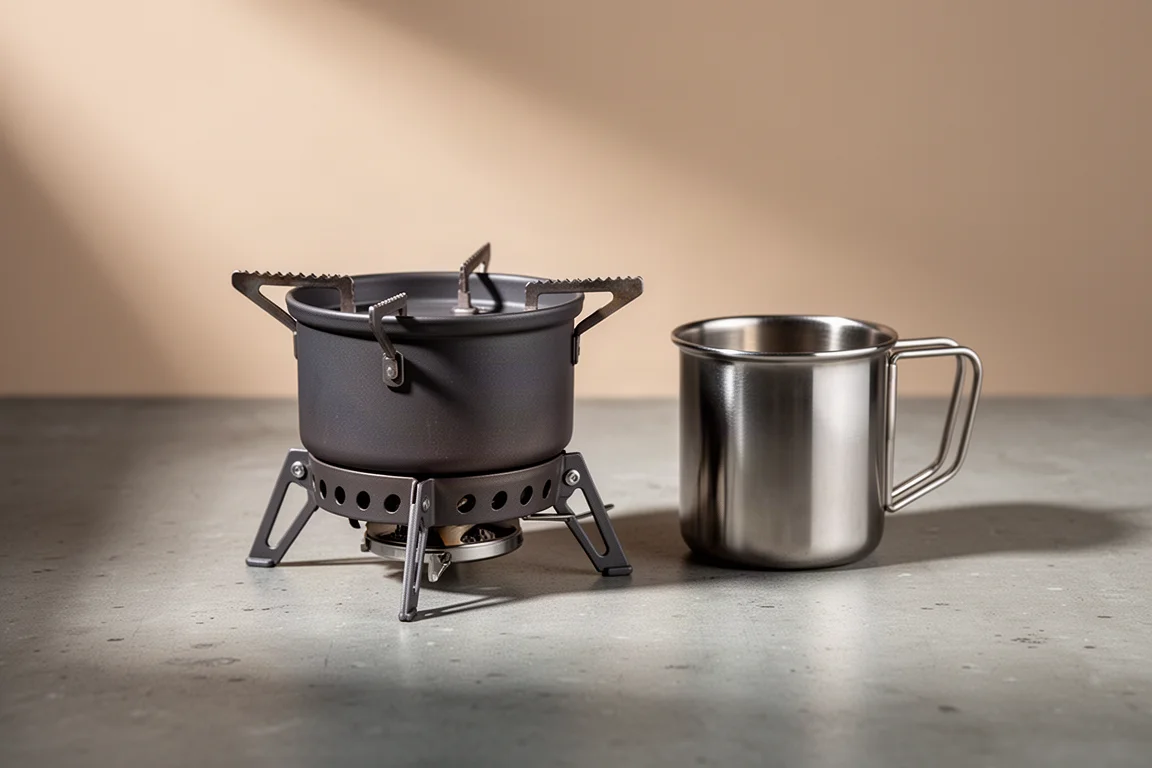
BCB Fire Dragon Mini Cooker Review: A Tiny Folding Stove With Real Trade-Offs
A palm-sized, fuel-flexible folding stove that heats water well enough, but brings flame control, stability, and fuel cost questions worth understanding first.
Camping Stoves
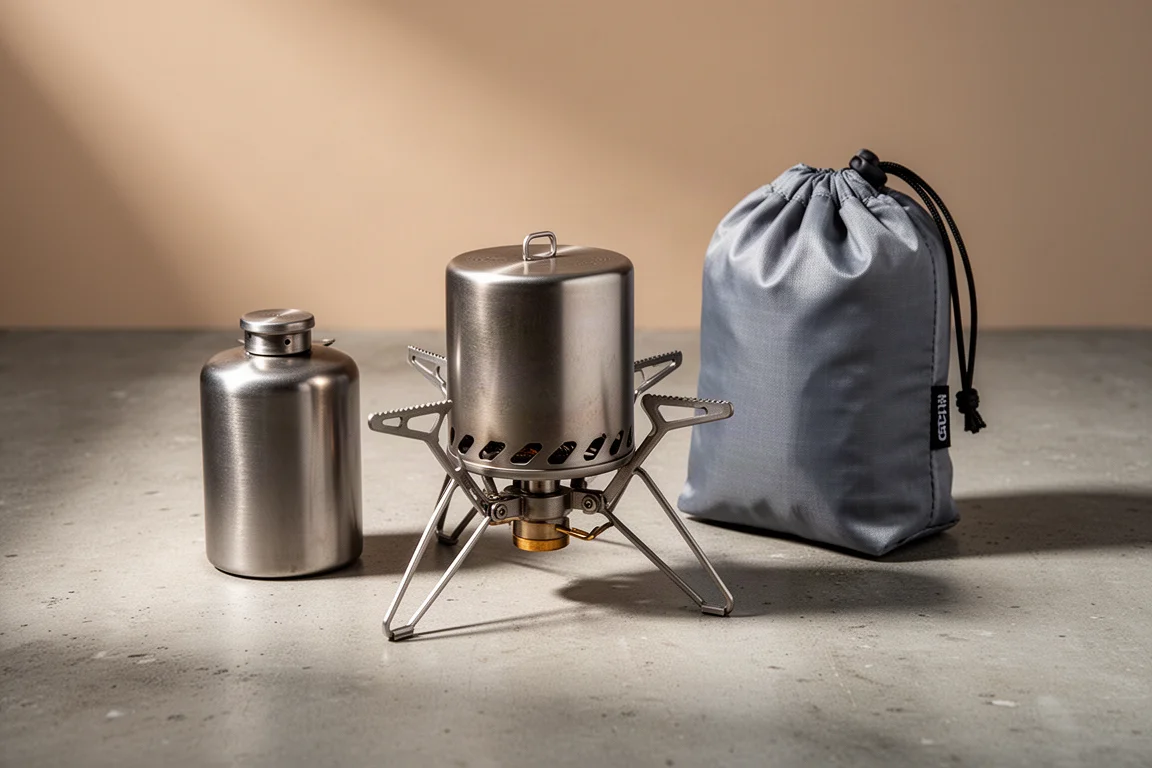
Boundless Voyage Titanium Alcohol and Wood Stove Review: Ultralight Cooking, Two Ways
A titanium alcohol and wood burning stove kit that weighs 4.5 oz complete, boils two cups of water in about 10 minutes, and costs $36.
Camping Stoves
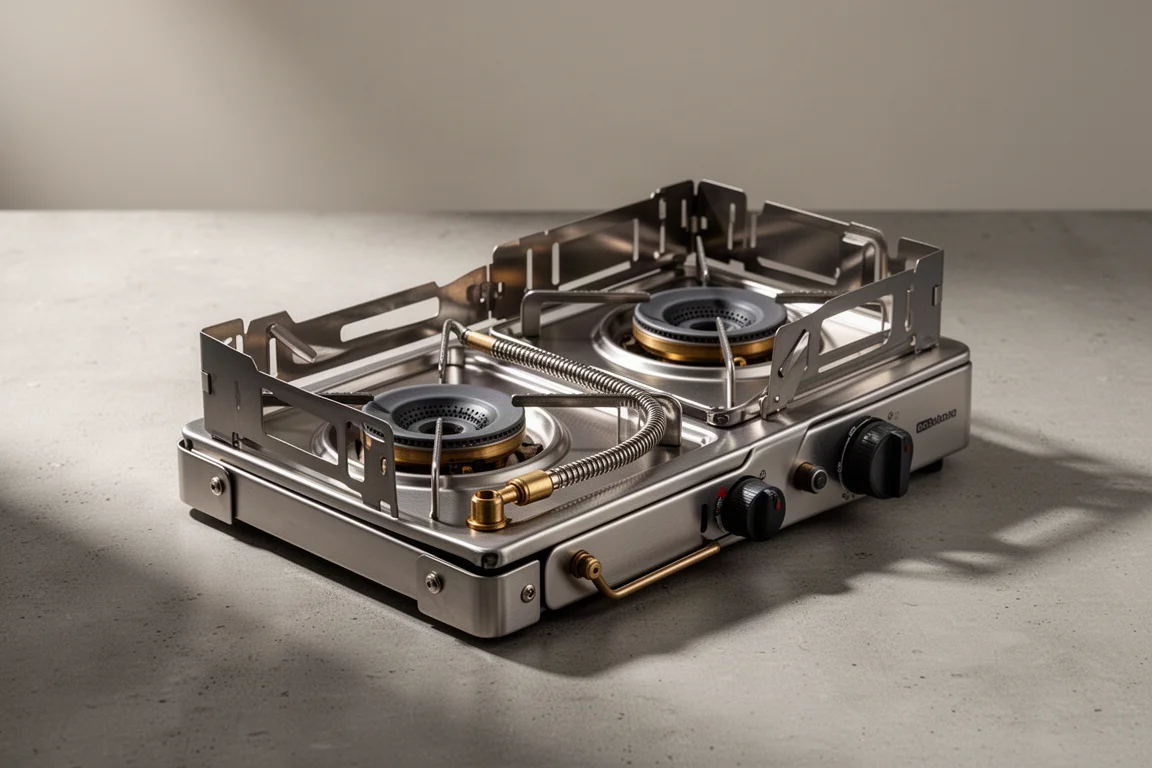
BRS 32 Dual Burner Stove Review: A Folding Two-Burner That Packs Down Flat
A detailed look at the BRS 32, a slim folding dual burner camping stove that expands into a stable cooking platform for around $60.