Bluetooth Speakers
Sony XC200 vs Bose SoundLink Flex vs Sony XB33: Which Bluetooth Speaker Deserves Your Money?
Three similarly priced Bluetooth speakers go head to head, with clear strengths, one big mid-range weakness, and a clear winner for sound quality.
Introduction
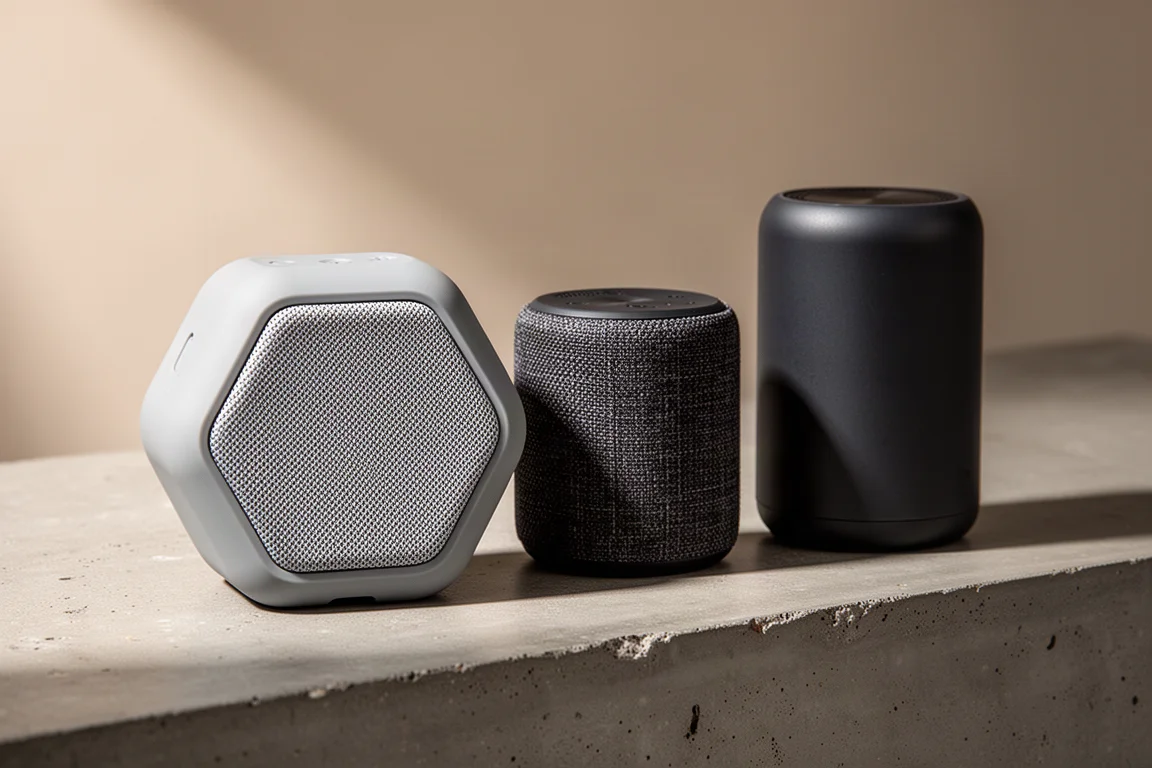
The Bluetooth speaker market keeps getting crowded, and Sony’s new XC200 arrives at a very interesting price point. It sits right in the same territory as two of the strongest options around: the Bose SoundLink Flex and Sony’s own XB33. All three land in roughly the same price bracket, which makes choosing between them genuinely difficult unless you know what each one does well.
After living with all three, the short version is this: the XC200 is impressively loud and has strong bass, but its mid-range is a real letdown. The Bose SoundLink Flex delivers the best overall sound quality of the group, and the XB33 remains one of Sony’s best-sounding speakers to date. Here is how they break down.
Sony XC200: Design, Features and Battery
The XC200 is available in four colors: orange, blue, black, and light gray. Sony wrapped about 95 percent of the body in soft-touch rubber with a fabric mesh covering the driver area, and gave the body a brand new pentagon shape with five distinct sides. A line-shaped diffuser, inspired by professional concert audio systems, is designed to deliver wider sound and help it reach further.
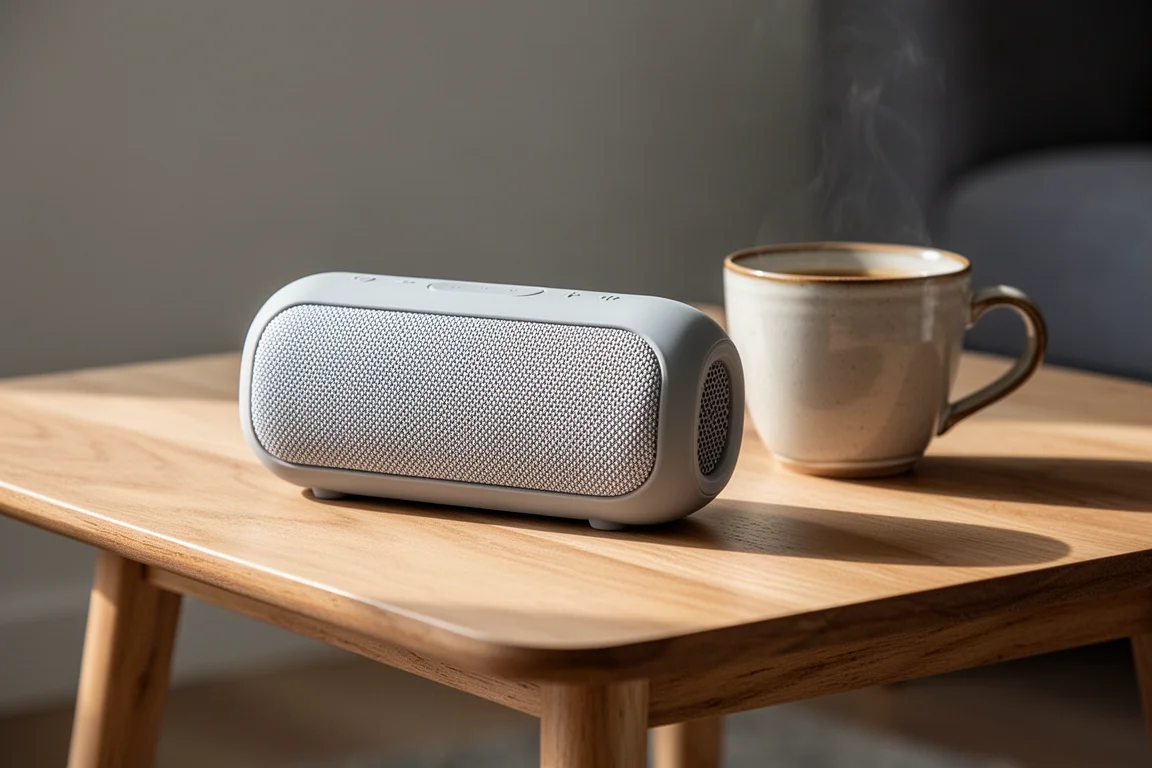
Inside, it uses Sony’s X-Balanced speaker unit with egg-shaped rather than circular diaphragms for better sound clarity, plus dual passive radiators, one on each side. Those radiators now sit behind plastic plates, which makes it easy to stand the speaker upright on its side, but the plates seem to affect the bass quality slightly. Practicality comes in the form of a rope lanyard, and for good reason: despite the soft-touch finish, the rubber is extremely slippery and the speaker can slide right out of your hands if you tilt it even slightly. The fabric mesh is also a magnet for pet hair and dust, so be prepared to wipe it down regularly.
Spec-wise it is modern: Bluetooth 5.2, a 16-hour battery life, USB Type-C quick charging that delivers about 70 minutes of playtime from a 10-minute charge, improved call quality with echo canceling, and compatibility with Party Connect. Sony did ditch the LED light show of its older speakers, and there is no 3.5mm auxiliary jack, though that omission is no longer much of a surprise. The button layout covers power, Bluetooth, playback, volume, battery check with a stamina mode, microphone mute, and call answering.
Party Connect and Stereo Pairing
Party Connect lets you link up to 100 compatible speakers together, and the XC200 can also form a stereo pair. In testing, the XC200 connected to the older XB33 through Party Connect without issue, so the XC series does talk to the older XB series. The stereo pair function, however, would not connect between the XC200 and the XB33, so pairing across those two lines in stereo mode is currently unreliable.
Sony XC200 Sound Performance
The low end is genuinely good. The bass comes through rich and punchy, the low range never suffers from muddiness, and even the highs sound clean. The mid-range is where everything falls apart. Vocals and guitars sound muffled, as if a blanket were hung in front of the speaker, and there is almost no separation between the lows, mids, and highs, which was especially obvious on rock tracks. This is a recurring mid-range issue with recent Sony speakers, and it carries over here.
The flip side is raw power. This is a very loud speaker, especially when the line-shaped diffuser points directly at you, and it is noticeably louder than the XB33. If your goal is filling a room with volume, the XC200 does that job extremely well.
Bose SoundLink Flex: The Sound Quality Benchmark
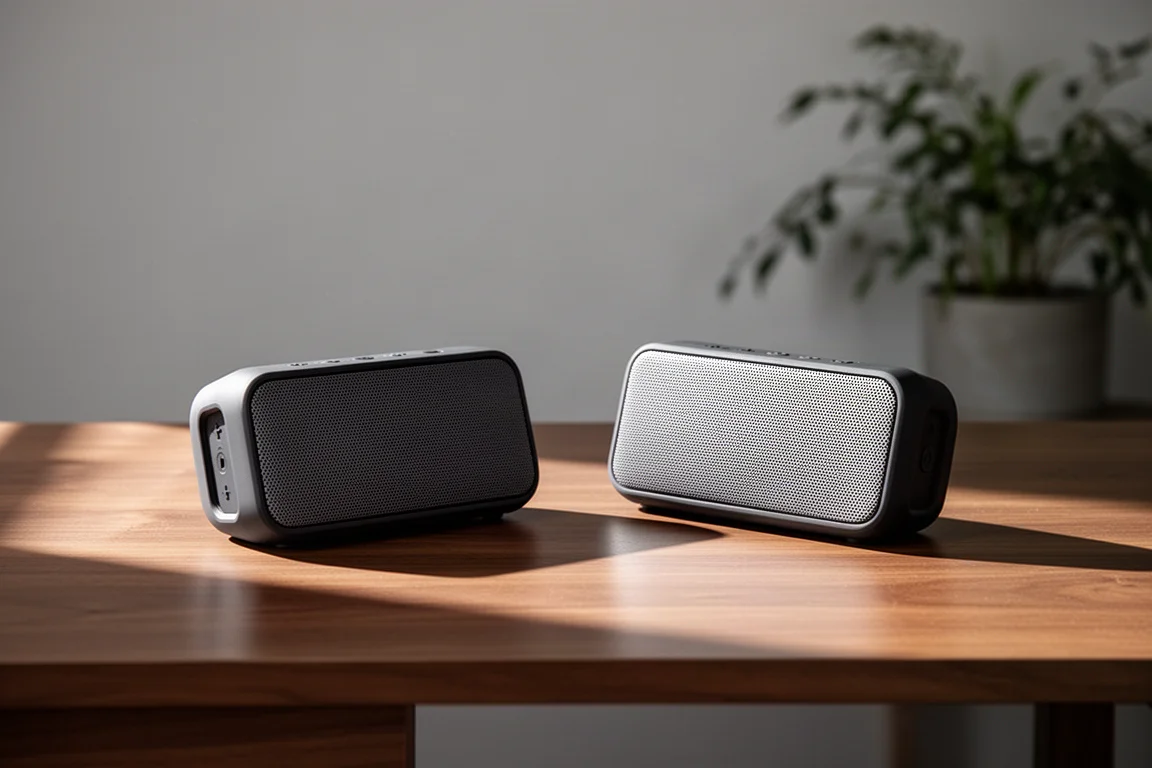
The Bose SoundLink Flex is currently the benchmark of this group. It is just as loud as the XC200, but the sound quality is in a different league: deep, rich lows, clear mids, and crisp highs with genuine separation between frequencies. If you care about how music actually sounds rather than just how loud it gets, this is the easiest recommendation of the three, and it remains a strong value at its price.
Sony XB33: Still Sony’s Speaker to Beat
The XB33 remains the favorite Sony speaker for overall sound. The lows have deep, rich bass, the mids are clear, and the highs are very clear, with the kind of frequency separation that makes the XC200’s tuning look disappointing by comparison. The XC200 is louder, but clarity beats loudness for most listening.
Overall Buying Advice
All three speakers sit in essentially the same price range, which makes the decision straightforward once priorities are clear. If sound quality is the priority, the Bose SoundLink Flex is the pick. If you want to stay in the Sony ecosystem, the older XB33 still sounds better than the XC200 and is frequently available on sale at a similar effective price, while the cheaper XB23 also outperforms the XC200 on sound. If raw loudness and strong bass matter most, the XC200 earns its place.
Conclusion
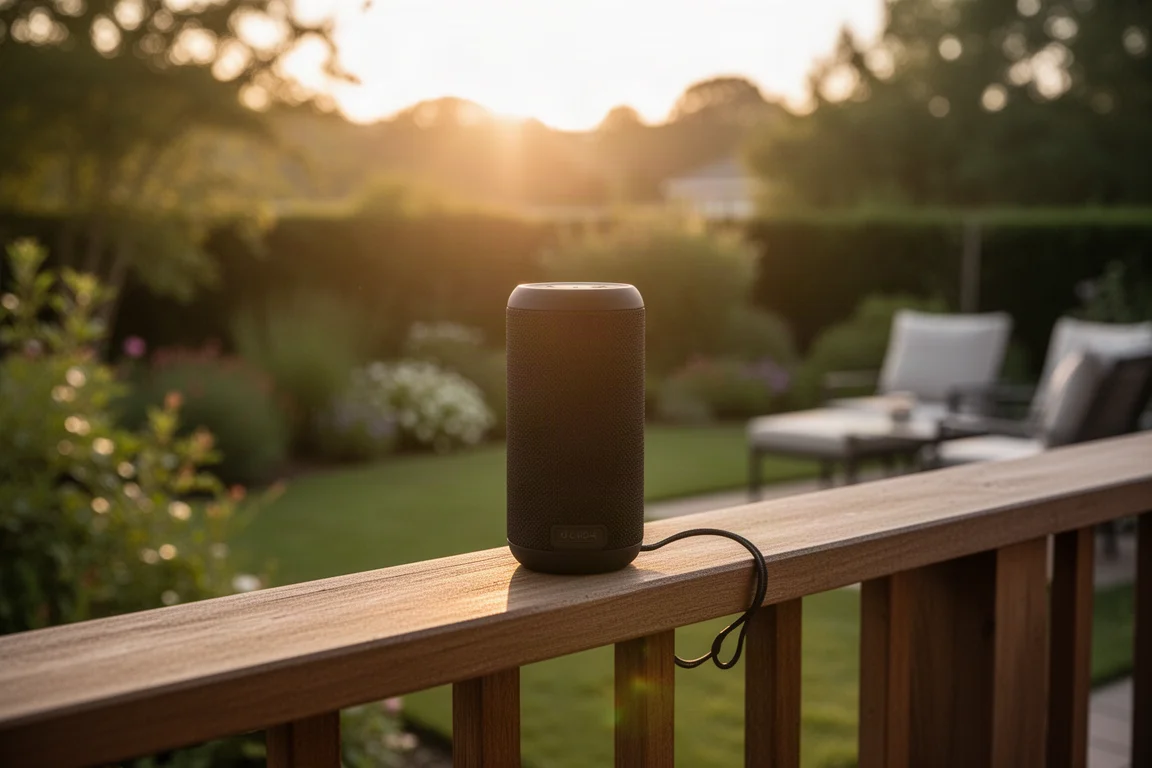
The Sony XC200 brings a fresh design, modern connectivity, excellent loudness, and satisfying bass, but a muffled mid-range keeps it from competing on sound quality with the Bose SoundLink Flex or even Sony’s own XB33. Choose the Flex for the best overall sound, the XB33 for the best Sony-sounding experience, and the XC200 if sheer volume and bass are what you need.
Product link
View more details for Sony XC200
This product is mentioned in the review. Check the specifications, options, and compatibility before buying.
View more details for Sony XC200Further reading
Related Reviews
Bluetooth Speakers
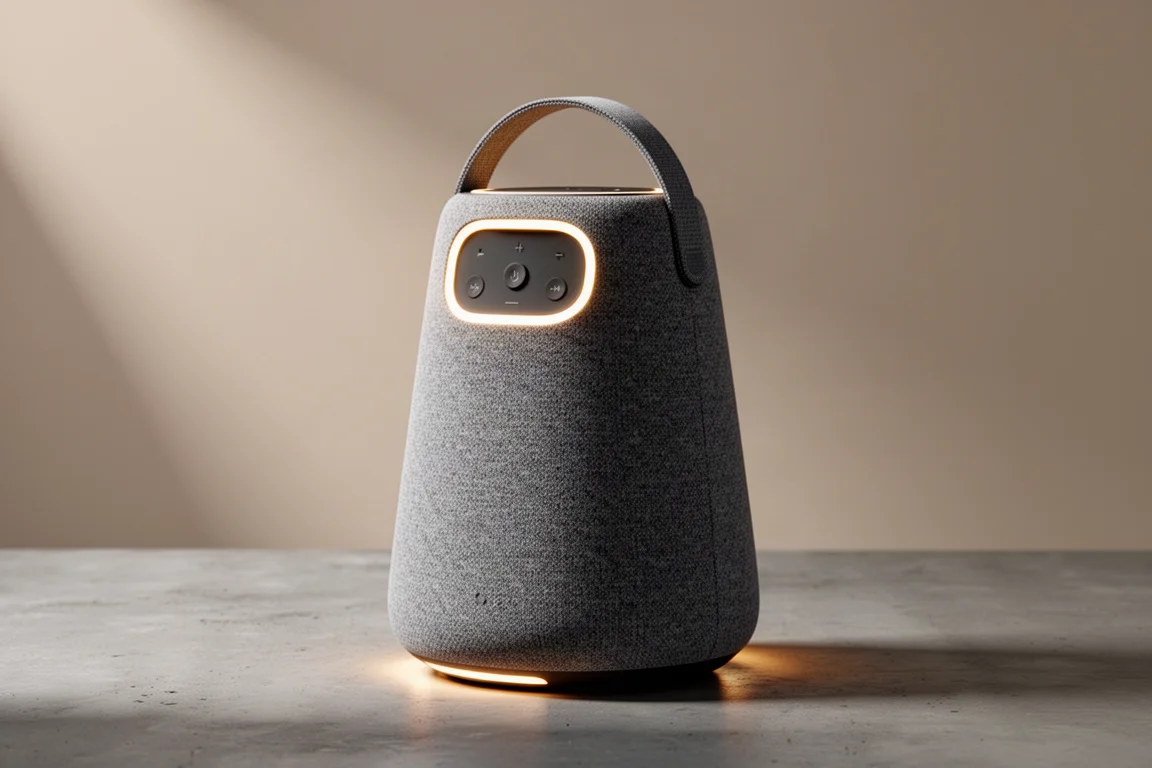
LG Xboom 360 Review: A 360-Degree Bluetooth Speaker Built to Stay Visible
A large, lantern-shaped Bluetooth speaker with omni-directional sound, app-controlled lighting, and a five-band custom EQ that rewards a little experimentation.
Bluetooth Speakers
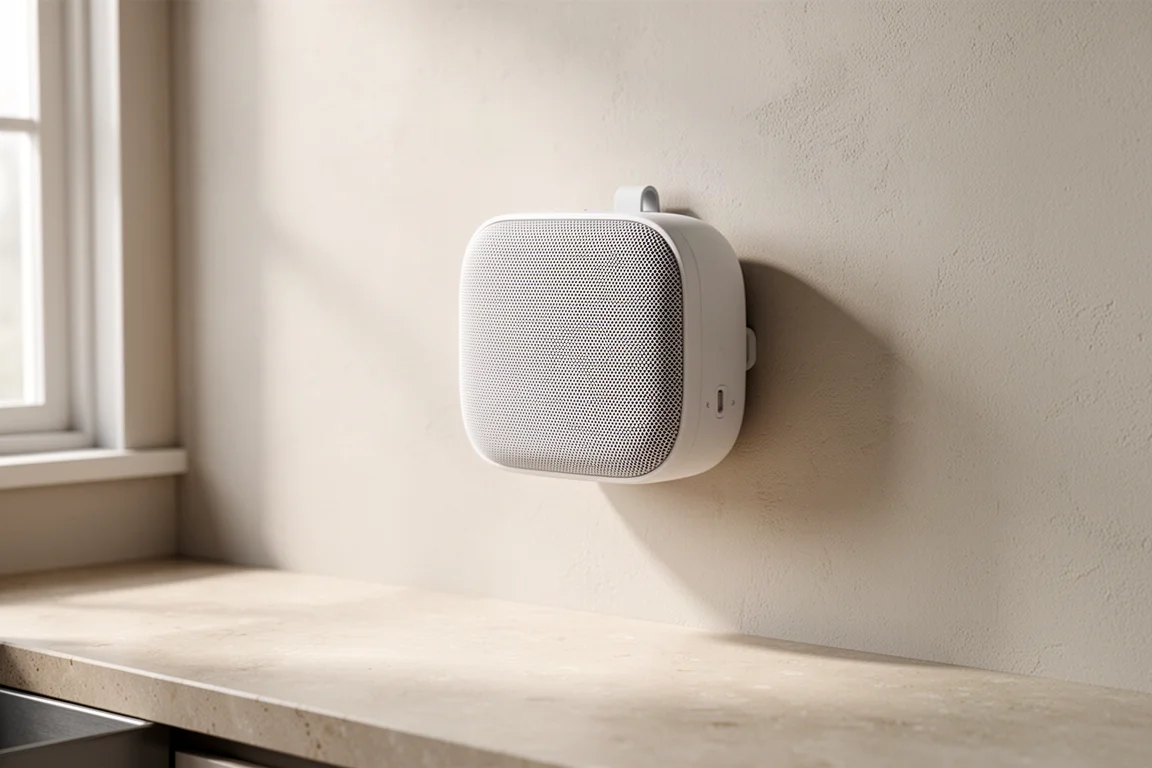
OC Acoustics Newport Review: A Wall-Mounted Bluetooth Speaker Built for Convenience
The OC Acoustics Newport plugs straight into a wall outlet and streams music over Bluetooth. A practical look at what it does well, where it falls short, and who should buy it.
Bluetooth Speakers
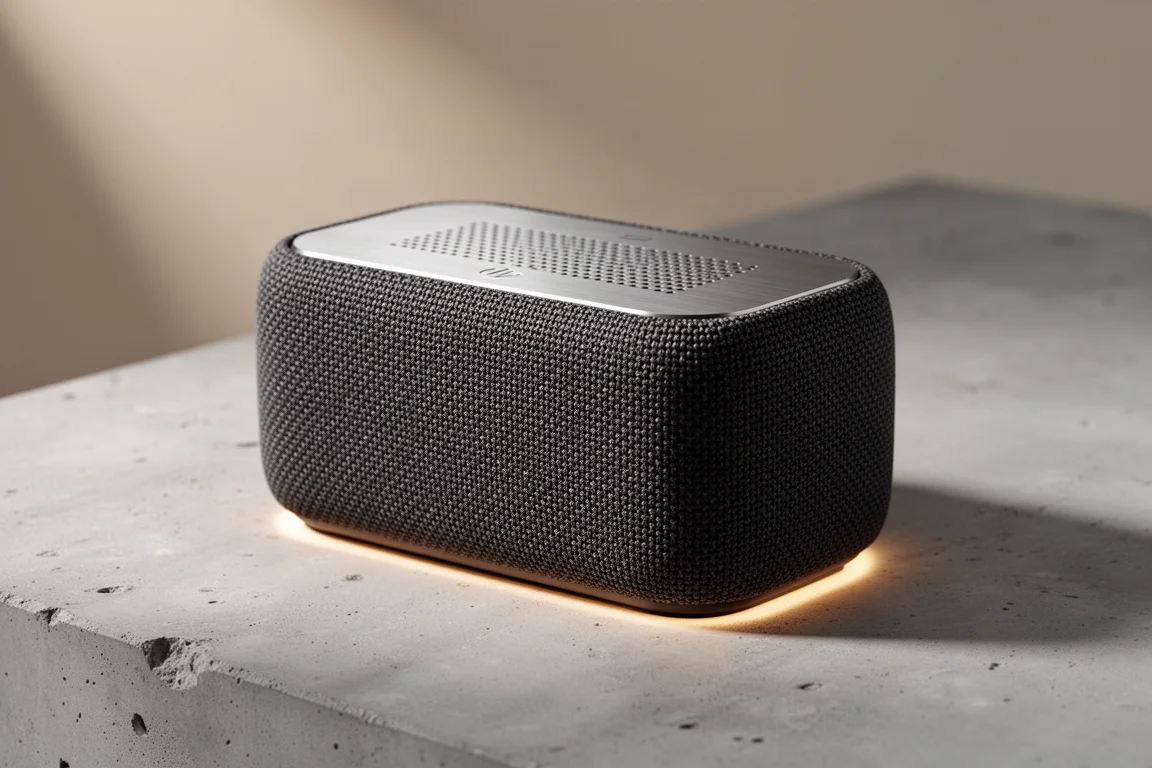
Soundcore Motion X500 Review: Small, Affordable, and Easy to Recommend
A practical look at the Soundcore Motion X500, a compact Bluetooth speaker with spatial audio, LDAC, 12 hours of playback, and an EQ-friendly three-driver design.