Smart Speakers
Sonos Era 100 vs Era 300: Which Speaker Fits Your Home?
A practical comparison of the Sonos Era 100 and Era 300, covering Bluetooth, USB-C line in, room tuning, Dolby Atmos, and home theater use.
Introduction
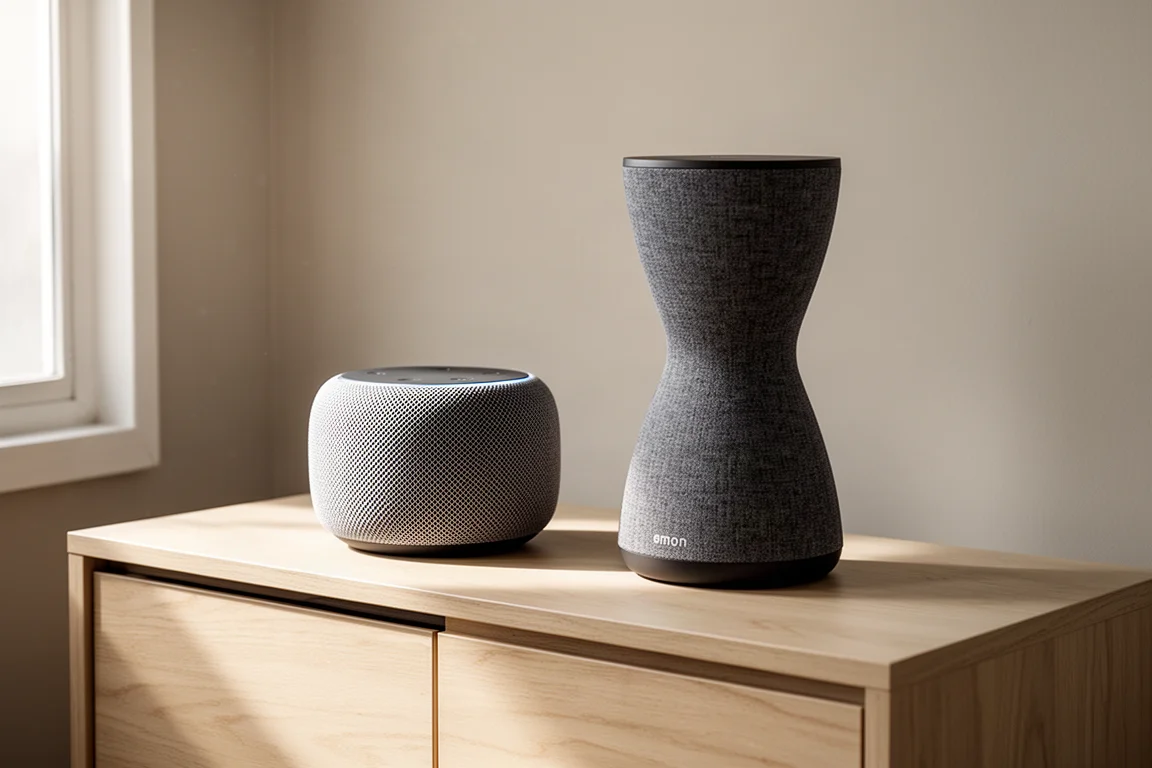
Sonos has refreshed its speaker line with two new models that share a common set of upgrades but aim at very different rooms. The Sonos Era 100 is the latest step in the lineage that began with the Sonos One Gen 2, while the Sonos Era 300 is a brand new addition that sits between the Era 100 and the Sonos Five.
Both speakers add Bluetooth, USB-C line in, and a redesigned set of touch controls. The Era 300 goes further with dedicated up-firing drivers for Dolby Atmos. This guide covers what they share, how each one performs, and where each one makes the most sense.
Shared Upgrades: Bluetooth, Wi-Fi 6, and USB-C Line In
The most notable change across both models is Bluetooth. Sonos has long argued that Wi-Fi delivers better audio quality and avoids interruptions from calls and notifications, and that advice still holds: Wi-Fi remains the preferred connection, and both speakers support Wi-Fi 6 for a more reliable link. Bluetooth simply adds convenience, letting guests pair a phone without installing the Sonos app or joining the home network. Apple AirPlay is still available for those who prefer that streaming method.
Line in is the other long-requested feature. Until now, only the Sonos Five offered a 3.5 mm input for connecting a turntable or another source. Both the Era 100 and the Era 300 now accept line in over USB-C, with adapters sold separately. For anyone building a vinyl setup around a Sonos speaker, that USB-C to RCA path is a meaningful addition.
Together, Bluetooth and USB-C line in make both speakers far easier to live with in mixed households, where not every guest and not every source is part of the Sonos system.
Room Tuning, Touch Controls, and Voice Privacy
Room tuning has also been widened. True Play still requires an iOS device, but a new feature called Quick Tuning works on both iOS and Android by using the microphones inside the speakers to detect the room and adjust the sound. It is not as effective as the more advanced True Play process, but it gives Android users a tuning option that was previously unavailable.
The top panel keeps capacitive controls for play, pause, and track skipping. Volume is handled by a shallow groove Sonos calls a volume trough, which can be found by touch without looking and slides with haptic feedback. A small speech bubble with an LED indicator shows whether voice services are active, and a physical button on the back switches the microphones off entirely. Sonos Voice Control and Amazon Alexa are both supported. Google Assistant has been removed for now.
Sonos Era 100: Stereo Sound in a Smaller Body
The Era 100 replaces the Sonos One Gen 2 with a taller, thinner, and rounder cabinet. The grille wraps almost the entire body with very thin bezels at the top and bottom, and the perforations are now pin holes, matching the approach used on the Arc and the Five. A threaded hole on the base accepts Sonos floor stands and wall mounts.
Inside, the biggest change is stereo. Where the Sonos One played in mono, the Era 100 uses two angled tweeters with custom wave guides to spread sound into a wider stereo stage. The midwoofer is roughly 25 percent larger and oval shaped to make better use of the cabinet. Three Class D amplifiers, a processor that is 40 percent faster, and a new neural processor round out the package, which translates into snappier voice assistant response and better energy efficiency.
In listening, the Era 100 shows clear, deep mid-range and noticeably more powerful low end than the Sonos One Gen 2. Paired as a stereo set, it separates instruments more easily and sounds more effortless. Adding a subwoofer fills in the lowest frequencies and lets the mid-range carry vocals. Used as rear speakers with a Sonos Arc, the Era 100 performs well, but it is not a dramatic upgrade over Sonos One Gen 2 rears, and the touch controls, line in, and Bluetooth are not available in that role. For a kitchen, bedroom, or family room, those new features are worth more.
Sonos Era 300: Dolby Atmos in an Hourglass Design
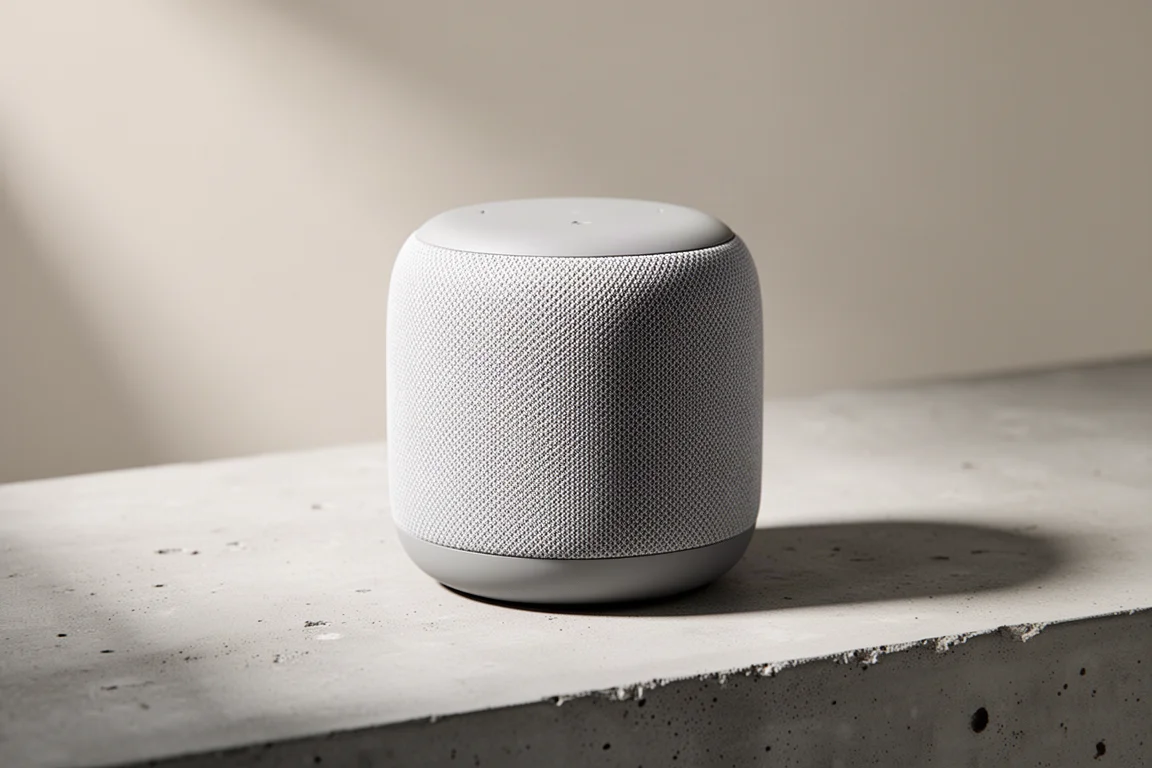
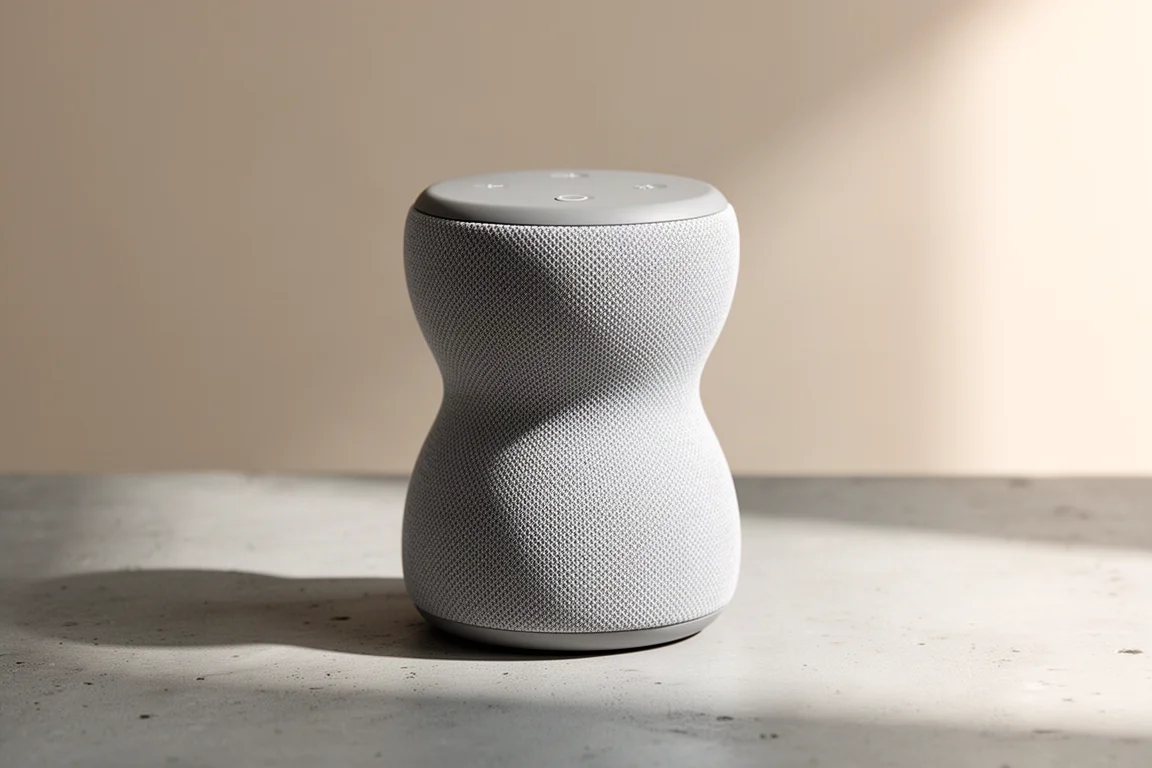
The Era 300 is a new model rather than a replacement, and it sits between the Era 100 and the Sonos Five. It is the first Dolby Atmos enabled Sonos speaker, built around an hourglass cabinet with dedicated up-firing drivers. Six Class D amplifiers drive four tweeters: one facing forward for centre imaging, one on each side to widen the stage, and one set into a directional horn at the top that fires sound upward. Two force-cancelling woofers, one on each side, reduce vibration and keep the low end consistent. Precision wave guides direct the output across the room.
Spatial audio is the headline. With an Atmos mix playing, the up-firing driver creates a three-dimensional stage that holds up no matter where you stand, which suits gatherings where people move around. With Atmos switched off, sitting directly in front of the speaker gives the best stereo image. Pairing two Era 300s is a much bigger jump than the numbers suggest, with the second up-firing driver filling the height channels. Spatial audio content is available through services such as Amazon Music HD and Apple Music.
Using the Era 100 and Era 300 in a Home Theater
For television audio, the two speakers behave differently. Two Era 300s cannot be paired as a standalone replacement for a soundbar, so an Atmos enabled bar such as the Beam Gen 2 or the Arc is required. Once two Era 300s are added as rear speakers with the Arc, the channel count rises from 7.0.2 to 7.0.4. Adding one or two subwoofers takes it to a 7.1.4 setup, which Sonos describes as the maximum configuration because the subwoofers run as non-discrete channels.

In that arrangement, height effects land convincingly overhead and the surround field stays realistic without sounding harsh or small. Rear effects travel across the ceiling with a sense of direction that is easy to follow. The Era 300 can also be wall mounted high and inverted so the up-firing driver points downward, keeping the speakers out of the way. If you already run Sonos One Gen 2 speakers as rears, the Era 300 is the more worthwhile upgrade, since it adds height channels rather than just a modest improvement in sound.
How to Choose Between the Era 100 and Era 300
The right pick depends on the room and the source material. For a single speaker in a kitchen, bedroom, or study, the Era 100 covers the basics well: stereo sound, Bluetooth, USB-C line in, and the new volume control. For a single speaker in a main living space, the Era 300 is the more interesting option because it opens the door to spatial audio while still handling stereo playback.
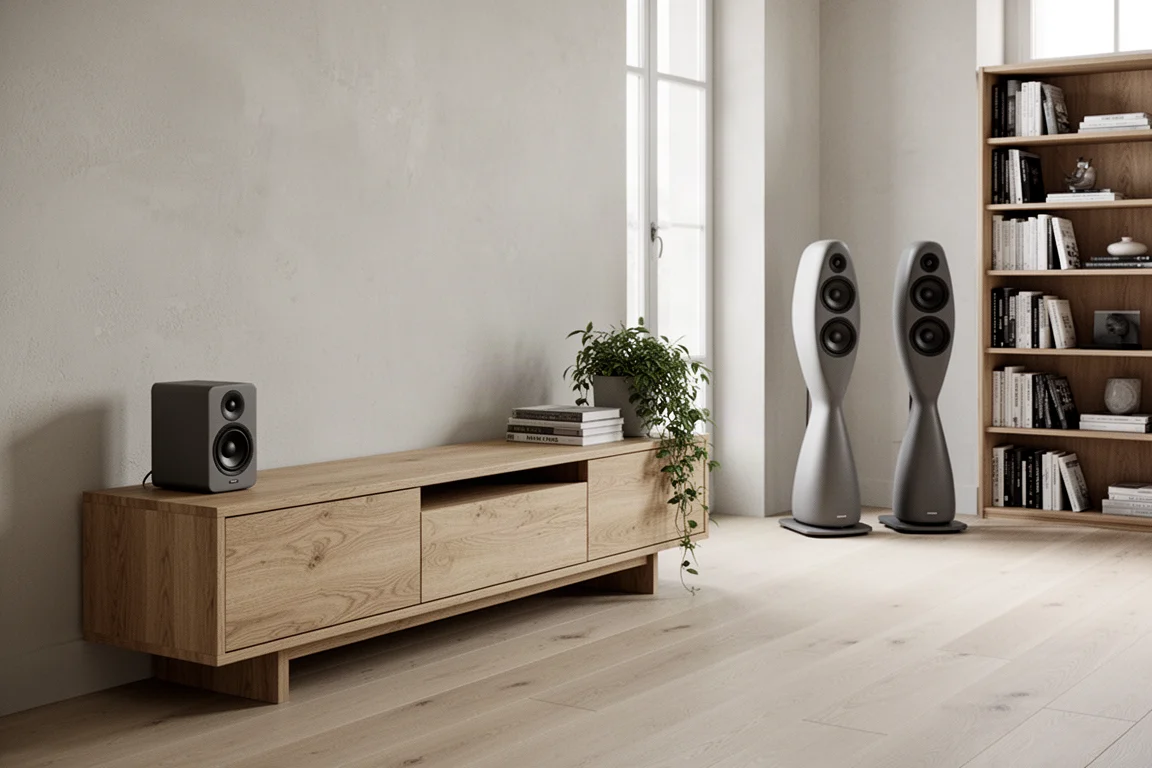
Stereo music pairs are a separate question. Two Sonos Five speakers remain the stronger choice for vinyl and traditional stereo recordings, with more bass and a smooth, clean character. Two Era 300s close much of that gap, and the spatial audio support plus the newer connectivity tips the balance for many listeners. If Atmos does not matter to you and sound quality is the only criterion, the Sonos Five still stands on its own.
Conclusion
The Era 100 and the Era 300 share the same practical upgrades, but they answer different questions. The Era 100 is a well-rounded replacement for the Sonos One Gen 2 that makes everyday listening easier, especially where Bluetooth and a turntable connection matter. The Era 300 is the more ambitious speaker, and for anyone with an Atmos soundbar or a curiosity about spatial audio, it is the one that changes what a Sonos system can do.
Further reading
Related Reviews

Smart Speakers
Amazon Echo Max and Echo Studio: A Closer Look at the Design and Engineering
A hands-on look at the engineering behind the Amazon Echo Max and Echo Studio, including audio performance, smart home integration, and a wireless home theater setup.
Smart Speakers
Bang & Olufsen Beosound A9 Review: Is the Fifth-Generation Icon Worth It?
A disc-shaped all-in-one speaker with seven drivers, 1,150 watts, and deep app-based tuning. Here is what the Beosound A9 does well and what to weigh before buying.

Smart Speakers
Echo Dot Max Review: A Smaller Smart Speaker With Big Trade-Offs
The Echo Dot Max brings better sound and new AI features in a compact body, but removes the action button and introduces a few design choices worth knowing about.