Snowboarding
What to Wear Snowboarding: A Complete Mountain Day Gear Checklist
From base layers to helmets, a practical rundown of everything that keeps you warm, dry, and safe on a day of snowboarding.
Introduction
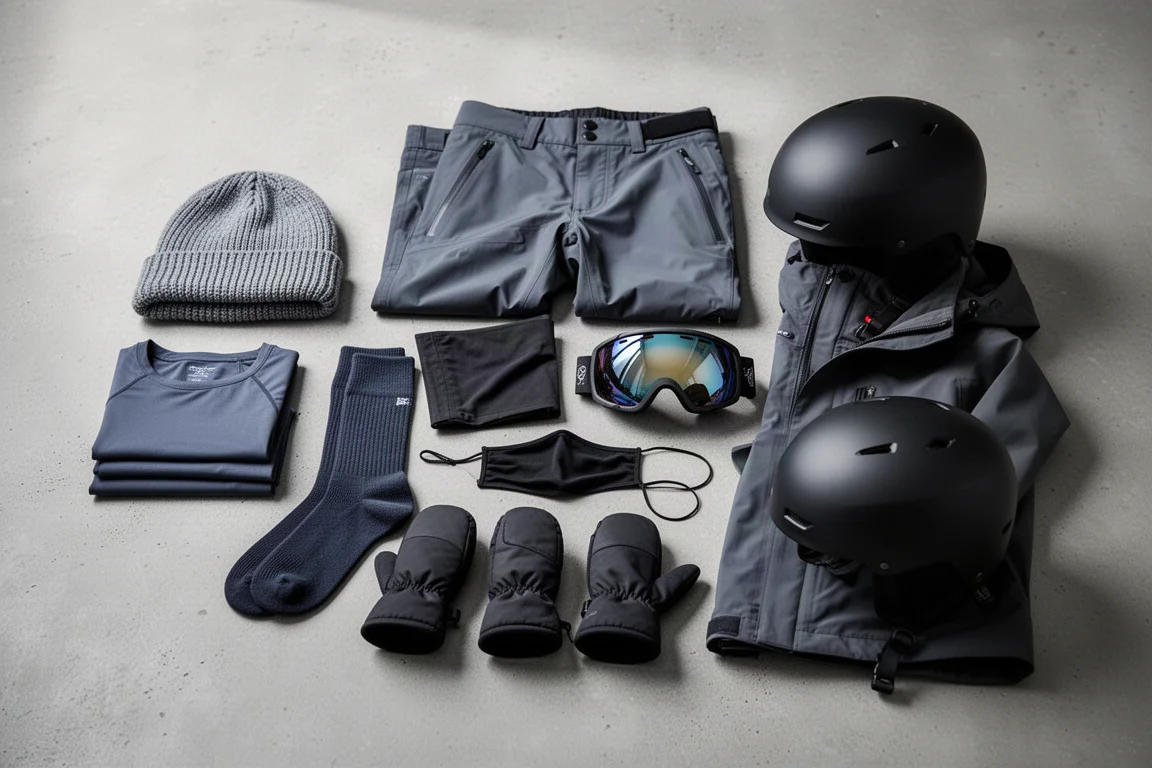
A day on the mountain means dealing with wind, cold, wet snow, and everything else the environment throws at you. Dress right and you stay dry, warm, and safe, which is really the difference between an amazing day and a miserable one. This checklist walks through each layer and accessory worth having before you head up, including the helmet that rounds out the kit.
The Basics: Beanie and Base Layers
Start with a mid-weight beanie, something that is not too warm but also not too thin. It keeps your head comfortable through the whole day without overheating on the lift.
Next comes a good base layer top and bottom. This is the foundation of the whole outfit: the layer worn against your skin that keeps you warm and dry. Base layer materials are designed to wick moisture away, so investing here is the perfect place to start if you want to stay comfortable from first chair to last.
Snowboard Socks and Pants
Snowboard socks are genuinely underrated. They are long enough to come up out of your boot so you avoid awkward rubbing at the top of the cuff, and their materials wick moisture away while letting moisture escape from your feet, all while keeping them warm.
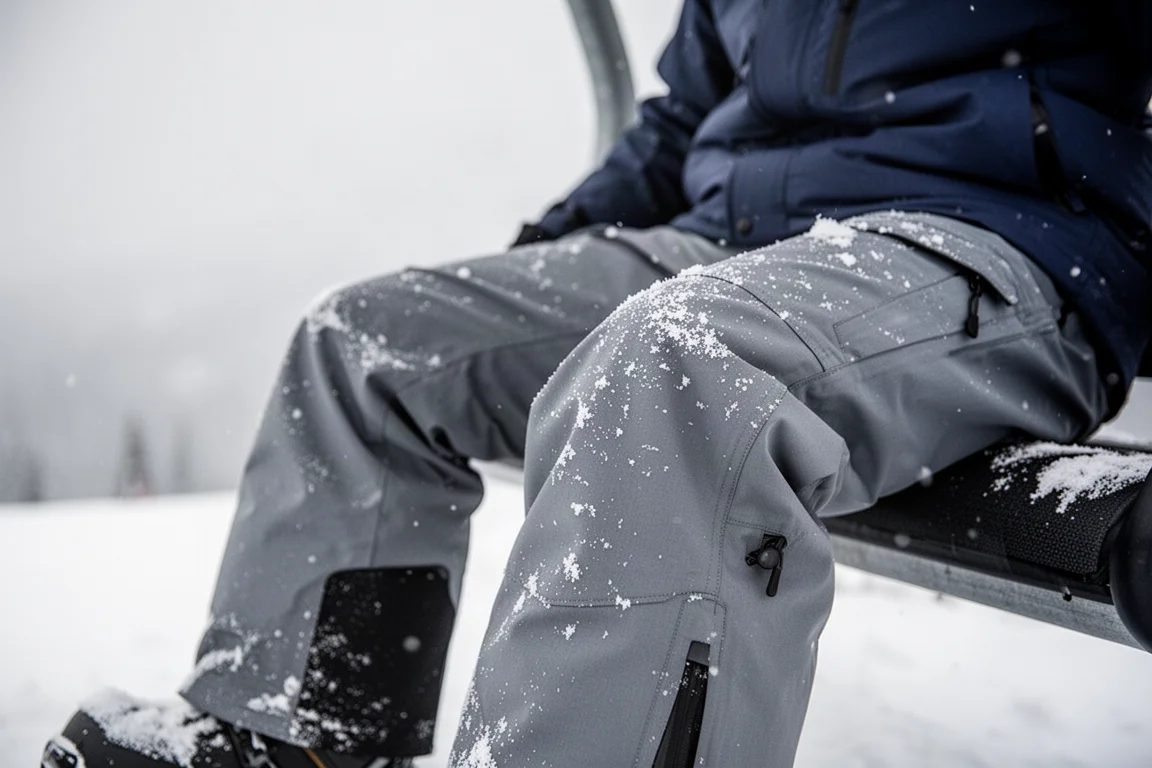
Waterproof snowboard pants are a solid investment, especially if you spend a lot of time sitting on chairlifts or, as a beginner, sitting in the snow. Gore-Tex pants keep your legs as dry as possible. Note that shell-style pants are not the warmest option on their own; that is what your base layer and mid layer are for. The priority is staying dry.
Mid Layer and Boots
A good mid layer jacket is key for colder days. Wear it under your jacket when temperatures drop, and on warmer days simply roll it up and stash it in your backpack. Even on days that start warm, the temperature really drops once the sun goes behind the mountain in the afternoon, and a mid layer is a lifesaver at that point.
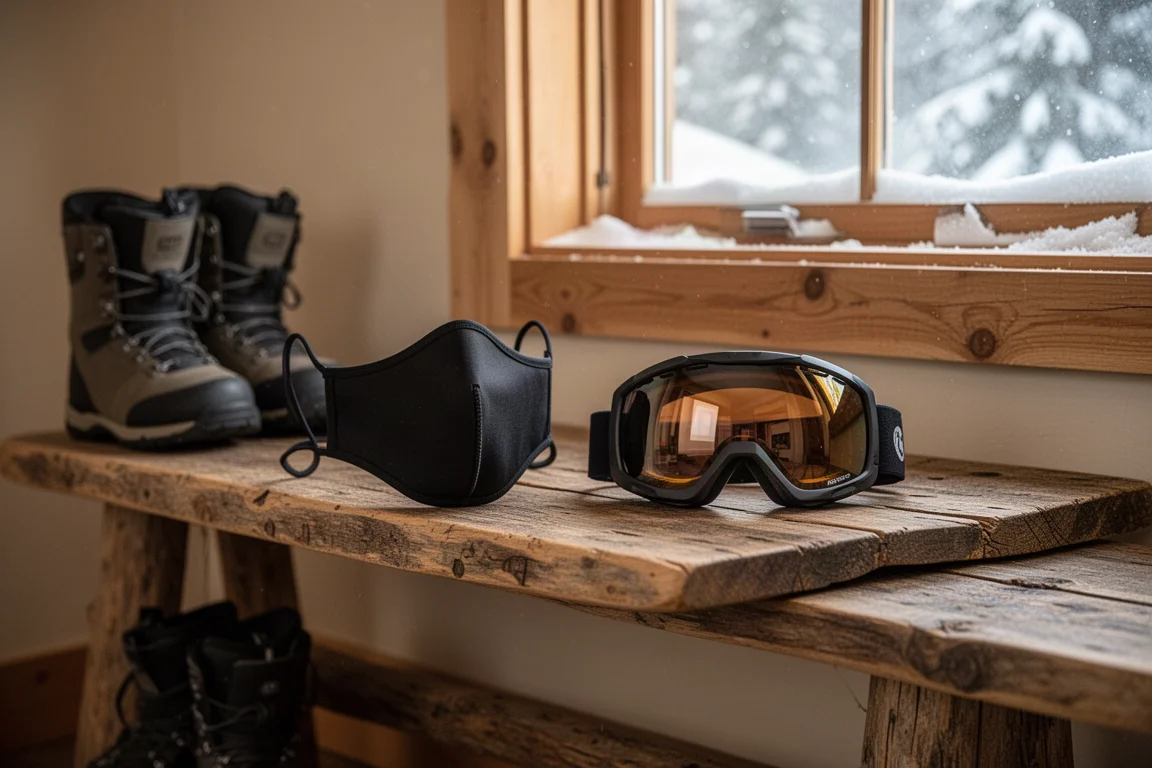
When choosing snowboard boots, look beyond fit. Check that the outer shell is actually waterproof, because surprisingly not all boots are. Thickness is also a clue to warmth: cheaper boots are often very thin, and your feet will be cold. Check both before buying.
Face Mask and Goggles
On cold or windy days, a thin face mask or balaclava makes a real difference, keeping your neck and face warm. Because it goes over your head, it stays in place all day, unlike a scarf that constantly needs adjusting.
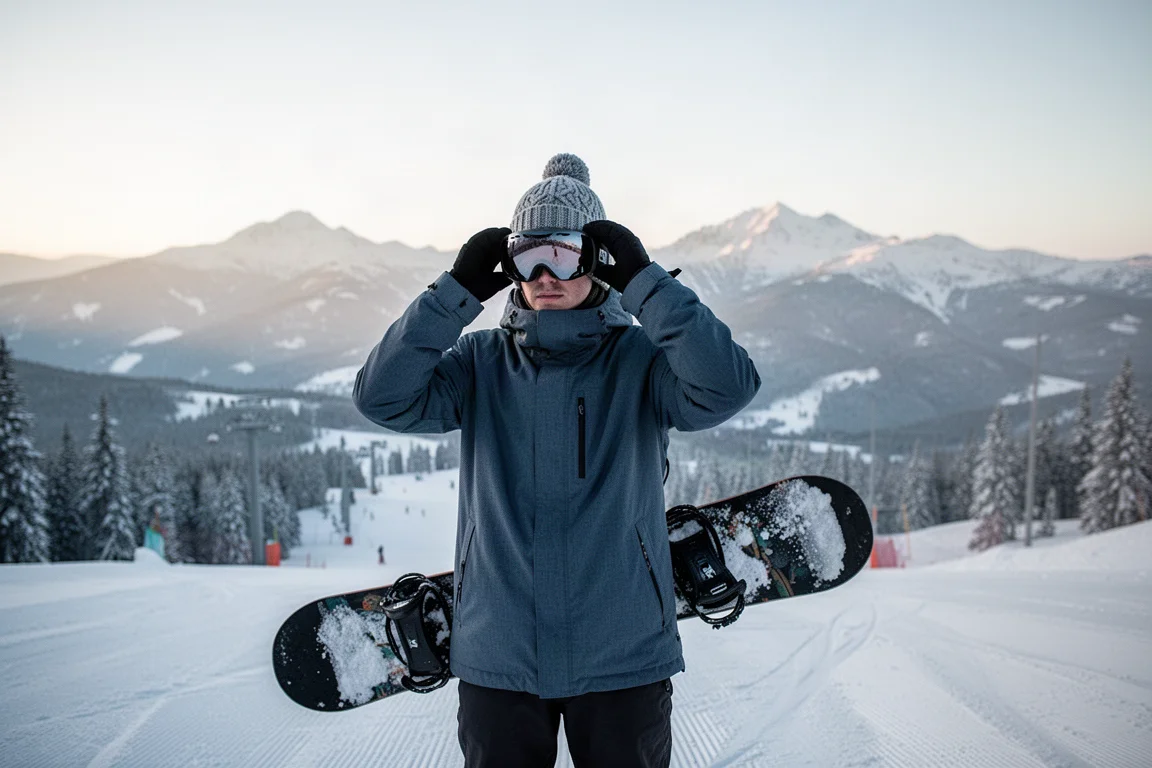
Goggles protect your eyes from sun, wind, and snow. You want a pair that sits flush against your face so the foam prevents wind from getting in. A good fit and a quality lens are what matter most here.
Mittens and Jacket
In my experience, mittens are warmer than gloves because your fingers stay together. Pay attention to the weight: pick warmer or cooler mittens depending on whether your hands run hot or cold. Waterproofing matters too, though more waterproof generally means more expensive. It is worth it, because if your hands get cold you will have to go inside and potentially miss runs. Good mitts keep you on the slopes longer.
For the jacket, the main thing to look for is a fit that lets you move freely without restricting your riding. A mid-weight shell leaves room to layer underneath on colder days. Also match the jacket to your climate: if you ride somewhere really cold, consider an insulated jacket; if you ride somewhere really wet, consider Gore-Tex. A 10K-rated shell will not match Gore-Tex for waterproofing but can still do a good job of keeping you dry.
Safety First: Helmet and Optional Protection
Finally, for safety, invest in a good helmet. The Giro Ledge is lightweight, comfortable, and simply does the job of keeping your head safe, which is exactly what you want from a helmet: no fuss, no hot spots, just reliable protection every time you ride.
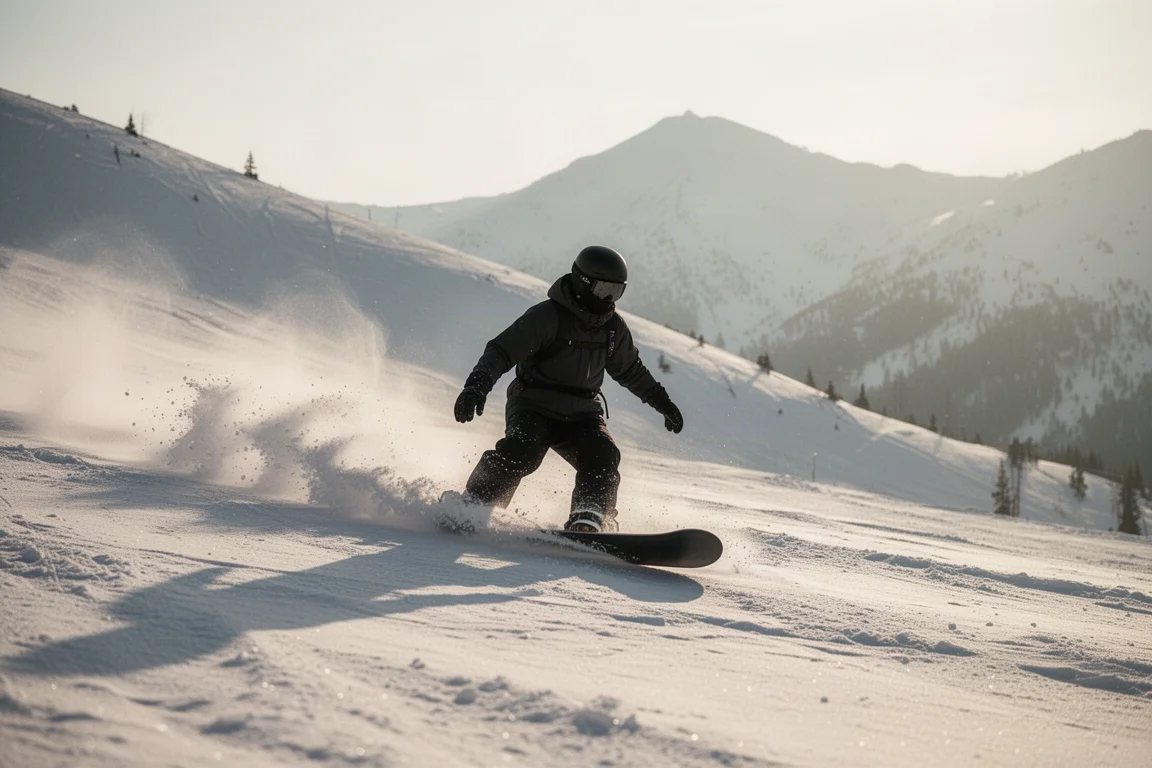
Beyond a helmet, optional safety gear includes impact shorts, elbow pads, knee pads, and wrist guards. How much of that you wear is really up to you and how aggressively you ride.
Conclusion
Staying warm, dry, and safe on the mountain comes down to layering with intent: wicking base layers, waterproof pants, a packable mid layer, well-fitted goggles and mittens, and a helmet that you forget you are wearing. Build the kit around the climate you actually ride in, and every single day on the snow gets better.
Product link
View more details for Giro Ledge Helmet
This product is mentioned in the review. Check the specifications, options, and compatibility before buying.
View more details for Giro Ledge HelmetFurther reading
Related Reviews

Snowboarding
2025 Snowboard Gear List: Five Picks That Earned Their Place on the Mountain
From Zeiss-lens goggles to a hybrid step-in binding, here are five pieces of 2025 snowboard gear that held up across a full season of riding.

Snowboarding
2026 Snowboard Gear List: Boards, Bindings, Boots and Outerwear Worth a Look
A season-ready snowboard setup built from the bottom up: base layers, Strafe outerwear, Ride and Union boots, Union bindings, and two new Capita boards.

Snowboarding
32 Cold World Review: A Playful Hybrid Camber Board for Park Laps
The 32 Cold World blends classic camber underfoot with flat nose and tail sections for a predictable, butter-friendly ride aimed at intermediate park riders.