Snowboarding
Snowboarding Essentials: Five Accessories Worth Grabbing Before Your Next Trip
From warm mittens and balaclavas to magnetic goggles with MIPS helmets, here are five snowboarding accessories that make a full day on the mountain more comfortable and safer.
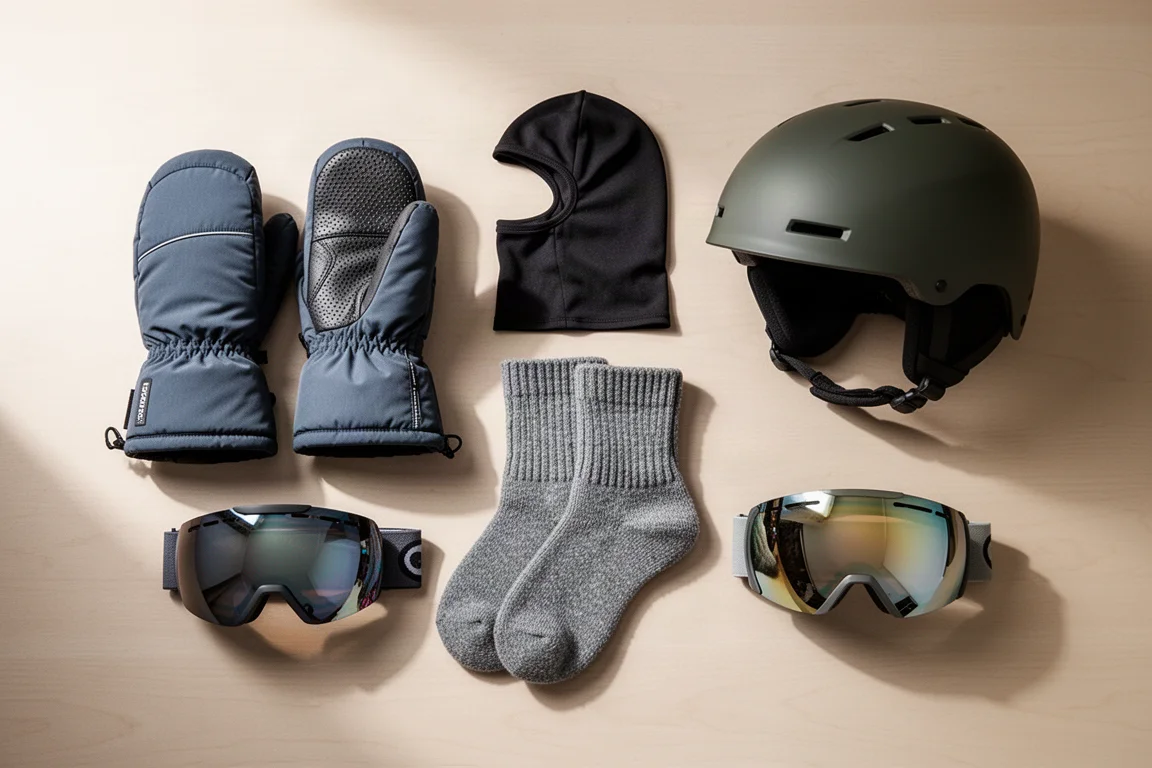
Introduction
Good accessories do not make you a better snowboarder, but they do make the day longer, warmer, and a lot more fun. If you are building out your kit, there are five categories worth sorting out early: warm handwear, a proper balaclava, real snowboard socks, a helmet, and goggles you actually enjoy wearing. Here is what matters in each, plus two goggles that stand out as a reliable starting point.
Warm Mittens or Gloves: Pick for Your Hands
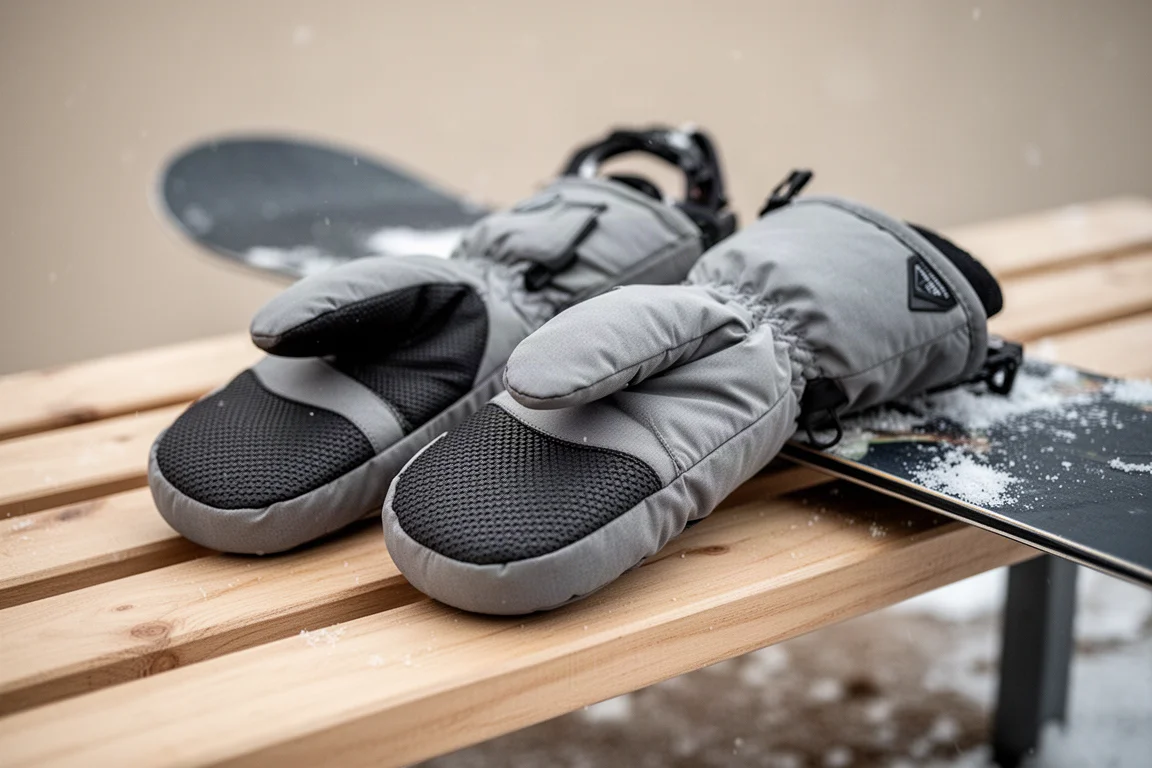
A good pair of mittens is one of the most important snowboarding purchases. The right choice comes down to personal preference, especially how cold your hands get. Warm mitts with a comfy fit, a grippy palm for board grabs, a soft thumb patch for wiping goggles, and a small pass pocket tick every practical box.
Gloves are the alternative if you naturally run warm and want individual finger dexterity. The trade-off is warmth: hands generally do not stay as warm in gloves as they do in mittens. If you already wear wrist guards separately under your mittens, you know how awkward that layering can get, which is why mittens with built-in wrist guards are worth a look, particularly for beginners.
A Thin Balaclava Makes a Bigger Difference Than You Expect
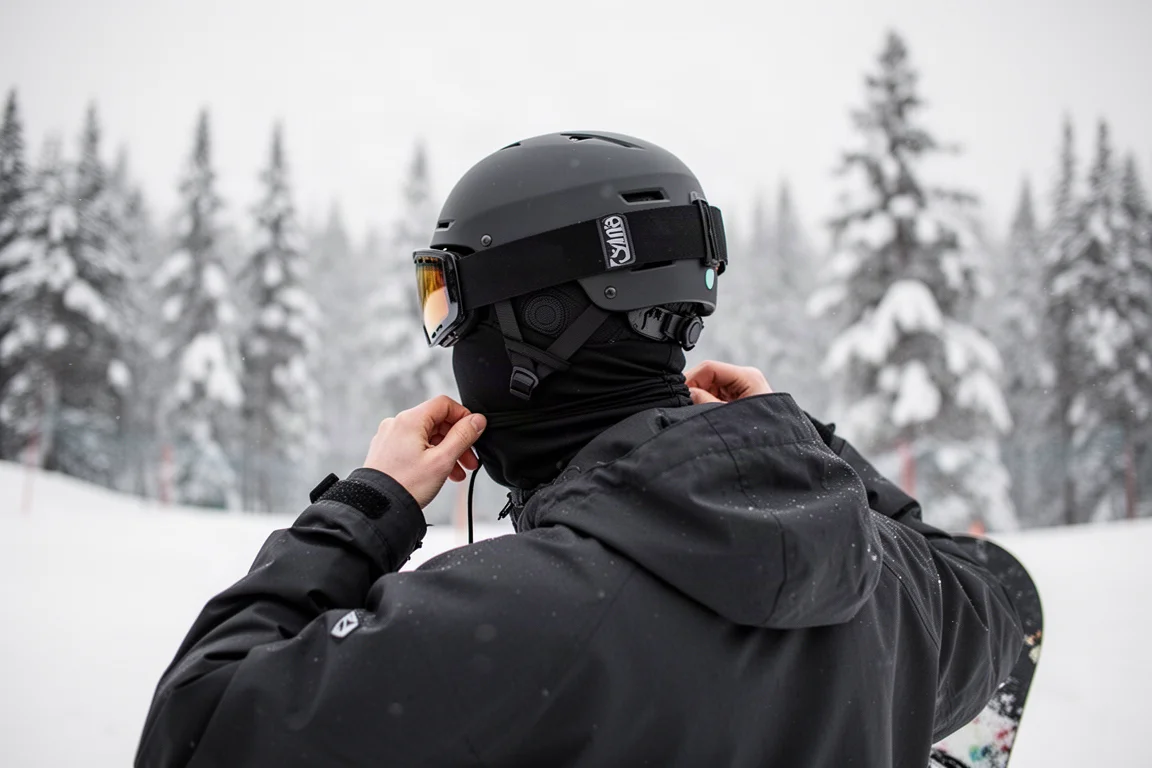
A face mask is essential for keeping wind and moisture off your skin and neck. A thin balaclava that slides on under your beanie is the everyday workhorse: you can pull it up over your mouth or wear it down as a neck warmer throughout the day.
If you ride somewhere very cold, consider a thicker version. Models with air holes vent air away from your face, which helps if your goggles tend to fog. Note that a hooded style can be harder to pull fully down, so a strap-based design may suit you better if you like flexibility.
Snowboard Socks: Length, Warmth, and Odor Control
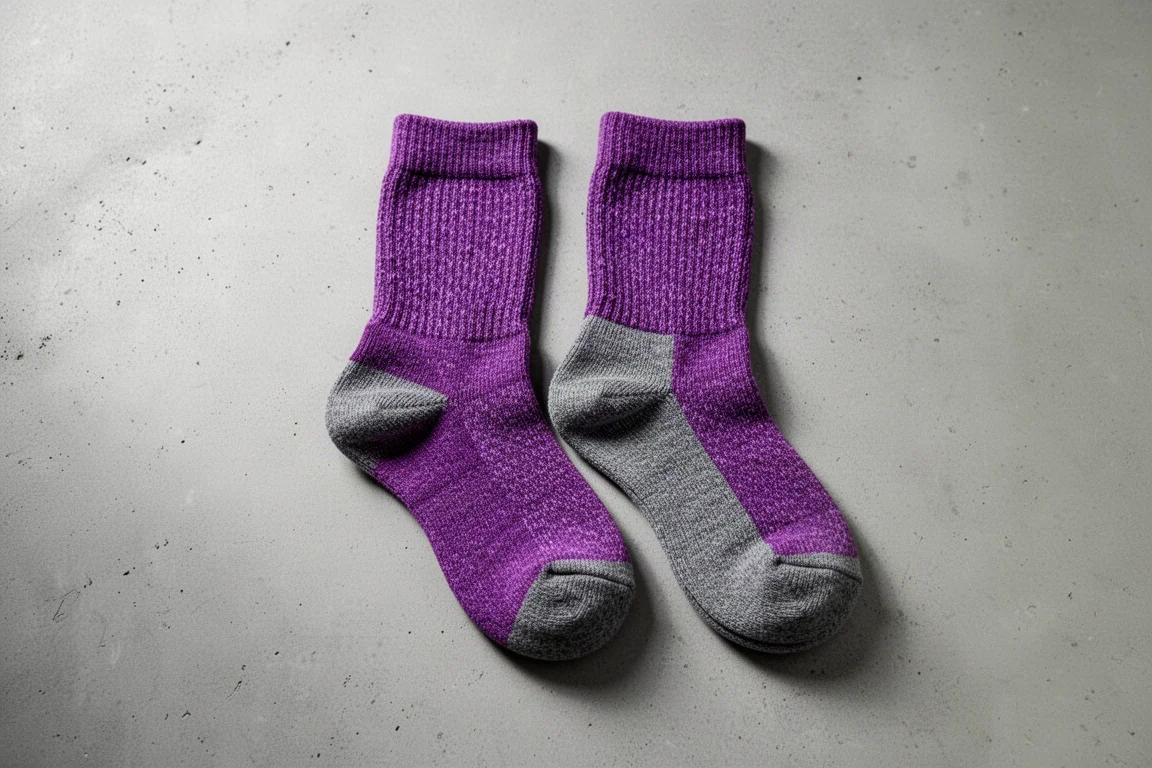
Snowboard socks are usually a bit longer because you want the sock to come up above your boot, keeping things comfortable inside the boot cuff. Most are a mix of fibers with a nice stretch, so they keep your feet warm without feeling restrictive, and many are antimicrobial to keep odors down.
Merino wool versions add warmth and wick sweat away to keep feet dry. Thicker pairs also add cushioning inside snowboard boots, which some riders strongly prefer.
Helmets Are Non-Negotiable
Every single person should wear a helmet while snowboarding. Falls happen on the mountain, at least one or two a day, and a helmet is what protects your head and your brain. A MIPS-equipped helmet adds an extra measure: when you take an impact, the shell rotates the force away from your skull.
Look for a dial fit system on the back so you can dial in a snug fit, and choose your size honestly. If you have a large head, the large size should feel snug and secure. Try the helmet with your goggles before committing; the combo should feel seamless.
Goggles: Fit First, Lens Second
With goggles, getting the size right matters most. If they are too big, they will not sit well with your helmet. If they are too small, you will see too much of the frame. Always try them on with your helmet and look for that seamless fit between goggle and helmet.
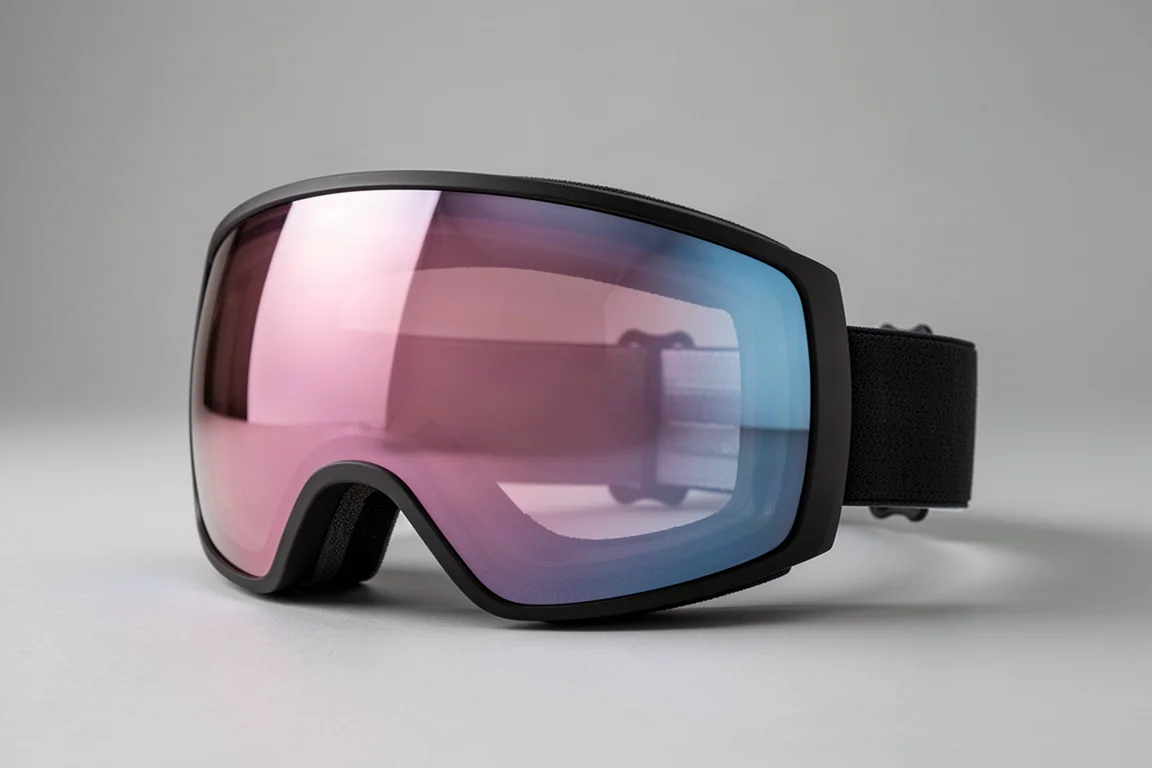
Outdoor Master Falcons
The Falcons have been a favorite for multiple seasons of riding, and it is easy to see why. The magnetic lens system makes swapping lenses incredibly easy, and the larger fit gives a wide field of view in all directions.
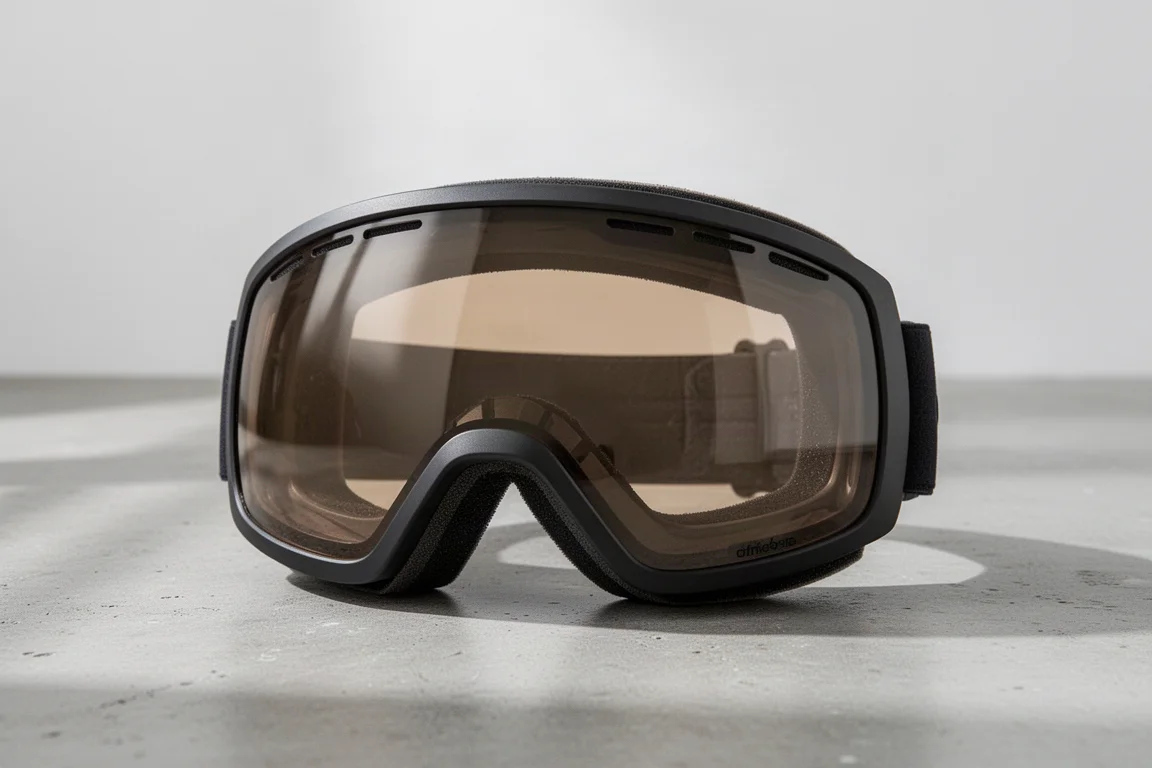
Outdoor Master Ultras
The Ultras run slightly larger, which suits riders who want maximum coverage. As with any goggle, match the size to your face and helmet rather than going by looks alone.
A Waxing Kit Keeps Your Board Fast
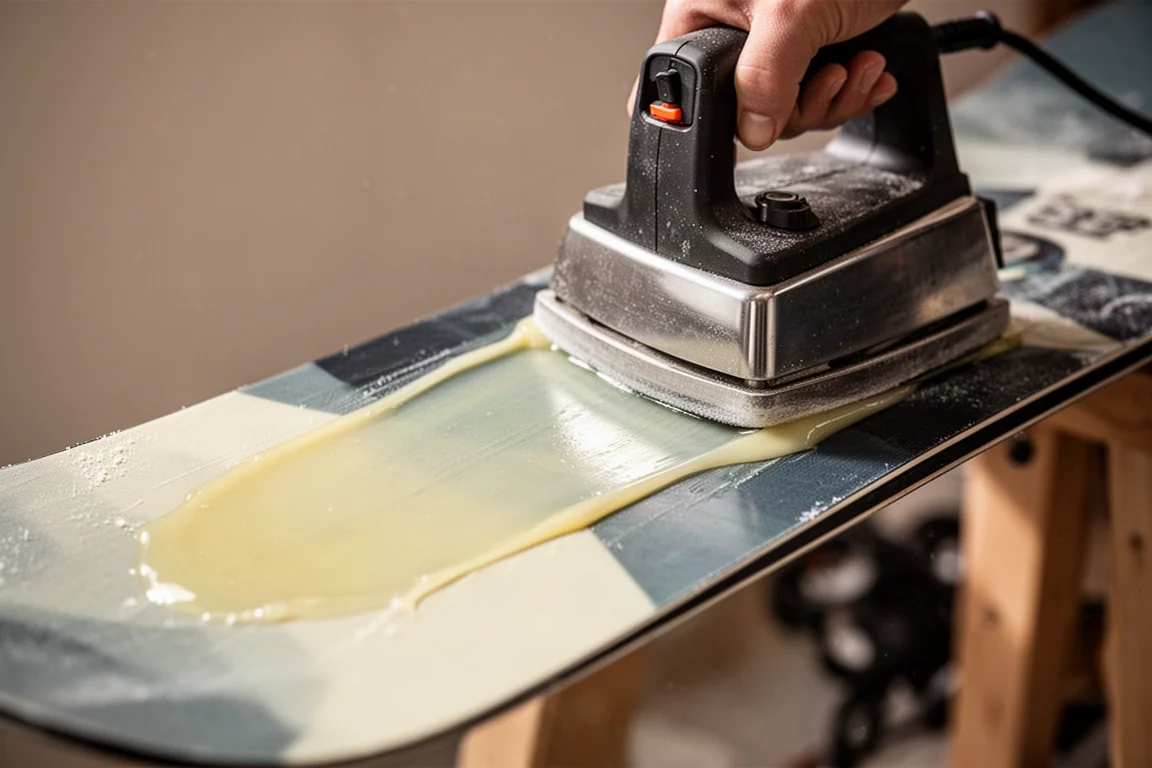
A waxing kit rounds out the list: waxing iron, wax, brushes, and an edge sharpener. Rub-on wax is handy for emergencies on the go. Regular maintenance keeps your board in the best shape possible, which pays off every single run.
Conclusion
Sort out these five categories and your day on the mountain instantly gets warmer, safer, and more enjoyable. Start with the helmet, then nail down handwear and socks for warmth, add a balaclava and goggles for comfort and visibility, and keep a waxing kit at home so your board is always ready.
Further reading
Related Reviews

Snowboarding
2025 Snowboard Gear List: Five Picks That Earned Their Place on the Mountain
From Zeiss-lens goggles to a hybrid step-in binding, here are five pieces of 2025 snowboard gear that held up across a full season of riding.

Snowboarding
2026 Snowboard Gear List: Boards, Bindings, Boots and Outerwear Worth a Look
A season-ready snowboard setup built from the bottom up: base layers, Strafe outerwear, Ride and Union boots, Union bindings, and two new Capita boards.

Snowboarding
32 Cold World Review: A Playful Hybrid Camber Board for Park Laps
The 32 Cold World blends classic camber underfoot with flat nose and tail sections for a predictable, butter-friendly ride aimed at intermediate park riders.