Snowboard Outerwear
Snowboard Outerwear After 100+ Days: Six Pieces, Real Wear, and What Lasts
A long-term look at six snowboard outerwear pieces, from 20K shells and puffies to a lightweight hoodie jacket, and the wear patterns that decide how many seasons you actually get.
Introduction
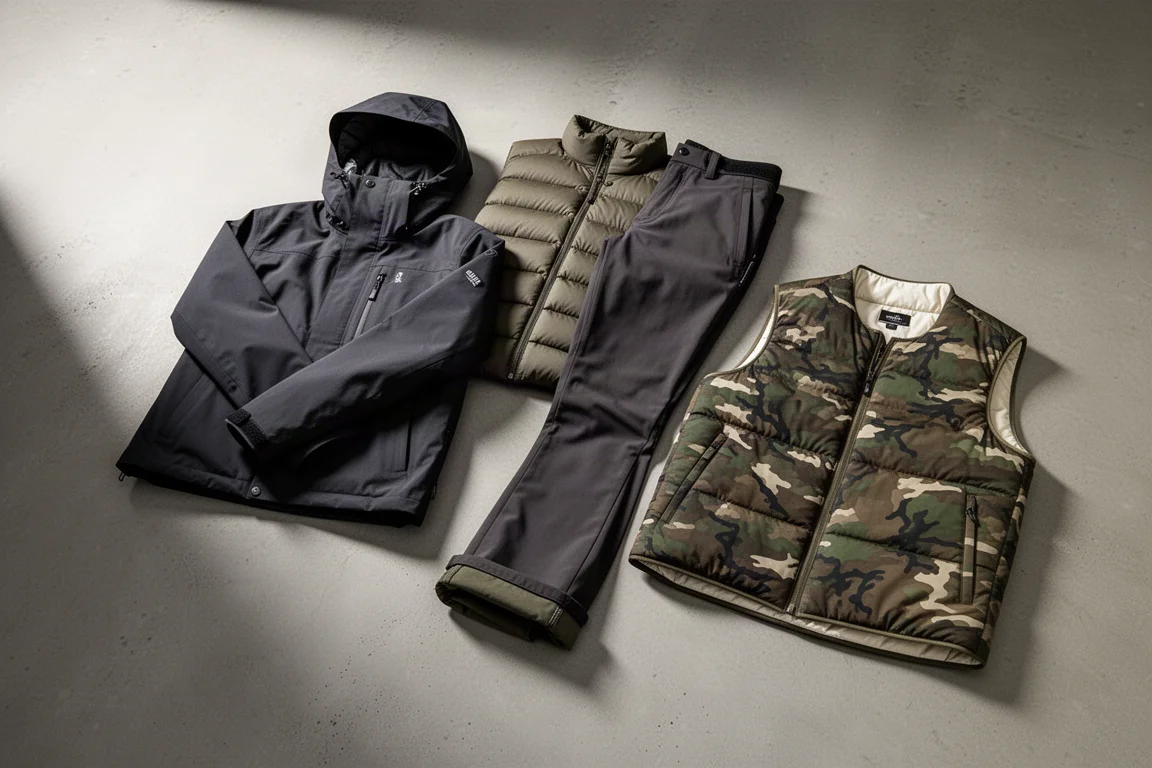
Snowboard outerwear takes a beating. A full season on the hill, from October into June, means sun exposure, chairlift abrasion, tree branches, wet snow and constant packing. What actually matters is not how a piece looks on day one, but how it looks after a hundred days, and after two hundred.
This guide covers six pieces of snowboard outerwear that have been ridden hard across multiple seasons: pants, shells, puffies and a lightweight hoodie-style jacket. Each one shows a different failure pattern, from blown side seams to faded waterproofing to snaps that stop gripping. Seeing where gear breaks down is the fastest way to judge what will last for you.
What 100+ Days of Riding Does to Snowboard Outerwear
Riding more than 100 days a season reveals a predictable set of wear points. Sun fade shows up on shoulders and pant tops from hours on the chairlift. Cuffs scuff against boots and bindings. Waterproofing fades faster than fabric, which is why a jacket can look perfectly fine and still soak through.
Two habits extend the life of almost any piece. The first is technical washing and re-waterproofing, which can restore enough water repellency to earn another season. The second is repair: blown seams and small tears are usually a quick fix with a needle or a sewing machine, and a repaired piece often keeps going for years.
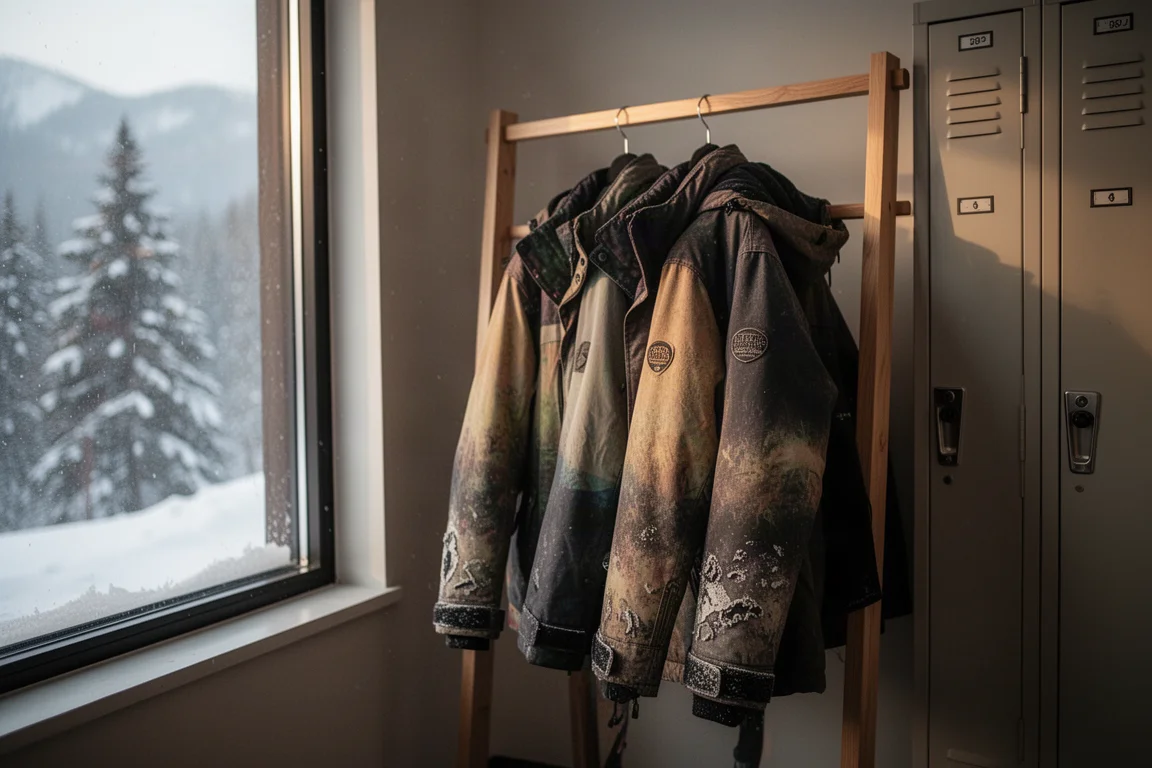
The other pattern worth noting is rating versus use. Most of the gear here is 20K-rated, with a few 10K pieces reserved for spring and warmer days. Higher ratings and heavier builds generally cost more, but the payoff shows up over seasons rather than weeks.
L1 Slim Chino: A Tailored Pant Built for Repairs
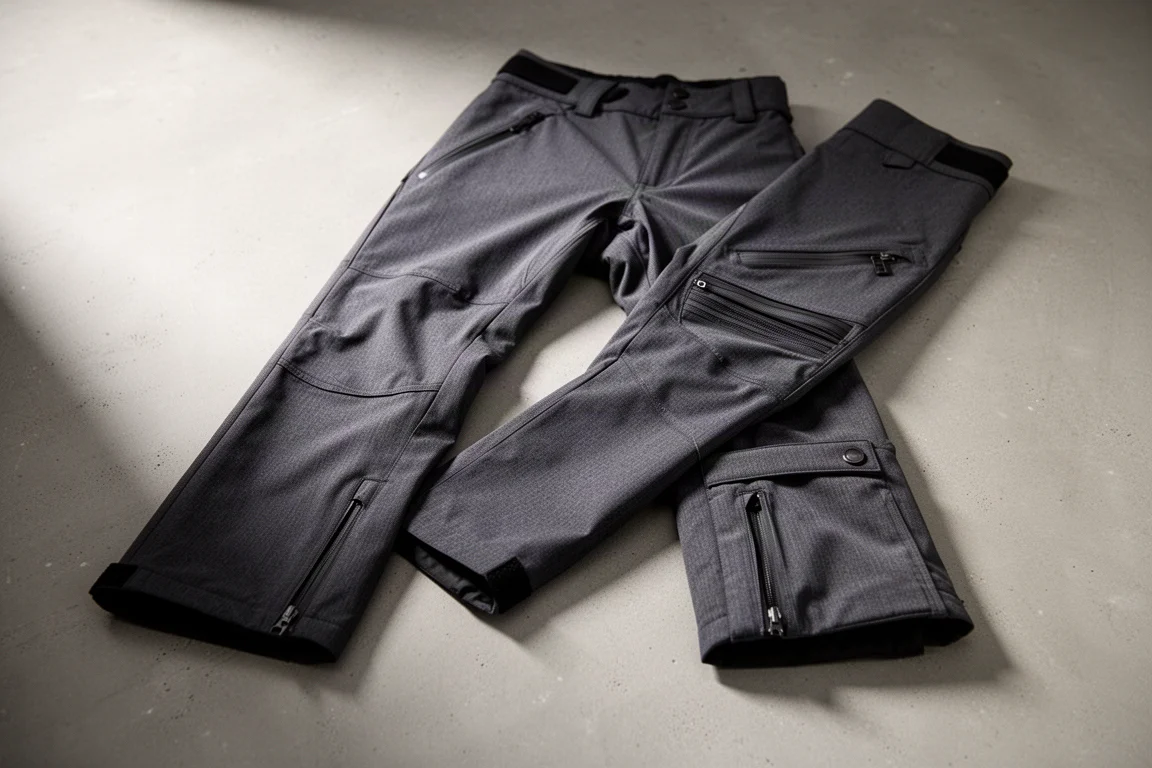
The L1 Slim Chino is a 20K-rated snow pant that has been in rotation for years, with roughly two and a half seasons on the current pair. The fit is the reason it keeps coming back: it hugs the hips and sits between a skinny pant and a loose park fit, which reads as tailored rather than trend-driven.
Features include a full crotch vent for airflow, zippered front pockets, zippered rear pockets, a small side boot zip for opening the cuff, and a snap that attaches the gaiter to the pant cuff so the hem stays where it should.
Wear after two and a half seasons is minor: slight sun fade across the top from chairlift time, scuff marks along the cuffs, and a side seam that has blown out and been sewn back more than once. That seam is an easy repair. The typical reason these pants get retired is fading waterproofing rather than torn fabric, and a technical wash can add roughly another 150 days before replacement. At $200, with a realistic path past 500 days of use, the cost per day is very low.
Airblaster Dinoflage Vest: Simple, Reversible, Reliable
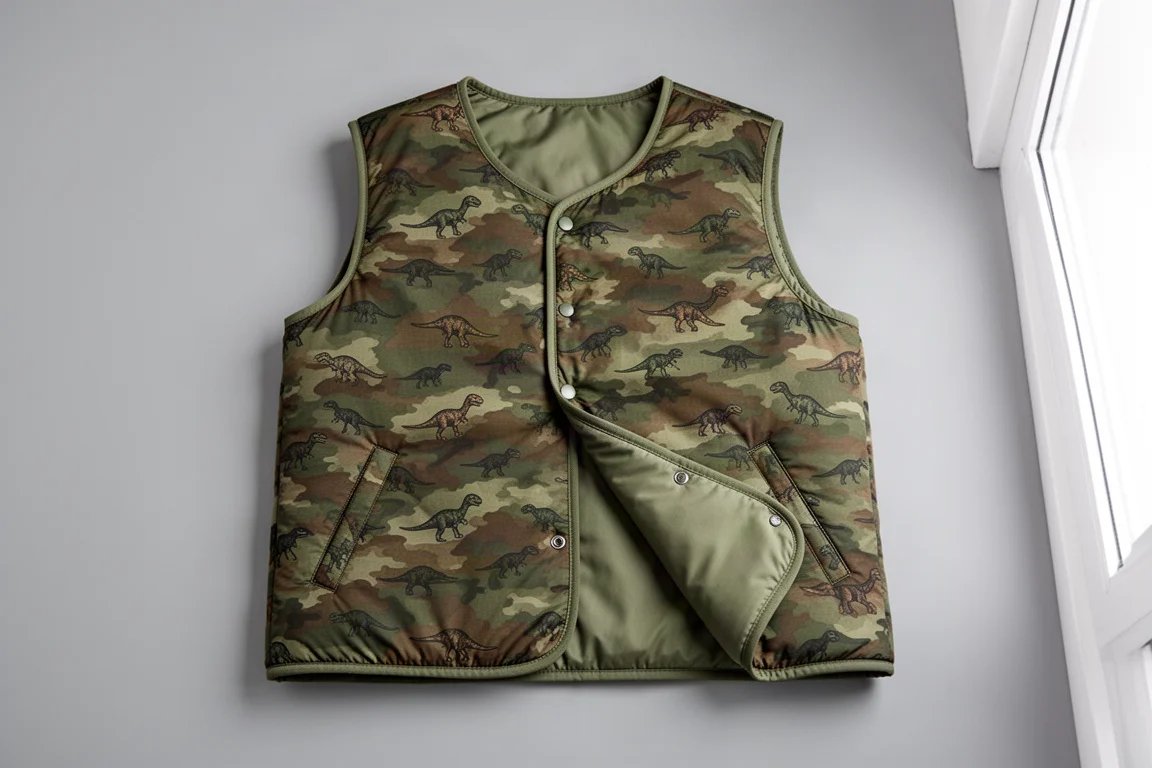
The Airblaster Dinoflage Vest is a lightweight reversible vest used for spring riding and pre-season days. It closes with snaps, carries a dinosaur camouflage print and has a 10K rating, which is enough for mild conditions rather than storm days.
Durability has been excellent. There are no tears and no popped seams, and the only real failure is the closure: three snaps have worn to the point where they no longer stay shut when wind catches the vest. Reversibility is a genuine practical feature, since the print can be flipped to a plain side in seconds.
L1 Legacy Jacket: The Daily Driver That Never Failed
The L1 Legacy Jacket is the most-worn piece in this group, a 10K-rated shell that has seen roughly 100 days a year for every year it has been owned, which likely makes it seven or eight years old. That is an unusual amount of use for a single jacket.
The wear is almost entirely cosmetic. Sun fade has bleached the shoulders, there is minor scuffing across the surface, and the wrist gaiters have seen better days. The waterproofing has largely died, and a technical wash may not bring it back, which is the reason it was retired rather than replaced out of dissatisfaction.
Structurally it never failed. For a drier, colder climate where a jacket is mostly blocking wind and light snow, a 10K shell with a good mid layer handled everything thrown at it.
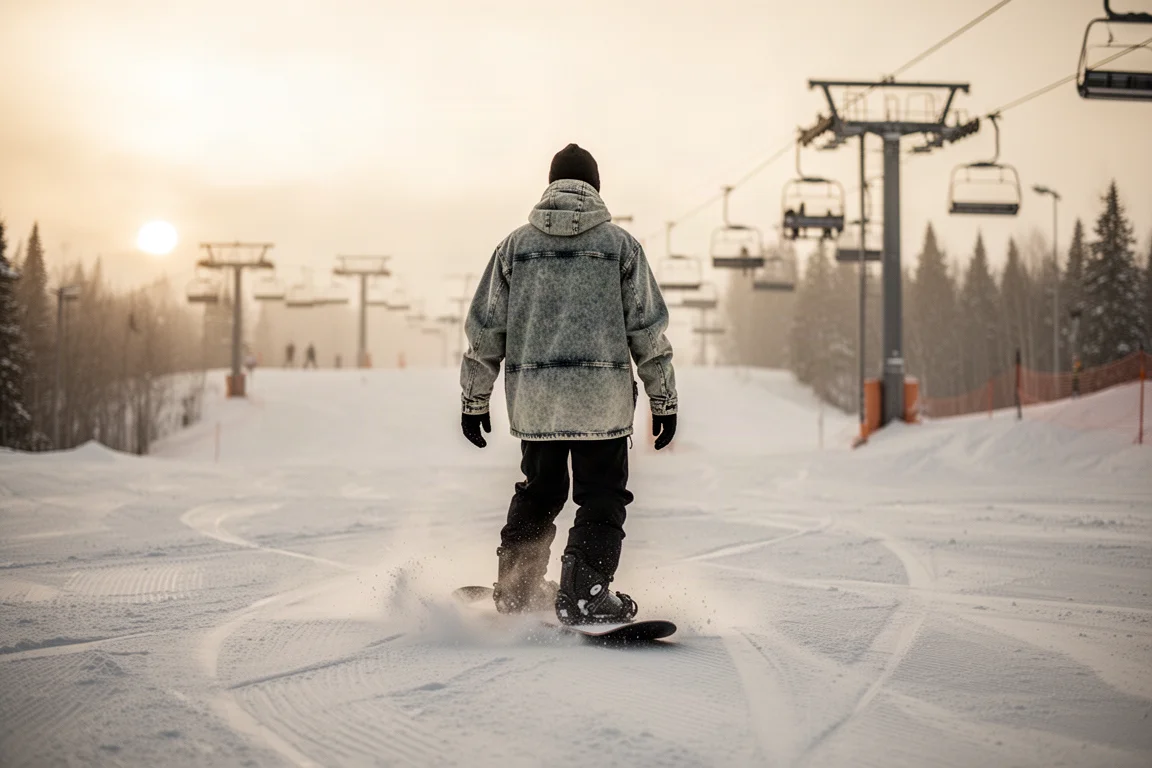
That combination, a modest rating used in the right climate with regular care, is the clearest argument for buying one good jacket and keeping it for years instead of chasing a new model every season.
L1 Horizon Jacket: Light, Warm, and Easy to Puncture
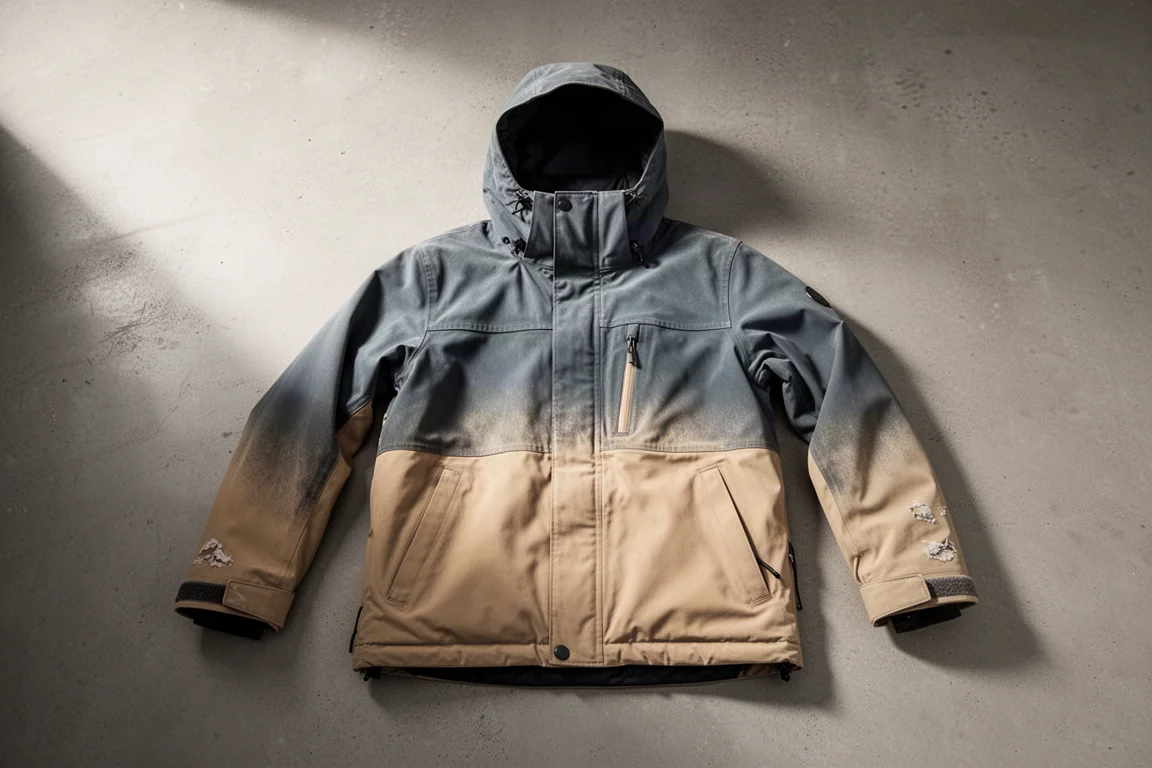
The L1 Horizon Jacket is a 20K-rated puffy with 150 grams of insulation, brought in as a replacement for an older, heavier puffy. It is lighter and less warm, so it usually needs an extra layer on cold days, but it moves well and packs down easily.
The build has held up where it counts: critically taped seams are intact, the pit vents have not blown out, and the internal structure is solid after roughly 60 to 65 days. The weak point is the face fabric, which is thin enough that pine needles and beetle-kill branches leave small punctures on the sleeves. A first-week impact required seam tape and stitching, and anything larger than a glancing hit is likely to tear.
With another 60 to 65 days expected from it, the jacket is on track for a reasonable lifespan, provided tree riding does not add too many new holes.
L1 Highland Jacket: The New Daily Driver
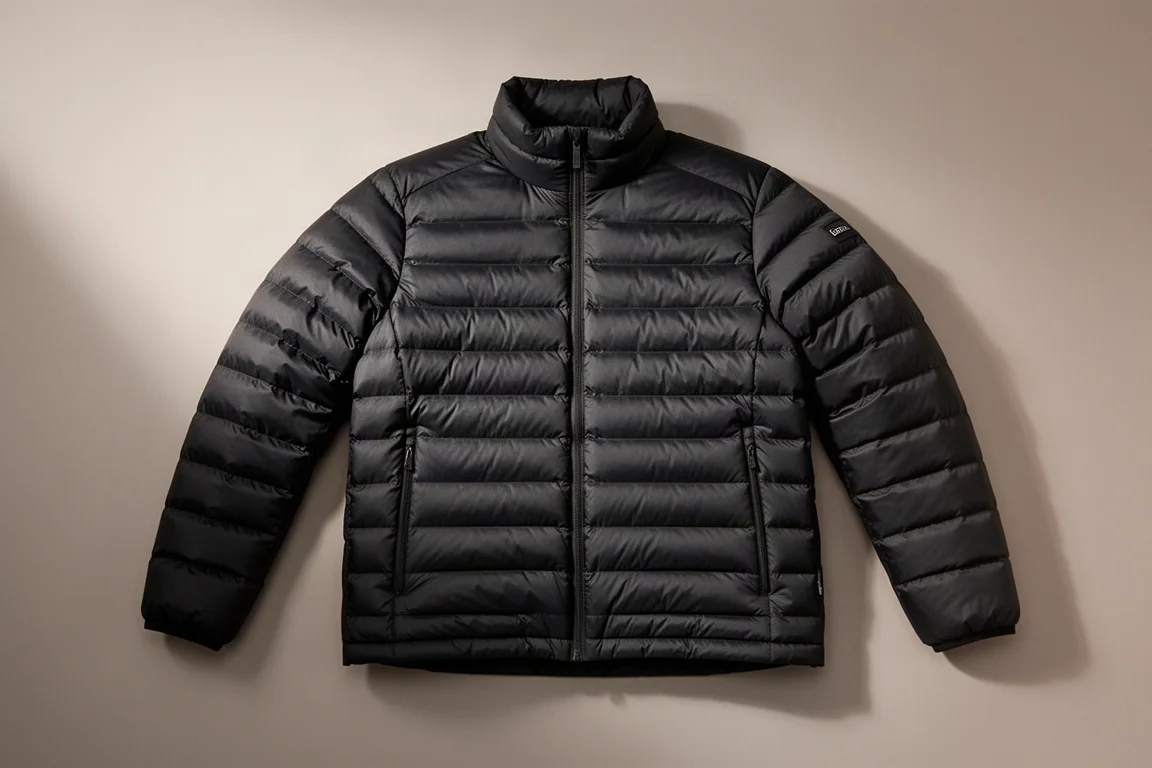
The L1 Highland Jacket is a 20K-rated jacket with a small amount of insulation, picked up in spring as the intended daily driver for the next several seasons. It has around 25 to 30 days on it, so the wrist gaiter is barely broken in and the waterproofing is still in good shape, with no sign of wetting out.
The only complaint so far is a single popped seam, which is a quick repair. Availability is worth planning around: this jacket had to be ordered from a retailer in Ontario, Canada, and seasonal stock shipped late. On the other hand, the brand tends to carry a jacket model for multiple seasons before releasing a new version, so the fit stays consistent if a replacement is needed later.
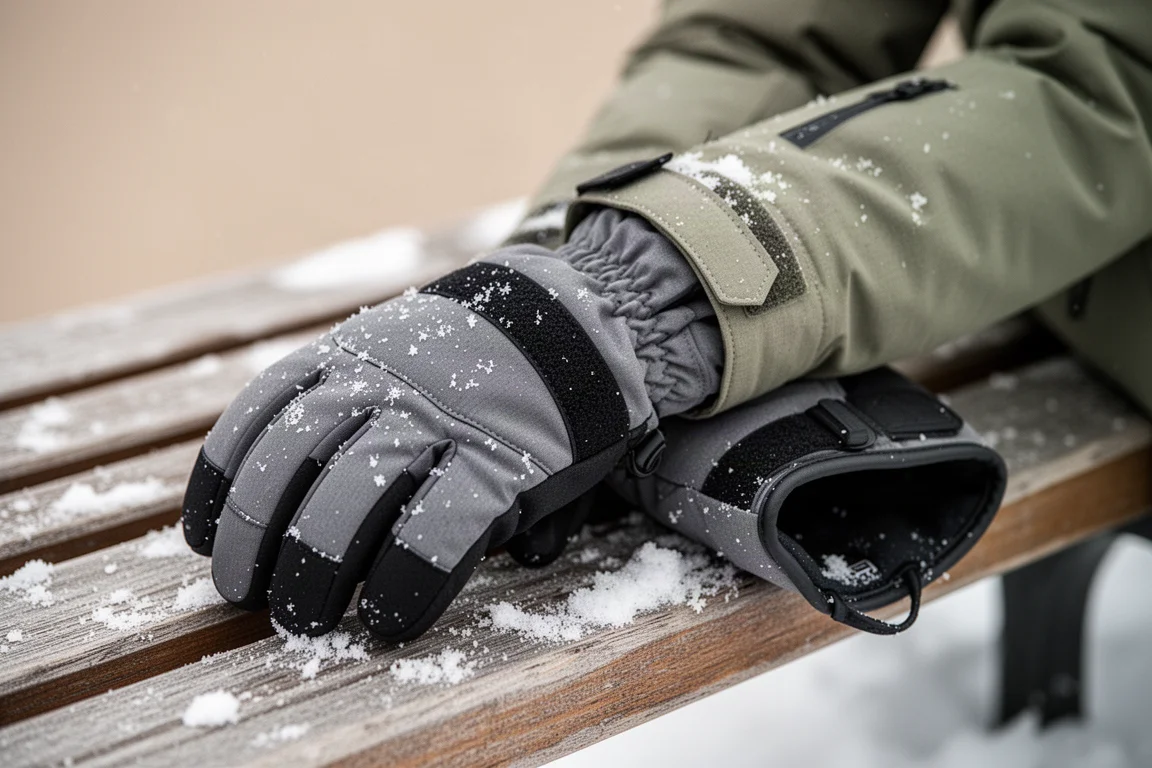
For riders who find a fit they like, that continuity is a real advantage. Buying the same jacket again in a few years is simpler and more predictable than starting a search from scratch.
686 Bedouin Jacket: A Lightweight Hoodie for Warm Days
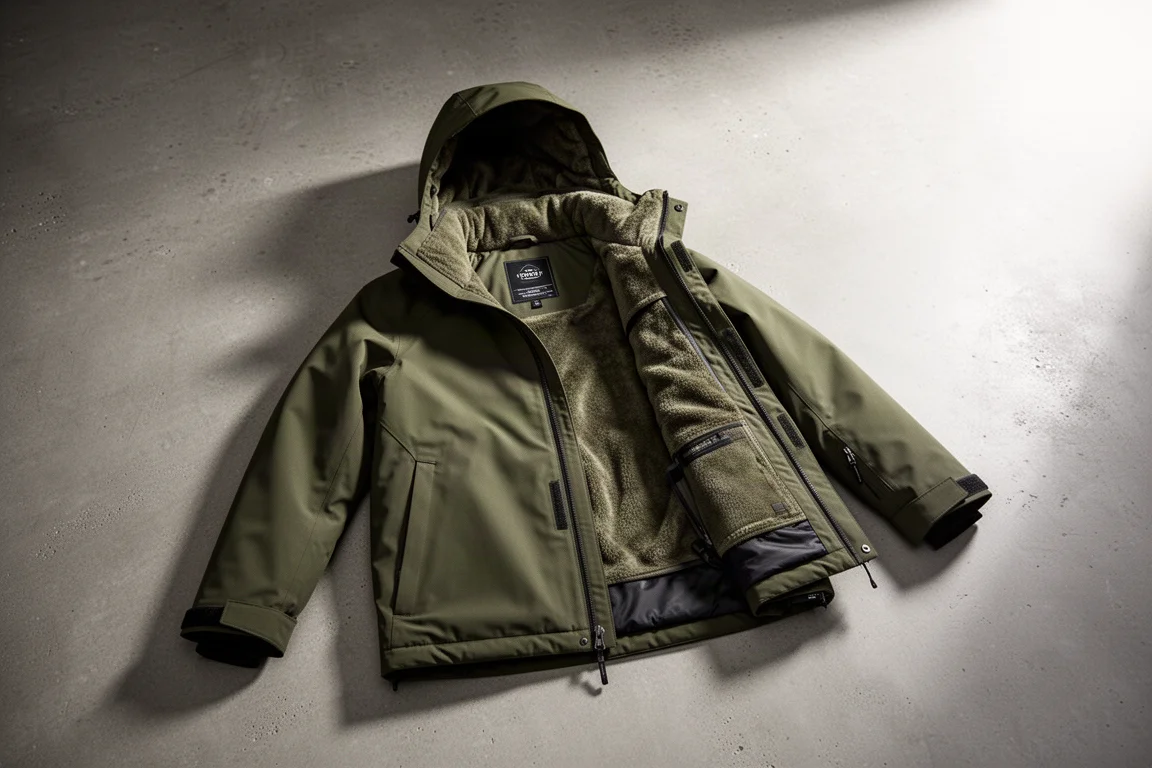
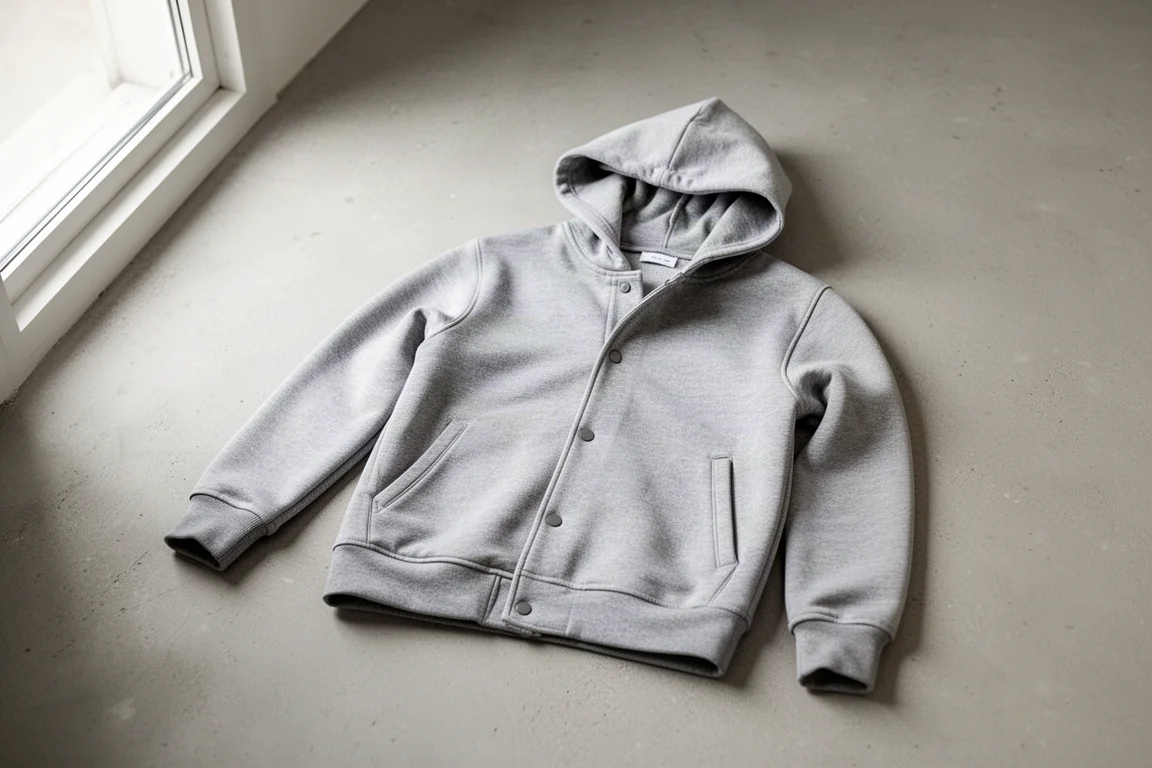
The 686 Bedouin Jacket is closer to an overgrown hoodie than a technical shell. It has a 10K rating, light insulation, a snap closure and zip pockets, and it works best as a pre-season or post-season layer for warmer days when breathability matters more than storm protection.
The soft sweat-suit fabric is the trade-off. The wrist gaiter has blown out, there is a small tear on the sleeve, an internal seam has been sewn back up, and the hood has faded noticeably from its original color. None of that is surprising for a fabric chosen for comfort and airflow. For quick, light, simple days, it does the job.
Buying Advice: Match Waterproofing and Insulation to Your Season
The clearest lesson from this gear is that rating and construction should follow the conditions, not the marketing. A 20K shell or puffy with taped seams covers most resort riding and holds up to repeated use. A 10K piece is a better fit for spring days, warm weather or drier climates where a lighter, more breathable layer is simply more comfortable.
Insulation is the second decision. A heavier puffy with a high fill weight can be ridden with just a base layer on very cold days, while a 150-gram puffy needs layering and is easier to move in. A lightweight hoodie-style jacket fills the gap for warm days when a shell is too much.
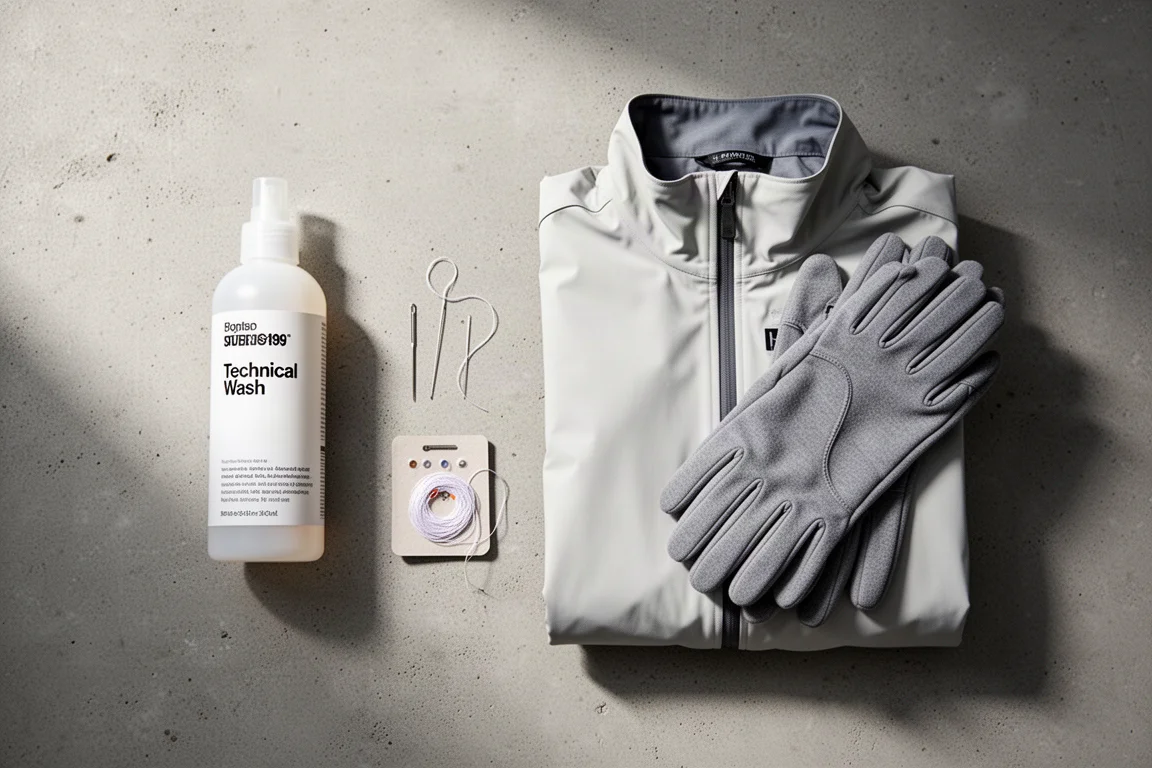
Care is the third factor and the one most riders skip. Technical washing and re-waterproofing can restore water repellency and add a season or more of use. Learning a basic seam repair turns a blown stitch into a ten-minute fix rather than a reason to buy new gear. Timeless designs that look right on the hill and around town also tend to stay in rotation longer, which lowers the cost per day.
Conclusion
Outerwear is the one category where carrying gear forward year after year makes obvious sense. Pants, shells and puffies that are washed, re-proofed and repaired routinely deliver several seasons of use, and the failure points shown here, sun fade, worn gaiters, faded waterproofing and small punctures, are predictable and often fixable.
If a piece is still warm, still blocks wind and still keeps snow out, there is little reason to replace it. When waterproofing is genuinely gone and repairs are no longer worth the effort, the sensible upgrade is a higher rating and a fit that has already proven itself.
Further reading
Related Reviews
Snowboard Outerwear
686 Snowboard Outerwear Breakdown: Good, Better, Best for 2026
A practical look at 686's outerwear line across three tiers, from the Smarty 3-in-1 kit to the Thermagraph series and the budget hoodie combo.
Snowboard Outerwear
Jones Shralpinist Jacket and Pants: Premium Backcountry Outerwear Built for Big Lines
Jones' most premium outerwear pairs 3-layer Gore-Tex Pro Shell protection with body-mapped breathability and a long list of backcountry-specific features.
Snowboard Outerwear
Jones Shralpinist Stretch 3L Jacket and Bib Pants: Technical Outerwear That Actually Moves
Jones' most technical outerwear line adds a stretchy face fabric, 30K waterproofing, and fully recycled construction. Here's how the jacket and bibs perform.