Snowboarding
A Full Snowboard Gear Setup: Boards, Bindings, Boots and Outerwear Worth Considering
A practical look at a working snowboarder's quiver: wide-waist boards, step-in bindings, boots, outerwear and insoles, with honest trade-offs for each.
Introduction
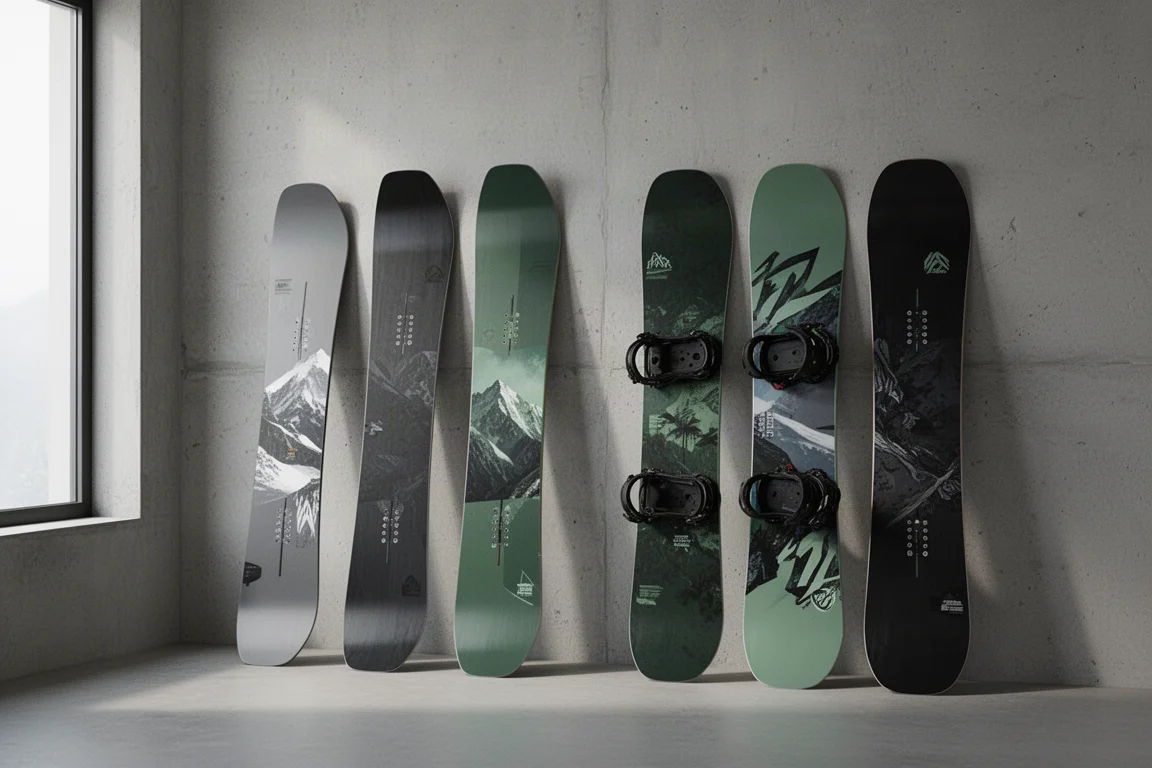
Most gear roundups list what someone liked. This one works through a full setup that gets ridden six days a week, all season: a teaching quiver that still has to hold up when the riding gets aggressive. That context matters, because the whole selection is filtered through one hard constraint: a US size 12 boot that makes most standard boards too narrow.
Why Waist Width Comes First
Riders with larger feet face a problem most brands ignore. When you ride higher edge angles on carves or steep slopes, toes and heels that hang over the edge dig into the snow, lift the board, and cause a slip-out. It looks like a technique issue, but it is purely a fit issue, and no amount of coaching fixes it.
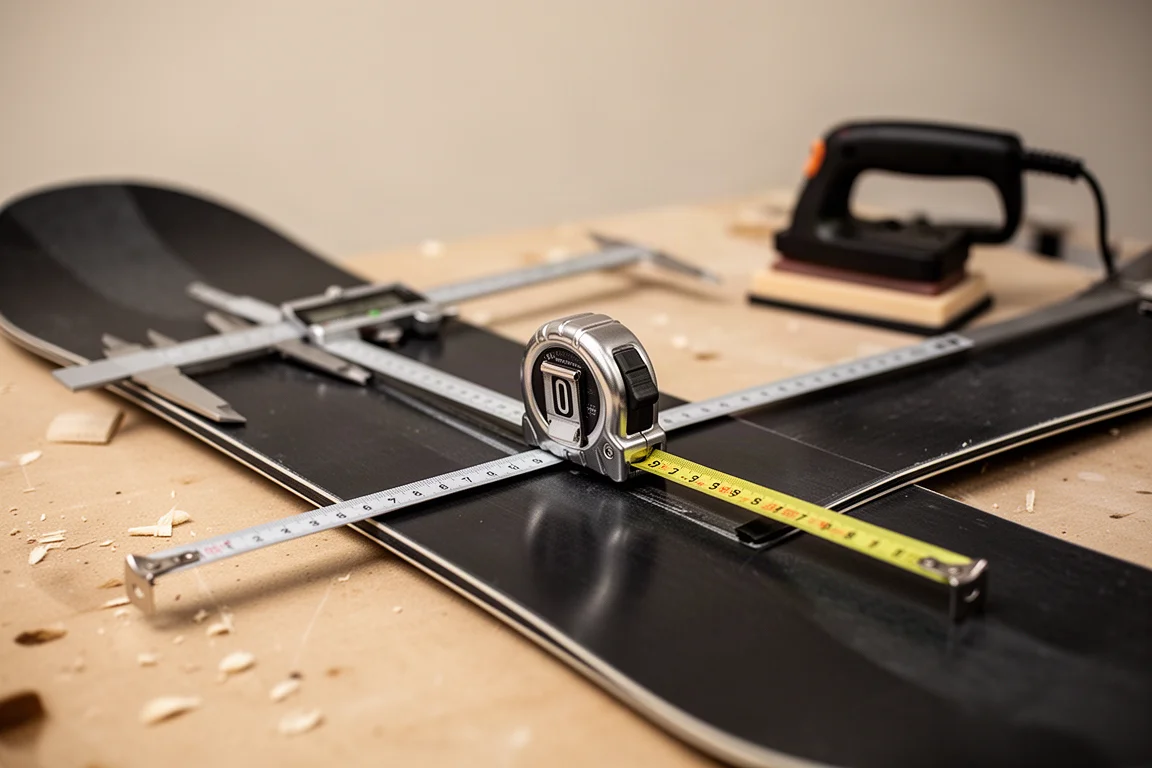
Many boards sold as “wide” only measure around 26.5 cm at the waist, which is not enough for aggressive riding with size 12 boots. Anything under about 27 cm means booting out on hard carves. That single number has become the deciding factor for every board in this setup, which is why the picks below lean heavily on boards that break that barrier. Brands are often reluctant to build truly wide boards because they feel sluggish to testers with average feet, even though those same boards are exactly right for the people who need them.
Never Summer Proto 3
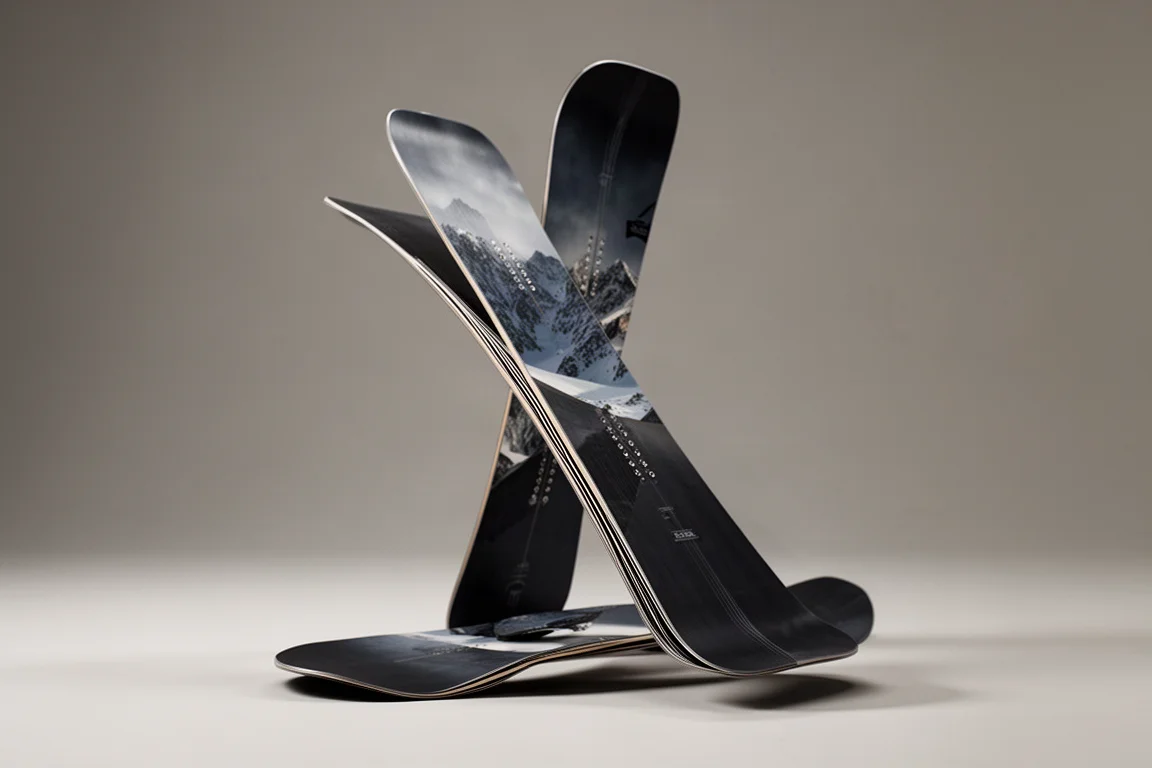
The Never Summer Proto 3 in the 159 drag-free version is the newest board in the lineup and the one getting the most teaching time. The drag-free construction measures a huge 28 cm at the waist, wider than almost any production board on the market, and it is a true twin, so it works for full teaching days and aggressive afternoon laps alike.
Its triple camber profile rides closer to a regular camber board than the marketing might suggest, and the edge hold is genuinely good, which is rare for a board this wide since wide boards are normally harder to lever onto edge. Ridden at +15/-12, it does what a daily driver should: no compromises, no booting out, all day.
Jones Mercury Bindings
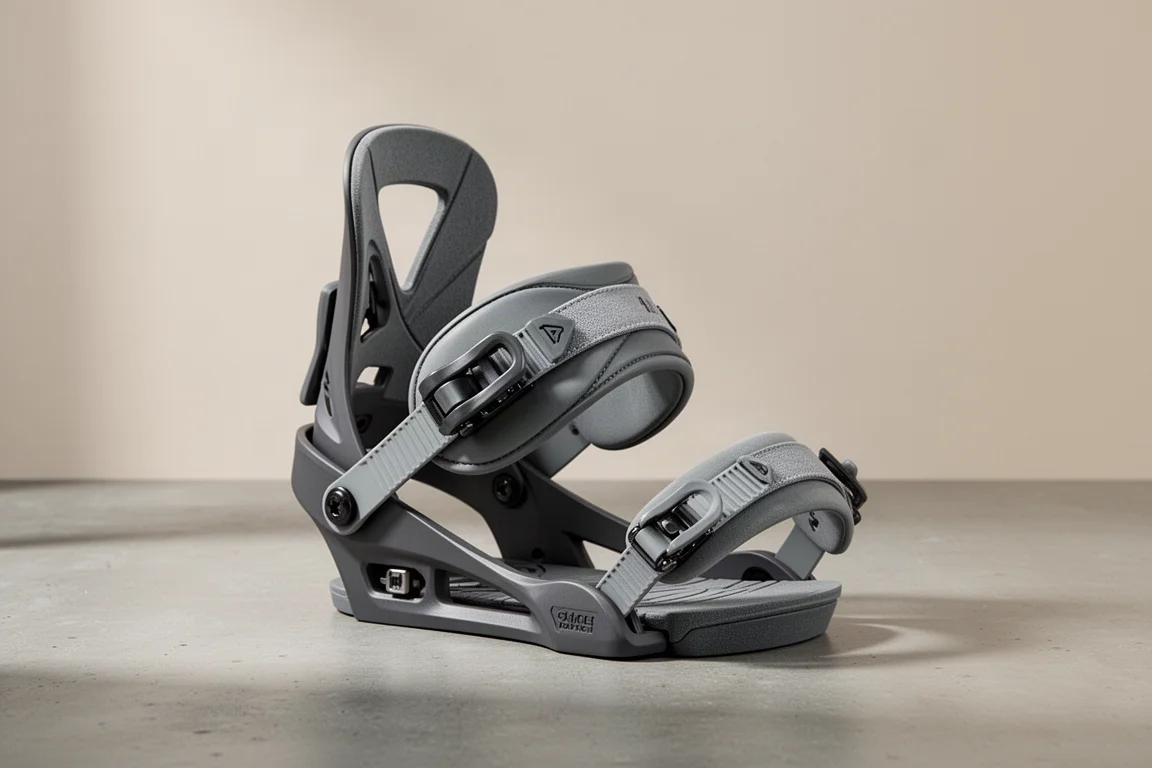
The Jones Mercury is a quick-entry binding that earns its place by removing the strap-in fiddle without giving anything up. Compared with a conventional two-strap binding of the same design, there is no noticeable penalty in weight or performance.
They are comfortable, secure, and simply do the job, which is exactly what you want from a binding you are strapping in and out of dozens of times a day.
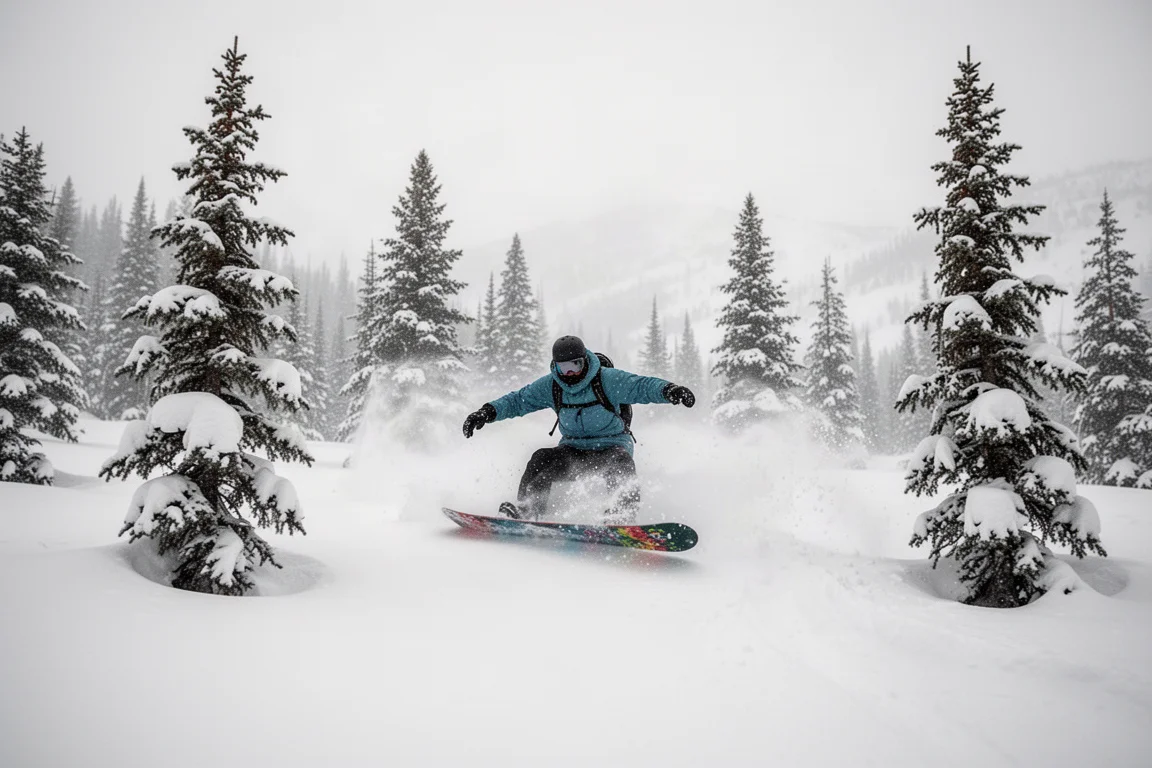
Spring Break Powder Twin
The Spring Break Powder Twin, built by Capita, was bought for the same reason as the Proto 3: width. The 159 version measured 27.8 cm at the waist, and this season the rider stepped up to the 162 after the smaller board lost some flex and picked up too many rock scratches over a hard season.
Despite the powder-focused name, this works as a genuine true twin here. The flex is softer than the Proto 3, making it an easy, playful board to control while teaching, and it is a blast in powder, as a trip to Japan showed: it floated well and stayed nimble between the trees, rewarding bouncy retraction-style turns. Edge hold on ice is not its strength, but that is not what it is built for.
Stranda Beru
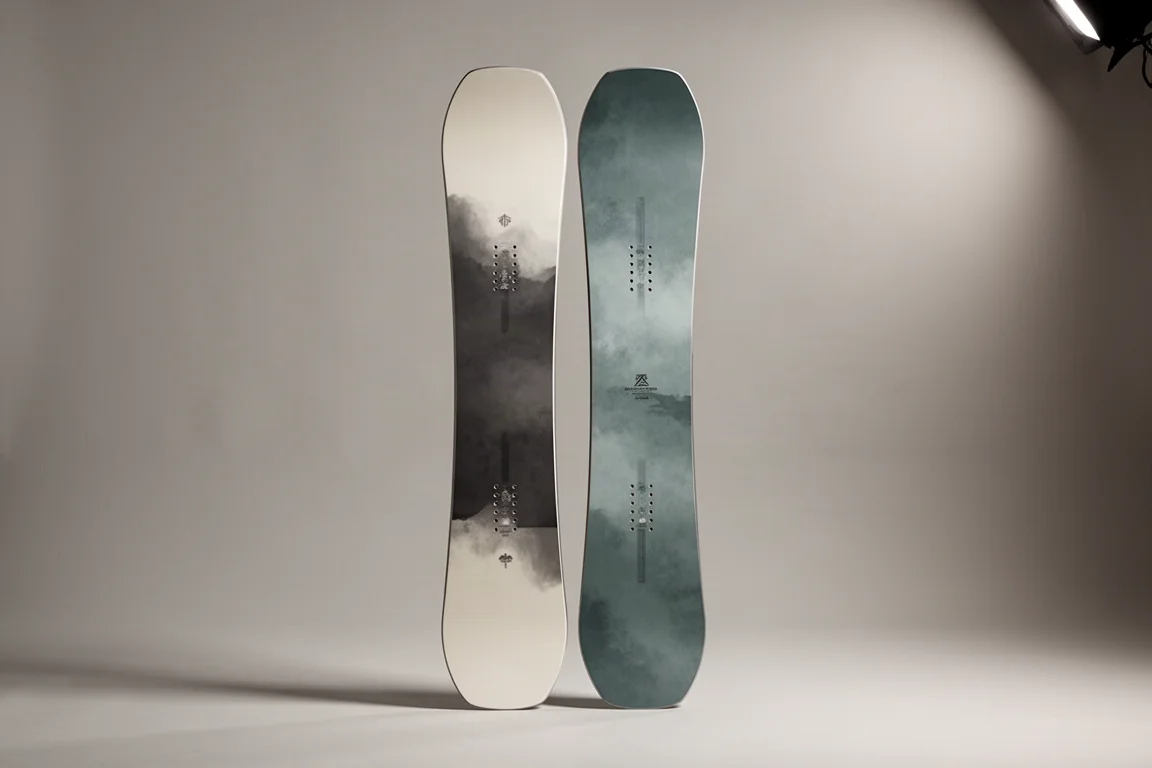
The Stranda Beru is a directional board with a 275 mm waist, and it was one of the first boards that actually solved the width problem. Stranda sent it over a few years back, and it has earned a permanent spot as the day-off board.
It rips on groomers, carves hard, and floats superbly in powder thanks to the wide waist and big nose, which is exactly why it was the second board taken to Japan. It even doubles as a serious carving board: ridden positive-positive at +30/+15, it holds an edge extremely well while staying nimble at 157 cm. Unlike many dedicated carving planks, it is still maneuverable enough for short turns and moguls, making it a strong choice if you want something directional without being locked into one discipline.
Stranda Shorty
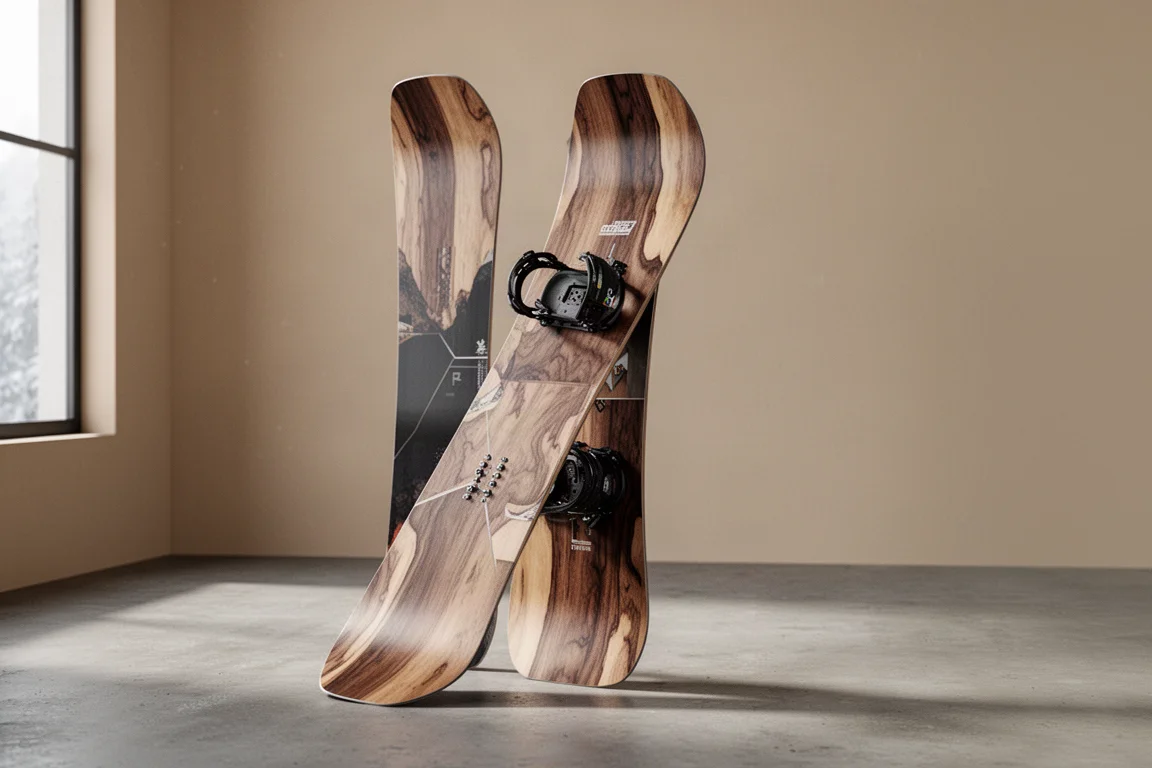
The ironically named Shorty is a 164 with a 27 cm waist, slightly narrower than the Beru, and that small difference is noticeable: booting out creeps in on softer snow, where the board sinks and the overhang bites harder. It works best on firm, hard groomer days.
It is more of a dedicated directional carving board than the Beru, ridden exclusively positive-positive to lay down proper carves. The huge rocket nose is great for powder, but the real magic happens on edge: as the board tilts over, that nose bends in and pulls you through remarkably tight arcs. It is a special board, just one for firmer conditions.
Nidecker Beta APX and Nidecker Thruster
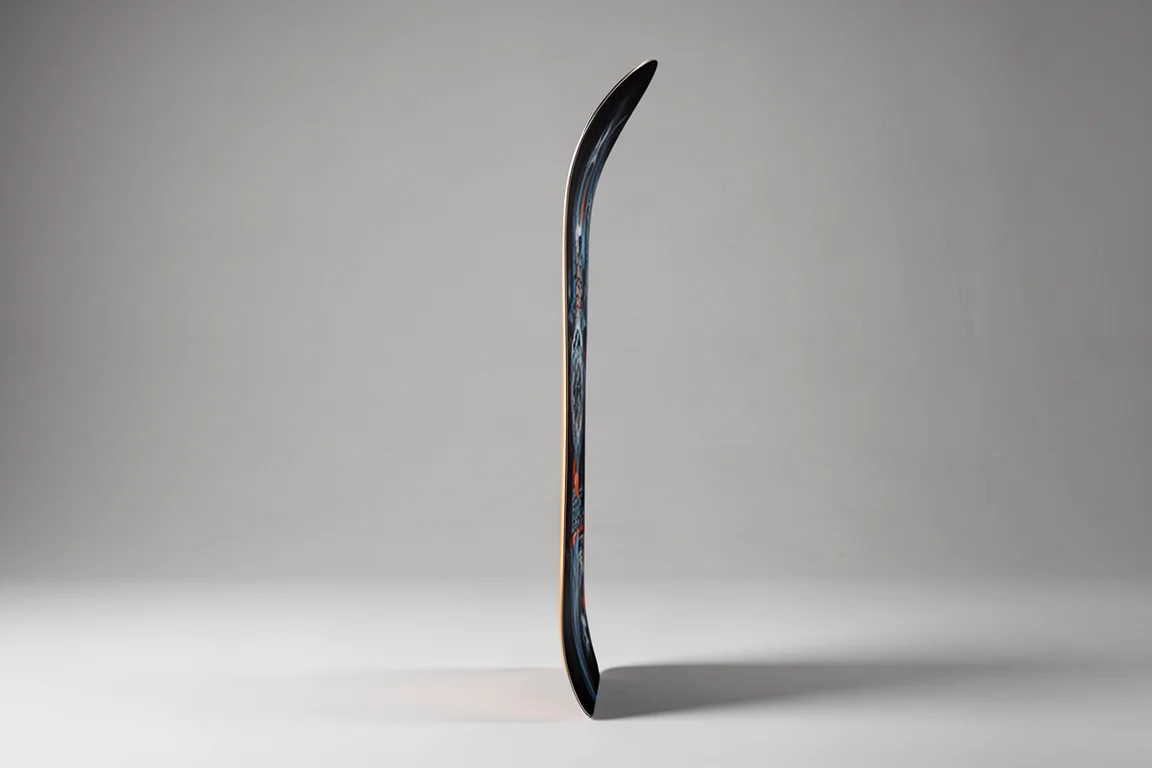
The Nidecker Beta APX is the specialist of the group: a 165 directional powder board with a huge spoon nose, contoured edges that displace snow, a swallowtail, and taper toward the tail that lets the back foot sink in the deep stuff. Despite the length, most of it is nose, so it stays surprisingly maneuverable on piste. It is not wide enough at the back for hard carving, and it is not a daily driver, but on good powder days it is enormously fun.
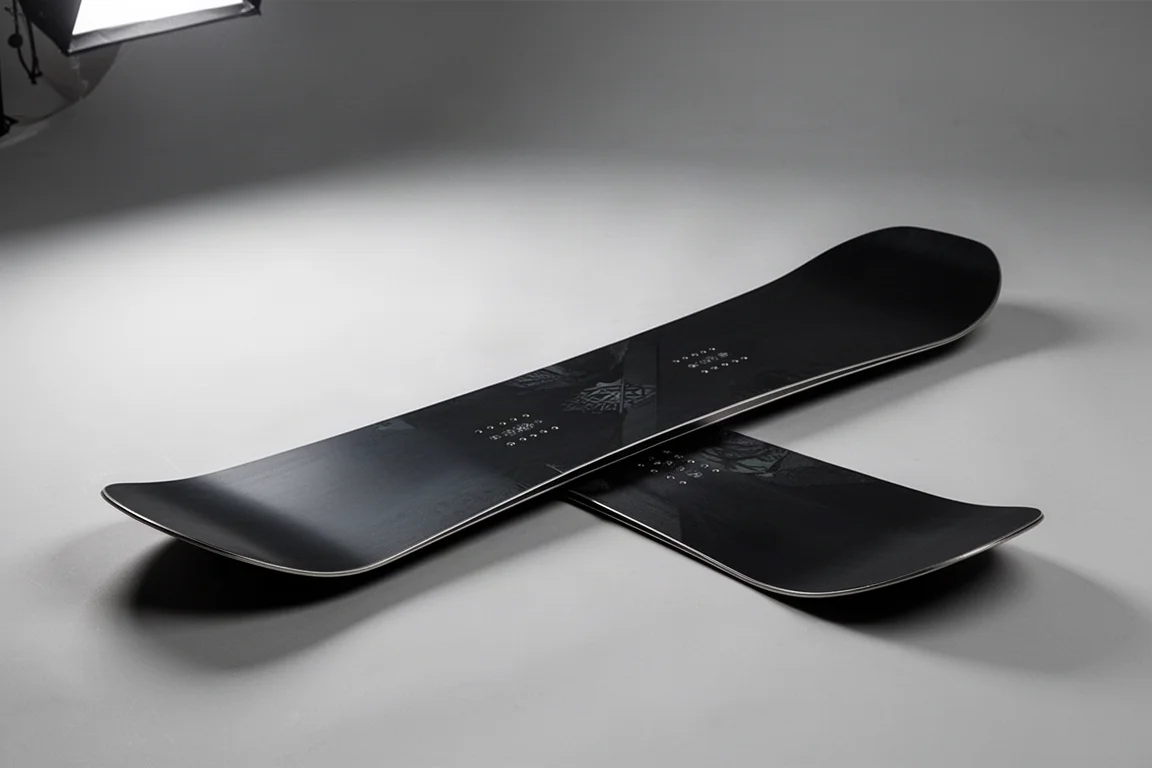
The Nidecker Thruster, around four years old and still in the current lineup, was rediscovered during an exceptionally icy January when the softer boards were not inspiring confidence. It is directional with a true twin sidecut, so it rides identically switch, and the flex is playful: easy to press, yet responsive and poppy enough everywhere else. The one gripe is width: even in the 162 wide, the 266 mm waist causes booting out when trying to carve hard. For most riders without big feet, though, that would not be an issue at all.
View more details for Nidecker Thruster
Nidecker Supermatic LT Bindings
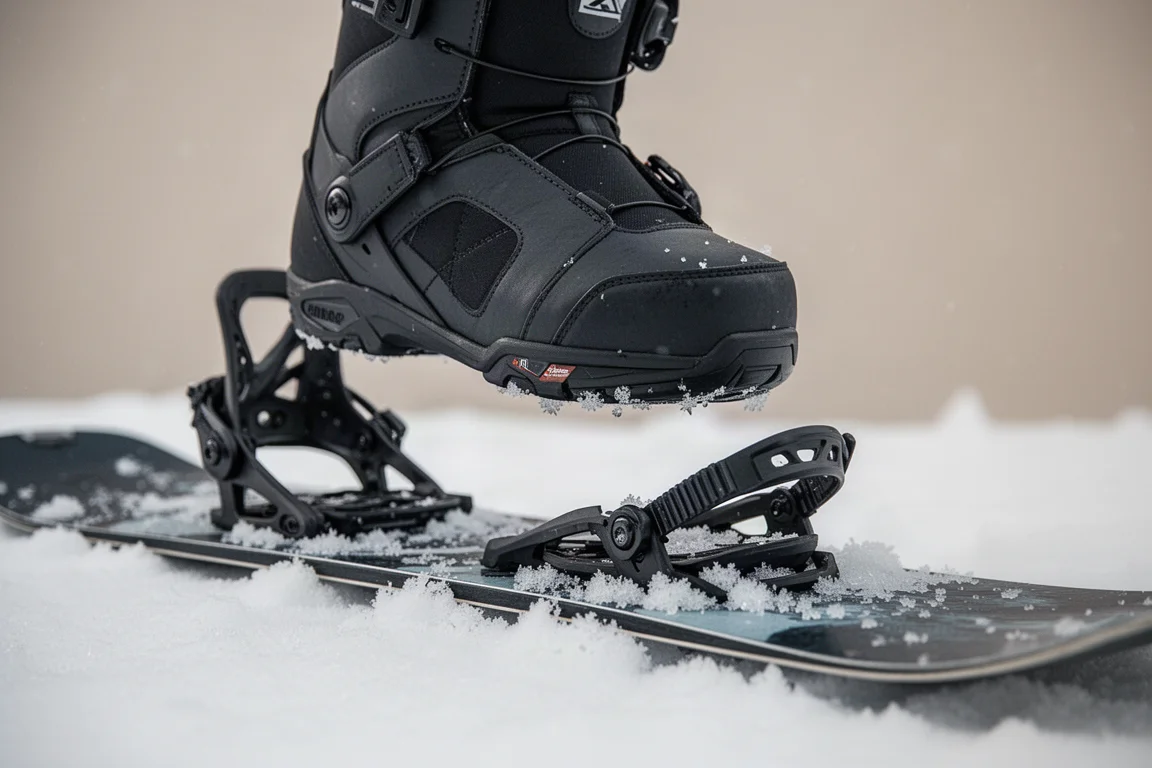
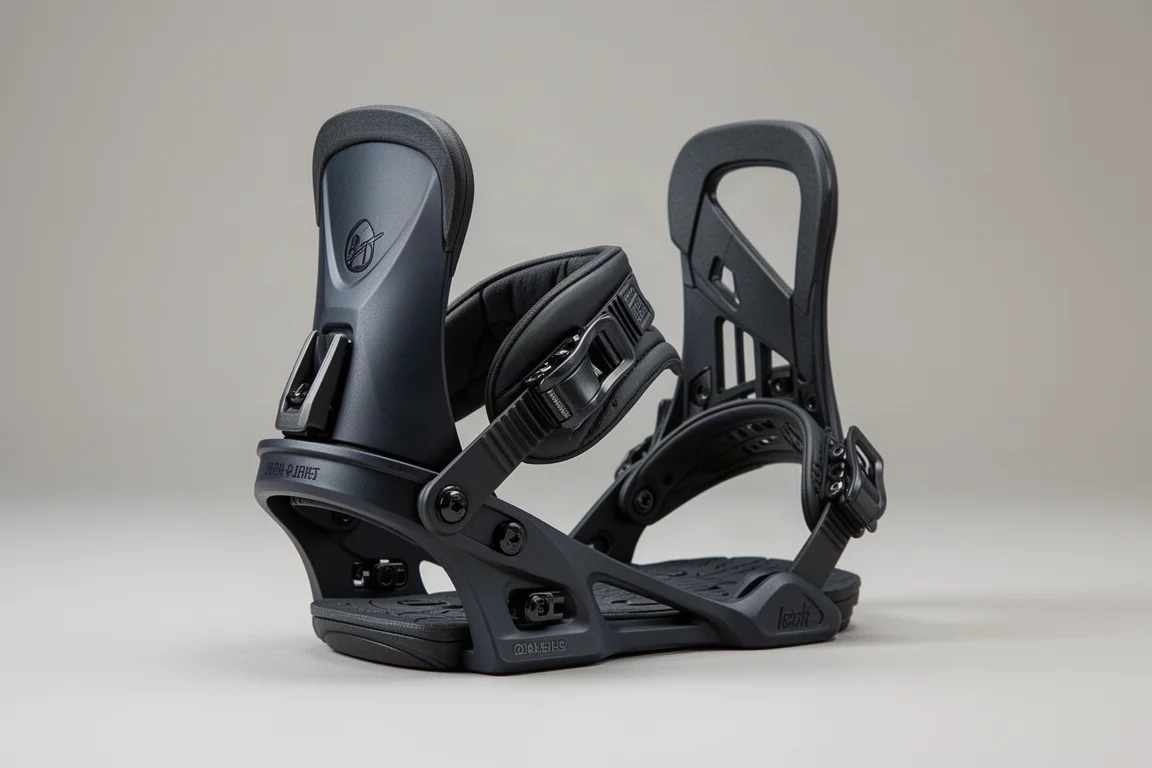
The Supermatic LT step-in bindings have been in use for years, including through testing and feedback on the development side, and around 20 days in on this next-season pair show the usual incremental gains: a more rounded baseplate that lets the board flex more naturally, addressing the common criticism that step-ins create a dead spot underfoot.
For a working instructor, click-in-and-go is a genuine quality-of-life feature, and there is no performance reason to swap them out for personal riding. They perform well on groomers, ice, and powder alike, mounted at the usual +15/-12. The two boards in the main rotation simply trade these bindings back and forth week by week between waxes.
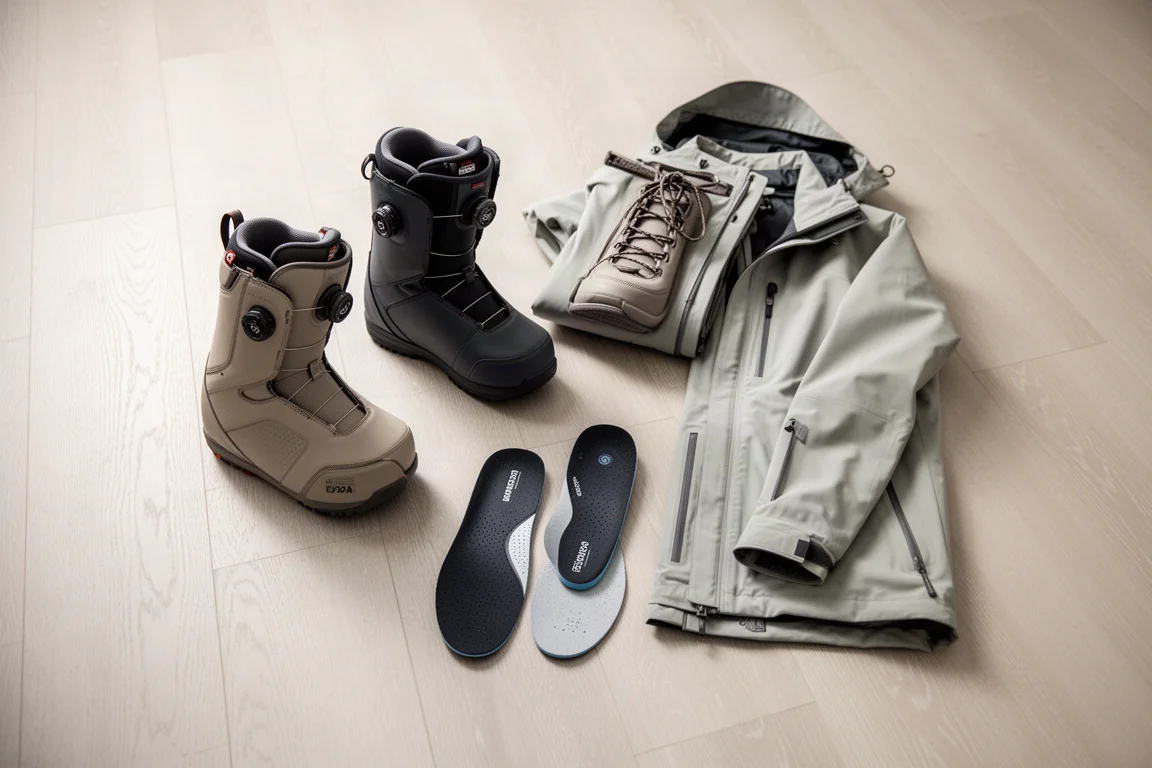
Outerwear: Yuki Threads Slack Country Kit
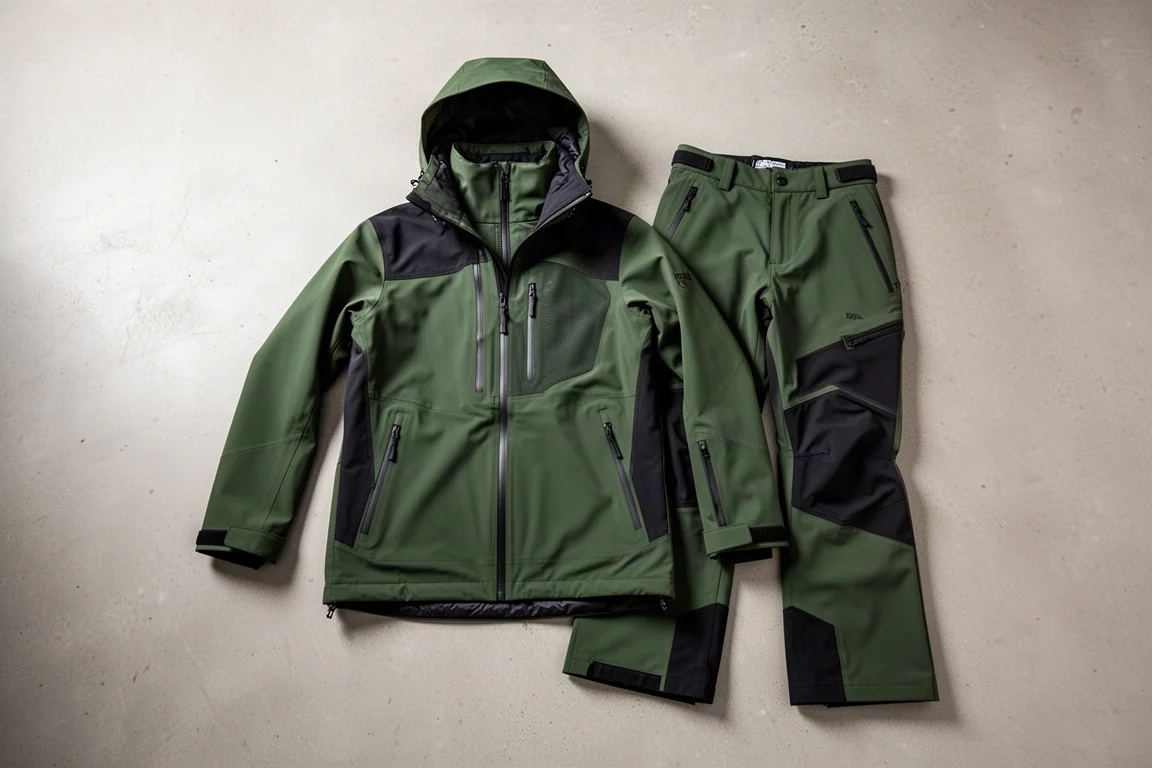
The Slack Country kit from Yuki Threads, a shell jacket and matching pants, is the brand’s most storm-proof offering yet, from a snowboarder-owned company the rider has worn for about five years. It has fully critically taped seams, held up completely dry through torrential rain days, and carries plenty of pockets, all while keeping a stylish, non-technical look on the mountain.
The brand also prioritizes environmentally friendly and ethical production in ways many competitors cut corners on. Sizing runs XL in both jacket and pants for a 186 cm rider who prefers a baggy fit, and with well over 100 days on the mountain per season, it has proven more than sufficient.
Boots: Nidecker Kita Hybrid and Nidecker Rifts
The Nidecker Kita Hybrid has been the boot of choice for about five years, bought in the same size every year because it works. The hybrid closure pairs a BOA dial around the heel for a solid heel lock with standard lacing up top. It is nominally a stiff boot, but at around 90 kg it breaks in over a week or two into what feels like a perfect medium flex: enough response to carve, comfortable enough to teach in all day.
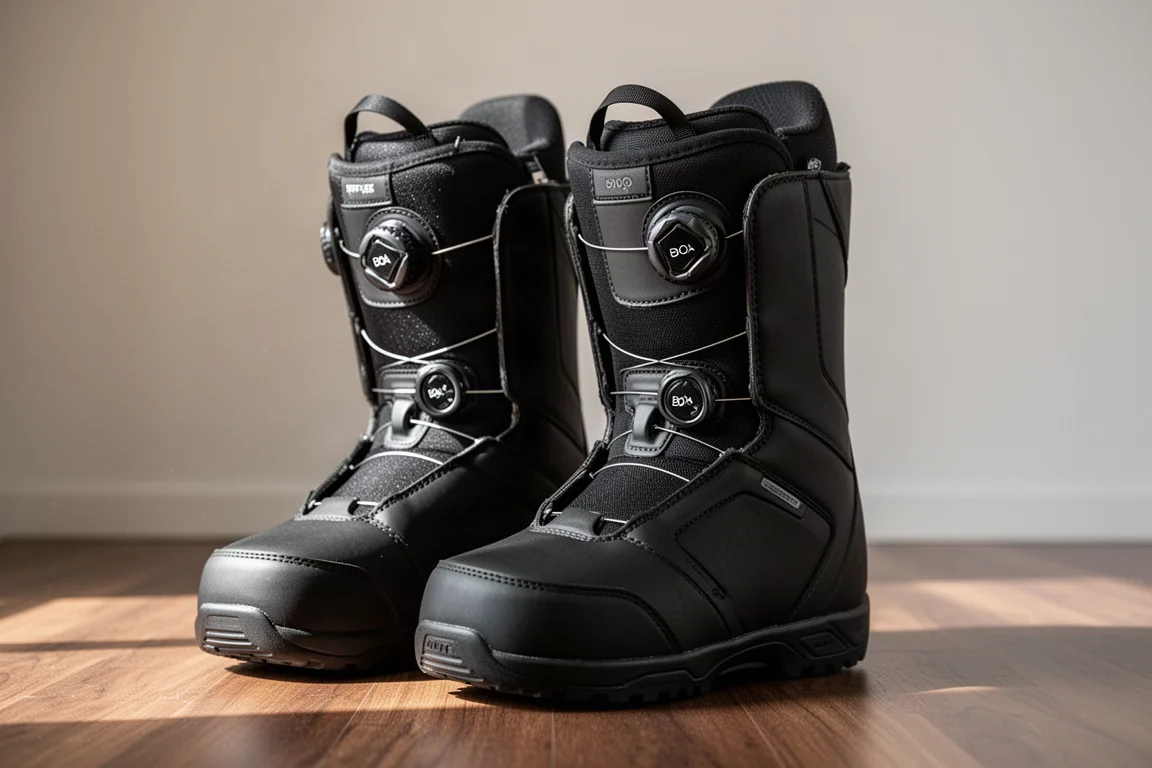
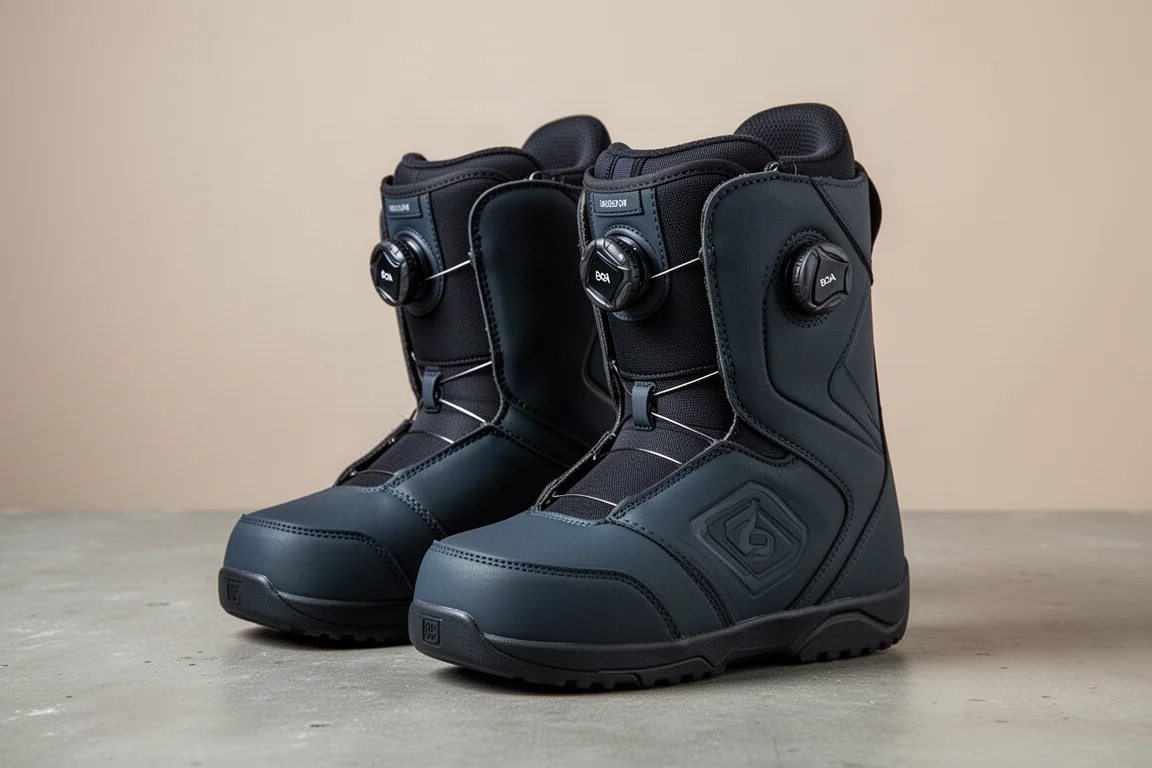
The Nidecker Rifts are a softer-flexing, freestyle-oriented sibling with full BOA, which is quicker to do up than laces. The softer flex gives more tweakability and forgiveness on boxes and rails, keeping the board flatter and not punishing imperfect positioning. They share the same comfortable fit as the Kita, and are likely to get more park use in summer.
Remind Medic Insoles
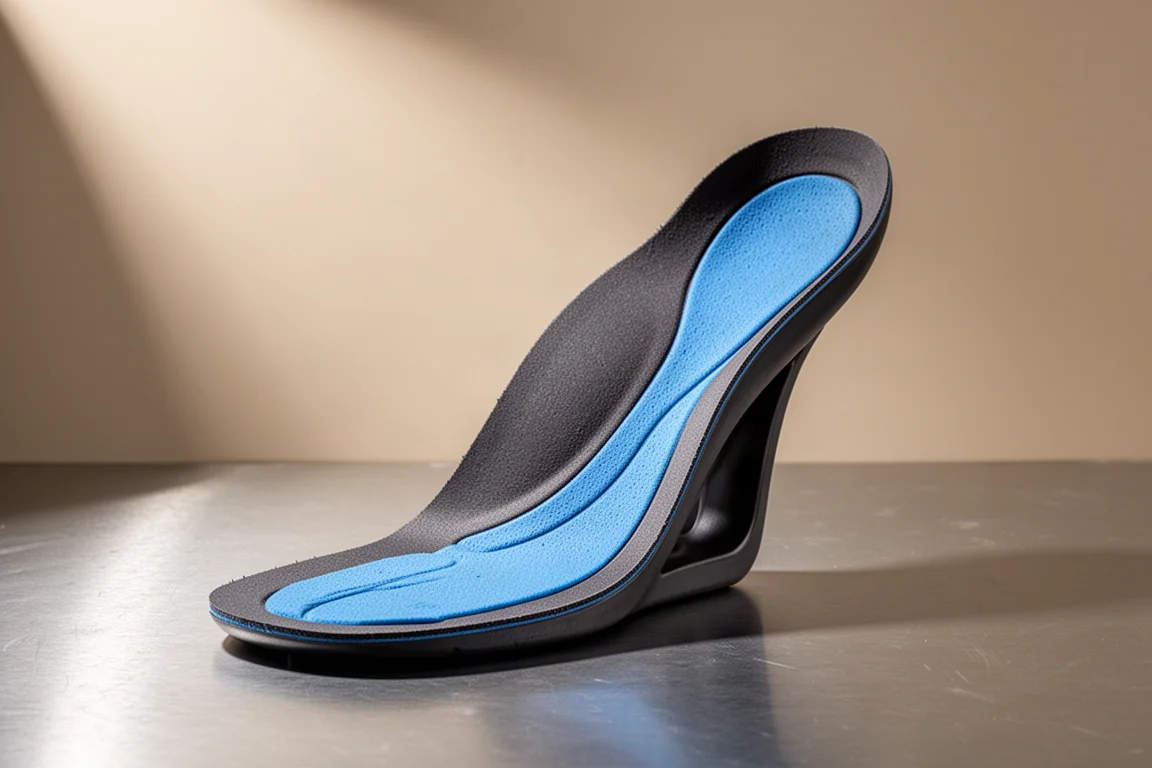
Stock insoles are thin, and once boots pack out after a couple of weeks, the fit goes roomy, which is the last thing you want. The Remind Medic insoles, about 5 mm thick with added arch support, solve that: swapping them in restores a snug, responsive fit, with the cushioning and arch support as a bonus rather than the goal.
The real lesson applies to any boot purchase: buy them feeling tight, expect them to open up, and keep an insole like this on hand to bring the fit back.
Buying Advice
The through-line here is simple: fit beats hype. Binding angles like +15/-12 are a personal comfort choice, not a fix; no angle change has ever transformed a rider’s ability. If you have larger feet, prioritize waist width above camber profiles and marketing features, because the handful of genuinely wide production boards is tiny. If you do not need the width, count yourself lucky, because nearly the whole catalog is open to you. Try boots in person, buy them snug, and do not chase a gear shortcut when the real gains come from riding.
Conclusion
This setup works because every piece was chosen for a real, repeated use case: wide true twins for daily teaching and hard riding, directional specialists for powder and carving, quick-entry bindings that cost nothing in performance, boots that fit, and outerwear that survives 100-plus days a season. Match your gear to your actual riding and your actual feet, and the rest falls into place.
Further reading
Related Reviews

Snowboarding
2025 Snowboard Gear List: Five Picks That Earned Their Place on the Mountain
From Zeiss-lens goggles to a hybrid step-in binding, here are five pieces of 2025 snowboard gear that held up across a full season of riding.

Snowboarding
2026 Snowboard Gear List: Boards, Bindings, Boots and Outerwear Worth a Look
A season-ready snowboard setup built from the bottom up: base layers, Strafe outerwear, Ride and Union boots, Union bindings, and two new Capita boards.

Snowboarding
32 Cold World Review: A Playful Hybrid Camber Board for Park Laps
The 32 Cold World blends classic camber underfoot with flat nose and tail sections for a predictable, butter-friendly ride aimed at intermediate park riders.