Snowboarding
Snowboard Gear 2026-2027: Full Season Verdicts on 17 Pieces of Kit
After a full season of riding, hiking, and Japan powder laps, here is how base layers, boots, bindings, and boards actually held up.
Introduction
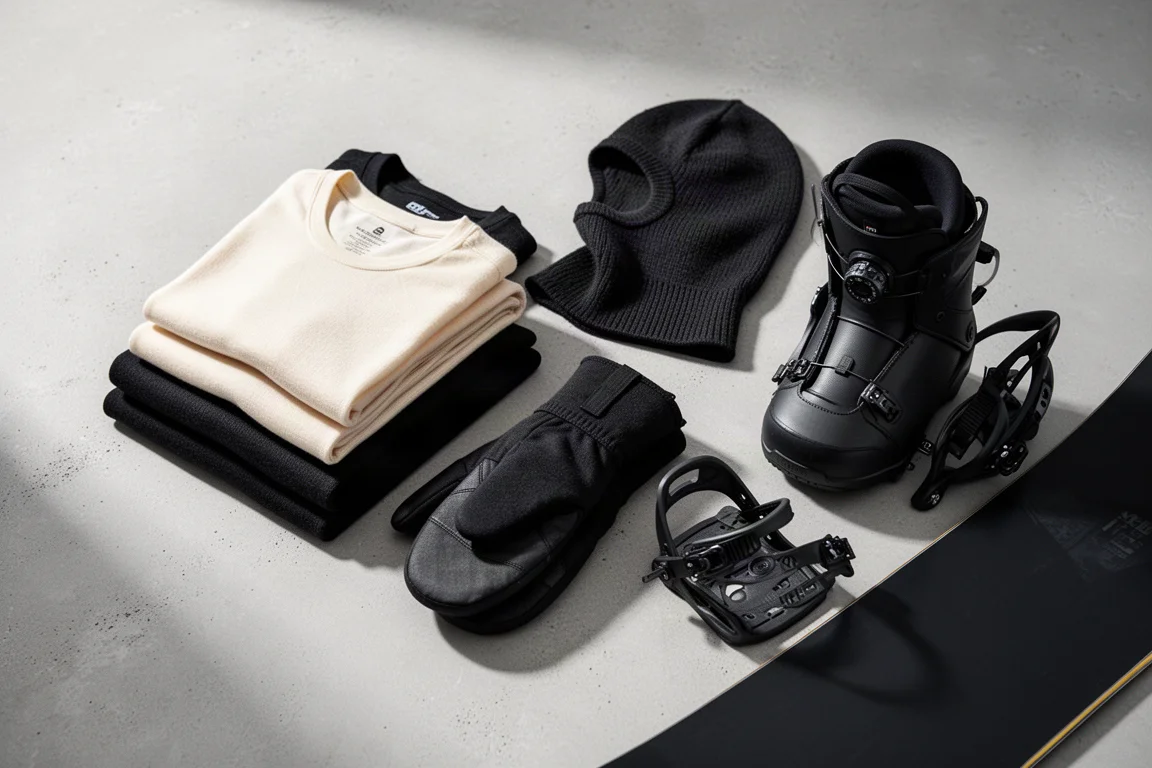
Every season produces a pile of gear that either earns a permanent spot in the kit or quietly gets demoted. This roundup covers 17 pieces that were ridden hard through a full season: merino layers, outerwear, gloves, goggles, a pack, a helmet, boots, bindings, and three snowboards. Some pieces exceeded expectations, one big-name goggle disappointed badly, and a few premium picks turned out to be nice-to-haves rather than must-haves. If you are shopping for the 2026-2027 season, note that last year’s gear can often be found at a discount right now.
Base Layers That Touch the Skin
Mons Royale Cascade Merino Base Layer
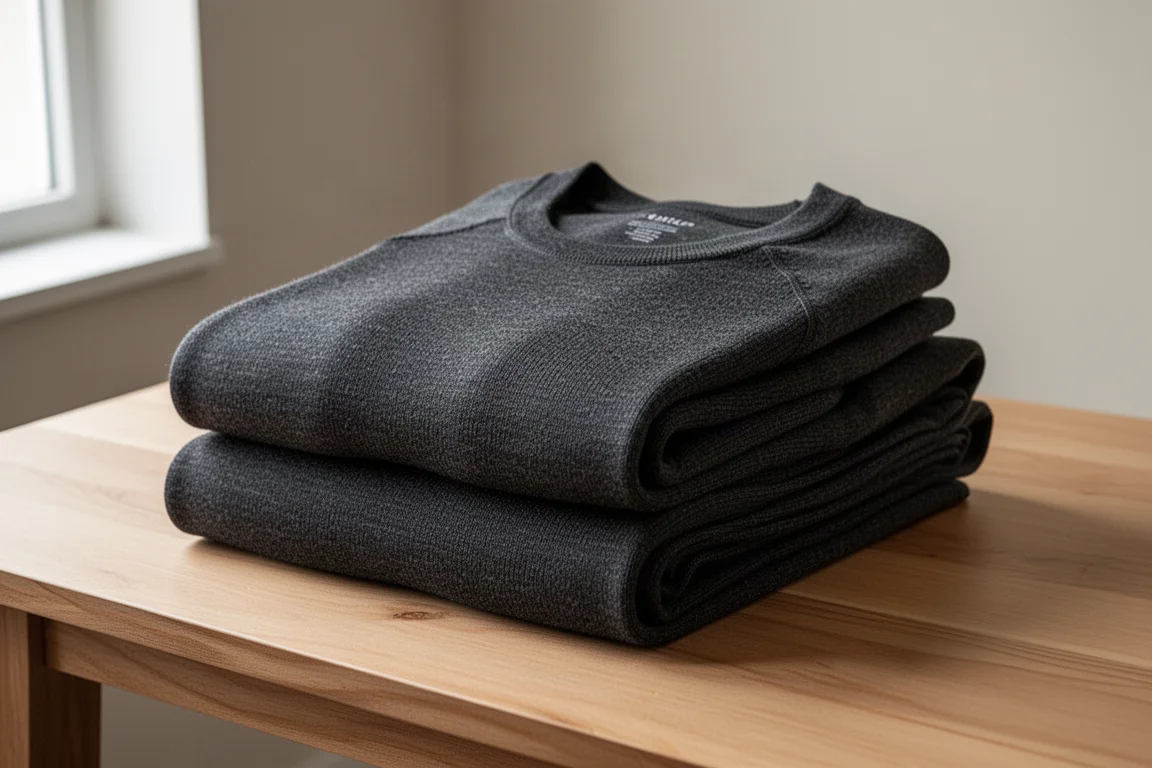
Merino remains the go-to for anything worn against the skin: it wicks moisture, resists odor naturally, and crucially keeps you warm even when saturated with sweat on a hike. The Cascade is beautifully made with wool sourced from New Zealand and Australia, but at around $120 for the pants and $130 for the shirt, it is expensive. Honestly, no dramatic functional benefit showed up over budget merino base layers, and cheaper options have lasted multiple seasons too. Pay the premium for ethical sourcing if that matters to you; otherwise, a budget merino set performs just as well.
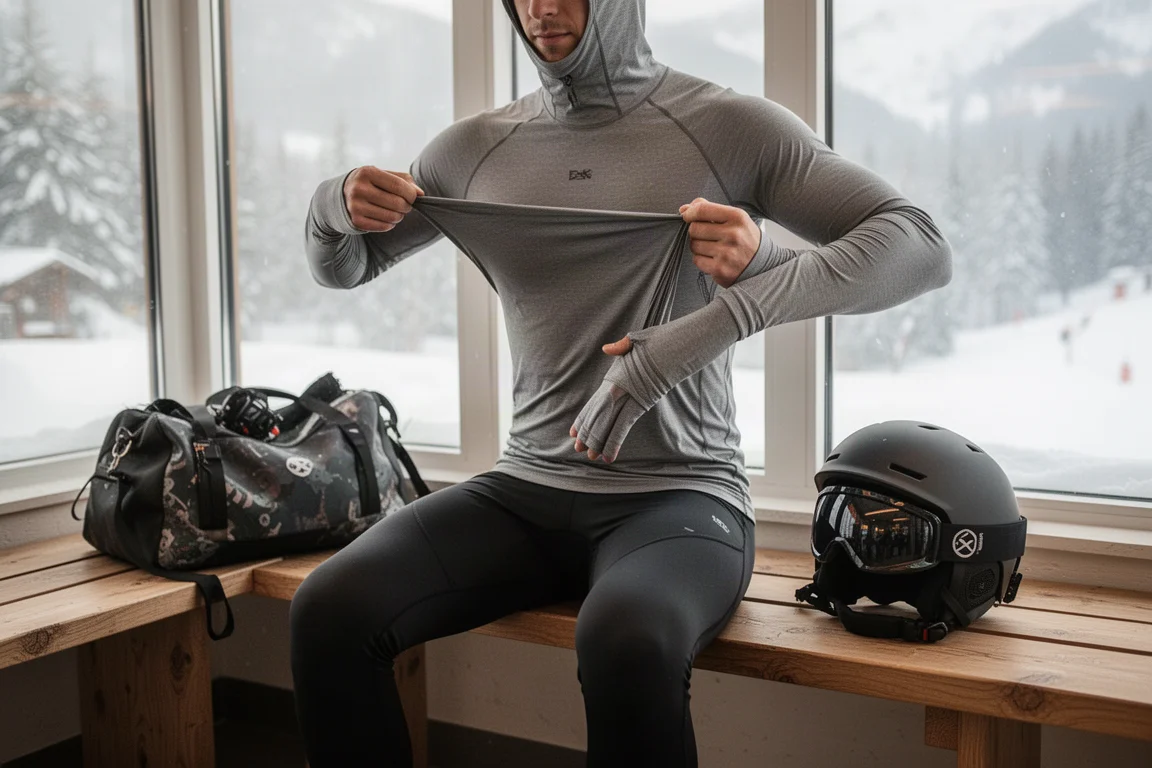
Airblaster Merino Ninja Suit
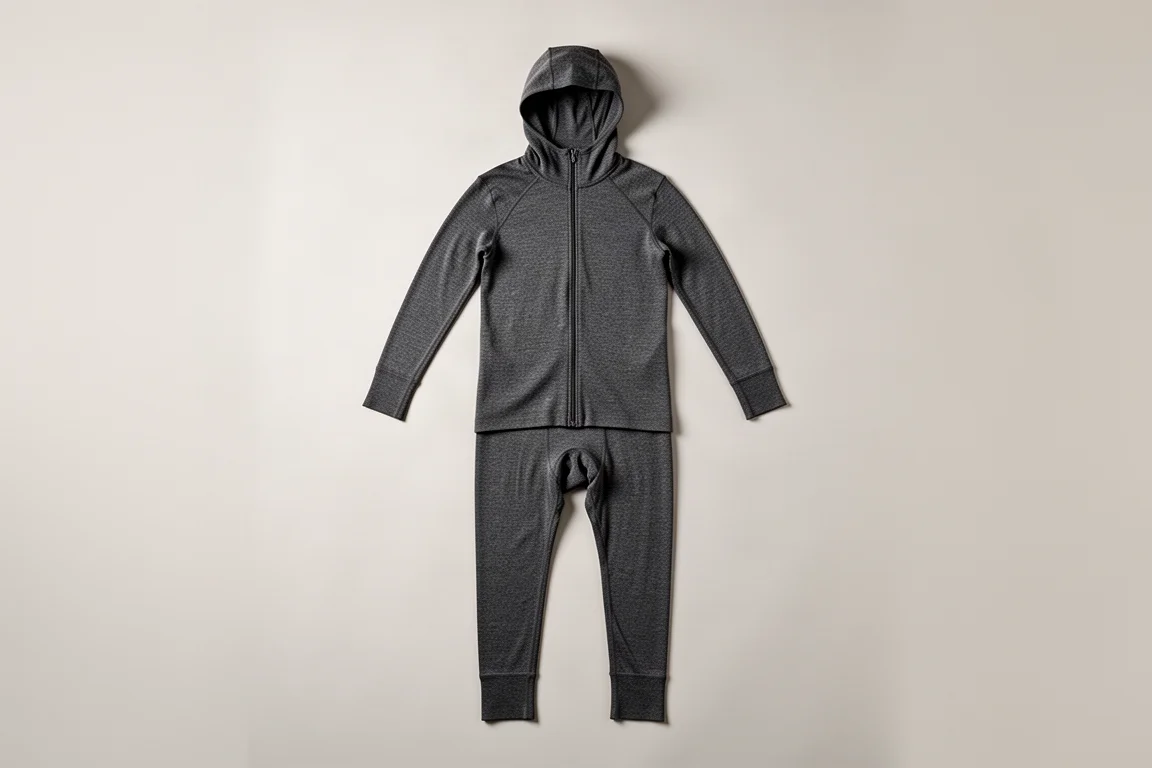
At around $250, this one-piece merino suit is one of the warmest base layer setups money can buy, and the design details are genuinely well thought out. It is a luxury comfort piece rather than a necessity: it saw roughly six or seven uses last season, reserved for the coldest days around 10 to 15 degrees Fahrenheit or colder. You can replicate most of the warmth by layering a lofted mid-layer or an acrylic layer over a regular merino base. As a gift for a cold-weather rider, though, it is hard to beat.
Descente IQ Merino Compression Sock
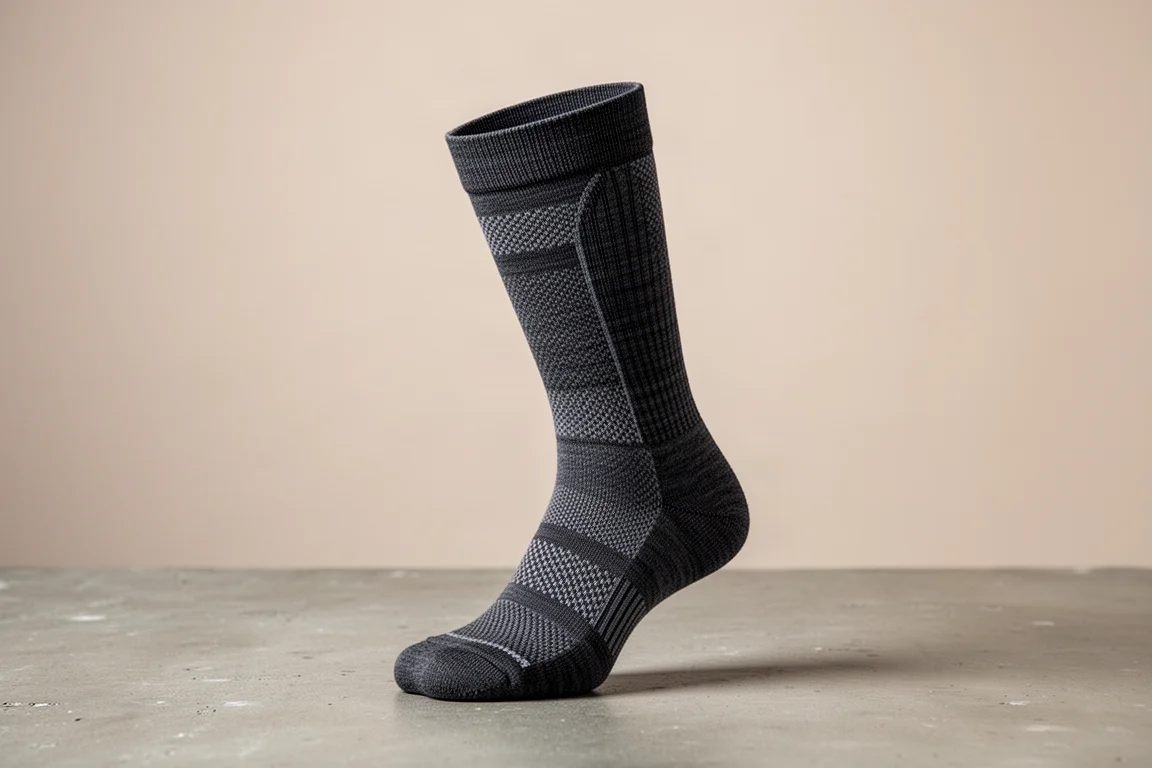
At about $40 for a single pair, this merino blend sock is pricey, but it is the best snowboard sock tested to date. The key difference is meaningful compression, which supports circulation and in turn warmth, something a regular snowboard sock does not deliver. It also doubled as a compression sock on long flights, held up with no real wear across two heavily used pairs, and can be found for as little as $15 during sales if you watch the off-season deals.
Mid Layers, Face Protection, and the Everyday Hoodie
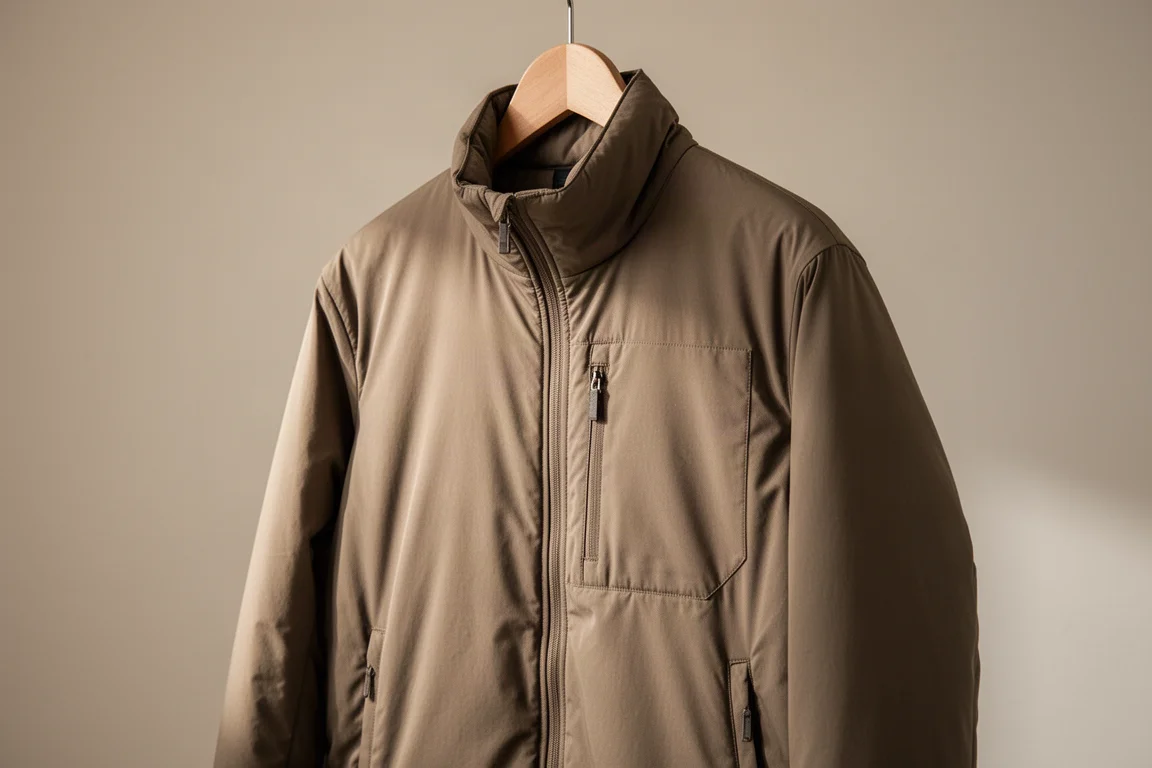
Melanzana Kishi Mid-Layer
This 60g mid-layer jacket has been worn for two years and is one of the most versatile pieces in the closet. It layers under a shell on cold days, carries a DWR coating so it works around town, and has proven durable. At roughly $100 with code archive 10 (only a few sizes remain), it is a much smarter buy than spending $250 to $300 on a mid-layer.
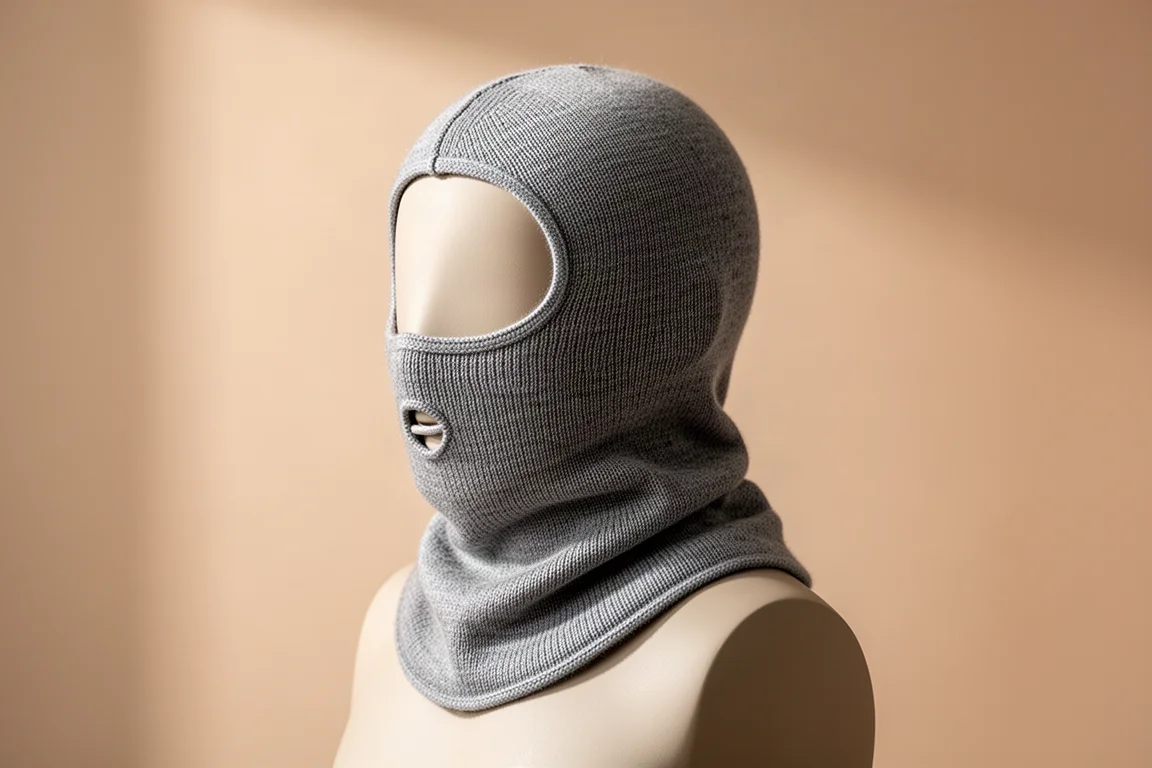
Airhole Merino Balaclava
This was worn more than anything else in the kit, to the point of sun-bleaching. The laser-cut air hole replaces the grommet design many riders dislike, and it worked flawlessly: tucked up under the mask even on the coldest days without fogging. One minor note is a rubber backing behind the laser-cut holes that merino would arguably make more comfortable, but overall this is an easy recommendation.
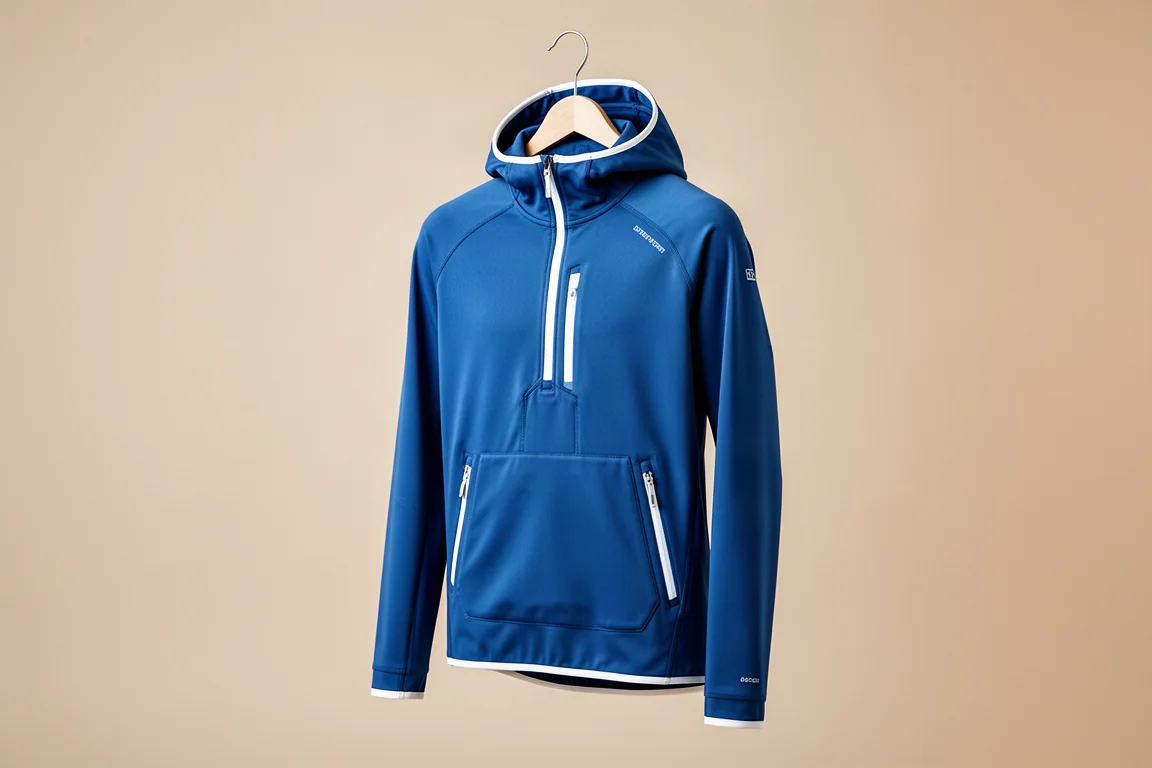
Board Archive 10K Waterproof Riding Hoodie
Now in its second generation of development, this is a proper snowboard-specific hoodie: 10K waterproofing, good DWR, pit vents, zipper pockets, a waist cinch, a pass pocket, a headphone pass-through, and a helmet-compatible hood. It was worn constantly except on powder days or bitterly cold days when a jacket made more sense, though it handled deeper days fine. A new 3L fabric version is coming, which means remaining blue and white colorways are discounted, likely the cheapest this hoodie has ever sold for.
Gloves and Goggles
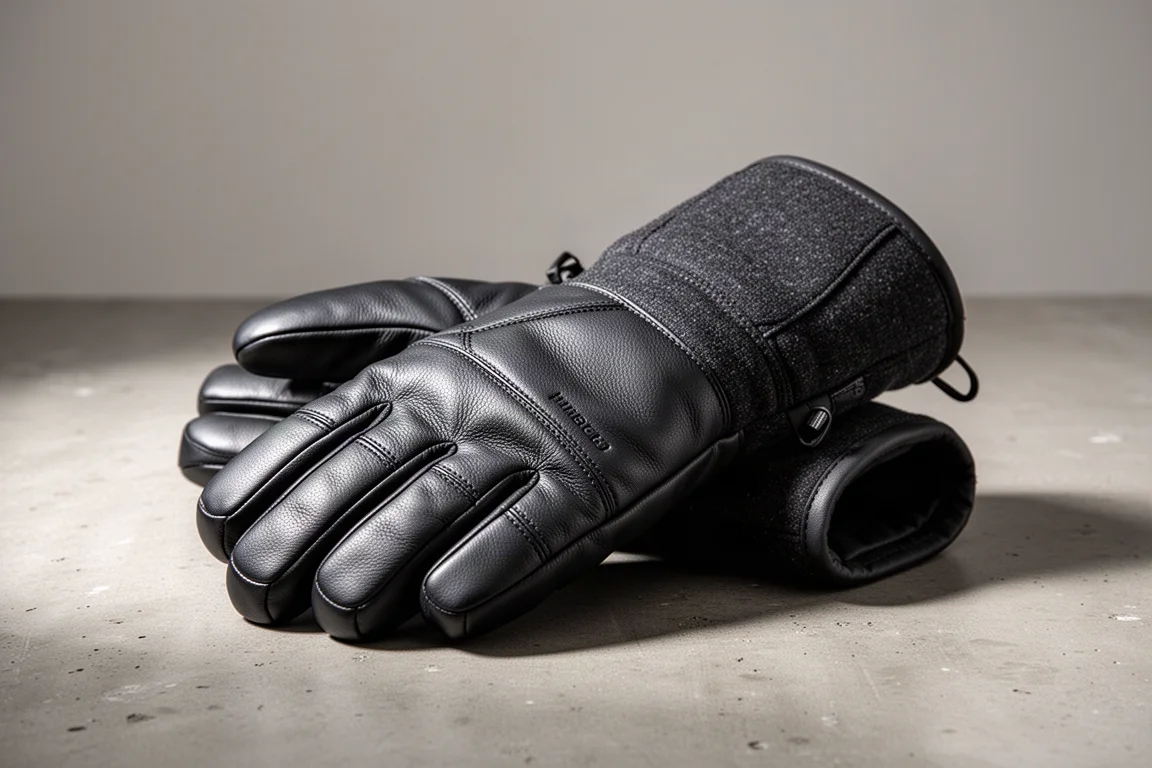
Oyuki Tamashii Mitt
These mitts were picked up on a sale below $50 and held up so well they still look nearly new after a season of use. Warmth is excellent for a season-long daily glove. The one missing feature is a goggle wipe on the thumb, which the Gen 2 version adds but at $150. At full price there are plenty of other excellent options, but on sale the Tamashii is a top-tier pick.
Oakley Line Miner Pro Goggles
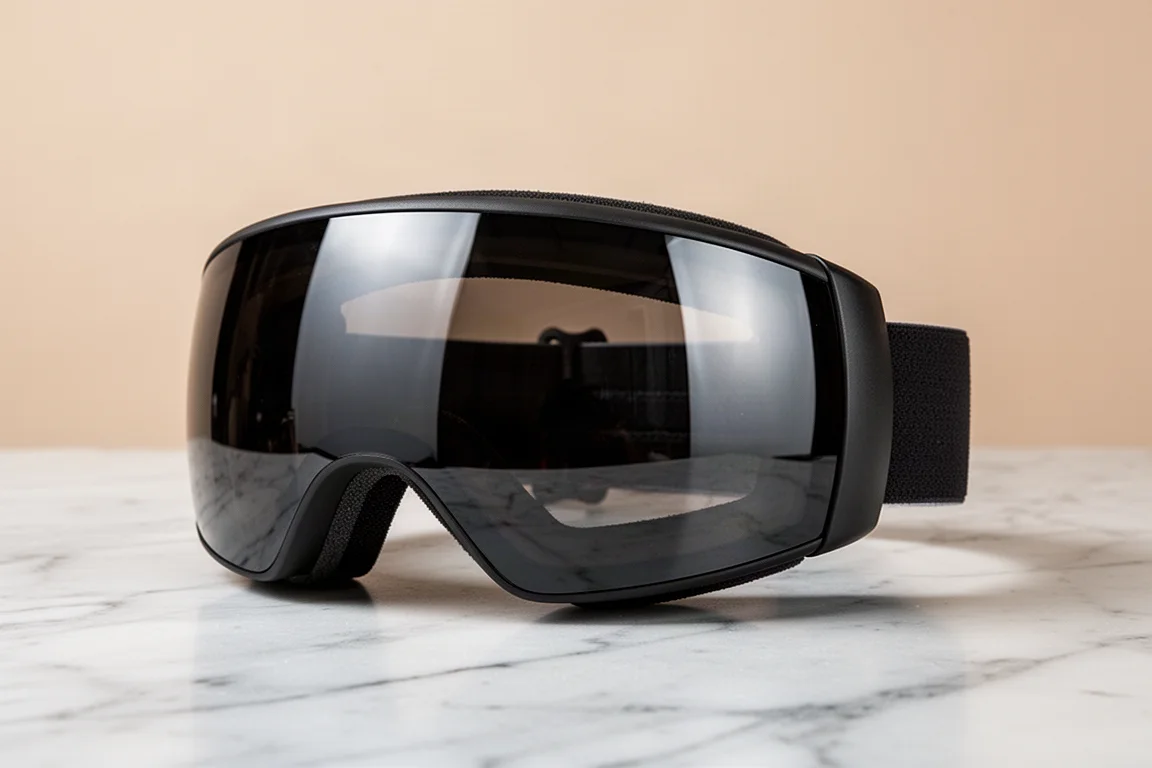
This is the disappointment of the season. The build quality is genuinely high: premium lenses, straps, foam, and a lens swap system that works well. But fogging proved to be a real problem. On sunny days they performed fine, yet in any kind of weather, even a pristine powder day, they fogged up fast. The same happened with another rider on a great day at Rusutsu: the lens fogged and froze over on the first lap. Until the issue is addressed, these cannot be recommended, and budget goggles outperformed them in bad weather.
Outerwear: Riding Hoodie and Pants
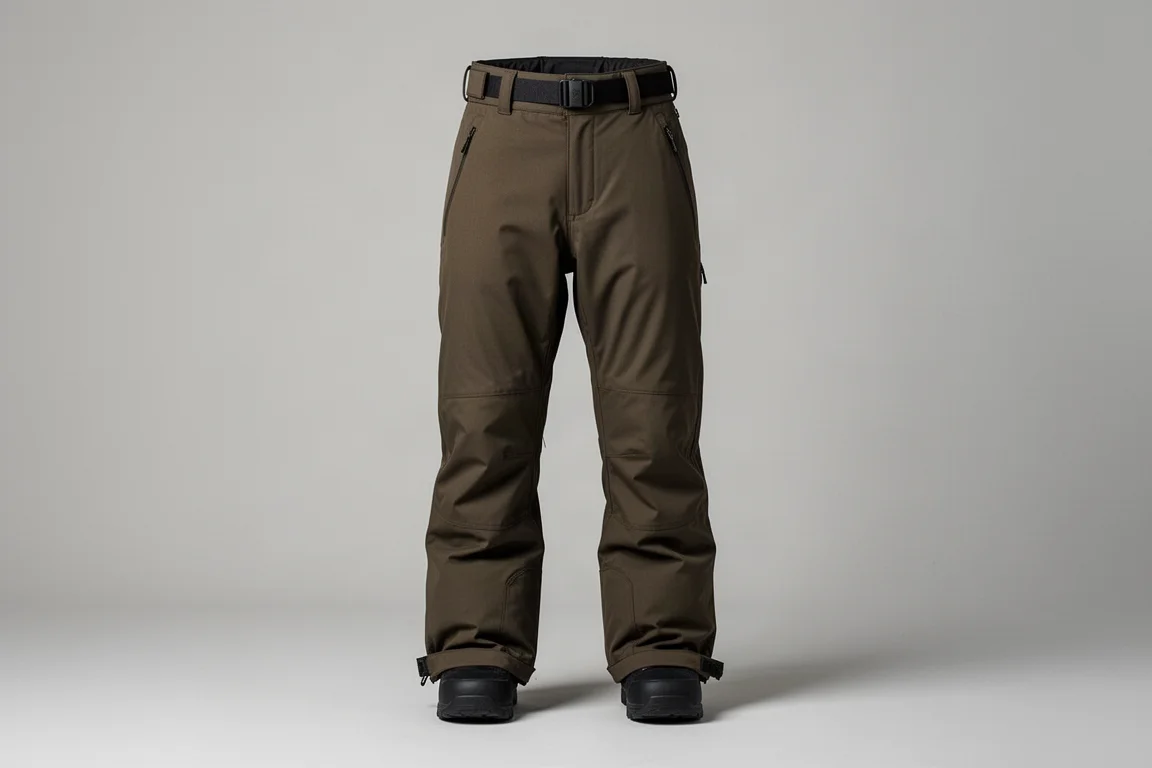
Melt Psycho Pants
Built on the fit of the brand’s bibs with a stack of updated features, these pants delivered all season. Standouts include a built-in belt and an adjustable bottom hem that switches between a tight-over-the-boot look and a traditional loose pant. Cross venting, a well-behaved membrane, and DWR that held up all round out the package, and feedback from other riders has been extremely positive. New colorways including duck camo are arriving around October 1st.
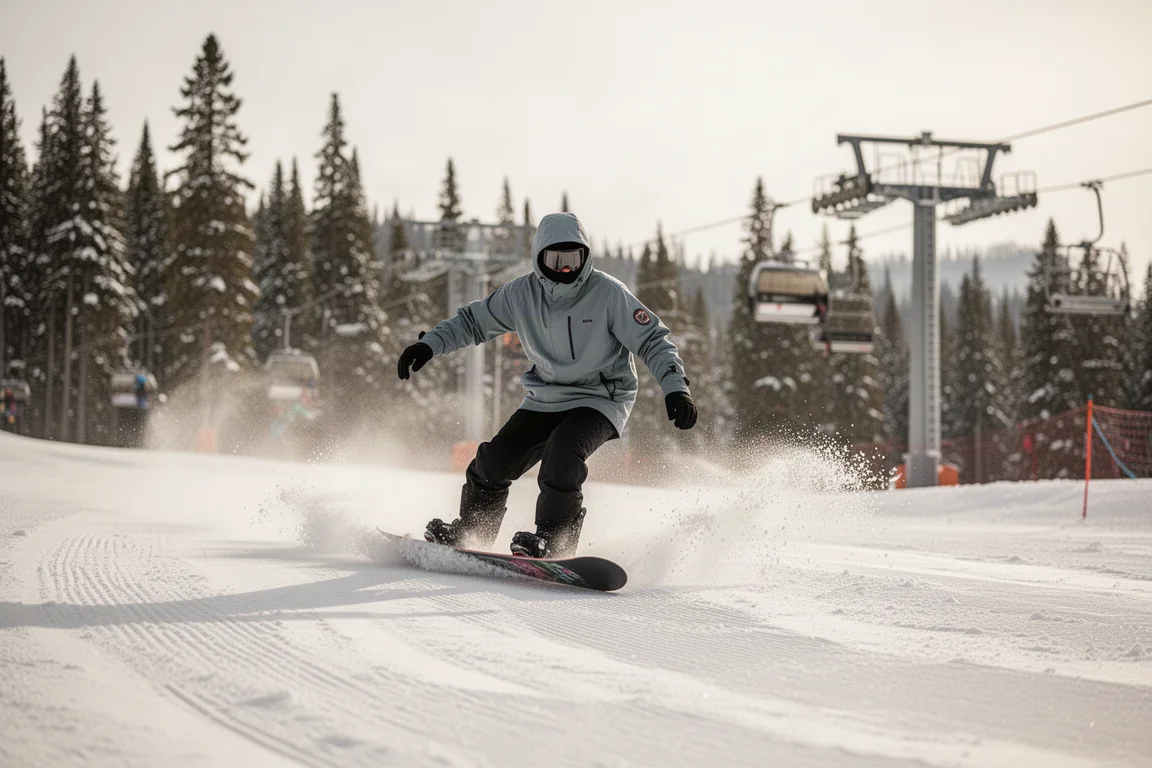
The matching flagship shell jacket in jade green shares the same fabric and DWR performance. It is a two-layer shell construction with a clean silhouette, great for layering underneath and for wearing around town, and it fits the everyday rider in just about any conditions. An extra 10% off is available with code archive 10.
Packs and Helmet
DB Equipment Snow Pro 25L Pack
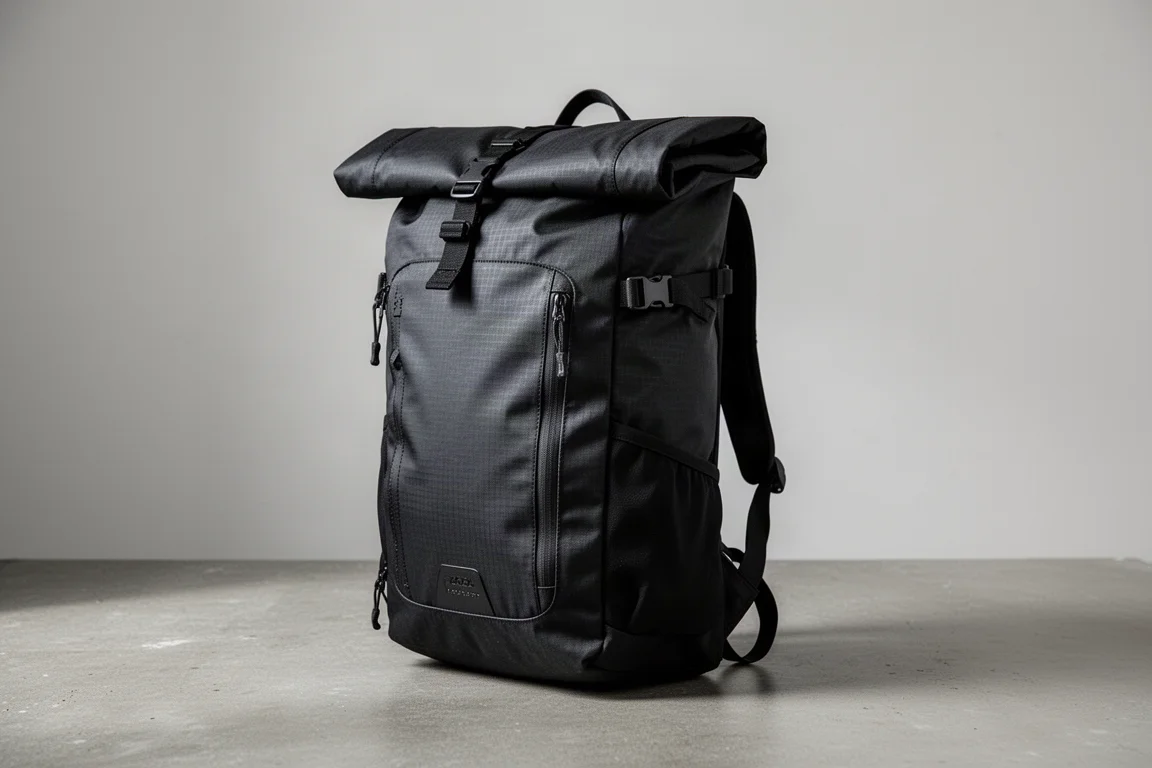
This pack worked exactly as intended all season: rugged, never leaked while sitting on snow, and great for camera gear, travel, and everyday resort use. The rear entry pocket, dedicated backcountry pocket, and roll top that swallows a helmet are all winners. The one adjustment is the lack of an exterior small goggle pocket like Dakine and Jones bags offer; small items live in a pocket inside the rear entry panel instead. Once you adapt, it is a genuinely solid bag.
Sandbox Classic 2.0 Helmet
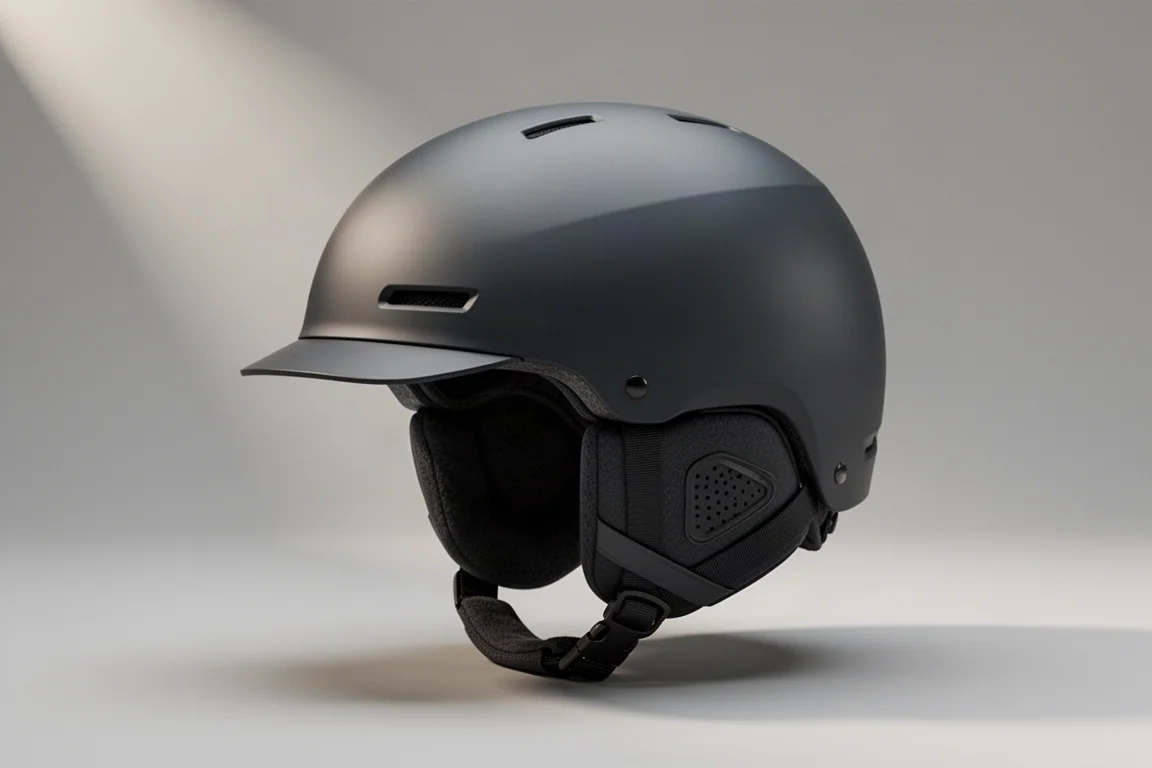
Twelve years of continued use says a lot. The Classic 2.0 is low profile, looks great, protects well, and has a rear dial for fit adjustment. The Board Archive signature Great Wave off Kanagawa graphic will not be produced again, with limited inventory remaining at a discount through the rest of the year.
Boots: Union Reset Pro After 100+ Days
Union Reset Pro Boots
After more than 100 days of riding, tons of hikes, splitboarding, and every condition imaginable, the Reset Pro held up surprisingly well given Union’s heavy claims. The sole looks nearly new and performed great on hikes, the liner shows no packing out and kept its day-one warmth and comfort, and flex did not degrade the way most boots do after 20 days. The big lesson: how they fit in the store is how they will fit, so do not downsize. Minor notes include some BOA-related scuffing on the tongue and a Pebax shell that scuffs a bit easier than expected on rocky terrain, though neither affected performance.
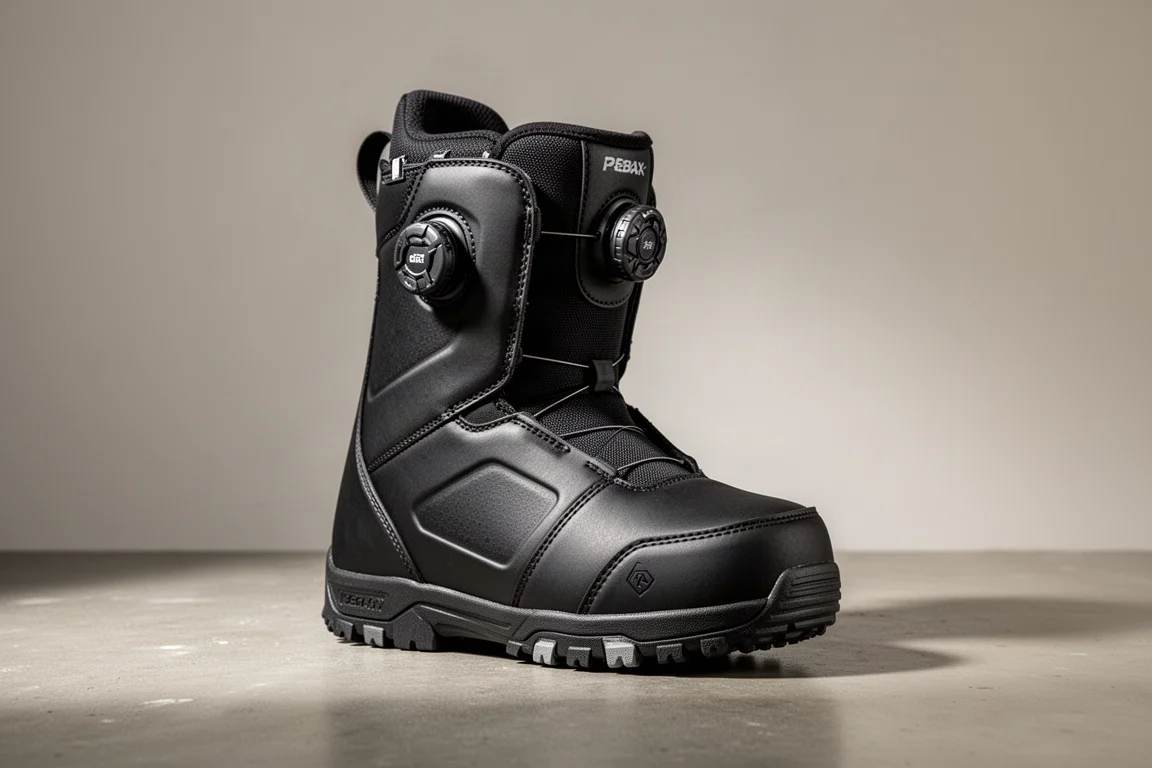
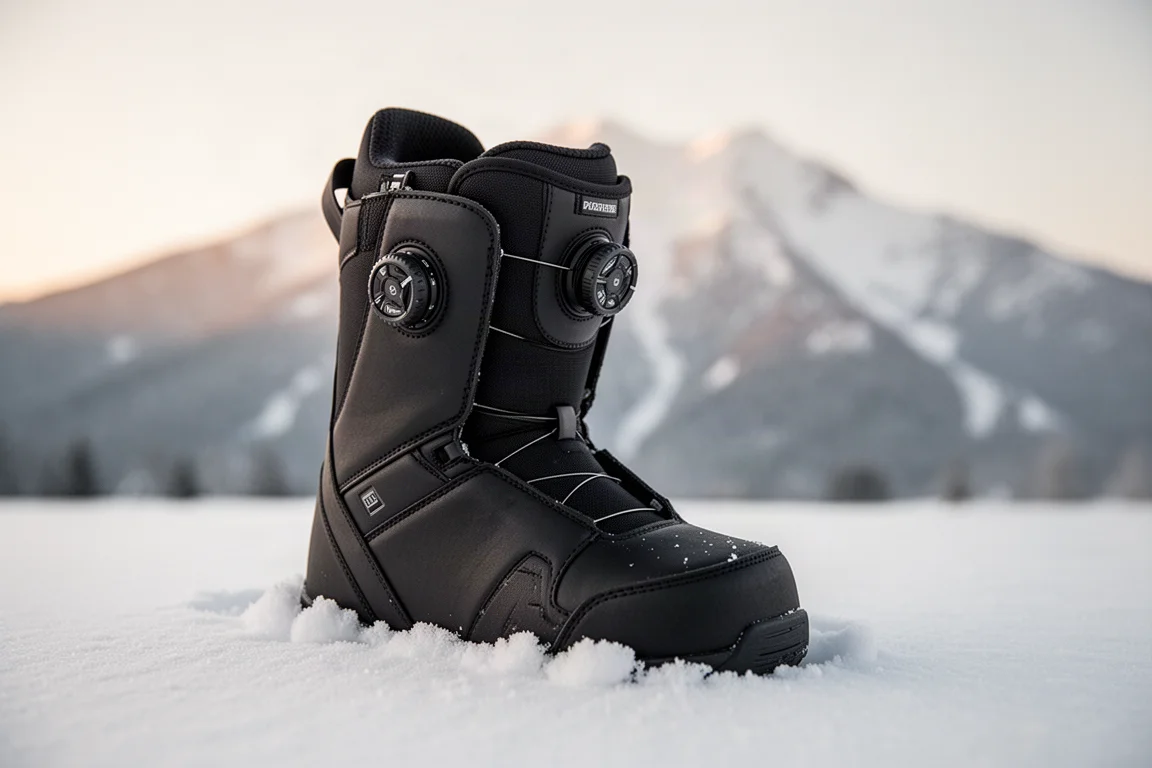
For 2027, the lineup changes: the Reset drops to $550, a standard-lace Factory boot arrives at $450, and the Reset Pro gets upgraded with more stiffness and a Vibram outsole at $650. That is a strong sign for the line going forward.
Bindings
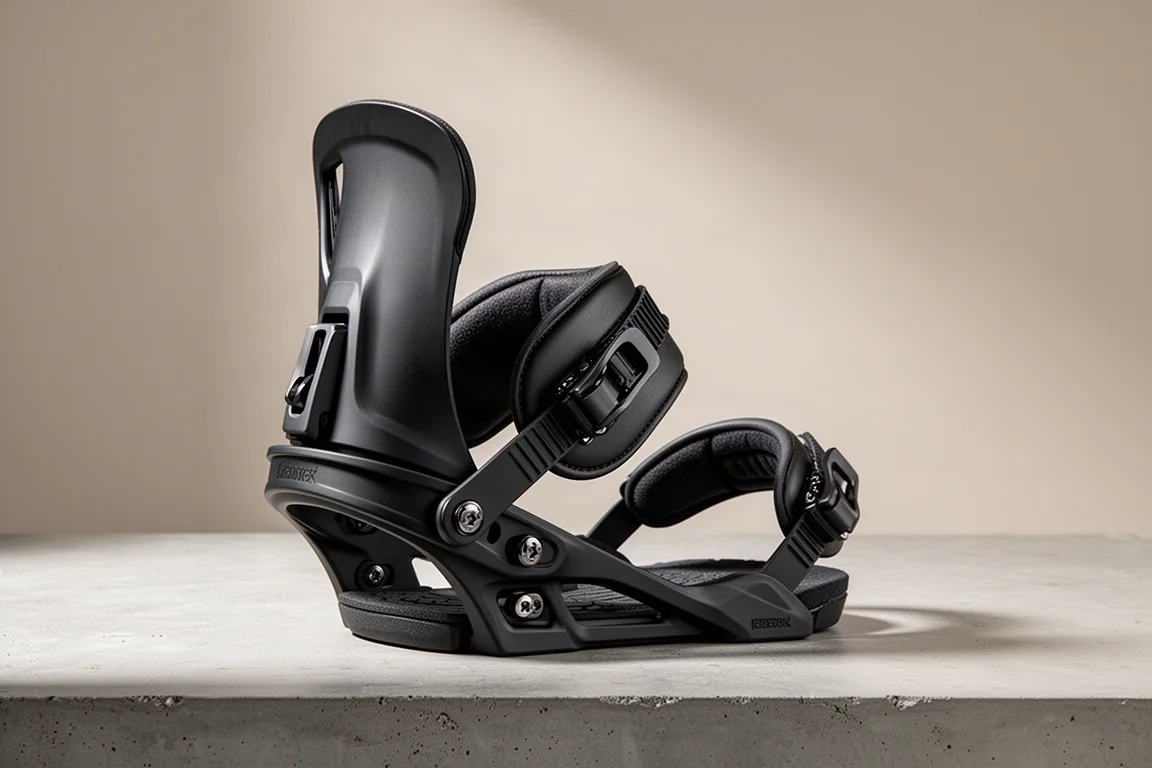
Union Ultra Bindings
Ridden for three seasons, primarily for the Ultra Cush footbed that protects the ankles, these remain some of the most comfortable bindings ever made. They are freestyle-first with a mini disc construction, plenty of flex, and no forward lean adjustment, but they hold up around the rest of the resort too. If you lean freestyle or simply want maximum comfort, these are the pick.
Union Neo Bindings
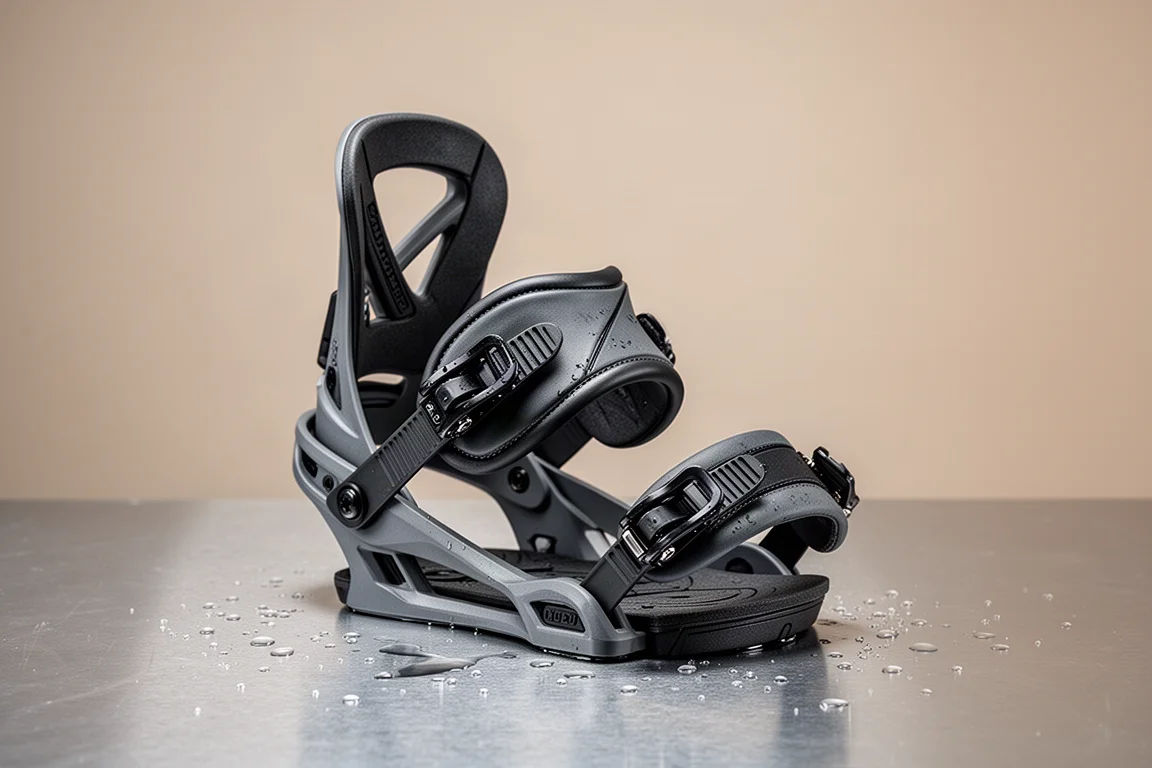
The new Neos may be the new go-to. They are very damp and comfortable like the Ultra, but add a bit more performance, a more refined feel, and forward lean adjustment for riders who want a performance-focused binding.
Snowboards: Park, Directional, and Powder
Bataleon Evil Twin Plus
This was the main fun-board of the season and remains one of the favorite park boards of all time. The lightweight construction with plenty of carbon feels energetic, the flex lets you butter, jib, and still step up to larger jump lines, and the combination of traditional camber with 3BT delivers power while staying forgiving and catch-free. Bataleon now offers a noticeably stiffer twin in the Stereo Team, but the Evil Twin Plus is still the go-to in the lineup for this style of riding.
View more details for Bataleon Evil Twin Plus
Capita Mega Mercury
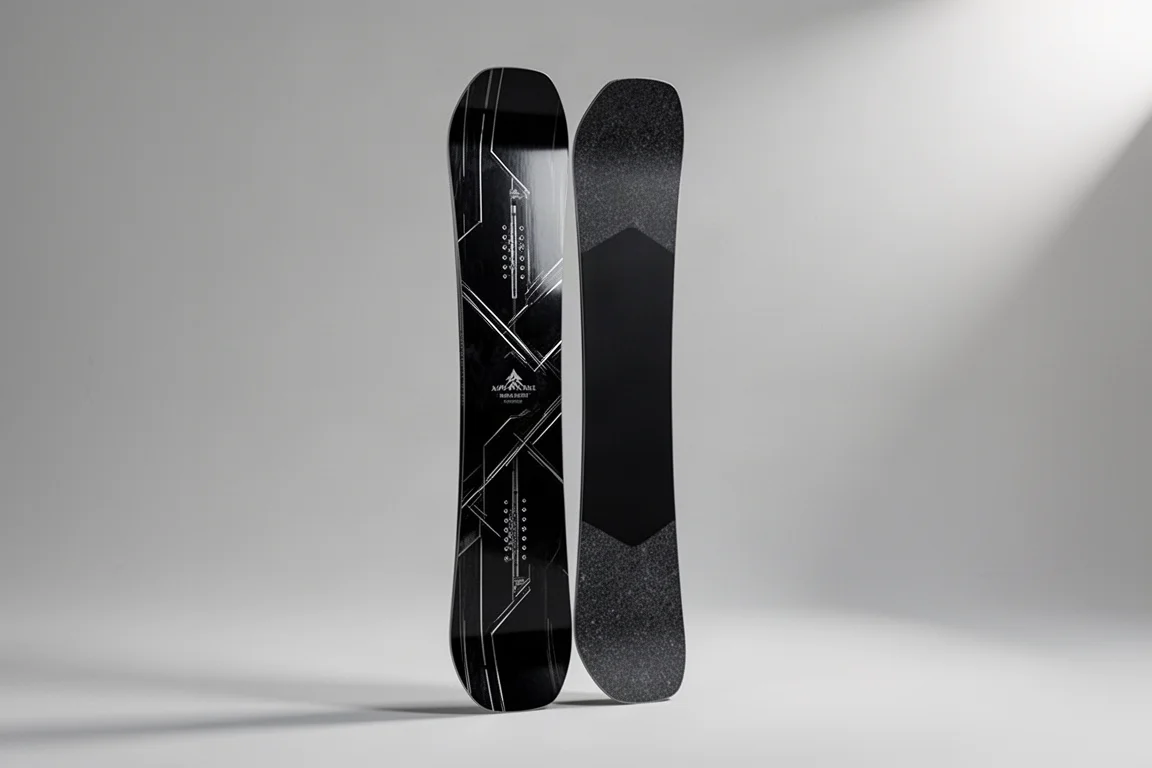
So impressive on first review that it earned significantly more seat time as the go-to directional board in Colorado. The premium construction shows: super light, a legit race base, 3D core profiling, and dialed flex that stays approachable enough for a solid high intermediate. It floats well in powder, rips around the resort, and even holds its own in the park, which is a rare combination.
Capita Matriarch
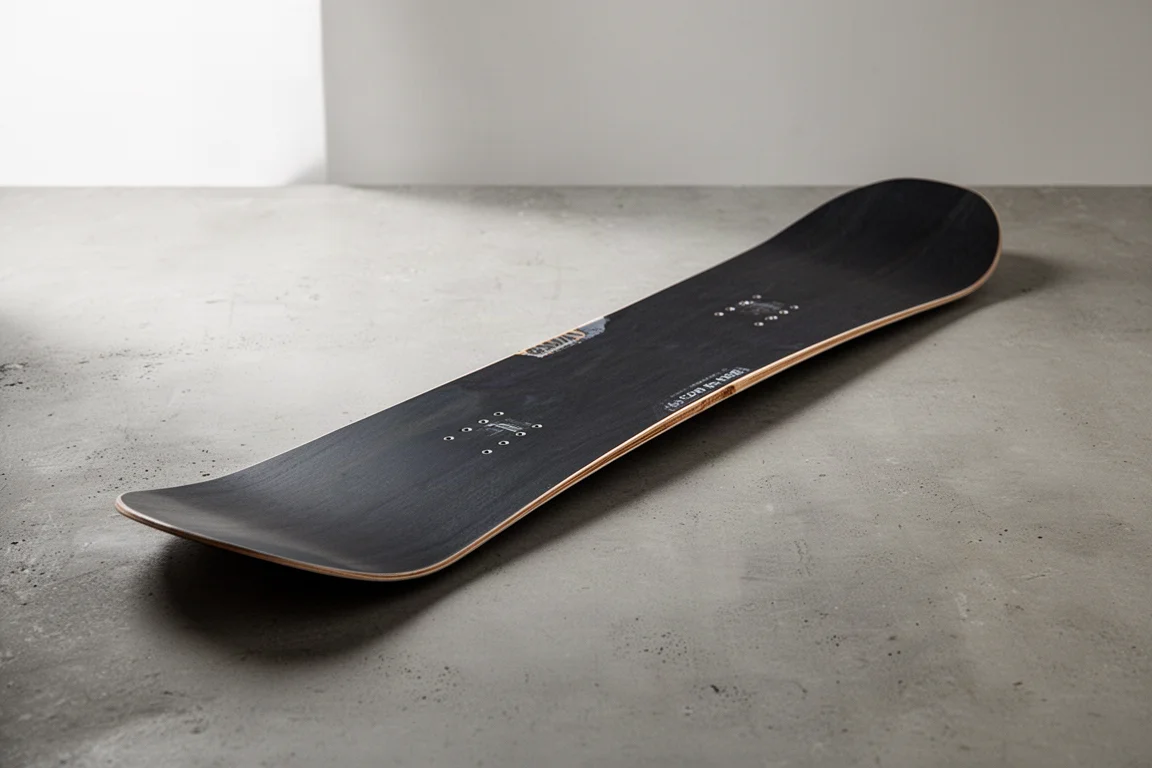
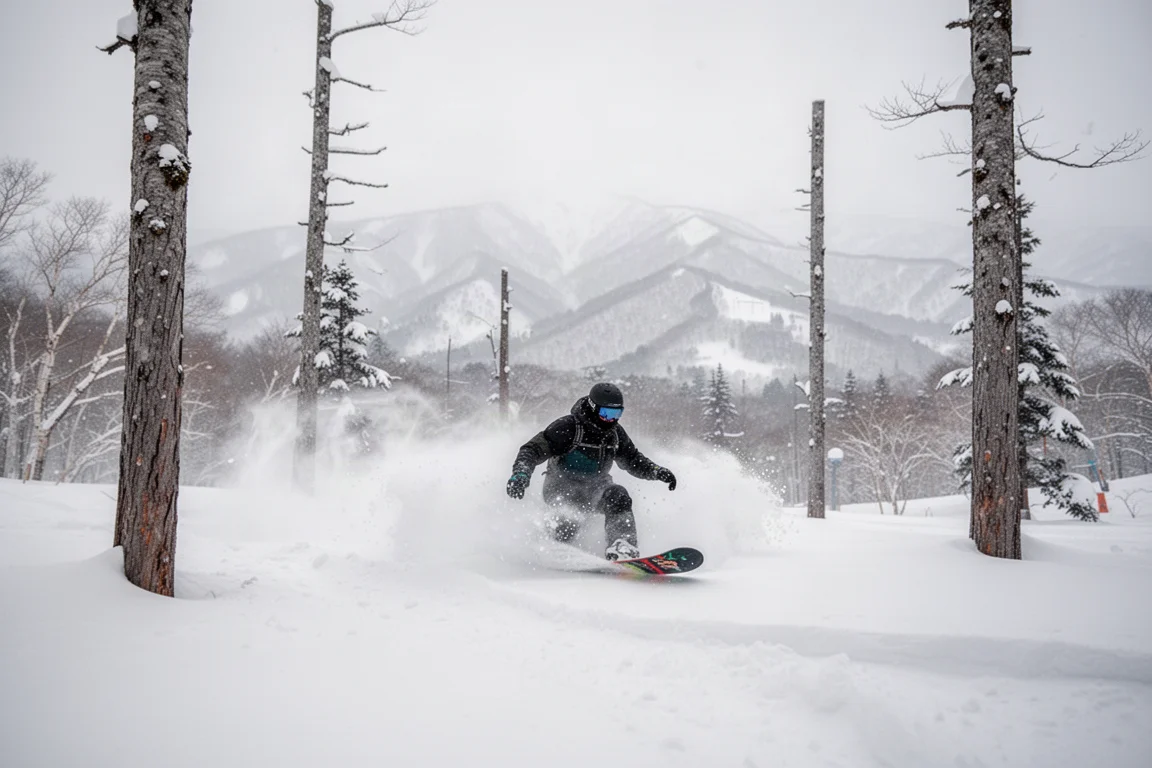
The previously unannounced project board, shaped with Torstein, turned out to be a highlight of the season. It is burly, fairly stiff, and holds a rock-solid edge, but where it truly blew expectations was in powder: around 95% of riding time in Japan happened on this board, floating superbly even at reference stance. With camber underfoot it stays stable and capable through chopped snow, trees, and variable terrain, making it a genuine all-day freeride board. A full dedicated review is on the way.
Buying Advice
The clearest takeaway is that price does not always equal performance. The Mons Royale base layer and the premium goggle both underperformed their price tags, while a $100 mid-layer and a sub-$50 mitt delivered season-long excellence. Spend where it clearly pays off: boots that do not pack out, bindings matched to your riding style, and boards matched to the terrain you actually ride. Watch for end-of-season discounts on 2026-2027 gear, and use discount codes where available to trim costs further.
Conclusion
After a full season of abuse, the standouts are clear: the Descente IQ sock, the Airhole balaclava, the Union Reset Pro’s durability, the Union Ultra and Neo bindings, the Capita Mega Mercury and Matriarch, and the Bataleon Evil Twin Plus all earned their places. The Oakley Line Miner Pro is the one to hold off on until the fogging issue is resolved. Match each piece to your real riding needs, and most of this kit will serve you for seasons to come.
Further reading
Related Reviews

Snowboarding
2025 Snowboard Gear List: Five Picks That Earned Their Place on the Mountain
From Zeiss-lens goggles to a hybrid step-in binding, here are five pieces of 2025 snowboard gear that held up across a full season of riding.

Snowboarding
2026 Snowboard Gear List: Boards, Bindings, Boots and Outerwear Worth a Look
A season-ready snowboard setup built from the bottom up: base layers, Strafe outerwear, Ride and Union boots, Union bindings, and two new Capita boards.

Snowboarding
32 Cold World Review: A Playful Hybrid Camber Board for Park Laps
The 32 Cold World blends classic camber underfoot with flat nose and tail sections for a predictable, butter-friendly ride aimed at intermediate park riders.