Snowboarding
Complete Snowboard Gear List 2026: Boards, Bindings, Boots and Outerwear Worth Running
A full season setup roundup covering a do-it-all park twin, a directional pow board, dependable bindings and boots, and outerwear and accessories that hold up all winter.
Introduction
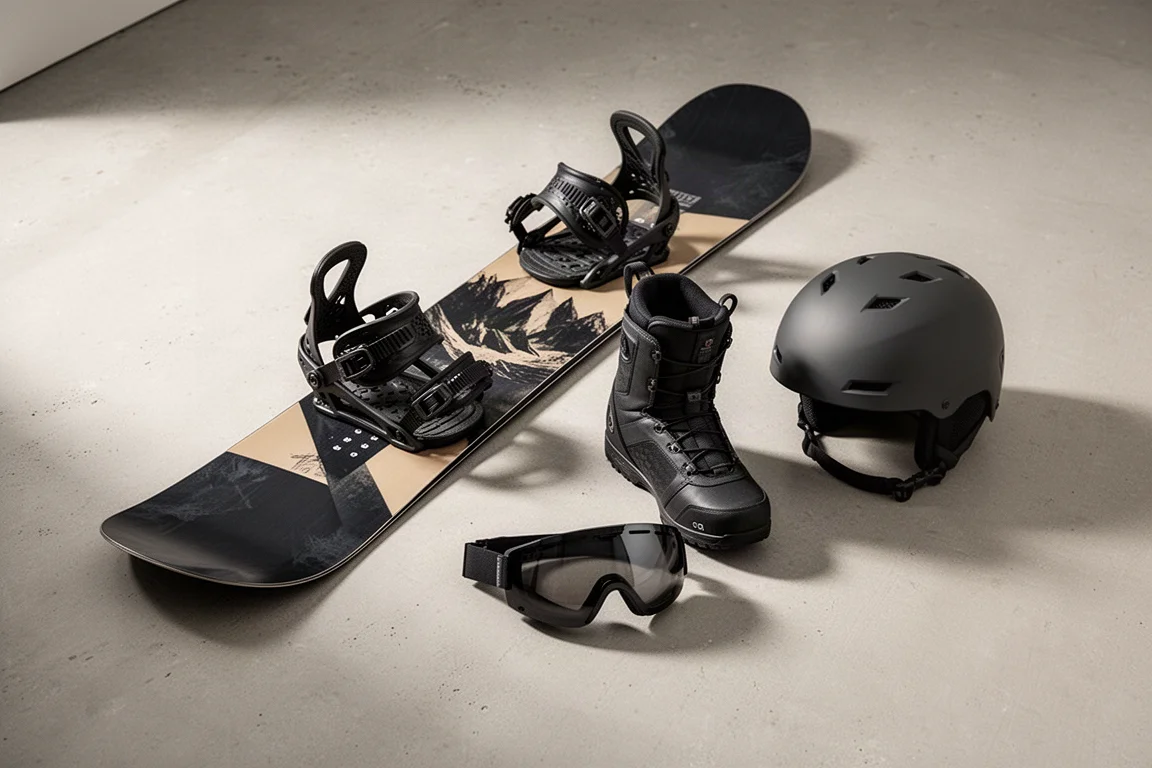
The start of a new season is the best excuse to lock in a setup that actually works. This list covers the full kit for the year ahead: the main freestyle board, a directional powder deck, the bindings and boots that tie it together, and the outerwear, goggles, gloves, face protection and helmet that make long resort days comfortable.
Not every pick is a luxury buy. Some are affordability plays, some are repeat purchases that have earned their place, and a couple are premium pieces that only make sense if you ride a lot. The goal is to give you a realistic picture of what each item does well and where it fits.
Main Board: Capita Super DOA
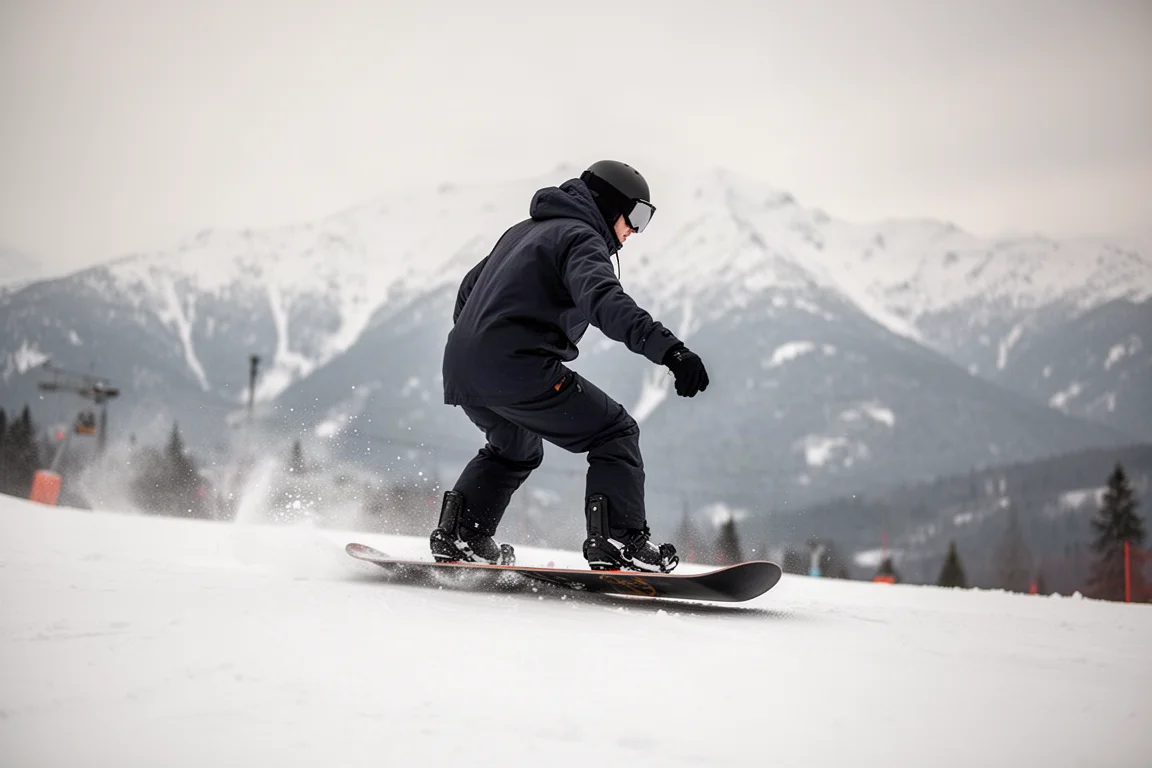
The Capita Super DOA is the do-it-all twin for this season and the board that gets the most days when there is no testing on the schedule. It has a genuinely good park feel: it presses easily, holds up on bigger jumps, and stays versatile enough to ride all over the resort. Most free-riding days lean freestyle, and this board matches that approach.
The standout detail is the 3D core profiling. The body of the board is burly and stiffer torsionally, which gives it real stability for an all-mountain approach, while the tips thin out so it stays pressable and fun for butters. It is also noticeably light for an ultra-premium construction, which makes it easy to live with every single day.
Directional Board: Endeavor Archetype Legacy
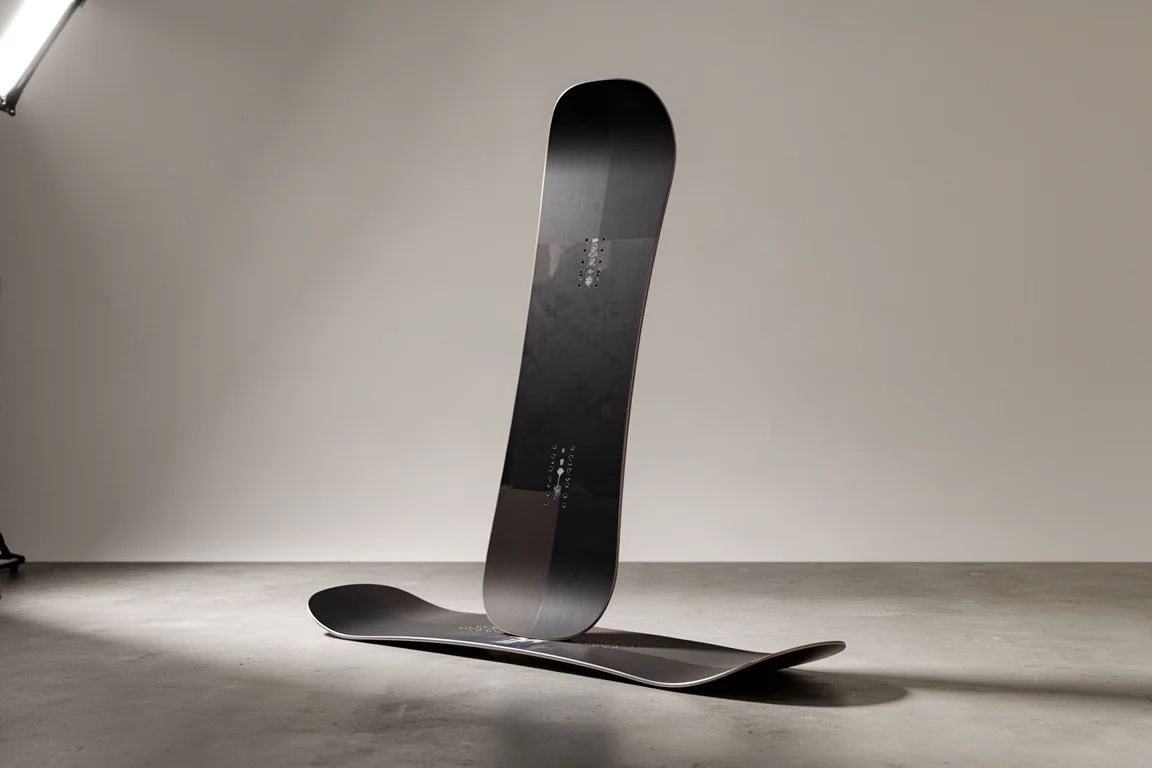
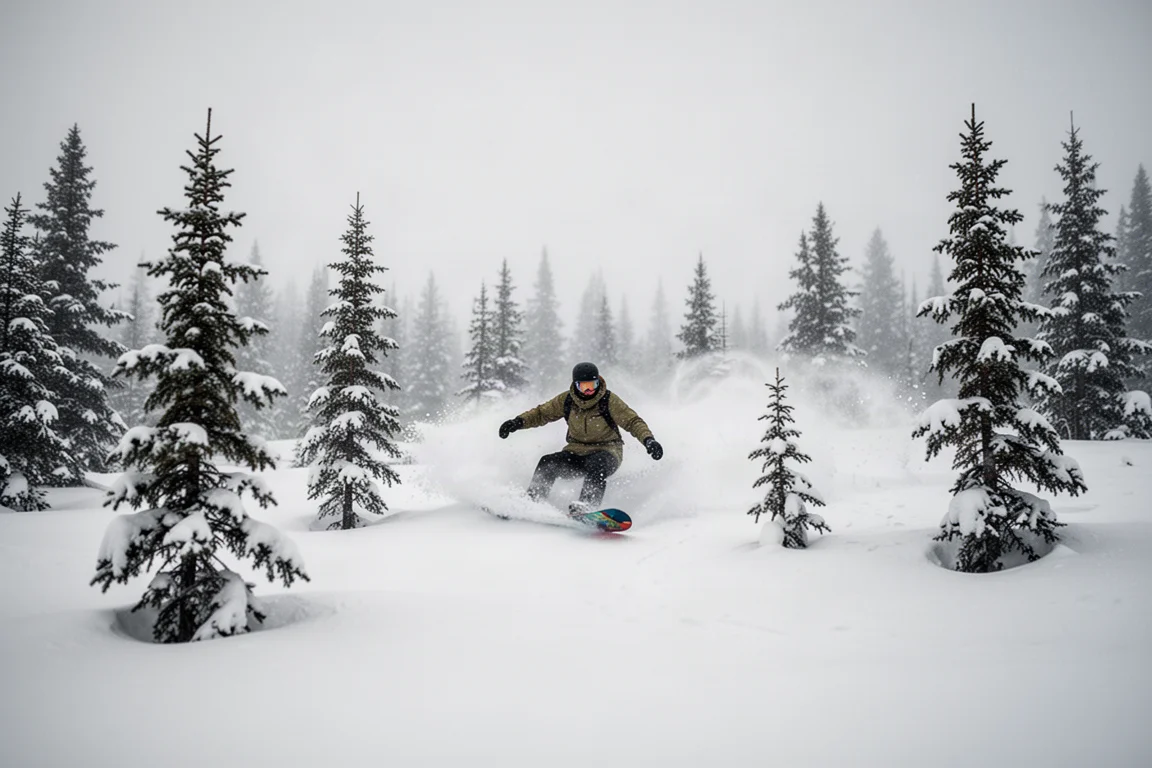
For deep days and exploring, the Endeavor Archetype Legacy takes the directional slot. It is a legit powder board with a swallow tail that looks as good as it rides, and it matches a cruising style: exploring the resort, carving, hidden side hits and getting out into the alpine.
Two details make it more usable than a typical directional deck. The tail has a nice kick-up so it rides switch reasonably well on both groomers and in powder, and the reference stance is actually centered, which gives it a surprisingly decent freestyle feel considering how directional it is. It handles trees, backcountry pow and resort free-riding without feeling like a one-trick board.
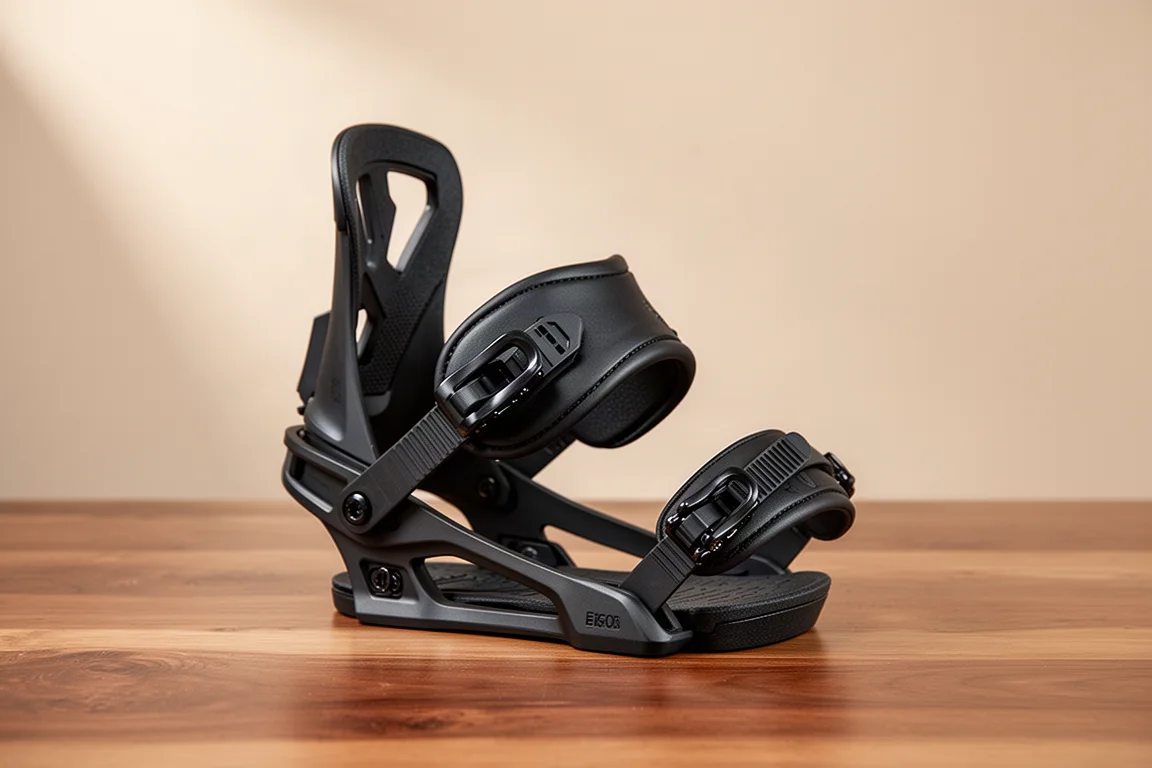
Bindings: Union Force
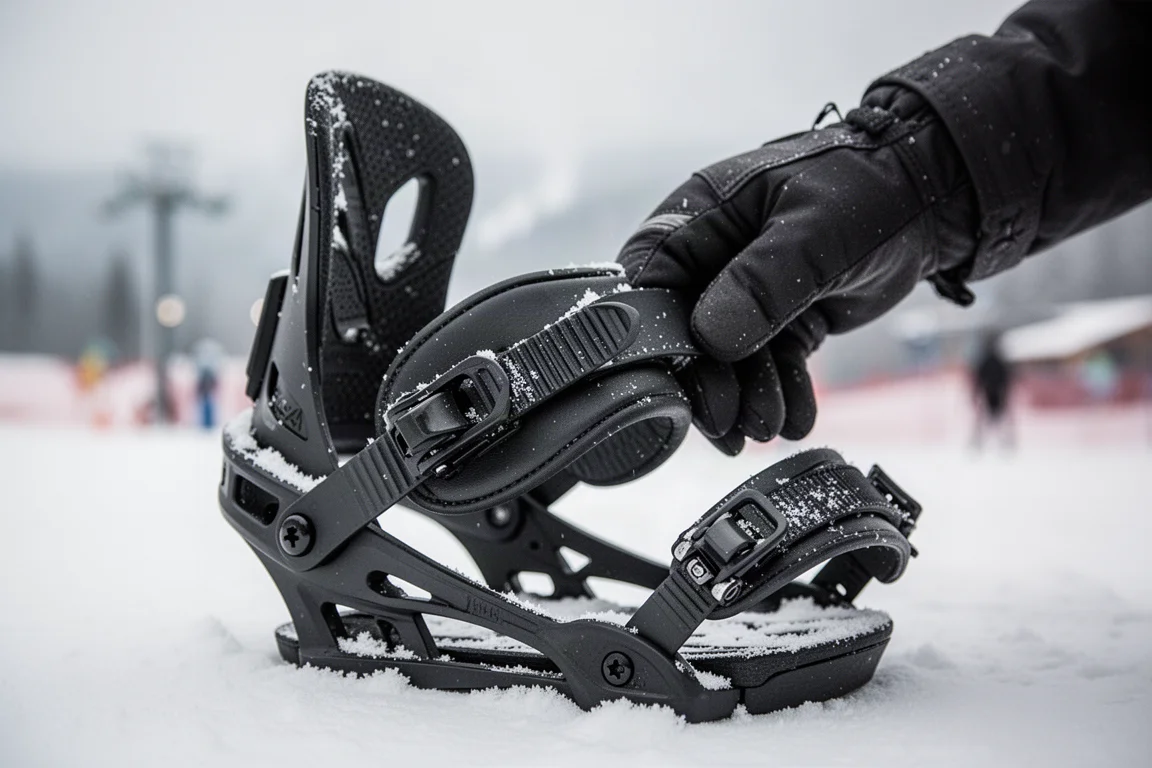
The Union Force is back as the go-to binding after being tested in every condition imaginable last season. The appeal is versatility: park laps, jibs, jumps, tweaked grabs and powder surfing all work with its mid flex, and the full-size base plate combined with that flex keeps it capable for all-mountain exploring and carving too.
What really stands out is the comfort-to-response ratio. There was real consideration of switching to a super-premium comfort-focused model, but the Force delivers plenty of comfort on its own while still offering solid response. That balance is why it is staying on both the review setup and the free-riding setup this year.
Boots: Ride Fuse
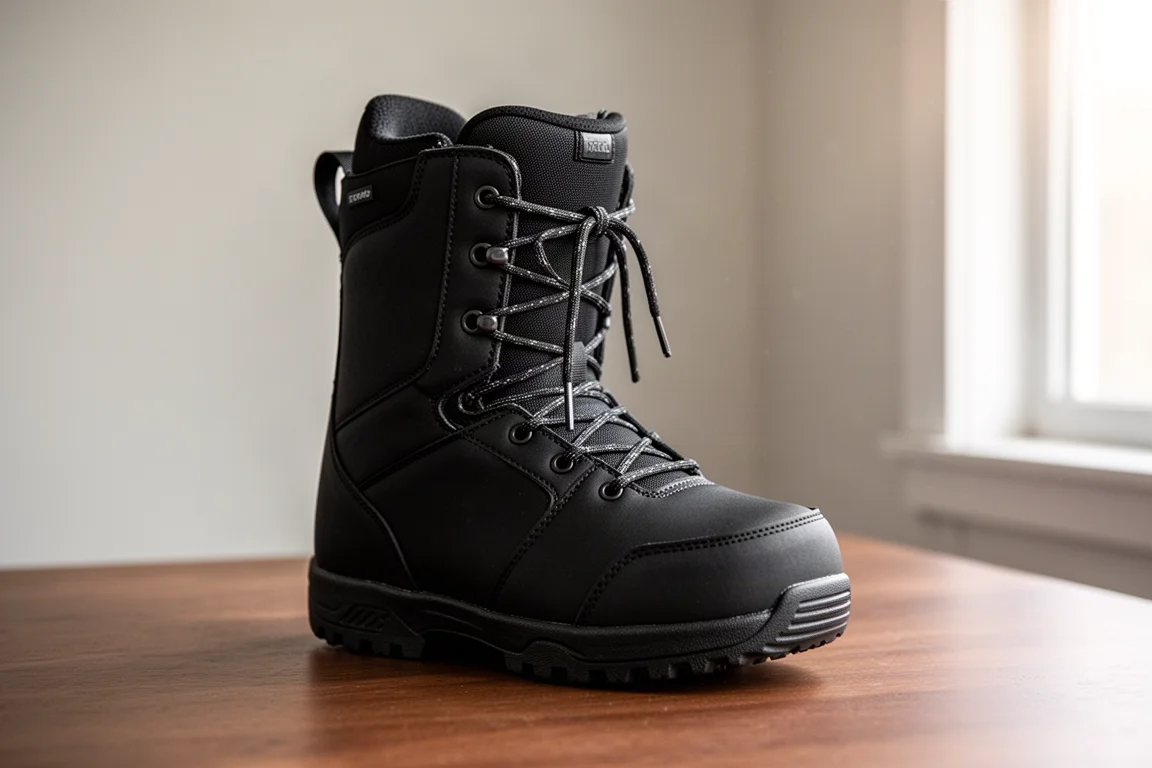
The Ride Fuse is on its fifth consecutive pair, which says most of what needs to be said. It is a medium-stiff boot with a lot of support, which matters for anyone who has dealt with ankle injuries over the years and needs protection on long, hard-charging seasons.
The Fuse is loaded with practical tech. Full rubber toe caps have no stitching that can wear out and let water in, and they hold up solidly even on 100-day-plus seasons. The full-wrap Intuition liner adds comfort, and the standard lace plus Boa combo gives fine control over fit, with a tongue-tie system to crank down the ankle and lock the heel in place.
Outerwear: Melt Osho Jacket and Bib
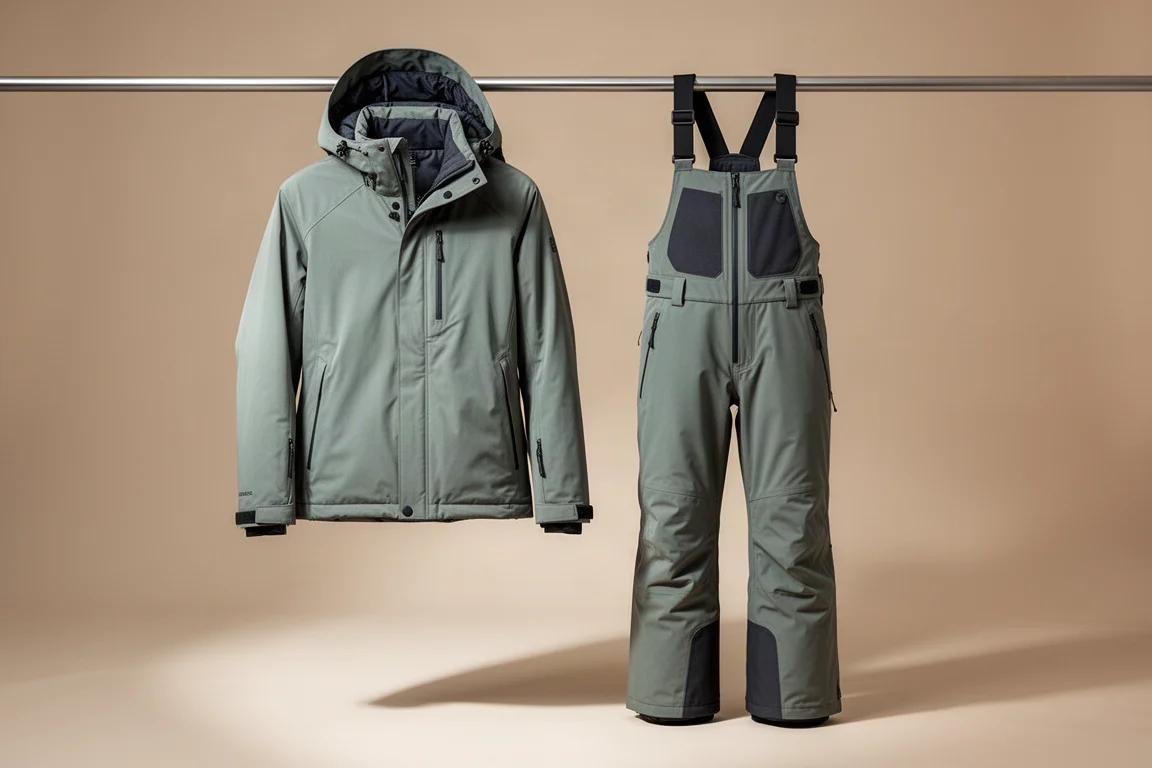
After years of testing everything from $800-900 technical jackets to cheaper fashion-forward gear, the middle ground is where most riders actually land: durable, feature-rich and reasonably priced. The Melt Osho jacket and bib set hits that target with a 20K waterproof, 15K breathable rating and a super stretchy build that makes a roomy fit genuinely comfortable.
The feature list is thorough: pockets for days, a pass pocket on the sleeve, chest pockets, a goggle pocket, an inner media pocket, pit vents and a powder skirt. The bibs add a full crotch vent plus side vents for cross-venting on tours, double-stitched reinforced hems and durable fabric at the bottom hem. Whether riding the Pacific Northwest, the East Coast, Colorado or Japan, the kit is built to handle it.
A quick note on mid layers: the Arc’teryx Atom LT has been the most versatile piece in the rotation for six years, but at nearly $300 it is out of reach for a lot of people. The Melt Kishi mid layer was designed as an accessible alternative: packable, stretchy, durable and with a DWR coating so it can work as a mid layer or an outer piece around town or on tour.
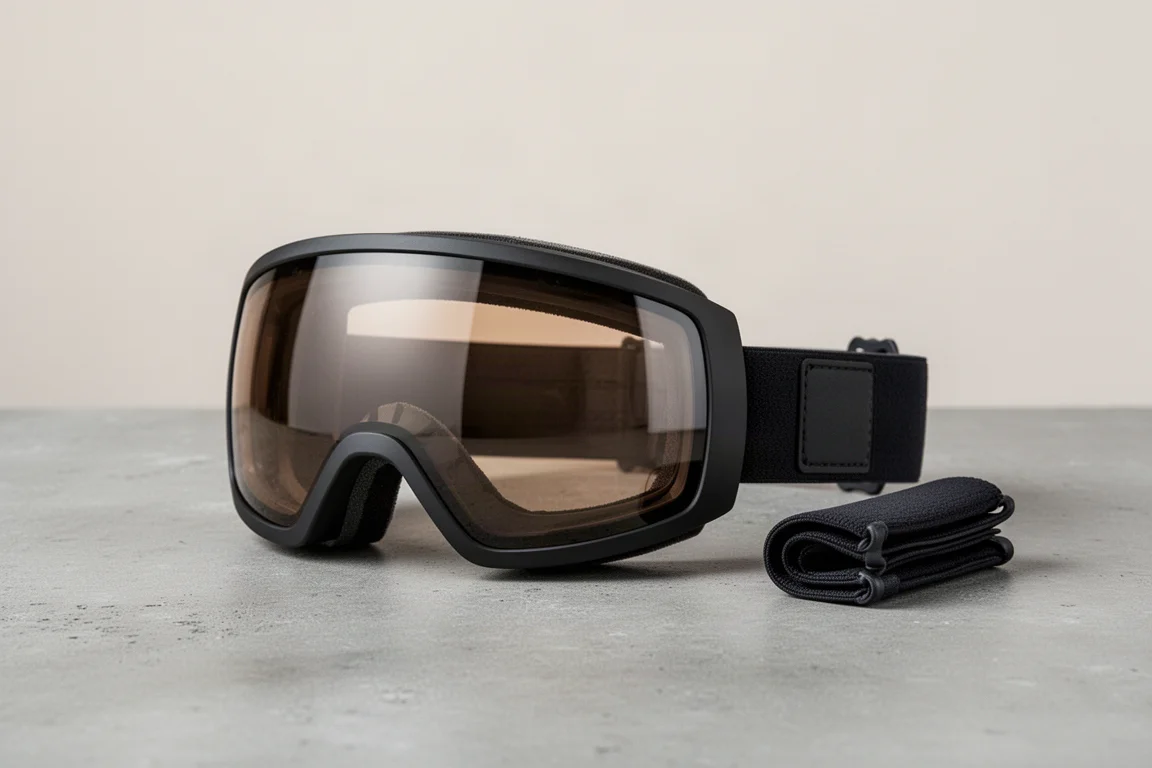
Goggles: Anon M4
Two goggle setups are in the rotation this season, but the Anon M4 is the one for free-riding, powder days and low-visibility conditions. Its PERCEIVE lens delivers excellent contrast and clarity exactly when it matters, and out of all the goggles tried, these have the favorite lenses. That is the bar they are being measured against.
The magnetic lens swap makes changing for light conditions quick, which is the main practical advantage of the category. The trade-off is price: the M4 comes in around $320, which puts it firmly in premium territory. If the budget allows and you ride a lot of variable light, it is the stronger of the two picks; a more affordable magnetic-lens option like the Dang Mag Lens, around $100 with a discount code, covers sunny park laps well without quite matching that elite lens level.
Gloves and Face Protection
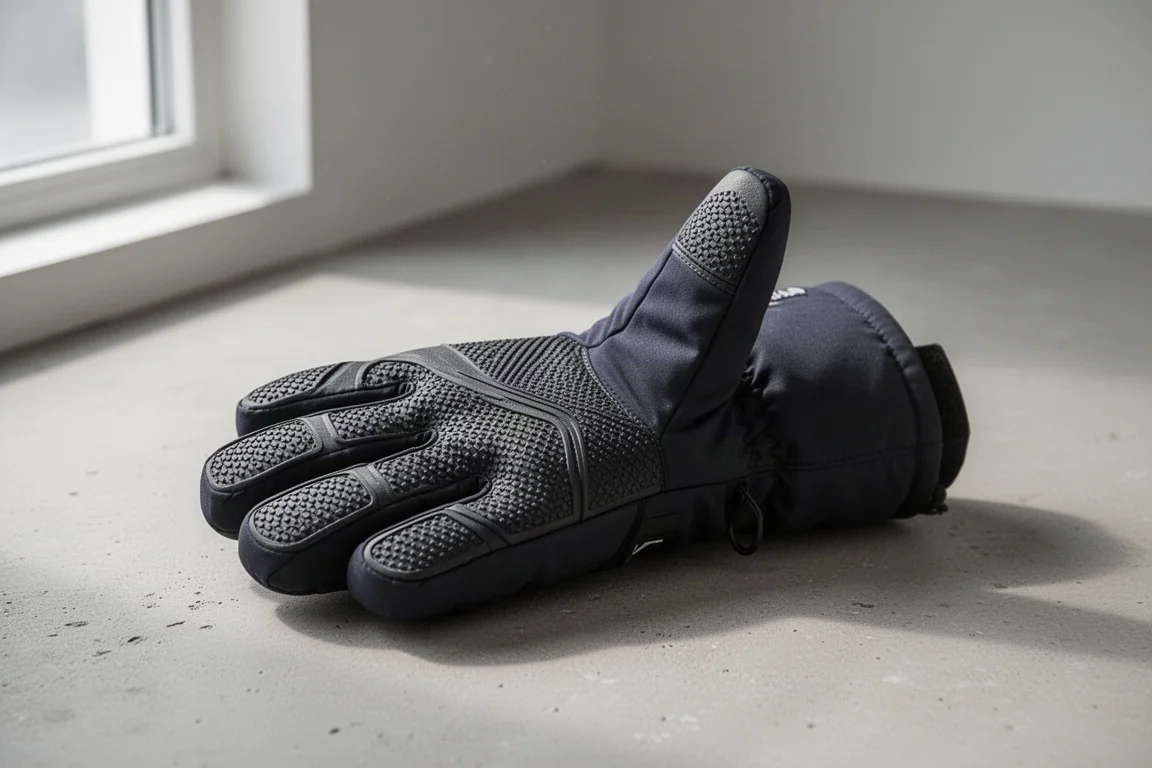
The Crab Grab Slab Mitten is the glove pick this year, chosen mainly because it is affordable and has the features that matter: a goggle wipe on the thumb, a sticky palm, and a midweight build that works across the whole season, from the coldest days through warm spring laps. It is also from a cool small brand worth supporting.
For face coverage, the Airhole Waffle Grid Balaclava is back again. It is a nice midweight that spans warm spring conditions down to cold powder days, it fits well, and the hinged design with the actual air hole means it can be tucked up over the nose and under goggles without fogging them. That fog-free detail is the reason it keeps earning a spot.
Helmet: Sandbox Classic 2.0
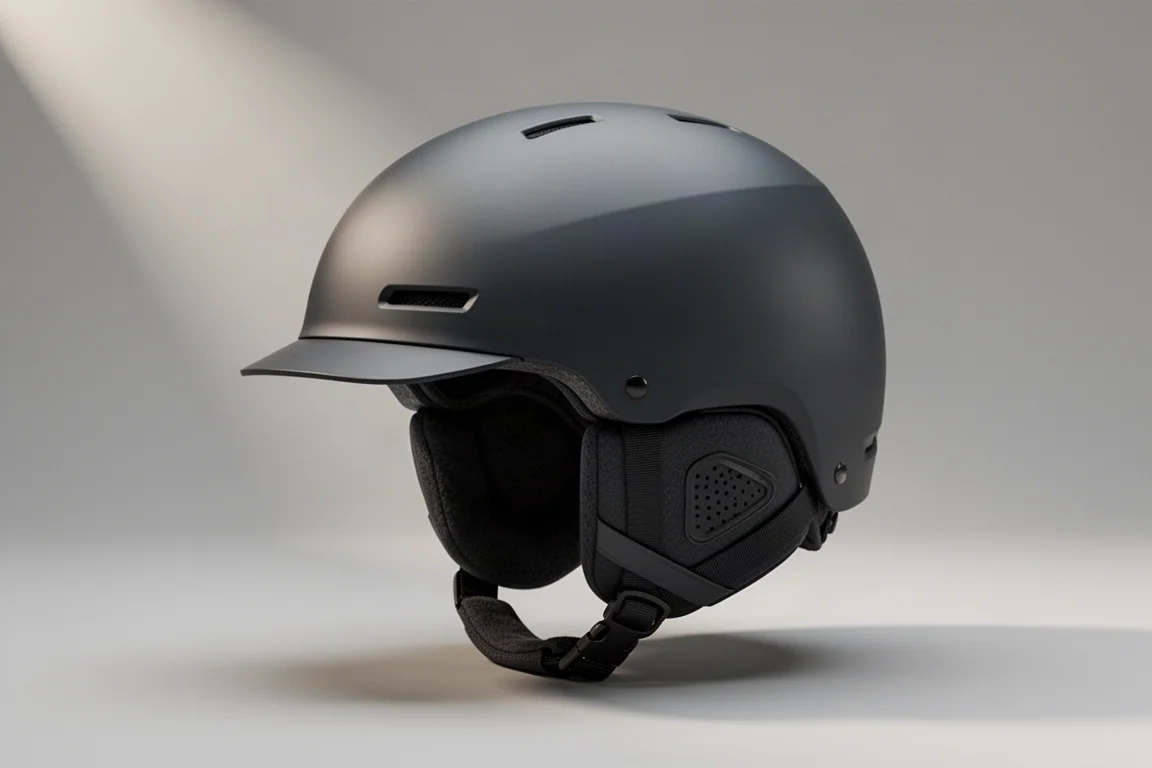
The Sandbox Classic 2.0 has been the helmet of choice for 11 years, and this season there is a signature version to go with it, featuring the Great Wave off Kanagawa artwork by Hokusai. It comes in two colors, black and Dune, and there is also an icon version with the unbranded variation that many riders have been waiting on, which is available again now.
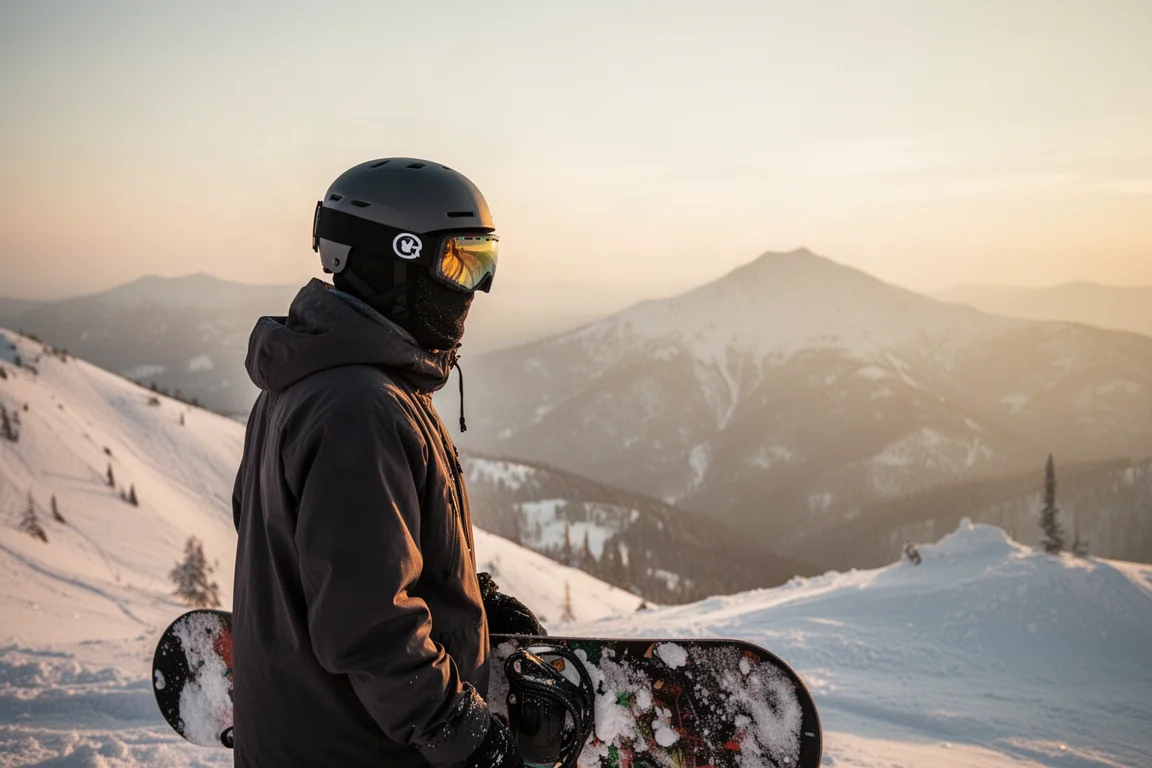
The helmet itself stays true to what made it a long-term pick: low profile, good looking, and protective. If a helmet can survive more than a decade of preference, it has proven something about both comfort and durability.
Base Layers and Final Advice
One habit worth stealing from this list: every piece that touches the skin has been switched to merino wool, and the same three pieces bought on sale are still going strong. Merino lasts a long time, is naturally odor resistant for multi-day trips where washing is not an option, is extremely comfortable and wicks moisture very well.
As for pulling a setup together: start with the board that matches how you actually spend your days, not the one that flatters the riding you wish you did. The Super DOA fits a freestyle-heavy all-mountain rider, the Archetype Legacy fits a powder-day cruiser, and the Force and Fuse underneath are proven, versatile anchors. Then build outward: outerwear that matches your climate, goggles matched to your light conditions, and the small items that make 100-day seasons survivable.
Conclusion
A good season setup is mostly about honest matchups: a do-it-all twin like the Capita Super DOA for everyday freestyle, a directional swallowtail like the Endeavor Archetype Legacy for deep days, dependable Union Force bindings and Ride Fuse boots underneath, and outerwear, goggles, gloves and protection from Melt, Anon, Crab Grab and Sandbox that remove the small annoyances from every lap. Pick the pieces that match your terrain and your budget, and the rest of the season takes care of itself.
Further reading
Related Reviews

Snowboarding
2025 Snowboard Gear List: Five Picks That Earned Their Place on the Mountain
From Zeiss-lens goggles to a hybrid step-in binding, here are five pieces of 2025 snowboard gear that held up across a full season of riding.

Snowboarding
2026 Snowboard Gear List: Boards, Bindings, Boots and Outerwear Worth a Look
A season-ready snowboard setup built from the bottom up: base layers, Strafe outerwear, Ride and Union boots, Union bindings, and two new Capita boards.

Snowboarding
32 Cold World Review: A Playful Hybrid Camber Board for Park Laps
The 32 Cold World blends classic camber underfoot with flat nose and tail sections for a predictable, butter-friendly ride aimed at intermediate park riders.