Snowboarding
Snowboard Gear List 2026 Season: 13 Pieces Worth a Look This Winter
A full season gear rundown covering merino base layers, mid-layers, goggles, mitts, boots, bindings, and two premium snowboards.
Introduction
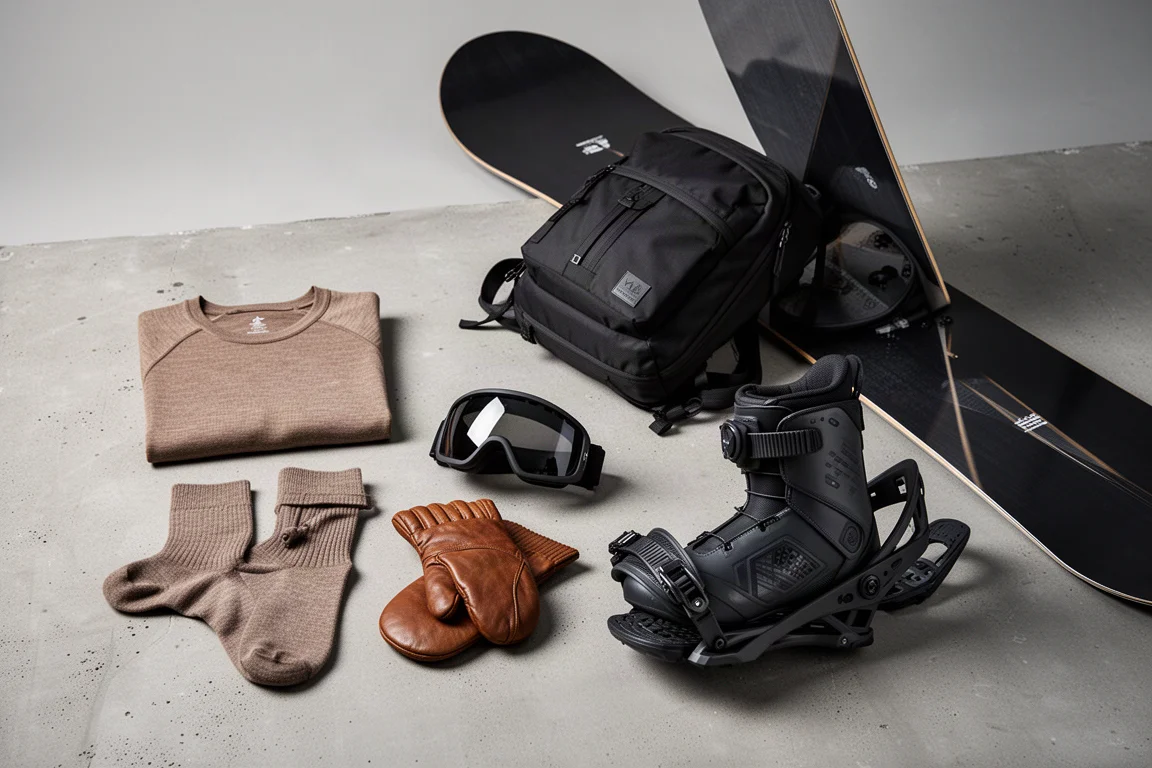
With the first real snowfall of the season behind us and resorts opening, it is a good moment to lay out a complete gear setup for the winter ahead. This year’s list is built almost entirely from pieces that are new to the rotation, with a deliberate bias toward higher-end items that are easy to overthink before buying. Here is the full kit, from skin-touching merino to the boards themselves.
Base Layers and Socks: Mons Royale Cascade and Dissent IQ Hybrid
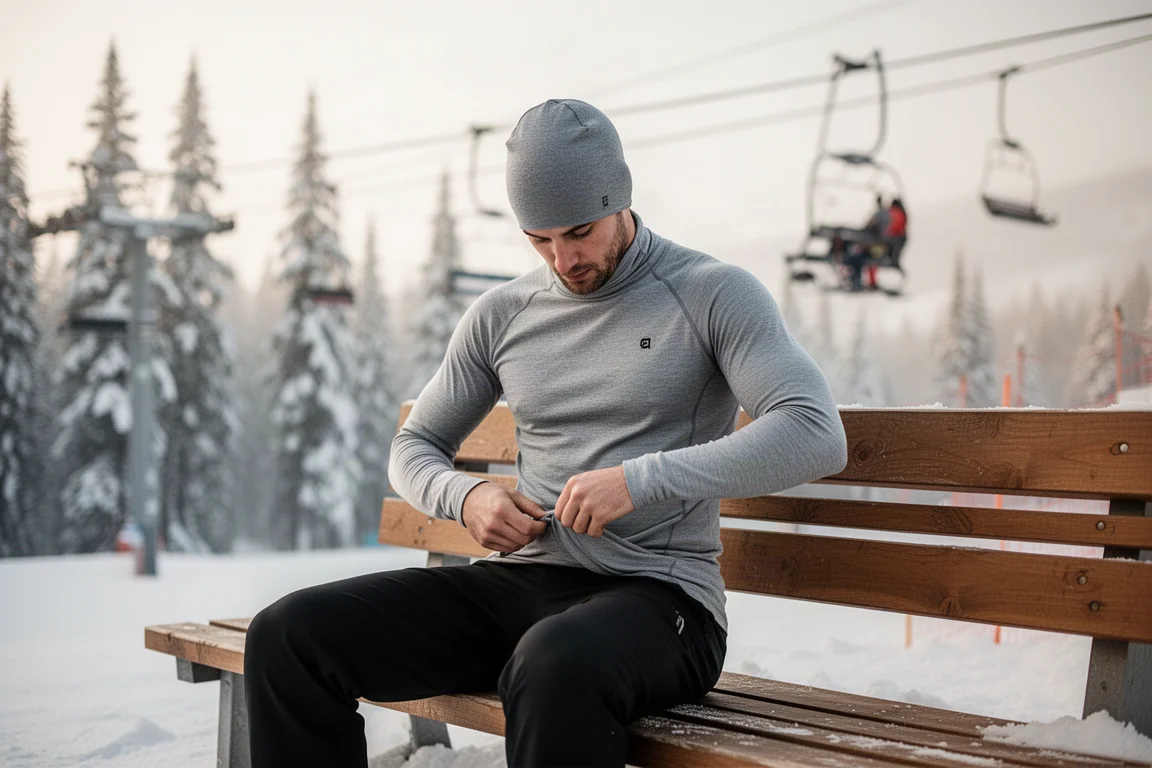
Merino wool against the skin remains the strongest starting point for any snow kit. The Mons Royale Cascade is a 200-gram weight base layer, which keeps it versatile across nearly any day of the season. Merino retains warmth even when wet, wicks moisture away from the skin, is naturally antimicrobial so it does not get smelly over consecutive wear days, and is an organic fiber. Mons Royale sources its merino from New Zealand, where sourcing standards and animal treatment are held very high.
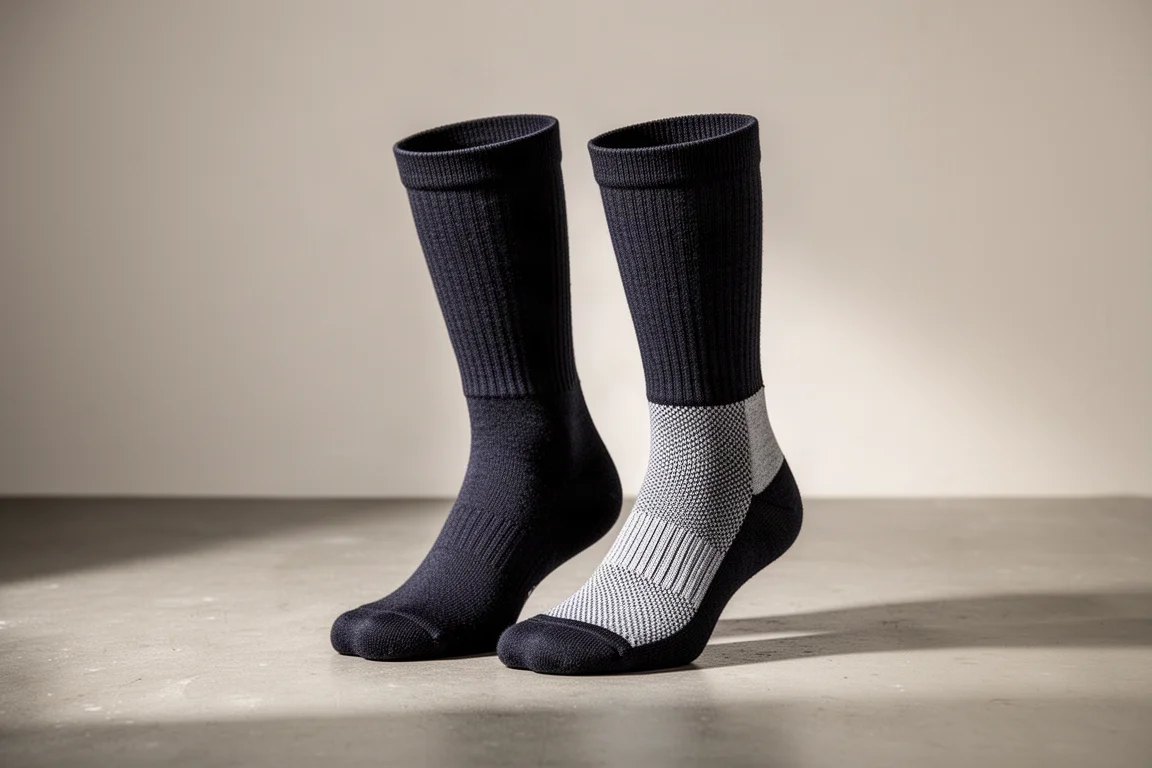
The Dissent IQ Hybrid socks carry that same merino principle onto the feet. At 41% merino, they run 10 to 20% more wool content than many cheaper merino snowboard socks, add light compression, and come in at a thin profile that suits riders who prefer minimal material between foot and boot. At around $45, they are genuinely hard to justify on paper, so they are a worth-the-money question this season will answer.
Mid-Layer: Melt Kishi
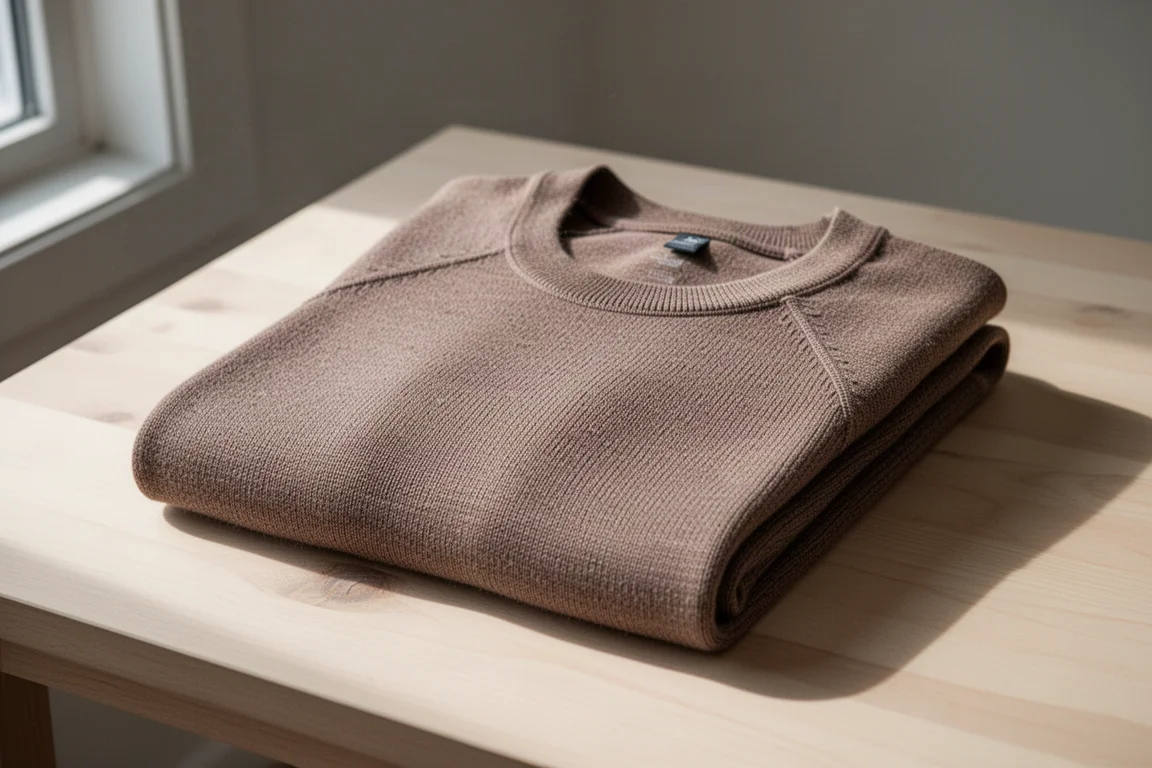
A mid-layer is arguably the most versatile single investment a snowboarder can make. The Melt Kishi runs a standard yet flexible 60-gram weight that works under a jacket, under a hoodie, or around town. It uses a durable face fabric with light stretch, a PFAS-free eco-friendly DWR, and packs down into its own pocket, even doubling as a travel pillow. Most high-quality mid-layers sell for around $250 to $300, so at $135 with free worldwide shipping it stands out on value alone.
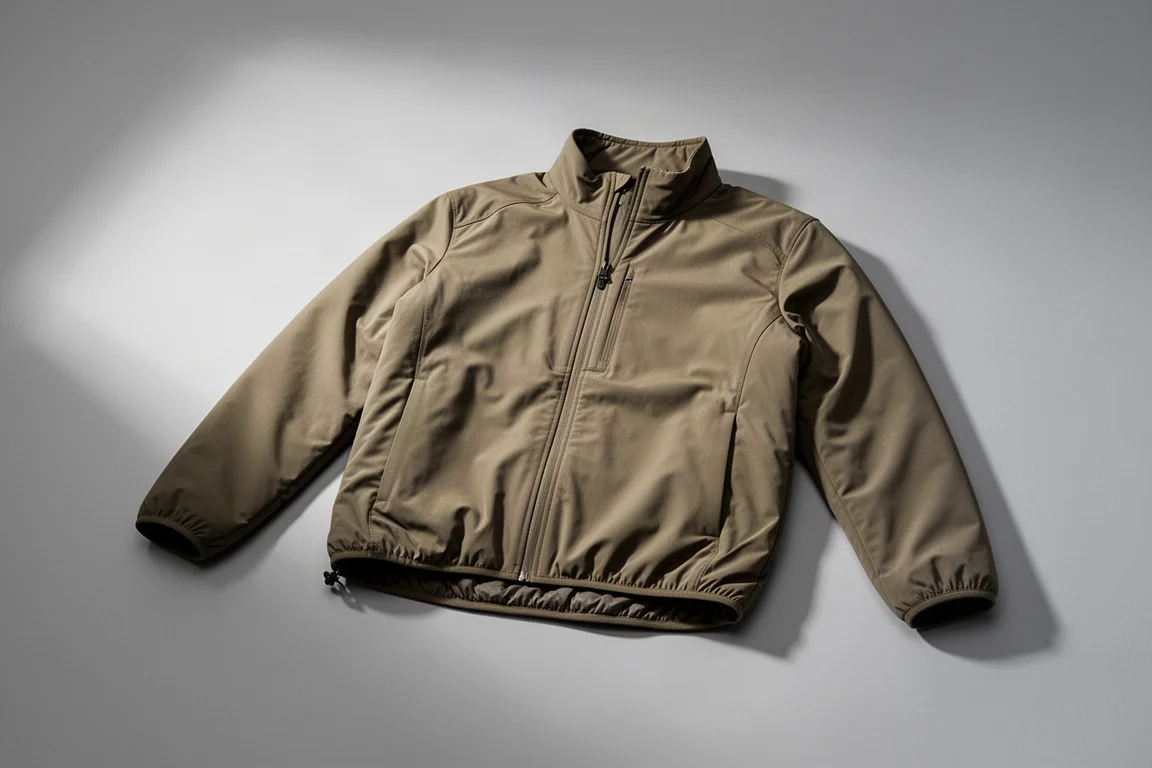
Face Protection: Airhole Waffle Grid Balaclava
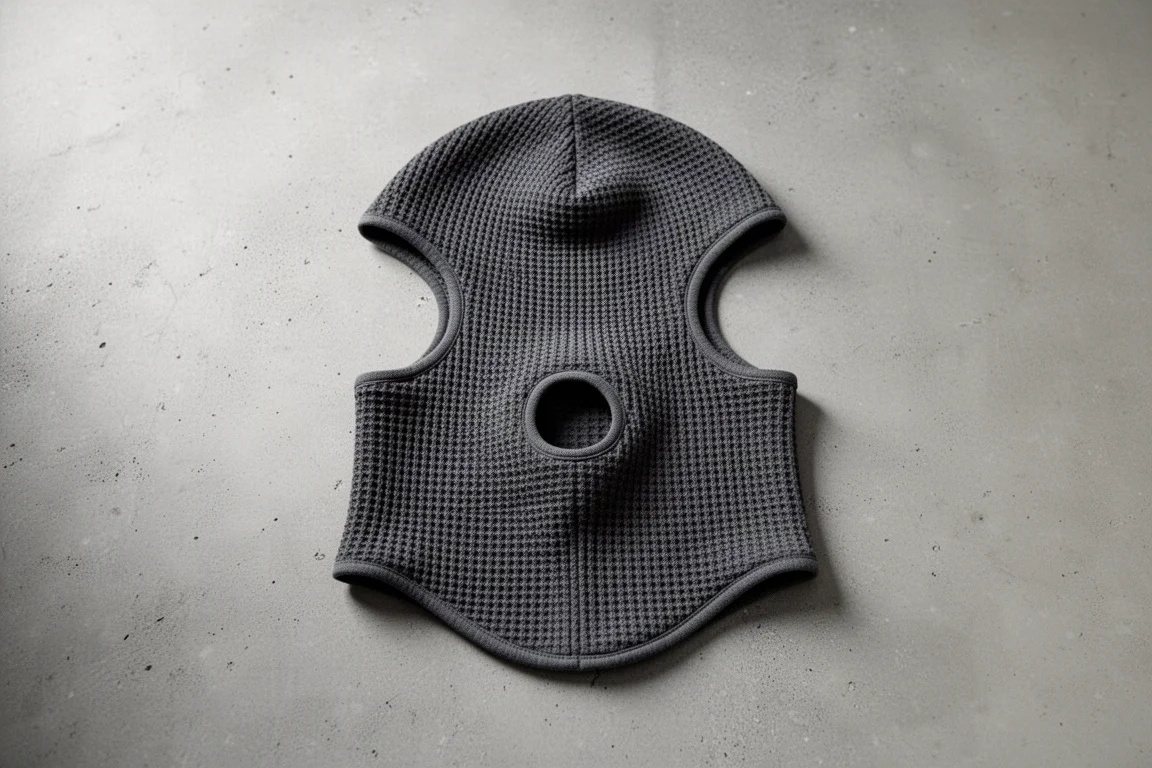
The Airhole waffle grid balaclava is a returning favorite for easy full-face protection. Airhole makes its masks in many fabrics, but the waffle grid is the most versatile of the range, and a new laser-cut style is arriving this season in the Drytech variety for riders who dislike the grommet-style OG mask. The main appeal is simple: it stays tucked into goggles for full sun and cold protection with zero goggle fog.
The Sunny-Day Hoodie: Board Archive 10K Waterproof
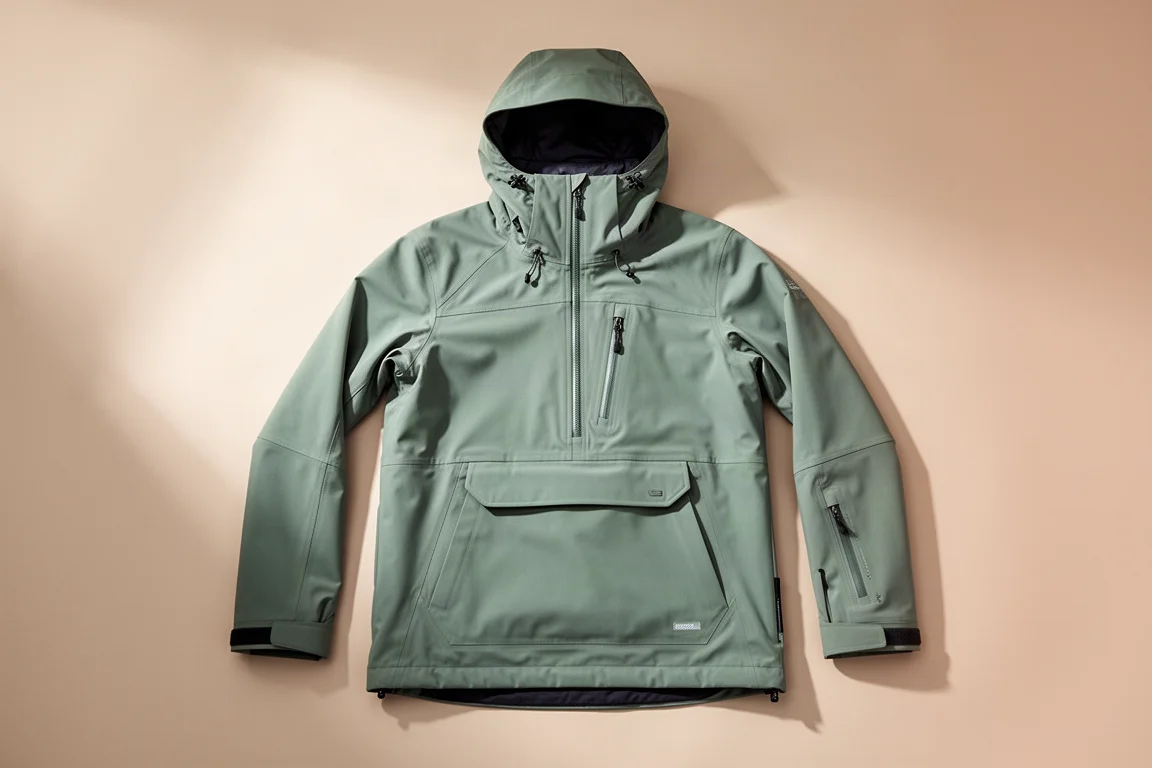
For bluebird resort days, the Board Archive 10K waterproof hoodie gets more wear than anything else in the kit, and this season’s version is the most refined yet. It comes in white, blue, sage, and black, with a 10K waterproof membrane, PFAS-free eco-friendly DWR, super stretch fabric, and a moisture-wicking liner. Large zipper and mesh pit vents, zippered pockets with YKK zippers throughout, a hidden media hole for wired headphones, a sleeve pass pocket, a helmet-compatible hood, and a new waist cinch that switches between a boxy or cinched look round it out. Six years of dialing in this hoodie specifically for snowboarding shows.
Mitts: Oyuki Tamashii
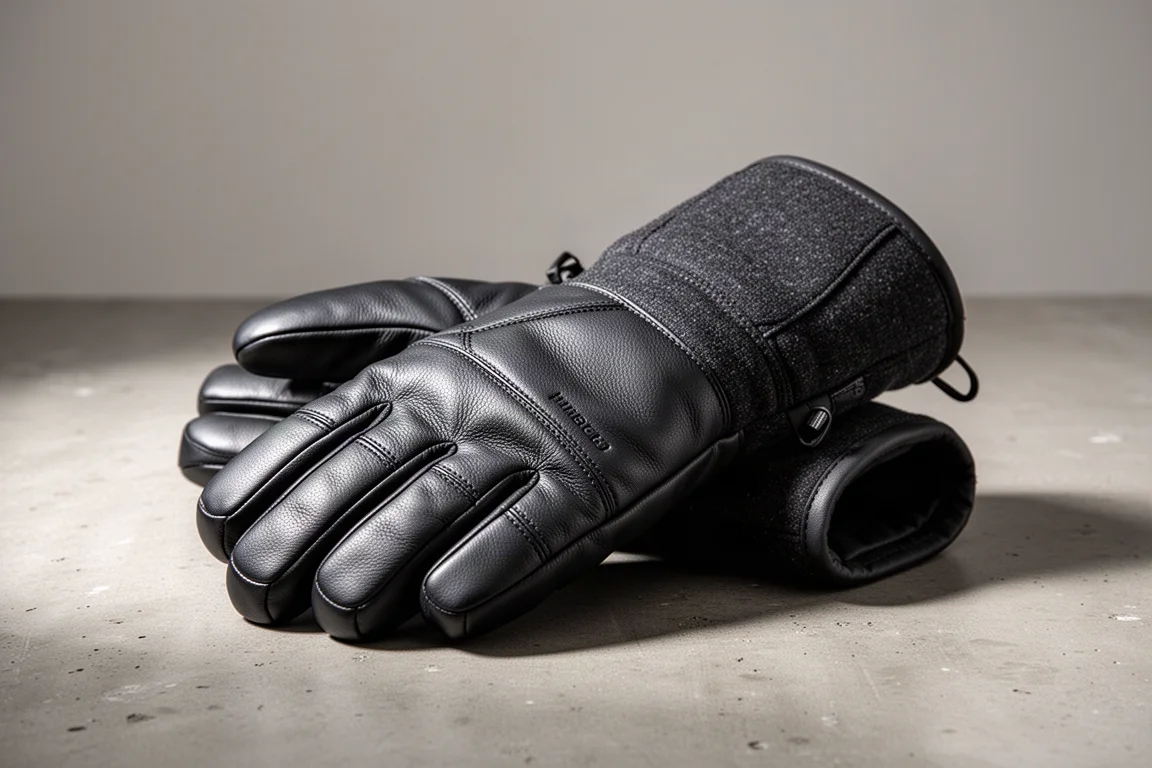
The Oyuki Tamashii mitt is a proven piece returning after a couple of seasons off. It is a great daily, versatile mitt with full leather construction and thoughtful features, and it has already earned its place through years of use. Normally $140, it was available for $65 at the time of writing, which made the decision to bring it back easy.
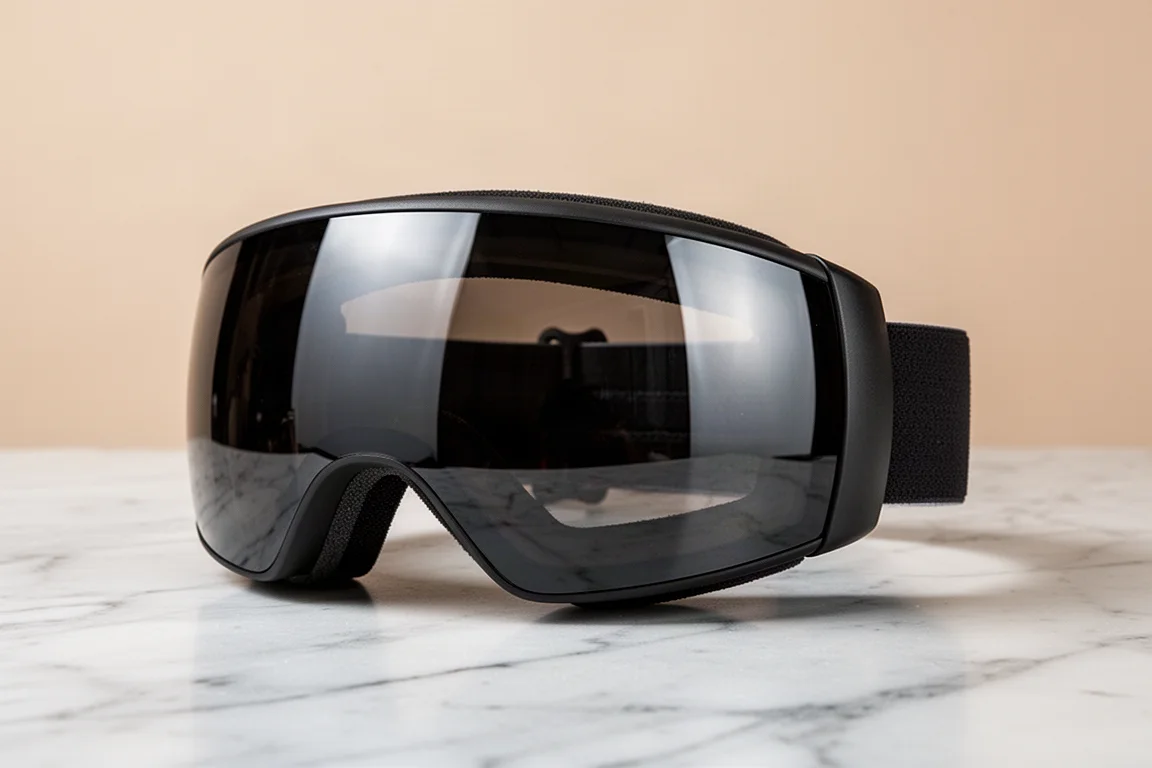
Goggles: Oakley Line Miner Pro
After roughly eight years away from the brand, this season’s goggle pick is the Oakley Line Miner Pro. Three things drove the switch. First, Oakley is finally including a free bonus lens with each pair. Second, the magnetic lens system has an easy locking mechanism that proved quick in initial handling. Third, the new single-layer lens tech aims for better optical clarity and reduced fogging, which will be interesting to evaluate in real conditions.
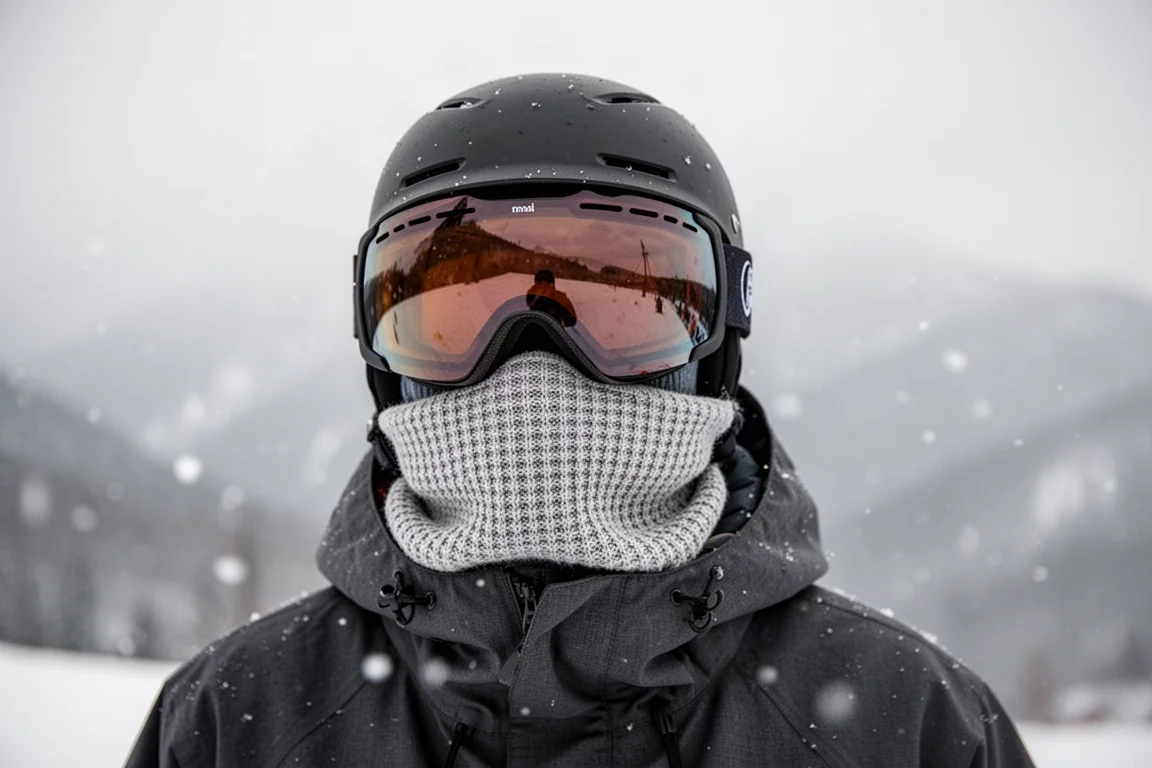
On top of that, the Line Miner Pro offers a 20% larger field of view than the original Line Miner, paired with the injection-molded lens quality Oakley is known for.
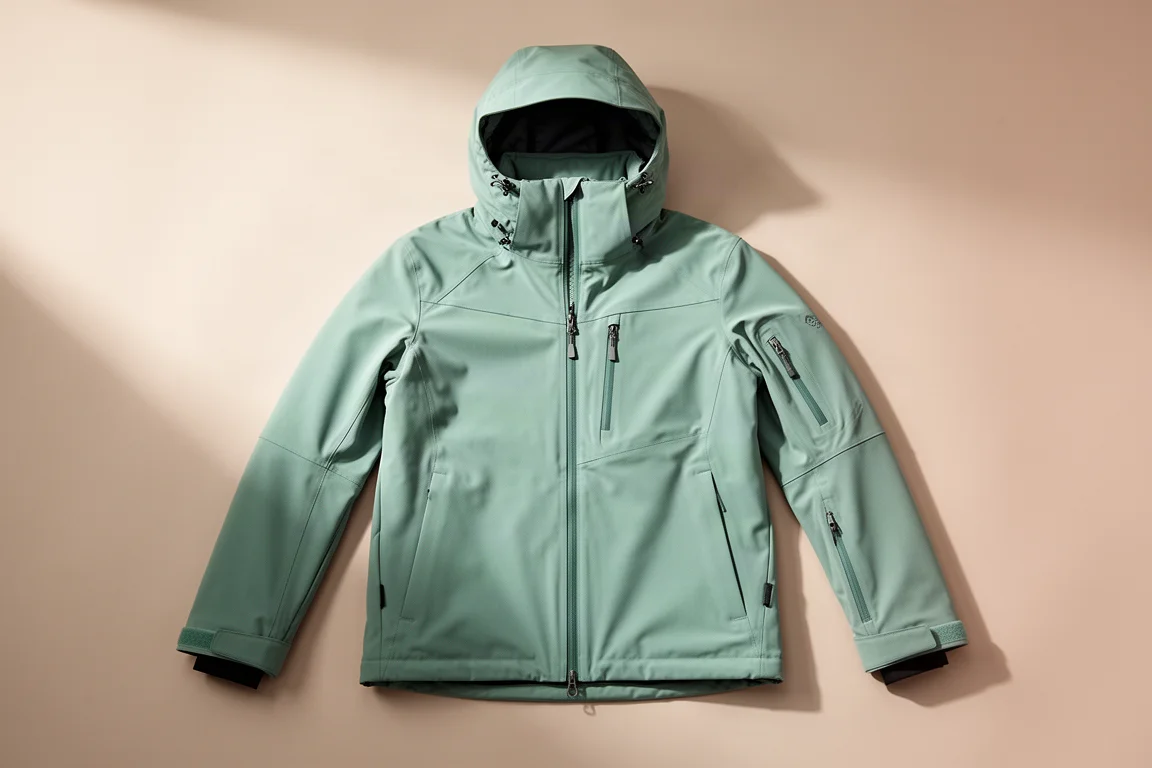
Jacket: Meltdown Osho
The Meltdown Osho jacket in the new jade colorway is the flagship outer layer this season. It carries a 20K membrane, PFAS-free DWR, comfortable four-way stretch fabric, a zippered sleeve pass pocket, mesh hip vents, interior goggle pockets, a bottom cinch, and a helmet-compatible hood with two cinches. It is fully decked out for whatever a winter day throws at you.
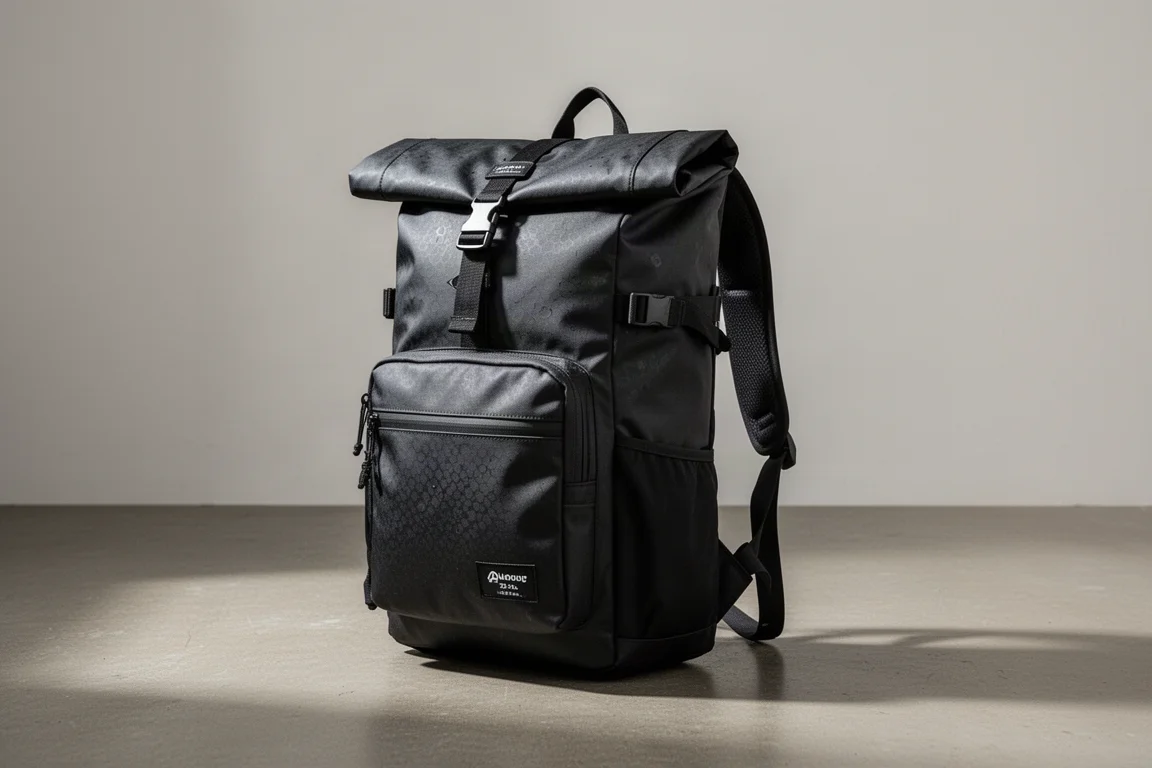
Backpack: DB 25L Snow Pro
For carrying it all, the DB 25L Snow Pro replaces a Jones pack this year. Twenty-five liters hits a sweet spot for daily resort use and most backcountry days. Weather-resistant material, two separate compartments, and a front section with specialized pockets for snow safety equipment cover the basics. A roll-top design expands the upper so a helmet fits inside without banging around, and crucially, there is a rear access zipper on the back panel.
Boots: Union Reset Pro
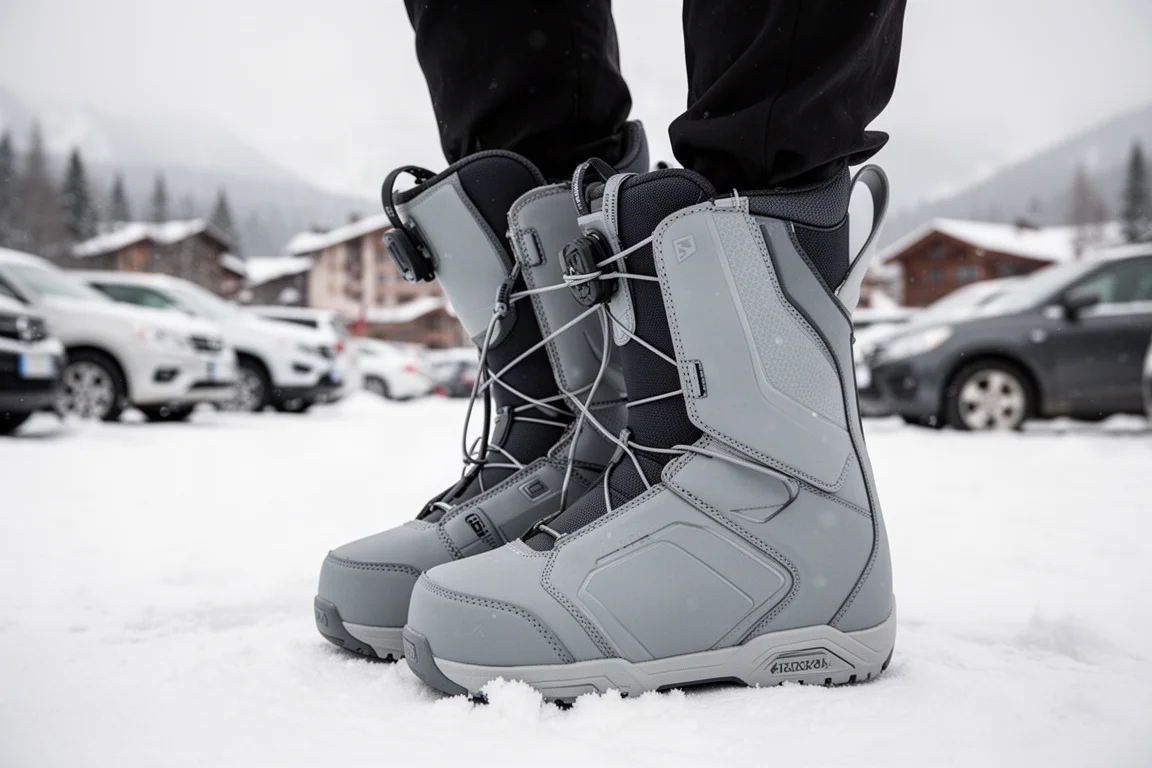
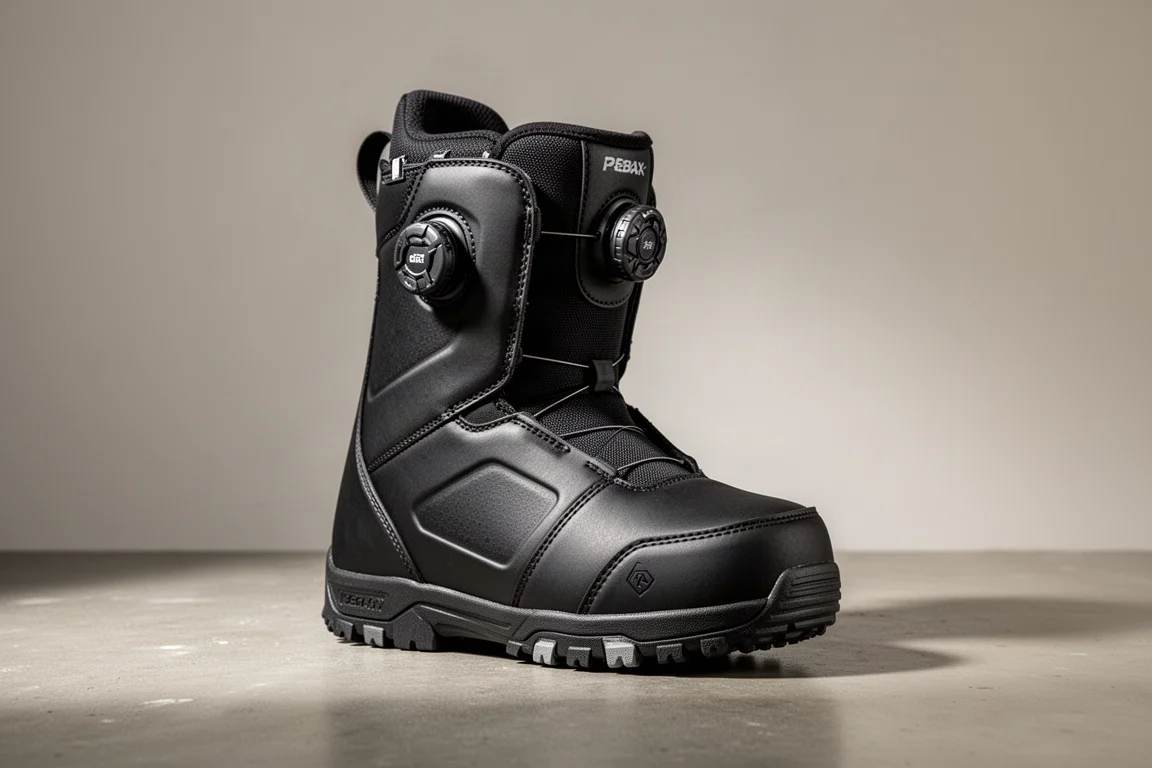
The Union Reset Pro is committed to a season-long test, and the design approach is what makes it interesting. The boot uses an injection-molded single-piece shell in Pebax material that does not degrade over repeated flexing, so it should not break down and get clapped out the way most boots do. A single stitch line around the upper reduces potential wear points, a memory foam liner departs from standard heat-moldable designs, and bushings in the midsole should add dampening for beat-up ankles. The flex is similar to the Fuse, which made for a familiar starting point.
Bindings: Union Ultra
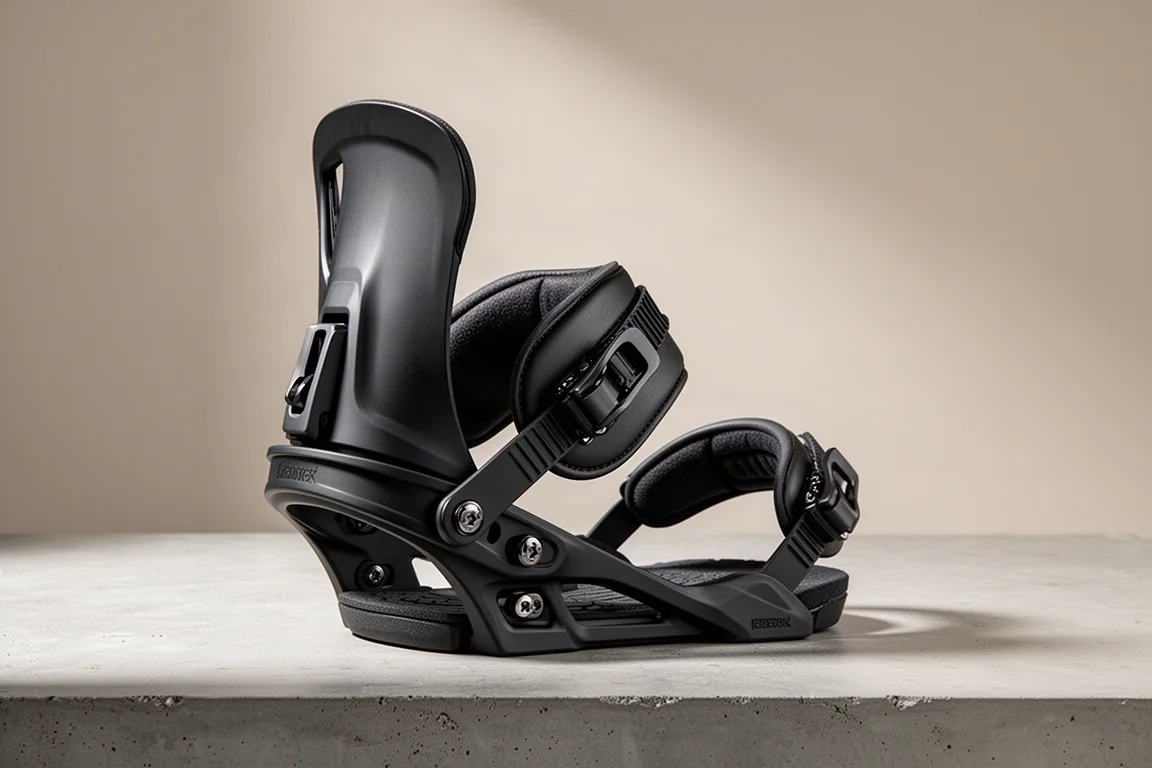
Back on the Union Ultra after two seasons on the Force. The Force is very versatile, while the Ultra leans more freestyle with a surfier feel and a mini disc instead of the standard disc. The real draw in returning is the molecular bushing footbed: an injection-molded, no-glue, one-piece footbed that is exceptionally cushy and delivers a lot of dampening and impact protection. Paired with the Reset Pro boots, that combination should offer maximum protection through a season of ankle rehab. The Ultra stays versatile enough for all-mountain use, just not quite as responsive as the Force.
Boards: Bataleon Evil Twin Plus and Capita Mega Mercury
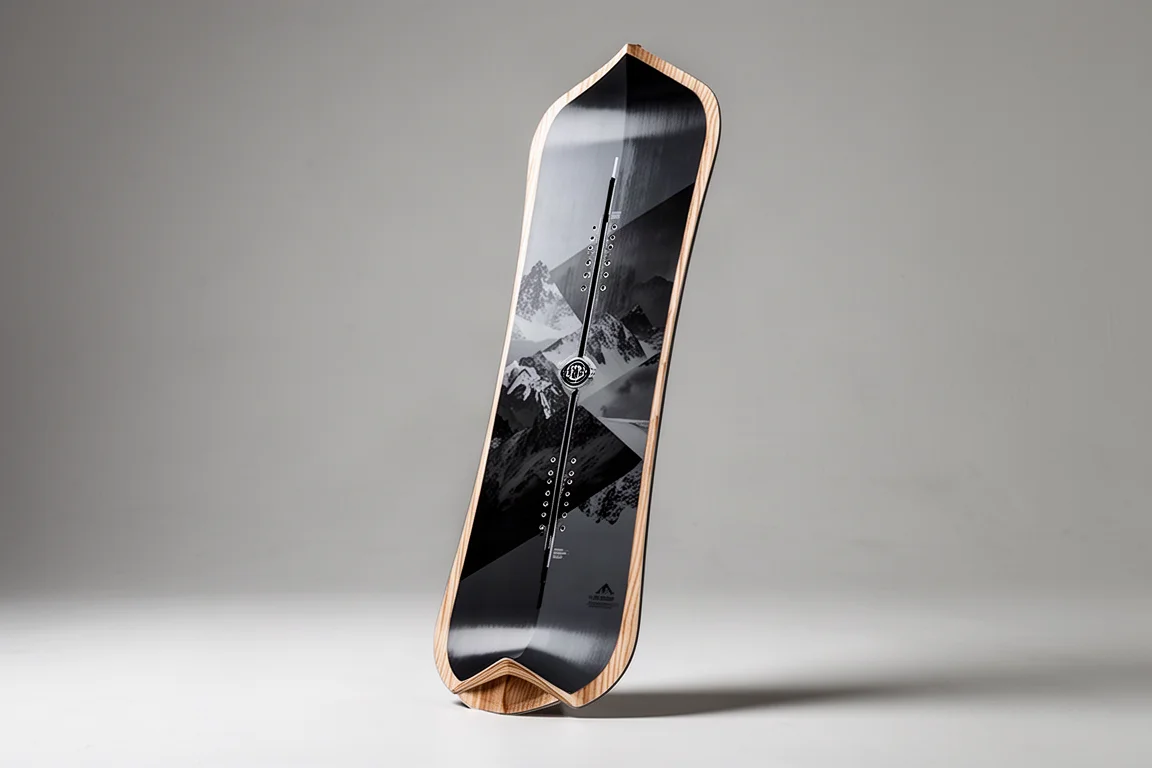
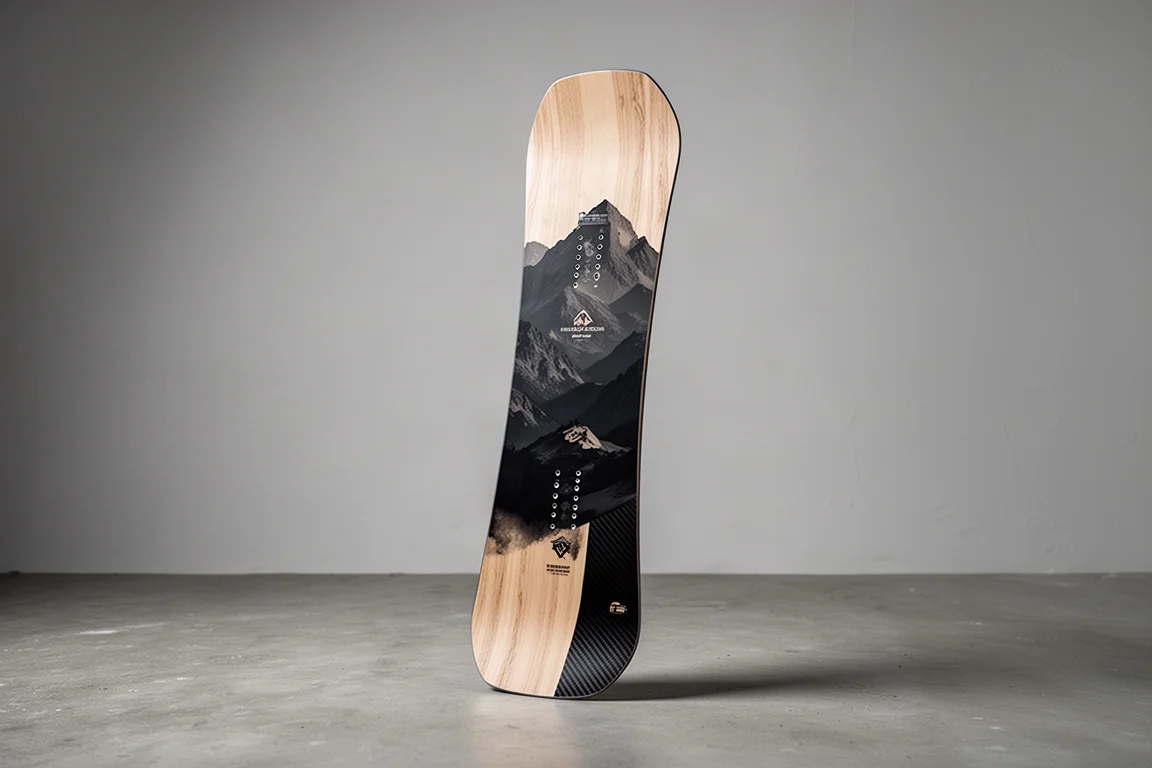
Two boards anchor the hardgoods this year. The daily driver is the Bataleon Evil Twin Plus, essentially a premium, slightly stiffer and more energetic take on the Evil Twin. It uses an 80% poplar core for low weight, a full tip-to-tail carbon matrix with carbon stringers in the tip and tail, and more snap than the regular Evil Twin. The defining character comes from Bataleon’s classic combination: full traditional camber with Triple Base Technology, a 3D base shape that makes the board extremely catch-free, playful for butters, and genuinely fun in the park.
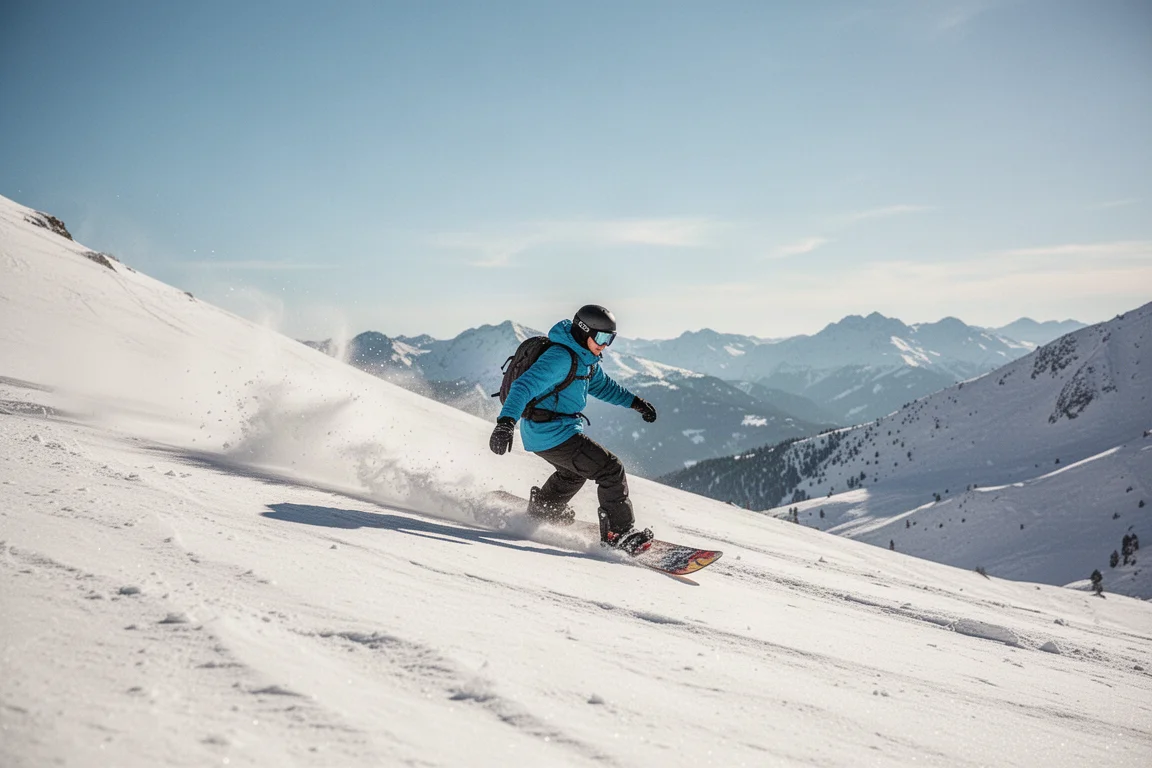
For the directional slot, the Capita Mega Mercury takes it. Riding it for the first time last year was a genuine surprise in feel and performance. It brings Capita’s ultra-premium construction with a super light core, a mega light skin top sheet, and plenty of carbon for a lightweight, energetic, premium ride, all on the classic Mercury geometry: slightly directional, camber-dominant, still freestyle-friendly, and it floats well in powder and variable conditions. A size 157 adds width and surface area for the deep days it will mostly see.
Overall Buying Advice
The pattern across this list is simple: spend where the product touches your body and comfort matters most. Merino base layers, quality socks, a good mitt, and dampening underfoot in boots and bindings are the pieces that pay off every single day. Outwear and packs reward careful feature checking, such as rear pack access or helmet-compatible hoods, before committing. For hardgoods, test boards in person where possible, because feel-driven choices like a 3D base shape or a camber-dominant directional profile come down to preference more than spec sheets.
Conclusion
This season’s kit leans premium, but every pick has a clear reason for being there, whether that is a rare discount on a proven mitt, the best value mid-layer around, or a new shell design that promises to outlast typical boot lifespan. As the season progresses, the higher-end questions, like whether premium socks and a Pebax boot shell are truly worth it, will get answered on snow.
Further reading
Related Reviews

Snowboarding
2025 Snowboard Gear List: Five Picks That Earned Their Place on the Mountain
From Zeiss-lens goggles to a hybrid step-in binding, here are five pieces of 2025 snowboard gear that held up across a full season of riding.

Snowboarding
2026 Snowboard Gear List: Boards, Bindings, Boots and Outerwear Worth a Look
A season-ready snowboard setup built from the bottom up: base layers, Strafe outerwear, Ride and Union boots, Union bindings, and two new Capita boards.

Snowboarding
32 Cold World Review: A Playful Hybrid Camber Board for Park Laps
The 32 Cold World blends classic camber underfoot with flat nose and tail sections for a predictable, butter-friendly ride aimed at intermediate park riders.