Snowboarding
Snowboard Gear List: My Setup for This Season
From a cambered park board to magnet-attached face masks, a complete look at one rider's hard goods, outerwear, and accessories for the season.
Introduction
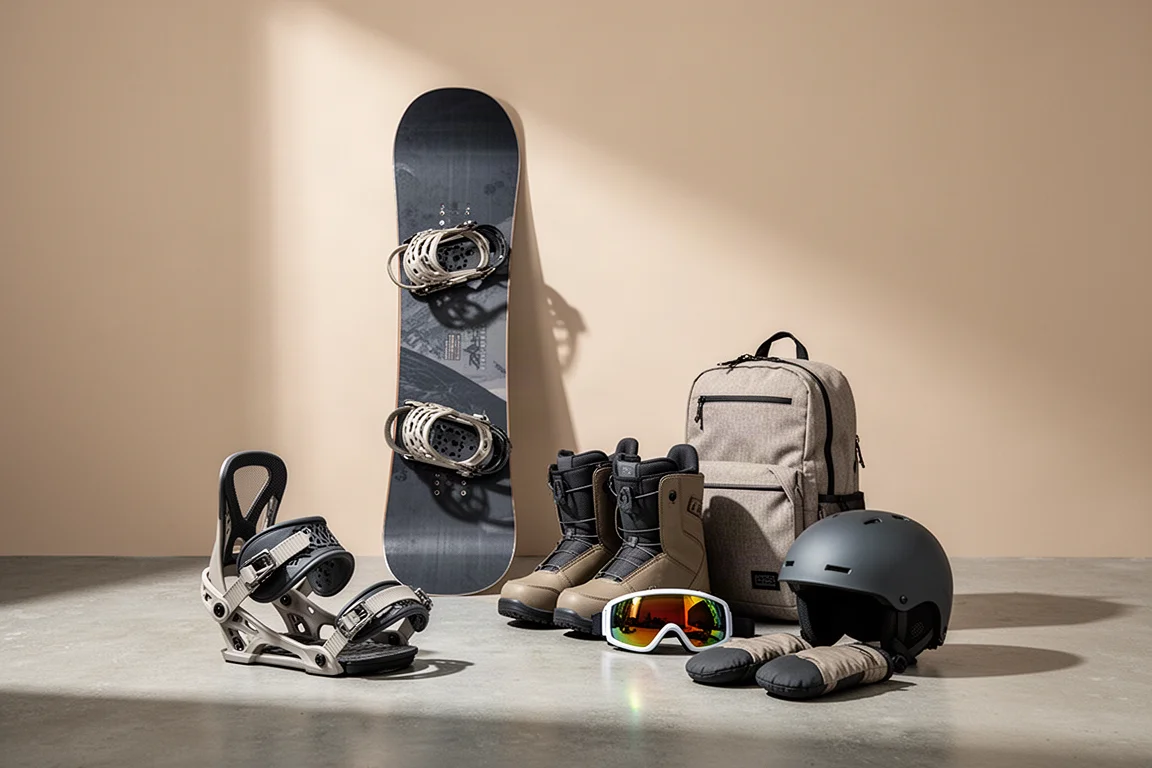
Picking a full snowboard setup is a balancing act: the board, bindings, and boots all need to work together, while the goggles, helmet, and pack quietly handle everything else. This season’s setup was put through a week of riding on the glacier in Hintertux, Austria, and every piece below earned its place. Here is the complete list, piece by piece.
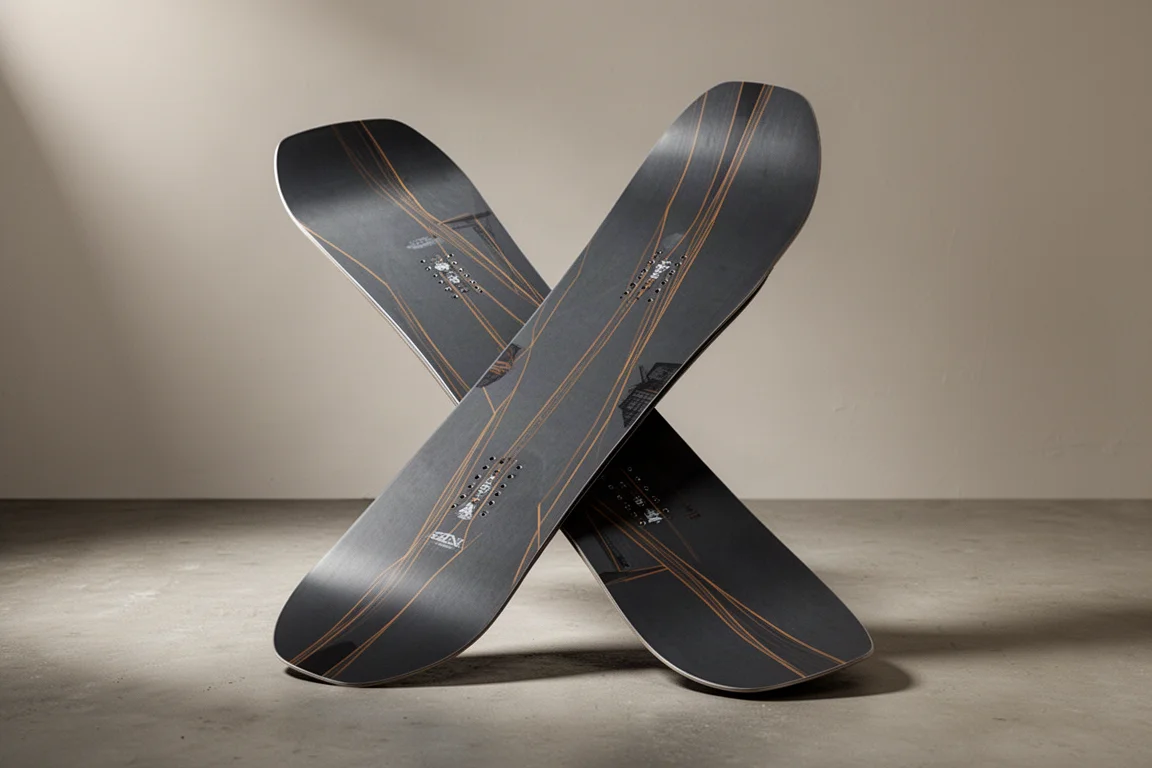
Board: Nidecker Sensor Plus
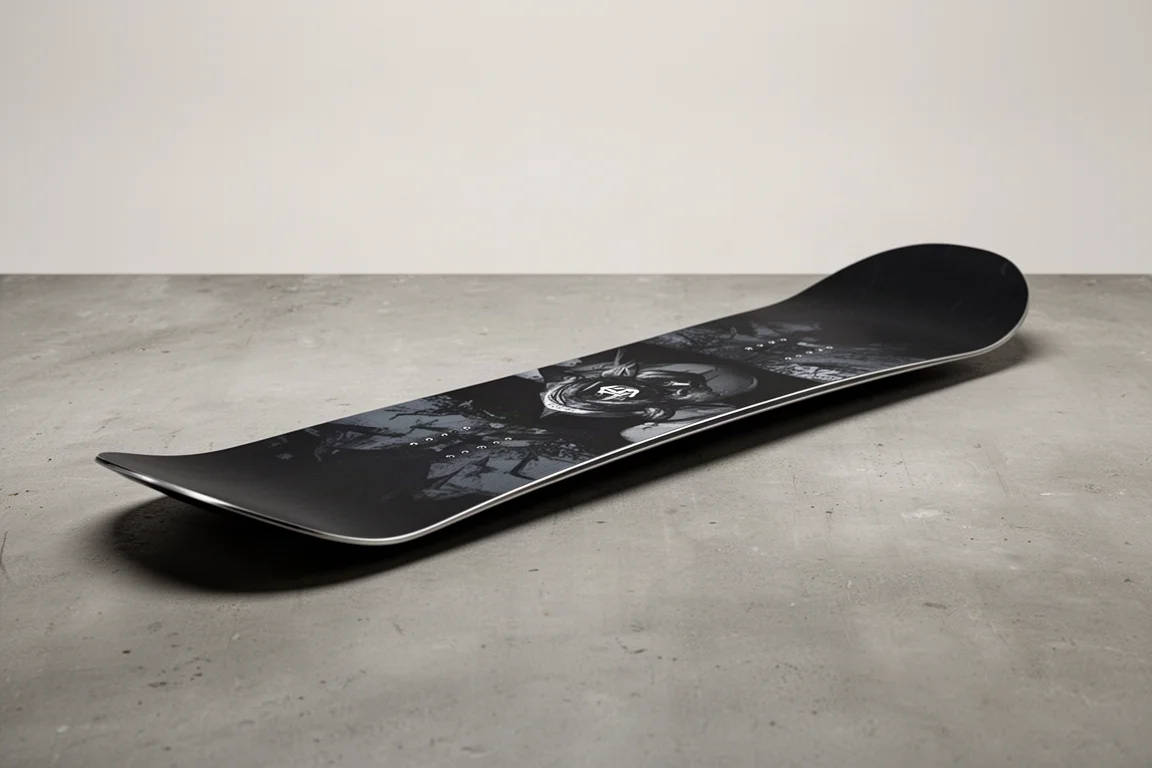
The Sensor Plus is an aggressive park snowboard, and after a week of testing it has proven stable on jumps, reliable on rails, and still flexible enough for butter tricks. The standout features are the full positive camber, which gives plenty of control riding through the park, and 3D Sidekick technology in the nose and tail that makes the board feel less catchy during spins off jumps.
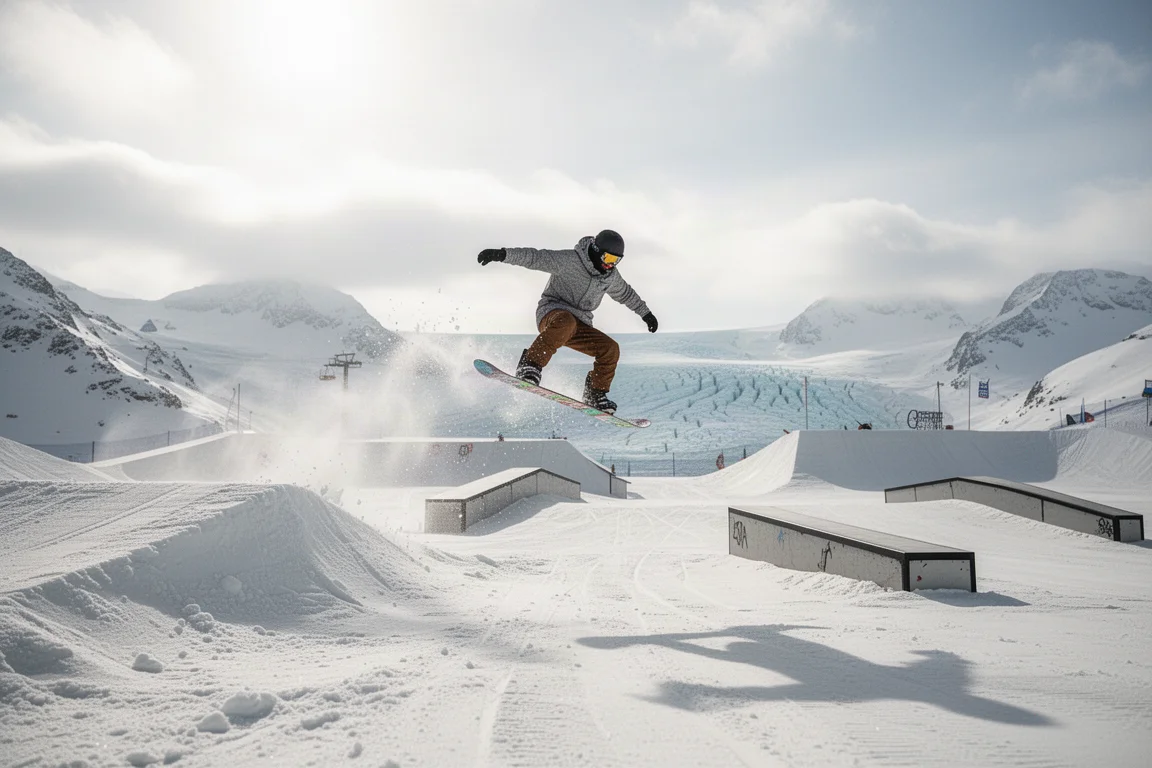
It is best suited to intermediate to advanced park riders. If that sounds a step too far, Nidecker also makes a regular Sensor aimed at beginner to intermediate park riders.
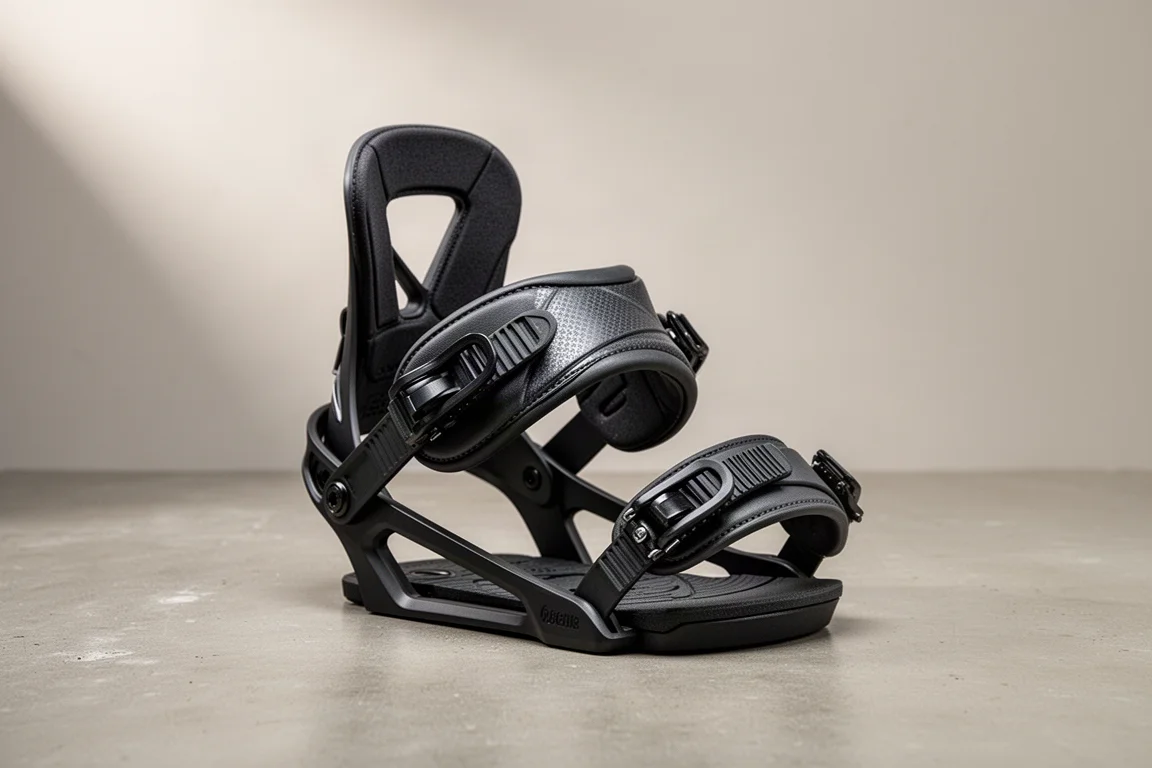
Bindings: Nidecker Kaon-X
The Kaon-X is a high-performance binding with a few details that stand out after a week of riding. The hammock-style straps 3D-mould around the boot for a very secure feel, and the mid-flex highback and baseplate construction provides support at high speeds while keeping enough flex for tricks.
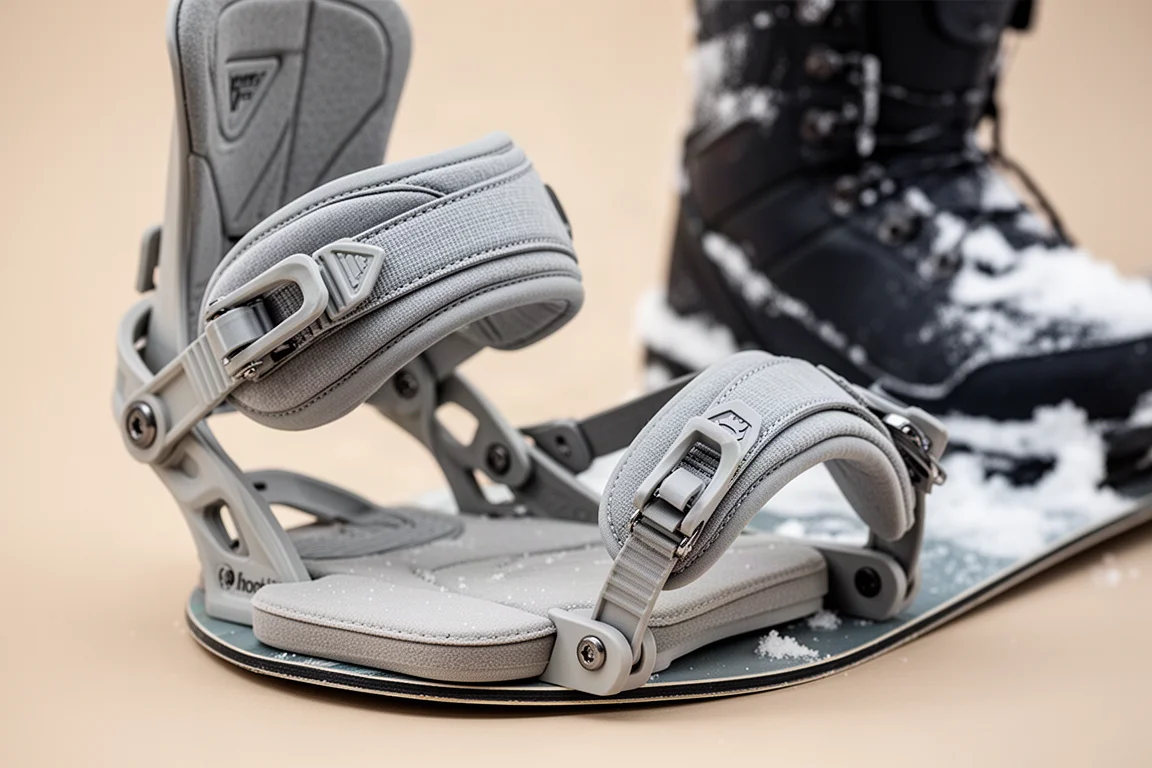
There is also padded material under the foot for extra cushioning and dampening, which keeps landings noticeably more comfortable.
Boots: Nidecker Tracer
The Tracer is a double BOA boot with a mid flex, and comfort was the deciding factor in choosing it. Spending half an hour in the store checking for pressure points and awkward hot spots paid off: on snow they have stayed comfortable, delivered good performance, and mesh well with the binding and board setup.
Boots are the most personal piece of gear in any setup, so the advice here is simple: these work well, but always put boots on your own feet before buying to confirm the fit works for you.
Goggles: Anon M4S
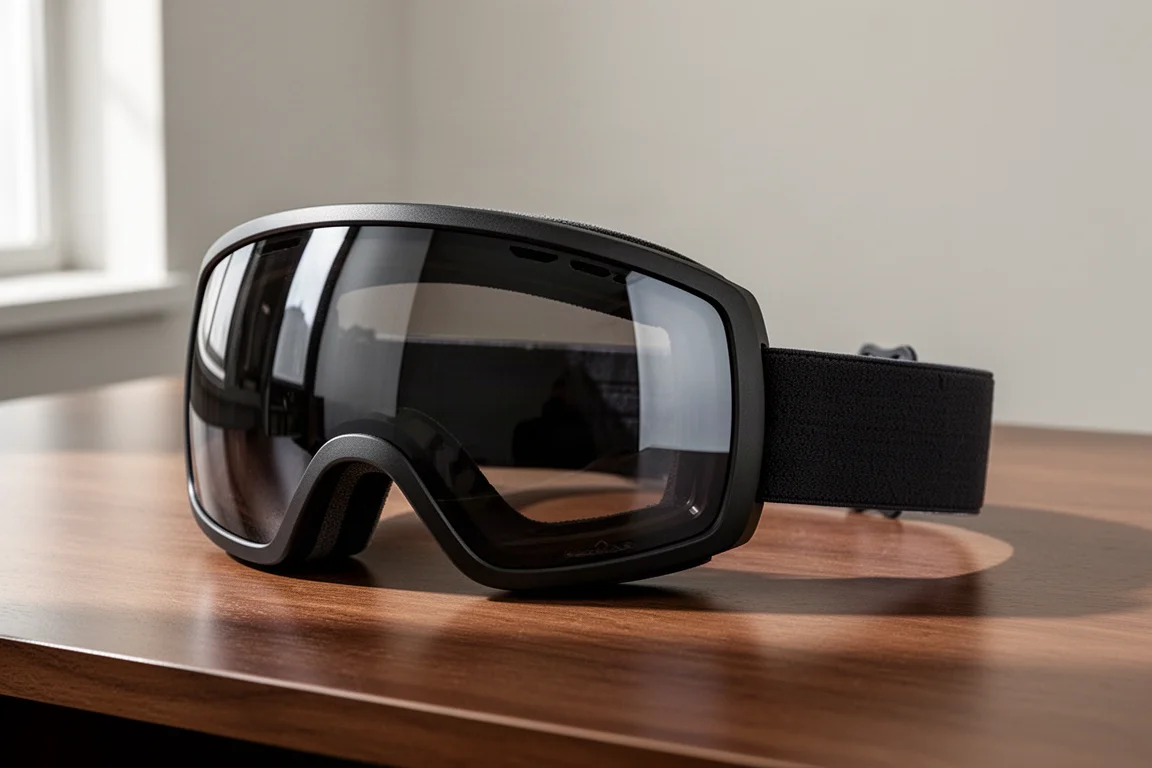
Now in a third season of use, the M4S has become a benchmark for what a goggle should do. The large frame gives an unobstructed field of view in any direction, and the lens-change system swaps lenses in seconds, which makes moving between a high-light and low-light lens convenient while keeping the lens fog-free in the process.
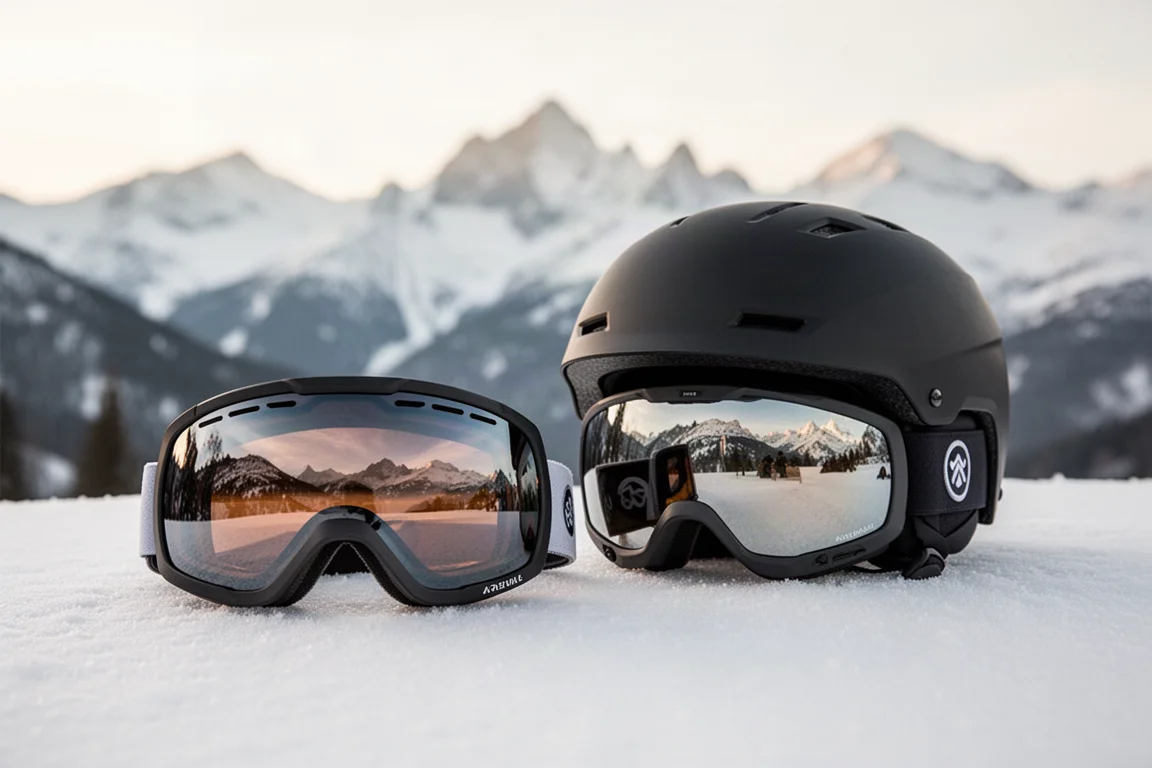
Longevity says a lot here: three seasons of riding is a strong endorsement for any goggle.
Helmet: Anon Logan
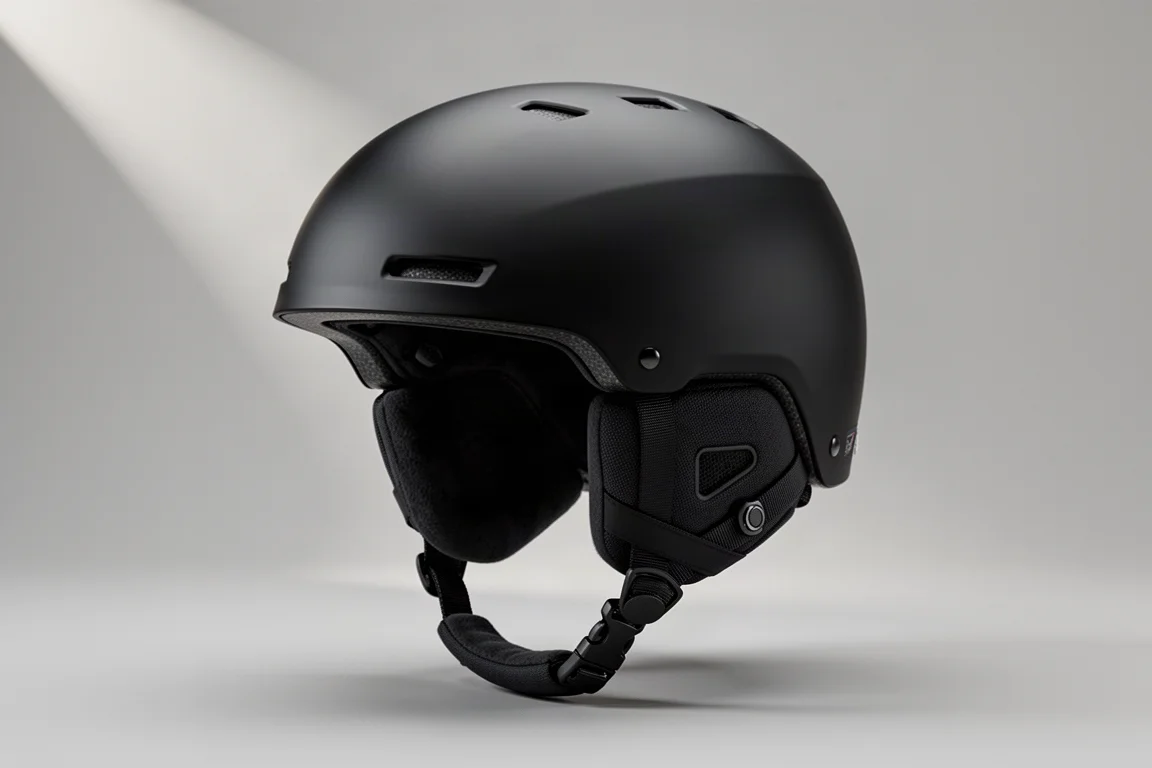
The Logan is a low-profile, lightweight helmet that you simply stop noticing while riding, which is exactly the point. It pairs seamlessly with Anon goggles, and safety-wise it uses Wavecell technology, a newer approach designed to flex, crumple, and glide to help protect your head.
Face Mask: Anon MFI
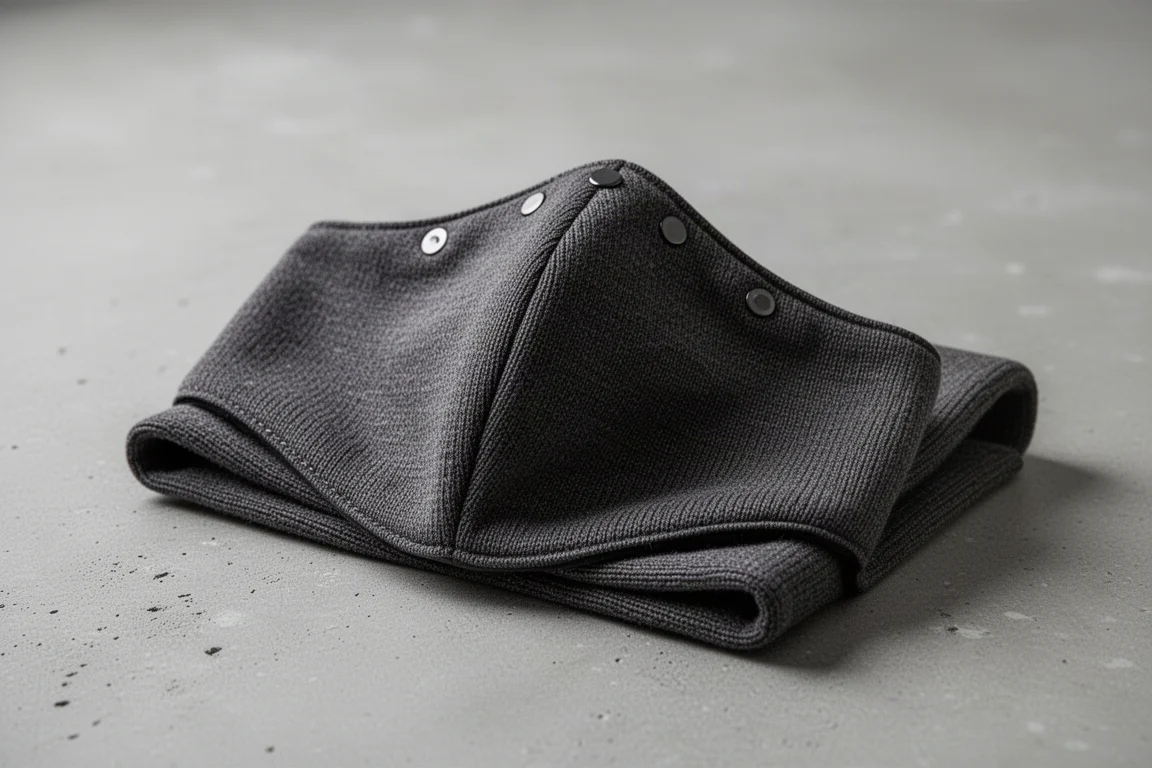
The MFI face mask connects to the goggles with magnets, sealing the gap between goggle and face. It is a small detail with a big payoff: an easy way to keep your face and neck warm through cold chairlift rides and windy summit days.
Outerwear: 686 Jacket and Volcom Pants
For outerwear this season, the jacket is from 686 and the pants are Volcom, and both check the same two boxes that matter most: lightweight comfort and reliable waterproofing. Both use Gore-Tex to stay dry in the mountains, and the light fit leaves full freedom of movement for snowboarding. The combination works so well together that it is hard to imagine splitting them up.
Backpack: Jones Descent 25L
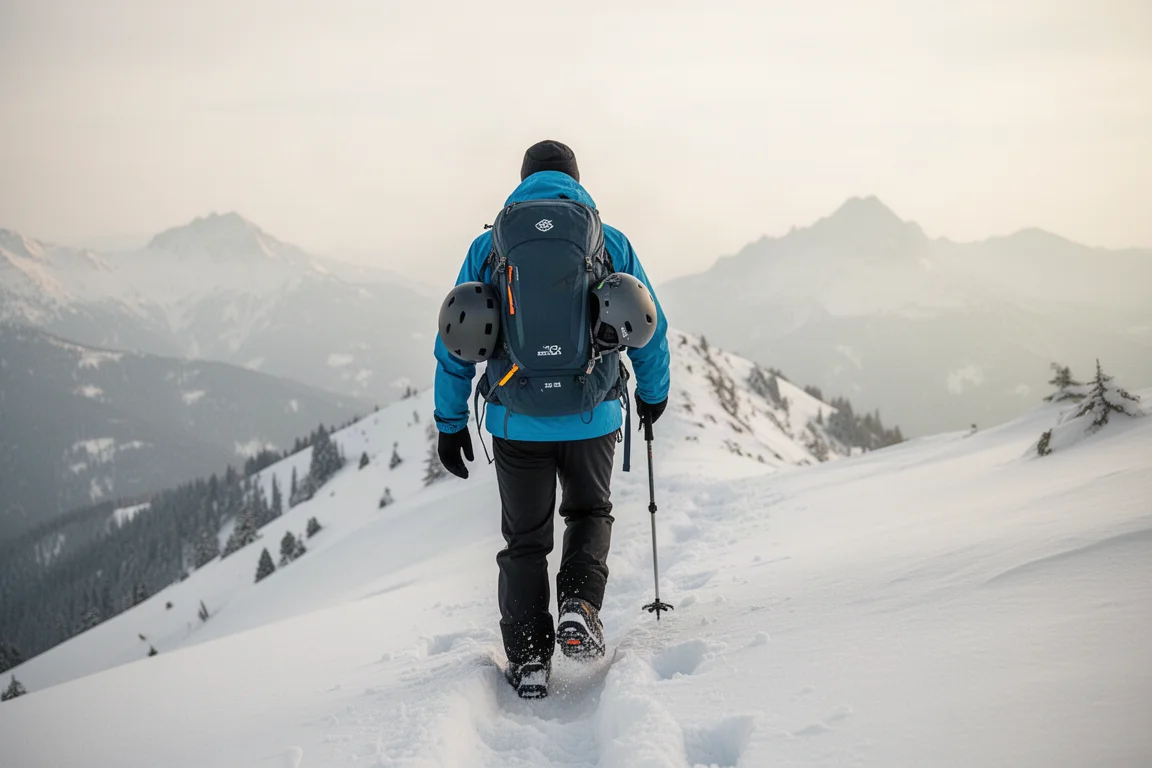
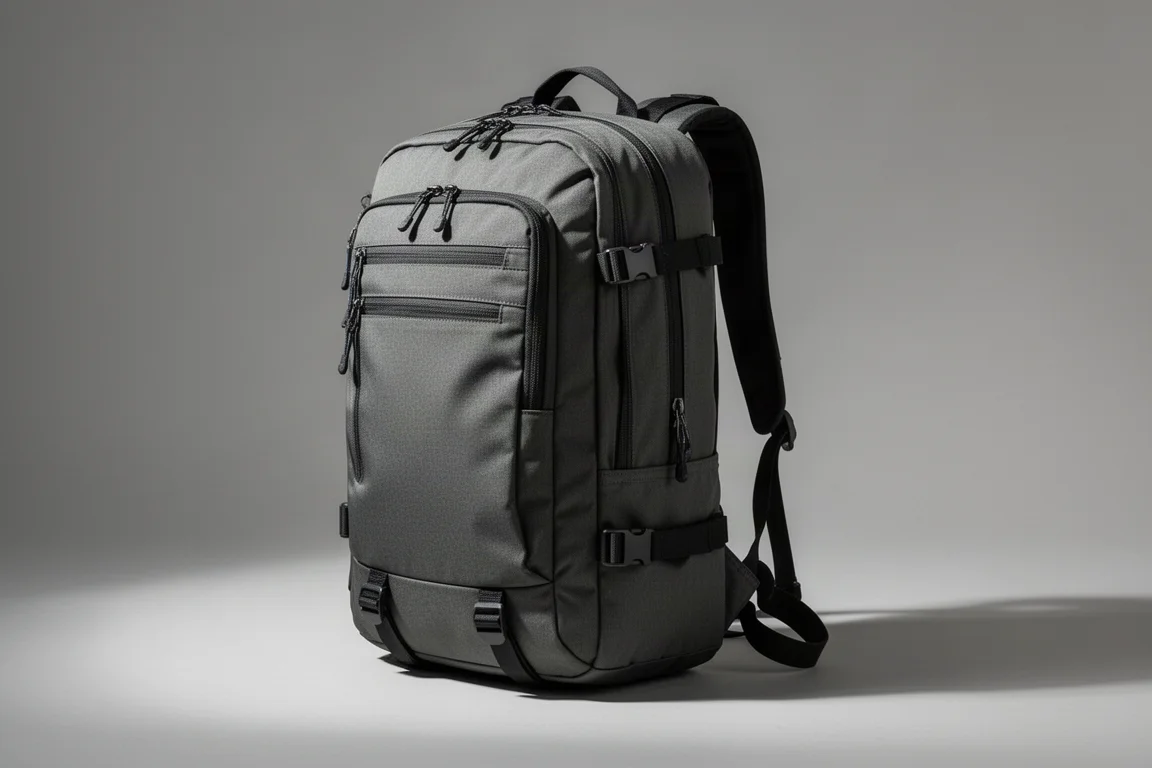
Now in its second season of use, the Jones Descent 25L has earned a strong claim as a favourite snowboard pack. It offers plenty of functional pockets, a helmet carry, and really comfortable straps for boot hikes into the mountains, making it a natural fit for riders who split their time between lift laps and short hikes.
Small Extras
Rounding out the setup are Howl mitts, a mid-weight mitt with a soft thumb for wiping moisture off the goggles and a wrist strap to help avoid losing them. Small details, but exactly the kind that get appreciated most on a cold day.
Conclusion
This setup leans park-forward without ignoring the rest of the mountain: a cambered park board with forgiving 3D tech in the tips, comfortable mid-flex boots and bindings, and a goggle-and-helmet system that has been refined over multiple seasons. Riders building a similar kit would do well to prioritize fit and comfort first, especially with boots, and let the performance details follow from there.
Further reading
Related Reviews

Snowboarding
2025 Snowboard Gear List: Five Picks That Earned Their Place on the Mountain
From Zeiss-lens goggles to a hybrid step-in binding, here are five pieces of 2025 snowboard gear that held up across a full season of riding.

Snowboarding
2026 Snowboard Gear List: Boards, Bindings, Boots and Outerwear Worth a Look
A season-ready snowboard setup built from the bottom up: base layers, Strafe outerwear, Ride and Union boots, Union bindings, and two new Capita boards.

Snowboarding
32 Cold World Review: A Playful Hybrid Camber Board for Park Laps
The 32 Cold World blends classic camber underfoot with flat nose and tail sections for a predictable, butter-friendly ride aimed at intermediate park riders.