Snowboarding
Where to Spend and Where to Save on Your First Snowboard Setup
A practical spending guide for new riders: boots, goggles, base layers, mid-layers, and the one piece of gear you should never cheap out on.
Introduction
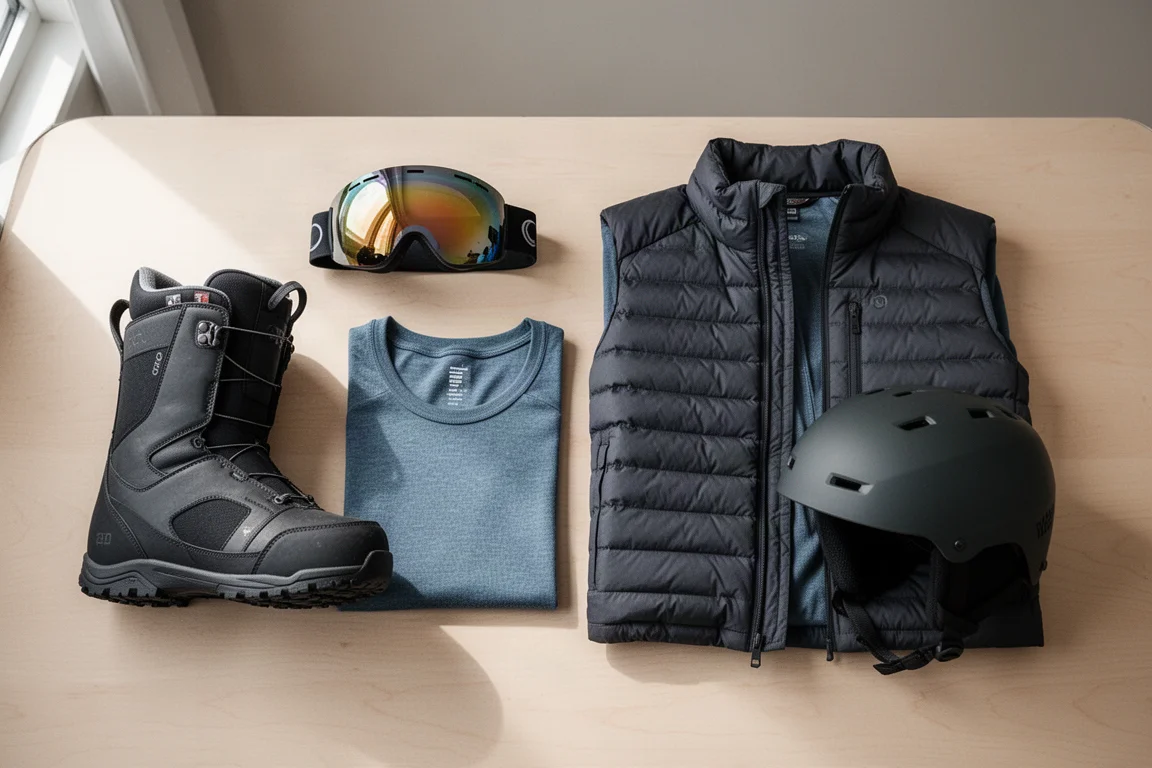
Buying your first snowboard setup usually means working with a tight budget and not knowing exactly where a few extra dollars will actually pay off. The good news is that the pattern is fairly consistent: comfort-focused pieces are worth spending on, and everything else can wait. This guide walks through each category in order of impact so you can build a setup that keeps you comfortable on the mountain all season.
Boots: Where the Extra Money Matters Most
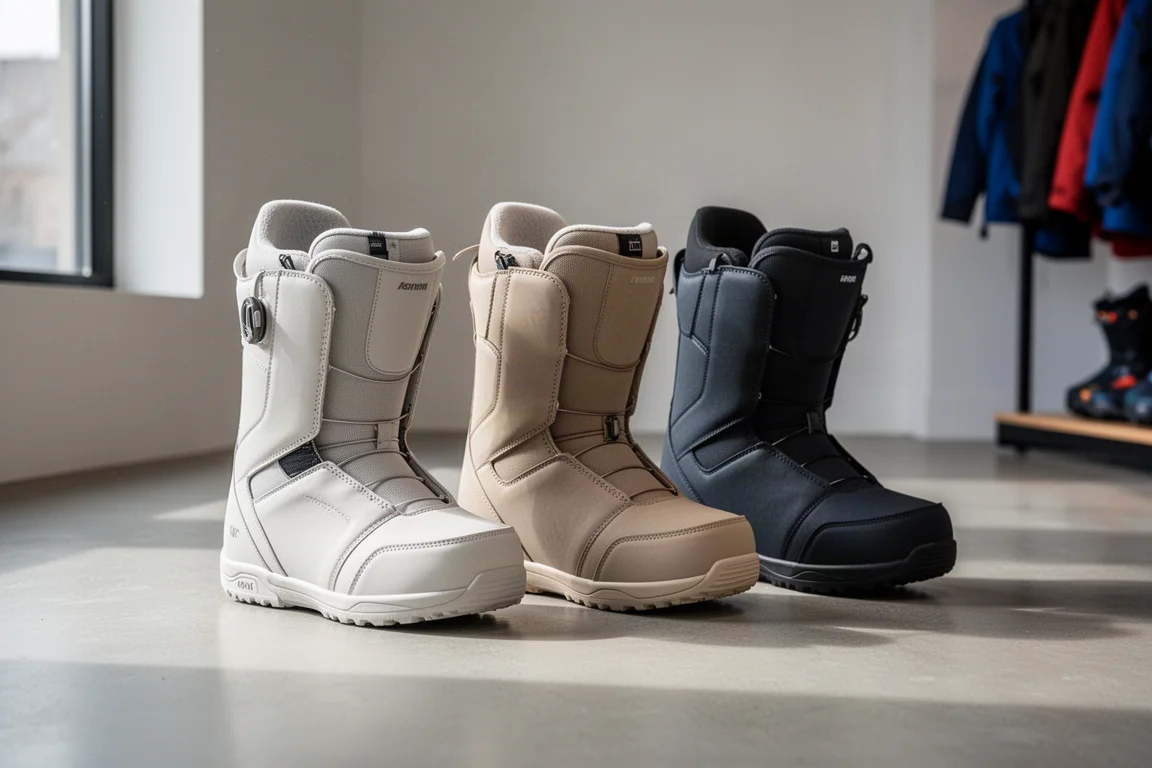
Boots are arguably the most important purchase in your first setup. Everyone’s feet are different, so take the time to try on a few brands and find one that fits your foot well. Some boots have a wider toe box, some a narrower heel pocket, others a tighter instep, and the cheapest option is not always going to fit you.
Going even one level above entry-level usually gets you better materials, including a better liner, which makes a big difference in overall comfort. Look for boots with an independent upper and lower lacing zone, such as a double Boa system or a standard lace setup for full control over the fit. As a beginner, higher-end features matter less, but a softer flex and a proper fit are worth paying for. If your feet are not happy, you will not have fun.
Goggles: Do Not Settle for Knock-offs
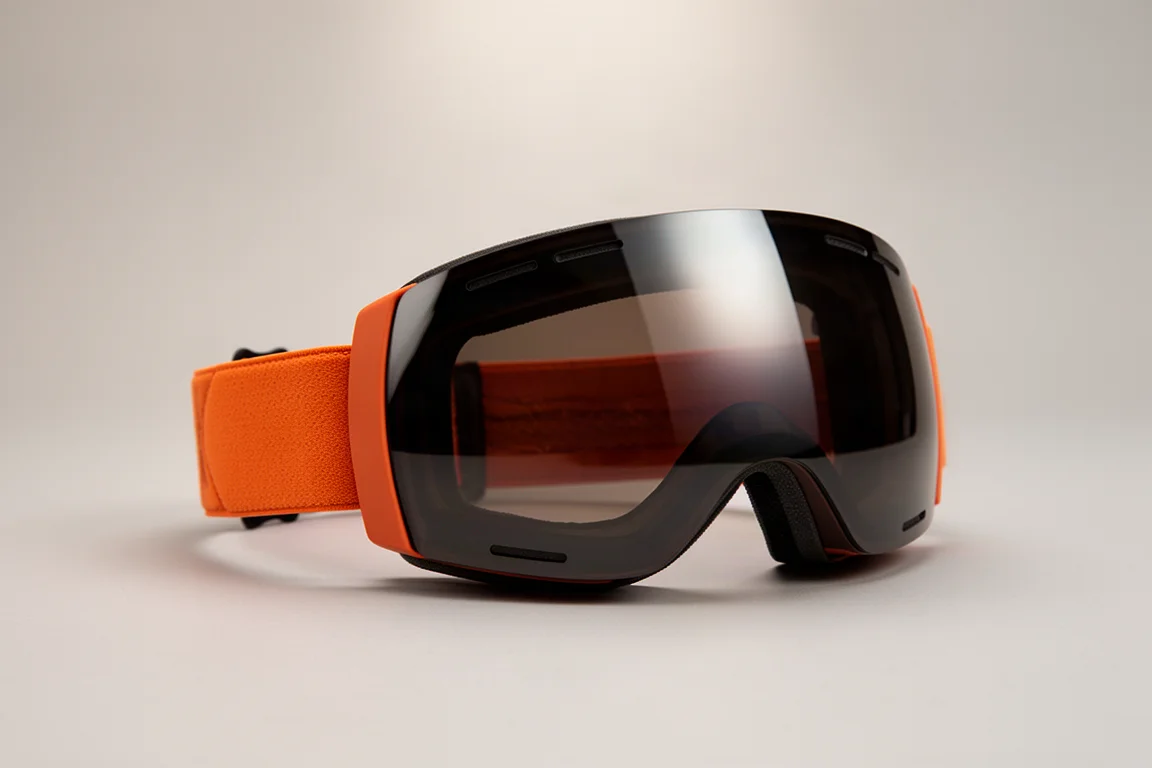
Being able to see where you are going is essential, so skip the cheap imitations. Quality goggles come with better design, construction, and customer service, but the real advantages are optical clarity, less fogging, and lens tech that improves contrast so you can read the contours of the snow better.
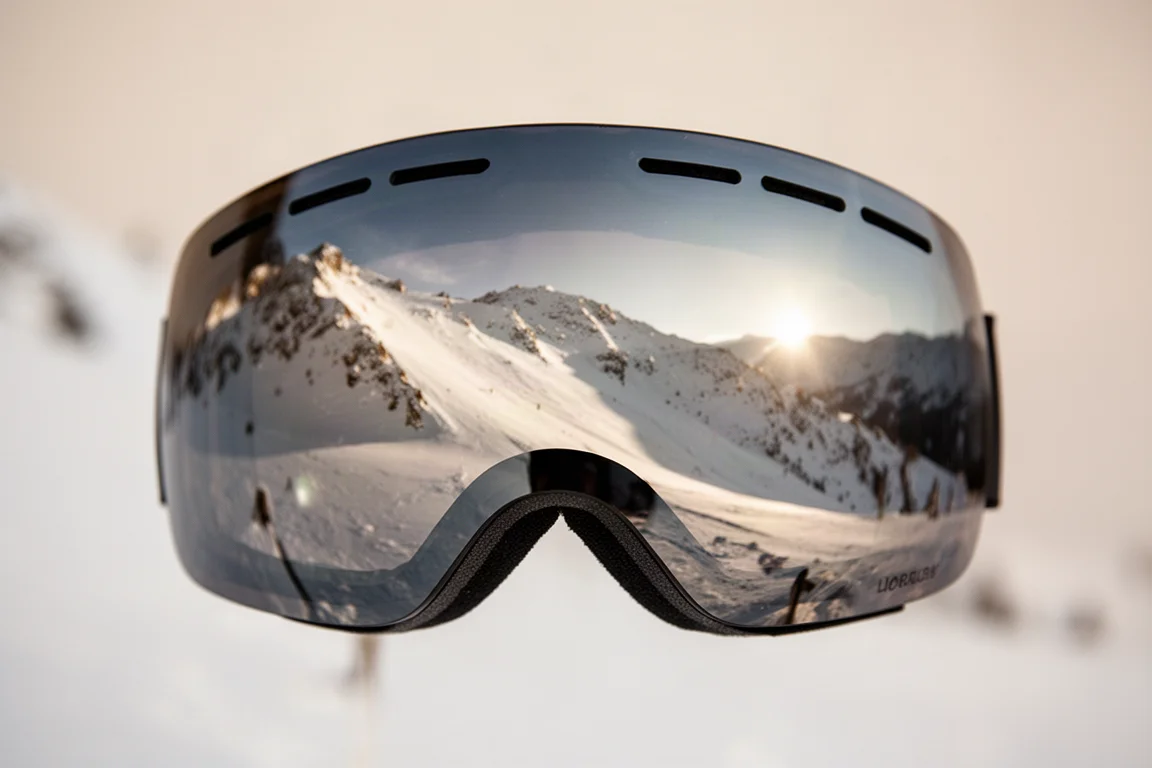
It does not have to be expensive. The Smith Squad XL is a solid example: it was run for an entire season, performs well, and comes in at a great price. Sales events like Labor Day, Black Friday, and end-of-season clearances often bring genuinely good goggles down under $100. It is worth hunting for a deal rather than settling for a knock-off.
Base Layers: Stay Warm, Stay Dry
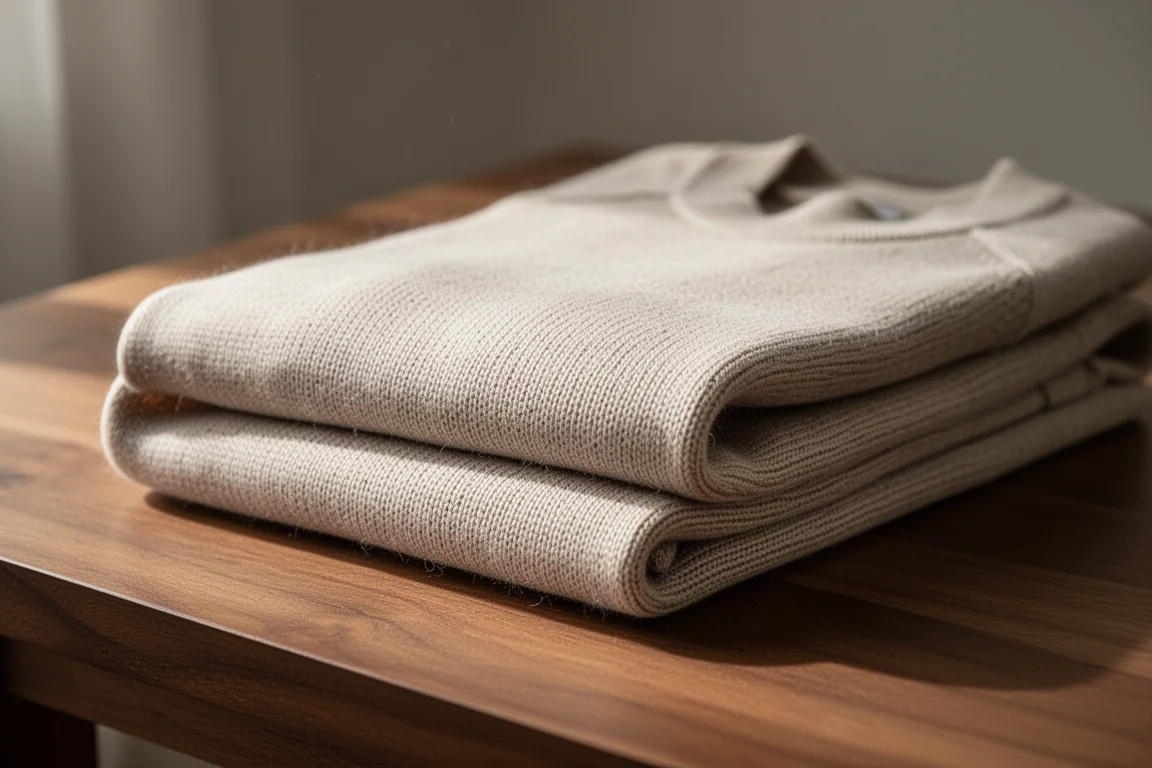
Heat management is one of the biggest factors in staying comfortable on the mountain for a full season, and a dedicated mountain base layer does not need to be expensive. The main benefit beyond insulation is moisture-wicking: when you sweat, the fabric pulls moisture away from your body and helps you stay warmer.
If your budget stretches a little further, look at merino wool for anything that touches your skin. It insulates better when damp, does not turn cold and clammy the way cotton does, and is naturally odor resistant. Making that switch is a genuine game-changer over a season.
Socks and Face Masks: Small Purchases, Big Comfort
A pair of dedicated snowboard socks is cheap insurance for happy feet, usually around $20. They extend well above your boots, fit better thanks to an articulated cut, and place insulation and reinforcement where you need it, so they last. Merino options are frequently available for around $15 on sale.
A quality face mask is another small purchase that gets overlooked. Skip the bandana or the cheap one from the resort base area: a proper mask protects your face from cold and wind, offers UV protection on sunny days, and tucks neatly into your goggles to cover your nose while avoiding fogging issues. Many riders wear one year-round regardless of temperature, and at roughly $20 to $30 it is easy to justify.
Mid-Layers: The Most Versatile Piece You Can Buy
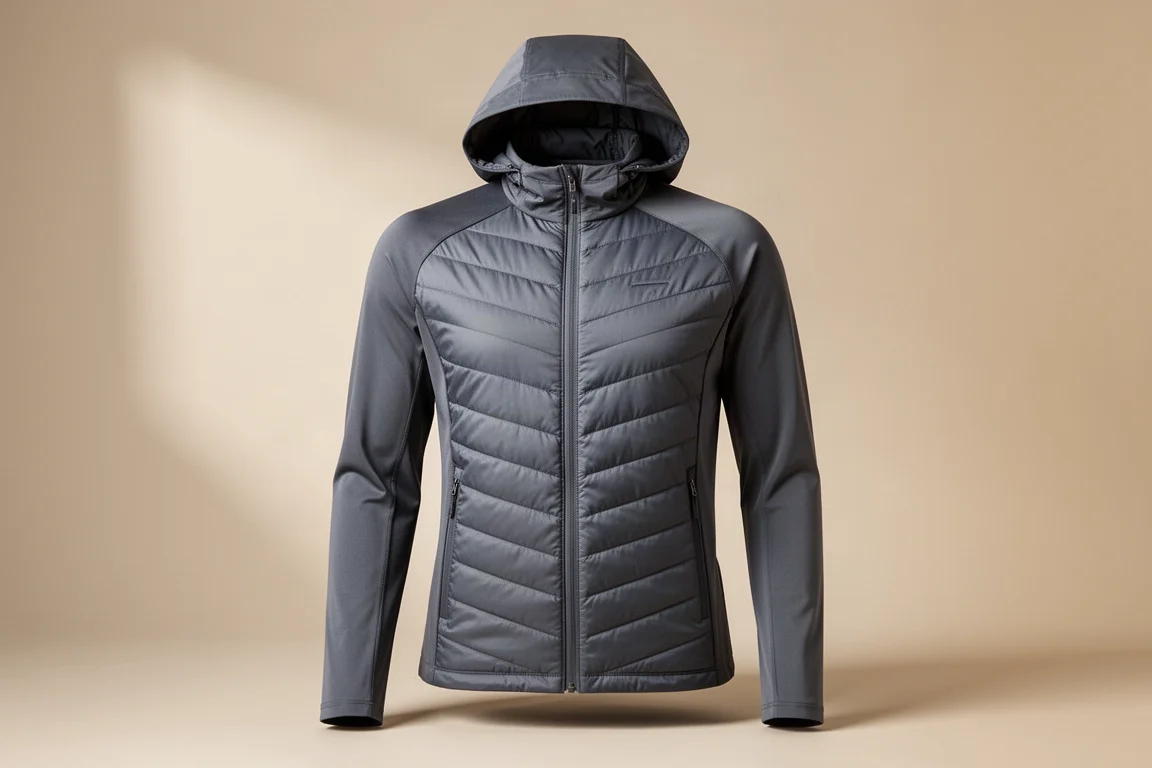
A hoodless mid-layer may be the most versatile piece of gear you can buy. It works under a hoodie, under a jacket, or around town, and it doubles for other sports and activities. It is very packable, stuffing easily into almost any backpack with spare room.
A good one is also moisture-wicking, so moisture that leaves your base layer keeps travelling further away from your body. Starting with hoodies is fine, but once budget allows, a quality mid-layer is one of the best investments you can make for heat management. The Arc’teryx Atom LT is a strong example of the category: durable enough to last years of regular use, and consistently versatile across changing conditions.
Helmets: The One Thing You Should Never Skip
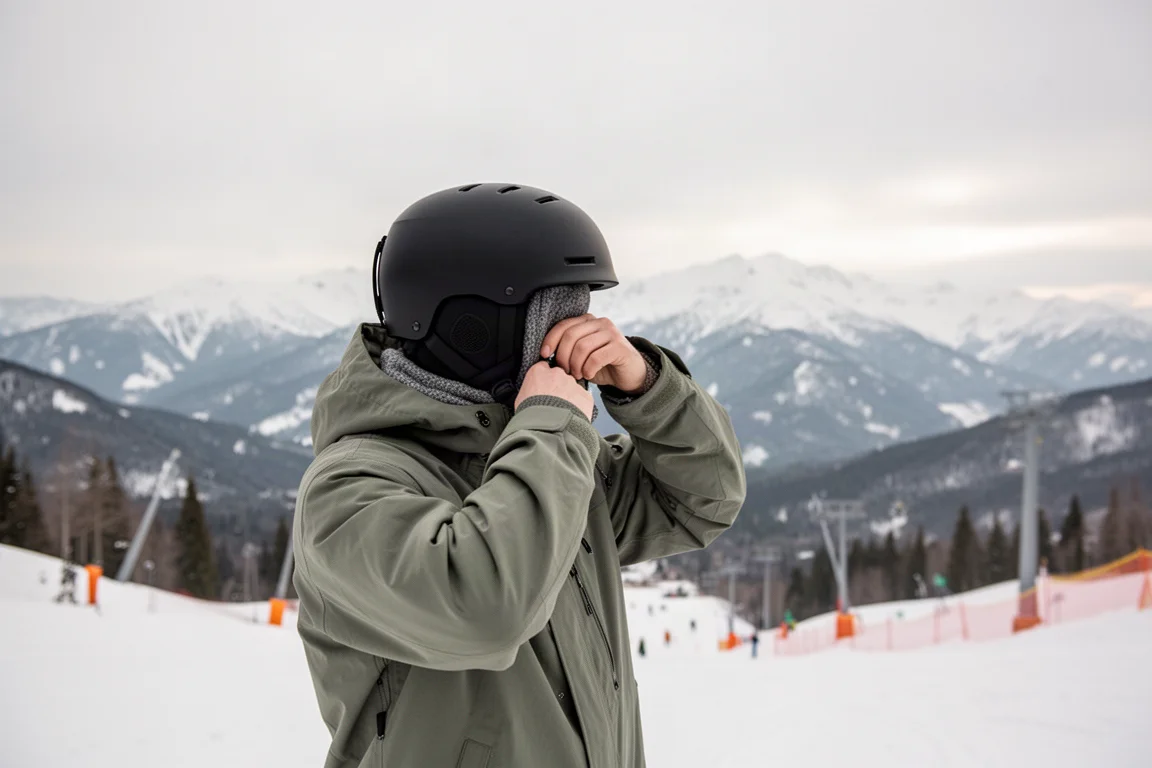
Finally, get a helmet. Pick one that looks good to you and feels comfortable, and protect your head out there. This is not a piece of gear to skip in order to save money, no matter how tight the budget is.
Where to Spend and Where to Save
If you are prioritizing, spend first on boots and a helmet, then on goggles and a quality mid-layer. Save on the small stuff with smart choices: dedicated snowboard socks and a face mask cost very little but deliver outsized comfort, and base layers can be affordable as long as they wick moisture. Wait for seasonal sales on goggles and other apparel to stretch your budget further.
Conclusion
A great first snowboard setup is not about buying everything at once. It is about putting money where comfort and safety live: boots that fit, goggles that stay clear, layers that manage heat, and a helmet you never ride without. Make those calls carefully and the rest of your budget will go a long way.
Further reading
Related Reviews

Snowboarding
2025 Snowboard Gear List: Five Picks That Earned Their Place on the Mountain
From Zeiss-lens goggles to a hybrid step-in binding, here are five pieces of 2025 snowboard gear that held up across a full season of riding.

Snowboarding
2026 Snowboard Gear List: Boards, Bindings, Boots and Outerwear Worth a Look
A season-ready snowboard setup built from the bottom up: base layers, Strafe outerwear, Ride and Union boots, Union bindings, and two new Capita boards.

Snowboarding
32 Cold World Review: A Playful Hybrid Camber Board for Park Laps
The 32 Cold World blends classic camber underfoot with flat nose and tail sections for a predictable, butter-friendly ride aimed at intermediate park riders.