Hand Tools
Snap-On XB2024A 12-Point Double Box End Wrench: How It Handles Rounded Bolts
We look at how Snap-On's 12-point double box end wrench performs on grade 8 and grade 5 hardware, and how quickly it loses grip as fasteners round off.
Introduction
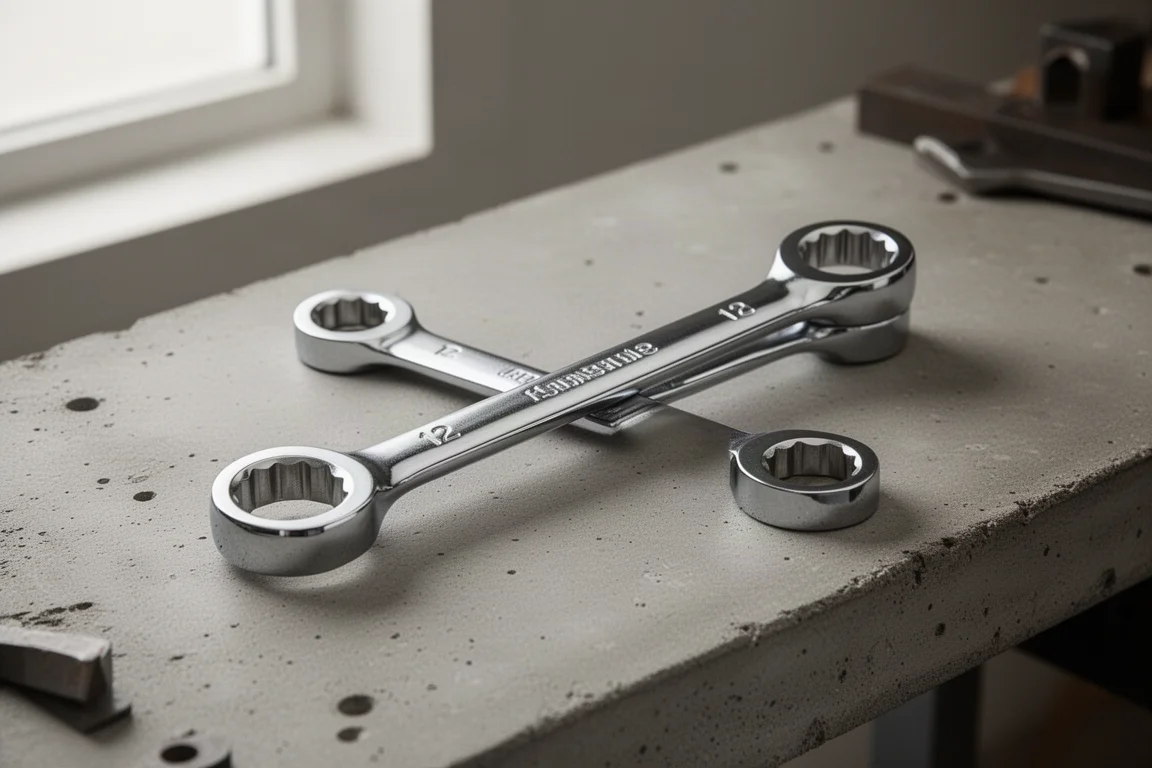
The 12-point box end wrench carries a well-earned reputation for slipping. Many of us have scraped knuckles and rounded bolt heads to show for it. But the Snap-On XB2024A is a dedicated 12-point double box end wrench, with no combination-wrench open end involved, and it is worth asking whether the slipping reputation holds up when the tool is tested properly on common automotive hardware.
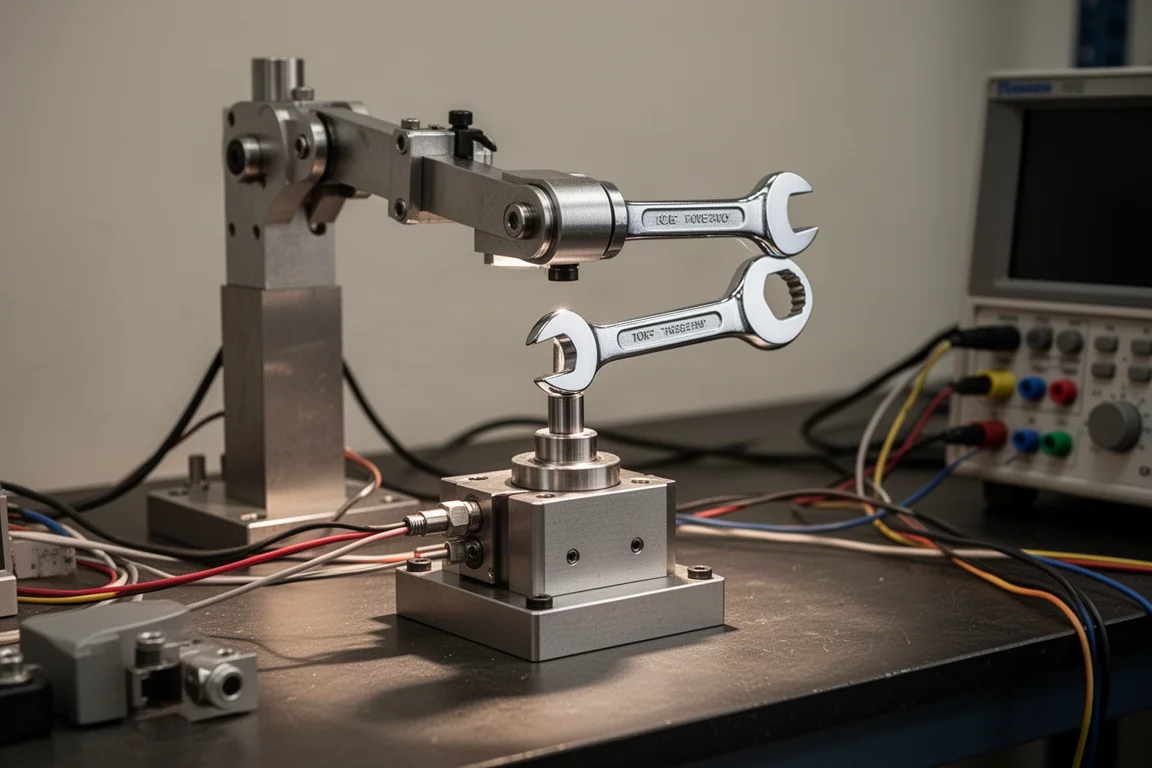
That is exactly the kind of question worth answering with data. Using an automated push-button wrench-turning robot, and keeping every wrench in the comparison from the same brand and factory, the playing field stays as level as possible. The XB2024A was tested on hardened grade 5 and metric class 8.8 hardware, the most common you will find on a vehicle, and on grade 8 or class 10.9, which is harder and stronger.
How We Look at Wrench Grip
Torque was measured at a transducer, so wrench length does not affect the readings. Tests were run against the thickness of a standard 5/8-inch hex bolt head and a standard 3/4-inch bolt head, simulating the situation where the tool only has a bolt head’s worth of material to grab.
On fresh 5/8 grade 8 hex stock, the 12-point box end produced 339.6 Nm, roughly 250 ft-lbs, far more than you would realistically apply by hand on a wrench this size. On pristine hardware, that is a very strong result.
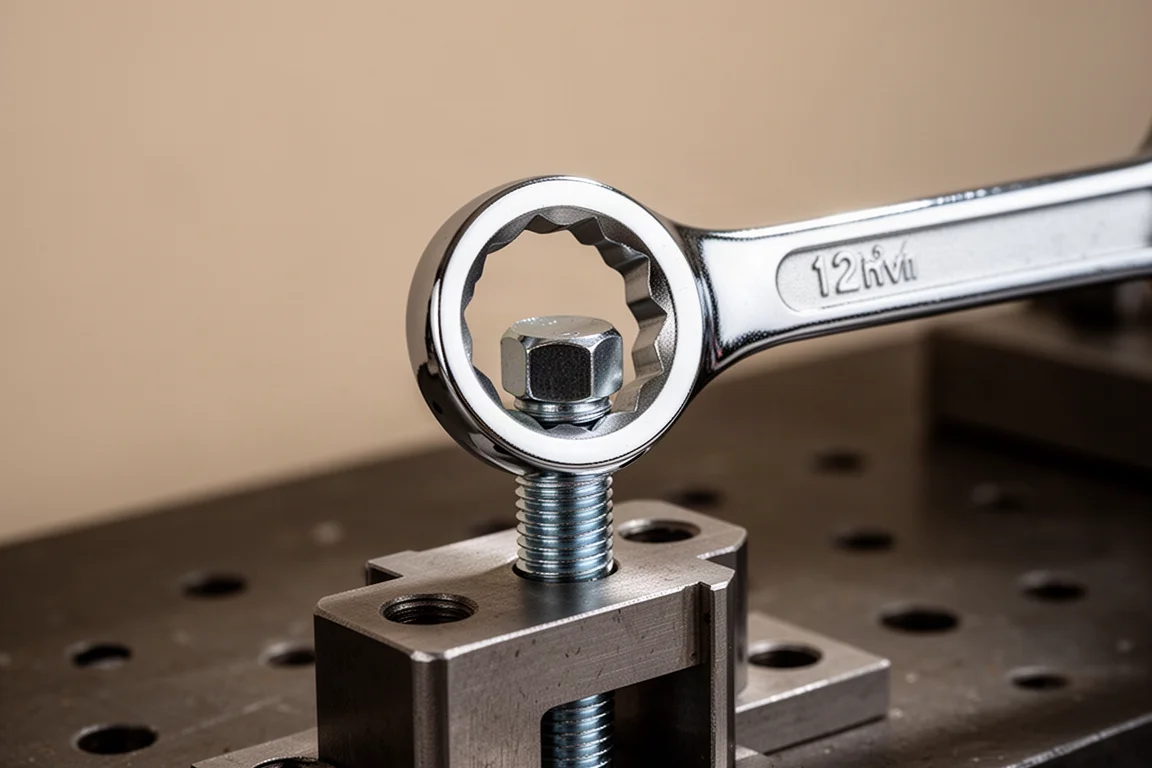
The trade-off shows up once hardware is imperfect. In real-world use, once a bolt head is even slightly rounded, a 12-point seems to lose contact entirely, and at that point even the straight jaws of an open end can feel like they have more purchase. Testing repeated that experience in a controlled way using 40% rounded fasteners, prepared consistently so results stay repeatable across wrench types.
Performance on Rounded Hardware
On the 40% rounded grade 8 hex, the 12-point box end managed 166 Nm, about 122 ft-lbs. That is a 51.1% drop from its fresh-hardware number, and the tool was visibly taking material off the fastener as it turned.
That decline is steeper than most other wrench designs tested on the same hardware. On the larger 3/4-inch grade 5 fasteners, the pattern continued: the 12-point turned 360.1 Nm on a fresh hex, but only 216 Nm once rounded, about a 40% loss. Other designs lost roughly 20 to 28% under the same conditions.
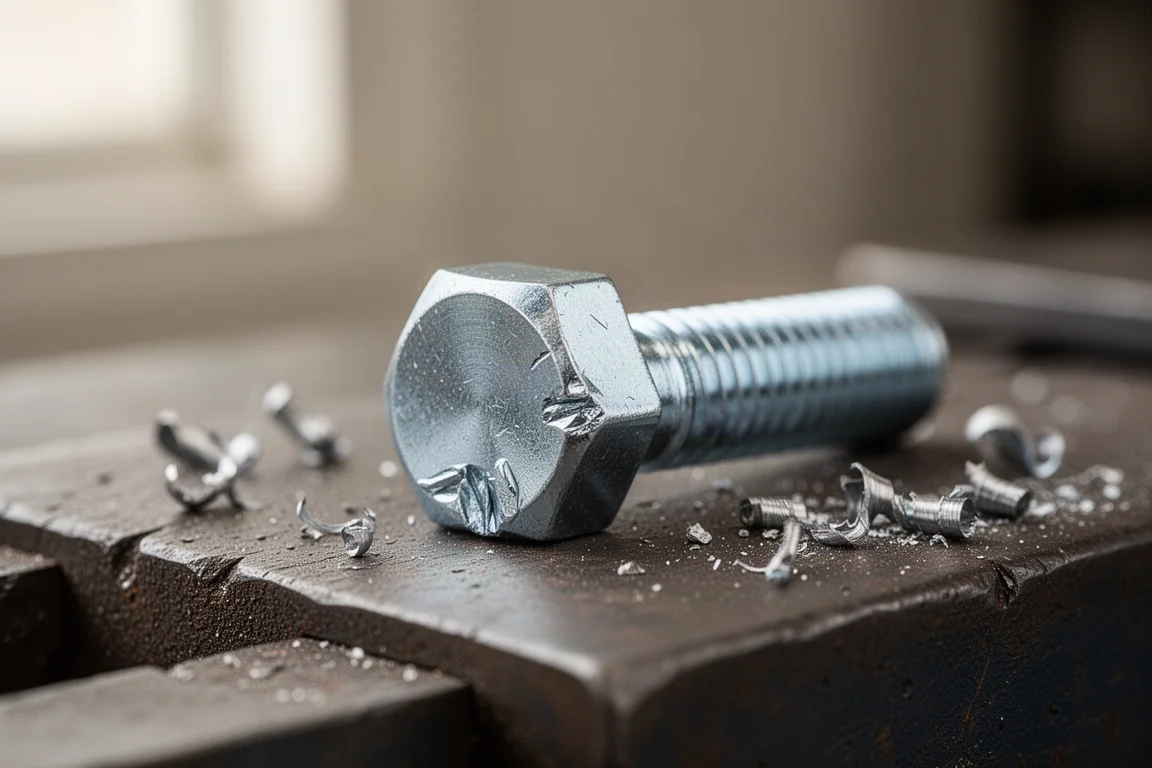
The practical takeaway: if your wrench usually puts out a certain amount of grunt, expect the 12-point to deliver about 40% less once the fastener is imperfect, while designs like the flare nut wrench degrade more slowly. If you suspect a bolt is already compromised, this design loses its advantage quickly.
Where It Fits Among Other Wrench Types
Across different bolt sizes and grades, the 12-point averaged 76.4% of the performance of a 6-point wrench, which was the top performer in every test. Spline averaged 68.4%, flare nut 35.5%, and open end 27.3%. The 12-point edged out spline, and did so consistently.
A few nuances are worth knowing. The flare nut wrench lost the least when hardware rounded, because it is designed for soft fittings that round easily. Spline held up comparatively better on imperfect hardware and may close the gap further at more extreme rounding. But for a standard 12-point hex fastener in reasonable condition, the XB2024A delivers serious turning power.
One caution from testing: a 6-point wrench on grade 8 hardware produced 390.4 Nm and broke the fixture setup before rounded testing could even begin. Box ends and sockets designed for 6-point engagement remain the strongest option when you can access the fastener straight on.
Things to Consider Before Buying
This is a dedicated 12-point double box end, not a combination wrench. That means it exists for one job: turning 12-point fasteners, or hex fasteners when you can only reach them at odd angles. It has no open end, so it will not replace a combination wrench in your drawer.
Its weakness is rounded hardware. If most of your work involves rusted, chewed-up fasteners, a spline or 6-point tool may serve you better, and 12-point designs consistently showed the largest performance loss from fresh to rounded hardware in this testing. On clean fasteners, though, the numbers are strong.
Buying Advice
Buy the XB2024A if you work on fasteners in good condition but with restricted access, where the extra angles of a 12-point ring let you engage the bolt from positions a 6-point cannot reach. That is the design’s whole reason for existing, and on that job it performs well.
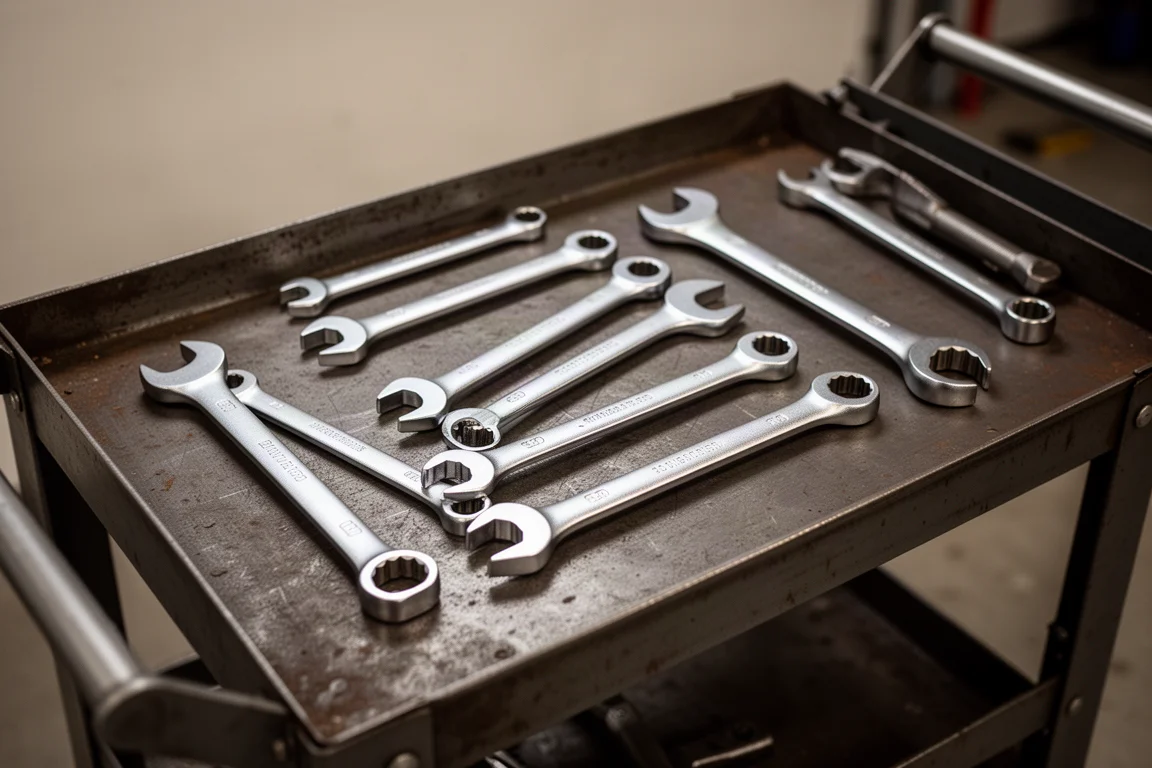
Skip it if your priority is stubborn, rounded, or rusted-in-place hardware. The data consistently shows 12-point designs losing contact and torque quickly as fasteners degrade, and a 6-point wrench or socket remains the better call where access allows. If your work mixes both situations, this wrench is a strong addition, not a replacement, for your existing set.
Conclusion
The Snap-On XB2024A turns clean hex and 12-point fasteners with impressive force, and its 12-point design buys you extra angles of access. Its reputation for slipping on rounded bolts is not a myth, though: it loses torque faster than most alternatives once hardware degrades. Know your fasteners before you reach for it, and it will reward you.
Product link
View more details for Snap-On XB2024A 12-Point Double Box End Wrench
This product is mentioned in the review. Check the specifications, options, and compatibility before buying.
View more details for Snap-On XB2024A 12-Point Double Box End WrenchFurther reading
Related Reviews
Hand Tools
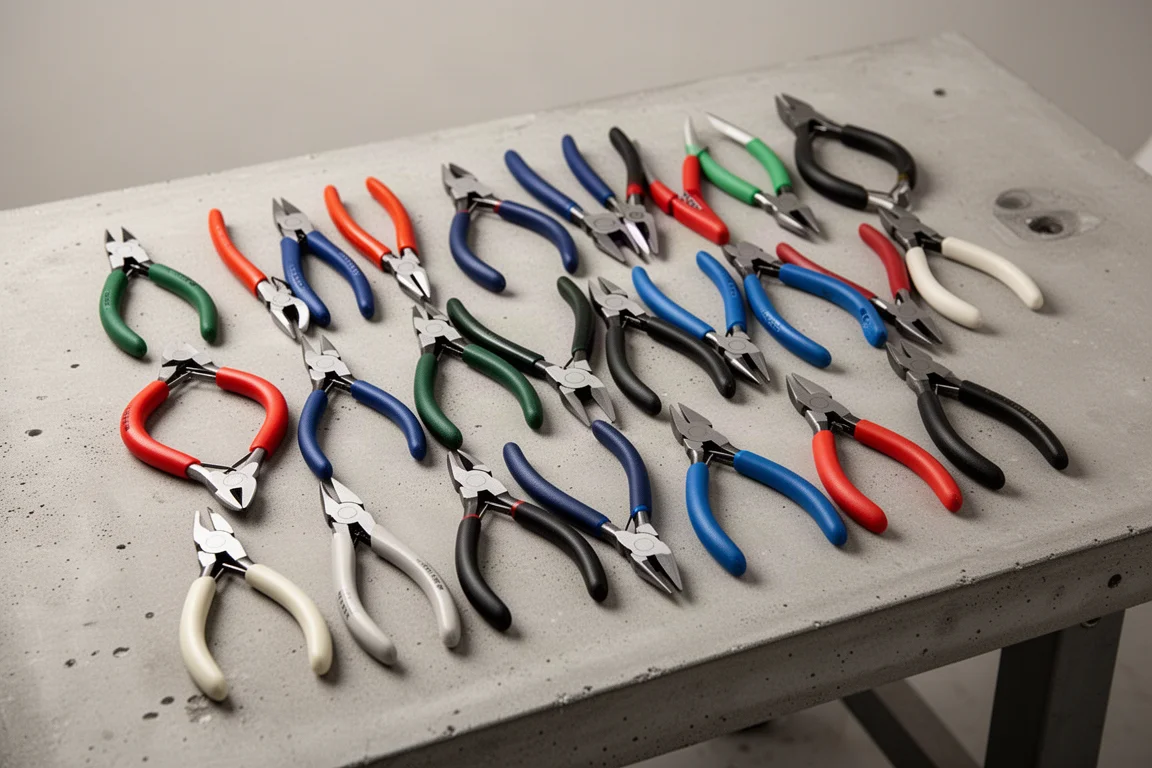
Best Diagonal Cutters 2026: 16 Pliers Tested for Cutting Power and Durability
We put 16 diagonal cutters through nail, screw, drill bit, and hex key tests to find the best value picks for your toolbox.
Hand Tools
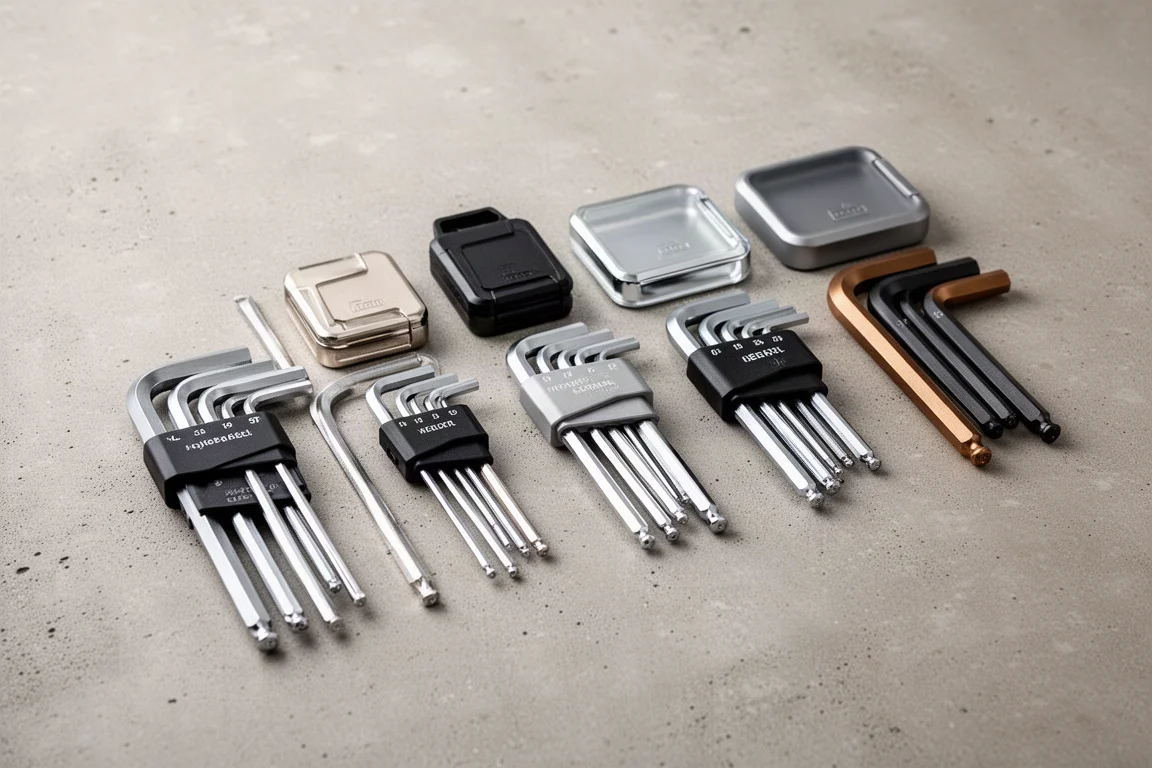
Best Hex L Key Sets 2026: Nine Sets Tested for Real-World Torque
Nine hex L key sets from budget to premium, tested for torque, fit, and durability. See which sets deliver real performance and which ones to skip.
Hand Tools
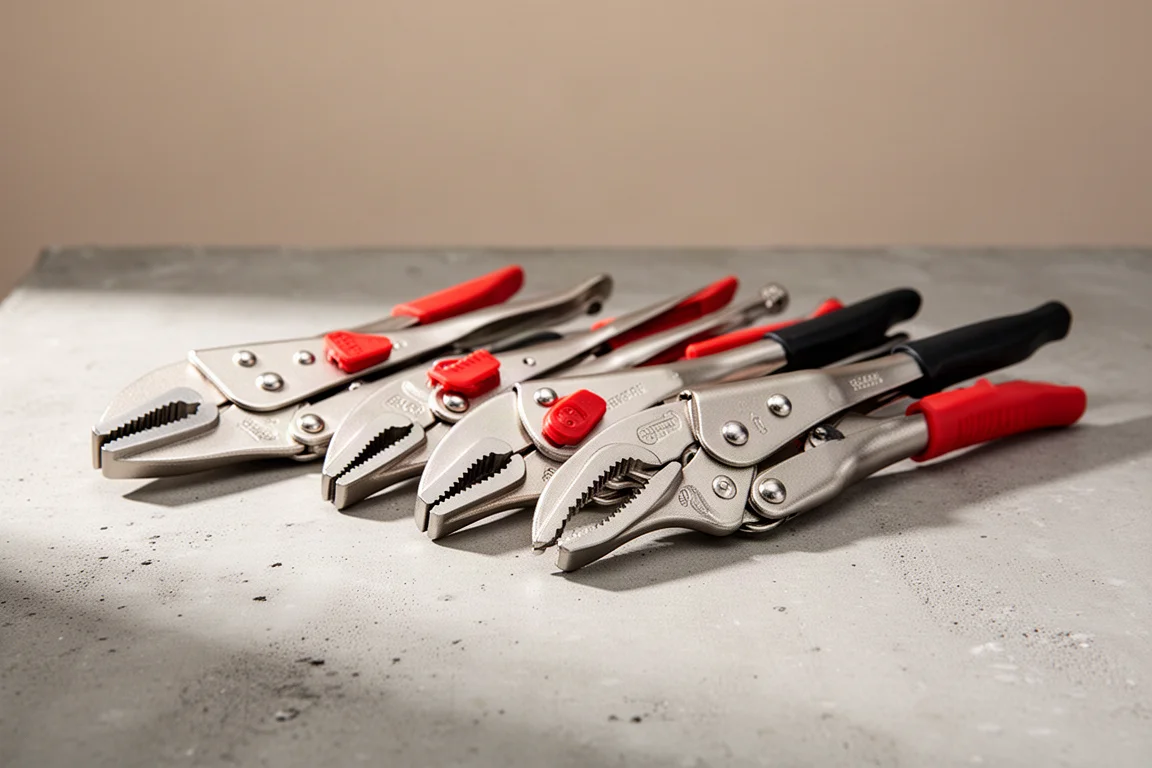
Best Locking Pliers 2026: Top Picks Tested for Grip and Durability
We tested 18 brands of 10-inch locking pliers for grip strength, jaw bite, build quality, and ease of release to find the best options for tough jobs.