Hand Tools
Snap-on WPI Wobble Plus Extension Review: Two Extensions in One
The Snap-on WPI Wobble Plus extension switches between a wobble and a rigid position, and it can convert your existing extensions into wobbles too.
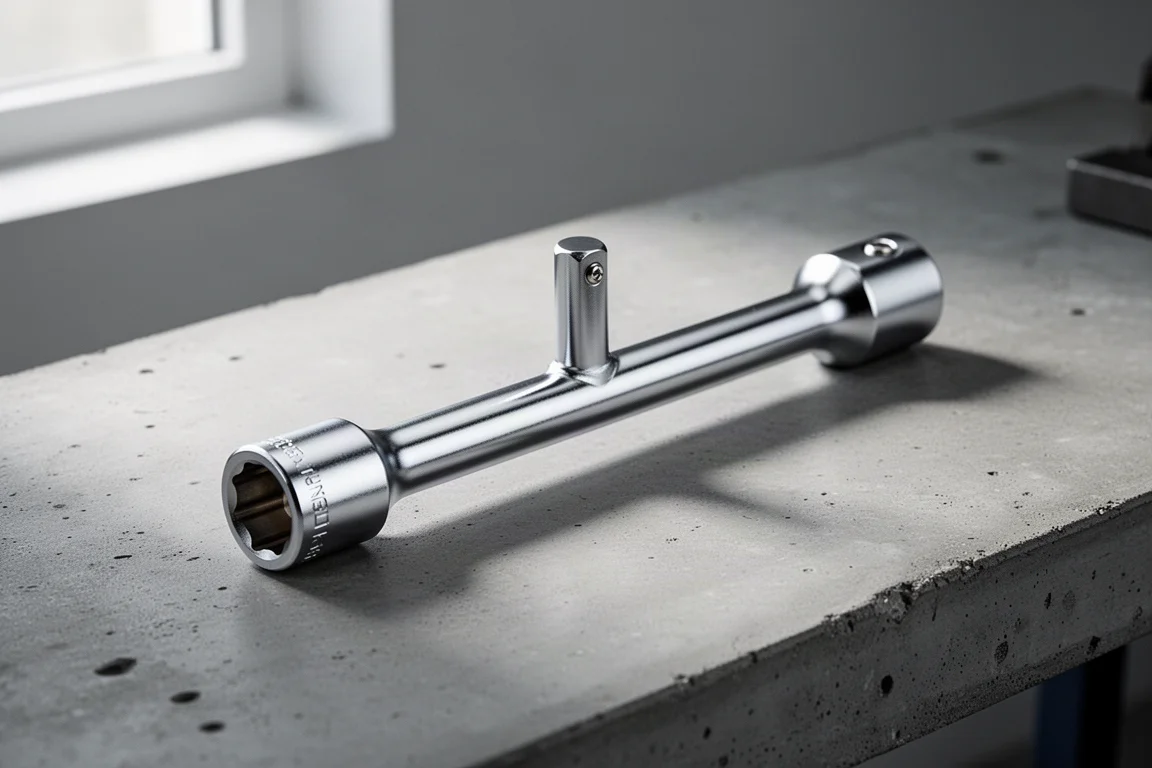
Introduction
Wobble extensions solve one problem and create another. The wobble action helps you reach fasteners at an angle, but that same free play makes them awkward when you want a rigid, straight extension. The Snap-on WPI Wobble Plus extension is built to give you both in a single tool, and after spending time with it, the design feels less like a gimmick and more like something that should have existed sooner. It is the kind of tool that makes you wonder why nobody doubled up the functionality earlier.
How the Wobble Plus Mechanism Works
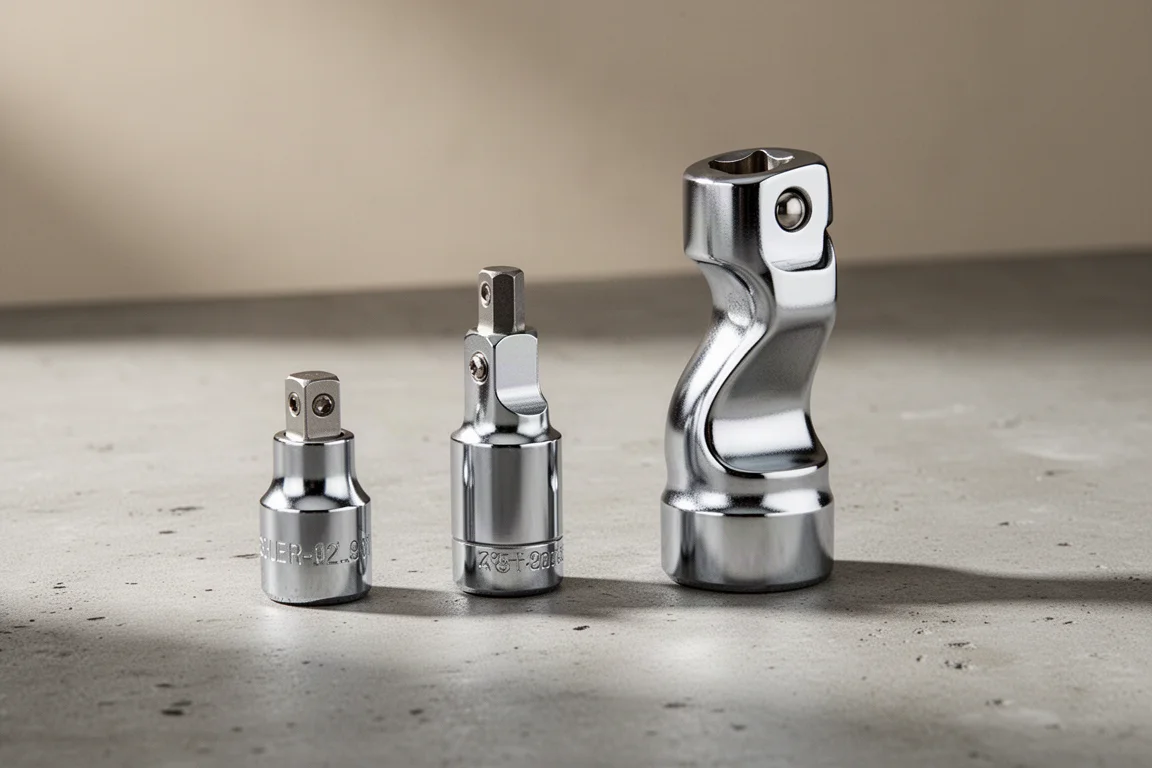
At first glance, the WPI looks slightly different from a traditional wobble extension. It has an extra pillar section that becomes the rigid, non-wobble part of the tool, so it carries the highlights of both a wobble and a standard extension.
When you attach it to a ratchet and drop a socket on, the first click is the wobble position. In this mode the socket has that familiar bit of offset and free play for angled access. Push down on it and it clicks into a second position, where it holds firm just like a regular non-wobbling extension. Having that variability on the fly is the core of what makes this tool work.
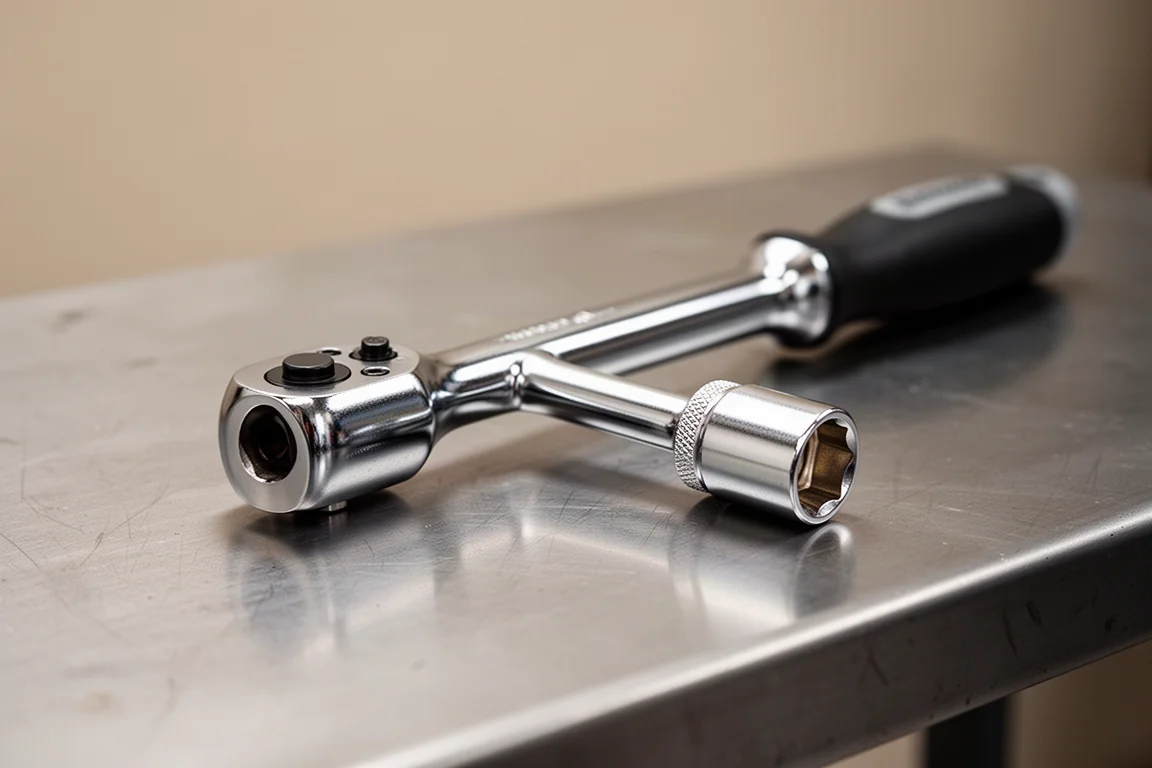
One thing worth knowing: a wobble in the free position can be a nuisance when gravity takes over and you are trying to line a socket up on a fastener, especially in low-clearance spots. With the Wobble Plus you can simply click it rigid and work it in immediately.
Everyday Use Cases
The obvious benefit is fast switching between angled access and straight-line work without swapping tools. If a fastener is really tight and things get stuck, holding the socket steady in the locked position makes a genuine difference.
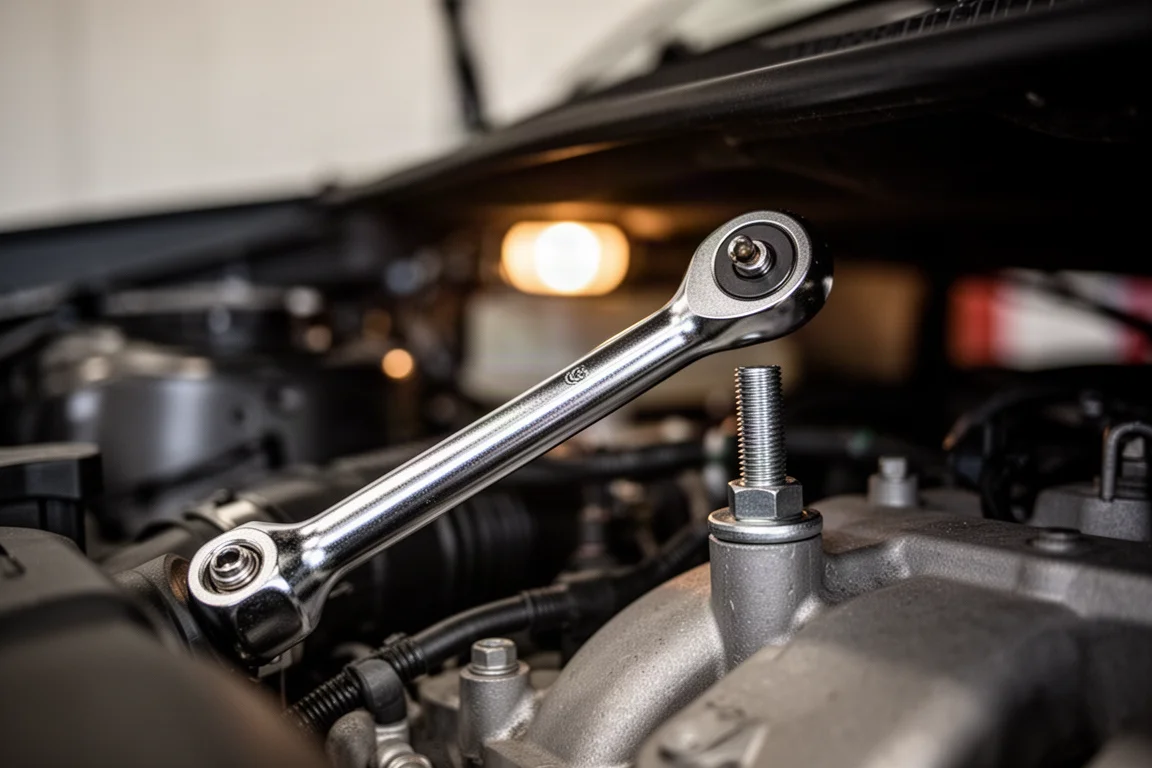
It is best paired with a ratchet that has a locking head, so you can yank it back off without losing the socket on the fastener. That pairing turns the tool from convenient into something you will reach for constantly.
Stack It With Your Existing Extensions
Here is where the design gets clever. If you attach the WPI to a regular extension you already own, you have effectively turned that extension into a wobble extension. That means you do not need to buy a separate wobble version of every length in your set, which is an easy way to spend money unnecessarily.
You can also stack things up for even more range. Use it on the back end of another extension, or reverse the arrangement and put the wobble up front with a single click for the offset out at the socket. Stacking two wobbles together produces a very large arc of rotation, and it is genuinely useful when you need serious angling ability.
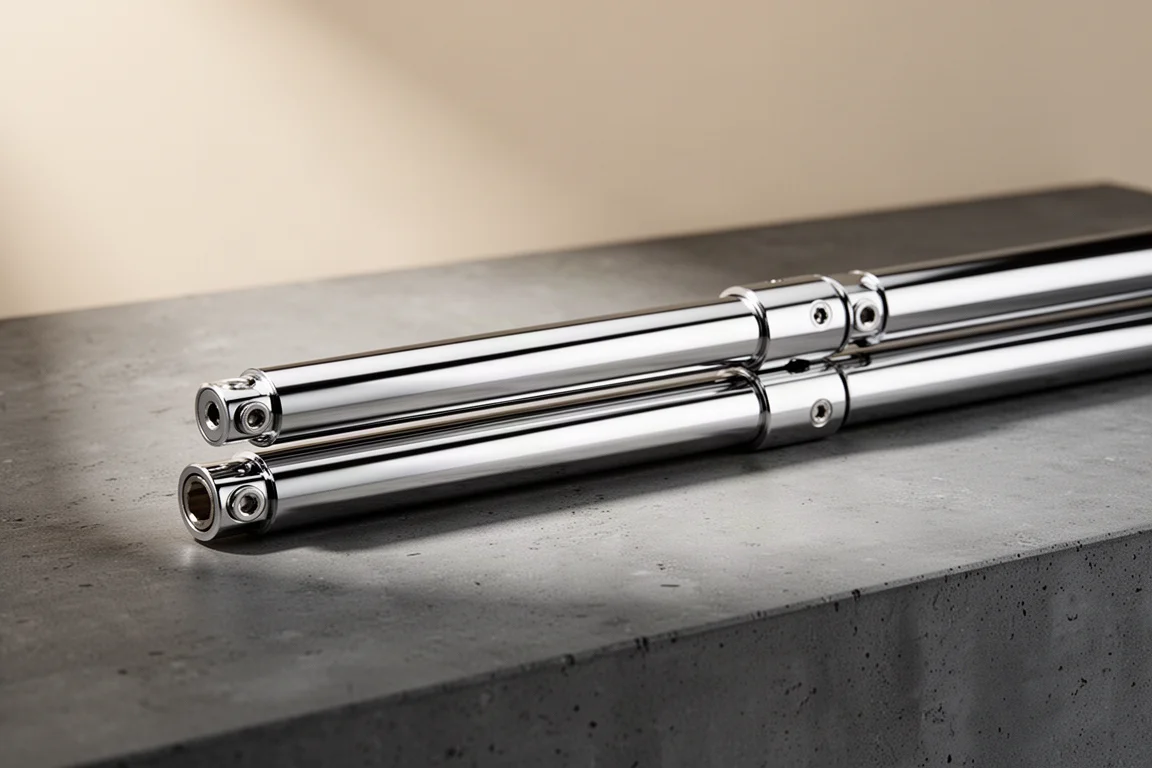
The practical takeaway is that this tool adds possibilities to the extensions you already have rather than replacing them.
Size Options and Locking Feature
The WPI is reasonably priced for what it does, and there is also a quarter-inch version with all the same features in a smaller package. For tight mechanical work, having both sizes on hand covers most situations.
There is a locking wobble variant in the family as well, which uses a collar to lock the socket in place. That helps the socket hold onto a fastener in awkward positions, which matters when you are working at an angle or in a tight spot where a socket would otherwise slip off.
Buying Advice
If you already own a drawer full of standard extensions, the WPI effectively multiplies their usefulness, since one tool can convert them into wobbles. If you rely on a locking ratchet head, the combination is even better. Anyone who works in tight engine bays or around obstructed fasteners will get the most out of the second, rigid click. There is no real downside to consider beyond adding another tool to carry, and these are the kind that end up going everywhere with you.
Conclusion
The Snap-on WPI Wobble Plus extension earns its keep by combining a wobble and a rigid extension in one body, converting your existing extensions into wobbles, and stacking for even bigger arcs. It is a small, reasonably priced upgrade that genuinely expands what your current socket set can do, and it is easy to recommend without hesitation.
Product link
View more details for Snap-on WPI Wobble Plus Extension
This product is mentioned in the review. Check the specifications, options, and compatibility before buying.
View more details for Snap-on WPI Wobble Plus ExtensionFurther reading
Related Reviews
Hand Tools
Best Diagonal Cutters 2026: 16 Pliers Tested for Cutting Power and Durability
We put 16 diagonal cutters through nail, screw, drill bit, and hex key tests to find the best value picks for your toolbox.
Hand Tools
Best Hex L Key Sets 2026: Nine Sets Tested for Real-World Torque
Nine hex L key sets from budget to premium, tested for torque, fit, and durability. See which sets deliver real performance and which ones to skip.
Hand Tools
Best Locking Pliers 2026: Top Picks Tested for Grip and Durability
We tested 18 brands of 10-inch locking pliers for grip strength, jaw bite, build quality, and ease of release to find the best options for tough jobs.