Hand Tools
Snap-on vs Pittsburgh Trim Clip Remover: Is the Premium Price Worth It?
A simple hand tool built to fight plastic clips, compared across price, feel, durability, and real-world value.
Introduction
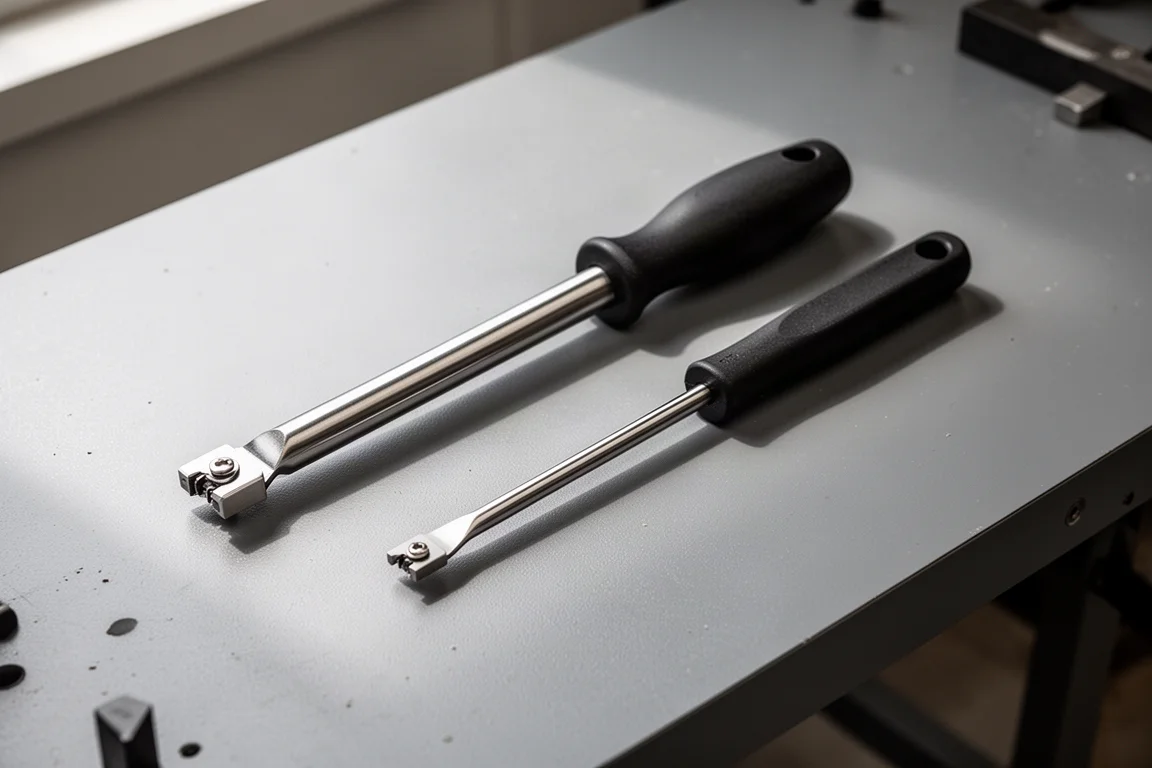
Some tools justify a premium brand price with better steel, tighter tolerances, or dramatically smoother operation. The humble trim clip remover is not one of them. This is a simple hand tool designed to pry brittle plastic automotive clips out of panels, and the forces involved in that job are modest compared to what a chunk of steel on a plastic handle can survive.
That makes it an interesting case study in what you actually pay for when you buy premium. Here is how the Snap-on version stacks up against the Pittsburgh set sold at a fraction of the price.
What These Tools Are For
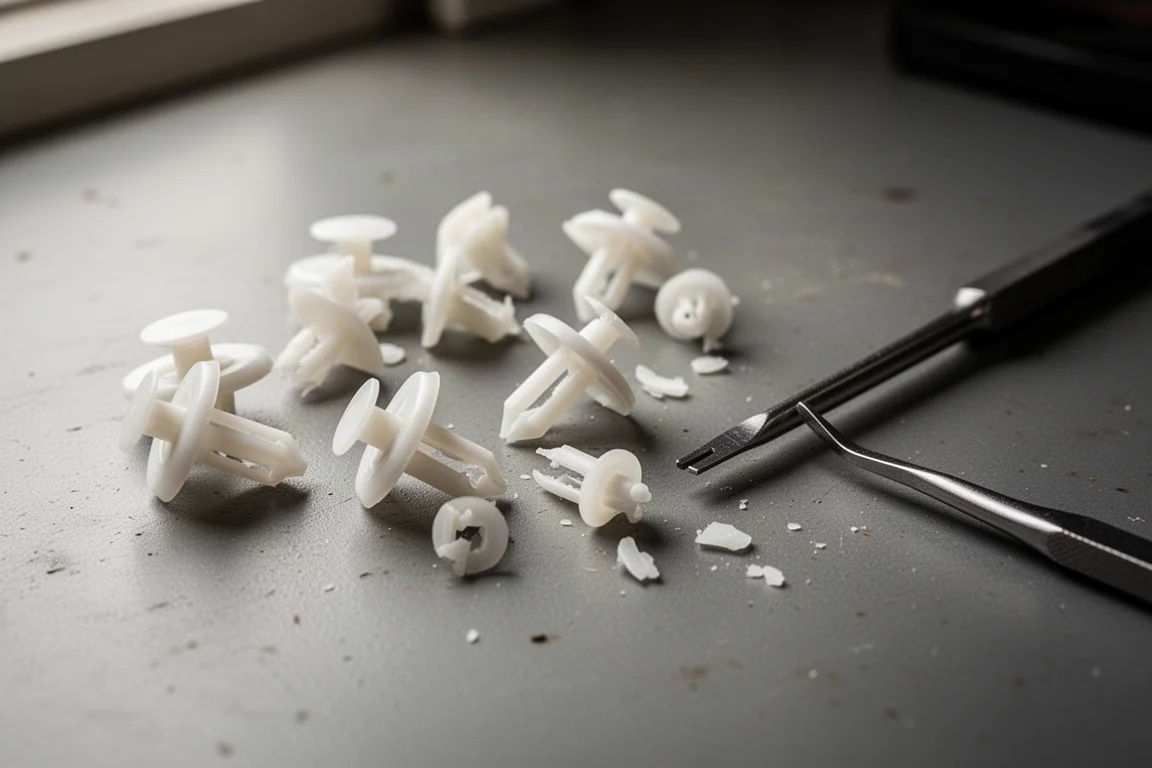
Both tools do the same job: sliding under plastic trim clips so you can pop them out of door panels, interior trim, and similar fastening points. Any version, regardless of brand, is strong enough to get stubborn clips moving. The honest downside of the job itself is that some clips will shatter or break at the top no matter which tool you use, so careful technique matters more than branding.
The tool has no natural enemies in this role. The clips give up long before the tool does, and many owners report never seeing any meaningful wear on one, even after years of shop use. Broken tools in this category usually mean misuse, not exhaustion.
Snap-on Trim Clip Remover
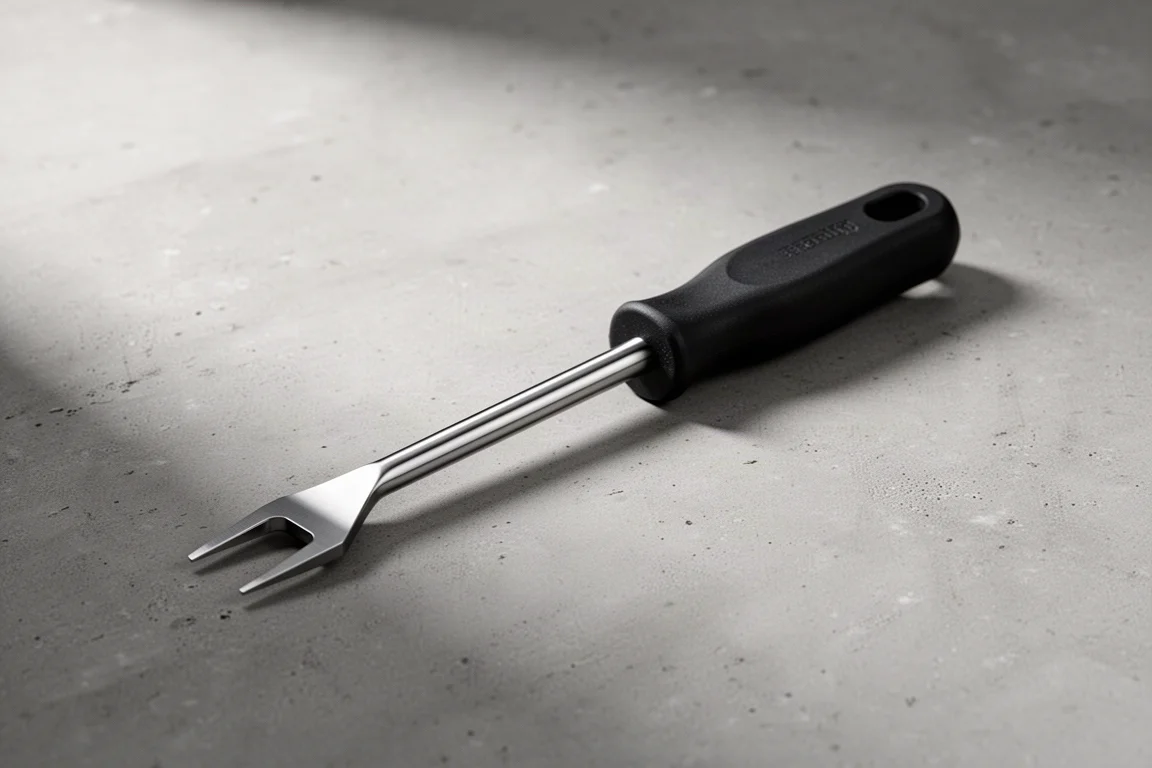
The Snap-on version currently sells for around $44. It uses the brand’s classic Instinct handle, a rubberized ergonomic grip that feels good in the hand. It is also the longer of the two tools, and the version shown here was clearly made in the United States, which matters to some buyers for reasons of origin, support, and brand philosophy.
That said, the Instinct handle is arguably overbuilt for this specific task. When popping clips out, many users barely hang onto the handle at all, grabbing it some other way mid-pry. A smaller handle could honestly be handier for this job. The large grip and the hang hole exist for other habits, like hanging tools on rails, not for clip work.
Pittsburgh Trim Clip Remover Set
The Pittsburgh set is the value story. A six-piece set in different sizes sells for around $22, and with the coupons that Harbor Freight regularly runs it effectively drops to roughly $16 to $17, call it $18. That works out to about $3 per tool.
In use, the shafts are very similar to the Snap-on’s. The design language is close, the steel does the same job, and the shorter handle is arguably better suited to the way these tools are actually gripped. The finish shows wear faster if the tool lives in a truck bed or outdoor drawer, but that is cosmetic, not structural.
Handle and Ergonomics
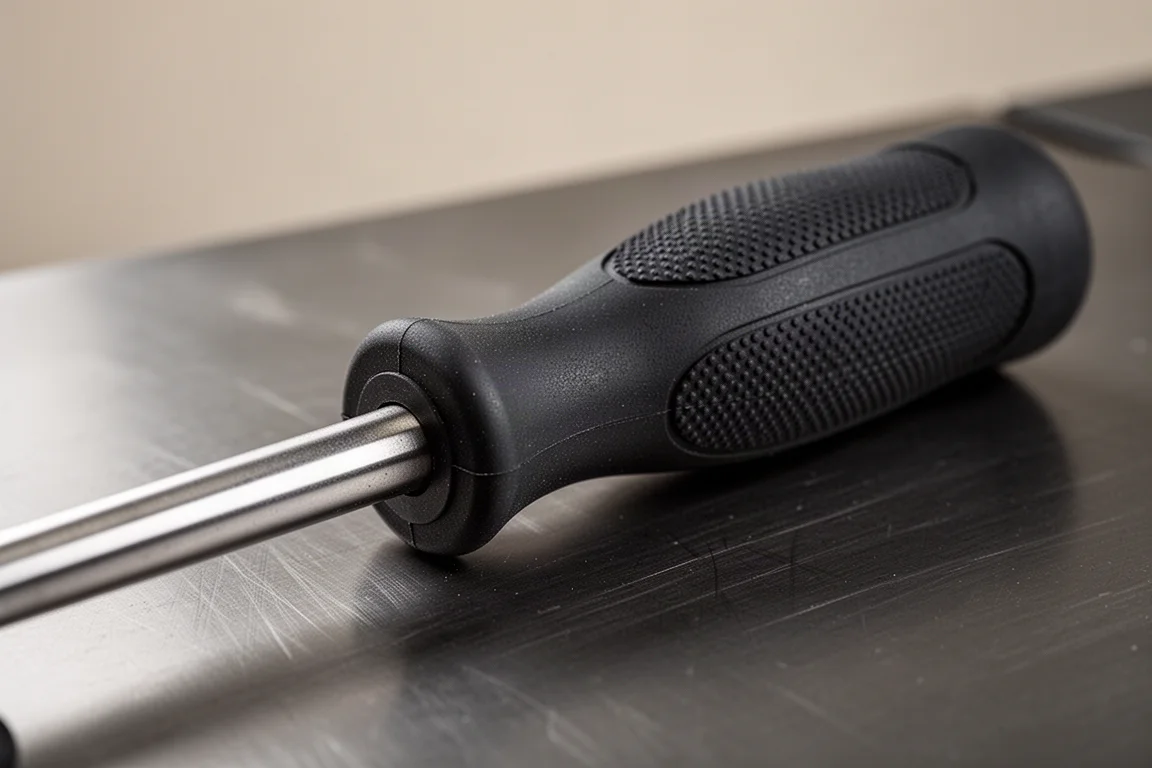
The handle is where the two tools differ most. Snap-on’s Instinct grip is soft, thick, and pleasant to hold, and it works brilliantly on tools where you generate real torque, like the brand’s ratchets and ratcheting screwdrivers. On a trim clip remover, where the grip often shifts during a pry, the slimmer Pittsburgh handle may be the more practical choice.
Neither handle needs a tether slot or a hang hole for this job, and neither tool is likely to benefit from inserting anything into the handle end to apply twist. This is a straight pull-and-pry tool.
Design Differences That Matter
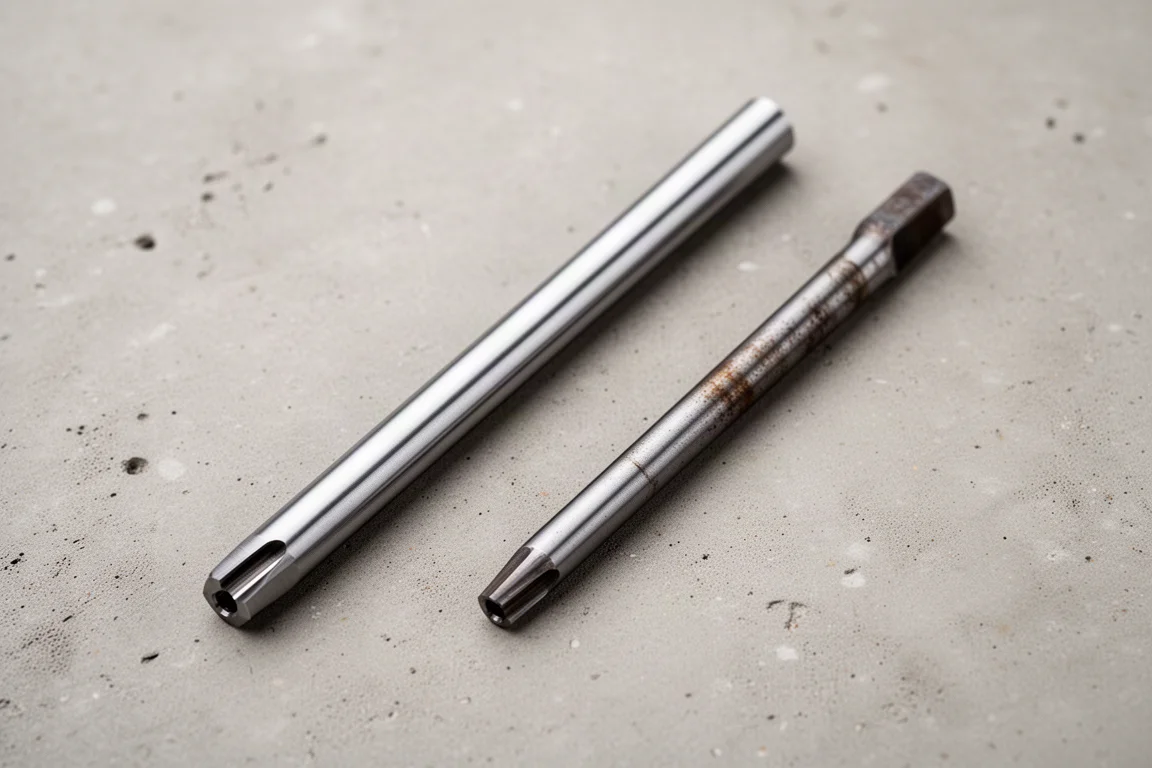
Beyond handle size and overall length, the practical differences are small. Some Snap-on trim tools feature a cut-out near the tip; not all of them do, and a straight-shaft version exists too. That detail can matter for certain clip styles, but it is a design choice rather than a quality advantage.
Where the tool is made is a genuine difference: the Snap-on is clearly US-made, the Pittsburgh is clearly not. Whether that matters depends on the buyer. What does not differ much is durability. A tool that fights plastic clips will likely outlast its owner’s enthusiasm long before it wears out mechanically.
Which One Should You Buy?
If you already own Snap-on tools and value consistent US-made quality in your collection, the $44 trim clip remover is a perfectly good buy and will last effectively forever. But there is little performance argument for it here: no meaningful jump in durability, safety, or results.
If you just need the job done, the Pittsburgh set gives you six sizes for less than the price of one Snap-on tool, with coupons bringing it to roughly $18. For a simple tool whose job it is to out-muscle plastic clips, that is hard to beat. The broader lesson applies to picks, chisels, scrapers, and pry bars too: plenty of simple hand tools carry a premium name without a premium performance difference. Save the brand budget for tools where it genuinely shows, like ratchets and pliers.
Conclusion
This comparison is less about two products and more about knowing when a premium badge earns its price. For trim clip removal, both tools work, both last, and the Pittsburgh set costs a small fraction of the Snap-on version. Buy the Snap-on if brand consistency and US-made origin matter to you; buy the Pittsburgh set if value does. Either way, the clips will lose.
Further reading
Related Reviews
Hand Tools
Best Diagonal Cutters 2026: 16 Pliers Tested for Cutting Power and Durability
We put 16 diagonal cutters through nail, screw, drill bit, and hex key tests to find the best value picks for your toolbox.
Hand Tools
Best Hex L Key Sets 2026: Nine Sets Tested for Real-World Torque
Nine hex L key sets from budget to premium, tested for torque, fit, and durability. See which sets deliver real performance and which ones to skip.
Hand Tools
Best Locking Pliers 2026: Top Picks Tested for Grip and Durability
We tested 18 brands of 10-inch locking pliers for grip strength, jaw bite, build quality, and ease of release to find the best options for tough jobs.