Hand Tools
Snap-On vs Mac Tools: Which One Holds Its Value on the Secondhand Market?
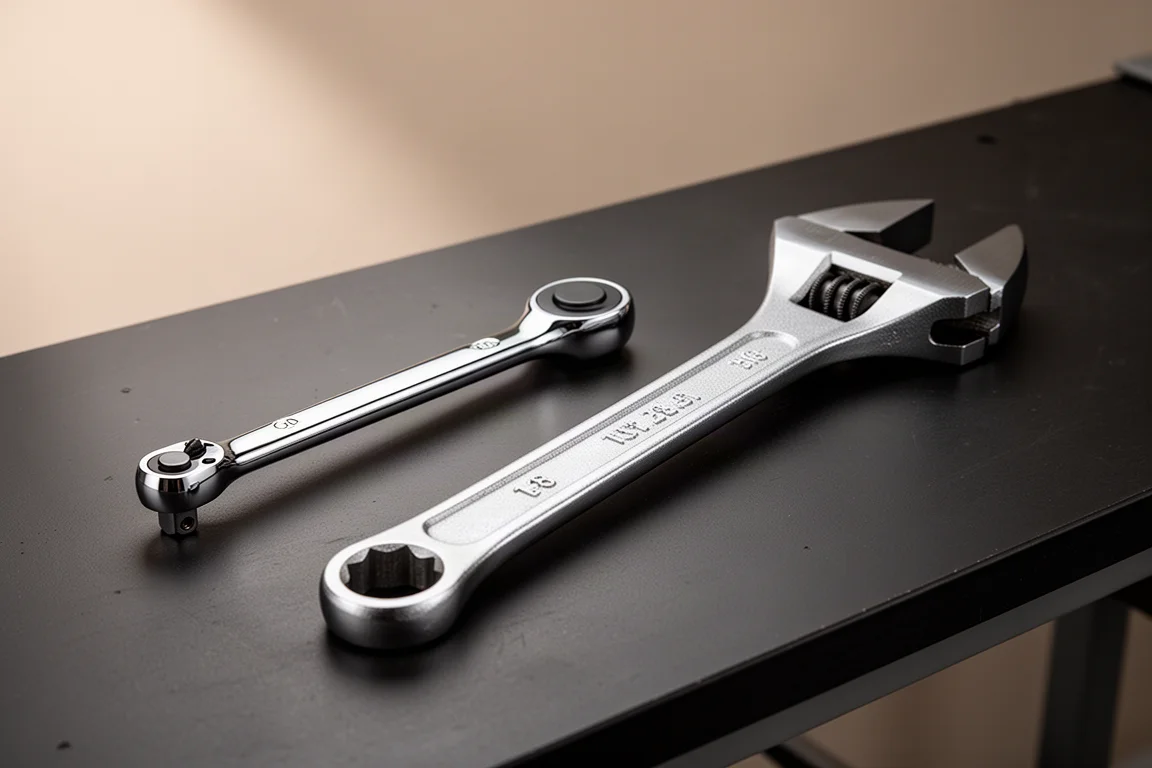
A closer look at a Snap-On Dual 80 ratchet and an 18-inch Mac adjustable wrench, and why one brand resells for far more than the other.
Introduction
Snap-On and Mac are both respected names in professional tool trucks, but they behave very differently once they leave the truck. In the secondhand market, Snap-On tools tend to hold considerably more of their original value than Mac tools, and the gap is noticeable enough to shape what is actually worth buying used.
The two tools compared here tell the story well. Both were found at the same pawn shop, both in good condition, yet one sold at roughly half its new price while the other went for about a third. Understanding why helps explain where each brand makes sense today.
Snap-On Dual 80 Ratchet
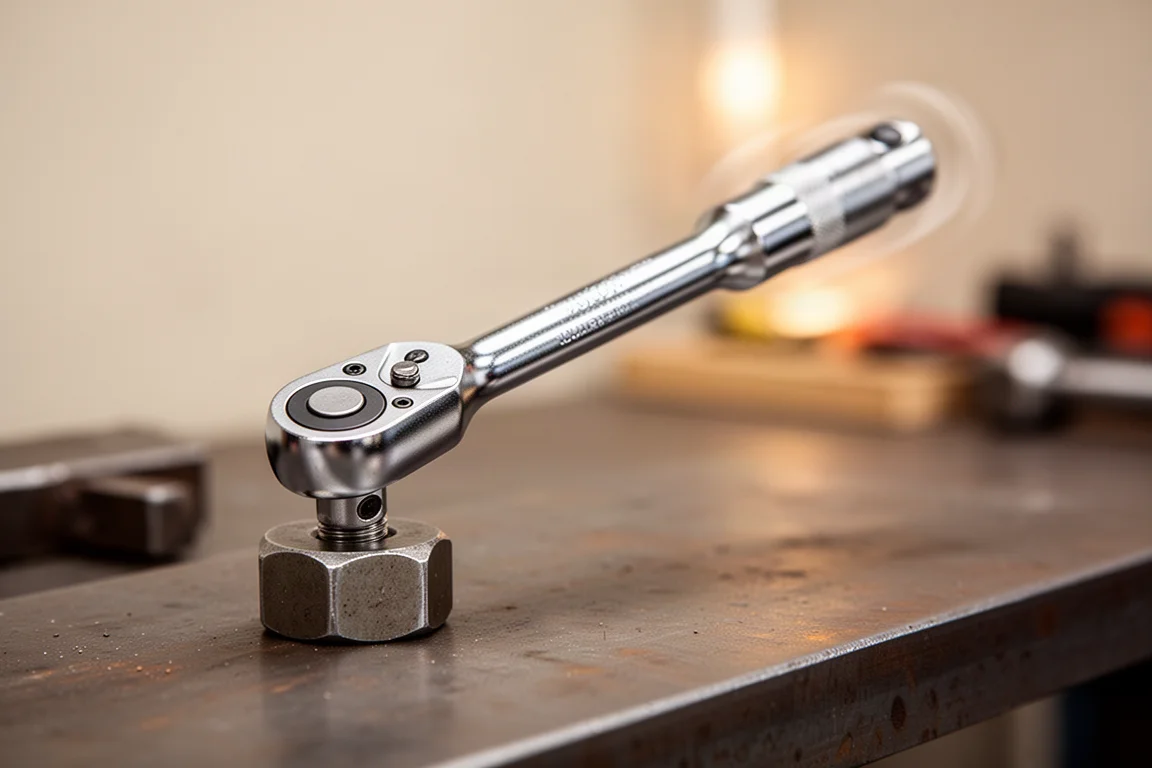
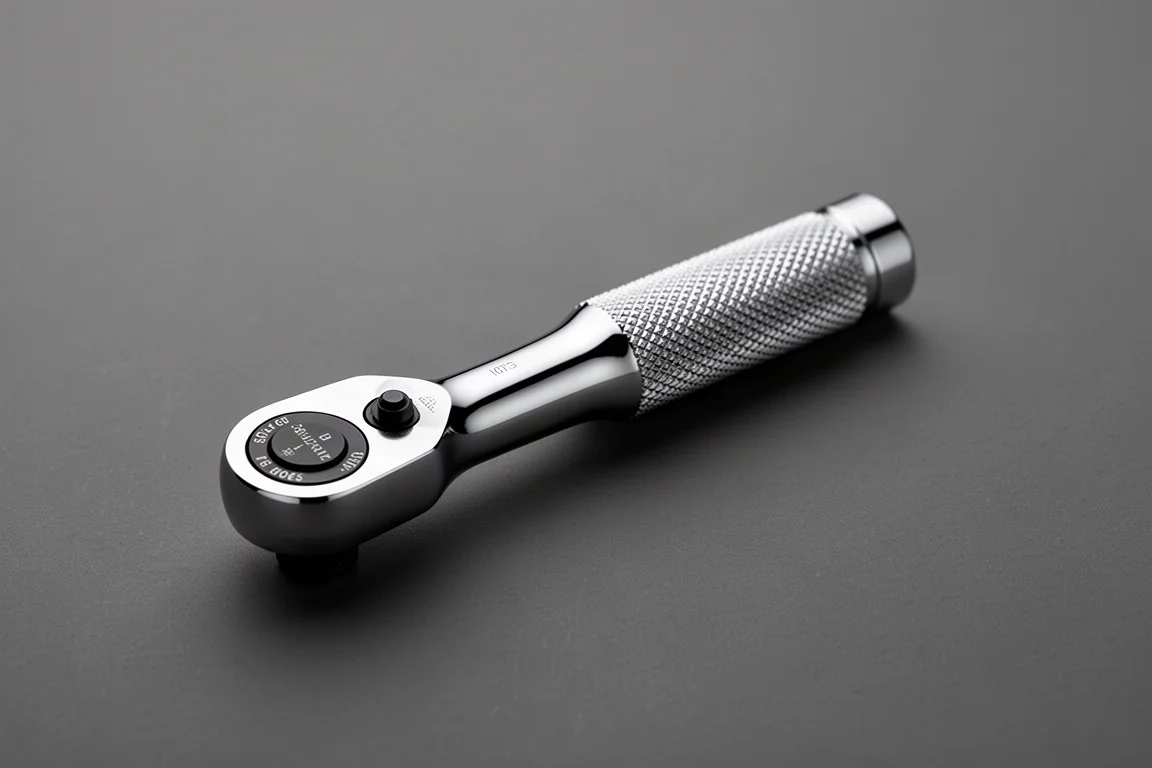
The Snap-On Dual 80 is a smooth, polished quarter-inch drive ratchet that doubles as an old-school speed handle. Before battery tools and impact drivers took over, this is how mechanics spun fasteners quickly, and that classic character is part of its appeal.
This example sold new for $195 off the truck and was picked up secondhand for $95, roughly half price, in near-excellent condition. Condition clearly mattered here: a clean, unusual tool that catches attention tends to command stronger resale prices. As a general rule, getting a Snap-On tool for less than half of truck price in good condition is a solid buy.
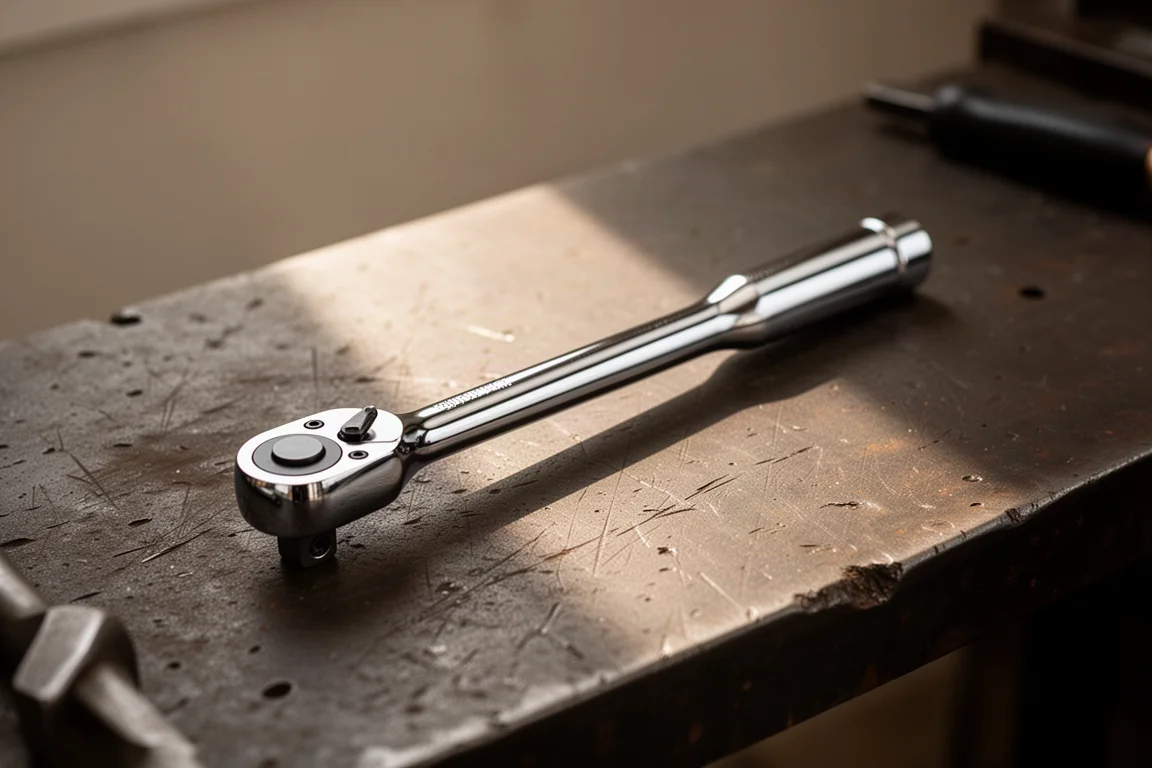
It is worth being honest about practicality. A quarter-inch speeder ratchet is a niche tool for most people; many owners reach for it more as a novelty than a daily driver. It is also uncommon enough that many buyers have never seen one on the truck, which adds to its collectible pull. That rarity, plus the Snap-On USA marking, keeps it valuable to somebody, whether that is the original owner or the next buyer down the line.
Mac Tools 18-Inch Adjustable Wrench
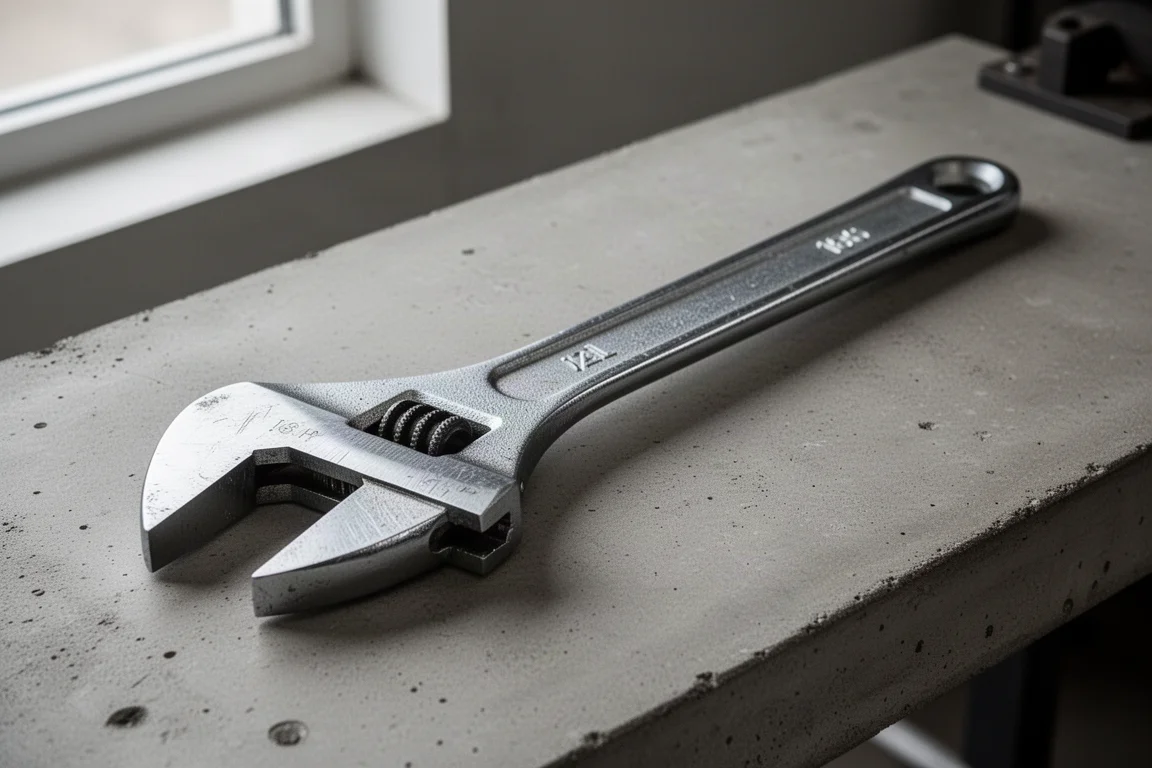
This 18-inch Mac adjustable wrench sells for about $145 new, probably less off the truck if you can find one. This one was picked up for $45, roughly a third of the new price, in nearly new condition apart from a few marks along one edge. The size is the main draw: it is larger than the typical 15-inch adjustable wrench, sitting in the territory where many users would normally reach for a pipe wrench or monkey wrench instead.
So why the steeper discount despite the impressive size? Origin matters. This wrench, like many Mac products, does not state where it was made, and the website is not much help either. Inexpensive Mac-branded sets have appeared over the years, and the perception that some Mac tools are made overseas has made the secondhand market skeptical. Buyers may pay Mac prices for the tool, but they do not get Mac secondary value out of it.
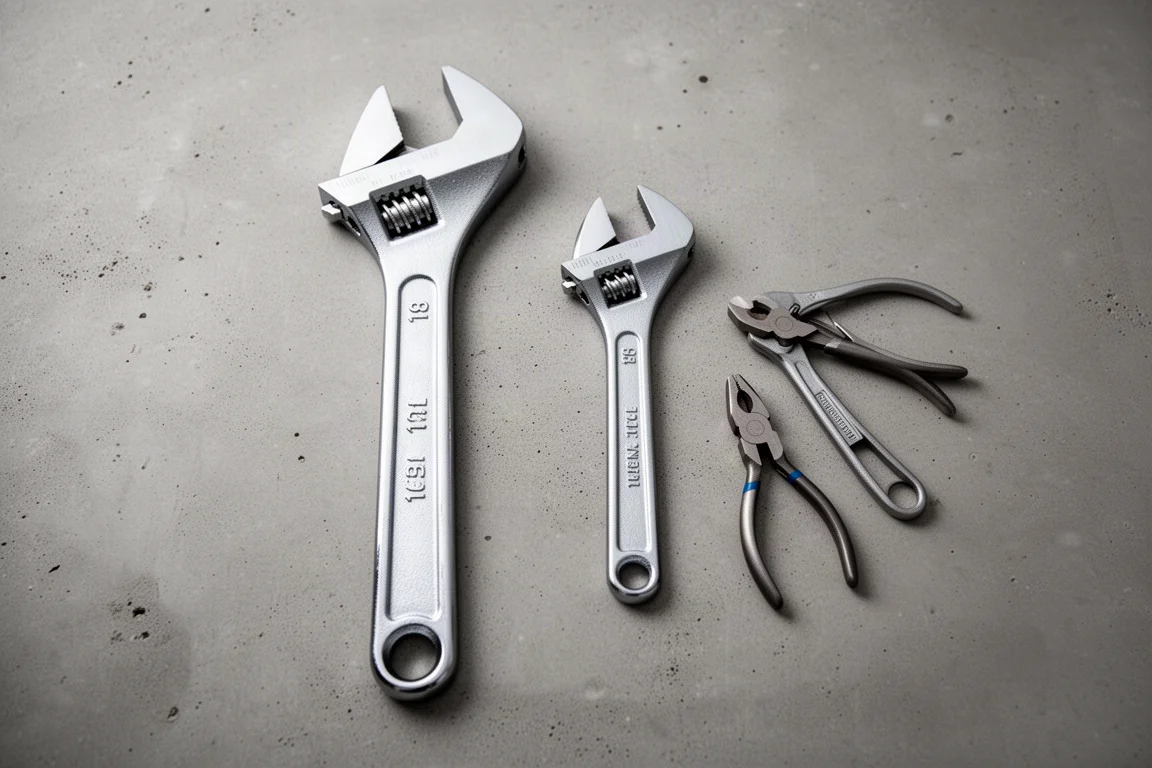
That does not make it a bad tool. It simply means nobody will give you much for it later. Utility value and resale value are two different equations, and this wrench delivers plenty of the former at a steep discount. Even on eBay, these large wrenches still command serious money new, which makes a $45 example tempting for anyone who wants the sheer scale without the collector price.
Which Brand Should You Buy Secondhand?
The pattern that emerges from the pawn shop experience is consistent. Snap-On, with its clear USA marking and strong reputation, retains enough value that buying used at a fair discount is almost a safe trade: if you change your mind later, you can generally recover your money. Mac tools, by contrast, resell closer to commodity value, only marginally better than budget house brands, with the exception of particular vintage or unusual pieces.
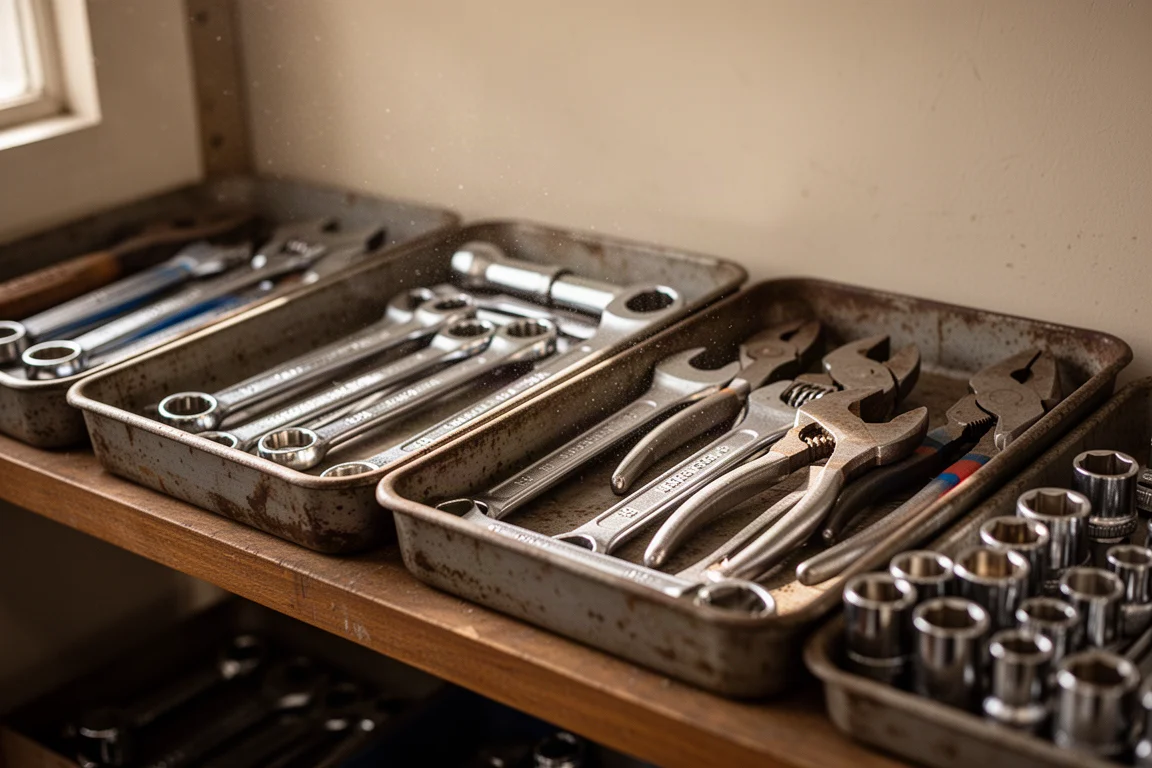
A practical rule of thumb: for Mac, only pounce on something genuinely unusual or cool vintage, since the resale floor is low. For Snap-On, if you find a good-condition tool at less than half of truck price, that is when it is worth listening to.
Conclusion
Snap-On remains the safer secondhand bet because the brand name still carries real secondary value, and tools like the Dual 80 ratchet sell for around half of their new truck price even years later. Mac tools hold their utility but not their resale price, which makes them best bought cheap and kept, not flipped. Buy Snap-On when value retention matters; buy Mac when the tool itself, at a deep discount, is all you need.
Further reading
Related Reviews
Hand Tools
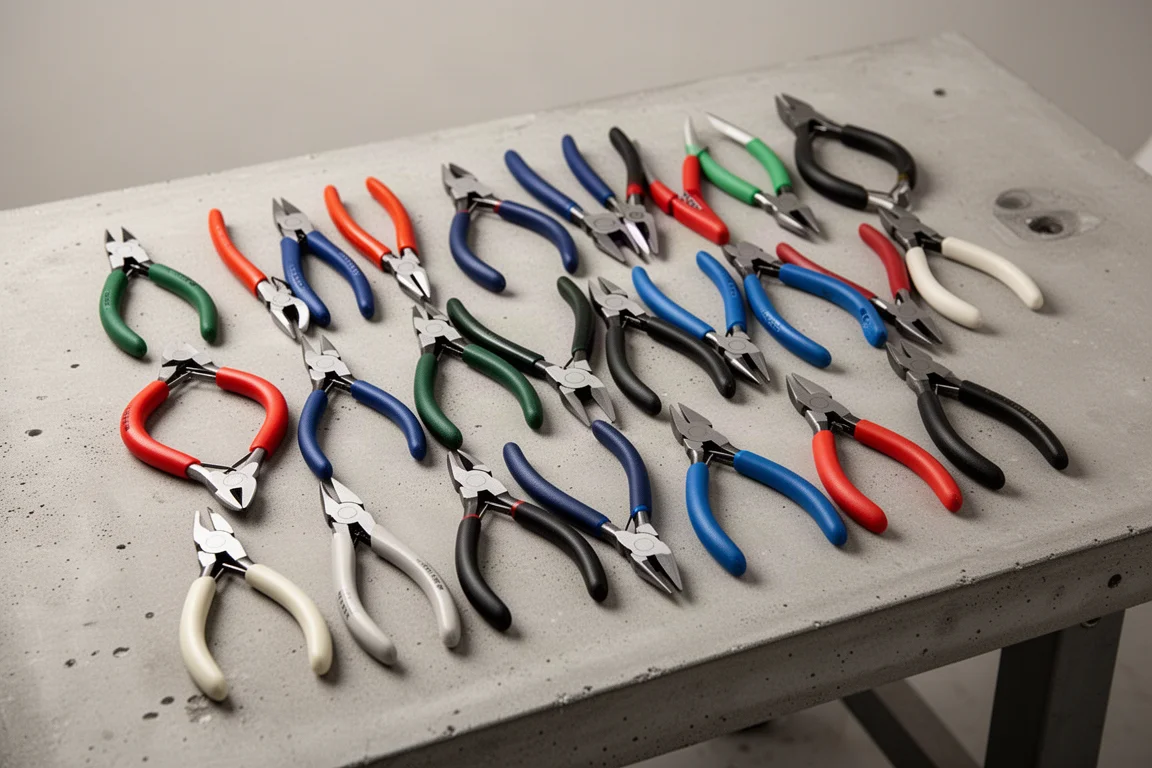
Best Diagonal Cutters 2026: 16 Pliers Tested for Cutting Power and Durability
We put 16 diagonal cutters through nail, screw, drill bit, and hex key tests to find the best value picks for your toolbox.
Hand Tools
Best Hex L Key Sets 2026: Nine Sets Tested for Real-World Torque
Nine hex L key sets from budget to premium, tested for torque, fit, and durability. See which sets deliver real performance and which ones to skip.
Hand Tools
Best Locking Pliers 2026: Top Picks Tested for Grip and Durability
We tested 18 brands of 10-inch locking pliers for grip strength, jaw bite, build quality, and ease of release to find the best options for tough jobs.