Hand Tools
Snap-On vs Icon Wire Strippers: A Near-Twin Comparison With One Big Flaw
Two nearly identical automatic wire strippers, one made in America and one clearly inspired by it, share a design that is excellent on the cutting edge and frustrating in the pocket.
Introduction
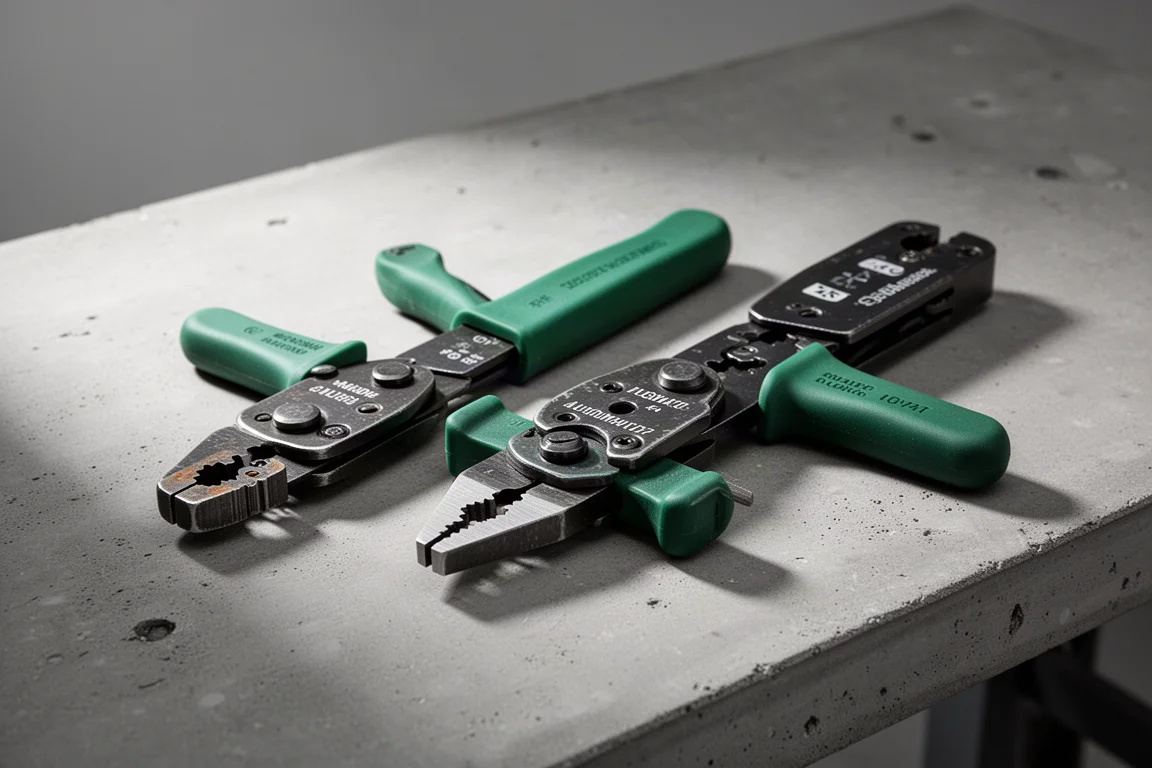
Every so often two tools come along that are so similar you have to squint to tell them apart. The Snap-On and Icon automatic wire strippers are exactly that pair. One is clearly the original, and the other drew significant inspiration from it across nearly every measurable detail, from the jaw geometry to the handle shape. Put them next to each other and even experienced tool users struggle to say which is which at a glance.
But this is not just a story about a copycat. Both tools share something else: a genuinely excellent stripping head paired with a locking mechanism that borders on a design failure. That combination makes this comparison more interesting than a simple original-versus-clone verdict.
How They Compare Side by Side
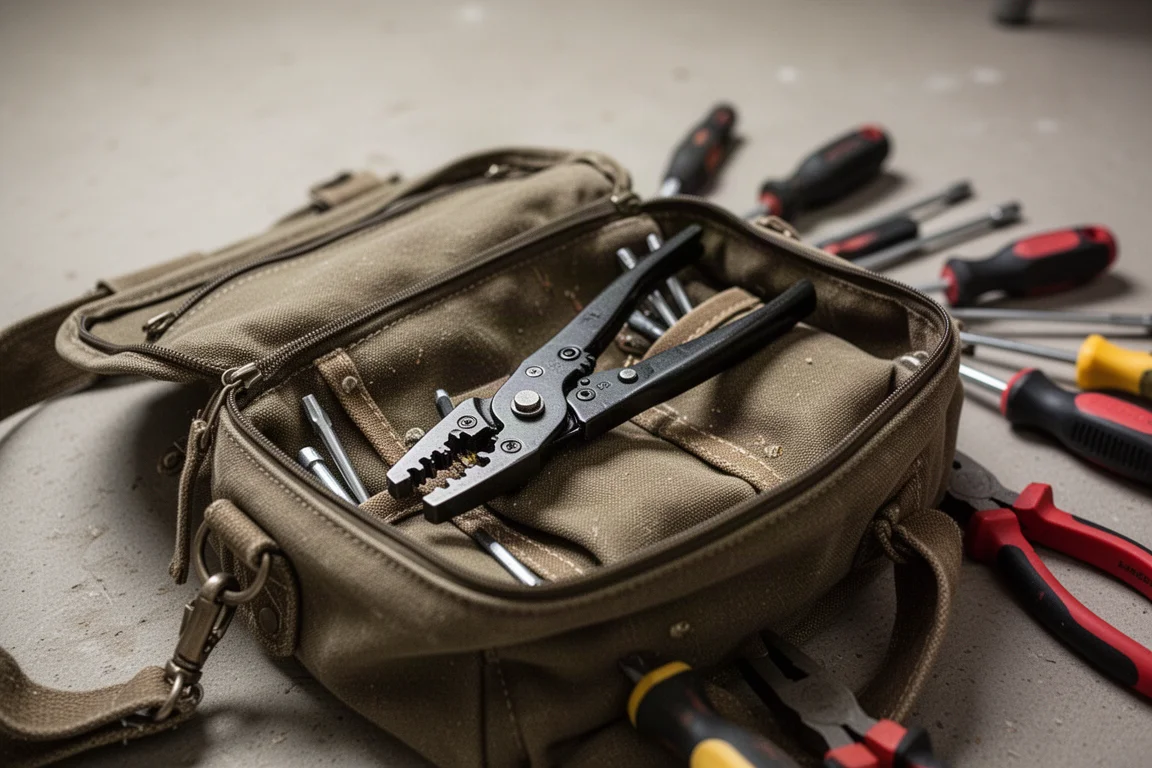
Telling these two apart is genuinely difficult. The most obvious giveaways are subtle. The Snap-On carries a distinctive typeface that reads as old-but-modern, and it is currently the one available with green handles, while Icon is not making green-handled pliers just yet. Beyond those details, the similarity across different metrics is striking.
The key practical difference is origin: the Snap-On is made in America, while the Icon version is made in Taiwan. If original manufacturing matters to you, that alone may settle the decision. If value matters more, the Icon has positioned itself as the accessible alternative with a very close execution.
Snap-On Wire Stripper
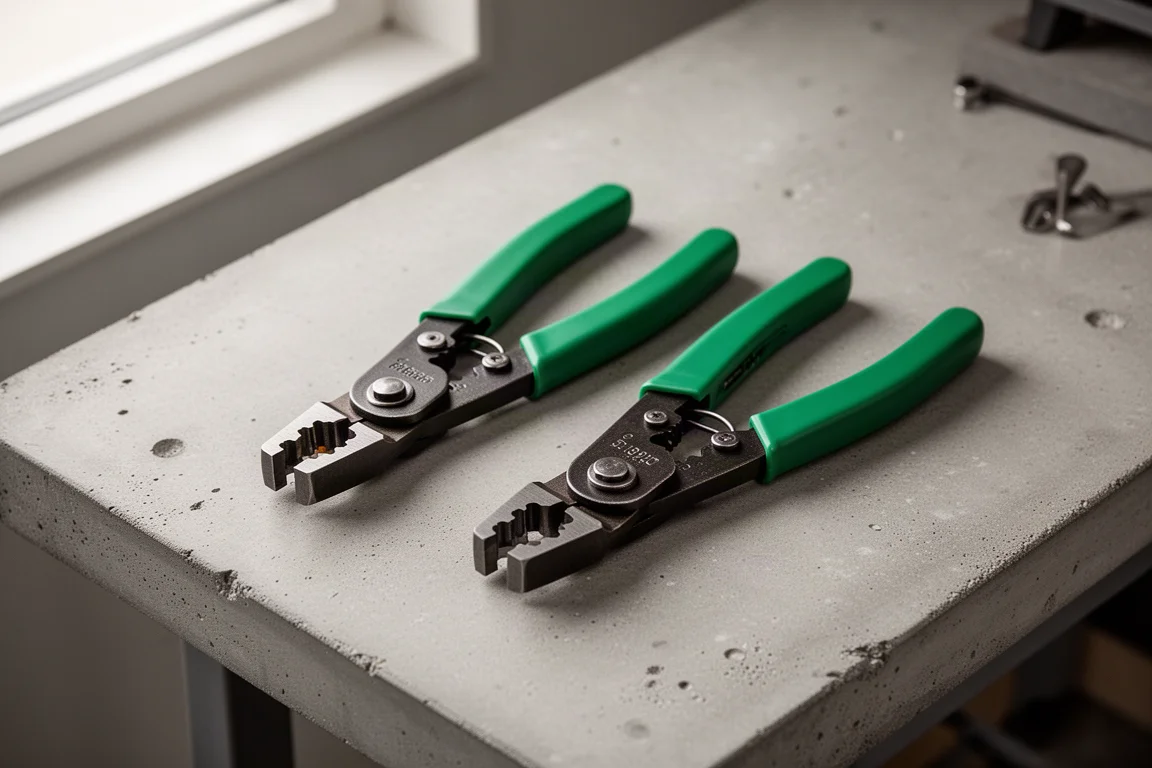
The Snap-On version is a beautiful execution across the whole tool. The stripping head is large but effective, and the front end does its job wonderfully well. This reviewer’s unit is actually the second pair, because the first one broke at the locking mechanism, an early lesson in how one small detail can undermine an otherwise great design.
That locking mechanism is the sore spot. It is not as if locking mechanisms are new technology, but this one is a dud. The toggle sits with excessive clearance, sticking way up so it catches on everything it passes, and it does not even need to be pressed to open. Flick it, bump it, or drop it into a bag and it pops open on its own. In drop testing, the updated version with a stronger internal washer held out for around ten firm drops before releasing, while the earlier design gave up almost immediately, sometimes in as few as one or two bumps. Depending on how hard it lands, five drops is about the most predictable result, and holding the tool upside down and tapping it barely changes anything.
Icon Wire Stropers Worth Buying Despite the Flaw
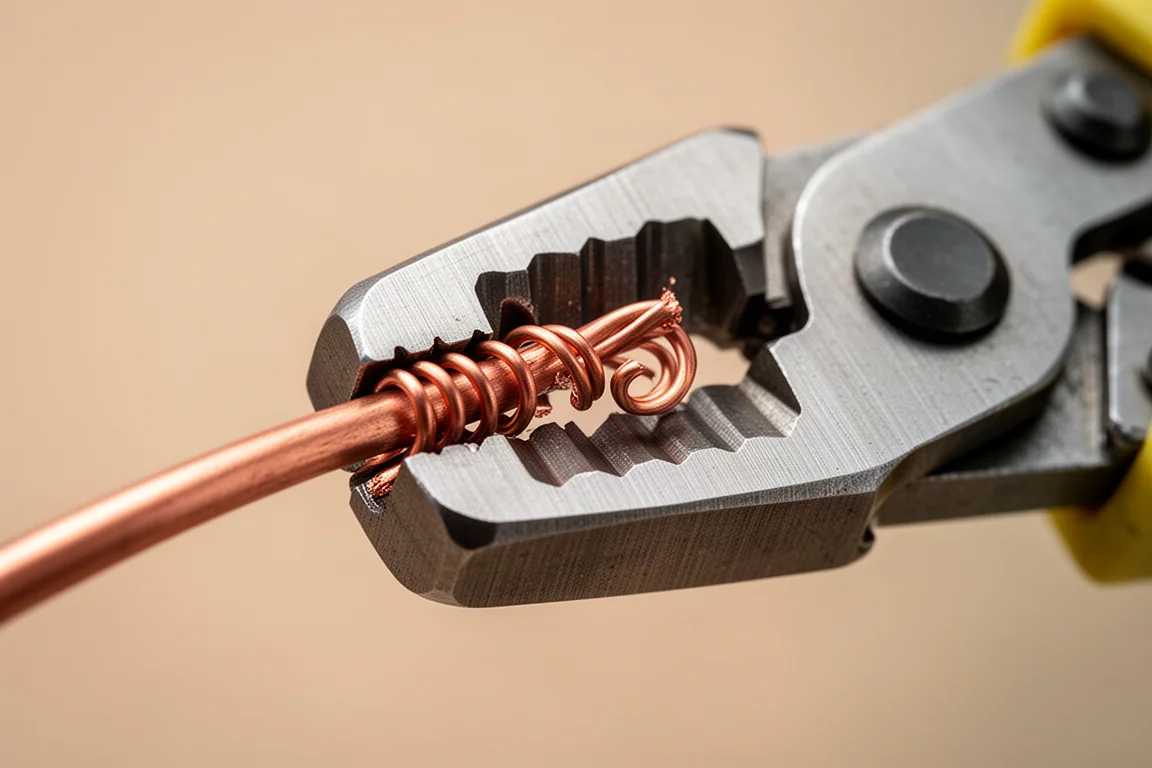
If you picked up the Icon during a sale, you still got an excellent, excellent stripper. It is a large stripper, but it really does a good job, and the front end is a genuine highlight. As a working tool for stripping wire, it performs beautifully.
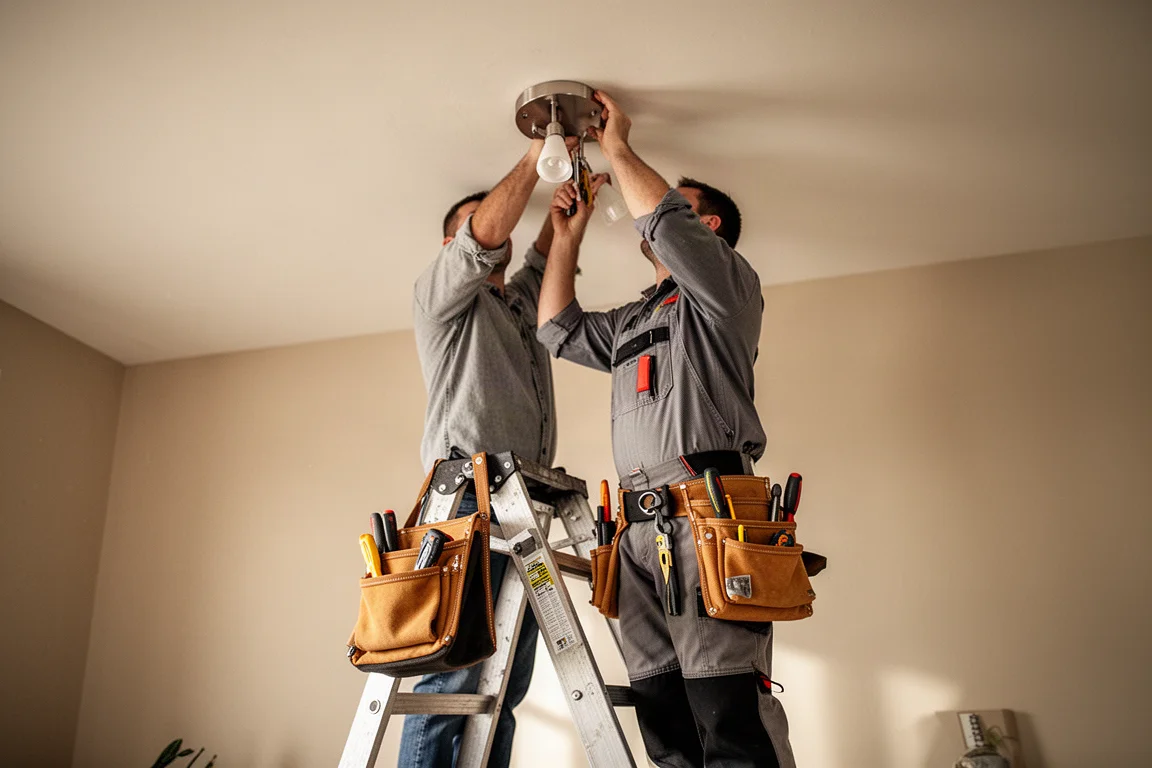
The frustration is what it copied. When the Icon version launched, a fair question was whether it copied the Snap-On so closely that it also inherited the flawed locking mechanism. It turns out it did. During real use, installing a light fixture from a ladder, the tool popped open every single time it went into a pocket or came back out of a tool bag. It does not matter how carefully you set it down: it is always open. That is not a cosmetic complaint. An always-open automatic stripper tumbling loose in a tool bag or pocket is dangerous, and it is the one thing holding back an otherwise wonderful tool.
The Locking Problem Both Share
The pattern here is one that shows up across the tool and knife world: a company nails a great design and a great execution, then hands off a minor detail to someone else who messes it up. A comparable example is Benchmade sheaths, where gorgeous fixed blades and dive knives spent years paired with sheaths that did not work at all, were oversized, or were simply hard to operate.
In this case, the flaw is not the jaw or the handles. It is a locking mechanism with too much clearance that backs itself off and releases with almost no provocation. Both tools suffer from it, and both would be dramatically better with even a modest positive lock. Until a revision arrives, the practical takeaway is to plan around it: use a tool bag with individual slots, secure it with a strap, or accept that you will be pulling out an open tool far more often than you would like.
Buying Advice
If you want the original and value American manufacturing, the Snap-On is the one to buy, with the caveat that its early version had a part break at the lock and the updated version still opens too easily. If you caught the Icon on sale, it remains a genuinely excellent stripper at a more accessible position in the market, made in Taiwan, with the same brilliant stripping head and the same maddening lock.
Either way, you are buying the best part of this design and tolerating the worst part. Neither tool is a bad purchase for the stripping performance alone. Just go in knowing that the lock will test your patience, and that any fix will have to come from the manufacturers rather than from how you use the tool.
Conclusion
The Snap-On and Icon wire strippers are near-twins, one made in America and one made in Taiwan, and both deliver outstanding stripping performance let down by a locking mechanism that pops open far too easily. Choose the Snap-On for the original execution and domestic manufacturing, or the Icon if you want the same experience at a friendlier price during a sale. Whichever you pick, budget some patience for the lock.
Product link
View more details for Snap-On Wire Stripper
This product is mentioned in the review. Check the specifications, options, and compatibility before buying.
View more details for Snap-On Wire StripperFurther reading
Related Reviews
Hand Tools
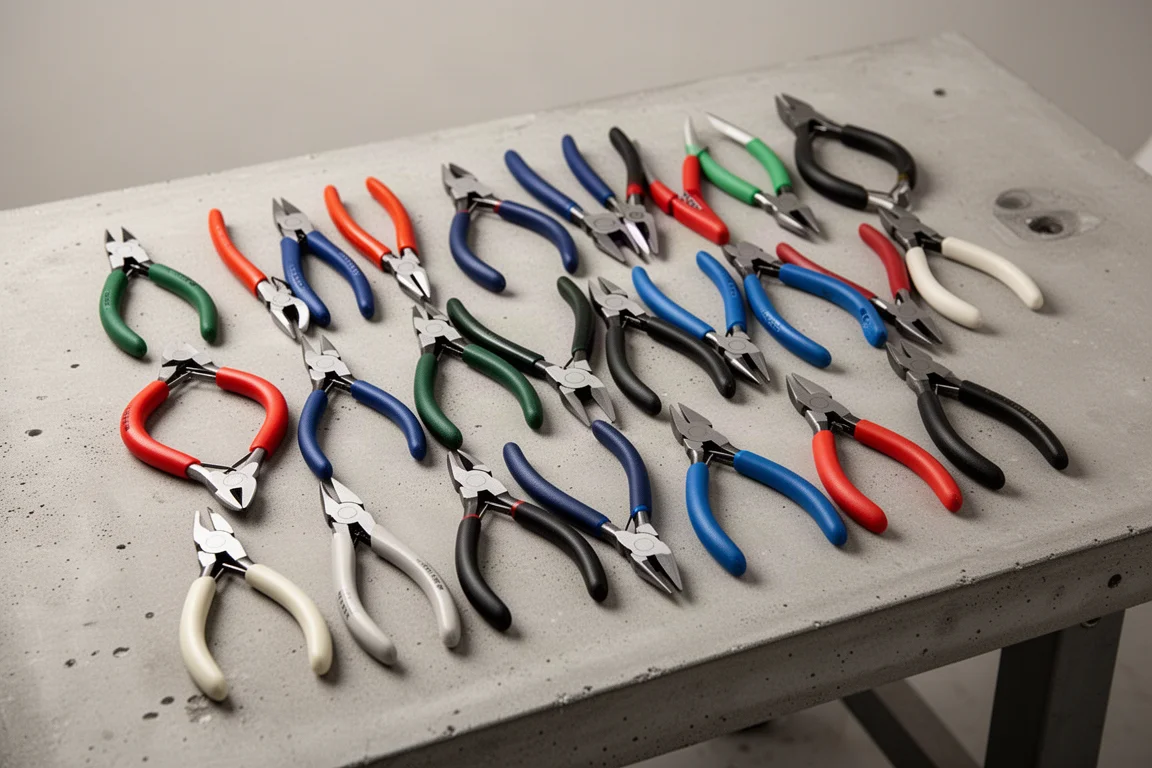
Best Diagonal Cutters 2026: 16 Pliers Tested for Cutting Power and Durability
We put 16 diagonal cutters through nail, screw, drill bit, and hex key tests to find the best value picks for your toolbox.
Hand Tools
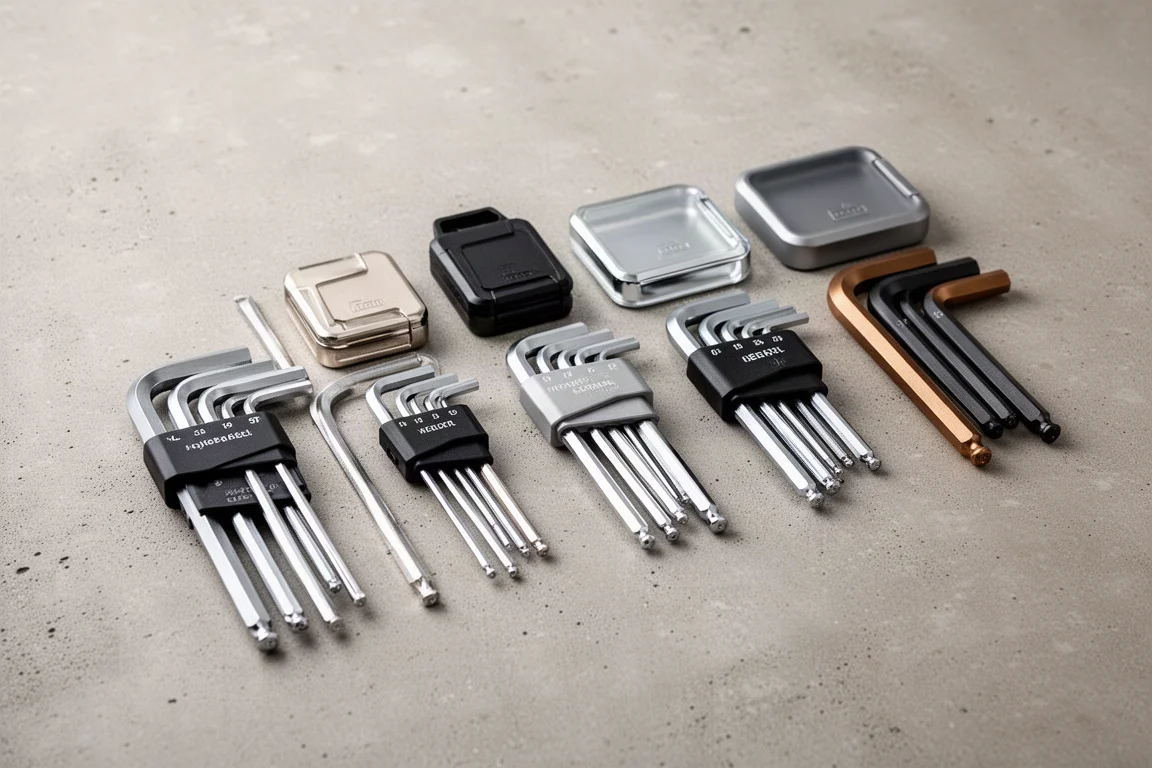
Best Hex L Key Sets 2026: Nine Sets Tested for Real-World Torque
Nine hex L key sets from budget to premium, tested for torque, fit, and durability. See which sets deliver real performance and which ones to skip.
Hand Tools
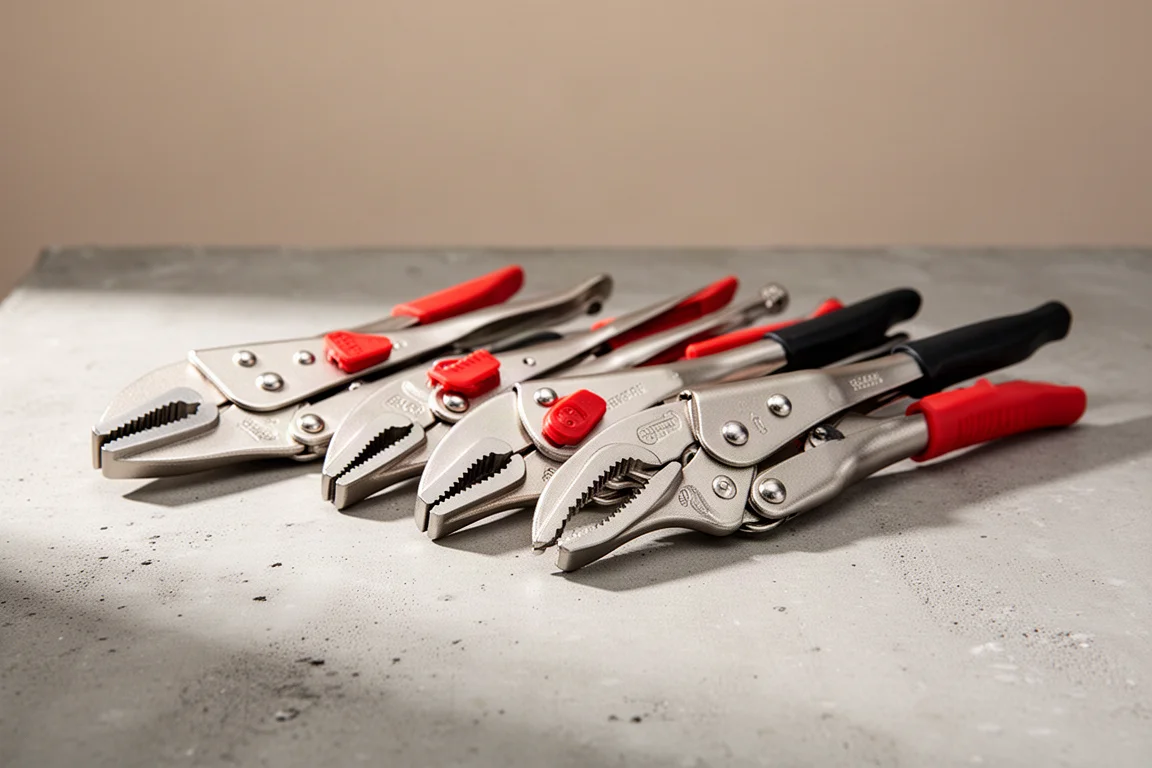
Best Locking Pliers 2026: Top Picks Tested for Grip and Durability
We tested 18 brands of 10-inch locking pliers for grip strength, jaw bite, build quality, and ease of release to find the best options for tough jobs.